
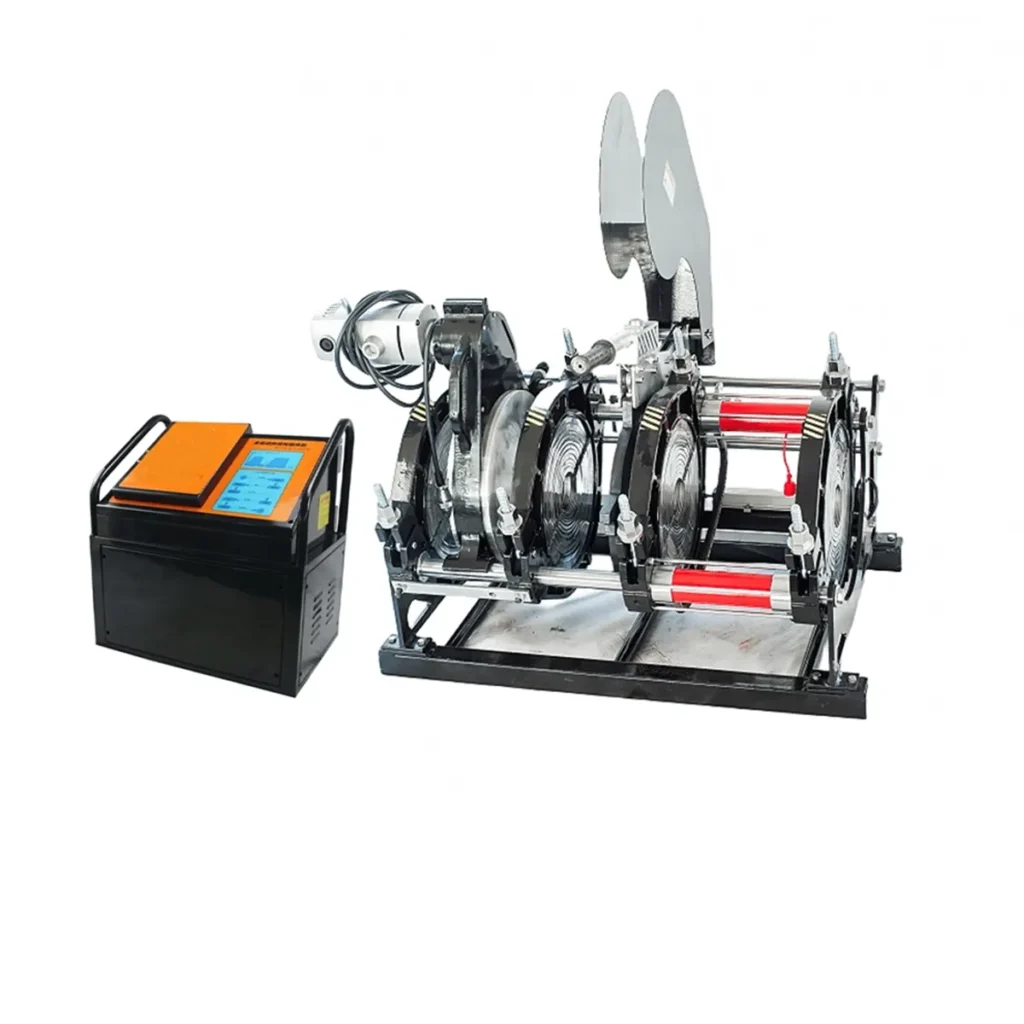
Operating an HDPE pipe welding machine correctly is essential for creating leak-free, long-lasting joints in critical infrastructure projects. Whether you are working on water supply networks, gas distribution systems, or industrial pipelines, following a structured welding procedure ensures joint integrity and compliance with international standards. This guide provides clear step-by-step instructions and best practices to help operators achieve consistent, high-quality butt fusion results on HDPE pipes of various diameters.
Understanding HDPE Butt Fusion Welding
Butt fusion is a widely used method for joining HDPE pipes by heating the pipe ends and pressing them together under controlled pressure. The process relies on precise temperature, alignment, and pressure settings to form a homogeneous bond. According to ISO 21307 butt fusion procedures, the joint strength depends on proper execution of each phase: heating, heater plate removal, fusion, and cooling. A well-operated HDPE pipe welding machine ensures that these phases are carried out with accuracy and repeatability.
Pre-Operation Checklist
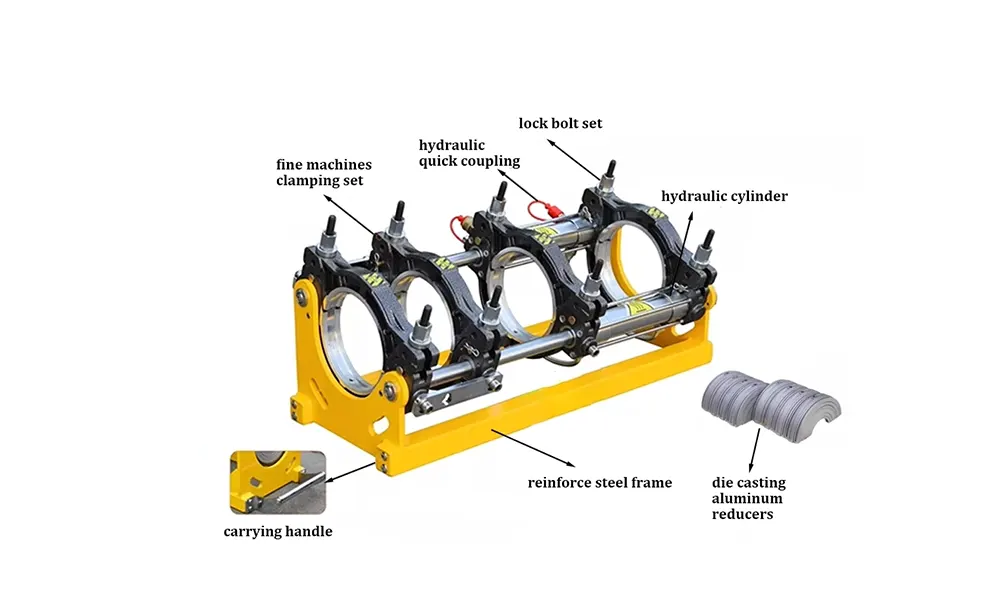
Before starting any welding operation, inspect the equipment and work area thoroughly. The following checklist helps prevent common issues that can compromise weld quality:
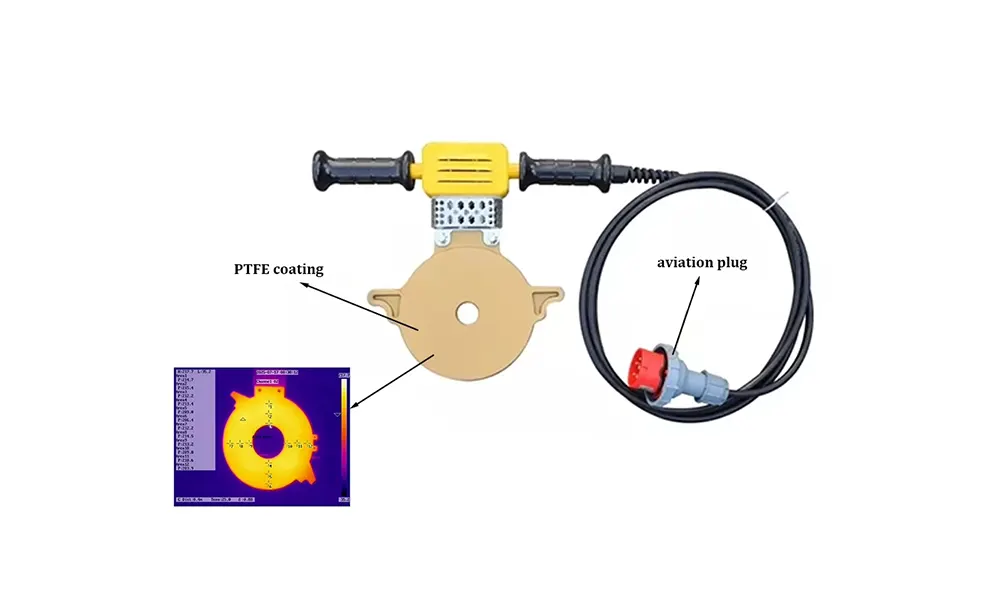
- Verify that the heating plate is clean, undamaged, and reaches the correct temperature (typically 210°C–230°C for HDPE).
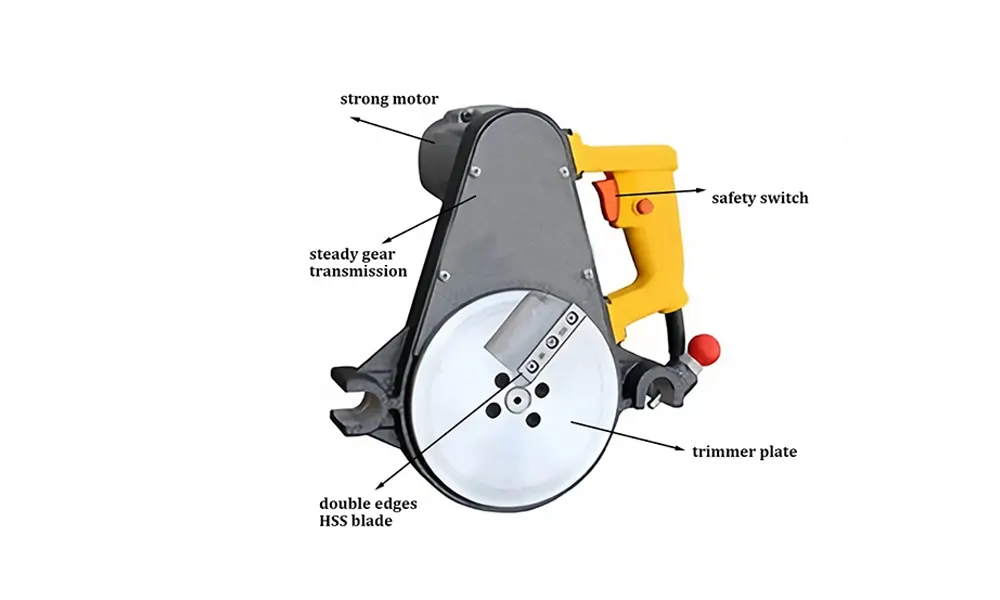
- Check the trimmer blades for sharpness; dull blades can cause uneven pipe end surfaces.
- Ensure the clamps and frame are properly aligned and free of debris.
- Confirm that the hydraulic system (if applicable) functions correctly without leaks.
- Review the pipe material specifications and confirm compatibility with the machine’s capacity range.
- Wear appropriate personal protective equipment (PPE), including heat-resistant gloves and safety glasses.
Step-by-Step Operating Instructions
Follow these steps carefully when using an HDPE pipe welding machine for butt fusion joining. Each step contributes to the overall integrity of the welded joint.
Step 1: Secure the Pipes in the Clamps
Place the two pipe ends into the machine’s clamps. Ensure that both pipes are centered and properly aligned. The clamps should hold the pipes firmly without causing deformation. For hydraulic butt fusion machines, use the hydraulic controls to adjust the clamping pressure evenly on both sides.
Step 2: Face the Pipe Ends with the Trimmer
Insert the trimmer between the pipe ends and activate it. Face both pipe ends simultaneously until a continuous, thin ribbon of material is produced from each side. This ensures that the surfaces are flat, parallel, and free of oxidation. Remove the trimmer carefully without touching the faced surfaces.
Step 3: Check Alignment and Mismatch
Bring the pipe ends together under light pressure and inspect the alignment. The maximum allowable mismatch is typically less than 10% of the pipe wall thickness. If the mismatch exceeds this limit, release the clamps and realign the pipes. Proper alignment is critical per ASTM F2620 heat fusion standards.
Step 4: Heat the Pipe Ends
Set the heating plate to the recommended temperature for the specific HDPE material grade. Place the heating plate between the pipe ends and apply the specified heating pressure. The pipe ends should form a uniform melt bead around the circumference. Monitor the bead size and heating time according to the machine manufacturer’s guidelines and pipe dimensions.
Step 5: Remove the Heating Plate and Join
Once the proper melt bead is achieved, quickly and smoothly remove the heating plate. Bring the pipe ends together immediately within the specified dwell time. Apply the fusion pressure gradually and hold it steady. This step requires coordination and speed to prevent cooling of the molten surfaces before joining.
Step 6: Cool Under Pressure
Maintain the fusion pressure throughout the cooling phase. Do not move the pipes or release pressure until the joint has cooled sufficiently. The cooling time depends on the pipe diameter and wall thickness. Allow the joint to cool naturally; do not use water or forced air to accelerate cooling.
Key Welding Parameters Reference
The following table provides general guidance for HDPE pipe welding machine settings based on common pipe sizes. Always refer to the specific pipe manufacturer’s recommendations and the machine’s operating manual for precise values.
| Pipe Diameter (mm) | Heating Temperature (°C) | Heating Pressure (MPa) | Approx. Cooling Time (min) |
|---|---|---|---|
| 63 – 110 | 210 – 220 | 0.15 – 0.20 | 6 – 10 |
| 160 – 250 | 215 – 225 | 0.18 – 0.25 | 12 – 18 |
| 315 – 500 | 220 – 230 | 0.20 – 0.30 | 20 – 35 |
| 630 – 1200 | 225 – 235 | 0.25 – 0.35 | 40 – 90 |
Best Practices for Consistent Weld Quality
Adopting proven best practices helps operators avoid common welding defects and ensures reliable joint performance. Refer to PPI butt fusion procedure guidelines for additional technical depth on each of these points.
- Maintain a clean work environment: Dust, dirt, and moisture can contaminate the weld surfaces and weaken the joint. Keep the machine, tools, and pipe ends clean at all times.
- Calibrate the machine regularly: Temperature gauges, pressure sensors, and timers should be checked and calibrated according to the manufacturer’s schedule to ensure accuracy.
- Document each weld: Record key parameters such as heating temperature, pressure, and cooling time for each joint. This data supports quality assurance and traceability efforts.
- Train operators thoroughly: Only qualified personnel should operate an HDPE pipe welding machine. Proper training reduces the risk of errors and improves overall productivity.
- Inspect completed joints visually: A proper butt fusion weld should show a uniform double bead on both sides of the joint. Any irregularities, such as uneven bead size or discoloration, should be investigated.
- Perform destructive or non-destructive testing periodically: Bend tests, tensile tests, or ultrasonic inspections can validate weld quality and operator competency over time.
Troubleshooting Common Welding Issues
Even with careful operation, issues can arise during the welding process. The table below summarizes common problems, their likely causes, and recommended corrective actions.
| Issue | Possible Cause | Solution |
|---|---|---|
| Uneven melt bead | Misaligned pipes or uneven heating plate contact | Realign clamps and check heating plate flatness |
| Insufficient bead size | Low heating temperature or short heating time | Verify temperature setting and extend heating duration |
| Joint contamination | Dirty pipe ends or heater plate surface | Clean all surfaces thoroughly before welding |
| Excessive mismatch | Worn clamps or improper pipe loading | Inspect clamps and reload pipes carefully |
| Cold joint / no fusion | Excessive dwell time before joining | Reduce heater plate removal and joining time |
Equipment Maintenance and Care
Regular maintenance extends the service life of your HDPE pipe welding machine and ensures consistent performance. Clean the heating plate surface with a non-abrasive cloth after each use to prevent polymer buildup. Lubricate moving parts such as clamp screws and guide rails periodically. Inspect electrical cables and hydraulic hoses for signs of wear or damage before every operation. Store the machine in a dry, protected area when not in use.
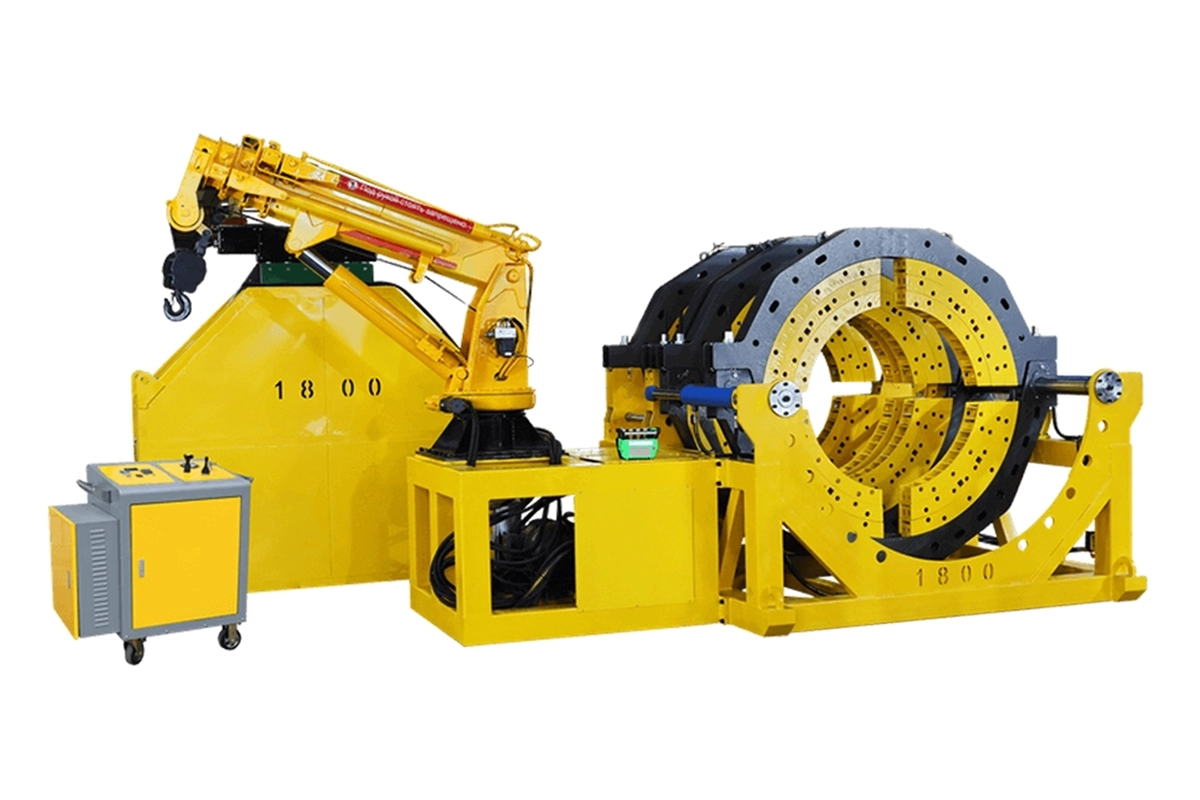
For operators seeking reliable equipment backed by industry expertise, JQ-Fusion offers a comprehensive range of manual, hydraulic, and CNC automatic butt fusion welding machines designed for demanding project environments. Choosing a well-engineered machine is the first step toward achieving consistent, high-integrity welds on every job.
Additional Resources
Expand your knowledge of HDPE pipe joining with these authoritative references and practical guides:
- What is HDPE butt fusion — PE100+ Association technical overview
- PPI Handbook of Polyethylene Pipe — Comprehensive reference for PE piping systems
- Browse welding machine catalog — Explore full product range and specifications
- PE pipe jointing best practices — TEPPFA good practice guides
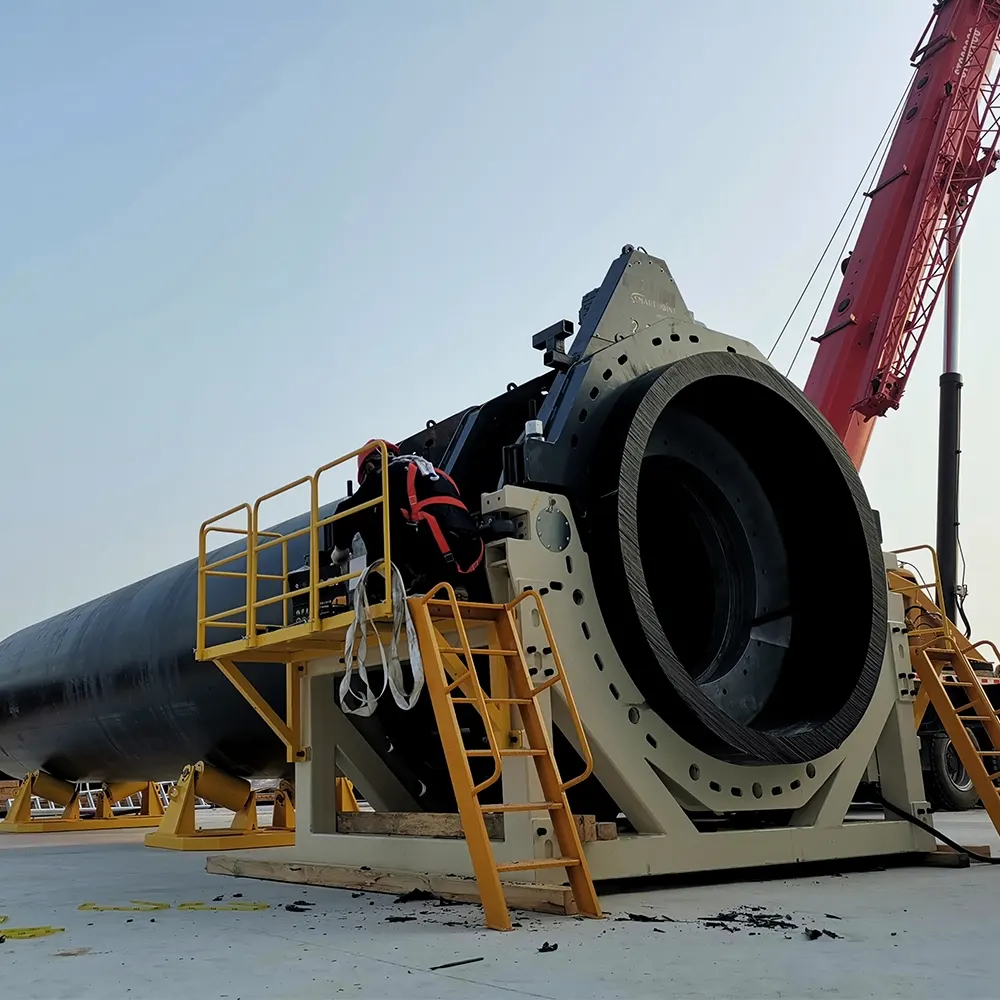
Mastering the operation of an HDPE pipe welding machine requires attention to detail, proper training, and adherence to established procedures. By following the step-by-step instructions and best practices outlined in this guide, operators can produce strong, reliable welds that meet the demands of modern pipeline infrastructure.



