
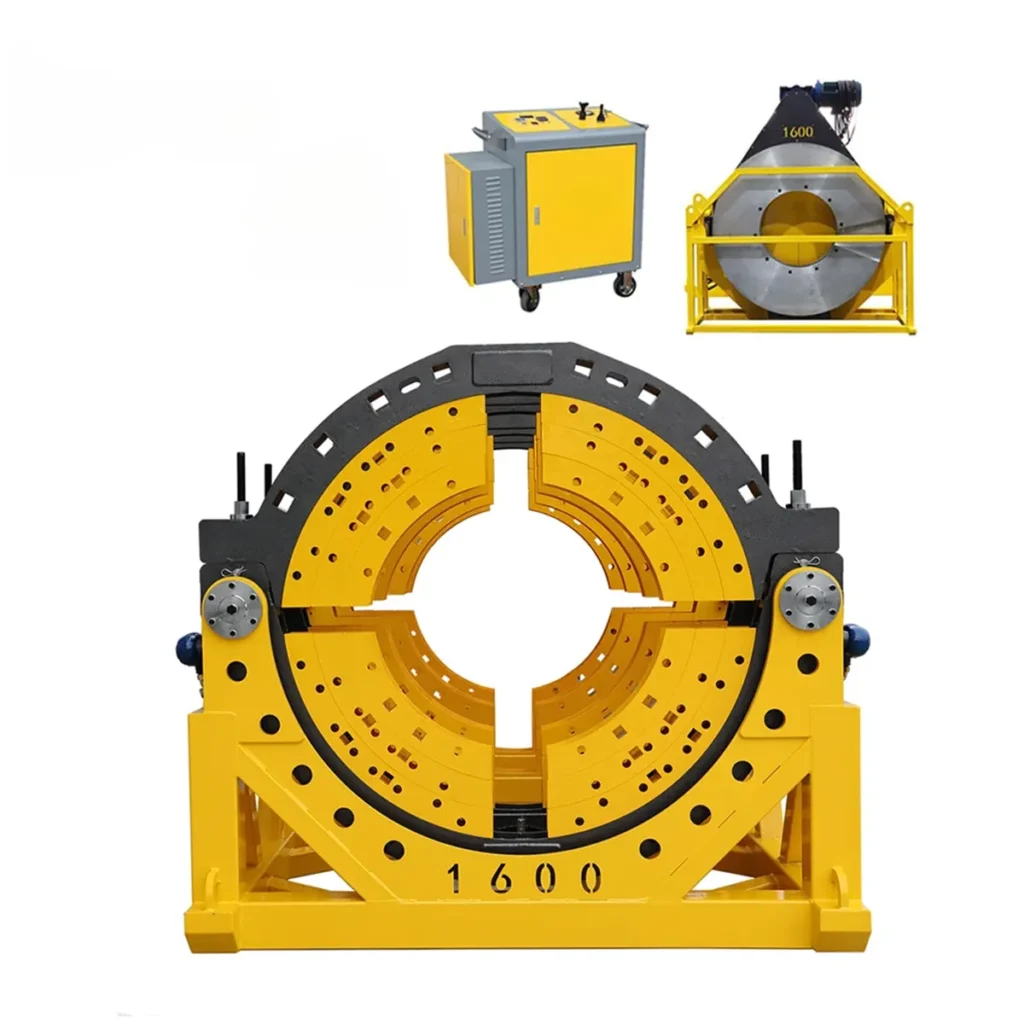
Regular and systematic maintenance is the cornerstone of extending the service life of your HDPE pipe welding machine and ensuring consistent, high-quality fusion joints. Neglecting key components like the heating plate, trimmer, and hydraulic system can lead to costly downtime and compromised weld integrity. This guide outlines a comprehensive approach to cleaning, inspection, and repairs, helping you maintain peak performance whether you operate a manual, hydraulic, or CNC automatic model. For professionals seeking robust and reliable equipment, adhering to a strict maintenance schedule is as critical as choosing a machine with durable construction. Manufacturers like JQ-Fusion design their butt fusion machines for demanding environments, but even the best-built machinery requires diligent care.
Why Routine HDPE Pipe Welding Machine Maintenance Matters
A well-maintained machine directly impacts the quality of butt fusion equipment operations. Key performance indicators such as temperature accuracy, clamp alignment, and hydraulic pressure rely on clean and calibrated parts. Ignoring maintenance can result in:
- Cold welds caused by a dirty or miscalibrated heating plate.
- Pipe slippage due to worn or contaminated clamp inserts.
- Uneven facing triggered by dull trimmer blades or insufficient lubrication.
Proactive care not only prevents these issues but also safeguards your investment in hydraulic butt fusion welding machines.
Daily Pre-Operation and Post-Operation Checks
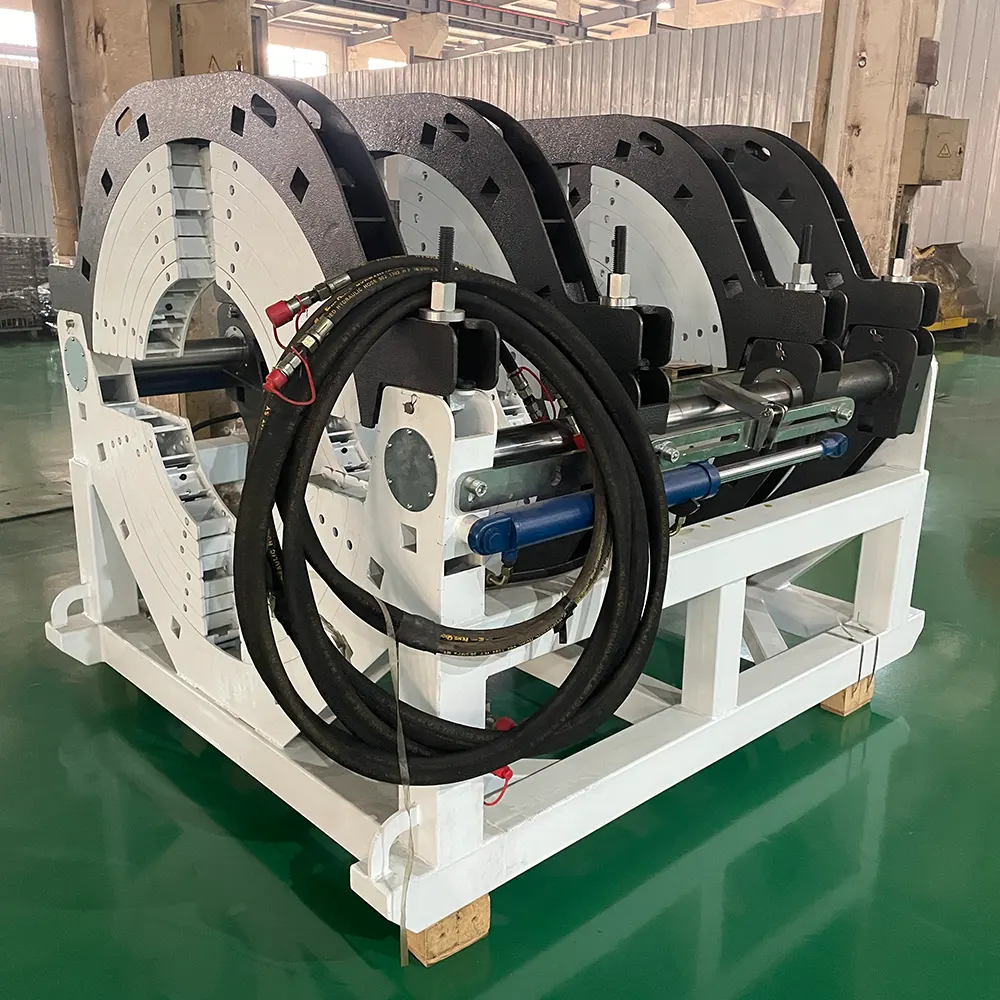
Establishing a daily routine is the most effective way to catch minor issues before they escalate. Operators should integrate these checks into their standard operating procedure for every shift.
Essential Daily Checklist
| Checkpoint | Action Required | Risk if Ignored |
|---|---|---|
| Heating Plate Surface | Wipe with a clean, non-abrasive cloth. Check for residual PE. | Contamination and poor heat transfer. |
| Trimmer Blades | Inspect for sharpness and remove any plastic buildup. | Rough pipe ends and misalignment. |
| Hydraulic Hoses | Visually inspect for leaks, cracks, or loose fittings. | Pressure loss and sudden machine failure. |
| Guide Rods | Ensure they are clean and lightly lubricated. | Jerky carriage movement and inconsistent fusion pressure. |
Deep Cleaning the Heating Plate and Trimmer
The heating plate is the heart of the fusion process. A contaminated surface directly violates standards such as ISO 21307 butt fusion procedures. To clean the non-stick coating effectively:
- Heat the plate to a moderate temperature to soften any polymer residue.
- Use a clean, lint-free cotton cloth or a soft brass brush. Never use steel wire brushes as they will damage the PTFE coating.
- Immediately wipe away the melted residue. For stubborn spots, use a wooden or plastic scraper.
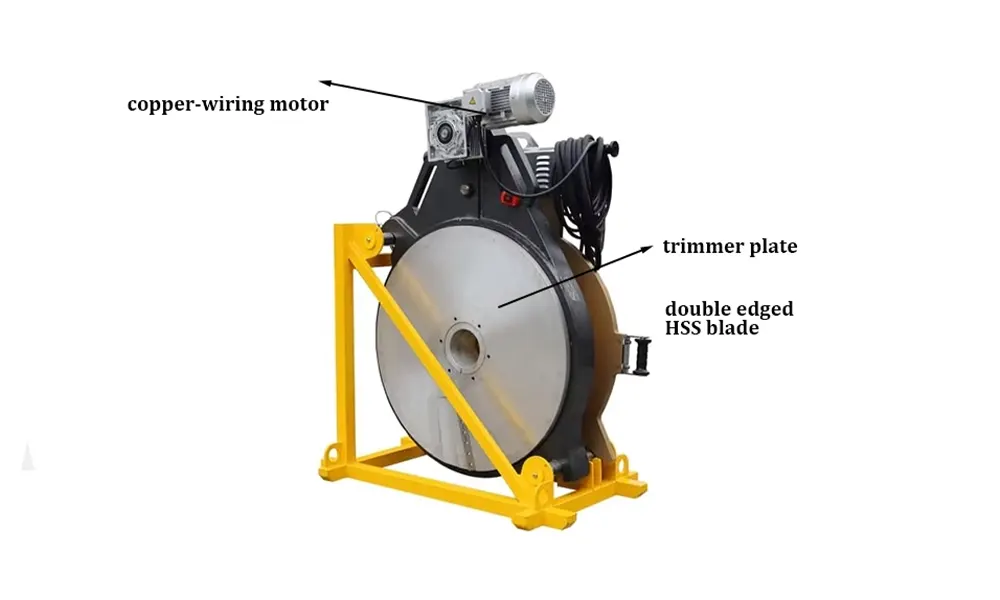
Similarly, the trimmer is vital for producing a smooth, square pipe face. Regularly remove the guard and clear chips from the cutting blades. A dull blade increases the torque required and can leave “feathered” ends that prevent proper fusion. Re-sharpen or replace the blades according to the manufacturer’s specifications.
Inspecting Critical Components for Wear
A thorough inspection of mechanical and electrical components should be performed weekly or after every major project milestone. The precision of the HDPE pipe welding machine maintenance process depends on the integrity of these parts.
Hydraulic System Integrity
For hydraulic butt fusion machines, the oil quality is paramount. Check the hydraulic oil level and look for any signs of contamination, such as a milky appearance (water contamination) or dark sludge. It is generally recommended to change the hydraulic oil and filter annually. Additionally, inspect the cylinder rods for scoring or pitting, which can destroy seals and cause internal leaks.
Clamp Inserts and Frame Alignment
Worn clamp inserts will not hold the pipe securely under drag pressure, leading to joint slippage. Check the teeth for rounding or cracks. Furthermore, verify the alignment of the movable and fixed clamps using a straight edge. Misalignment across the frame of your HDPE pipe welding machine will result in angular misalignment of the pipe ends, creating a joint with uneven wall thickness and stress points.
Common Repairs and Troubleshooting Table
Even with excellent maintenance, wear and tear may require minor repairs. Addressing these quickly prevents cascading failures.
| Problem | Possible Cause | Repair Strategy |
|---|---|---|
| Temperature fluctuation | Faulty thermocouple or heating element. | Test continuity and replace the defective component. Calibrate the digital controller. |
| Slow hydraulic movement | Low fluid or clogged suction filter. | Top up or replace oil; clean the strainer. |
| Excessive noise during facing | Worn bearings or dull blades on the trimmer. | Replace bearings, sharpen or change blades. |
Electrical Safety and Control System Checks
Modern automatic and CNC automatic butt fusion machines rely on complex electrical systems. Maintenance here focuses on tight connections and dry environments.
- Insulation testing: Regularly test the resistance of the heating plate elements to earth.
- Cable management: Inspect all power and control cables for cuts or abrasion. Do not operate the machine if bare wires are visible.
- Connector tightness: Vibration during transport and operation can loosen terminal blocks inside the control box. Tighten them periodically.
- Emergency stop: Test the emergency stop button at the start of each shift to ensure it immediately cuts power and hydraulic flow.
Annual Overhaul and Seasonal Storage Tips
For machines that are exposed to harsh weather or stored for extended periods, seasonal maintenance is essential. Moisture is the enemy of precision HDPE pipe welding machine maintenance.
If storing the machine for winter or the rainy season:
- Thoroughly clean and dry the entire machine, especially the clamp areas and the heating plate.
- Spray bare metal surfaces, like the guide rods, with a thin layer of rust inhibitor or lightweight oil.
- Disconnect the hydraulic hoses and cap the ports to prevent dirt ingress.
- Store the control unit and heating plate in a climate-controlled, dry room if possible.
Long-Term Component Longevity
Beyond immediate cleaning, an annual deep dive into the machine’s core systems is recommended. This includes:
- Replacing all hydraulic oil and filters, even if they look clean.
- Disassembling, cleaning, and greasing the carriage rollers.
- Performing a full calibration check of the temperature controller against a certified external thermometer.
- Reviewing the data logs on CNC machines to identify any historical over-temperature or pressure anomalies.
Note: Always refer to the specific operator’s manual provided with your butt fusion welding machine before performing major overhauls.



