
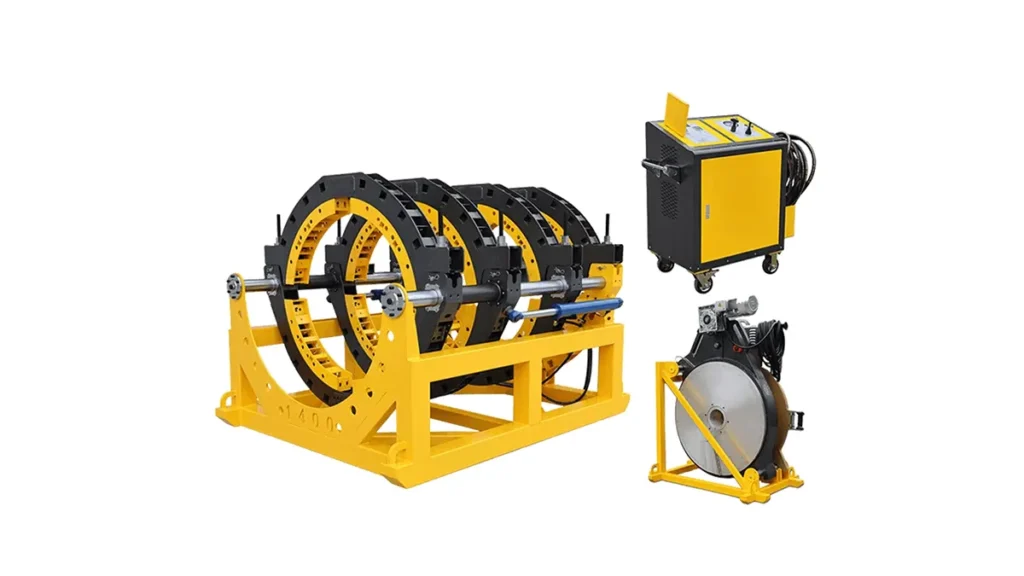
High-density polyethylene (HDPE) pipe welding equipment is a cornerstone of modern infrastructure — delivering durable, leak-free joints that support water supply, gas distribution, mining and industrial pipelines. Choosing the right butt fusion welding machines and accessories improves efficiency, reduces maintenance costs, and ensures long service life for critical networks.
Why HDPE Butt Fusion Matters
Butt fusion welding creates homogeneous joints by heating pipe ends and fusing them under controlled pressure. This technique yields connections that are often stronger than the pipe material itself, offering excellent resistance to corrosion, chemical attack, and ground movement. For contractors and utilities, the result is reliable performance and long-term cost savings.
Product Types and Workflow
Welding equipment ranges from compact manual machines for small-diameter jobs to hydraulic and CNC automatic butt fusion systems for high-volume or large-diameter pipelines. Typical workflow steps include facing, alignment, heating, fusion, and cooling — each stage requiring proper tooling and process control to meet quality standards.
Core Features to Prioritize
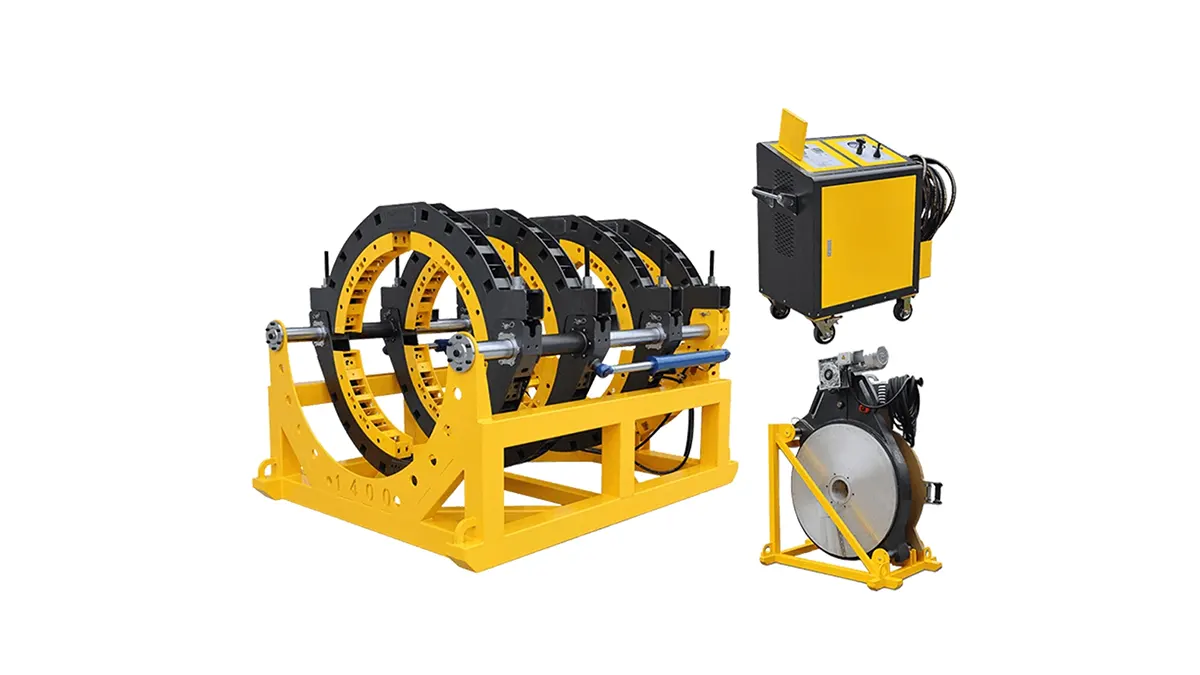
Precision clamping, robust hydraulic systems, and high-quality heating plates are essential. For automated systems, intuitive CNC controls and welding log capabilities improve repeatability and traceability. Portability, spare-part availability, and on-site service options also make a big difference for field operations.
Performance at a Glance
| Model Type | Nominal Range (mm) | Control | Ideal Application |
|---|---|---|---|
| Manual Butt Fusion | 20–160 | Manual | Small repairs, remote sites |
| Hydraulic Butt Fusion | 160–1250+ | Hydraulic | Medium to large pipelines |
| CNC Automatic | 63–2000+ | CNC / Digital | High-accuracy, high-volume production |
Applications Across Industries
HDPE welding machines are widely used in municipal water networks, gas distribution (subject to regional standards), mining slurry systems, irrigation, and industrial process pipelines. The material’s flexibility and chemical resistance make HDPE a preferred choice in harsh environments and for trenchless installation methods.
Selecting the Right Machine for Your Project
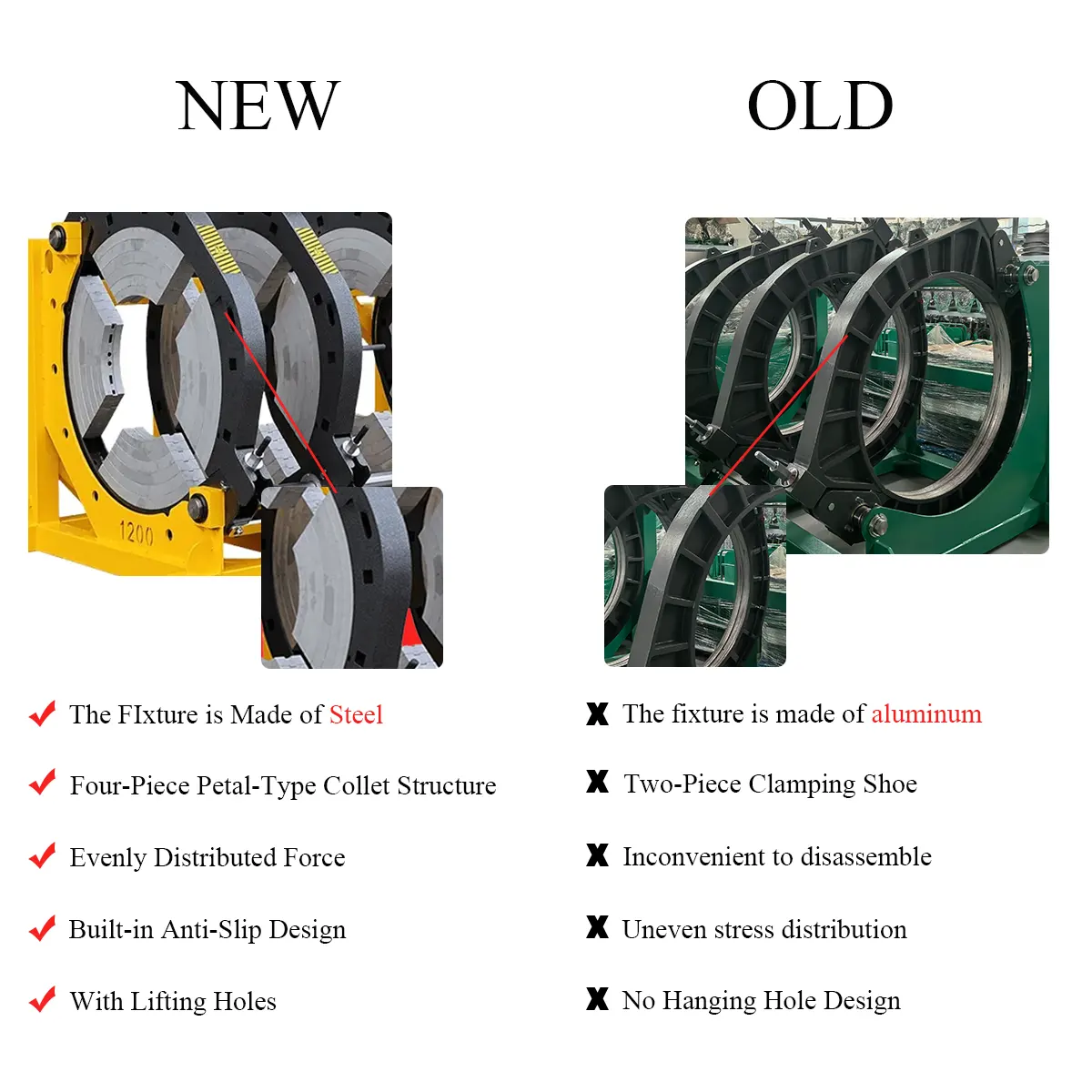
Match machine capacity to pipe diameter and production rate. For remote construction, choose compact and easy-to-maintain units. For factory or high-throughput sites, CNC automatic machines with data logging offer quality control and productivity advantages. Consider available accessories such as trimmers, heaters, and clamping frames to streamline operations.
Quality, Service, and Training
Reliable vendors provide clear documentation, operator training, and spare-part support. Regular calibration of heating plates and maintenance of hydraulic components ensures consistent weld quality. Investing in operator certification reduces rework and aligns field practice with industry welding standards.
For proven butt fusion solutions and a diverse product lineup including manual, hydraulic, and CNC automatic machines, visit JQ-Fusion.
Quick FAQs
Q: What pipe sizes can butt fusion handle?
A: From small-diameter service lines to very large-diameter mains — machine selection depends on the required diameter and throughput.
Q: How important is process control?
A: Critical — consistent temperature, pressure, and timing deliver welds that meet safety and longevity expectations.
If you need tailored recommendations or specifications for tender documents and procurement, contact your equipment provider or local distributor to discuss project scope, site conditions, and compliance requirements.



