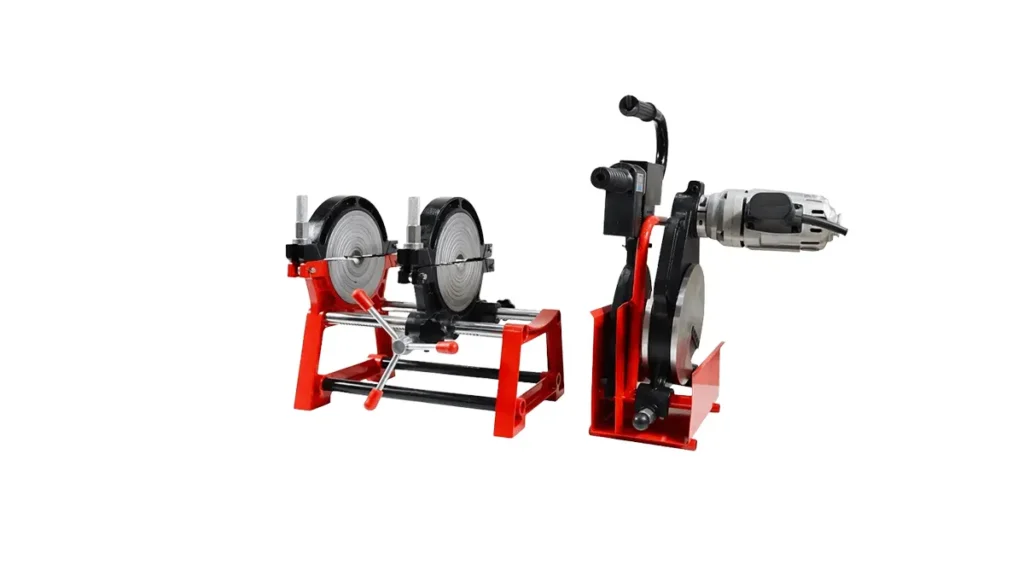
Effective HDPE pipe jointing machine troubleshooting is critical for maintaining pipeline integrity and ensuring leak-free joints in water, gas, and industrial systems. When a butt fusion machine malfunctions, it can lead to costly downtime, failed weld tests, and compromised long-term performance. Understanding the root causes of common problems allows operators and maintenance teams to respond swiftly, minimize delays, and maintain consistent what is HDPE butt fusion quality.
Heating Plate Temperature Fluctuations
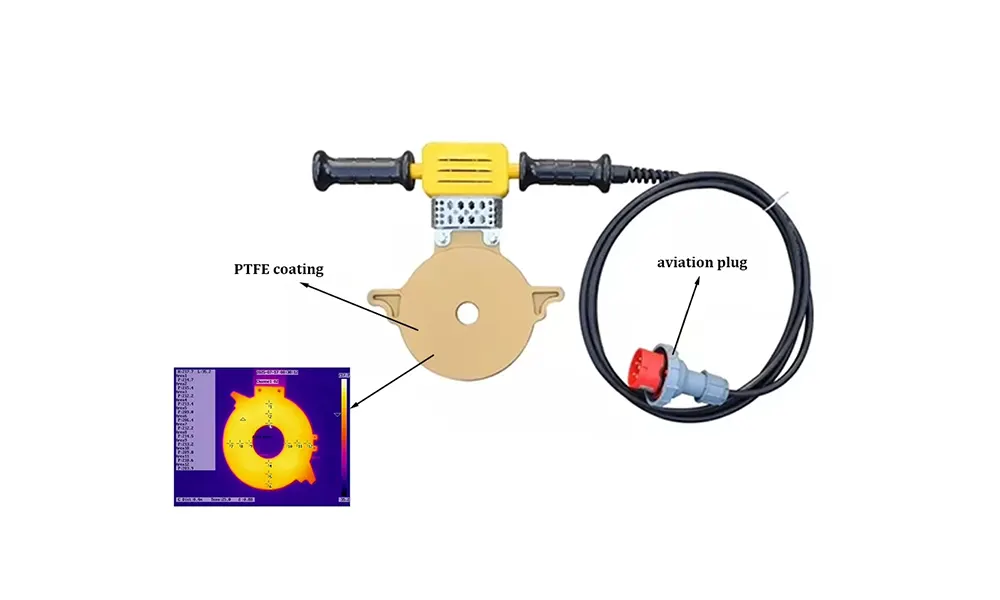
The heating plate is the heart of the fusion process. Temperature deviations directly affect melt viscosity and joint strength. Symptoms include uneven bead formation, cold joints, or surface burning.
| Problem | Possible Cause | Solution |
|---|---|---|
| Temperature too low | Faulty thermocouple or damaged heating element | Replace the thermocouple; check element resistance and replace if necessary |
| Temperature overshoot | Failed PID controller or stuck relay | Calibrate or replace the controller; inspect relay contacts |
| Uneven surface temperature | PTFE coating degradation or internal wiring fault | Clean and re-coat the plate; verify all heating zones are active |
Operators should always allow the heating plate to stabilize fully before initiating the weld cycle. A digital surface thermometer provides an additional verification step beyond the machine’s built-in display.
Hydraulic System Pressure Loss or Inconsistency
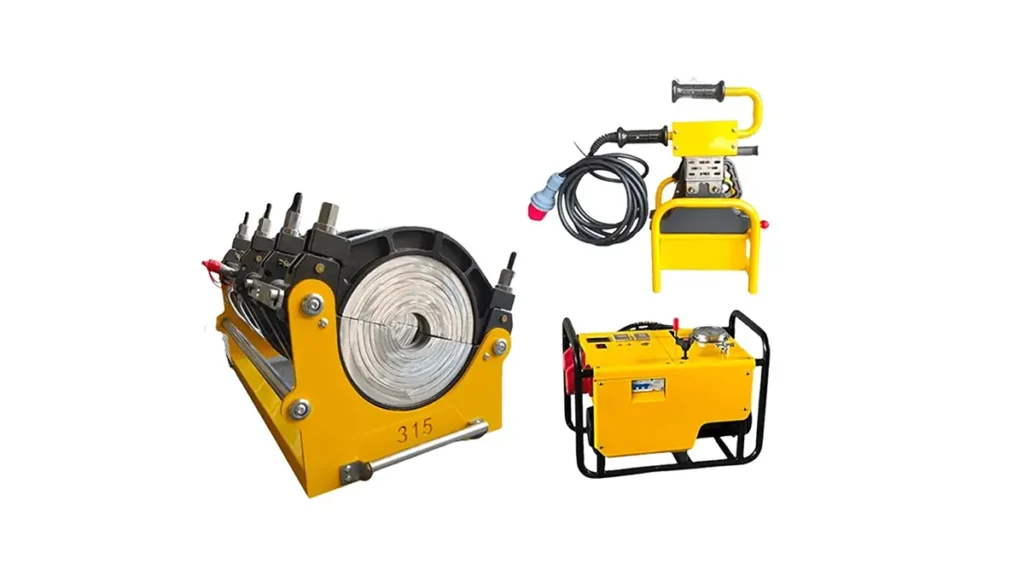
Hydraulic butt fusion welding machines depend on stable pressure to generate proper fusion force. Pressure fluctuations during the heating or cooling phases can produce insufficient interfacial bonding or excessive melt squeeze-out.
- Internal seal leakage: Worn cylinder seals allow fluid bypass, reducing clamping force. Replace the seal kit and polish the piston rod if scored.
- Contaminated hydraulic fluid: Water or debris in the oil causes erratic valve operation. Drain and refill with the manufacturer-recommended fluid grade.
- Air trapped in the system: Spongy movement indicates air pockets. Bleed the cylinders thoroughly using the designated bleed ports.
- Faulty pressure gauge: A damaged gauge gives false readings. Test against a calibrated reference and replace if deviation exceeds 2%.
Quick Pressure Diagnostic Checklist
| Checkpoint | Acceptable Condition | Action if Failed |
|---|---|---|
| Cylinder drift | No visible movement under load | Overhaul cylinder assembly |
| Pump noise | Smooth, consistent hum | Check suction line and filter |
| Hose connections | Dry and tight | Tighten fittings or replace O-rings |
Pipe Clamp Misalignment and Slippage
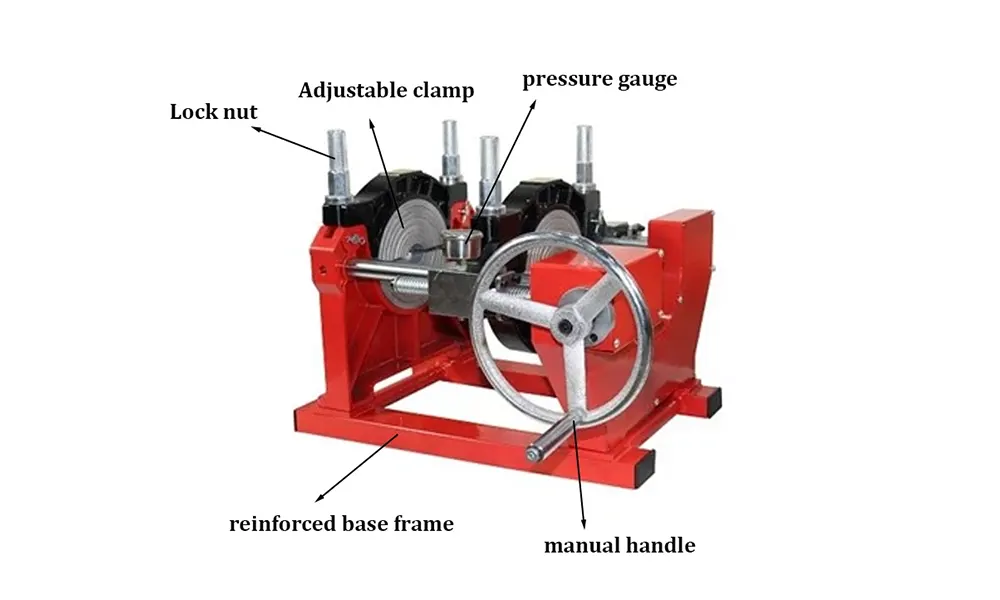
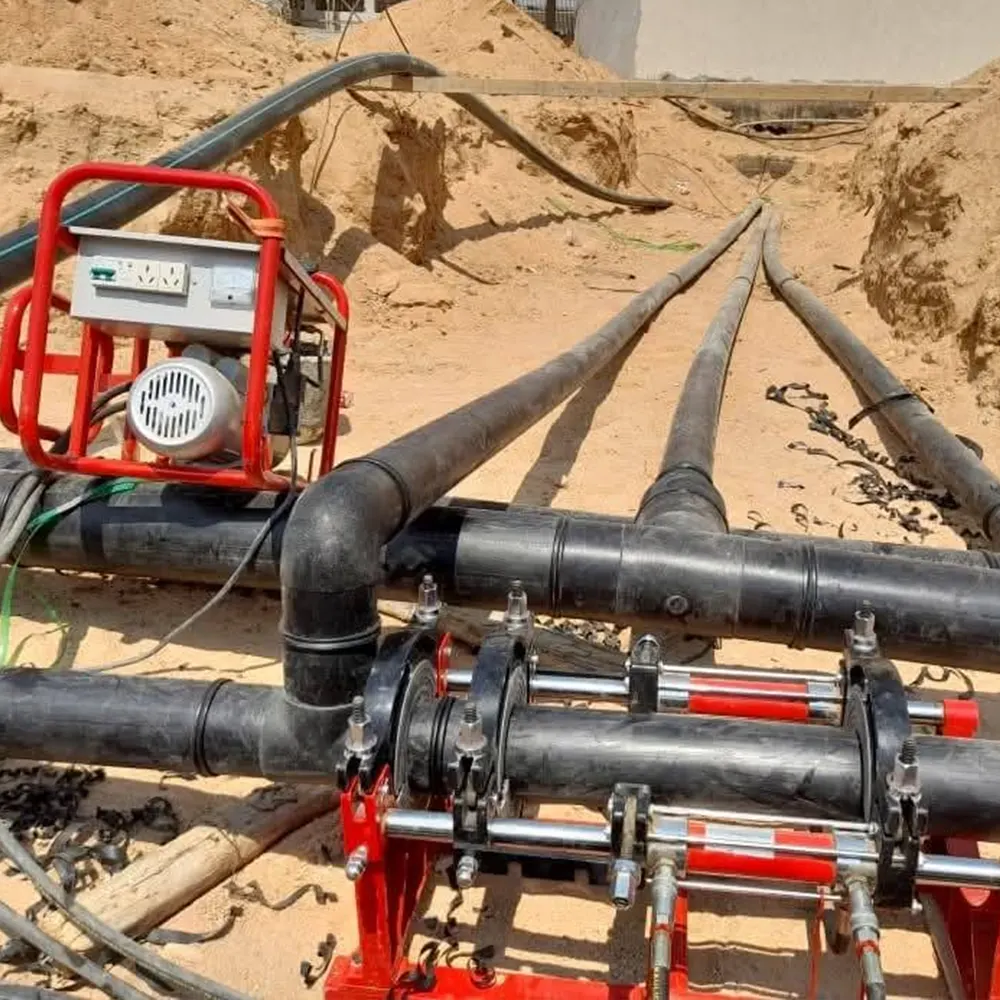
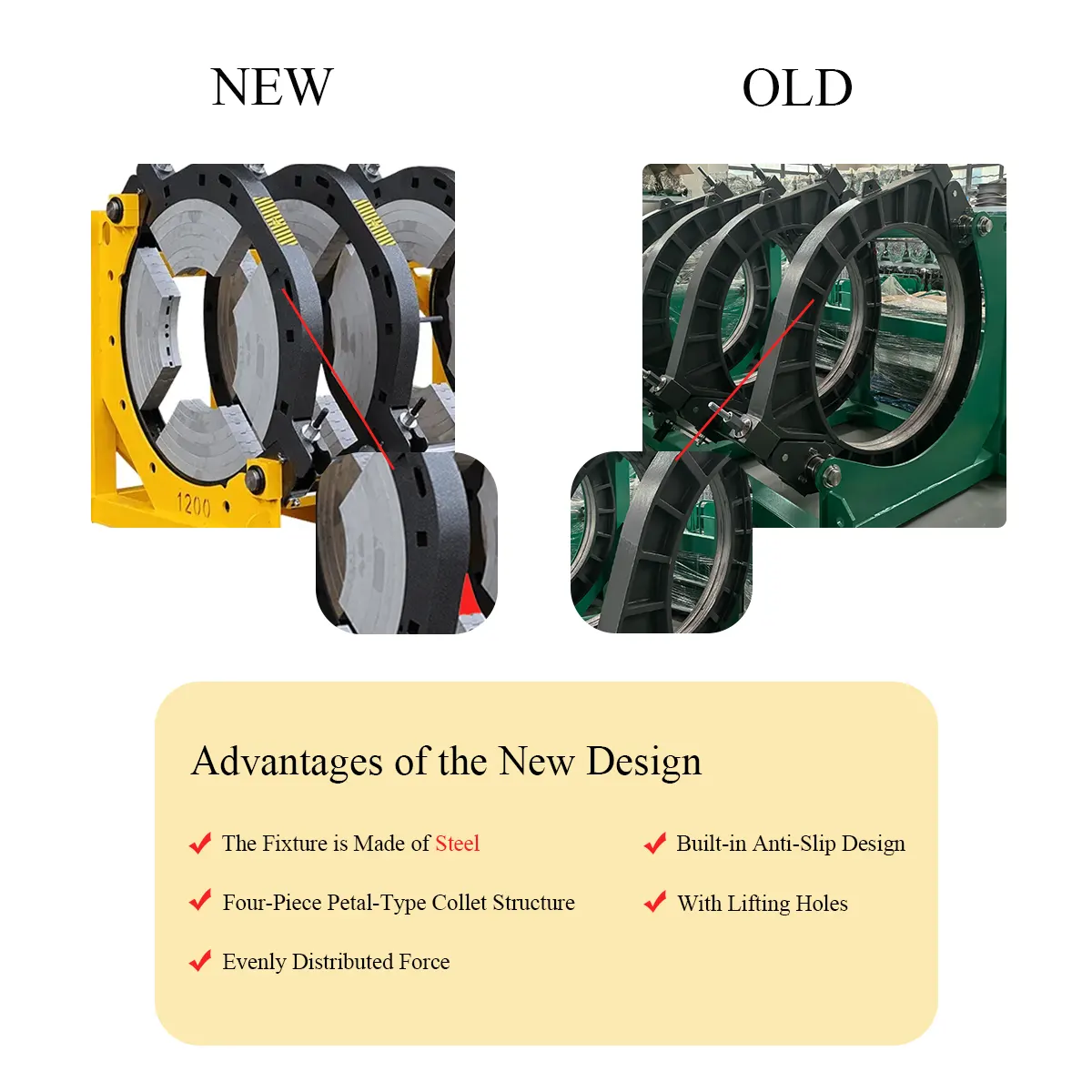
Proper alignment is a fundamental requirement in HDPE welding machine FAQs documents and industry training. When clamps fail to hold the pipe securely or align it concentrically, the resulting joint will exhibit high-low mismatch and potentially fail pressure tests.
- Worn clamp inserts: Smooth or damaged inserts reduce grip, especially on large-diameter pipe. Swap inserts as a complete set.
- Debris on guide rails: Dirt, grit, or weld splatter prevents smooth carriage movement. Clean rails daily and apply light machine oil.
- Bent or twisted frame: Dropping the machine or improper transport can distort the chassis. Return the unit to the manufacturer for frame straightening.
- Uneven pipe ovality: Out-of-round pipe ends require re-rounding clamps or extended heating time. Always measure pipe OD in multiple planes before welding.
Trimmer Performance Degradation
The facing tool must produce clean, parallel pipe ends with no tearing or chatter marks. A dull or misadjusted trimmer is a frequent source of fusion defects that operators often overlook during initial HDPE pipe jointing machine troubleshooting.
| Symptom | Root Cause | Corrective Measure |
|---|---|---|
| Rough or grooved face | Chipped or dull blades | Rotate or replace carbide inserts |
| Tapered pipe ends | Trimmer shaft misalignment | Adjust bearing blocks or shaft alignment |
| Excessive vibration | Loose drive coupling or worn bearings | Tighten fasteners; replace bearings as a set |
Electrical and Control System Faults
Modern CNC automatic butt fusion machines incorporate sophisticated control boards and data logging features. Electrical issues can manifest as error codes, unresponsive touchscreens, or failure to record joint parameters.
- Display not powering on: Verify the incoming voltage matches the machine rating. Check the main fuse and emergency stop circuit.
- Intermittent sensor readings: Loose terminal connections or moisture ingress in connectors. Dry with compressed air and apply dielectric grease.
- Data storage failure: Full memory buffer or corrupted firmware. Export data regularly and re-flash firmware per manufacturer instructions.
- Erratic automation cycle: Proximity sensor misalignment or contamination. Clean sensor faces and verify gap tolerance.
Joint Appearance Defects and Their Causes
Visual inspection provides immediate feedback on weld quality. According to PPI butt fusion procedure guidelines, both bead size and shape indicate whether the correct parameters were applied.
| Bead Characteristic | Interpretation | Recommended Adjustment |
|---|---|---|
| Small or absent bead | Insufficient heating time or low temperature | Increase soak time; verify plate temperature with external probe |
| Oversized, flattened bead | Excessive fusion pressure | Recalculate drag pressure and reduce total applied force |
| Asymmetrical bead | Pipe misalignment or uneven heating plate contact | Re-align clamps; ensure plate is clean and perpendicular |
| Discolored or burnt bead | Overheated plate or prolonged contact | Replace PTFE coating; reduce heat soak duration |
Preventive Maintenance to Reduce Troubleshooting Frequency
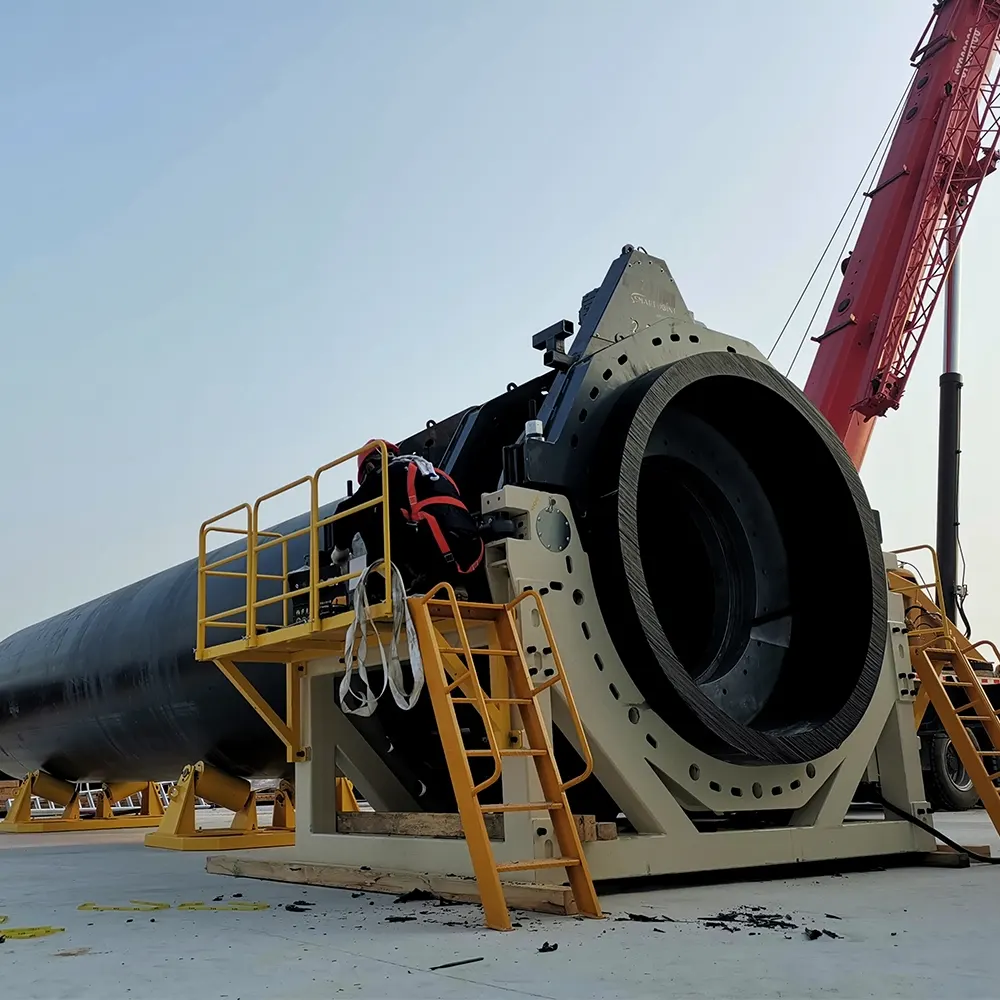
Proactive care minimizes the risk of field failures and extends HDPE pipe welding machine products service life. A structured maintenance program addresses most issues before they escalate.
- Daily: Clean heating plate surface, inspect electrical cables for cuts, wipe down guide rails, and verify emergency stop function.
- Weekly: Check hydraulic fluid level and condition, test temperature controller accuracy, lubricate pivot points, and inspect clamp jaw teeth.
- Monthly: Calibrate pressure transducers, test data download functionality, check trimmer blade sharpness, and verify all bolt torques on frame assemblies.
- Quarterly: Replace hydraulic return filter, perform full electrical insulation test, and review stored welding logs for trending anomalies.
When to Contact Professional Service Support
While many issues can be resolved with on-site HDPE pipe jointing machine troubleshooting, certain conditions warrant professional intervention. If you encounter persistent hydraulic system contamination, control board failures, or frame structural damage, it is advisable to seek manufacturer support. Companies like JQ-Fusion provide comprehensive technical assistance, spare parts supply, and on-site repair guidance to keep your equipment operating at peak performance. Their team understands the nuances of both standard and hydraulic butt fusion welding machines across diverse job site environments.
Documentation and Training for Long-Term Reliability
Effective troubleshooting is reinforced by proper documentation and operator competency. Every fusion joint record should include machine settings, ambient conditions, and operator identification. Regular training sessions referencing ISO 21307 butt fusion procedures and manufacturer manuals build a skilled workforce capable of diagnosing problems before they result in defective welds. Maintaining a machine logbook that tracks maintenance history, part replacements, and calibration dates significantly shortens the diagnostic process when issues arise.
Final Checklist Before Restarting a Troubled Machine
| Step | Verification Action | Pass Condition |
|---|---|---|
| 1 | Perform test weld on scrap pipe | Bead appearance matches standard reference |
| 2 | Check all safety interlocks | E-stop immediately stops all motion |
| 3 | Review recorded data from test weld | Pressure and temperature curves within tolerance |
| 4 | Inspect power source stability | Voltage steady within ±5% of machine rating |
| 5 | Confirm trimmer produces continuous ribbons | Chips are uniform, no powder or tearing |
Systematic HDPE pipe jointing machine troubleshooting combines careful observation, methodical testing, and adherence to approved procedures. By addressing root causes rather than symptoms, operators maintain production schedules and deliver fusion joints that meet stringent qualification standards. Regular training, preventive maintenance, and access to reliable technical support form the foundation of a successful pipeline joining program.