
High-Precision HDPE Electrofusion Welding Machine Manufacturer
JQ-Fusion delivers digital, high-stability electrofusion welding processors engineered for high-density polyethylene (HDPE), PE100, and PE-RT pipe systems. Empower your gas, potable water, industrial, and municipal infrastructure with automated barcode diagnostics, real-time energy modulation, and comprehensive data traceability.
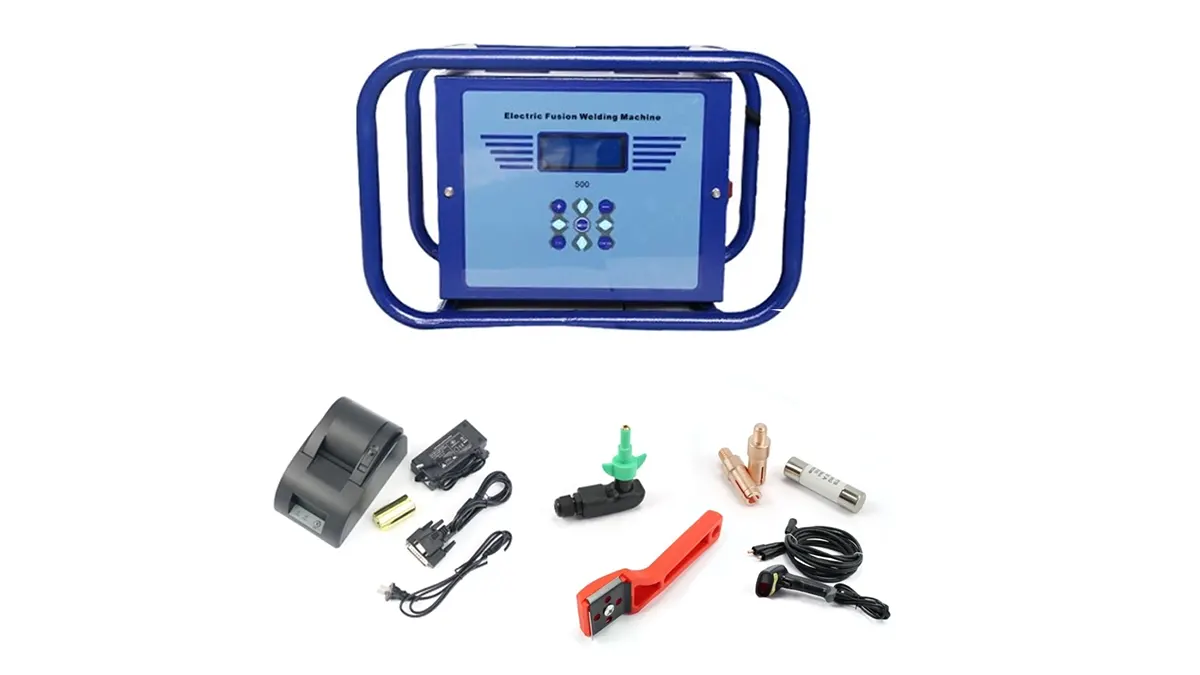
Global HDPE Jointing Technology Engineered by JQ-Fusion
As an industry-leading HDPE electrofusion welding machine manufacturer, JQ-Fusion focuses on developing next-generation thermodynamic fusion solutions for mission-critical pipeline infrastructures worldwide. Modern fluid conveyance systems require zero-defect joint integrity. Our electrofusion welding units are engineered to meet this standard by delivering precise electrical current to internal fitting resistance wires.
Beyond our comprehensive range of butt fusion equipment, including heavy-duty hydraulic machines and CNC automatic units, JQ-Fusion’s dedicated electrofusion processors offer compact versatility for tight trenching, repair hot-tapping, and high-density distribution networks.
Quality Assurance: Every JQ-Fusion unit is calibrated to global standards, compliant with PE electrofusion equipment standard (ISO 12176-2) and ASTM F1290 electrofusion protocols.
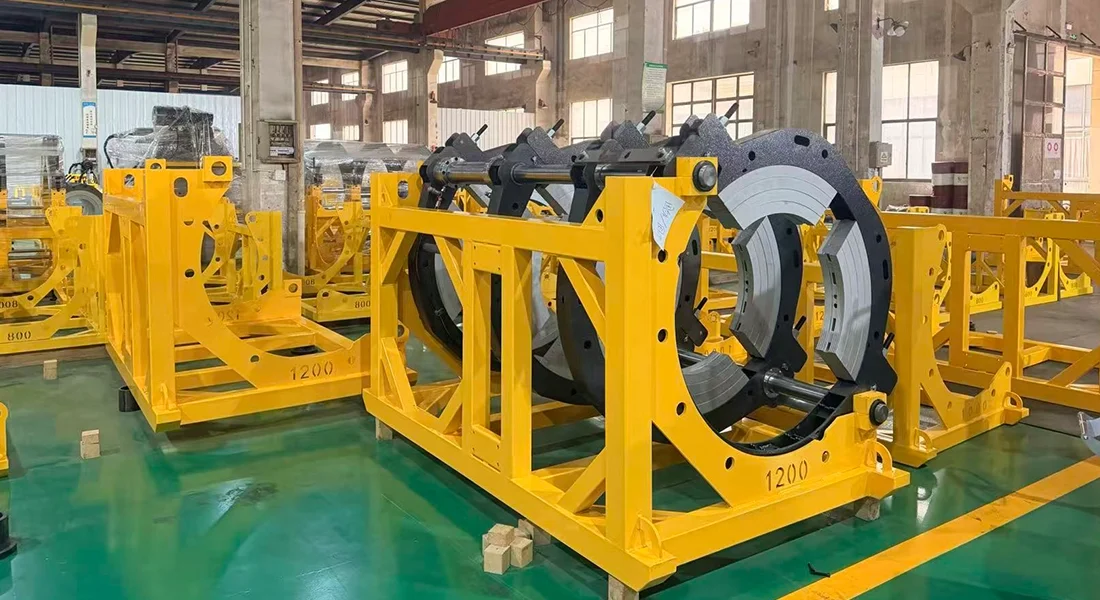
Flagship Electrofusion Welding Systems
Engineered for hostile trench environments, our microprocessor-controlled electrofusion welding machines combine rugged chassis architecture with real-time electrical parameter compensation.
JQEA Intelligent Electrofusion Machine
Designed for municipal gas and water distribution pipelines. Features an optical barcode scanner for instant parameter retrieval according to PE fusion traceability standards.
- Welding Range: 20mm – 630mm (Couplers/Saddles)
- Output Voltage: 8V – 48V AC (RMS Controlled)
- Input Power: 220V ± 15%, 50/60Hz (Generator Friendly)
- Memory Storage: Up to 2,000 Joint Records (USB Export)
- Protection Rating: IP54 Enclosure Rating
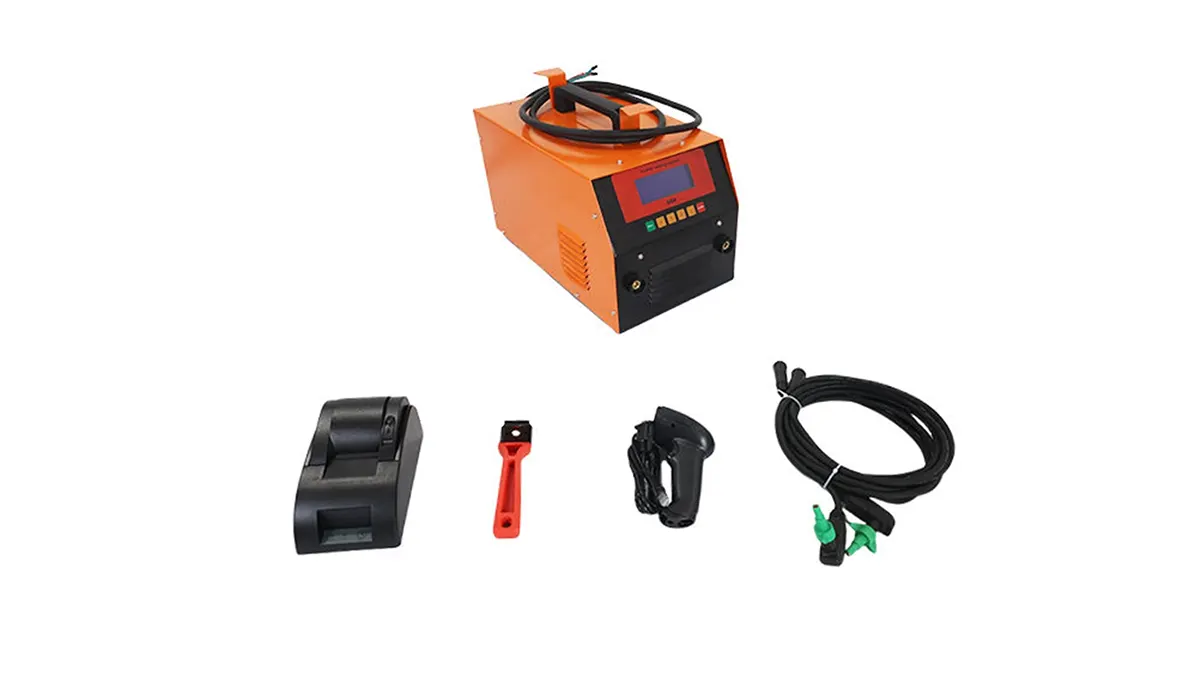
JQEB Universal Multi-Diameter EF Processor
Heavy-duty power management unit suited for large-diameter infrastructure fittings, structural sleeves, and high-SDR polyolefin pipelines requiring consistent energy dissipation.
- Welding Range: 20mm – 1200mm Heavy Wall
- Output Current: Max 100A Stable Current Peak
- Ambient Compensation: -20°C to +50°C Dynamic Sensor
- Scanning Interface: Laser Optical Barcode + Manual Input
- Data Interface: USB 2.0 / Field Diagnostic Port
Looking for Large-Diameter Mainline Trunk Equipment?
In addition to specialized electrofusion equipment, we engineer a full suite of mainline machinery including JQH800mm Hydraulic Butt Fusion Machines, JQH1600mm Hydraulic Welders, and precision workshop multi-angle fitting machines.
Explore Entire Machine CatalogThe Engineering Mechanics of HDPE Electrofusion Jointing
Understanding the thermodynamics and molecular polymer entanglement involved in electrofusion connections.
Joule Heating Dissipation
Electrical energy ($E = I^2Rt$) is conducted through integrated copper or nickel-alloy resistance coils embedded in the fitting. Precise current regulation prevents polymer thermal degradation while reaching optimal melting temperatures (200°C – 230°C).
Melt Pressure Build-up
As PE resin heats up, volumetric thermal expansion is constrained by the fitting’s outer geometry and designated “cold zones”. This build-up generates hydraulic melt pressures between 1.5 to 2.0 MPa, driving inter-chain polymer diffusion across the pipe-fitting boundary.
Controlled Recrystallization
During the strictly monitored cooling phase, the amorphous PE melt recrystallizes into a solid monolithic structure. Conformance with ASTM F1055 electrofusion fittings ensures the resulting joint achieves or exceeds parent pipe tensile and burst ratings.
Comparative Engineering Matrix: Electrofusion vs. Butt Fusion
Pipeline contractors evaluate jointing methodologies based on site constraints, pipe diameters, and SDR ratings. Refer to butt fusion vs electrofusion application guidelines for network planning:
| Operational Metric | Electrofusion Jointing (EF) | Hydraulic Butt Fusion (BF) |
|---|---|---|
| Governing Standard | ISO 12176-2 / ASTM F1290 / PPI electrofusion guide | ISO 21307 butt fusion procedures / ASTM F2620 |
| Primary Diameter Range | 20mm to 630mm (up to 1200mm for large couplers) | 40mm to 2500mm+ (Unlimited continuous runs) |
| Excavation Footprint | Minimal (Optimal for constrained trenches & repairs) | Requires longitudinal space for clamping frame |
| Dissimilar SDR Connection | Fully Supported (Inner wires heat both walls evenly) | Requires identical wall thickness/transition fittings |
| Internal Bead Formation | None (Zero flow restriction or head loss) | Forms uniform internal and external double bead |
| Joint Traceability | Automatic 24-digit barcode data logging | Manual or CNC data-logging system |
Microcontroller Engineering & Sensor Integration
A dependable electrofusion machine must handle unstable field generators and severe ambient temperature fluctuations without failing joint cycles. JQ-Fusion integrates high-frequency True-RMS feedback control loops into all processor boards.
-
Dynamic Ambient Temperature Compensation:
An integrated platinum RTD sensor monitors ambient conditions (-20°C to +50°C), automatically adjusting energy output to achieve consistent melt pool depth.
-
Universal Optical Barcode Scanning:
Compliant with PE fusion traceability (ISO 12176-4), decoding voltage, time, and cooling parameters via handheld scanner or manual numerical backup.
-
Automated Short-Circuit & Resistance Diagnostics:
The processor checks fitting resistance before energy discharge, immediately alerting operators to shorted coils or loose terminal pins.
-
High-Capacity Digital Data Logging:
Stores complete voltage curves, ambient temperatures, joint indices, and operator IDs for direct export in PDF or CSV format via USB.
Key Technical Specifications (EF Series)
Standardized Electrofusion Welding Execution
Achieving long-term joint integrity requires strict adherence to international installation codes. Follow our 4-stage standard operating procedure:
Mechanical Scraping
Use a dedicated rotary scraper to remove the oxidized outer layer (0.2mm – 0.3mm uniform cut). Hand scraping with sandpaper is prohibited under PE pipe jointing best practices.
Degreasing & Insertion
Clean the scraped pipe ends and fitting bore with 99%+ pure isopropanol wipes. Mark the correct insertion depth and slide the fitting in without introducing skin oils or soil particulates.
Alignment Clamping
Secure the joint with an alignment re-rounding clamp to prevent thermal pipe movement during energy transfer and maintain ovality within the 1.5% maximum allowable limit.
Fusion & Cooling
Scan the fitting barcode using the JQ-Fusion optical wand. Verify parameters and execute fusion. Keep clamps secured until the full cooling time (CT) expires.
Technical Recommendation for Field Engineers:
Per PE pipe hydrostatic leak testing (ASTM F2164), never perform pressure testing immediately after welding. Wait until all joints reach ambient equilibrium and the required stabilization period has concluded.
Where JQ-Fusion Electrofusion Systems Excel
Our electrofusion welding units are deployed globally across demanding utility and industrial environments.
Natural Gas Networks
Jointing for ASTM D2513 PE gas pipe systems, ensuring zero methane fugitive emissions across urban branch saddles and gas mains.
Potable Water Utilities
Meets ISO 4427 PE water pipes jointing specifications, preventing biological contamination and eliminating internal bead turbulence.
Mining & Slurry Transfer
Used in mining tailings lines and abrasive transport where standard mechanical couplings are vulnerable to internal pipe wear and vibration.
Trenchless HDD Tie-ins
Ideal for horizontal directional drilling (HDD) receiver pits and tight urban utility corridors where hydraulic frame travel is limited.
Certified Manufacturing Excellence
Certified to meet global standards, JQ-Fusion equipment provides predictable fusion performance, safety compliance, and full traceability.
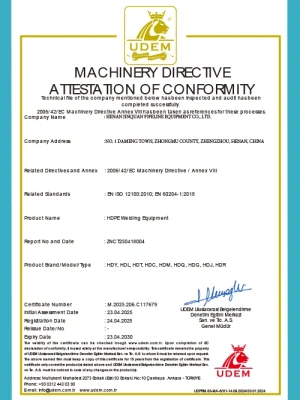
CE European Conformity
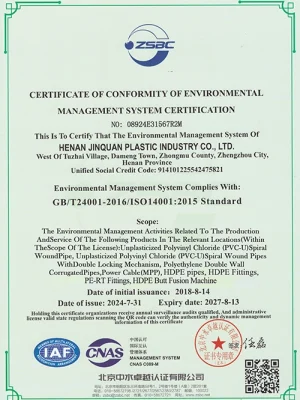
ISO 9001 Quality Certified
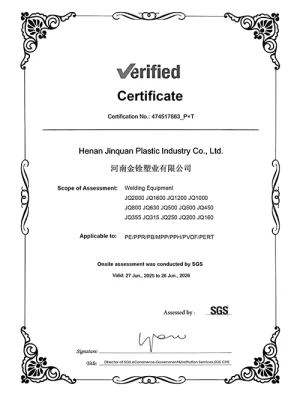
SGS Tested & Verified
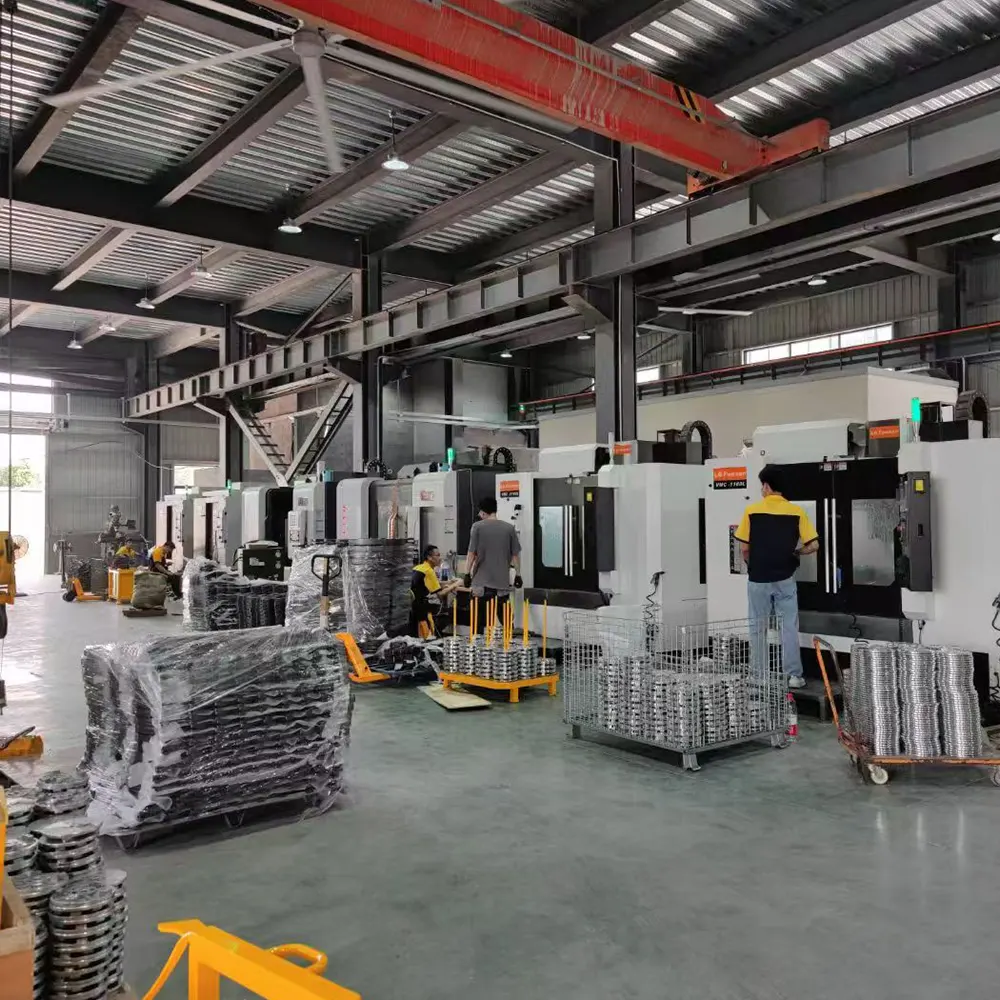
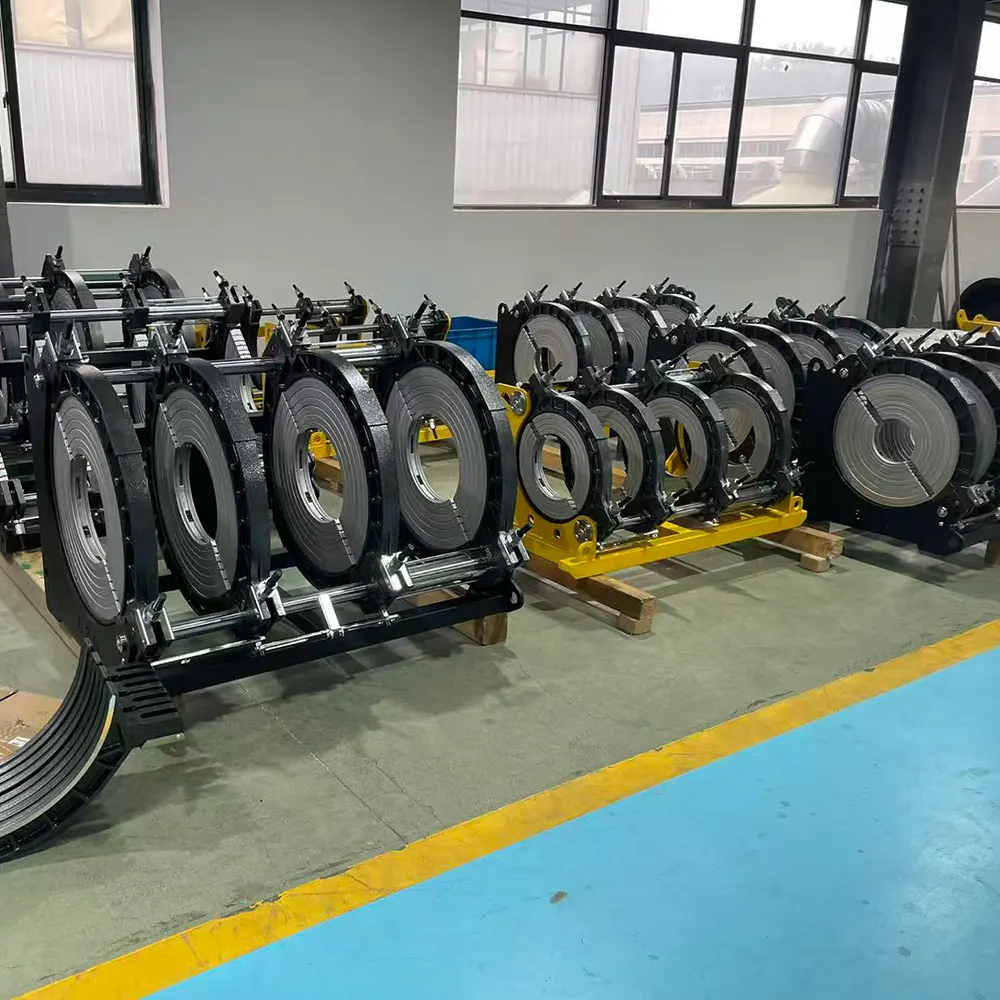
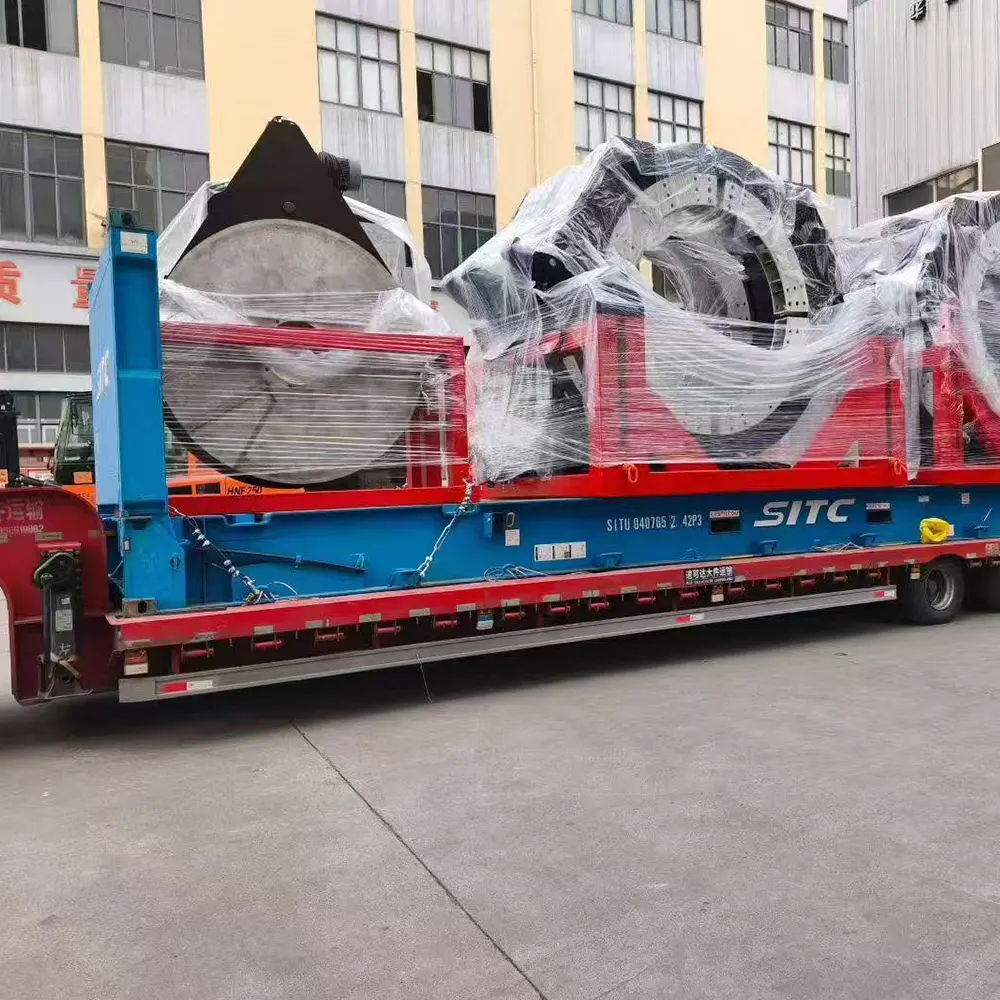
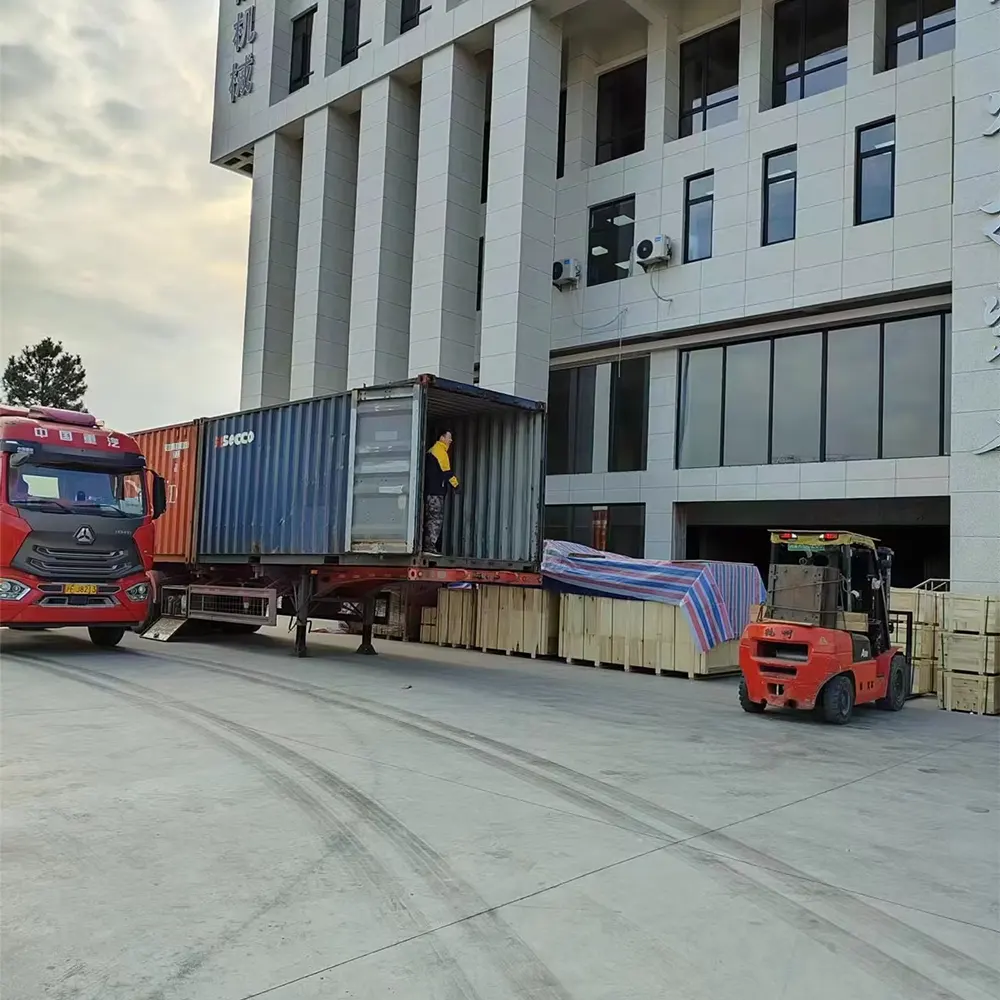
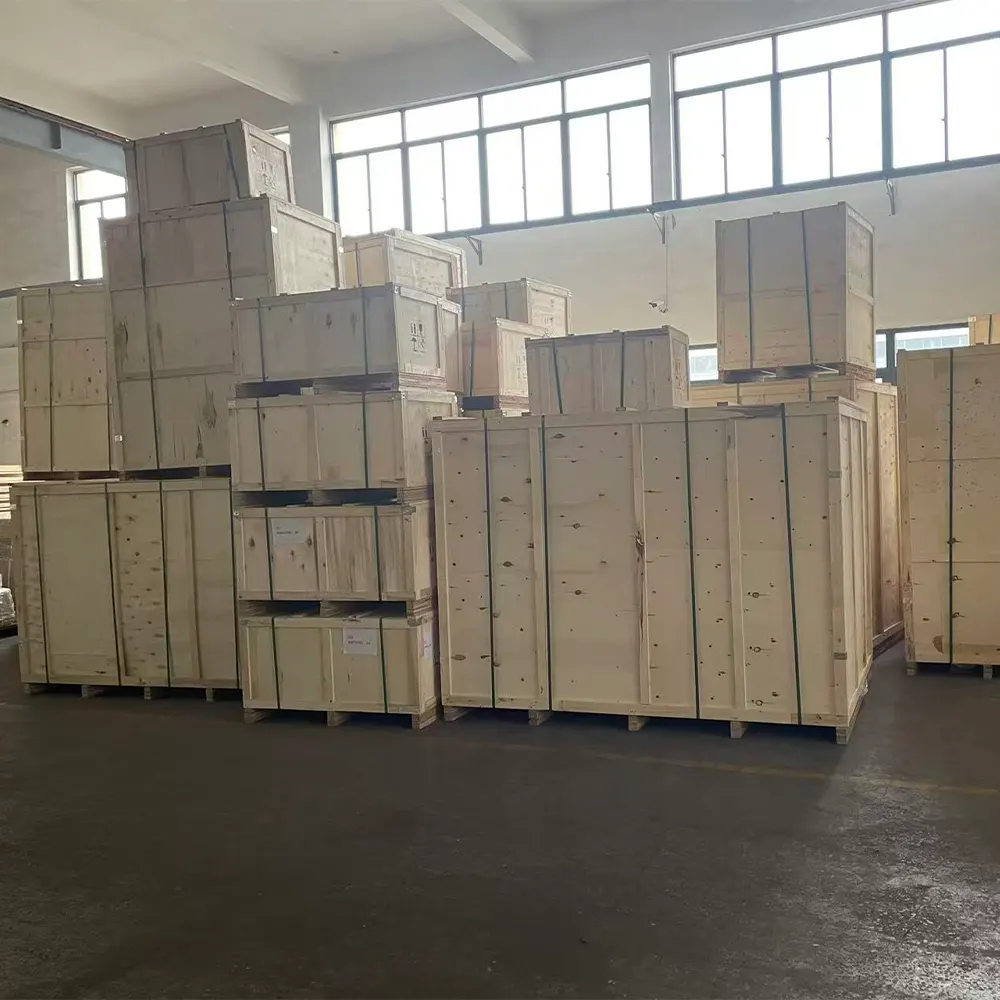
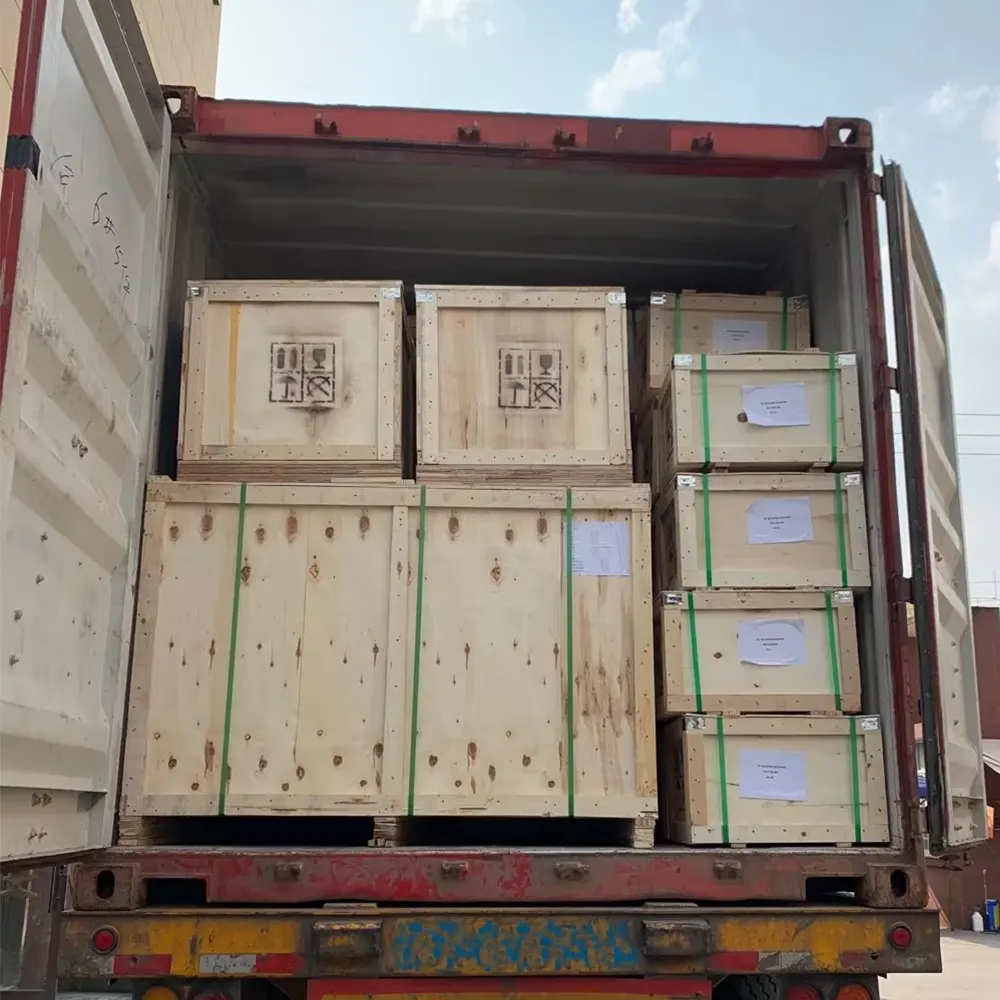
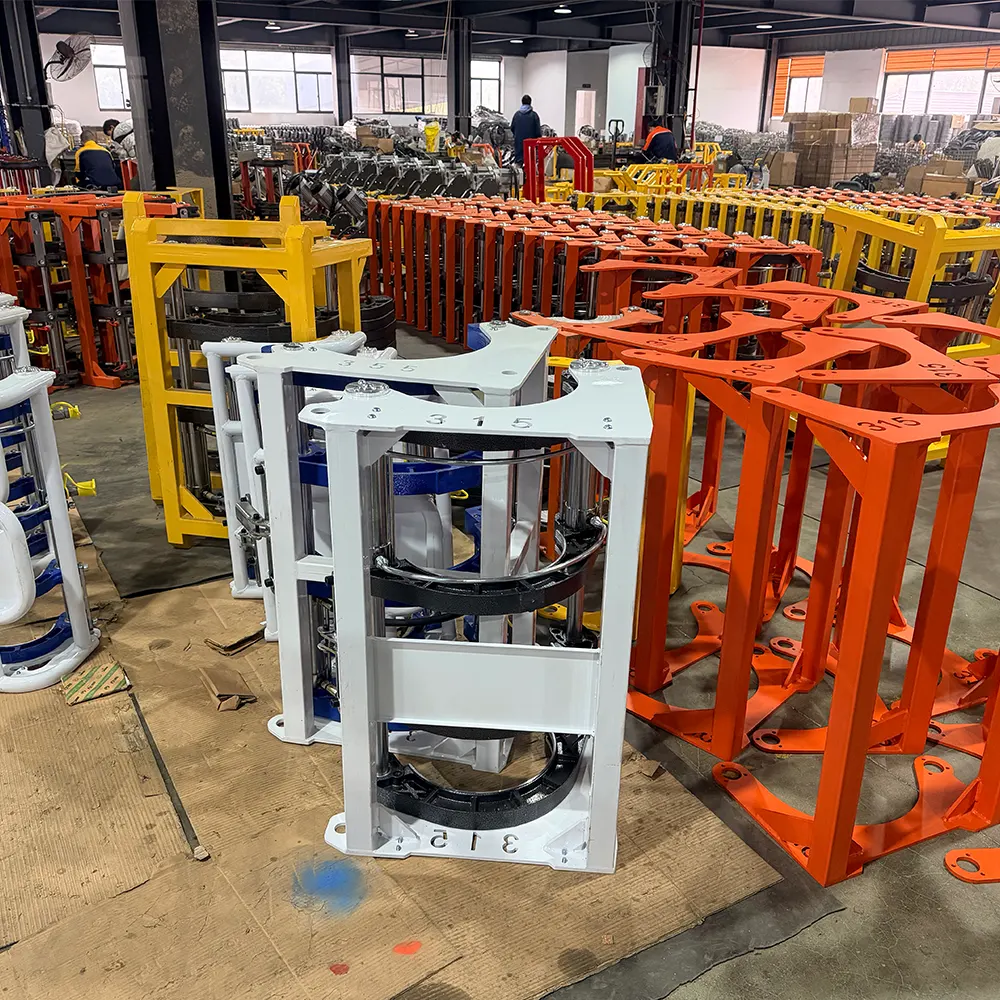
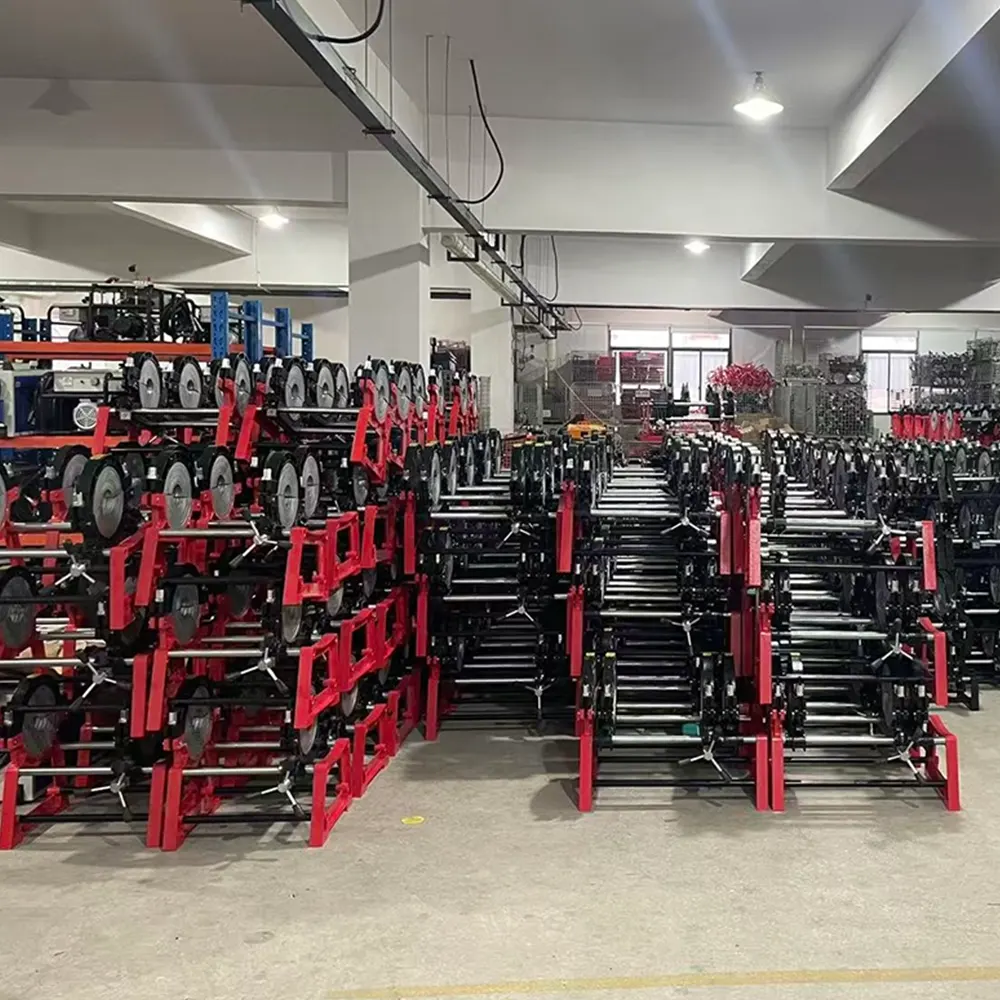
Factory Scale & Large Inventory Commitment
We maintain ready inventory across all standard electrofusion and butt fusion machines, ensuring rapid global dispatch for critical infrastructure projects.
Custom Solutions & Global Distribution Network
JQ-Fusion offers flexible OEM and ODM services for piping contractors, utility bodies, and regional machinery distributors. Whether you need custom voltage parameters, specialized user interfaces, or private labeling, our team works with you to match your workflow.
- Custom Branding & Interface Localization: Multi-language LCD firmware (English, Spanish, Russian, French, Arabic).
- Tailored Hardware Specifications: Universal 110V/230V dual-input transformers for regional power grids.
- Comprehensive Field Support: Factory warranty, spare control boards, and dedicated virtual technician training.
Our Service Promise
1. Reliable Performance: Stable output and accurate alignment for consistent field results.
2. Flexible Solutions: Machine sizes, chassis colors, and custom branding to fit your needs.
3. Rigorous QA: Every unit undergoes temperature and electrical stress-testing before shipment.
4. Fast Delivery: Strategic ready inventory to keep projects on schedule.
5. Ongoing Technical Care: Direct support from product selection through maintenance.
Technical Troubleshooting & Operations FAQ
Answers to common technical questions regarding electrofusion processors, power matching, and field operation.
Q How do JQ-Fusion electrofusion units handle generator voltage spikes?
Our machines utilize an active digital feedback controller with internal MOV (Metal Oxide Varistor) surge suppressors and high-speed SCR (Silicon Controlled Rectifier) firing modules. This allows the processor to maintain stable RMS output voltage even if generator line frequencies shift between 40Hz and 70Hz.
Q Can different SDR ratings and PE grades be welded together using electrofusion?
Yes. Electrofusion couplers are ideal for joining pipes with different wall thicknesses (e.g., SDR 11 to SDR 17) or different resin grades (such as PE80 to PE100). The internal coils apply controlled heat evenly to both pipe surfaces, achieving thorough polymer chain diffusion without the mismatch issues seen in butt fusion. Refer to PE pipe compatibility guidelines.
Q What causes common electrofusion joint failures, and how are they prevented?
Over 85% of joint failures result from poor pipe preparation: inadequate oxide scraping, contamination from hand oils, or skipping alignment clamps. JQ-Fusion machines protect against process errors through automated pre-weld resistance validation and smart barcode parameter entry.
Q What size generator is recommended for field electrofusion units?
For fittings up to 160mm, a 3.5 kVA to 5.0 kVA generator is sufficient. For couplers between 200mm and 630mm, we recommend a high-output, generator-friendly source rated at 7.0 kVA to 10 kVA with AVR (Automatic Voltage Regulation) to avoid under-voltage interruptions during peak current cycles.
Q How does the barcode scanner function if an on-site fitting barcode is damaged?
If a fitting barcode is scratched or unreadable, the operator can switch to Manual Mode on the unit. You can enter the 24-digit numerical code printed below the barcode or manually set the voltage (V) and fusion time (s) listed on the manufacturer’s specification tag.
Have more technical questions?
Visit our Full FAQs Knowledgebase →Ready to Upgrade Your Pipeline Tooling?
Contact JQ-Fusion’s engineering team for direct factory pricing, OEM/ODM quotations, or technical consultations. Our team is available 24/7 to support your project timelines.
Factory Location: Zhengzhou, Henan Province, China
Global Response Time: Guaranteed quotation within 12 business hours.
