
HDPE Butt Fusion Machine for Reliable Pipe Joining
Engineered for mission-critical polyolefin pipeline infrastructure. Discover high-precision manual, hydraulic, and CNC automatic HDPE butt fusion machines manufactured by JQ-Fusion to achieve 100% monolithic joint integrity across water, natural gas, chemical, and industrial fluid delivery networks.
The Engineering Physics of HDPE Butt Fusion Joining
High-Density Polyethylene (HDPE) has revolutionized modern municipal and industrial fluid conveyance systems due to its superior corrosion resistance, chemical inertness, high fatigue endurance, and ductile flexibility. However, the integrity of an entire pressurized network depends entirely on the structural quality of its joint interfaces. An HDPE butt fusion machine operates on the thermodynamic principle of simultaneous thermal plasticization and molecular interdiffusion.
When two pipe ends are planed square, heated to crystalline melting temperature (typically 200°C to 230°C / 392°F to 446°F), and brought together under precise hydraulic compression, the long-chain polymer macromolecules untangle, cross over the interfacial boundary, and recrystallize upon cooling. The resulting fusion joint achieves a tensile strength and pressure rating equal to or exceeding that of the parent pipe body itself, as outlined by the technical consensus on what is HDPE butt fusion.
Zero Leakage & Monolithic Continuous Integrity
Unlike mechanical jointing with gaskets or solvent cement, butt fusion creates a continuous homogeneous conduit with zero elastomeric seals prone to degradation. This eliminates exfiltration and infiltration risks across long design lifespans (100+ years), fully conforming to ISO 21307 butt fusion procedures.
Universal Standards Adherence & Traceability
Modern pipeline specifications dictate stringent quality control parameters. Our butt fusion machinery line complies with PE butt fusion equipment standard (ISO 12176-1) and North American ASTM F2620 heat fusion standards, empowering field teams to log real-time pressure, temperature, and cycle time metrics.
The 5-Phase Fusion Sequence Defined by PPI & ISO
Executing a flawless thermoplastic joint requires precision control over temperature, force, and time throughout all five mandatory phases dictated by PE butt fusion process specifications and the authoritative PPI butt fusion procedure.
Facing & Planing
High-torque electric planers shave pipe ends square, eliminating oxidation layers, ovality gaps, and radial mismatch (high-low misalignment under 10% wall thickness).
Initial Bead-Up
Pipe ends are pressed against the PTFE-coated heating plate under initial fusion pressure (P1 = Interfacial Pressure + Drag Pressure) until a uniform molten melt bead emerges.
Heat Soak Phase
Hydraulic pressure drops to residual soak level (P2 ≈ Drag Pressure). Thermal energy penetrates deep into pipe walls without squeezing out the molten polymer pool.
Changeover / Dwell
The heating tool disengages rapidly. Strict maximum changeover times prevent the molten surface from premature cooling or environmental oxidation before joining.
Cooling Under Force
Pipe ends merge under full fusion pressure (P5) and remain clamped during controlled in-machine cooling, allowing polymer chains to form a high-density crystalline matrix.
Featured HDPE Butt Fusion Welding Machines
From compact utility trench joiners to ultra-large mainline hydraulic systems, JQ-Fusion Butt Fusion Equipment is configured for rugged field reliability and dimensional consistency.
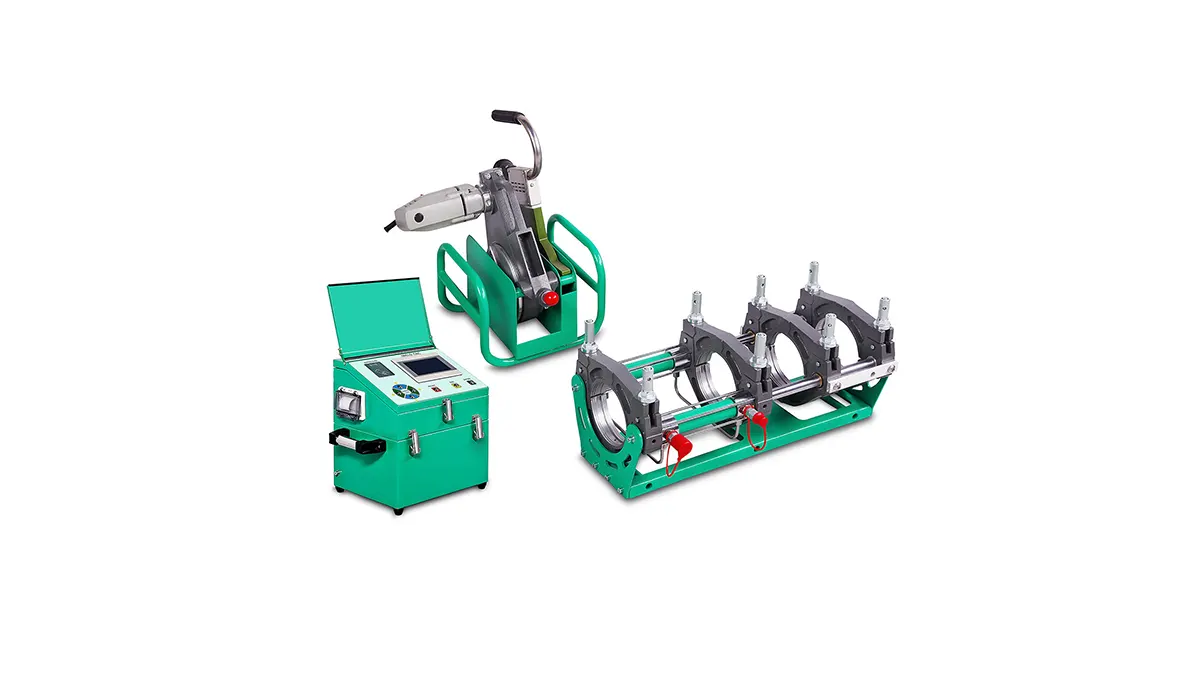
Hydraulic Butt Fusion Machine with Aluminum Clamps
- Clamp Material: Cast Lightweight Alloy
- Operating Pressure: 0 – 6.3 MPa
- Heating Deviation: ≤ ±3°C Surface Delta
- Standard Compliance: ISO 21307 / ASTM F2620
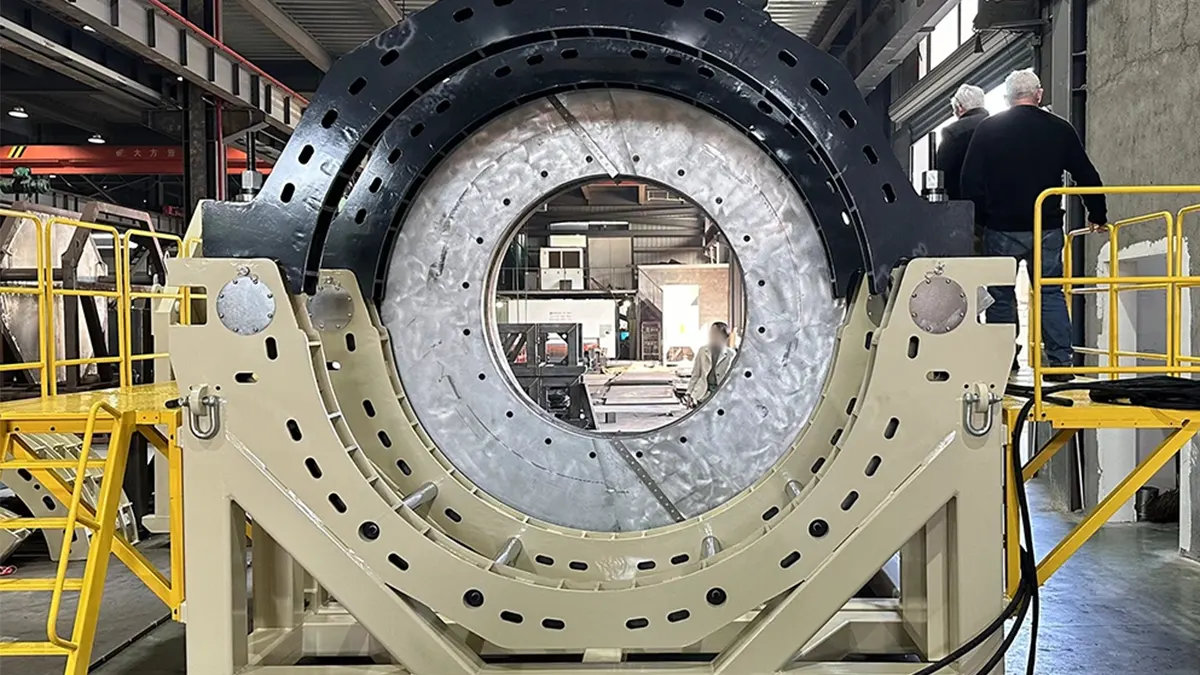
JQH2250mm Hydraulic Butt Fusion Welding Machine
- Welding Range: 1600mm – 2250mm
- Hydraulic Drive: Heavy Duty Industrial Station
- Application: Intake/Outfall & Mining Slurry
- Automation: Integrated Crane & Planer
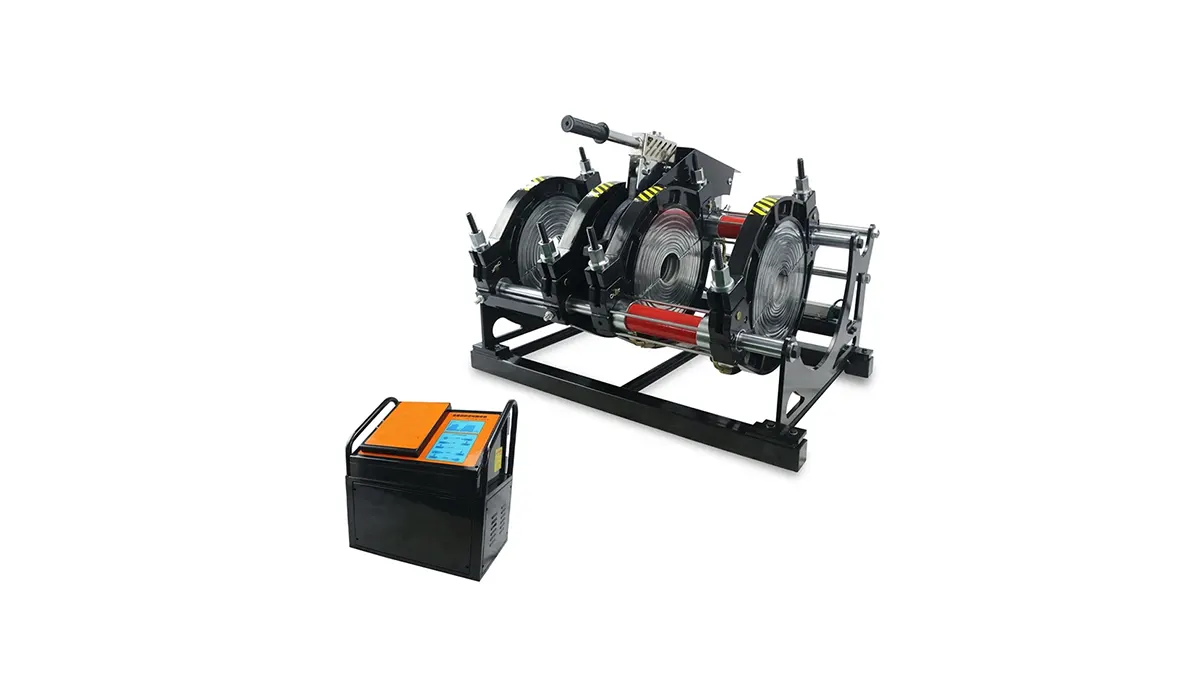
JQA630mm Automatic CNC Butt Fusion Machine
- Welding Range: 315mm – 630mm
- Control System: PLC with Traceability Coding
- Quality Audit: Auto USB Data Extraction
- Standard: ISO 12176-4 Compliant
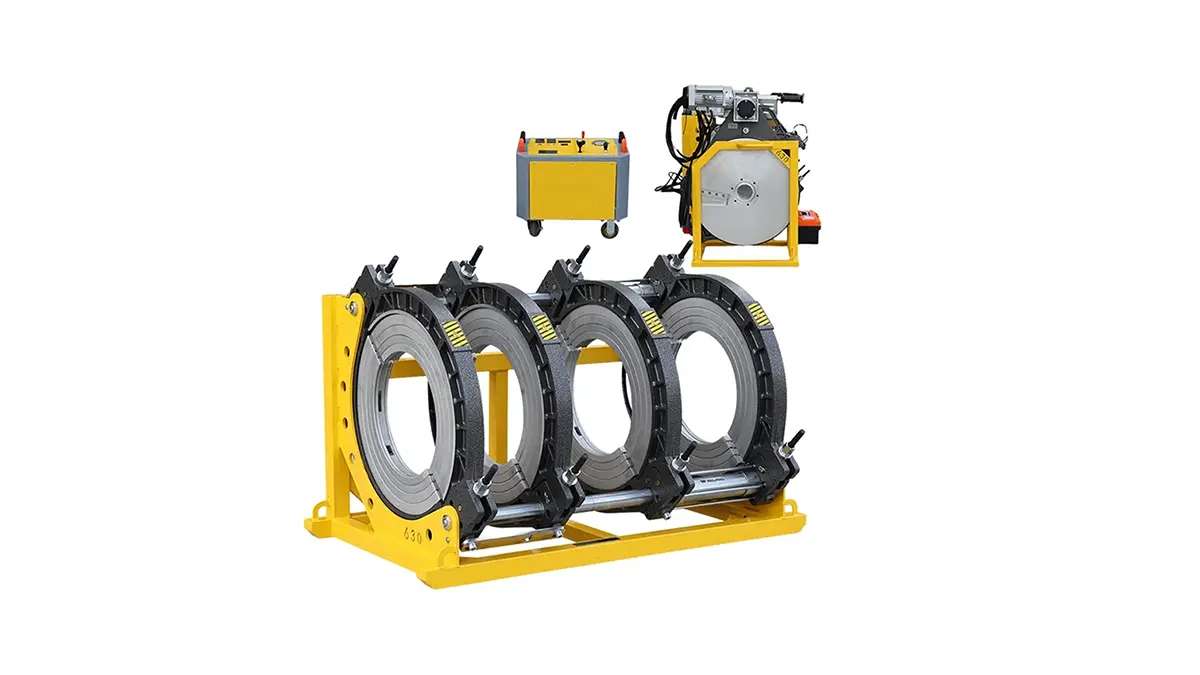
JQH630mm Hydraulic Butt Fusion Machine
- Welding Range: 315mm – 630mm
- Frame Structure: 4-Clamp Reinforced Chassis
- Hydraulic Unit: Digital Gauge with Accumulator
- Heater Coating: Dual-Layer PTFE
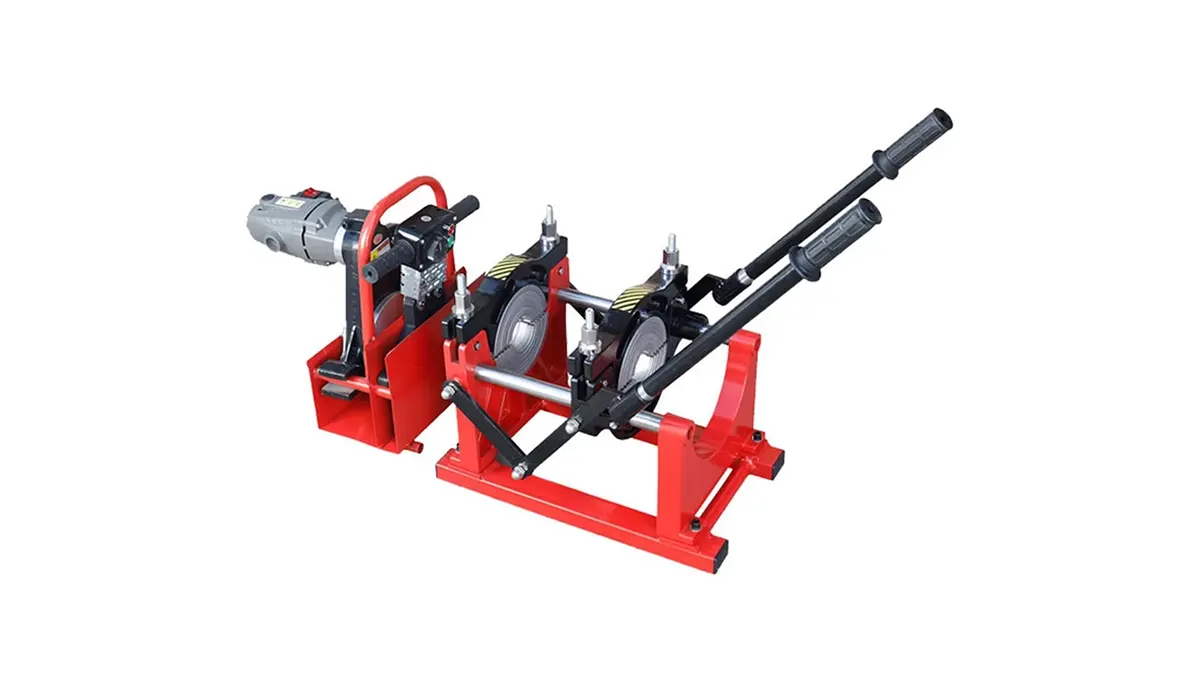
JQST Manual Butt Fusion Welding Machine
- Welding Range: 40mm – 160mm / 200mm
- Operation: Screw / Leverage Hand Wheel
- Portability: Ultra-compact Light Weight
- Ideal For: Building Risers & Irrigation
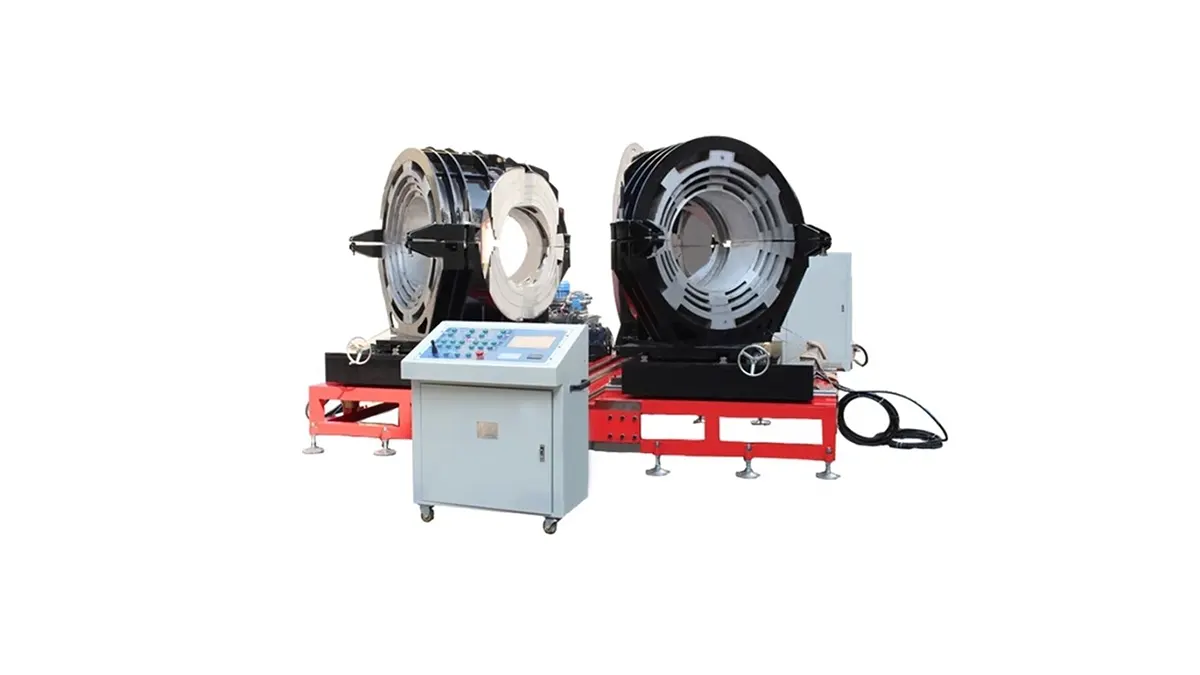
JQMA800 Multi-Angle Pipe Fitting Machine
- Fabrication Range: Elbows, Tees, Crosses & Y-Branches
- Diameter Scope: Up to 800mm Fitting Size
- Angle Adjustment: 0° to 90° Custom Miters
- Standard: ASTM F2206 Fabricated Fittings
Butt Fusion Machine Selection Matrix: Manual vs. Hydraulic vs. CNC
Selecting the appropriate fusion system depends on pipe diameter, wall thickness (SDR rating), site topography, and statutory quality assurance protocols. Compare key operational differences below:
| Machine Category | Diameter Range | Pressure Generation | Data Traceability | Primary Application Fields | Standard Reference |
|---|---|---|---|---|---|
| Manual Butt Fusion | 40mm – 250mm | Mechanical Lever / Hand Wheel | Manual Inspection Checklist | Building Plumbing, Minor Utilities, Gravity Sewer | ASTM D2513 |
| Hydraulic Butt Fusion | 63mm – 2250mm+ | Hydraulic Power Unit (Accumulator) | Optional Pressure Data Logger | Municipal Potable Water, Gas Mains, Slurry Dredging | ISO 21307 Dual Low |
| CNC Automatic Fusion | 90mm – 1200mm | Automated Servo-Hydraulic Unit | Full Cloud/USB Audit Log (ISO 12176-4) | High-Pressure Natural Gas, Regulated Power, Hazardous Chemical | ISO 12176-1 Class A |
| Workshop Fitting Welder | 250mm – 1600mm | Multi-Axis Hydraulic Clamping | Integrated Miter Angle Control | Segmented Elbow, Equal Tee, Wye Fabrication | ASTM F2206 |
Mission-Critical Applications of HDPE Butt Fusion
Polyethylene pipelines joined via high-standard butt fusion machinery form the backbone of modern civil engineering, energy grids, and resource extraction projects worldwide.
Municipal Potable Water & Wastewater
Operating under ISO 4427 PE water pipes and ASTM F714 PE pipe criteria, butt-fused HDPE guarantees zero biological contamination, resists surge hammer pressures, and maintains high C-factor hydraulic flow over decades.
Natural Gas Distribution Networks
Governed by PE gas pipe standard (ISO 4437) and ASTM D2513 PE gas pipe, butt fusion eliminates flammable gas escape risks, tolerating earth settlement, seismic shifting, and seasonal freeze-thaw cycles without joint displacement.
Mining Slurry & Industrial Chemical Pipelines
Mining operations rely on high-wall thickness PE100/PE4710 conduits to carry abrasive tailings and acid-leach solutions per industrial PE piping systems (ISO 15494). Heavy-duty JQH hydraulic machines deliver the clamping power required to align heavy SDR9/SDR7 pipes.
Subsea Outfalls & Power Conduit Ducts
Submarine intake/outfall installations utilize string-welding techniques with multi-roller support, conforming to HDPE conduit joining guidelines to endure ocean current flexure and directional horizontal drilling (HDD) pulling loads.
About JQ-Fusion
JQ-Fusion is an industry-leading manufacturer specializing in high-performance thermoplastic welding machinery. With decades of dedicated engineering and a modern facility in Zhengzhou, China, we produce comprehensive manual, hydraulic, and CNC automatic butt fusion systems from 40mm to 2250mm diameter.
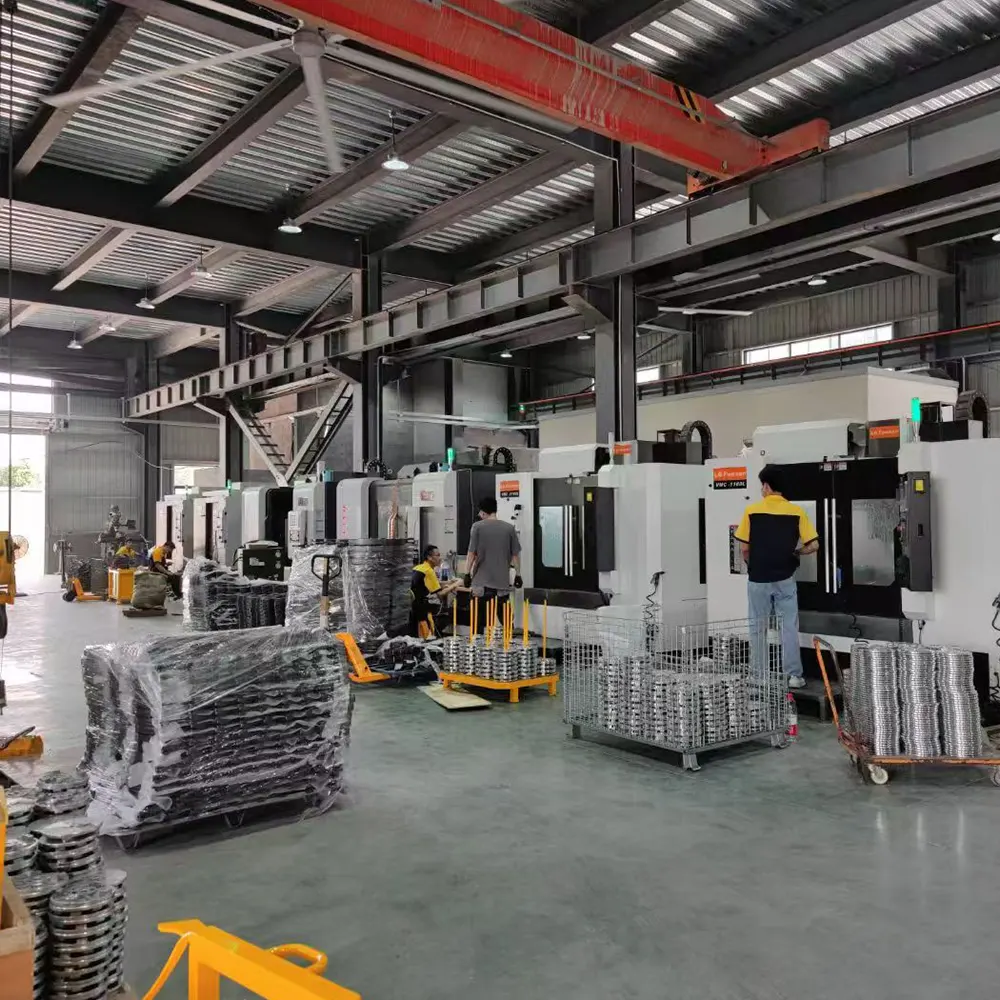
Supported by high-precision CNC machining centers, rigorous temperature profiling, clamp tensile deflection checks, and pressure holding assessments, JQ-Fusion partners with international distributors, pipeline contractors, and municipal utilities across 60+ countries.
-
✓Reliable Welding Performance: Stable PTFE heating and micro-machined clamp alignment for repetitive joint strength.
-
✓Tailored OEM/ODM Solutions: Custom frame coatings, voltage adaptations (220V/380V/415V/440V), and private branding.
-
✓Strict Factory Quality Testing: 100% full-cycle pressure testing and heating plate thermal delta inspection.
-
✓Rapid Stock & Global Support: Vast warehouse stock ready for immediate worldwide dispatch with 24/7 technical assistance.
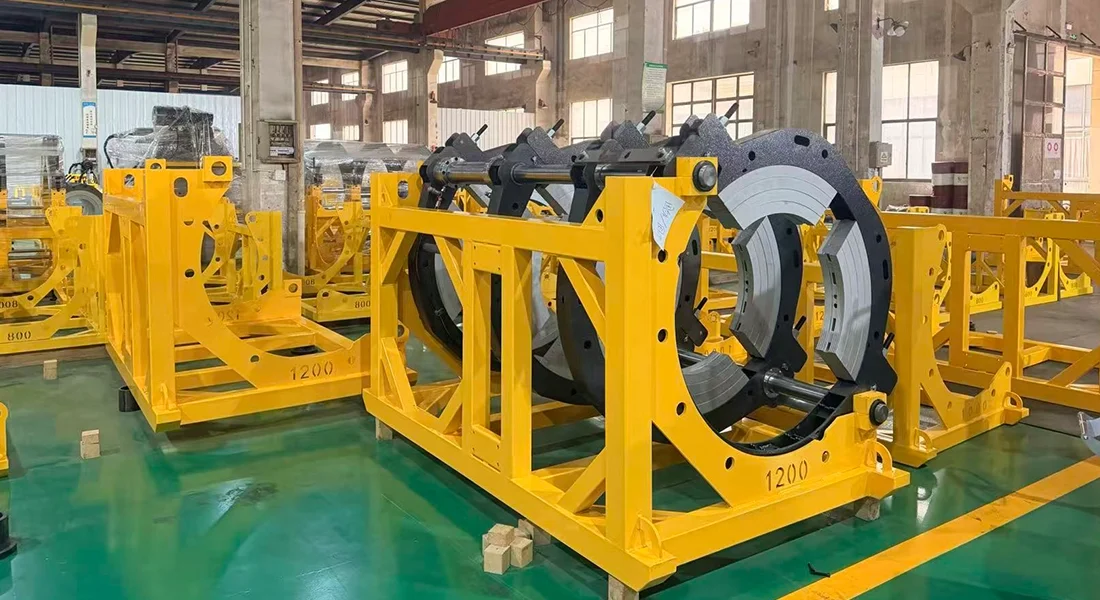
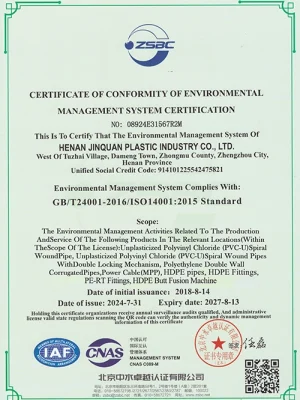
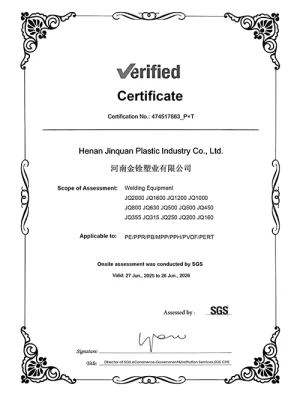
Certified to Meet Global Engineering Standards
All JQ-Fusion butt fusion equipment complies with internationally recognized quality directives, ensuring absolute safety, structural consistency, and regulatory approval.
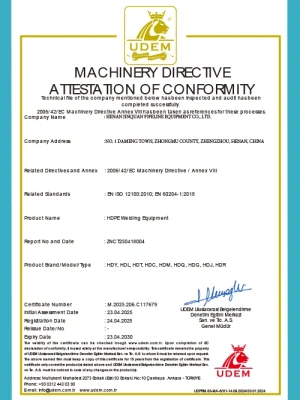
Visit Our Factory & Ready Inventory
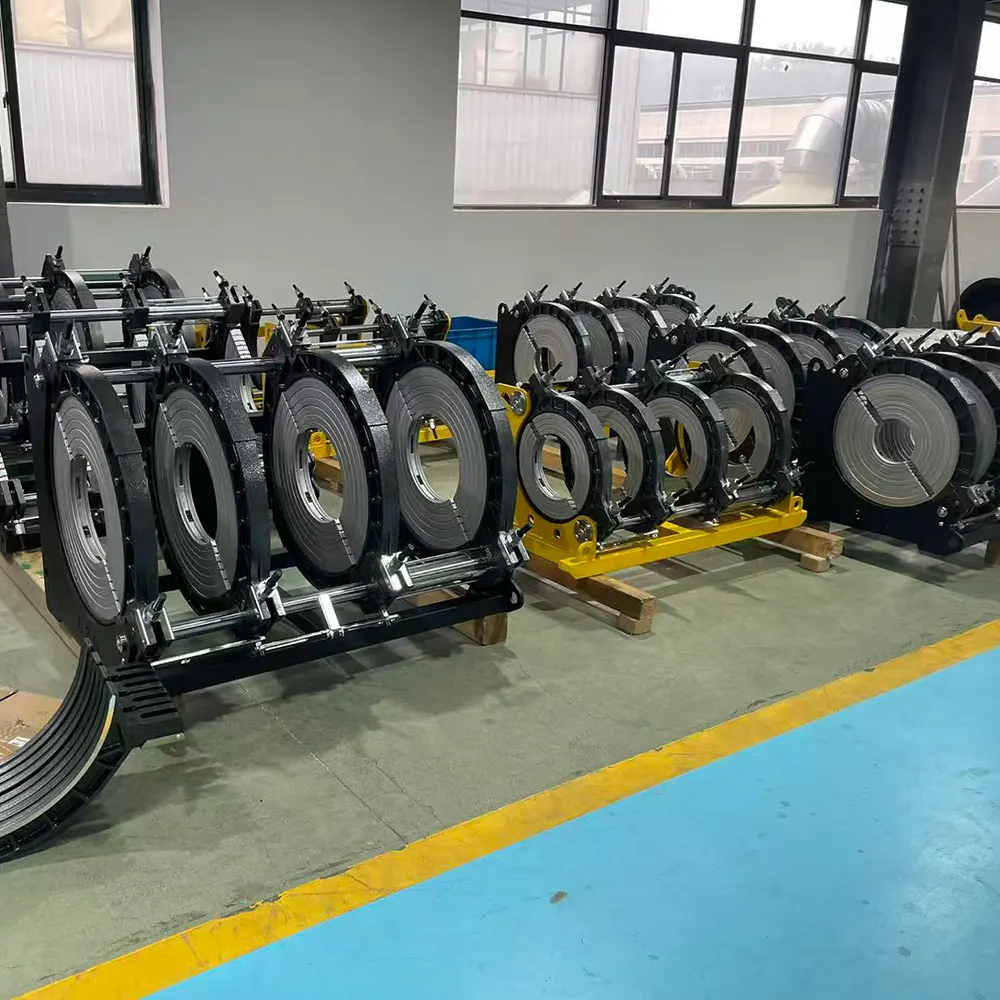
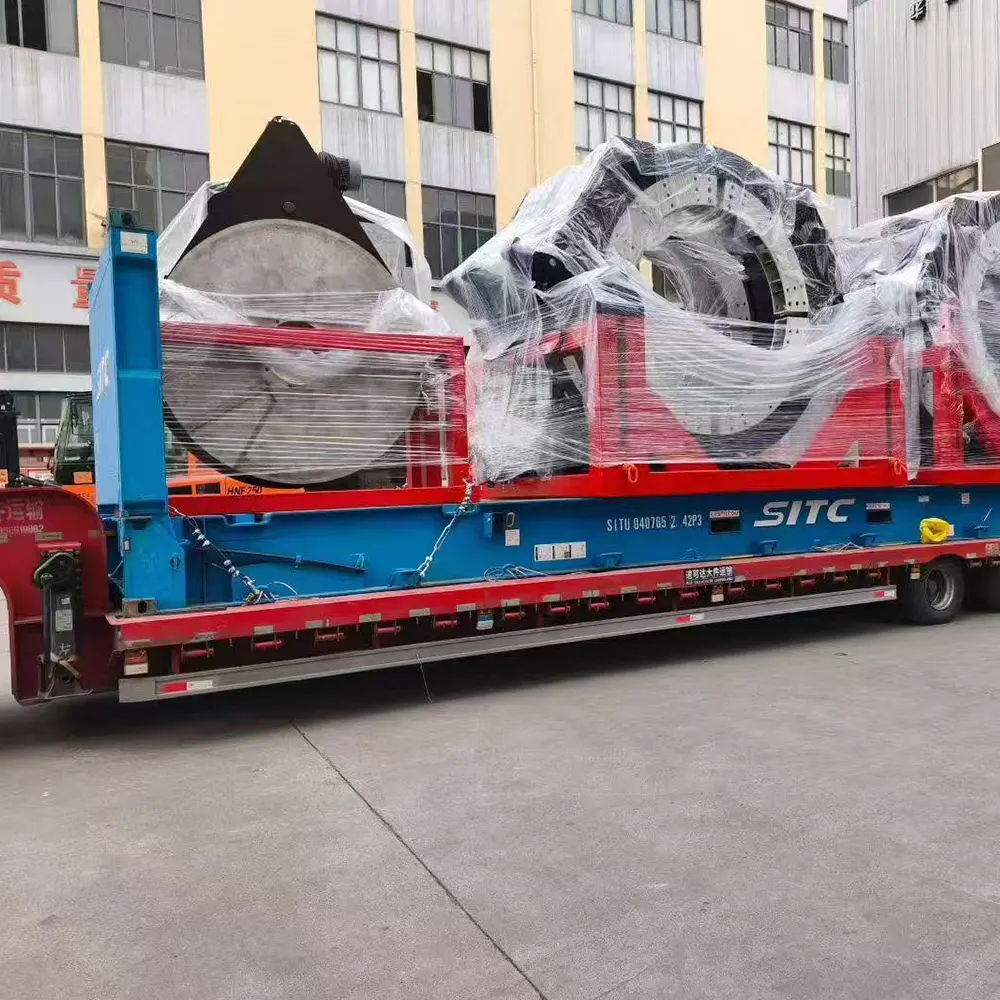
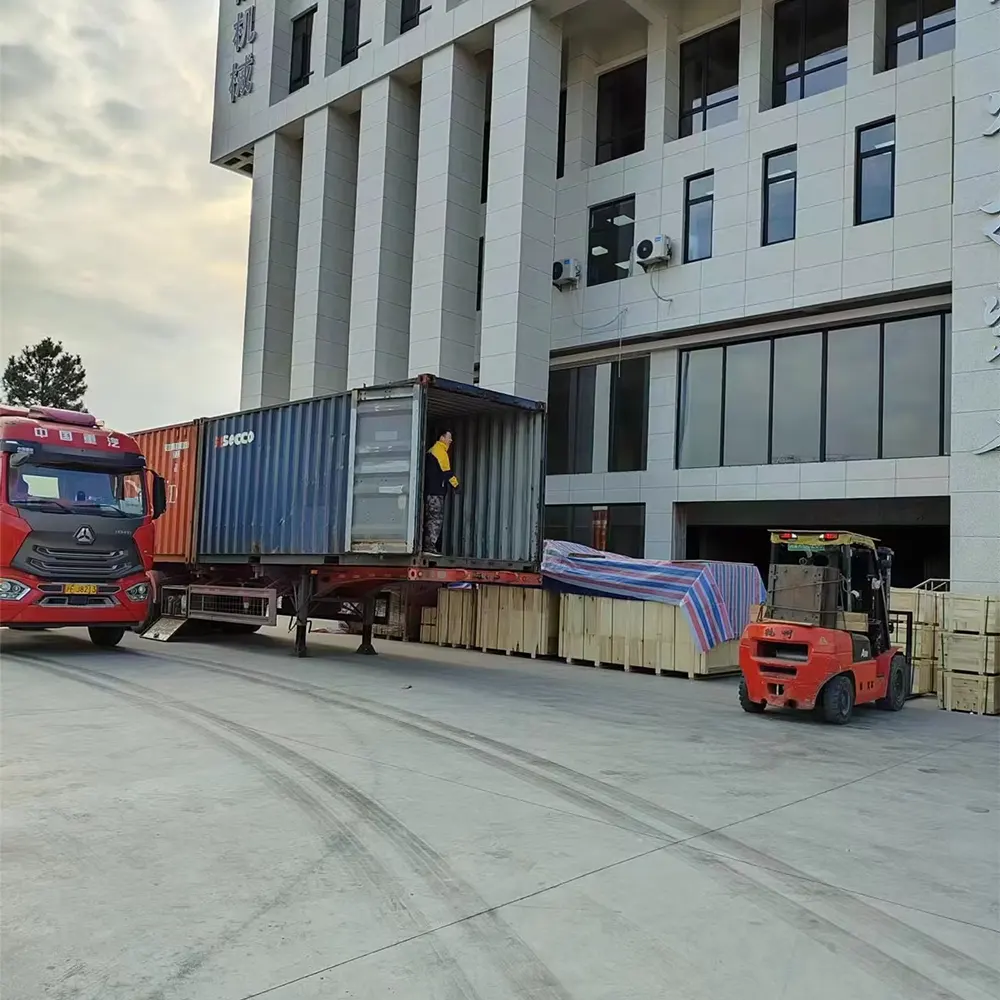
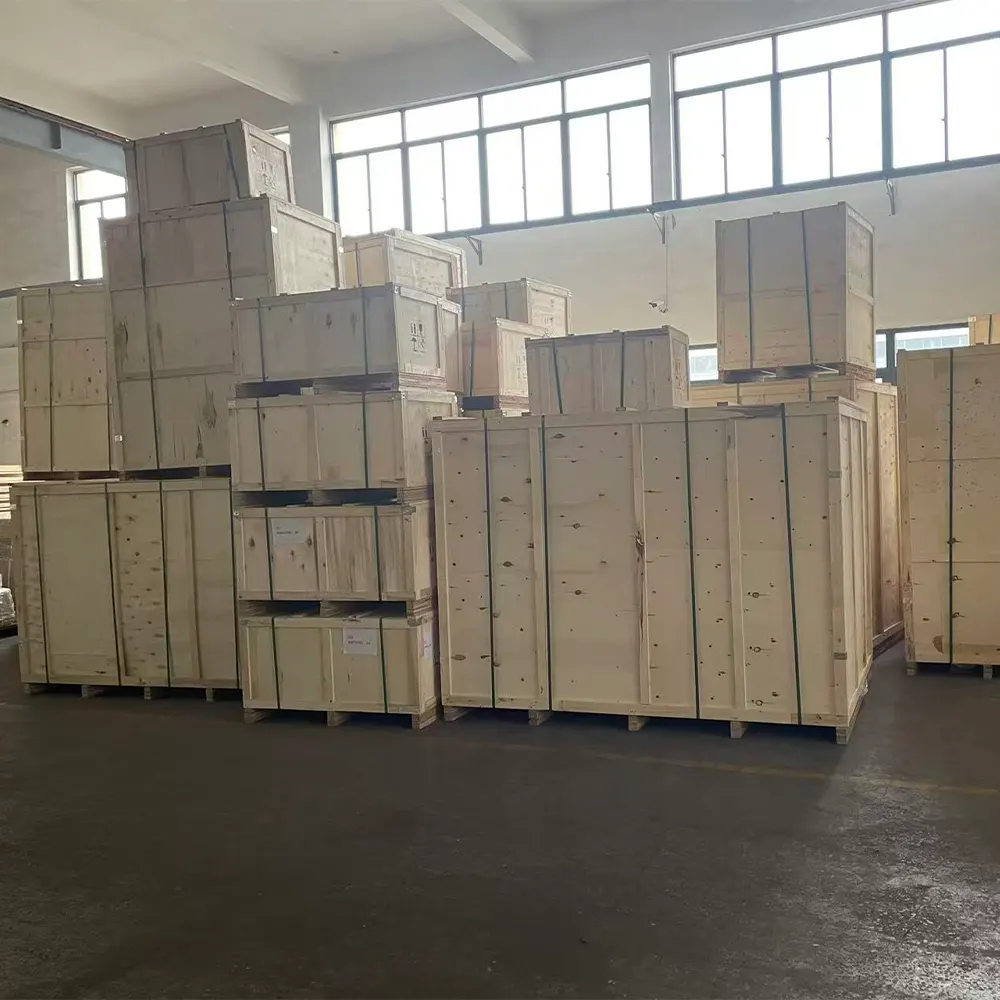
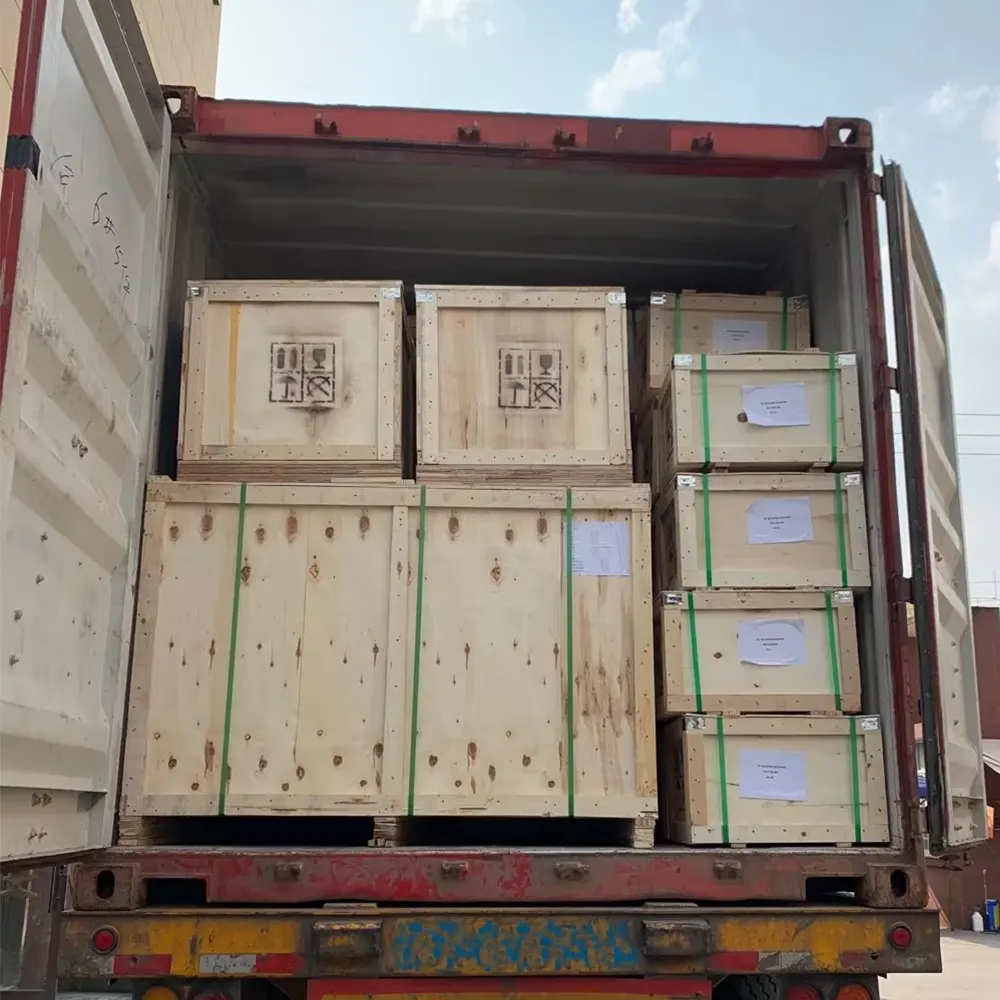
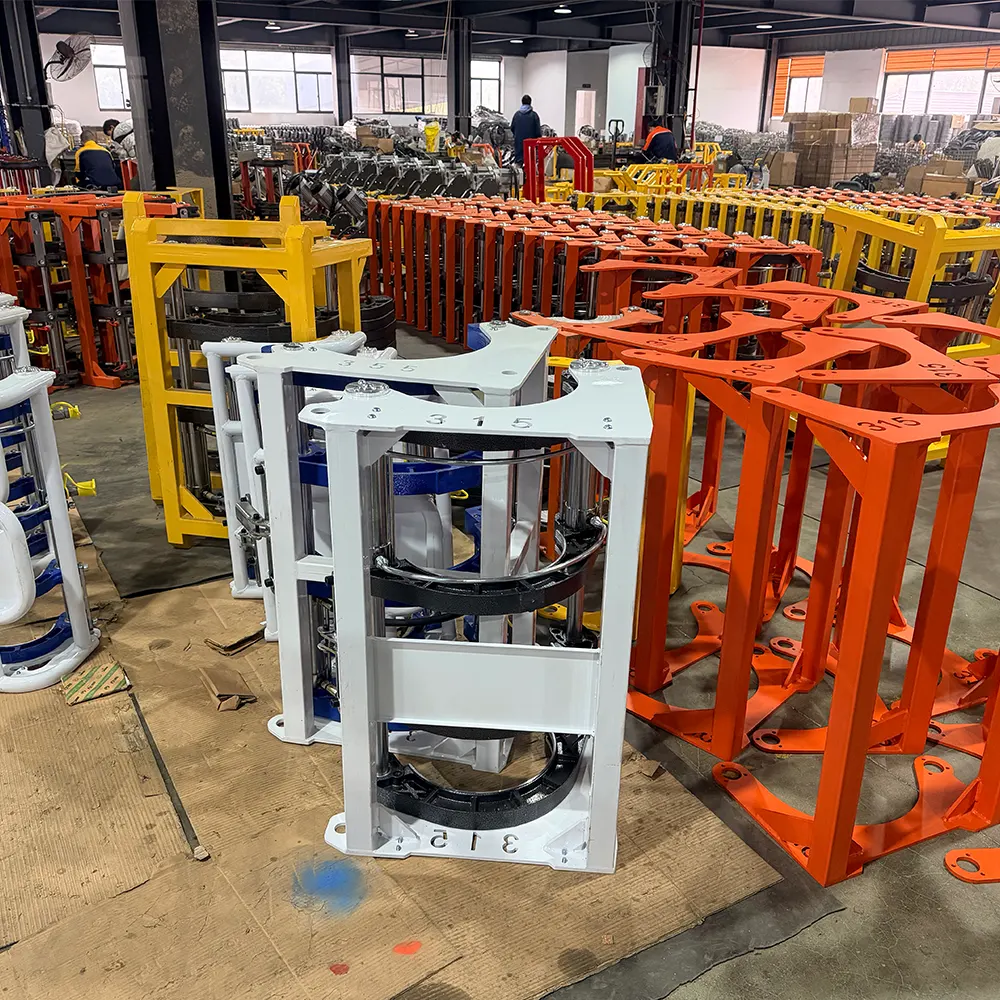
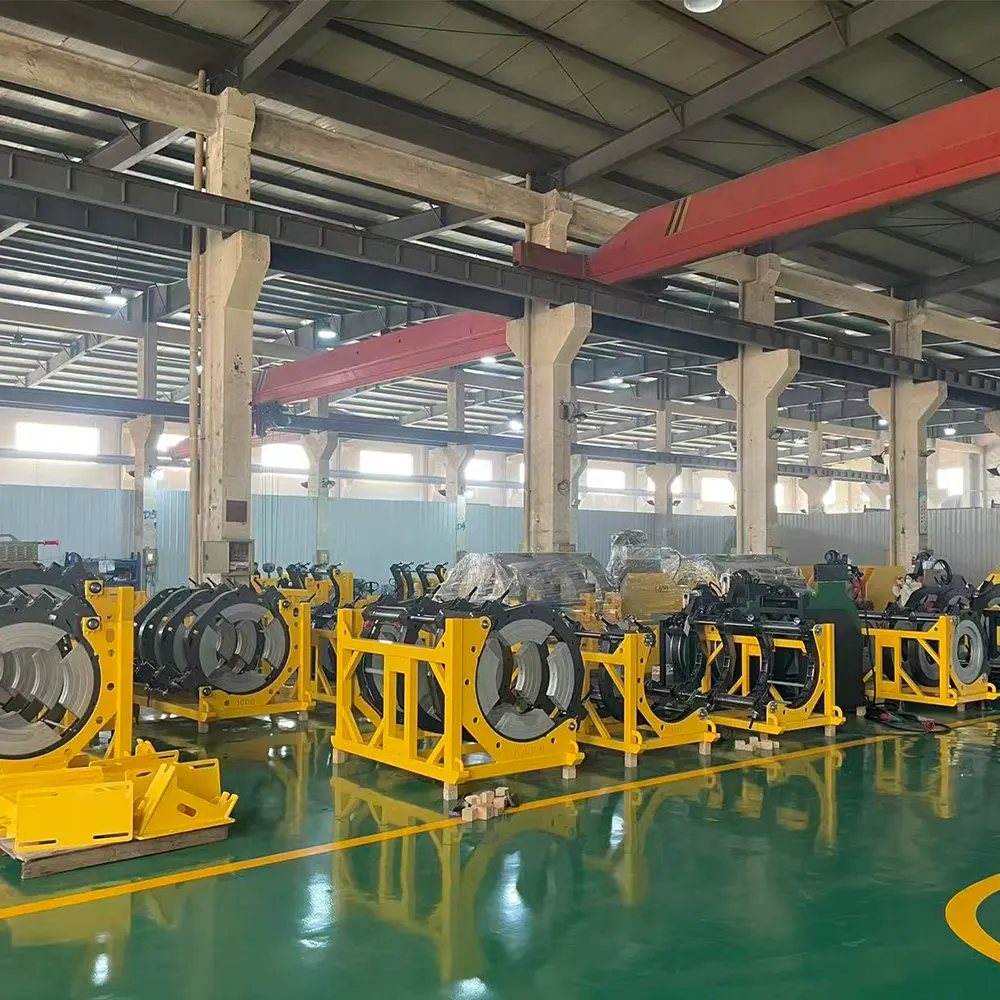
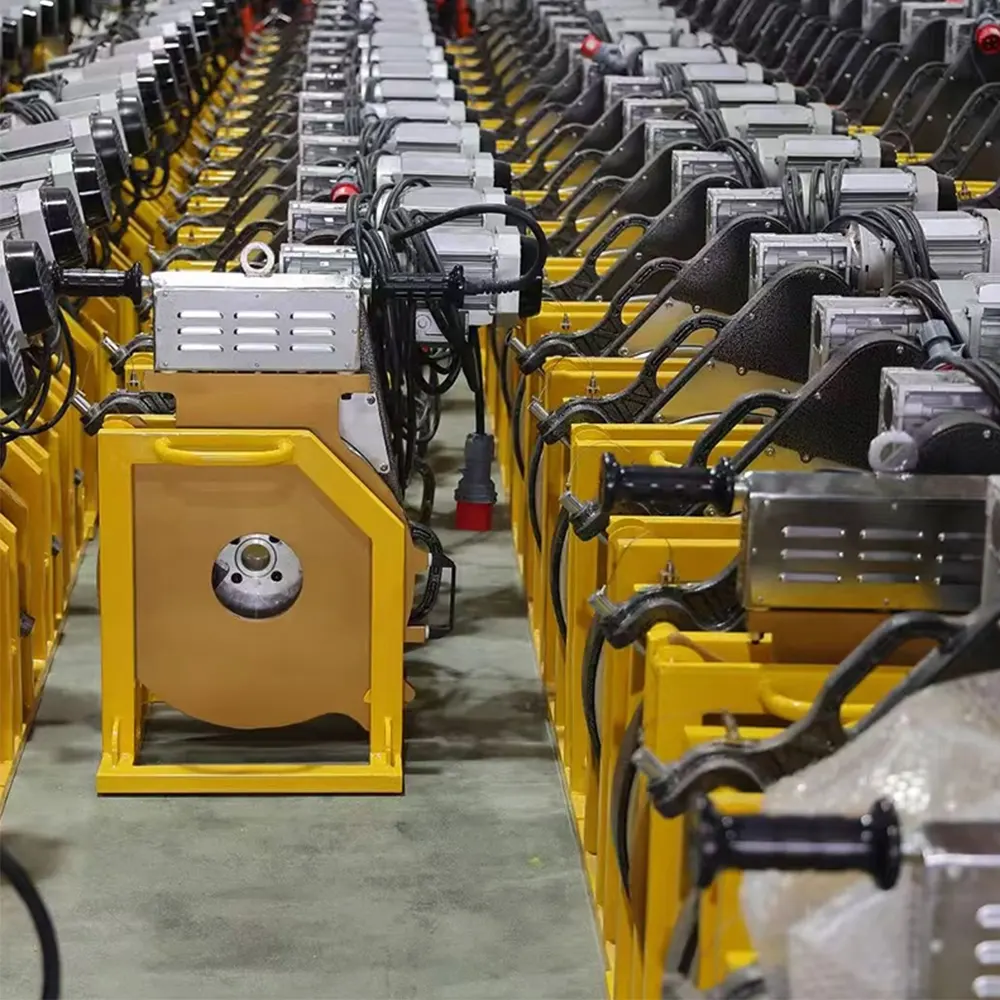
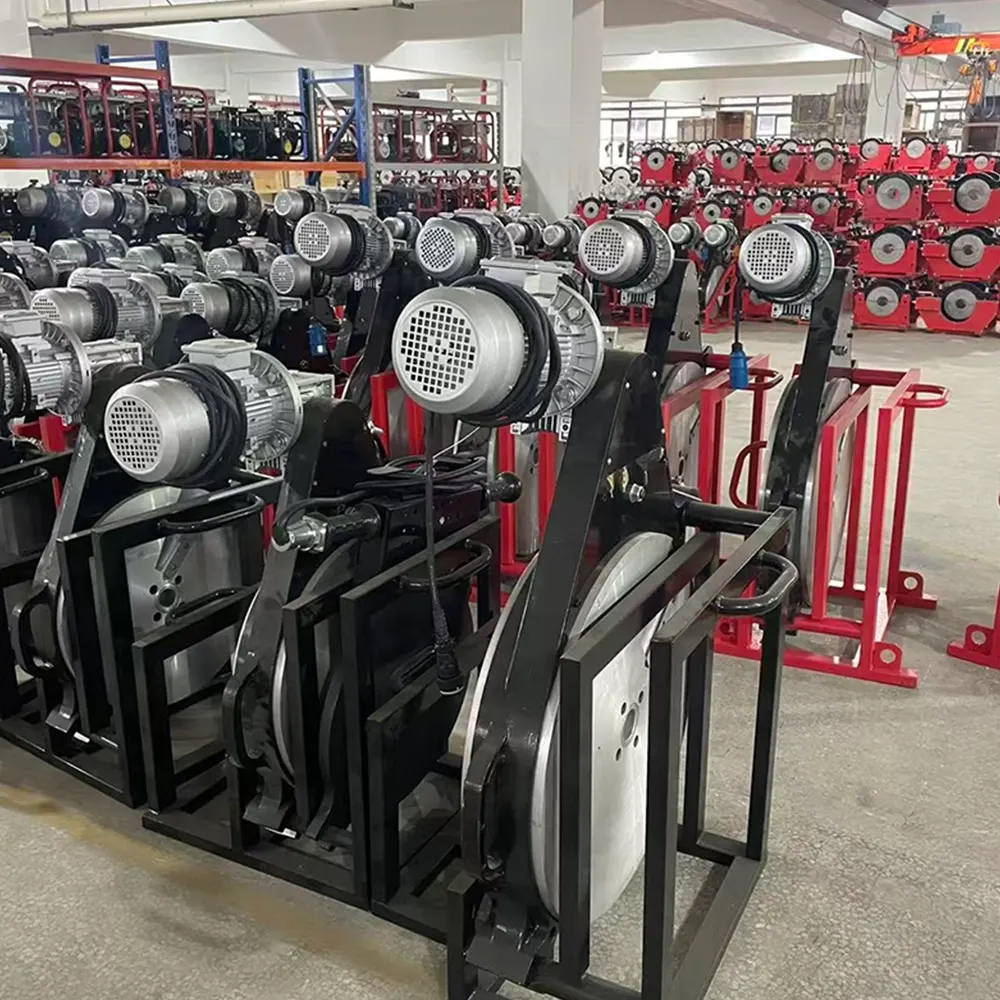
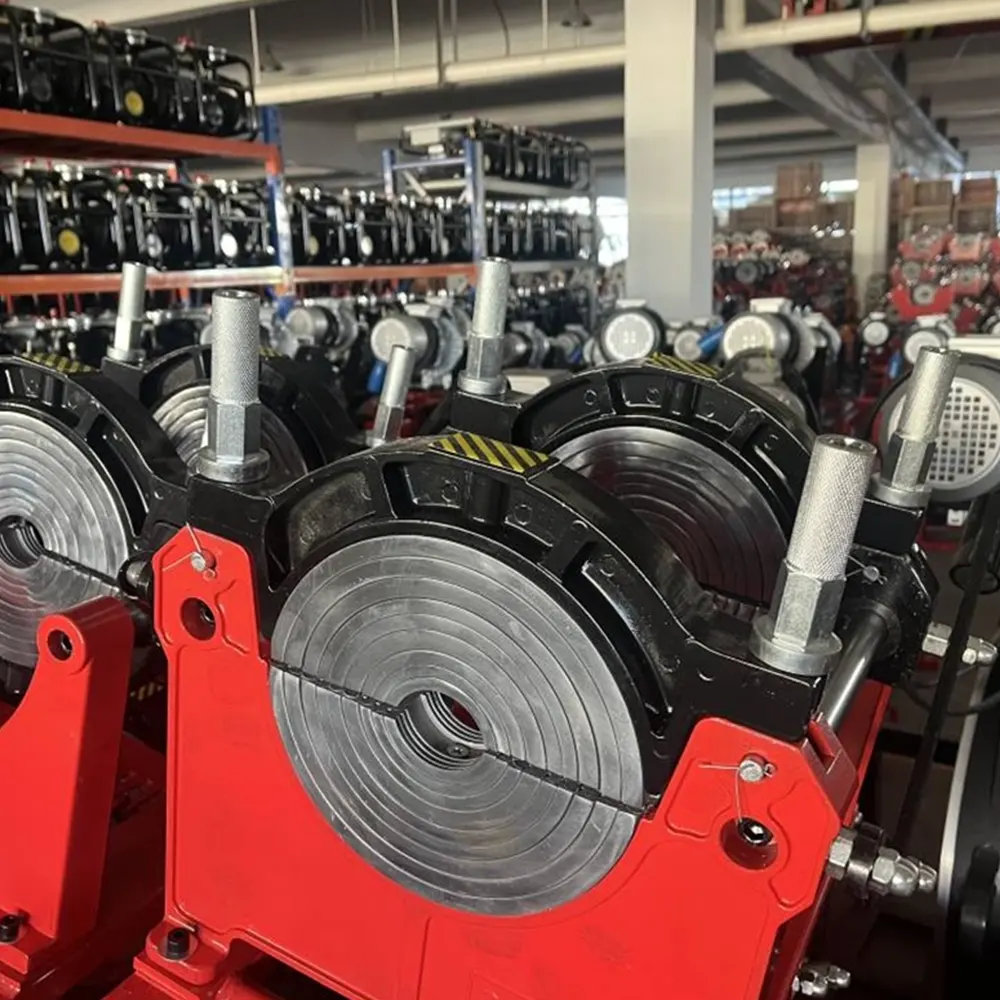
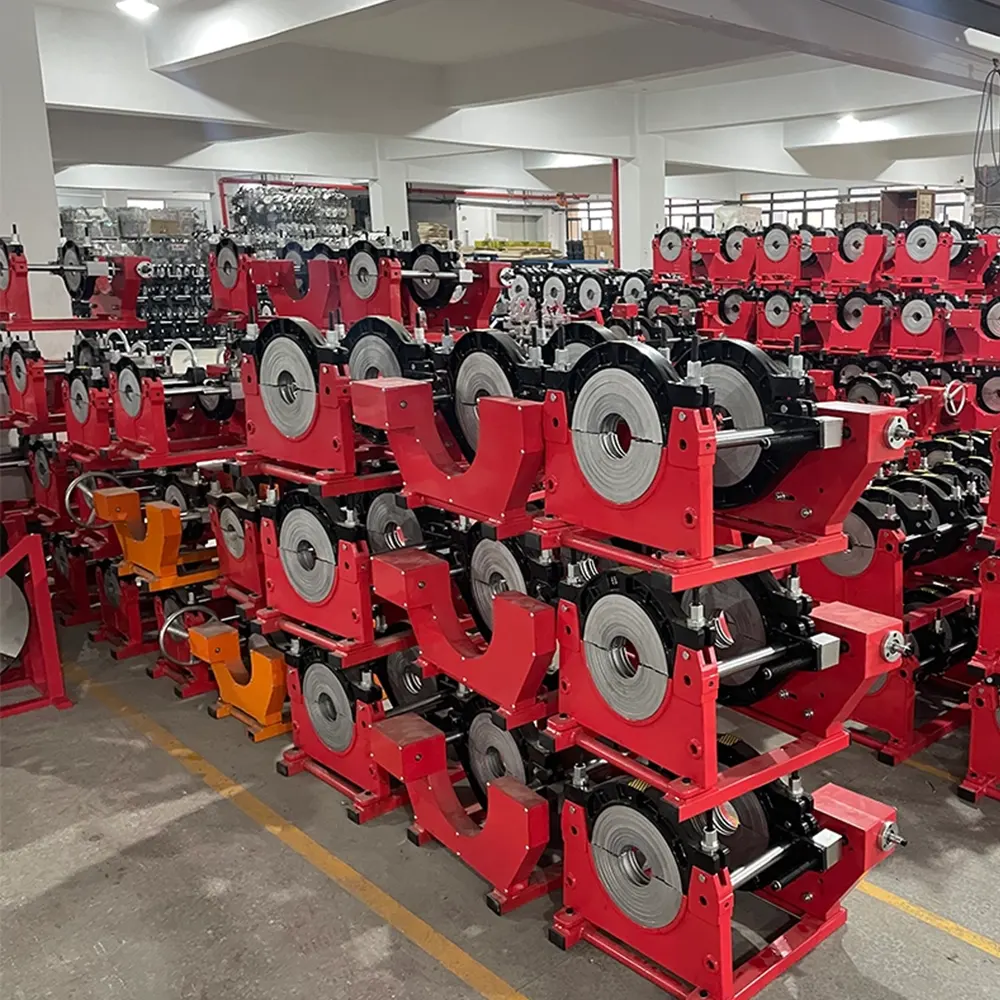
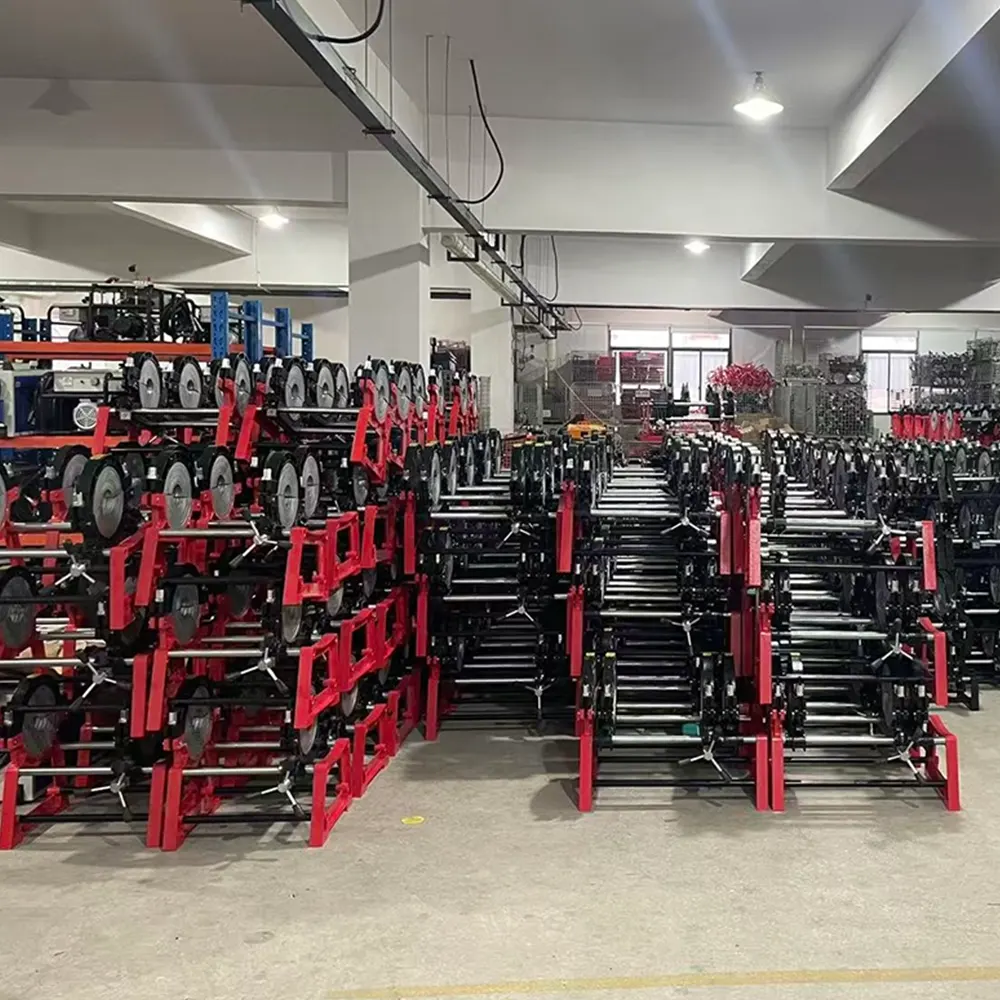
We maintain a strategically organized warehouse inventory of hydraulic, manual, and CNC butt fusion machines alongside heavy-duty export plywood packaging to support rapid global logistics and project emergency dispatches.
Frequently Asked Questions on HDPE Butt Fusion
How is the theoretical butt fusion pressure calculated for hydraulic machines?
Fusion pressure is determined using the pipe’s annular cross-sectional area and the machine cylinder’s effective area:
Formula: $text{Hydraulic Gauge Pressure (bar)} = left[ frac{pi times (D_{OD} – e) times e times P_{interfacial}}{A_{cylinder}} right] + P_{drag}$
Where $D_{OD}$ is pipe outside diameter, $e$ is wall thickness, $P_{interfacial}$ is specified interfacial pressure (typically $0.15 text{ N/mm}^2$ per ISO 21307 or $0.52 text{ N/mm}^2$ high pressure), and $A_{cylinder}$ is the total piston area of the fusion machine.
Can pipes made from different PE grades or different SDRs be butt fused together?
According to guidelines on PE pipe compatibility, PE80 and PE100 pipes with matching Melt Flow Rates (MFR within $0.2 text{ to } 1.4 text{ g/10 min}$) can be successfully welded. However, pipes with different Standard Dimension Ratios (SDR) have unequal wall thicknesses, creating a high-stress step; in such cases, transition machining or Electrofusion fittings should be used.
What are the essential visual criteria for a compliant butt fusion bead?
A properly formed bead must exhibit: 1) Uniform toroidal shape around the entire 360° circumference; 2) Bead width and height matching standard reference tables; 3) The v-groove between the double beads must remain above the pipe OD level (not sunken); 4) Zero inclusions of dirt, bubbles, or discoloration. Destructive bead bend tests (guided by ASTM F2620) can further verify molecular bonding.
How does ambient temperature affect the welding cycle on site?
In cold weather (below 5°C / 41°F), thermal loss to surrounding air accelerates rapidly. Operators must utilize fusion welding shelters, wind guards, and pipe end plugs to stop internal chimney-effect drafts. Heating soak times may need slight adjustments per qualified PE fusion qualification procedures without overheating the PTFE plate beyond 230°C.
Empower Your Piping Projects with High-Precision Fusion Tech
Whether you require a standard 160mm hydraulic trench welder, an automated CNC unit with USB data logging, or a customized factory workshop fabrication setup, our engineering team is standing by to assist with selection, CAD drawings, and factory-direct pricing.
