
Professional gas line welding is the backbone of safe, long-lasting gas distribution systems. Whether installing new mains or repairing existing networks, precise fusion techniques and rigorous testing create leak-free joints that protect people, property, and the environment.
Expert Gas Line Welding Services
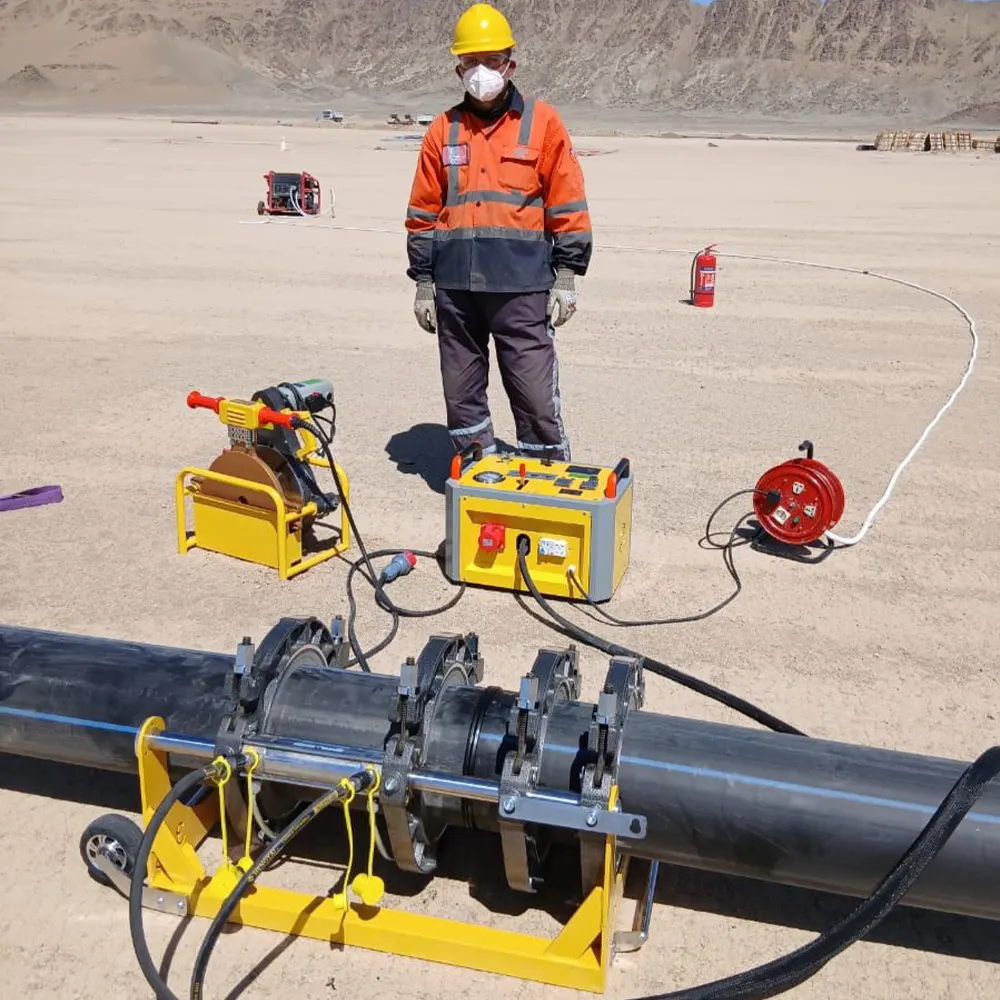
Butt fusion and electrofusion are the primary methods used for joining thermoplastic pipes such as HDPE. Our service scope covers on-site fusion welding, pre-fabricated spool production, pressure testing, and post-weld inspections to ensure every joint meets industry standards and project specifications.
Safety & Compliance
Gas systems demand the highest safety standards. Projects follow local codes and internationally recognized guidelines: pressure/leak testing, dimensional control, traceability of welds, and certified welding procedure specifications. Trained operators document each weld with heat/time/pressure records and visual checks to maintain compliance and accountability.
Equipment & Advanced Technology
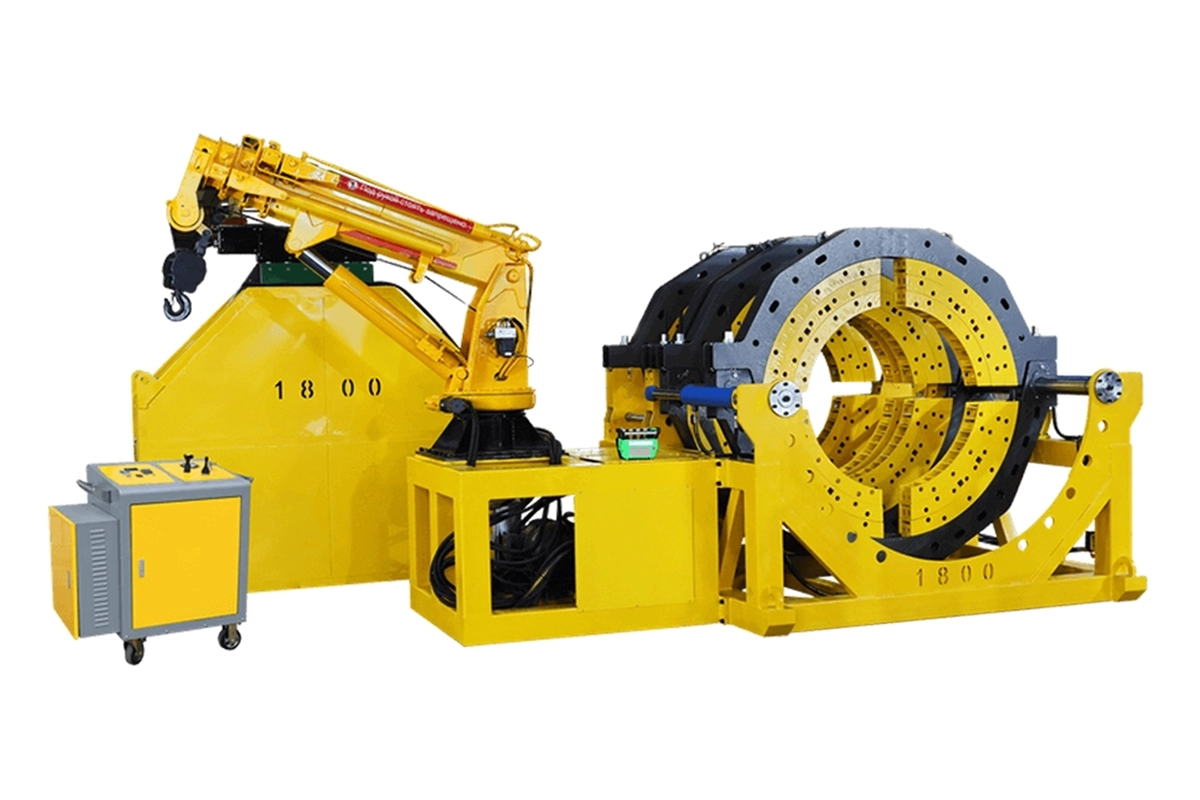
Leading equipment—manual, hydraulic, and CNC automatic butt fusion machines—ensures repeatable, high-quality joints across pipe sizes. JQ-Fusion supplies durable fusion machines, precision heating plates, and reliable clamping systems for both field and workshop applications.
Key Benefits of Professional Gas Line Welding
Longevity: Properly fused HDPE joints perform like a continuous pipe, resisting corrosion and reducing lifecycle costs.
Leak Prevention: Controlled heating and pressure cycles produce homogenous joints that minimize leak risk.
Operational Efficiency: Automated and hydraulic machines speed up large-scale installations while maintaining consistent quality.
How to Choose a Gas Line Welder Company
Look for certified welders, documented quality-control procedures, on-site support, and a demonstrated portfolio of gas distribution projects. Verify training records, welding logs, and warranty terms for both workmanship and equipment.
| Feature | Why it matters |
|---|---|
| Certified Welders | Ensures consistent technique and documented competence for safety-critical joints. |
| Advanced Fusion Machines | Precise control over temperature/pressure leads to reliable, repeatable welds. |
| Quality Records | Traceability and test data protect against future liability and simplify maintenance. |
| After-sales Support | Rapid service and parts availability reduce downtime for critical infrastructure. |
Frequently Asked Questions
Q: What pipe materials are common for gas lines?
A: High-density polyethylene (HDPE) and certain engineered thermoplastics are increasingly preferred for their corrosion resistance and weldability.
Q: How is weld quality verified?
A: Quality is verified by visual inspection, pressure/leak testing, and review of machine-recorded parameters for each fusion cycle.
Q: Can welding be performed in confined spaces or harsh weather?
A: Yes—specialized equipment and procedures allow safe fusion in many field conditions; planning and safety controls are essential.
For project inquiries, site assessments, or quotes for gas line welding and fusion equipment, contact our team to discuss specifications, timelines, and compliance requirements.



