
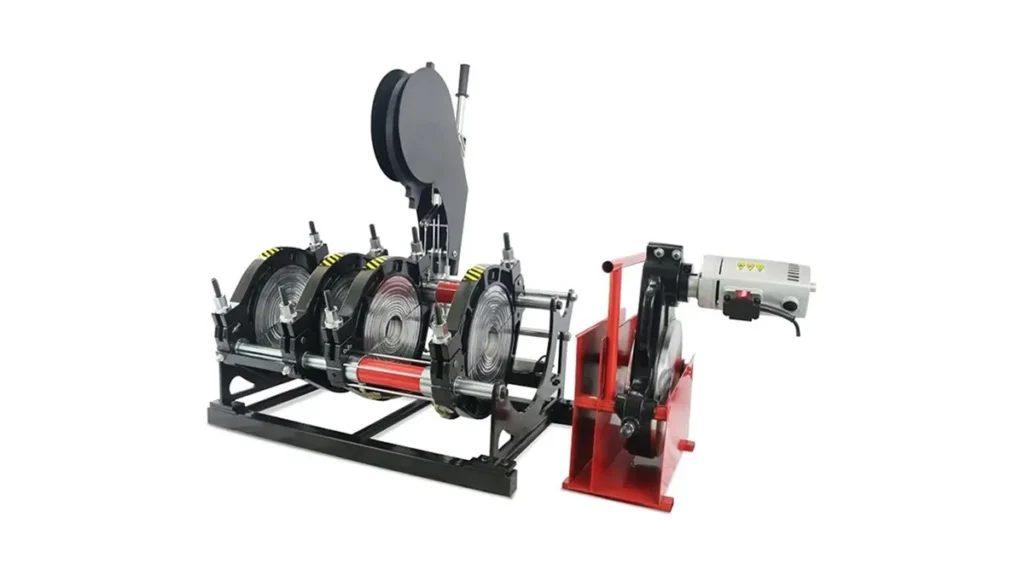
Choosing the best value engineering welding machine means balancing upfront cost, long-term performance, and project-specific needs. This guide breaks down how to evaluate price-performance for HDPE butt fusion, hydraulic and automatic machines, giving clear criteria, comparison data, and purchase tips to help engineers, contractors, and procurement teams make smarter investments.
Why Price-Performance Matters for Pipeline Projects
Price alone is misleading. A low-priced machine can drive up labor, rework, and maintenance costs, while an expensive model may deliver faster cycles and longer service life. Evaluate total cost of ownership (TCO): purchase price, productivity (welds per shift), consumables, downtime risk, and resale value. For infrastructure and utility projects, reliability and traceable weld quality often trump initial savings.
Key Stakeholders and Their Priorities
Project managers prioritize cycle time and documentation; site supervisors want robustness and ease of repair; procurement focuses on budget and warranty. Align the machine selection with the team’s primary goals to optimize price-performance.
Technical Factors That Drive Value
Use these technical filters before comparing price tags:
- Pipe diameter range — ensure the machine covers current and near-future projects.
- Automation level — manual vs. hydraulic vs. CNC automatic affects cycle time and operator skill requirements.
- Heating plate quality — even heat distribution reduces cold or over-melt defects.
- Clamping system — aluminum clamps vs. steel, ease of alignment and maintenance.
- Control & traceability — digital log, USB export, or built-in printers for QA records.
Operational Metrics to Measure Performance
Weld cycle time, first-pass success rate, mean time between failures (MTBF), and consumable consumption per 1,000 meters are the real-world KPIs. Request factory or field test data where possible.
Price-Performance Comparison Table (Indicative)
| Machine Type | Typical Market Price (USD) | Best For | Price-Performance Note |
|---|---|---|---|
| Manual Butt Fusion | $800 – $3,500 | Small jobs, tight budgets | Low capex but higher labor costs; best when skilled operators are available. |
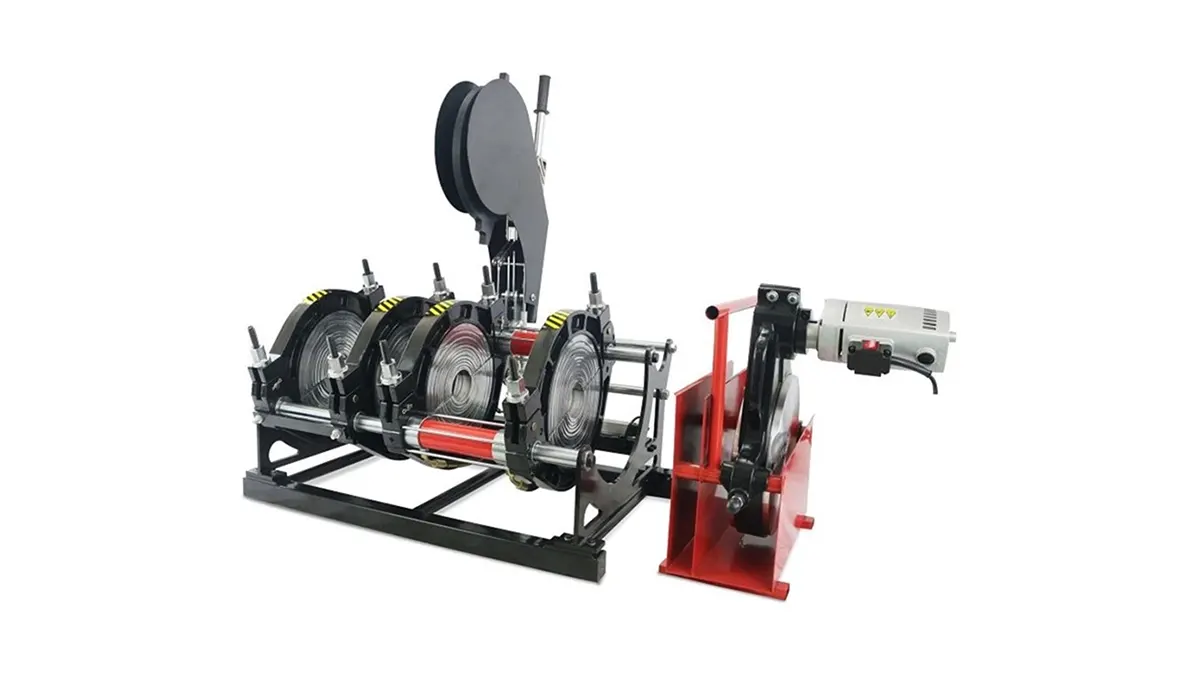
| Hydraulic Butt Fusion | $4,000 – $20,000+ | Medium to large pipelines, site robustness | Good balance of speed and durability; strong ROI on repeated projects. |
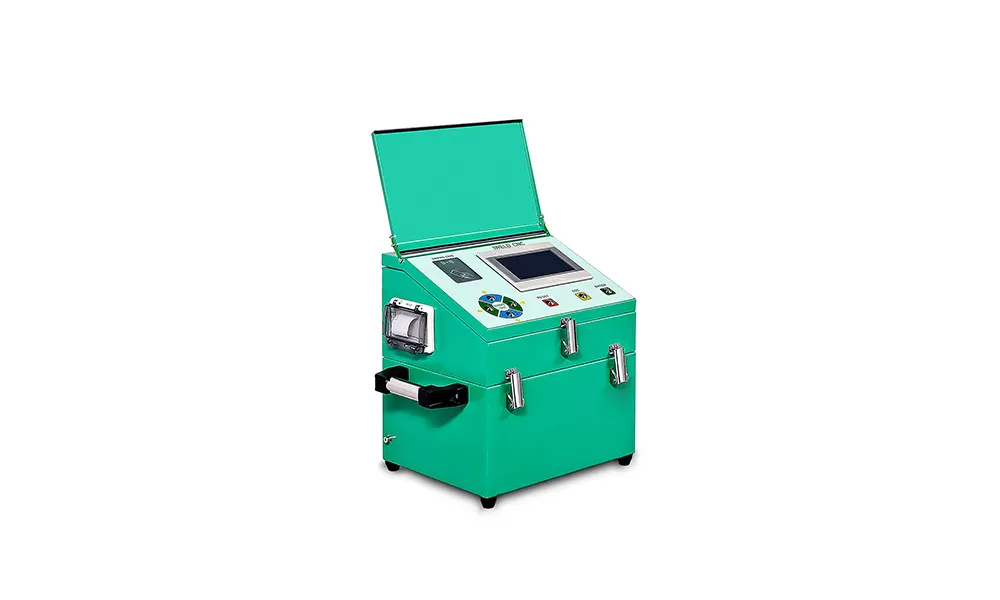
| CNC / Automatic Butt Fusion | $20,000 – $120,000+ | High-volume, long-term contracts | High capex but minimal operator variance and excellent record-keeping. |
| Electrofusion / Accessories | $1,000 – $15,000 | Special fittings, repair kits | Essential complement for repair & fittings; boosts overall system flexibility. |
How to Run a Quick ROI Check
Estimate ROI with a simple model: calculate additional welds per shift from a faster machine, multiply by labor savings and reduced rework, subtract extra capex and maintenance. Example inputs to collect:
- Welds per shift (current vs. candidate)
- Labor cost per shift
- Average rework rate and cost per rework
- Maintenance & consumable cost per month
Tip: For contractors bidding fixed-price projects, machines that cut cycle time and reduce operator variation often win more tenders and protect margins.
Practical Buying Checklist
Before you buy, confirm:
- Warranty terms and spare-parts availability
- On-site service options and response time
- Operator training and ease of use
- Compatibility with existing site tooling
- Data logging and export capabilities for QA
Maintenance & Lifespan Considerations
Regular calibration of heating plates, seal replacement, and hydraulic fluid checks preserve weld consistency. A well-maintained hydraulic or automatic unit can deliver 7–15+ years of service, improving long-term price-performance.
Final Decision Framework
Match machine class to your use case:
- One-off or occasional repairs: Manual machines or rental options.
- Recurring pipeline work: Hydraulic machines for the best balance of cost and throughput.
- High-volume industrial projects: CNC automatic systems for consistent quality and traceability.
For tailored options and technical specifications from a specialized manufacturer, contact JQ-Fusion: https://jq-fusionwelding.com/



