
Engineering pipe welding machines are essential for reliable HDPE and thermoplastic pipeline construction across water, gas, mining, and industrial projects. This guide explains the main machine types, selection criteria, welding best practices, and maintenance tips to help engineers and contractors choose the right equipment for consistent, high-quality joints.
Overview: What an Industrial Pipe Welding Machine Does
Pipe welding machines deliver controlled heat and pressure to fuse pipe ends using techniques such as butt fusion, electrofusion, and socket fusion. These systems ensure repeatable, leak-free joints and are available in manual, hydraulic, and CNC automated formats to match jobsite scale and precision requirements.
Common Types of Pipe Welding Machines
Understanding machine types helps determine the best match for your project:
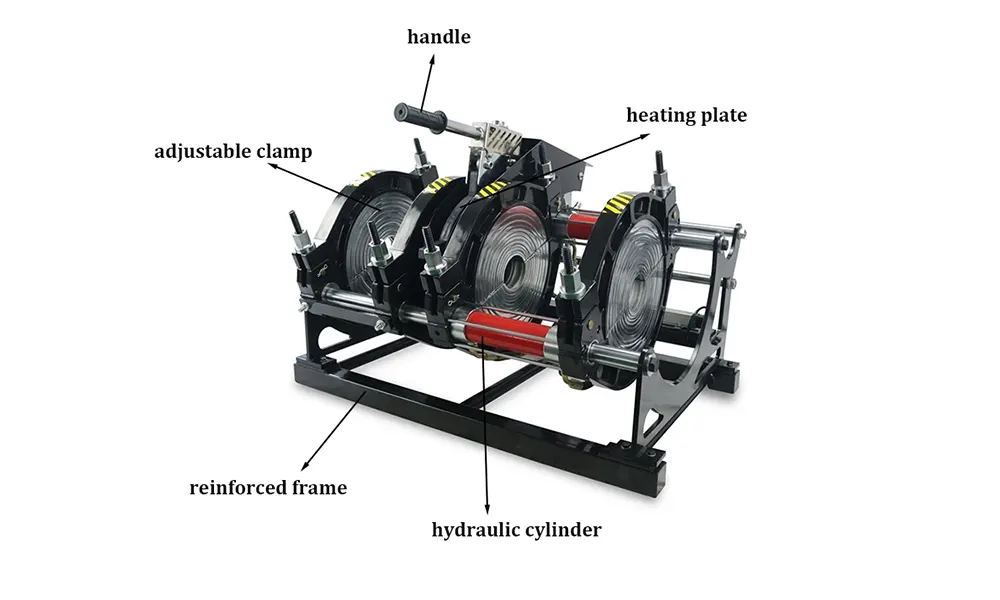
- Manual Butt Fusion — Portable and cost-effective for small-diameter pipes and field repairs.
- Hydraulic Butt Fusion — Provides higher clamping force for medium to large diameters and frequent onsite welding.
- Automatic/CNC Butt Fusion — Precision control, programmable welding cycles, ideal for production lines and long runs.
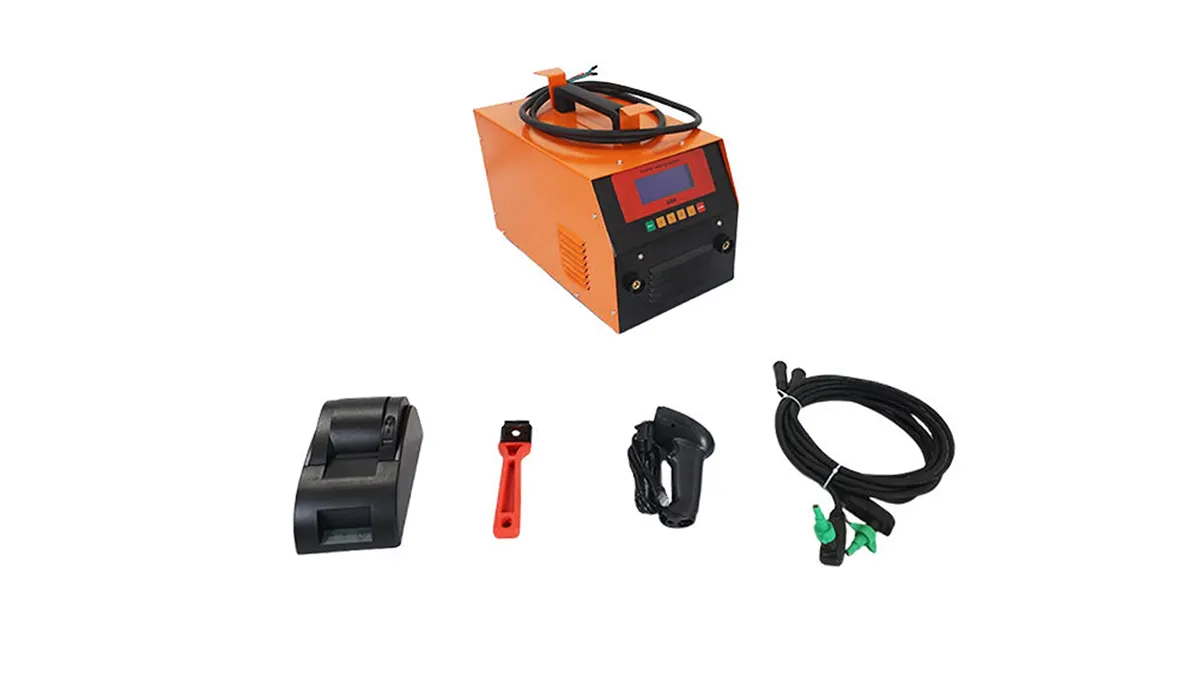
- Electrofusion Machines — Used for fittings and branch connections; excels in tight or complex assemblies.
Key Industrial Applications
Pipe welding machines are widely used in:
- Municipal water distribution and wastewater systems
- Natural gas and LPG pipelines where safety and leak prevention are critical
- Mining operations for slurry and process lines
- Industrial process piping requiring chemical resistance and long service life
How to Choose the Right Machine
Select a machine based on these primary factors:
- Pipe diameter range — Confirm the machine’s clamp and heater plate capacity.
- Site mobility — Manual machines for remote sites; CNC units for factories.
- Production volume — High-volume projects benefit from automation and data logging.
- Compliance — Ensure the machine supports recognized welding procedures and quality records.
Welding Process: Butt Fusion Step-by-Step
Standard butt fusion involves:
- Align and clamp pipe ends in the machine.
- Facing/trimming to produce clean, square ends.
- Heating with a controlled temperature plate until melt lines appear.
- Removing the heater and applying pressure to fuse the molten faces.
- Cool under controlled pressure until the joint solidifies.
Safety and Quality Tips
Maintain consistent joint quality with these best practices:
- Always follow the welding parameters for temperature, pressure, and time.
- Keep heater plates and clamps clean and calibrated.
- Use trained operators and maintain welding logs for traceability.
- Implement routine inspection of joints using visual checks and non-destructive testing where required.
Machine Comparison Table
| Machine Type | Diameter Range | Best For | Key Benefit |
|---|---|---|---|
| Manual Butt Fusion | 20–400 mm | Small repairs & remote sites | Lightweight & portable |
| Hydraulic Butt Fusion | 160–2250 mm | Medium to large pipelines | Strong clamping force |
| Automatic/CNC Butt Fusion | 63–1250 mm | Production lines & high-volume projects | Repeatable precision |
| Electrofusion | 20–630 mm (fittings) | Fittings & complex joints | Convenient for taps and branches |
Maintenance Checklist
Extend equipment life and ensure weld quality by following a regular maintenance schedule:
- Inspect hydraulic lines and seals for leaks.
- Verify heater plate temperature accuracy with a calibrated thermometer.
- Lubricate moving parts and tighten clamps as required.
- Replace worn faces, trims, and heater elements promptly.
Selecting a Manufacturer and Support
When evaluating vendors, prioritize consistent quality, spare parts availability, and responsive service. JQ-Fusion provides a broad portfolio of HDPE pipe welding machines including manual, hydraulic, and CNC automatic butt fusion solutions designed for global infrastructure projects, supported by manufacturing expertise and after-sales support.
Final Recommendations
For most industrial projects, choose a welding machine that balances diameter capacity, automation level, and onsite mobility. Invest in operator training and a preventive maintenance plan to protect joint integrity and maximize uptime. Properly selected and maintained equipment will reduce rework, improve safety, and deliver long-term pipeline performance.



