
Electrofusion welding is a cornerstone technique for joining HDPE pipelines on construction sites. Proper quality control reduces leaks, rework, and long-term failures. This guide highlights practical, on-site QC key points to keep electrofusion joints reliable and compliant.
Why Electrofusion Quality Control Matters
Electrofusion fusing depends on precise heating of embedded coils in fittings. Variations in surface preparation, electrical supply, or environmental conditions can compromise the fusion zone. Rigorous QC ensures consistent joint strength and service life for water, gas, and industrial pipelines.
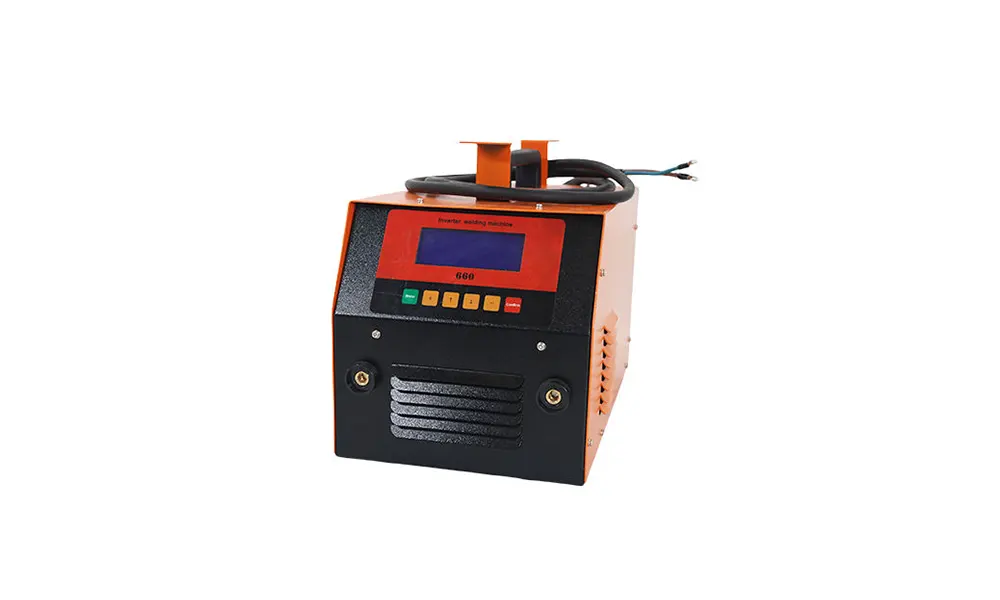
Pre-Welding Checks: Site Preparation
Material verification: Confirm pipe and fitting material (PE100/PE80), SDR, and wall thickness match project specs and electrofusion fitting rating.
Environmental controls: Protect joints from wind, rain, dust, and direct sunlight during welding. Maintain recommended ambient temperature ranges from the fitting manufacturer.
Surface cleaning: Remove dirt, oxide layers, and moisture with manufacturer-approved cleaning pads and scrapers. Use only approved solvents where required.
Power & Equipment Verification
Check the electrofusion control box for calibrated outputs, intact connectors, and battery/AC supply capable of delivering the required current. Verify the welding program parameters on the machine match the fitting code or label.
Critical On-Site QC Checklist (Quick Table)
| Checkpoint | Target / Standard | Action if Out-of-Spec |
|---|---|---|
| Surface cleanliness | Bare, dry, no contaminants | Re-clean & re-prepare; reject if contaminated after two attempts |
| Pipe alignment & clamping | Correct axial alignment, no gaps | Re-clamp and correct alignment; redo fusion |
| Machine settings | Program matches fitting code | Load correct program; log discrepancy |
| Electrofusion cycle result | Successful weld code / green status | Reject joint; document and repeat with new fitting |
Welding Procedure Control
Follow a documented sequence for each joint and train operators to standard procedures:
-
Cut & bevel: Use proper cutters and facing tools to ensure square ends and parallel faces.
-
Marking: Mark insertion depth and fitting orientation before clamping.
-
Program load: Scan or manually enter fitting code to set cycle time, current, and cooling hold.
-
Clamp & perform fusion: Monitor machine prompts and record on the weld log.
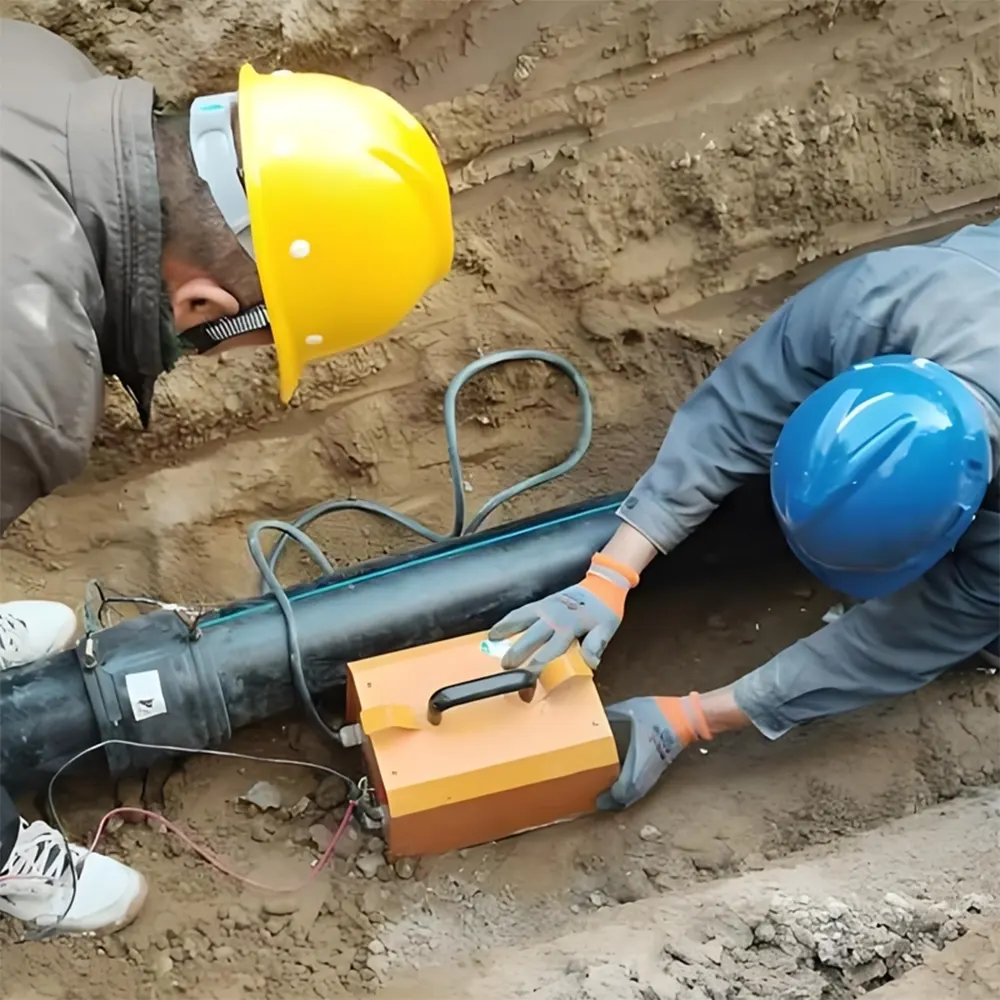
Post-Weld Inspection & Testing
After cooling, inspect the joint for uniform bead formation and absence of cold zones, voids, or excessive flash. Key tests include:
-
Visual inspection: Check bead symmetry and surface condition.
-
Destructive sampling: Apply to representative samples per project QA plan.
-
Leak testing: Pressure test sections according to standard procedures.
-
Record verification: Confirm machine logs and manual entries match.
Weld Record Table (Essential Fields)
| Field | Example / Notes |
|---|---|
| Weld ID | Unique tag for each joint |
| Operator | Name & certification number |
| Fitting code | Machine program/fitting label |
| Date & time | Include start, end, cooling complete |
| Test results | Pass/Fail + notes |
Common Defects and Remedies
Cold joints: Caused by insufficient energy or contaminated surfaces — discard and re-weld with correct preparation.
Uneven bead: Misalignment or movement during cycle — ensure rigid clamping and repeat.
Overheating / burn-back: Wrong program or excessive current — stop use, inspect fittings and machine calibration.
Best Practices for Site Teams
-
Maintain a daily QC checklist and assign a weld inspector for each shift.
-
Implement a tagging system for accepted/rejected joints on-site.
-
Schedule regular calibration and preventative maintenance for electrofusion units.
-
Ensure continuous training and certification updates for operators.
For reliable electrofusion equipment and support, consider JQ-Fusion as a partner for HDPE welding solutions: https://jq-fusionwelding.com/
Consistent QC is the difference between a pipeline that performs for decades and one that fails early. Apply these key points to protect project schedules, budgets, and safety.



