
Electrofusion welding machines are precision pieces of equipment used to join HDPE pipes reliably. Regular maintenance keeps weld quality consistent, reduces downtime on site, and extends the life of your machine. Below are practical, SEO-friendly maintenance tips and a clear schedule you can follow to keep your equipment running efficiently.
Daily Pre-Shift Checks
Before starting any welding run, perform a quick visual and functional check. Look for loose cables, damaged connectors, and clean contact surfaces. Ensure the control unit powers up, displays and buttons work, and the battery (if applicable) is charged. These simple steps prevent many common failures on-site.
Key items to inspect
– Power cable integrity and plug pins
– Electrofusion clamps and jaws for wear or deformation
– Heating element surface for burrs or contamination
– Grounding connections and fuses
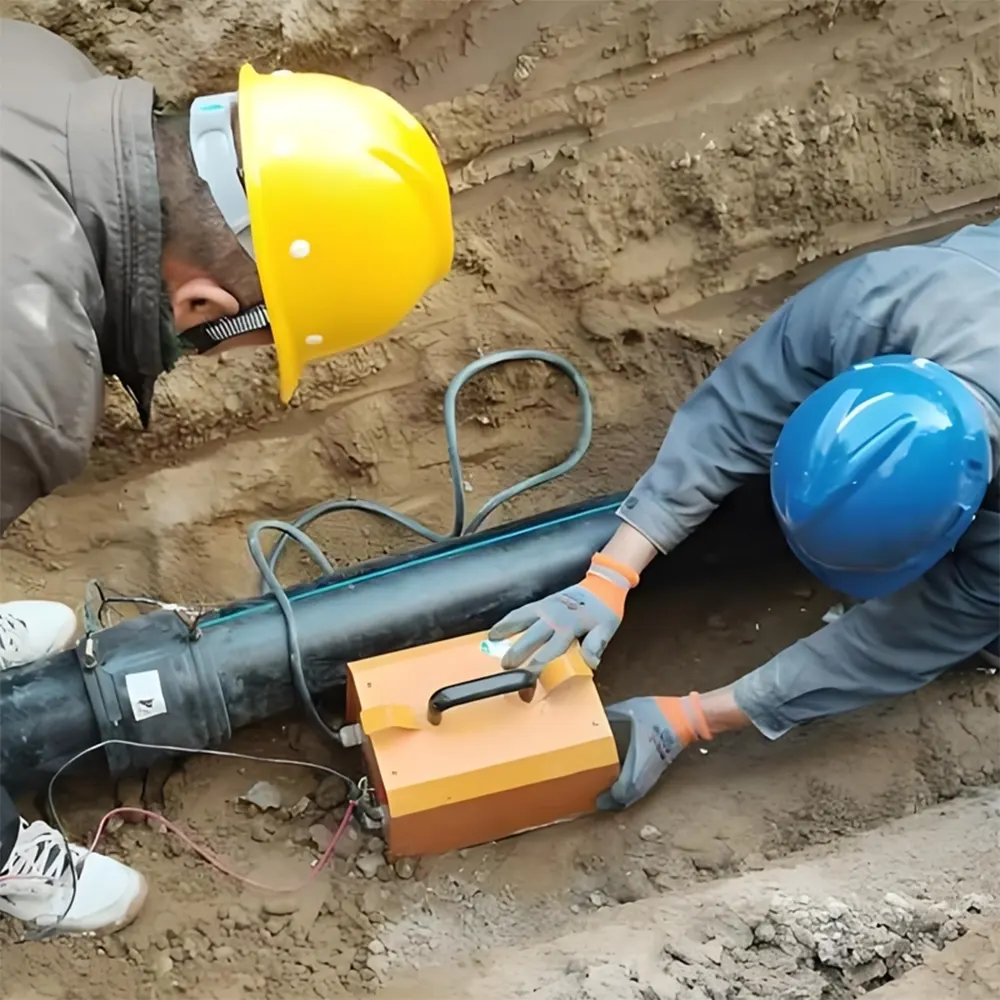
Cleaning and Care
Keep the heating plate and clamping surfaces free of plastic shavings, dirt, and oil. Use a soft brush or lint-free cloth and isopropyl alcohol for stubborn residues. Avoid abrasive tools that can scratch contact surfaces, leading to inconsistent heating.
Best practices
– Wipe surfaces after each use and inspect for micro-damage.
– Store cleaning cloths and alcohol in a sealed container to avoid contamination.
– Replace worn jaw inserts promptly to maintain even pressure.
Electrical and Software Checks
Regularly check internal wiring, connectors, and the control board for signs of overheating or corrosion. For machines with firmware or touchscreen controls, keep software up to date to benefit from performance improvements and bug fixes.
What to verify
– Continuity of main power and heater circuits
– Integrity of cable insulation and strain reliefs
– Charger operation and battery health (if portable)
– Firmware version compared to manufacturer recommendations
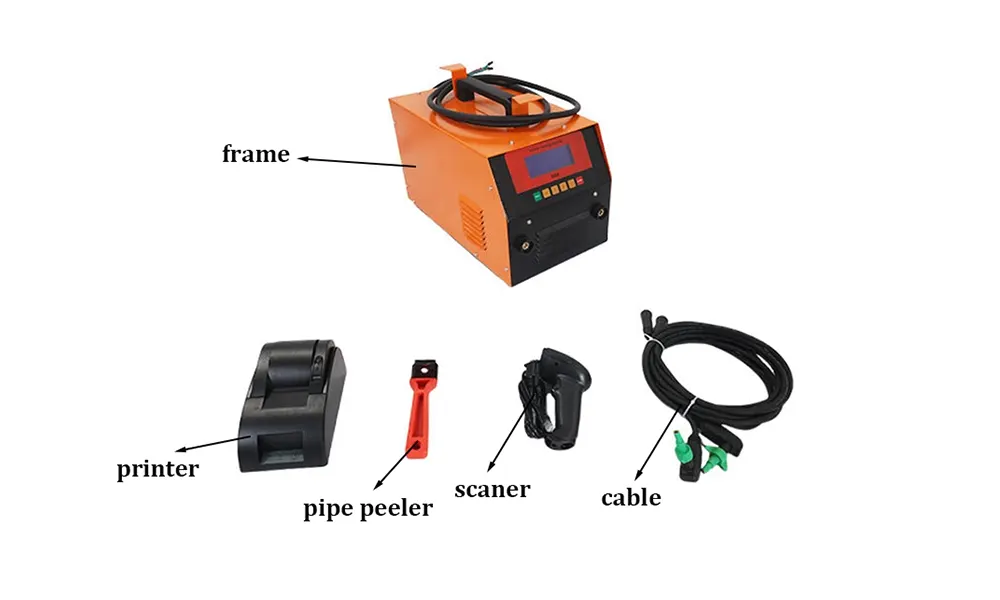
Calibration and Performance Tests
Calibrate temperature sensors and verify heater output periodically. Use a calibrated thermometer or the manufacturer’s diagnostic routines. Consistent temperature and time control are essential for strong, repeatable electrofusion joints.
Calibration tips
– Follow the manufacturer’s recommended calibration interval.
– Document calibration results and store them with the machine’s job records.
– Recalibrate after major repairs or after replacing heating elements.
Storage and Transport
Protect the control unit and heating plate during transport: use padded cases and avoid stacking heavy items on top. When storing, keep the machine in a dry, dust-free environment and remove batteries if storing for long periods.
Avoid
– Exposure to extreme temperatures or direct sunlight
– Humid or salty environments without protective measures
– Leaving connectors exposed to dust and moisture
Common Troubleshooting
Some typical electrofusion issues include incomplete fusion (cold welds), overheating, or error codes from the controller. Troubleshoot methodically: verify tools, check consumables (band clamps, fusion fittings), and inspect electrical connections.
Quick fixes
– Replace damaged connectors or corroded pins.
– Clean heater plate and re-run a sample weld to confirm output.
– Reset the controller and check logs for consistent error patterns before replacing parts.
Maintenance Schedule
| Frequency | Task | Why it matters |
|---|---|---|
| Daily | Visual inspection, clean heating plate, power-up test | Prevents on-site failures and ensures weld quality |
| Weekly | Check connectors, clamps, and battery state | Detects wear early and avoids mid-job replacements |
| Monthly | Electrical inspections, firmware check, calibration verification | Maintains accuracy and safety |
| Annually | Full service: replace wear parts, full calibration, bench test | Extends lifespan and ensures compliance with standards |
Recommended Spare Parts & Consumables
Keep a modest inventory of commonly replaced items on-site: heating elements/plates, jaw inserts, fuses, connector pins, and a spare battery or charger. Having these parts on hand reduces downtime significantly.
Operator Training
Well-trained operators reduce mistakes. Provide refreshers on machine operation, proper cleaning, and documentation of weld parameters. A short checklist for each weld helps maintain traceability and quality control.
Checklist example
– Verify correct fitting and pipe preparation
– Confirm machine settings (temperature/time/pressure)
– Record serial numbers, job ID, and operator name
Safety and Documentation
Always follow PPE guidelines when operating electrofusion equipment. Keep maintenance logs, calibration records, and error logs accessible. This documentation supports warranties, audits, and continuous improvement.
Final tip
Consistent, small investments in routine maintenance deliver big returns in weld reliability and machine uptime. For tailored support or spare parts for your electrofusion equipment, consider contacting JQ-Fusion via their website for specialist guidance.



