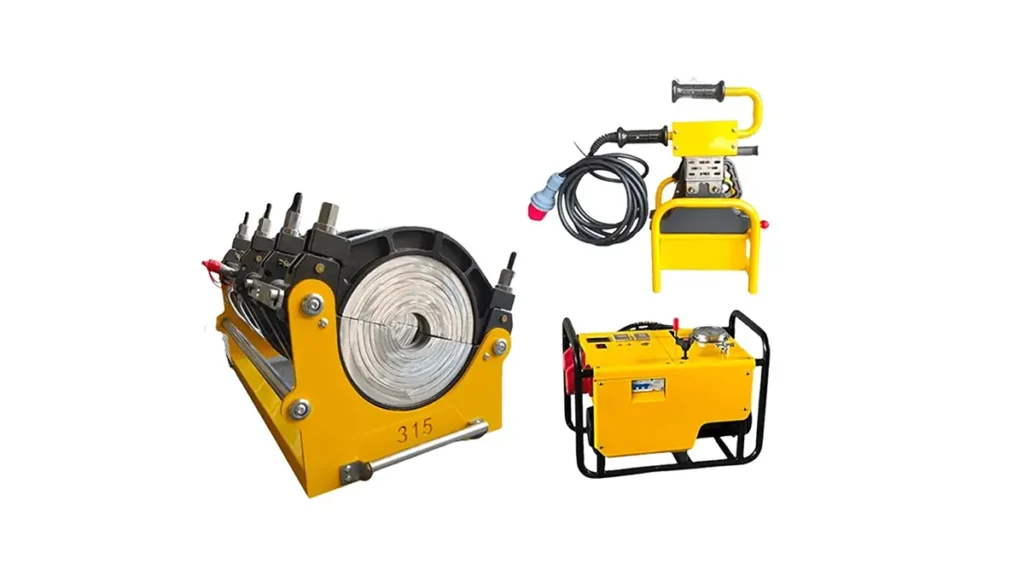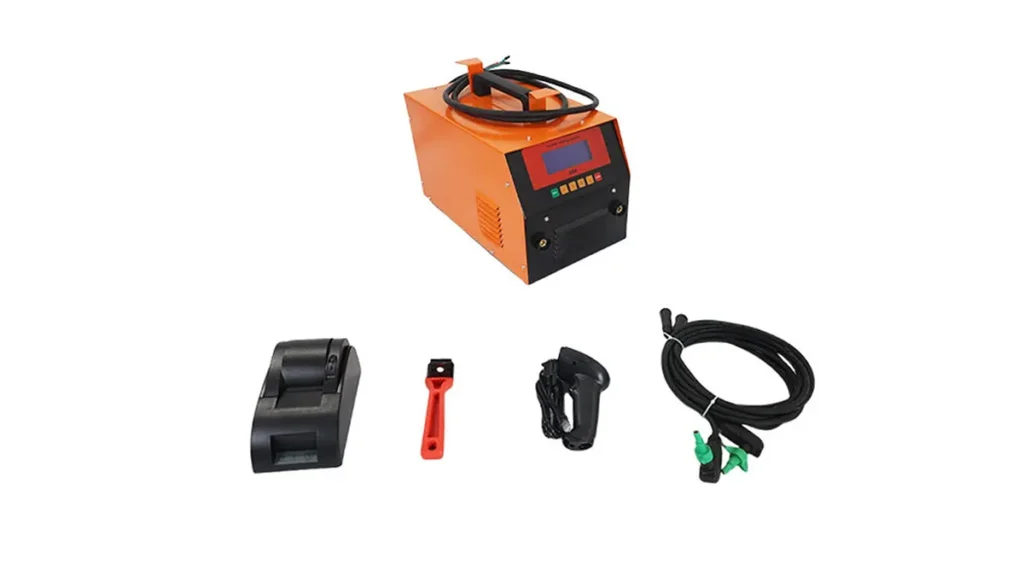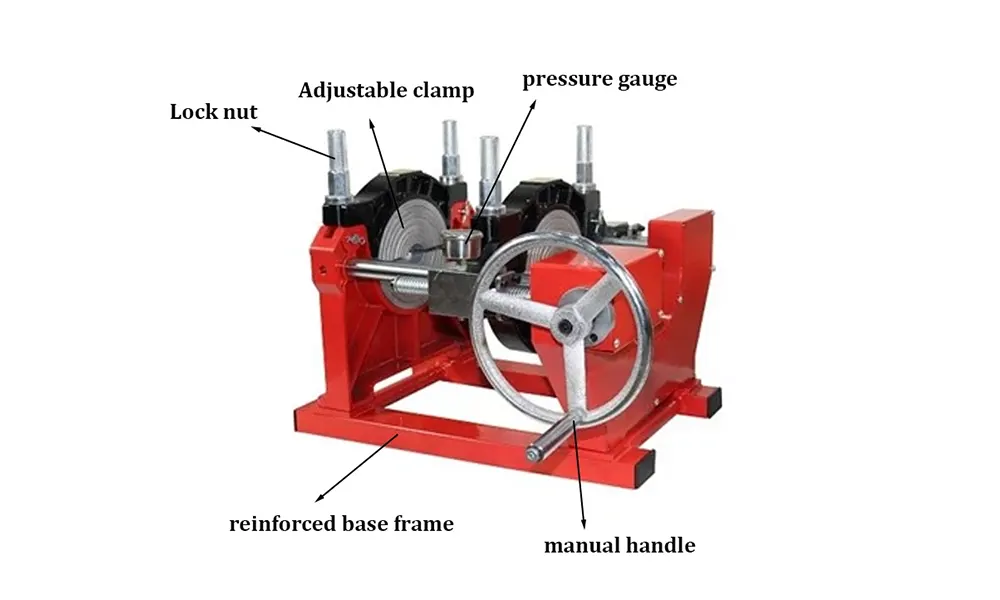
In the world of polyethylene (PE) pipe joining, electrofusion machine temperature control is the single most critical variable separating a perfect, leak-free joint from a catastrophic failure. Unlike butt fusion, which relies on external heating plates, electrofusion uses embedded wire coils within the fitting to generate heat internally. The precision of this process hinges entirely on the machine’s ability to manage and adapt to ambient conditions and pipe surface temperatures. Even a minor deviation can compromise the integrity of the weld, leading to cold spots or material degradation.
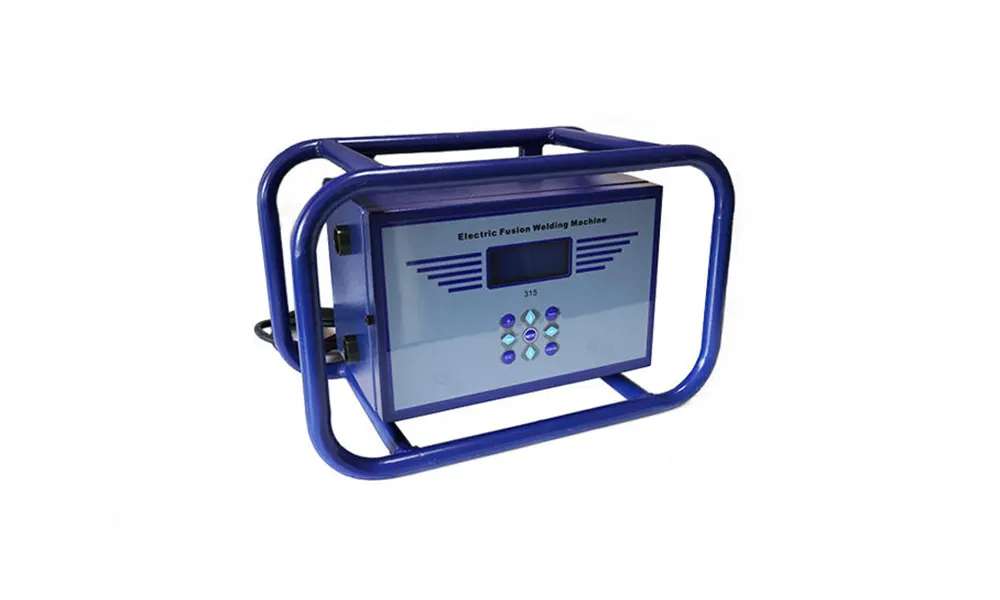
Understanding the Basics of Electrofusion Heat Soak
The principle is straightforward: an electric current passes through a resistive coil, melting the inner surface of the fitting and the outer surface of the pipe. The molten materials expand and mix, creating a homogenous joint upon cooling. However, the energy required is not constant. Cold pipes act as a massive heat sink, drawing energy away from the fusion zone. The machine must calculate the exact energy input (often measured in Joules) to compensate for this heat loss while ensuring the electrofusion equipment standard is strictly met.
Key Settings for Optimal Electrofusion Machine Temperature Control
Modern automatic machines simplify operations, but operators must understand the input parameters. The primary settings revolve around time and energy adjustment based on real-time temperature readings. Here are the critical settings you will encounter:
| Setting | Function | Impact on Temperature |
|---|---|---|
| Barcode Input | Scans the fitting’s specific fusion parameters | Loads exact voltage and time curves required for optimal heat distribution |
| Ambient Temperature Sensor | Measures the surrounding air temperature | Automatically adjusts fusion time to compensate for cold weather heat sinks |
| Manual Override | Allows operator adjustment in extreme conditions | Increases or decreases energy input to prevent over-heating or insufficient melt |
| Cool-Down Timer | Locks the joint in place during solidification | Prevents stress on the semi-molten interface while the temperature drops |
The Role of Ambient Compensation
This is the cornerstone of electrofusion machine temperature control. A sophisticated machine doesn’t just apply a fixed voltage; it monitors the delta between the pipe surface and the target melt temperature. If you are welding early in the morning when the PE material is at 5°C (41°F), the machine must deliver significantly more energy than at midday when the material is at 25°C (77°F). Failure to properly compensate for ambient temperature is the leading cause of brittle welds.
Practical Tips for Field Calibration
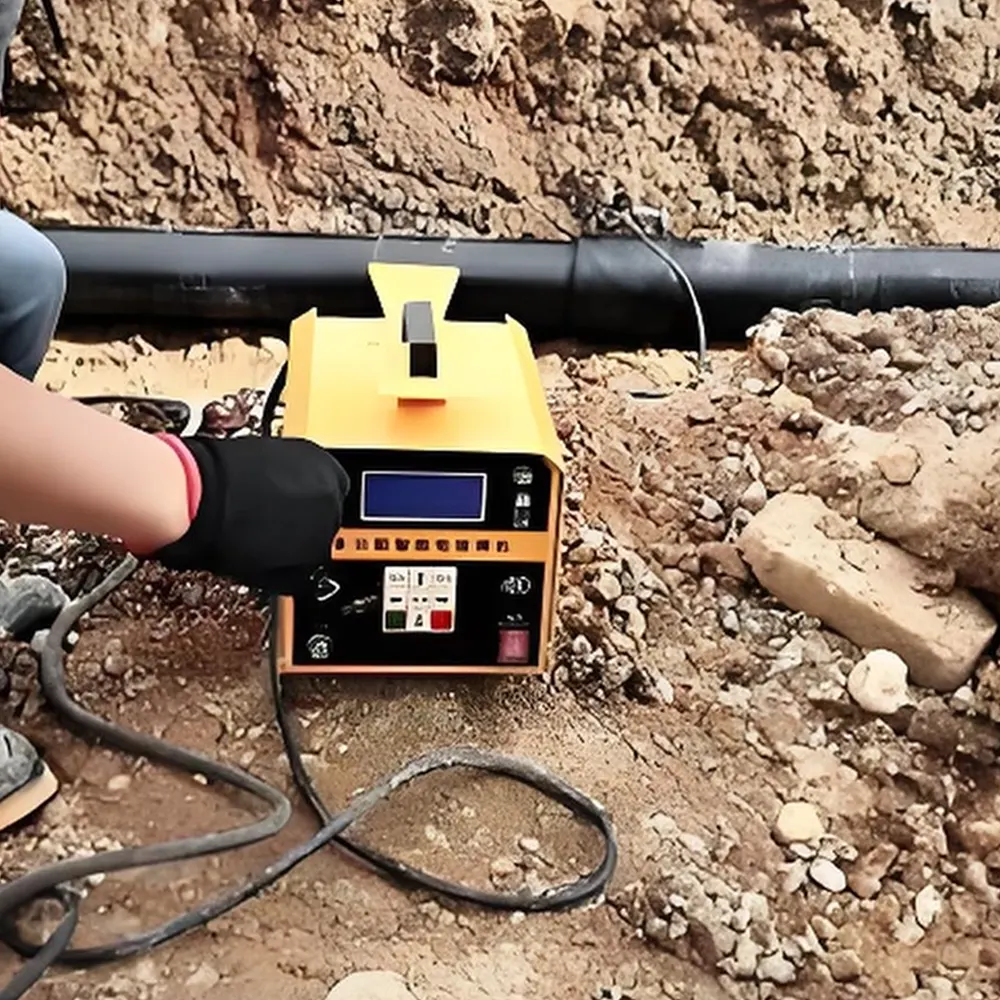
Even with automatic barcode readers, the machine’s internal logic relies on accurate sensors. Here are proven tips to ensure your electrofusion machine temperature control remains accurate in the field:
- Verify Sensor Accuracy: Use a calibrated infrared thermometer to cross-check the machine’s ambient sensor against the actual pipe surface temperature.
- Equalize Temperature: Pipes stored in direct sunlight or shade will have uneven surface temperatures. Rotate the pipe or park the fitting in the shade for a few minutes to stabilize the heat profile.
- Avoid “Cold Spikes”: Do not allow the pipe ends to rest on frozen ground or snow immediately before fusion. Use insulating mats to prevent localized cooling.
- Generator Stability: Fluctuations in voltage from portable generators can destabilize the heating coil output. Ensure your power supply matches the electrofusion equipment standard requirements.
Common Mistakes in Temperature Management
Skilled operators recognize that electrofusion machine temperature control is a dynamic challenge. Overconfidence in automation leads to oversight. A frequent error is assuming that scraping the pipe surface is sufficient preparation. Actually, scraping removes oxidized material, but if the underlying pipe is still frozen or scorching hot, the heat transfer will remain flawed.
- ❌ Mistake: Using a torch to “pre-heat” a cold pipe. This creates amorphous zones and localized degradation.
- ✔️ Best Practice: Use insulated tents and indirect heaters to gently bring the assembly to a uniform temperature range defined by the fitting manufacturer.
Advanced Data Logging and Traceability
Modern infrastructure projects demand proof that every joint was fused within the correct temperature window. Machines equipped with advanced electrofusion machine temperature control log the ambient temperature, actual energy delivery, and fusion time. This data aligns with PE fusion traceability standards, creating a permanent record. If a joint fails, engineers can instantly verify if a temperature anomaly occurred during the cycle.
Selecting a Reliable Temperature Control Unit
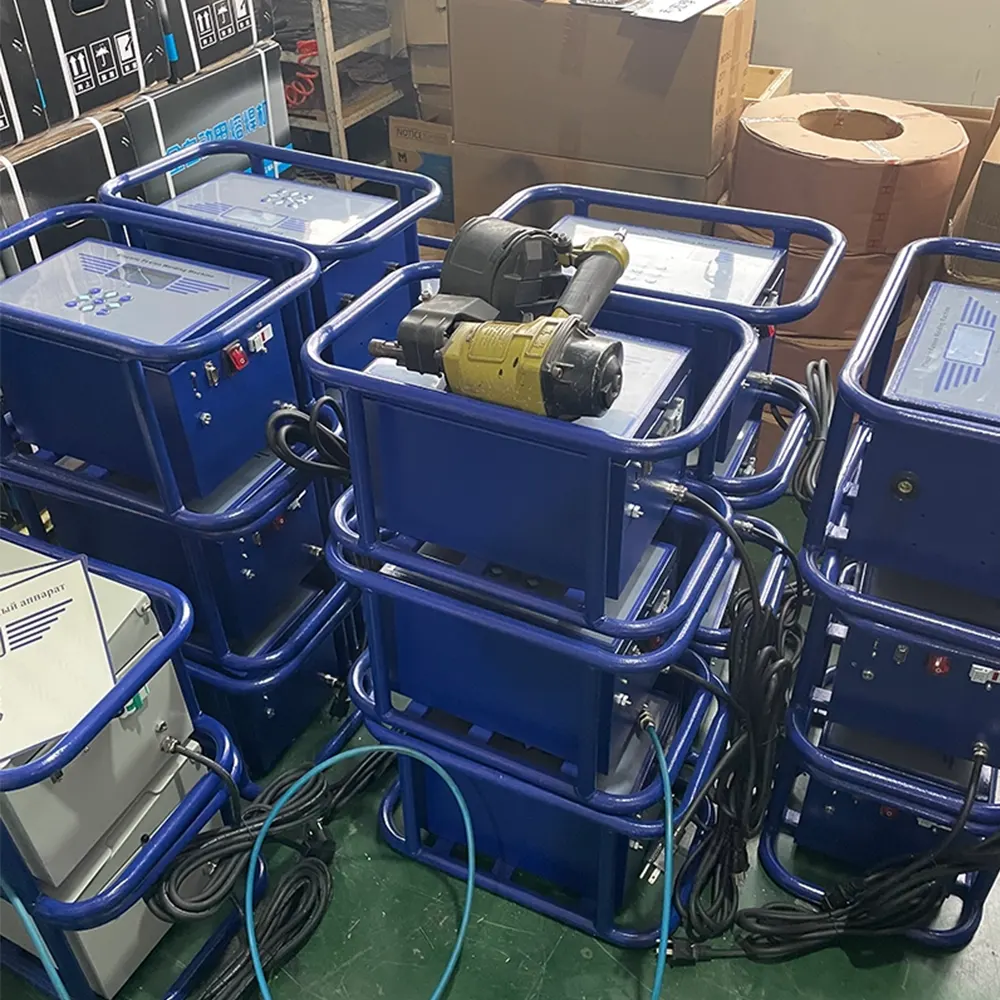
Not all fusion machines handle temperature fluctuations equally. Cheaper transformers without logic boards simply dump raw current, leaving the guesswork to the operator. A high-quality unit features a microprocessor that reads the barcode and dynamically adjusts the voltage throughout the cycle. When specifying equipment, look for machines that automatically abort the cycle if the resistance rises too fast (indicating dry-out) or if the ambient temperature falls outside the safe operating range specified by the PE butt fusion process guidelines.
The JQ-Fusion Engineering Advantage
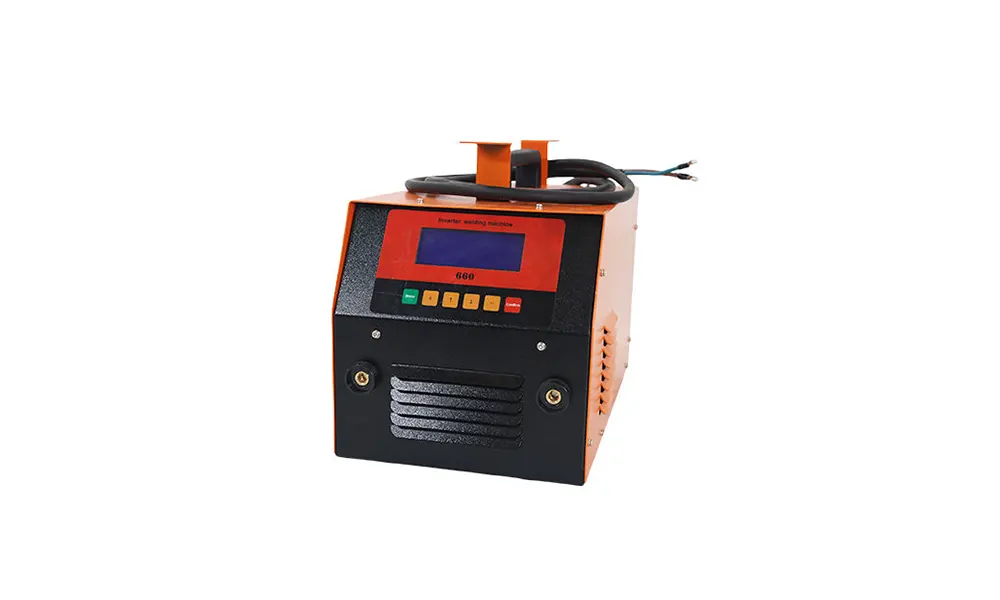
At JQ-Fusion, we understand that electrofusion machine temperature control is the heart of pipeline integrity. Our electrofusion systems are engineered with wide-range ambient compensation and robust data logging, ensuring consistent joints in the most demanding environments from the Arctic to the Sahara. By integrating rigorous feedback loops, our machines eliminate the guesswork, guaranteeing that every fusion meets strict international standards.
Best Practices Summary for Field Crews
To achieve zero-leak rates, discipline in electrofusion machine temperature control must be non-negotiable. Embed these habits into your daily routine:
- Pre-Condition the Material: Store fittings and pipes away from temperature extremes for at least 30 minutes before welding.
- Trust but Verify: Manually measure pipe surface temperature with a contact thermometer as a backup to the machine’s ambient sensor.
- Respect the Cool-Down: Do not move the pipe or relieve clamps until the cooling indicator confirms the melt has solidified. Premature handling destroys the molecular bond.
- Maintain Firmware: Update your machine’s firmware regularly to access refined time-compensation algorithms released by manufacturers in response to evolving material science.
By treating temperature not as a static setting but as a dynamic variable to be managed, you protect the long-term performance of your polyethylene network.