
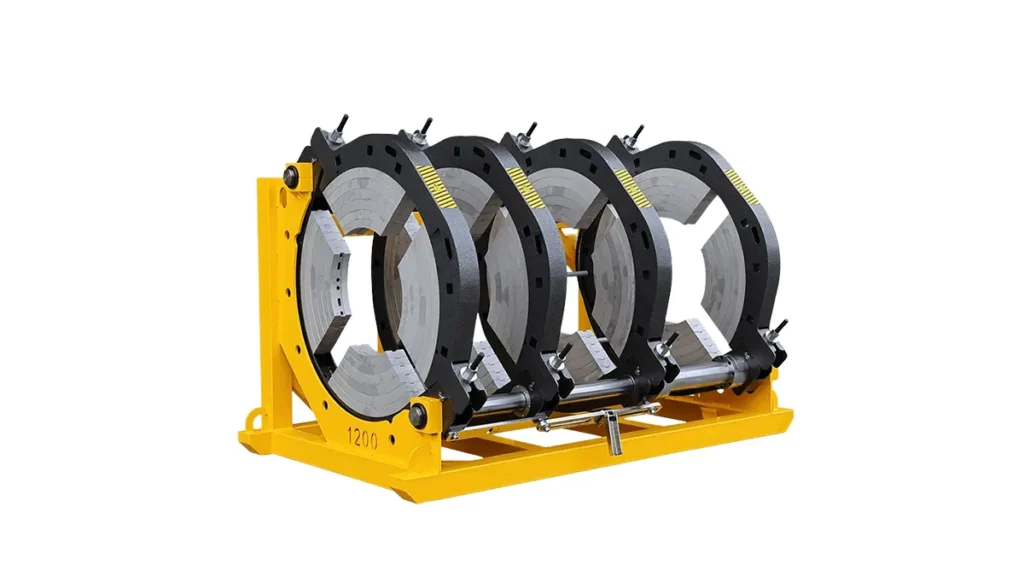
Choosing the right electric fusion welding machine means balancing budget, performance, and long-term reliability. This guide explains the main price drivers, compares machine types, and gives practical tips to select equipment that fits your project’s scope — from small municipal repairs to large industrial pipeline installations.
Understanding Fusion Welding Machine Types
Electric fusion welding machines fall into several categories. Knowing the differences helps you narrow price expectations and required features:
Manual Butt Fusion
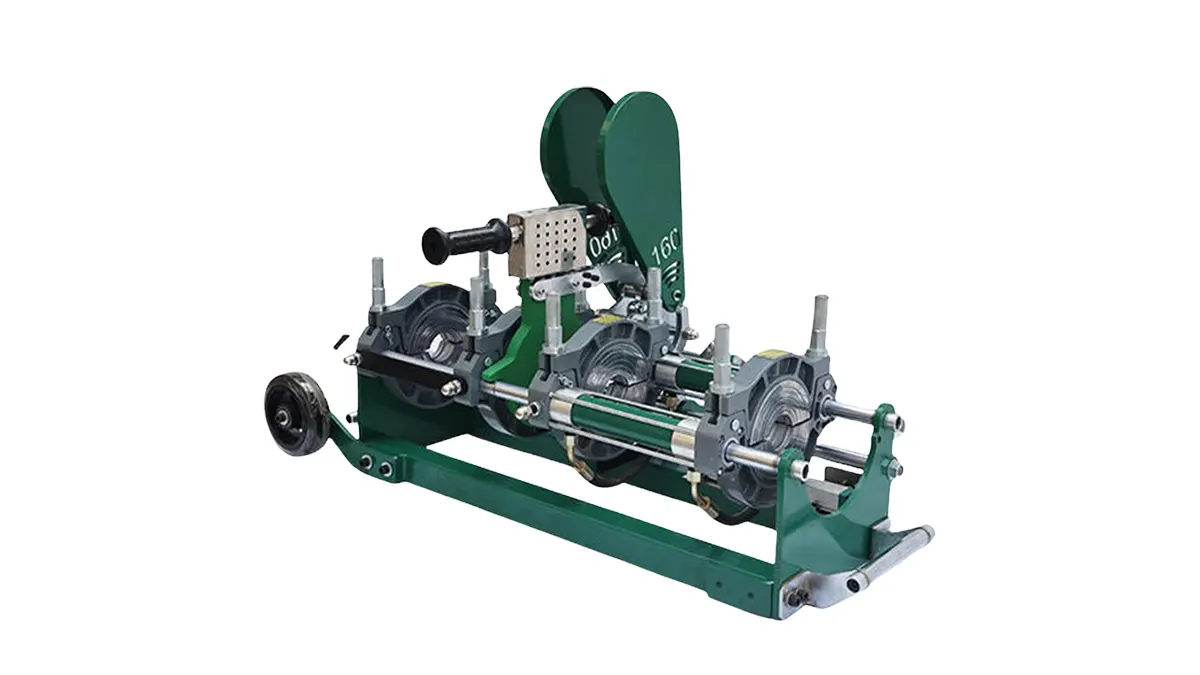
Simple, portable, and cost-effective. Ideal for small sites and occasional use, manual units require skilled operators and deliver reliable joints for smaller diameters.
Hydraulic Butt Fusion
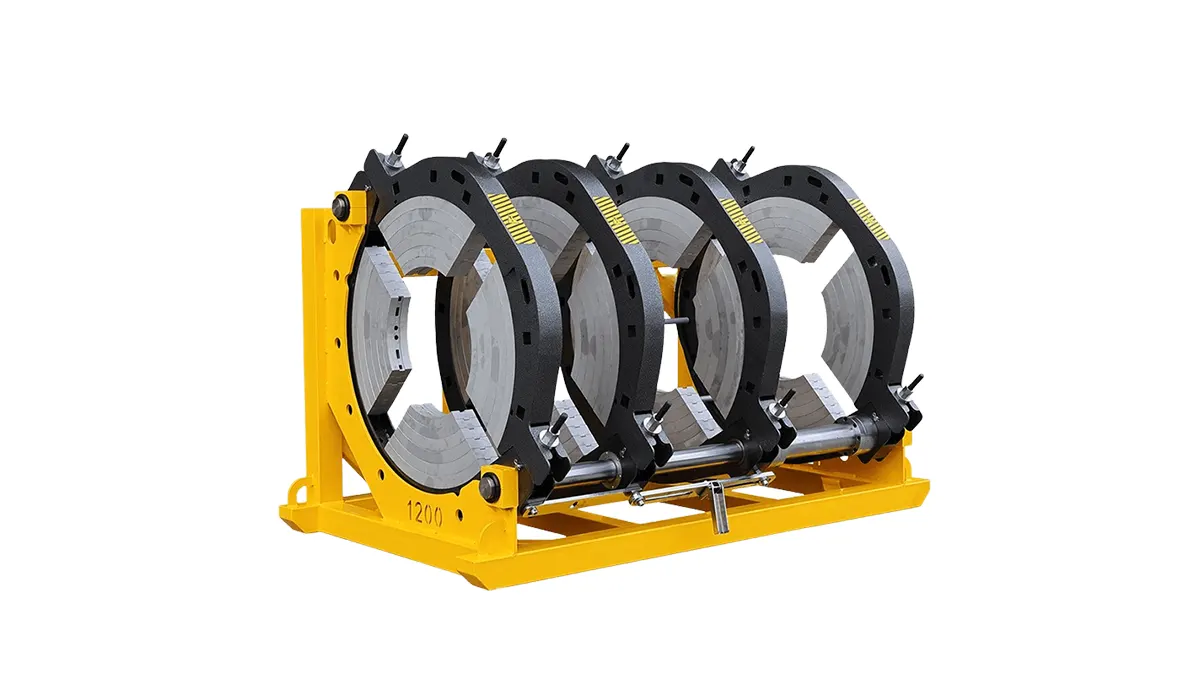
Hydraulic machines offer higher clamping force, faster operation, and better consistency for medium to large pipe diameters. They are priced higher but reduce labor time and rework.
Automatic / CNC Butt Fusion
Automatic machines add control systems and data logging for precise, repeatable welds on production lines and large projects. Expect a premium price for automation, but a lower cost-per-weld on high-volume jobs.
Electrofusion
Electrofusion units are used for fittings and some repair applications. The machine cost is moderate, but consumable fittings add to per-joint cost.
Key Factors That Affect Price
- Pipe diameter range: Larger capacity frames and plates increase machine cost.
- Level of automation: Manual & hydraulic are cheaper; CNC/automatic units carry a significant premium.
- Build quality and materials: Hardened clamps, precision plates, and robust hydraulic systems raise upfront cost but reduce downtime.
- Accessories & extras: Trimmers, heating plates, transport cases, and data loggers add to package price.
- Warranty and support: Longer warranty and local support can increase purchase price but lower lifetime cost.
- Shipping, customs, and local certifications: These regional factors can add unexpectedly to final cost.
Estimated Price Ranges (Typical Market Guidance)
| Machine Type | Typical Pipe Range | Approx. Price Range (USD) |
|---|---|---|
| Manual Butt Fusion | 20–160 mm | $600 – $4,000 |
| Hydraulic Butt Fusion | 160–1200 mm | $5,000 – $40,000+ |
| Automatic / CNC | 200–2000+ mm | $25,000 – $200,000+ |
| Electrofusion | Fittings 20–400 mm | $1,000 – $8,000 |
Choose Based on Project Needs, Not Just Price
Match the machine to your application: for one-off repairs choose a compact manual or electrofusion unit; for municipal water or gas main installation, invest in hydraulic or automatic systems for speed and consistency. Consider the learning curve — automation reduces operator dependency and improves compliance with welding standards.
Checklist Before Buying
- Confirm the maximum pipe diameter and SDR classes you will weld.
- Decide whether data logging and traceability are required for quality control.
- Compare warranty, spare parts availability, and local service options.
- Evaluate total lifecycle cost: consumables, calibration, and maintenance.
Budgeting & Negotiation Tips
- Buy the right spec rather than the cheapest model — rework and downtime cost more than a modest premium up front.
- Request package quotes (machine + heater + trimmer + case) and ask for spare parts kits in the offer.
- Negotiate training and extended warranty into the purchase for predictable long-term costs.
Maintenance and Lifecycle Considerations
Planned maintenance extends machine life and preserves weld quality. Budget for annual calibration, replacement heating plates, and hydraulic service. Machines with modular parts and global service networks reduce downtime and ownership costs.
Where to Source Reliable Equipment
If you prefer a manufacturer with a wide range of butt fusion solutions and global experience, consider visiting JQ-Fusion at https://jq-fusionwelding.com/ for product details and support options.
Final Advice
Balance upfront cost with productivity gains, operator skill level, and long-term reliability. For most contractors, the best value comes from a machine that reduces labor hours, minimizes rework, and offers dependable after-sales support.



