
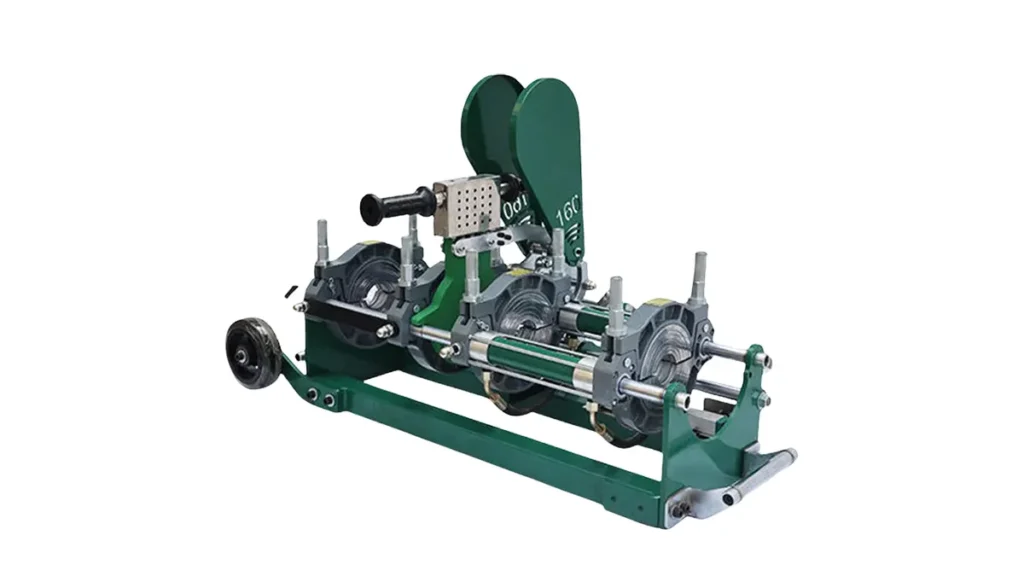
Electric fusion welding machines are transforming smart pipe installation and construction with precise, reliable joints for HDPE and other thermoplastic piping systems. By combining automated temperature control, repeatable force application, and intuitive controls, these machines reduce downtime, improve weld quality, and support large-scale infrastructure projects from water distribution to gas pipelines.
Why Electric Fusion Welding Machines Matter
• Consistent weld quality: Electric fusion systems manage heater plate temperature and cooling cycles to deliver uniform molecular bonding across joints.
• Greater efficiency: Automated timers and microprocessor-controlled parameters cut cycle times and lower labor costs on long runs.
• Cleaner on-site operations: Electric units reduce hydraulic fluids and complex mechanical maintenance, ideal for urban and environmentally sensitive jobsites.
• Scalable for projects: Available in manual, hydraulic, and CNC automatic configurations to match small repairs through large-diameter pipeline installations.
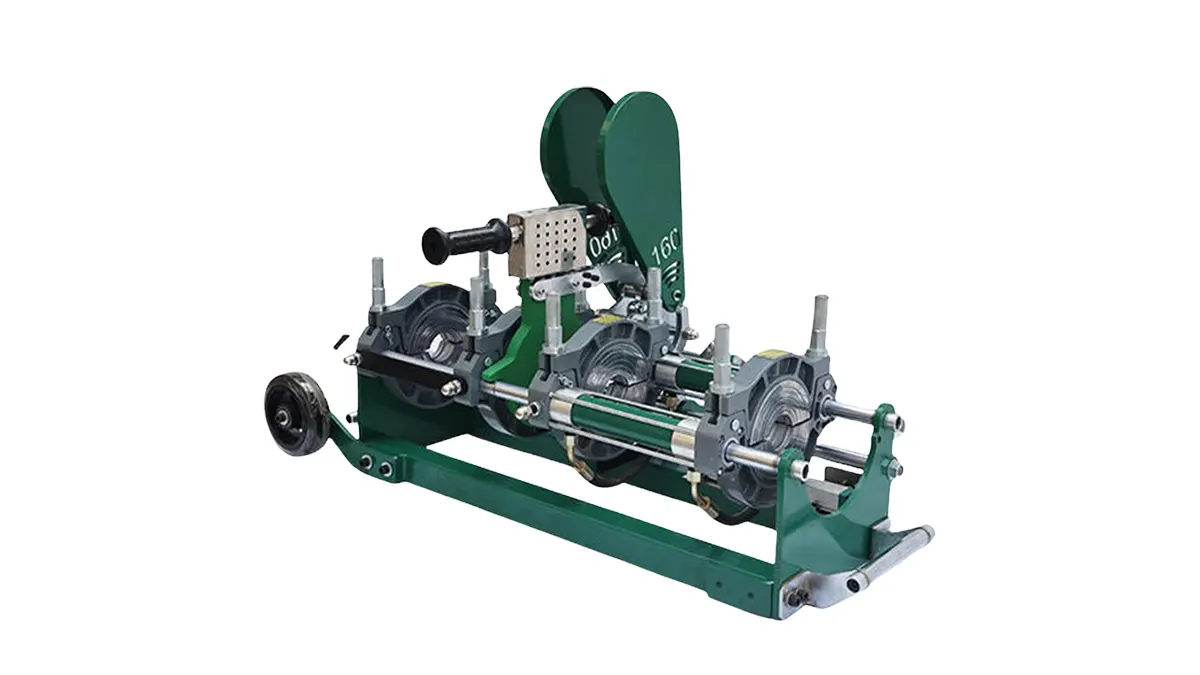
Core Features to Look For
• Intelligent temperature control: PID-driven heaters maintain optimal melting conditions for HDPE, reducing cold or over-melts.
• Automated cycle logging: Built-in data recording for traceability and quality assurance on regulated projects.
• Modular tooling: Interchangeable clamps and adapters to handle a wide diameter range without extensive retooling.
• Operator safety: Integrated shields, emergency stops, and simplified interfaces shorten training time and minimize errors.
Typical Technical Specifications
| Specification | Typical Range / Value |
|---|---|
| Supported Pipe Diameters | 20mm – 1600mm (model dependent) |
| Control Type | Manual / Hydraulic / CNC Automatic |
| Temperature Accuracy | ±1°C with PID control |
| Power Source | Electric (single or three-phase) |
| Data Logging | Onboard memory / USB export / Optional cloud |
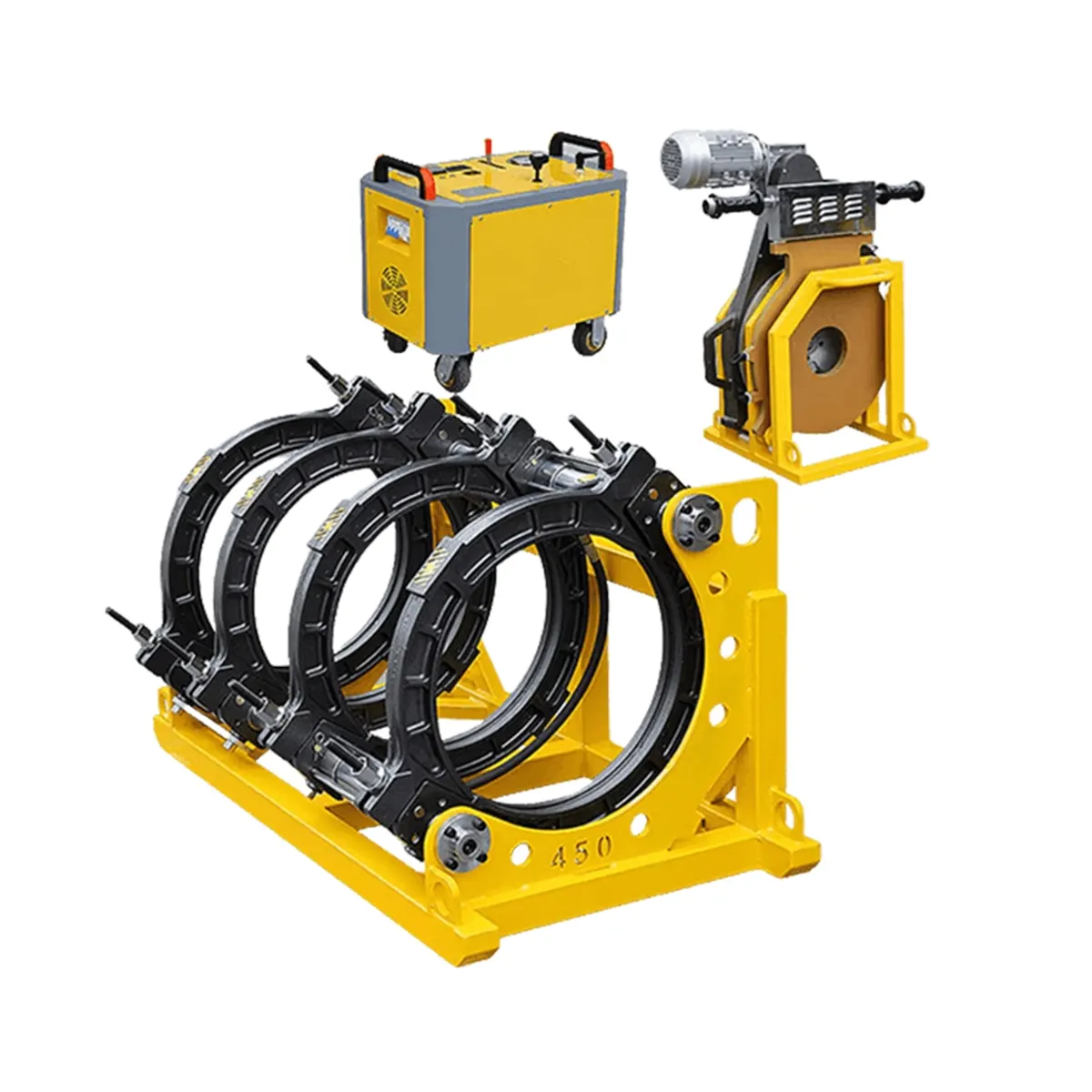
Applications and Industries
Electric fusion welding machines are widely used in municipal water networks, gas distribution systems, irrigation projects, mining pipelines, and industrial fluid transport. Their precise control makes them the preferred choice for smart-city infrastructure, remote field installations, and environments that require documented weld records for regulatory compliance.
Installation Best Practices
• Surface preparation: Keep pipe ends clean, square, and free from contaminants before fusion.
• Controlled environment: Where possible, shelter welding operations from wind and dust to ensure consistent heating and cooling.
• Follow manufacturer parameters: Use recommended pressure, temperature, and heating times for specific resin grades and wall thicknesses.
Maintenance, Training & Support
Regular calibration of temperature sensors, inspection of heating plates, and verification of clamp alignment extend machine life and maintain weld integrity. Proper operator training reduces rework and increases throughput. For reliable equipment and responsive technical support, consider solutions from JQ-Fusion.
Buying Considerations & ROI
When selecting an electric fusion welding machine, evaluate automation level, diameter range, data logging capabilities, and after-sales service availability. Investing in precision equipment shortens project timelines, lowers defect rates, and delivers measurable cost savings over the pipeline lifecycle.
If you need product details, specifications, or project consultations, visit JQ-Fusion for trusted butt fusion solutions and global project experience.



