
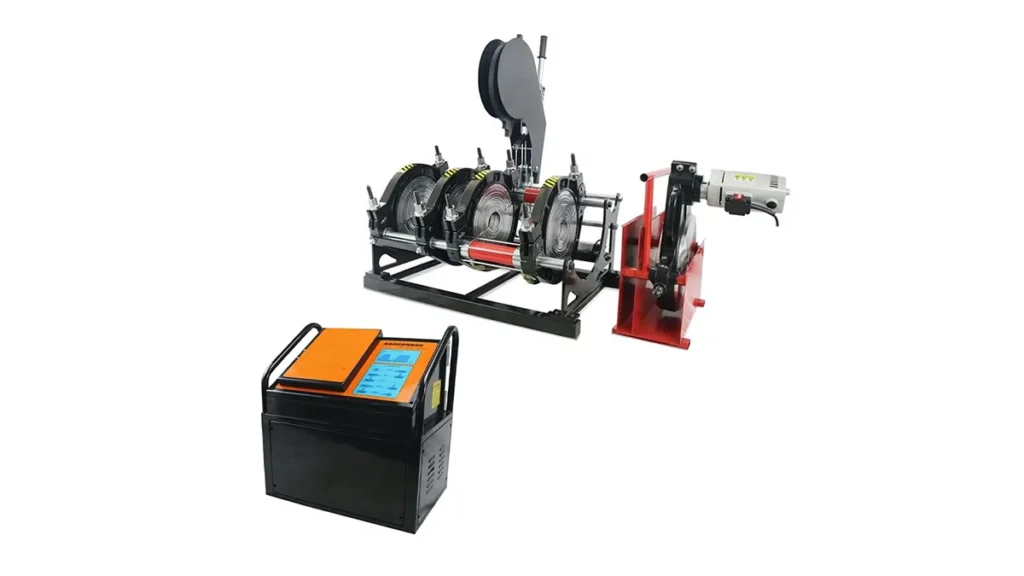
Electric fusion welding machines have transformed HDPE pipe joining with reliable, high-strength butt fusion and electrofusion processes. This guide covers the types, benefits, selection tips, maintenance and troubleshooting for smart pipe welding solutions used across water, gas, mining and industrial pipeline projects.
Why Electric Fusion Welding Matters
Electric fusion welding delivers homogeneous joints by melting pipe ends with controlled heat, producing leak-free connections that match or exceed the base material strength. For infrastructure projects where longevity and safety are critical, fusion welding is a preferred method that reduces failure risk and lifecycle maintenance.
Applications and Industry Fit
Fusion welding is widely used in municipal water networks, gas distribution, mining pipelines, irrigation and industrial fluid transfer. It is ideal where corrosion resistance, flexibility and strong pressure ratings are required.
Types of Fusion Welding Machines
Choosing the right machine depends on pipe diameter, site conditions and production speed. The main categories are:
Manual Butt Fusion Machines
Simple, portable units for smaller diameters and field repairs. They are cost-effective for contractors who need flexibility and minimal power requirements.
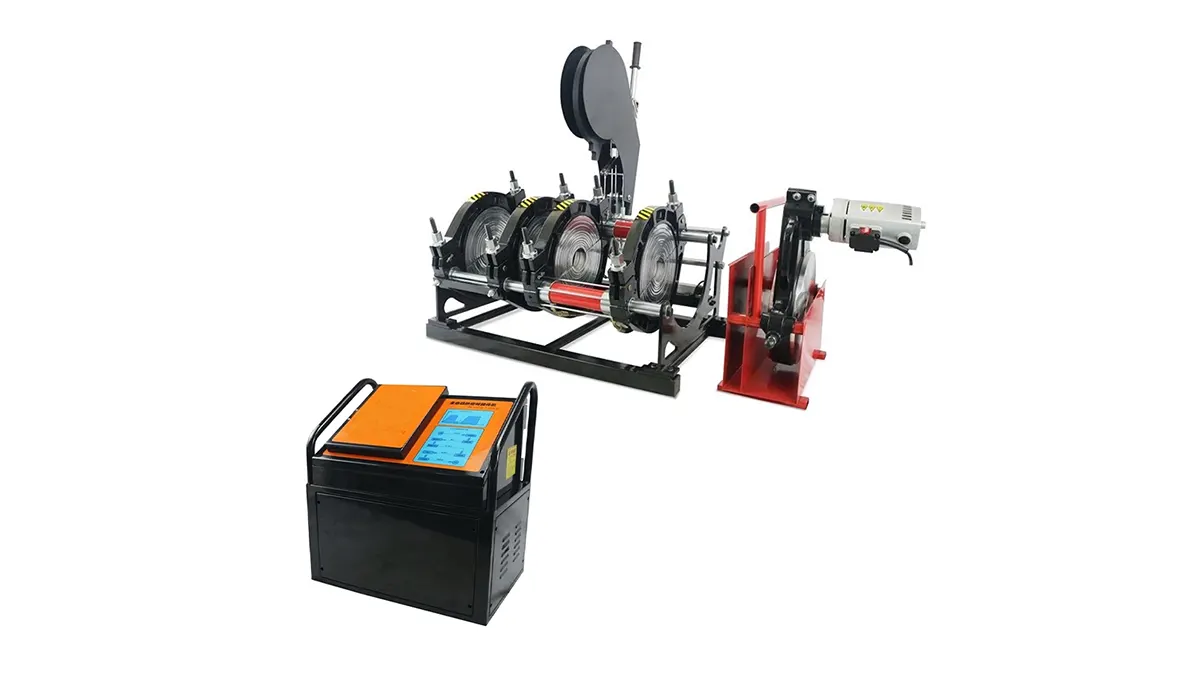
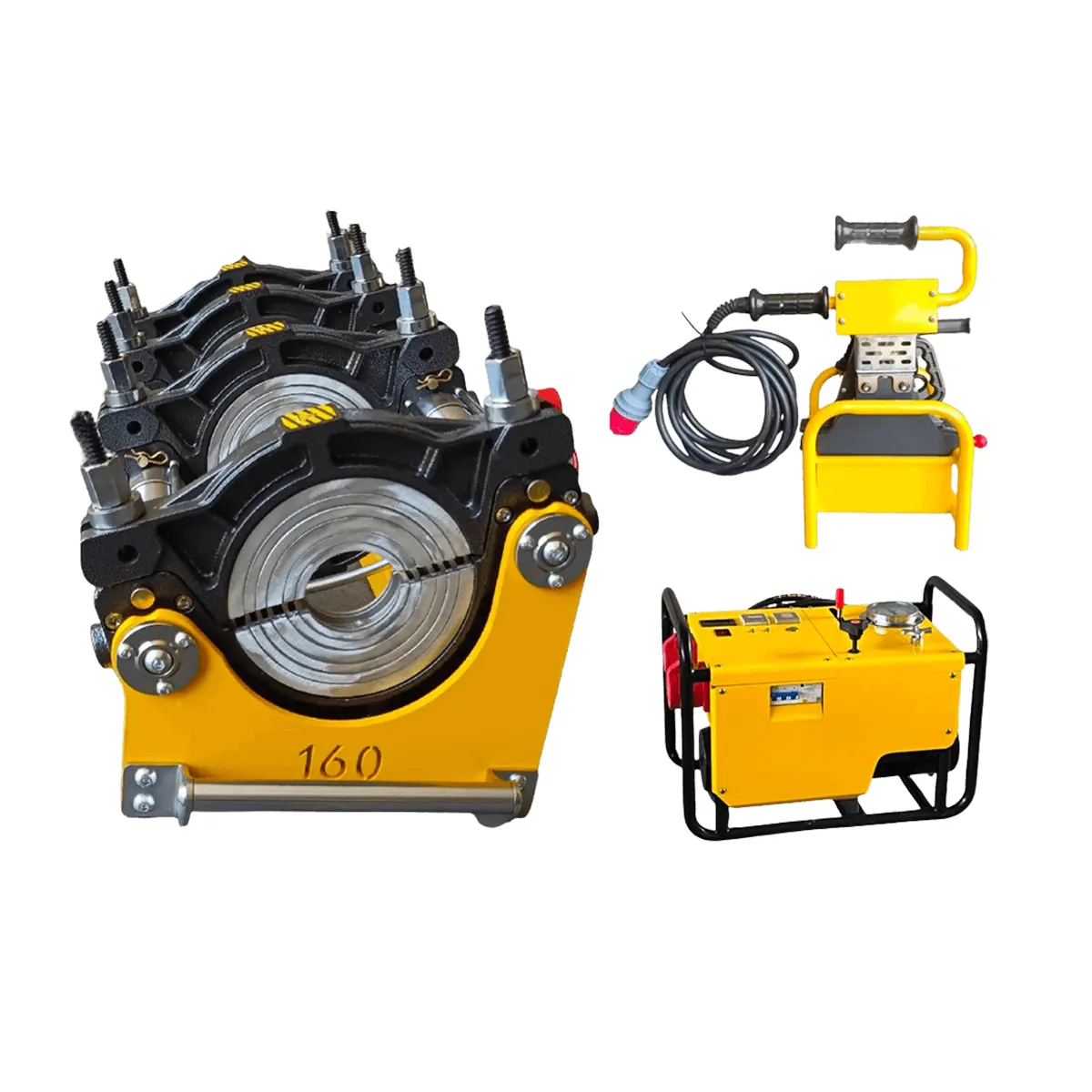
Hydraulic Butt Fusion Machines
Hydraulic models provide smoother and more powerful clamp and alignment control, suited for medium to large diameter pipes and frequent on-site welding tasks.
Automatic/CNC Butt Fusion Machines
Automatic systems deliver precision, programmable heating and force control for high-volume projects and large-diameter pipelines. They minimize operator error and increase repeatability.
Key Features to Compare
When evaluating machines, focus on:
• Heating plate temperature control and uniformity
• Clamping force range and stability
• Alignment accuracy and pipe support design
• Portability, power source and site readiness
• Data logging and automation for quality records
Typical Specification Matrix
| Model Type | Pipe Range (mm) | Control | Ideal Use |
|---|---|---|---|
| Manual Butt Fusion | 20–160 | Manual | Field repairs, small jobs |
| Hydraulic Butt Fusion | 90–1250 | Hydraulic control | Construction, utilities |
| Automatic / CNC | 75–2000+ | CNC / Digital | Large projects, automated QA |
Benefits of Modern Electric Fusion Systems
Electric fusion machines provide consistent heat, programmable weld cycles and reduced operator variability. Benefits include improved joint strength, faster cycle times on automated units and comprehensive weld records for compliance and auditing.
Selecting the Right Machine for Your Project
Start by mapping pipe diameters and expected daily weld counts. For spread-out fieldwork choose portable/manual units; for centralized, high-volume sites choose automatic machines. Consider future needs and choose modular systems that scale with project growth.
Power & Site Considerations
Check local power availability and environmental conditions. Some electric fusion systems require stable mains power or generators; others offer battery-assisted controls for remote locations. Always factor in transportation and site access.
Maintenance, Safety and Best Practices
Routine maintenance keeps weld quality high: clean heating plates, check hydraulic fluids and seals, calibrate temperature sensors, and inspect clamps. Use certified PPE and follow the machine manufacturer’s safety guidelines to prevent burns and ensure alignment integrity.
Common Troubleshooting Tips
• Uneven weld beads: check heating plate flatness and cleanliness.
• Excessive flash: reduce heating time or check alignment pressure.
• Poor fusion strength: verify temperature calibration and cooling time.
Quality Assurance and Documentation
Modern electric fusion machines often include digital logging for temperature, pressure and cycle time. Keep weld records for validation and regulatory compliance. For bespoke solutions and trusted manufacturing, visit JQ-Fusion.
Final Notes
Investing in the right electric fusion welding equipment improves installation speed, joint longevity and operational safety. Evaluate machine capabilities against project demands to achieve reliable, long-term pipeline performance.



