
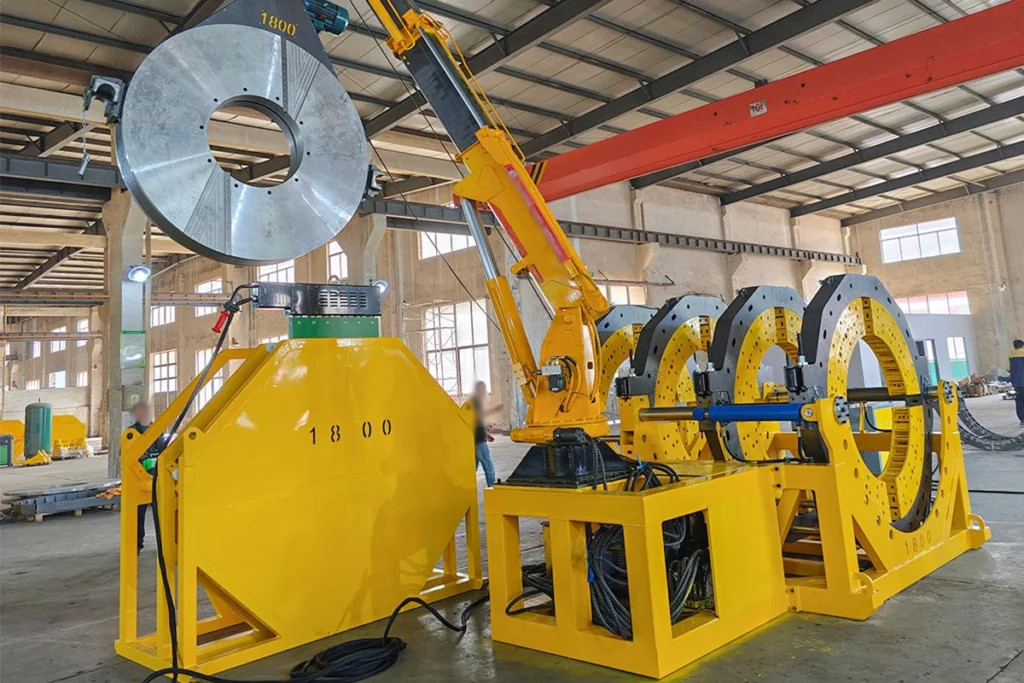
Electric fusion welding machines are the backbone of modern HDPE pipe joining — offering reliable, leak-free joints for water, gas, mining, and industrial piping systems. This guide explains how electric (butt and electrofusion) fusion equipment works, how to choose the right model, safe operating steps, maintenance tips, and the measurable benefits that drive ROI on infrastructure projects.
What is an Electric Fusion Welding Machine?
An electric fusion welding machine joins thermoplastic pipes using heat and pressure. Two main electric fusion methods are common in HDPE systems:
Butt fusion: Pipes are beveled, faced, heated with a flat heating plate, then pressed together under controlled pressure to form a continuous, homogenous joint.
Electrofusion: Uses fittings with embedded heating coils; an electric current heats the fitting, melting the fitting and pipe surface to create a strong fusion.
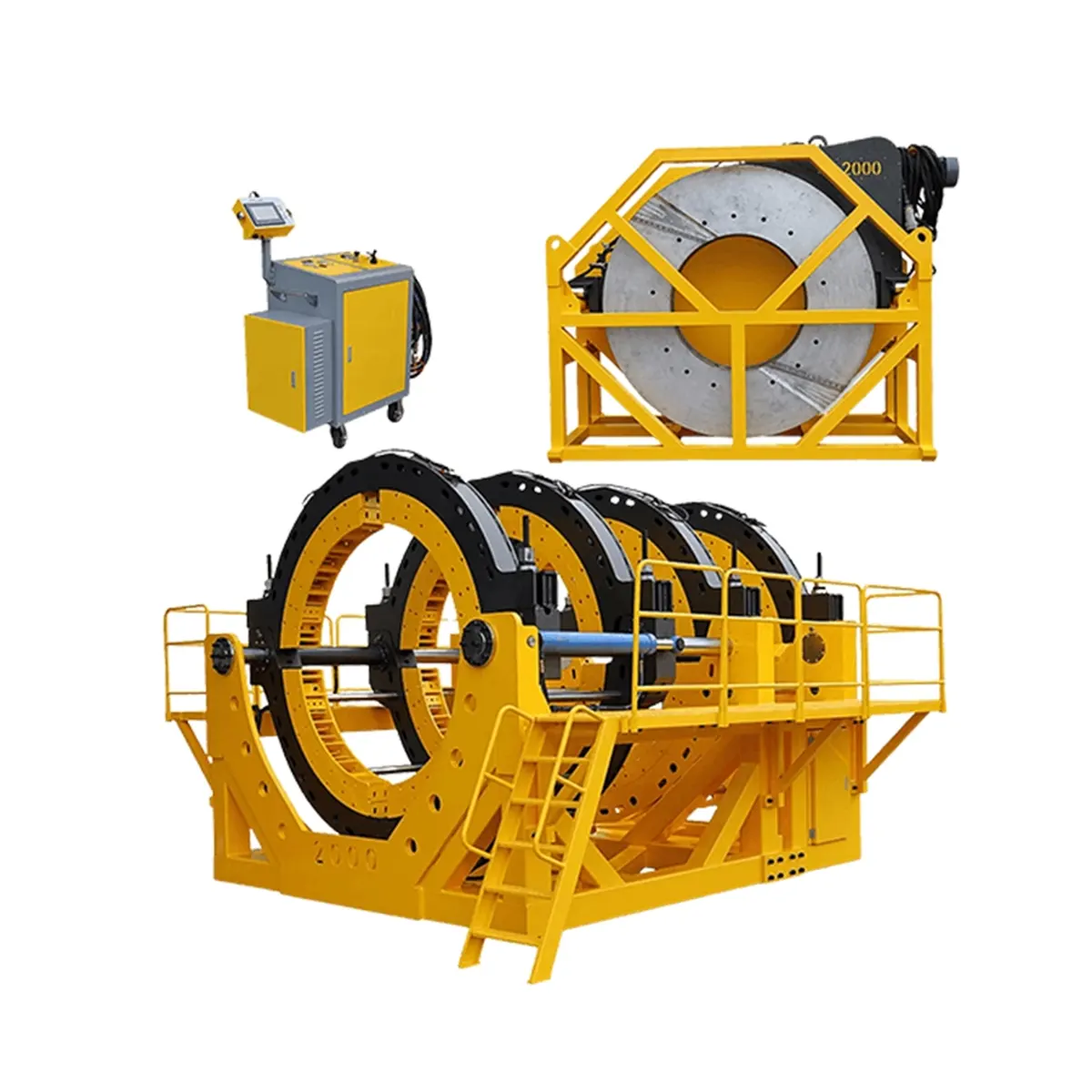
Core Components
– Heating element / plate or electrofusion control unit
– Clamping frame and alignment fixtures
– Pressure system (electric-hydraulic or electric motor driven)
– Temperature and time control electronics
Types of Electric Fusion Welding Machines
There are several options depending on project scale and automation needs:
Manual butt fusion machines: Portable, ideal for small-diameter field repairs and tight budgets.
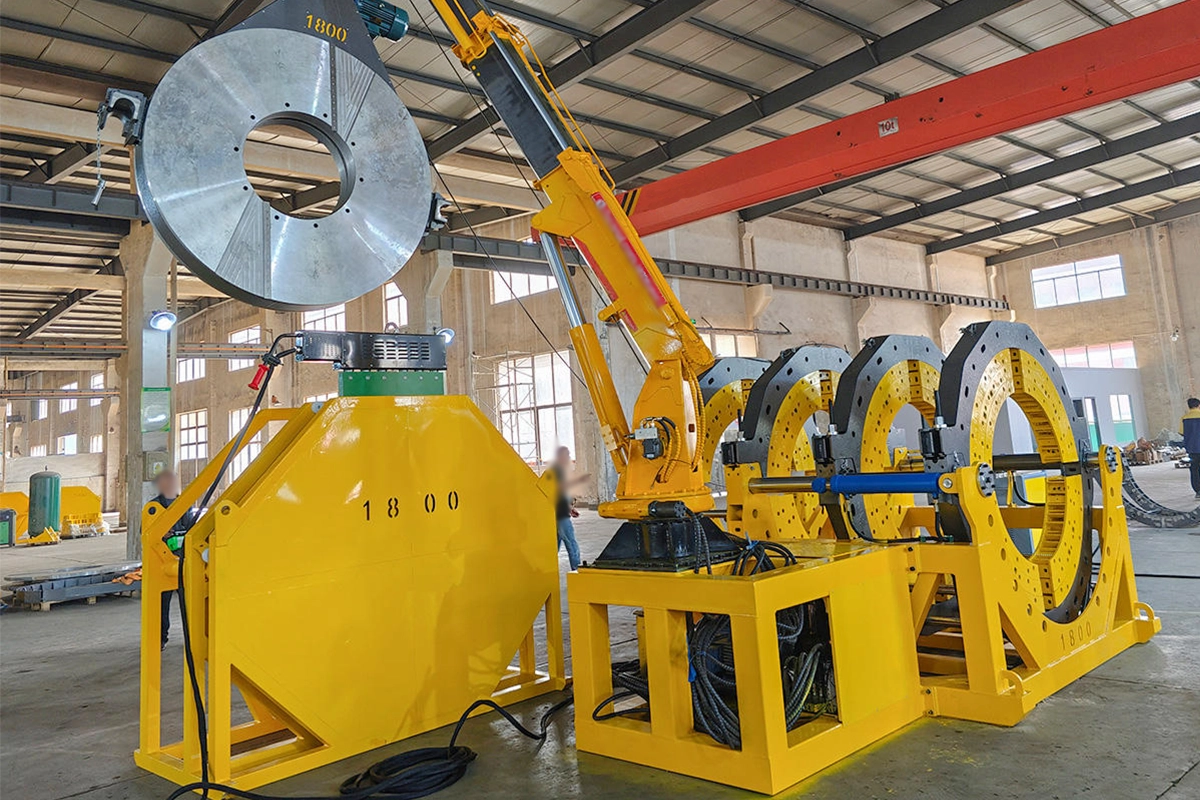
Hydraulic/electric hybrid machines: Higher power and better control for mid-to-large diameters; often used on construction sites.
CNC automatic butt fusion machines: Digital control, programmable cycles, best for repetitive production and large-diameter lines where precision matters most.
How to Choose the Right Machine
Key decision factors include pipe diameter range, material compatibility (PE100/PE80), site power availability, mobility, automation level, and budget. Match machine capabilities to your project workflow to avoid costly downtime or rework.
| Feature | Manual | Hydraulic / Electric | Automatic CNC |
|---|---|---|---|
| Pipe range | Small–medium | Medium–large | Medium–extra large |
| Precision | Good | Better | Best (digital control) |
| Portability | High | Moderate | Low (heavy-duty) |
| Ideal use | Repairs, small installations | Construction sites, mains | Factory lines, large infrastructure |
Step-by-Step: Using an Electric Butt Fusion Machine
1. Preparation: Clean pipe ends, check for damages, measure and mark alignment. Ensure power and safety equipment are ready.
2. Clamping and alignment: Secure pipes in clamps and verify axial alignment to prevent offsets.
3. Facing: Use the facing tool to trim and square pipe ends for full contact.
4. Heating: Place the heating plate between pipe ends and monitor temperature/time per material specs.
5. Fusion: Remove the heater, press pipe ends at specified force for the soak time, then cool under pressure to solidify the joint.
6. Inspection: Visually check bead formation and measure joint dimensions. Keep weld records for QA.
Safety and Maintenance
– Always use PPE: heat-resistant gloves, eye protection, and protective clothing.
– Ground electric units and use stable, dry power sources. Regularly inspect cables and controls.
– Maintain heating plates and replace worn faces. Calibrate temperature controllers and pressure sensors on a scheduled basis.
– Clean clamps and guide rails to ensure repeatable alignment; lubricate moving parts per manufacturer recommendations.
Benefits of Electric Fusion Welding Machines
Durability: Fusion joints are homogenous with the pipe material, producing corrosion-free, long-lasting connections prized in water and gas systems.
Reliability: Properly executed electric fusion reduces leak risk and maintenance cycles, improving system uptime and safety.
Speed & Efficiency: Automated control and precise temperature/pressure profiles shorten cycle times and reduce operator variability.
Cost-effectiveness: Lower lifecycle costs through fewer repairs, longer service life, and predictable installation productivity.
Who Uses Electric Fusion Machines?
Contractors, municipal utilities, pipeline installers, mining operations, and industrial plant maintenance teams rely on fusion welders to deliver leak-free pipelines across varied environments.
Why Choose JQ-Fusion
JQ-Fusion (https://jq-fusionwelding.com/) designs and manufactures a wide range of high-quality HDPE butt fusion welding machines — from portable manual units to hydraulic and CNC automatic systems — tailored for pipeline projects worldwide.
FAQs
Q: Can electric fusion machines weld all types of polyethylene pipes?
A: Yes, when matched to the correct temperature, pressure and cycle settings, electric fusion machines are suitable for common grades like PE100 and PE80.
Q: How important is operator training?
A: Very important. Consistent welds require correct facing, alignment, and adherence to temperature/time protocols. Certified training reduces joint failures.
Q: What maintenance keeps a fusion machine reliable?
A: Routine inspection of heating plates, clamps, control electronics, and hydraulics; periodic calibration and prompt replacement of worn components.
Ready to specify the right fusion solution for your project? Evaluate pipe range, automation level, and on-site logistics — and choose a reputable manufacturer to support training and spare parts for long-term success.



