
Electric fusion welding machines are the backbone of reliable HDPE pipe systems — enabling leak-free joints for water, gas, mining, and industrial pipelines. This guide explains how electric butt-fusion and electrofusion machines work, how to choose the right unit, and best practices to maximize uptime and joint quality.
How Electric Fusion Welding Machines Work
Electric fusion welding machines melt and fuse thermoplastic pipe ends to form a continuous, homogeneous joint. Two main approaches are widely used:
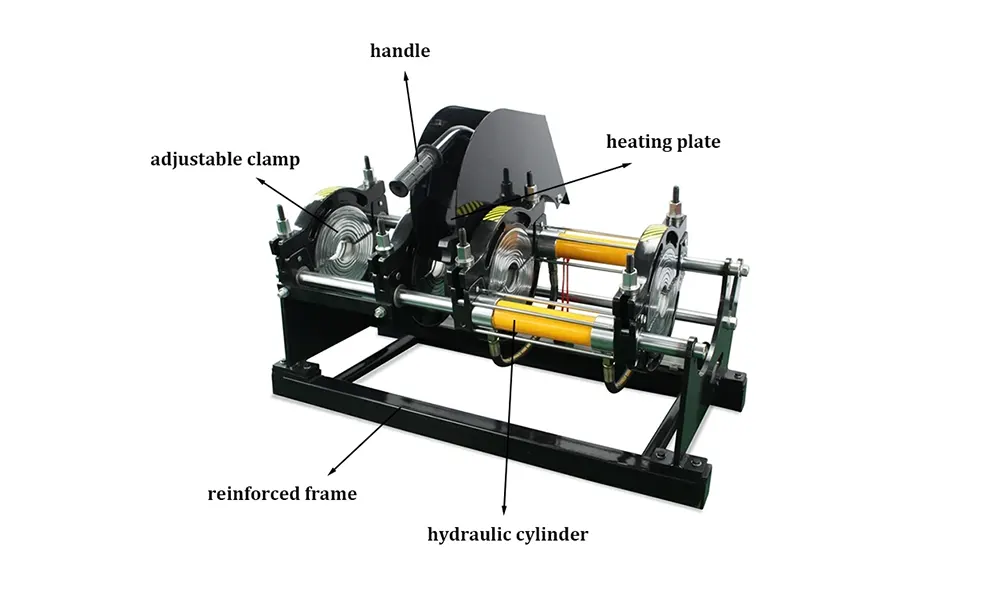
- Butt fusion: opposing pipe ends are heated with a flat heater plate and pressed together to form a single fused bead.
- Electrofusion: a specialized coupling with embedded heating coils fuses to the pipe when an electric current is applied.
Both methods deliver strong, permanent joints when performed with the correct equipment, parameters, and operator technique.
Key Features to Look For
The best electric fusion machines combine precision, safety, and ease of use. Important features include:
- Accurate temperature control and stable heating elements to ensure consistent welds.
- Robust clamping and alignment systems to keep pipe ends concentric during fusion.
- Hydraulic or electric clamping for repeatable pressure application on large diameters.
- Digital control panels and welding log export for traceability and QA.
- Portable designs or modular components for field work and confined spaces.
Types of Electric Fusion Machines
Manual machines — ideal for small-diameter jobs and budget-sensitive projects. They rely on operator skill and are lightweight for mobile crews.
Hydraulic machines — provide consistent pressure for medium to large diameter pipes and are common on municipal and industrial projects.
Automatic CNC machines — deliver the highest repeatability and data logging for critical infrastructure programs, reducing operator variability.
Electrofusion units — specialized controllers for electrofusion fittings; especially useful for repairs, service connections, and complex fittings.
Quick Comparison
| Model Example | Best For | Pipe Range | Automation | Notes |
|---|---|---|---|---|
| JQLX Manual Series | Small crews, tight sites | 20–315 mm | Low | Portable, cost-effective |
| JQH Hydraulic Series | Mainline water & gas | 160–2000 mm | Medium | Stable pressure, durable frame |
| JQA Automatic Series | Large projects, QC-critical | 50–630 mm+ | High | Data logging, CNC control |
Primary Applications
Electric fusion machines are extensively used in:
- Municipal water and sewer networks
- Gas distribution systems where joint integrity is critical
- Mining and slurry pipelines requiring abrasion-resistant HDPE lines
- Industrial process piping and petrochemical secondary lines
Selecting the Right Machine — Key Considerations
Evaluate the following to choose the correct electric fusion equipment:
- Pipe material and SDR / wall thickness — affects heating time and pressure.
- Maximum pipe diameter and whether large-diameter hydraulic systems are needed.
- Project scale — single repairs vs. long pipeline production (automation helps scale).
- Site logistics — portability, power source, and weather protection.
- Quality assurance requirements — traceability and weld record export may be mandatory.
Operation Best Practices
To ensure consistent, high-quality joints:
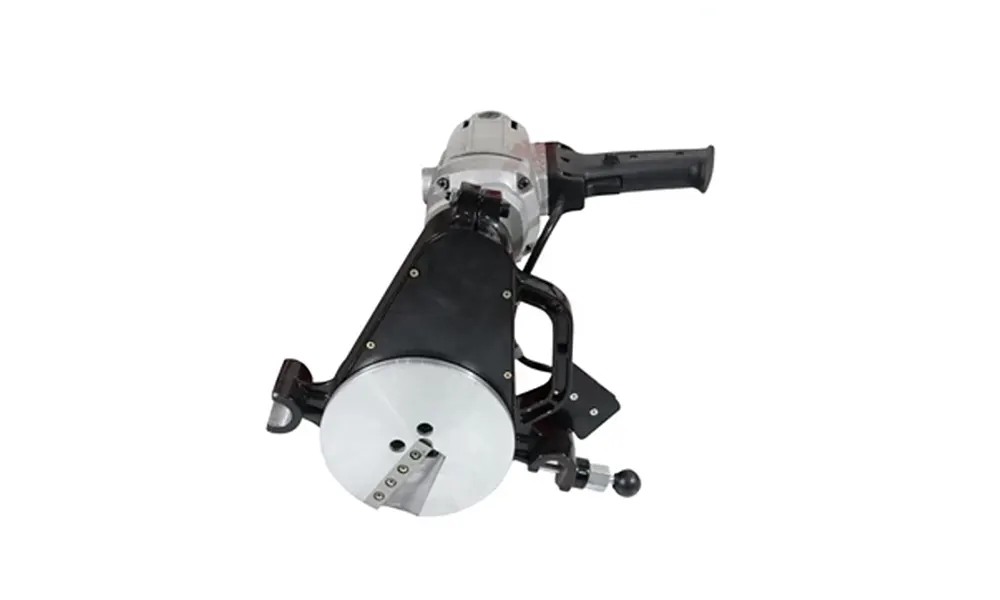
- Clean and square pipe ends; use precision facing tools.
- Follow manufacturer heating time and temperature charts for the specific pipe SDR and diameter.
- Control and record fusion pressure and cooling time; avoid movement during cooling.
- Use trained operators and maintain a QA log for all welds.
Maintenance & Troubleshooting Tips
Regular maintenance improves reliability: inspect heater plate surfaces, verify temperature sensors, check hydraulic fluid and seals, and keep electric connectors dry and secure. If welds show inconsistent bead formation, validate temperature calibration and facing accuracy before repeating.
Cost, ROI, and Project Value
While electric fusion machines represent an upfront investment, the long-term benefits — fewer leaks, reduced assembly time, and extended service life — typically deliver a favorable ROI for infrastructure projects. Automated systems provide the fastest payback when large volumes and strict QA are required.
Work with a Trusted Manufacturer
For dependable HDPE welding solutions backed by manufacturing experience and global project support, consider contacting JQ-Fusion — a specialist in manual, hydraulic, and CNC automatic butt fusion welding machines suitable for a wide range of pipe diameters and industries. Visit jq-fusionwelding.com to explore models and request technical assistance.



