
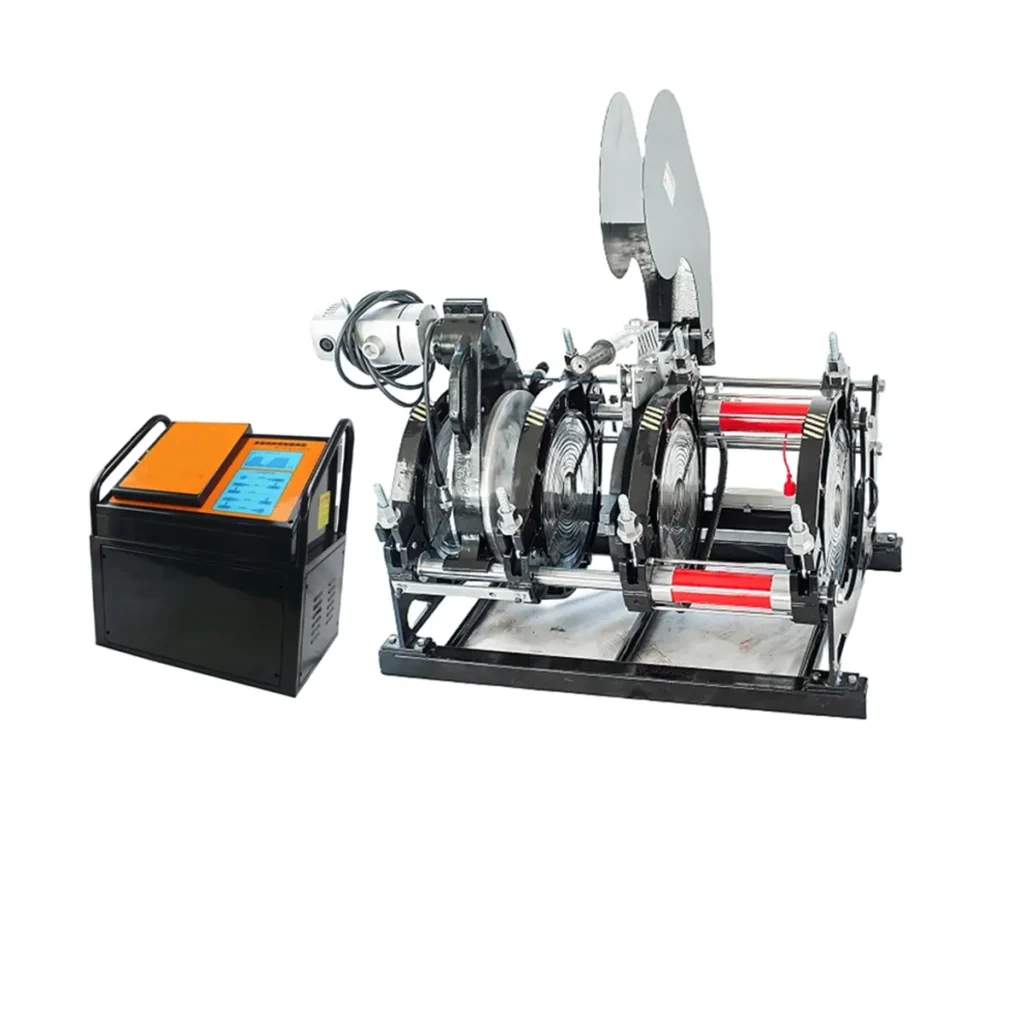
Electric Fusion Welding Equipment offers a fast, reliable way to connect HDPE pipes for water, gas, and industrial pipelines. This guide explains core technologies, selection tips, operation steps, and maintenance strategies to help contractors and procurement teams choose the most efficient fusion welding solution.
Why Choose Electric Fusion for Pipe Connection?
Electric fusion systems—especially butt fusion and electrofusion machines—deliver consistent joint strength, lower leak risk, and predictable cycle times. Compared with mechanical fittings, fusion welding produces homogeneous joints with long-term performance benefits for buried and pressurized systems.
Key Advantages
Uniform heating: reduces cold spots and ensures full coalescence. Automation: reduces operator variability. Portability: many models are field-ready for pipeline construction sites.
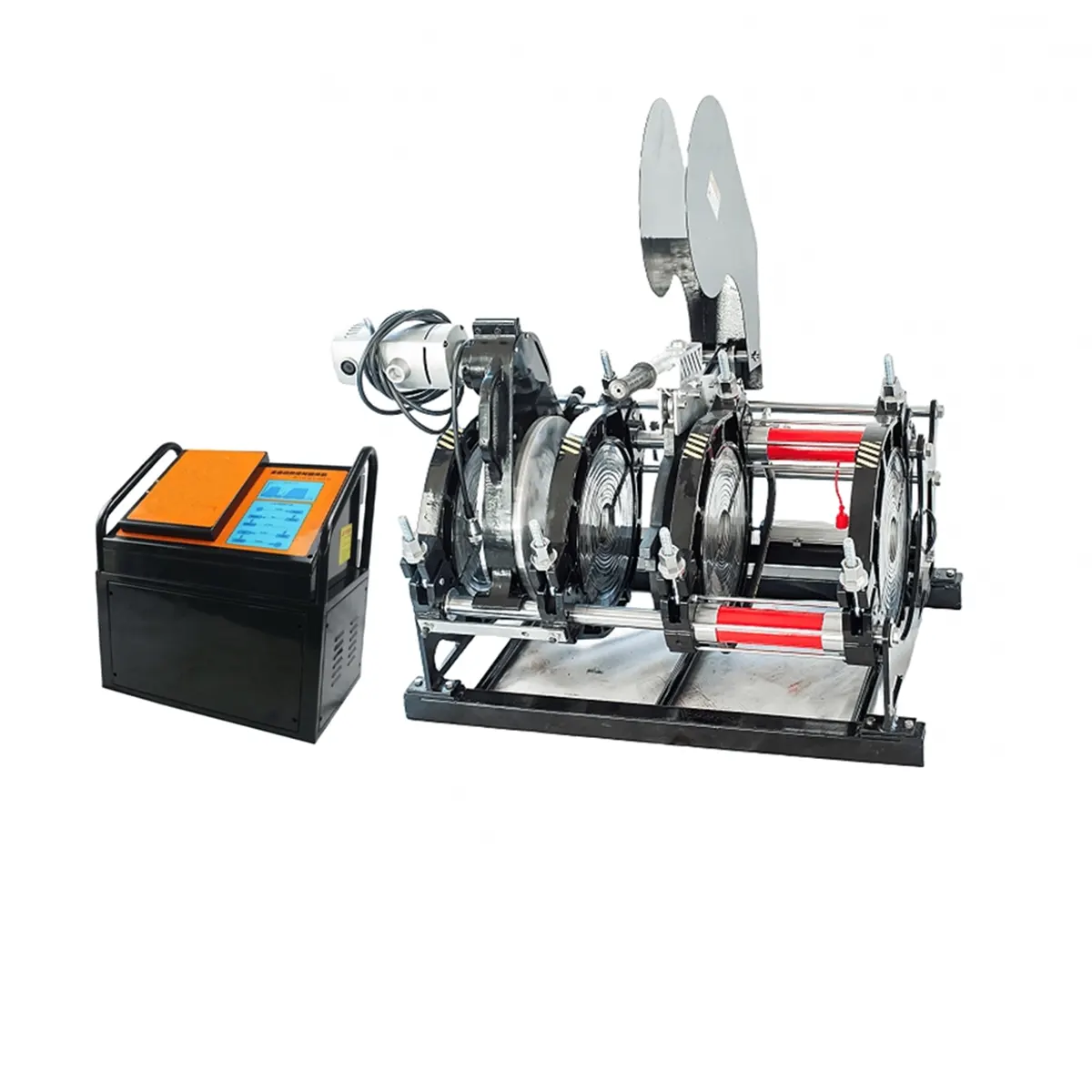
Types of Electric Fusion Welding Equipment
Butt Fusion Machines (Hydraulic / Automatic / Manual)
Butt fusion aligns two pipe ends, heats contact surfaces with a flat heater plate, then presses them together until the material cools. Choose hydraulic or automatic units when working with larger diameters or when high repeatability is required.
Electrofusion Units
Electrofusion uses pre-molded coupling fittings with embedded heating elements. It is ideal for repair, branch connections, and scenarios with limited space where clamping a butt fusion machine is impractical.
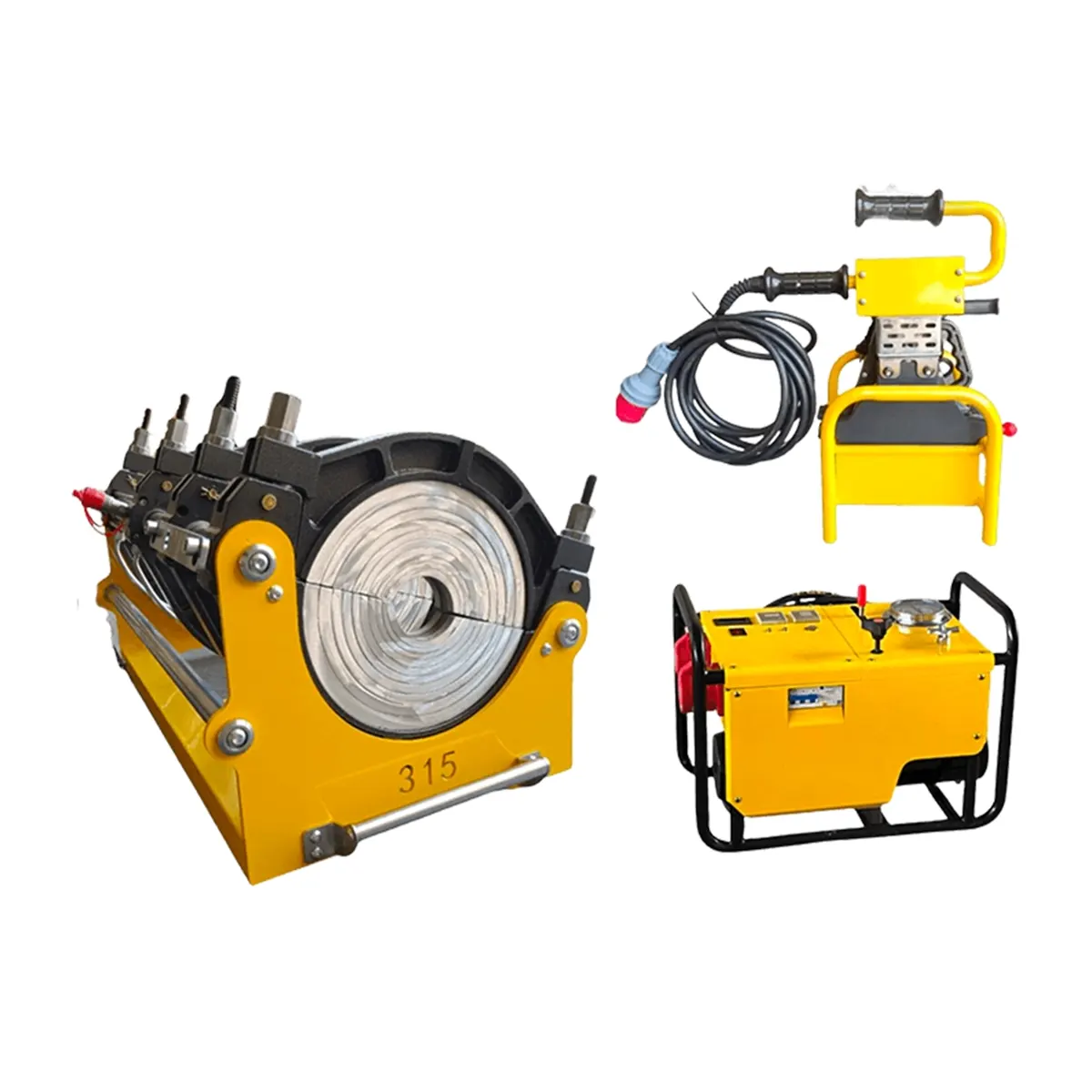
How to Select the Right Machine
Match equipment to your project by evaluating pipe material (PE100/PE80), diameter range, site conditions, and required automation level. For frequent, large-diameter pipelines, an automatic butt fusion system improves throughput. For repair crews, compact electrofusion kits are more practical.
Selection Checklist
– Compatible pipe diameter range and SDR ratings
– Power source availability (battery, mains, generator)
– Portability and setup time for fieldwork
– Traceable welding records and automation features
– Local service and spare-parts availability
Typical Welding Workflow
1. Preparation
Clean pipe ends, remove burrs, and align the pipes in clamps. Use calibrated tools to verify face-to-face alignment and facing quality.
2. Heating
Bring the heater plate to the specified temperature. Controlled heating prevents degradation and ensures proper melt depth.
3. Fusion and Cooling
Apply pressure according to the material and diameter specifications. Maintain cooling time to reach recommended joint strength before moving the assembly.
Performance & Maintenance Tips
Routine checks—inspect heater plate flatness, hydraulic fluid levels, and electrical connections. Replace worn clamps and keep connector pins clean. Regular calibration of temperature sensors and pressure gauges preserves weld quality.
Common Preventive Steps
– Store the heater plate in protective covers to avoid scratches.
– Drain hydraulic circuits if storing long-term in cold climates.
– Keep a consumables kit (PTFE tape, spare heaters, seals) on-site.
Quick Troubleshooting Guide
Poor fusion line: Check facing quality and ensure heater temperature is within tolerance. Uneven pressure: Inspect hydraulic system for leaks or malfunctioning valves. Surface contamination: Re-clean and re-face pipe ends.
Specifications Comparison Table
| Feature | Butt Fusion (Auto) | Hydraulic Butt Fusion | Electrofusion |
|---|---|---|---|
| Typical Diameter Range | 160mm – 1600mm | 63mm – 2250mm | 20mm – 1200mm (via fittings) |
| Automation Level | High | Medium | Low (but simple operation) |
| Best Use Case | Large projects, pipelines | Versatile field framing | Repairs, branches, confined spaces |
Applications Across Industries
Electric fusion welding is common in municipal water distribution, gas networks, mining, irrigation, and industrial process piping. The technique’s long-term leak resistance makes it preferred for buried infrastructure and environments requiring minimal maintenance.
Buying and On-site Implementation Advice
When procuring equipment, request welding records, on-site commissioning support, and training for operators. Ensure spare parts lead times are acceptable for your project timeline. For turnkey supply and technical backup, consider manufacturers with proven pipeline experience.
Company & Support
About JQ-Fusion: JQ-Fusion is a professional manufacturer specializing in HDPE pipe welding machines, providing reliable butt fusion solutions for global infrastructure projects. Their product lines include manual, hydraulic, and CNC automatic butt fusion machines for a wide range of pipe diameters, plus responsive service and customization options.
Final Recommendations
Prioritize machines that match your diameter range, offer traceable weld data, and include robust field support. Train crews on facing, heating, and cooling control to maximize joint life. With the right electric fusion equipment and disciplined procedures, pipe networks achieve superior long-term performance and fewer maintenance interventions.



