
The Critical Role of Butt Fusion in Modern Thermoplastic Piping
Delivering homogenous, high-strength welded joints across high-density polyethylene and polypropylene pressure lines.
A Butt Fusion Welding Machine serves as the technological backbone for executing high-integrity pipe connections in modern infrastructure. Across critical sectors such as municipal water distribution, pressurized natural gas conveyance, mineral slurry transport, and chemical processing, solid-wall polyolefin pipes require joints that do not merely join segments, but create a continuous, monolithic pipeline. Unlike mechanical compression fittings or flanged systems that introduce elastomeric gaskets and potential leak pathways, butt heat fusion melts and consolidates parent materials under calibrated hydraulic pressures.
The resulting joint exhibits a tensile and shear strength equivalent to, or greater than, the virgin pipe body. By adhering to international standard procedures such as ISO 21307 butt fusion procedures and ASTM F2620 heat fusion, butt fusion equipment eliminates long-term creep risks, hydraulic turbulence, and joint disconnection hazards. As urban utilities modernize aging metallic infrastructure with durable High-Density Polyethylene (HDPE), robust fusion technology guarantees service lives exceeding 50 to 100 years.
Monolithic Joint Quality
Equalized molecular polymer chain interdiffusion eliminates chemical or mechanical interfaces, preventing seam degradation and root intrusion.
Optimized Flow Dynamics
Uniform internal and external bead formation maintains predictable C-factors, minimizing head loss in municipal pressurized distribution.
High-Pressure Endurance
Fully compliant with high-stress requirements prescribed by ASTM D2513 PE gas pipe and ISO 4427 PE water pipes.
Butt Fusion Machine Classifications
Tailored operational configurations to meet specific trench environments, workshop fabrication, and automation tolerances.
Manual Butt Fusion Machines
Lightweight, screw-driven or lever-actuated welding frames engineered for small diameter drainage, low-pressure irrigation, and conduit projects.
- Typical Range: 40mm – 160mm
- Operation: Hand wheel / Mechanical Lever
- Advantage: Exceptional portable field mobility
Hydraulic Butt Fusion Machines
Semi-automatic electro-hydraulic power pack systems providing stable pressure stabilization, digital temperature regulation, and heavy clamp actuation.
- Typical Range: 63mm – 2250mm
- Operation: Hydraulic Station & Pressure Reg
- Advantage: Mainstay for main gas & water lines
CNC Automatic Fusion Units
Fully automated, closed-loop PLC controller units eliminating operator subjectivity with integrated datalogging per ISO 12176-4 standards.
- Typical Range: 90mm – 1200mm
- Operation: Microprocessor CNC Control
- Advantage: 100% Traceability & QA Compliance
Butt Fusion Step-by-Step Procedure
Executing precision pipe jointing per PPI TR-33 generic butt fusion procedure to ensure zero-defect infrastructure.
Secure pipe ends in aluminum clamps. Insert electric planer to trim pipe faces completely square and parallel, removing oxidation layers.
Check high-low mismatch (under 10% wall thickness) and calculate hydraulic drag pressure required to overcome pipe friction on the ground.
Insert PTFE-coated heating plate (200°C–230°C). Apply fusion pressure until initial bead height forms, then drop to heat soak pressure.
Rapidly remove hotplate within changeover time limit. Ramp to welding pressure and allow joint to cool under maintained pressure.
Representative Equipment Performance Table
Direct comparative specifications across popular hydraulic butt fusion equipment series.
| Model Series | Working Range (OD) | Input Voltage | Total Power | Max Operating Pressure | Applicable Materials |
|---|---|---|---|---|---|
| JQH160mm | 63mm – 160mm | 220V, 50/60Hz | 2.75 kW | 6.3 MPa | HDPE, PP, PVDF |
| JQH250mm | 90mm – 250mm | 220V, 50/60Hz | 3.85 kW | 6.3 MPa | HDPE, PP, PVDF |
| JQH315mm | 90mm – 315mm | 220V/380V | 4.85 kW | 6.3 MPa | HDPE, PP, PVDF |
| JQH630mm | 315mm – 630mm | 380V, 3-Phase | 12.2 kW | 8.0 MPa | HDPE, PP, MPP |
| JQH1200mm | 630mm – 1200mm | 380V, 3-Phase | 36.5 kW | 10.0 MPa | HDPE 80 / 100 |
| JQH2250mm | 1400mm – 2250mm | 380V, 3-Phase | 75.0 kW | 16.0 MPa | Extra-Large Dia HDPE |
Featured Butt Fusion Machinery
Precision-manufactured machinery ready for immediate dispatch and OEM project integration.
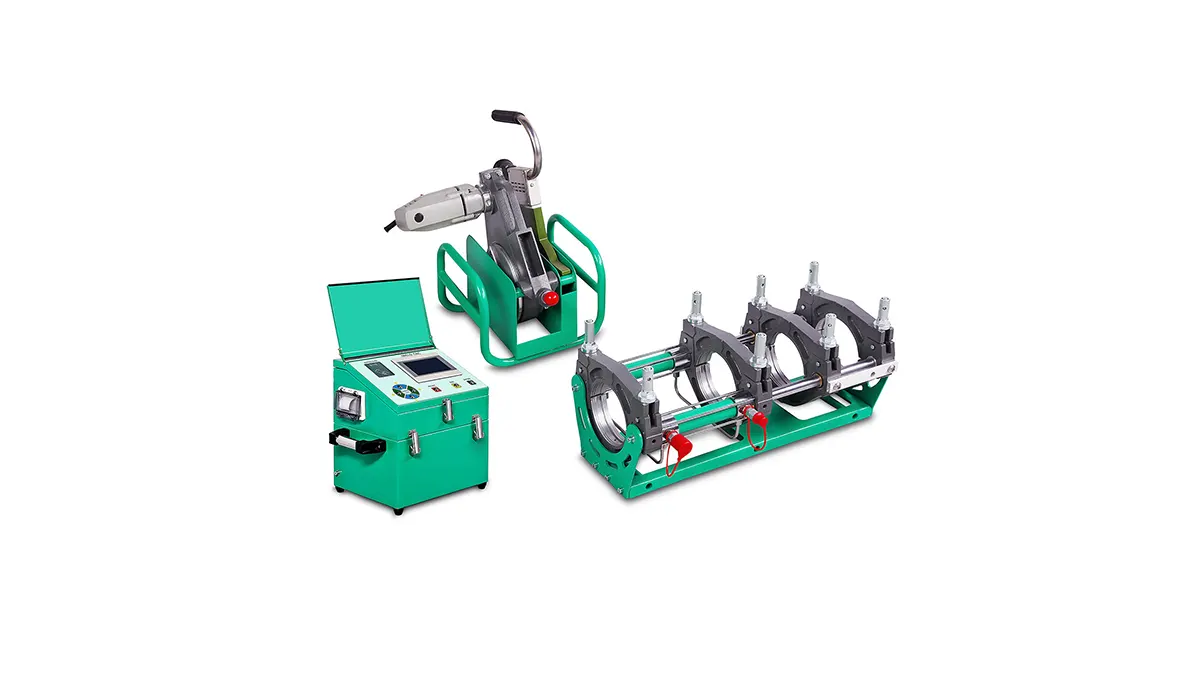
Hydraulic Butt Fusion Welding Machine with Aluminum Clamps
View Details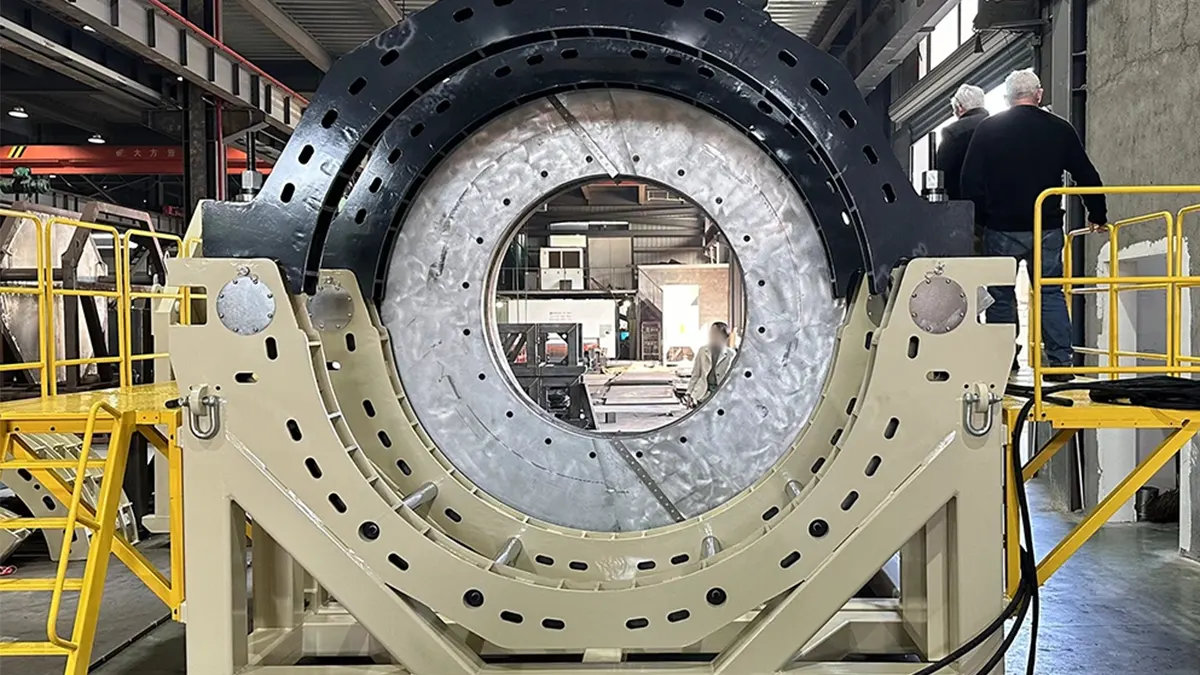
JQH2250mm Hydraulic Butt Fusion Welding Machine
View Details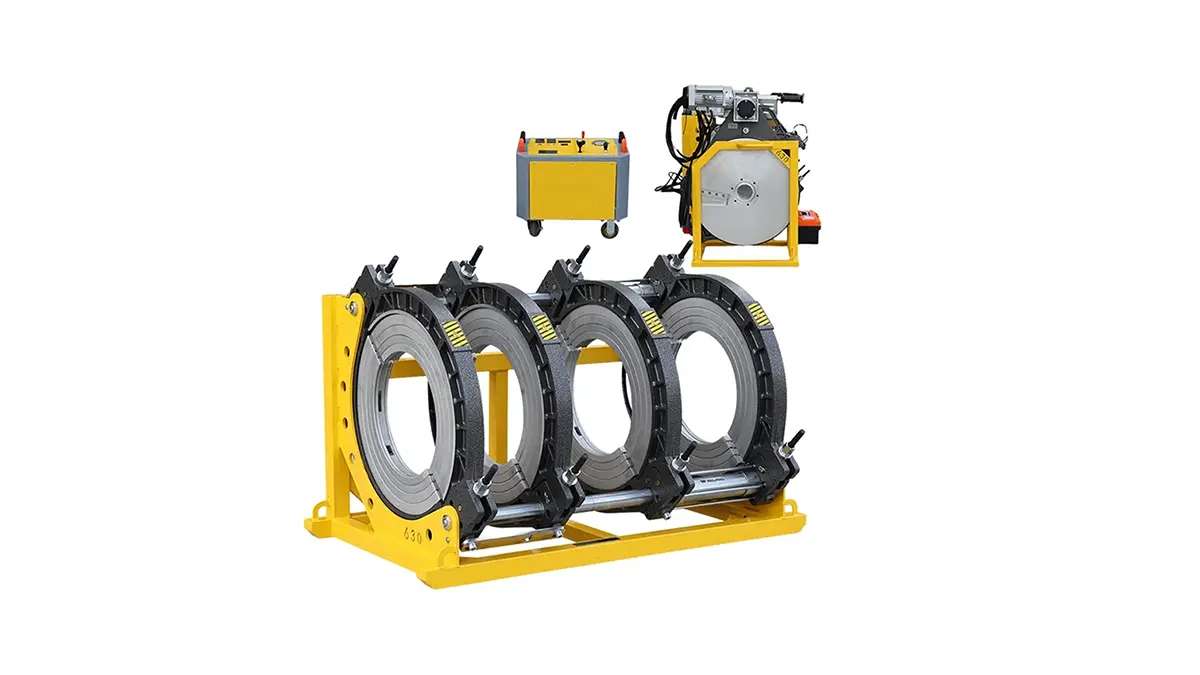
JQH630mm Hydraulic Butt Fusion Welding Machine
View Details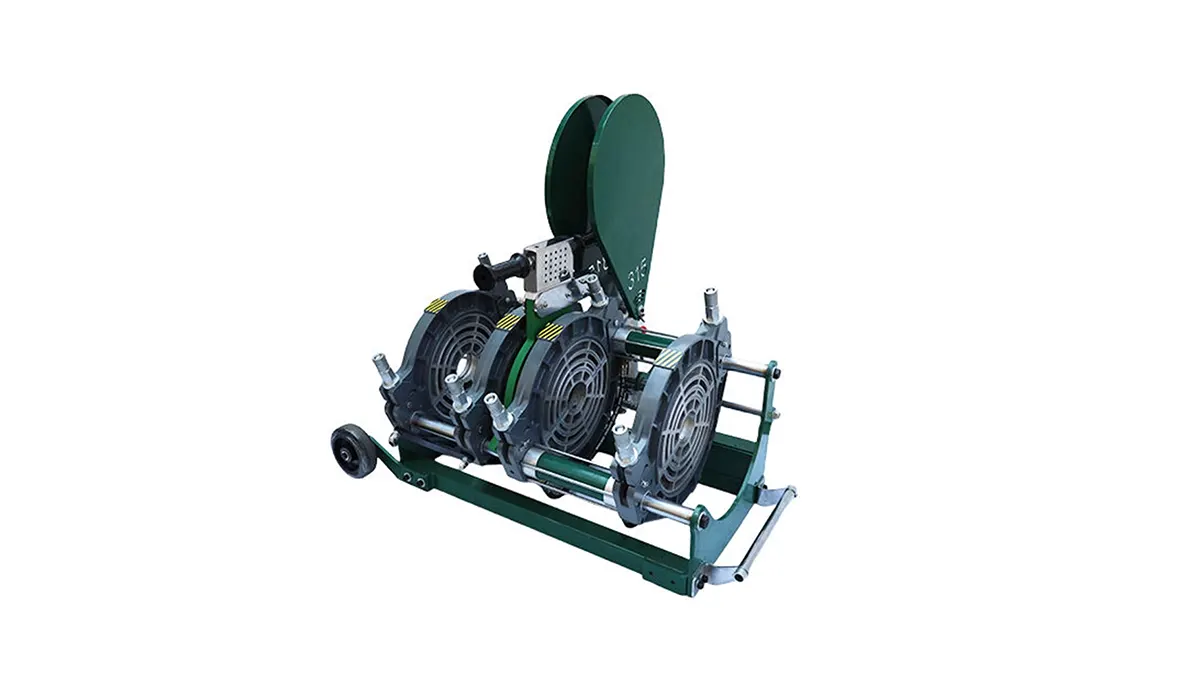
JQA315mm Automatic Butt Fusion Welding Machine
View Details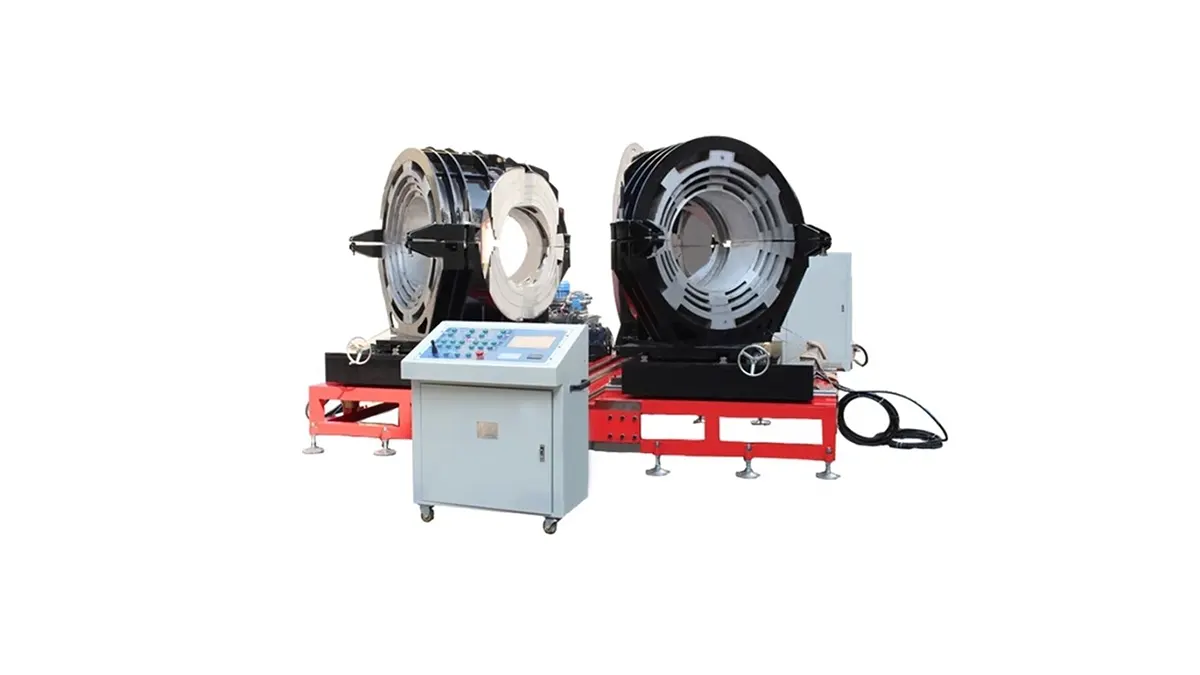
JQMA800 Multi-Angle Pipe Fitting Welding Machine
View Details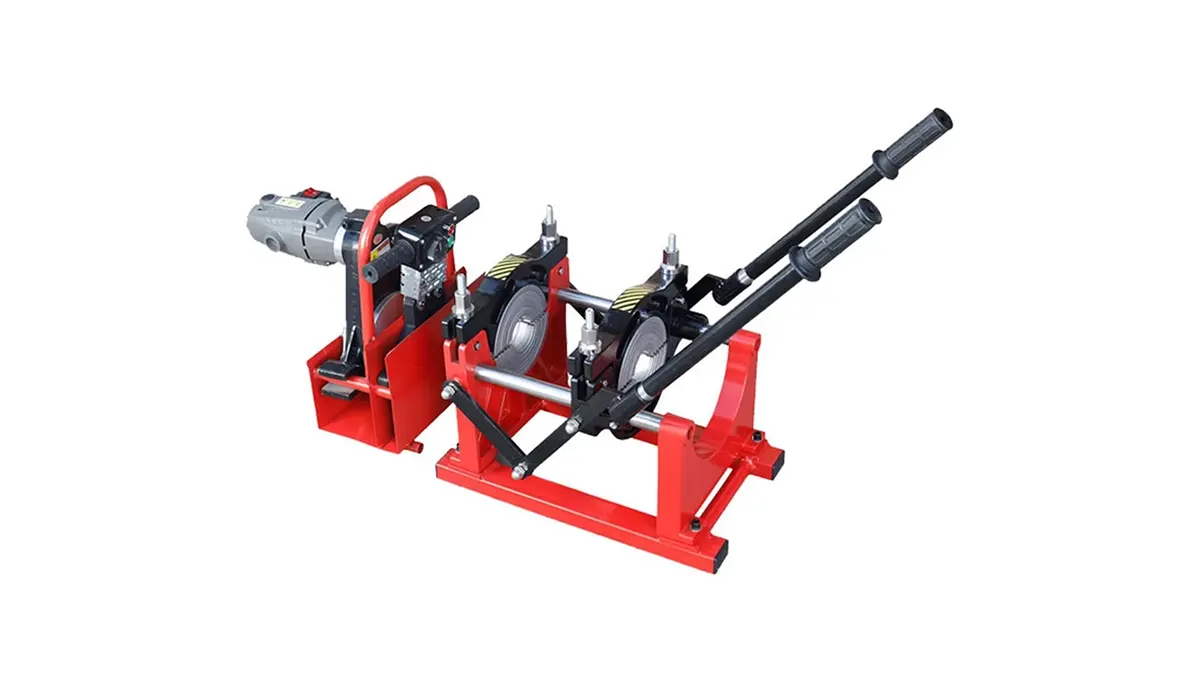
JQST Manual Butt Fusion Welding Machine
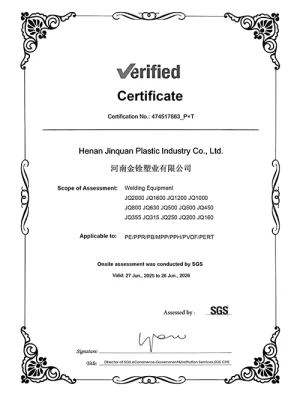
View DetailsCertified Manufacturing Excellence
Equipment engineered in conformity with ISO 12176-1 and audited under strict international quality control bodies.
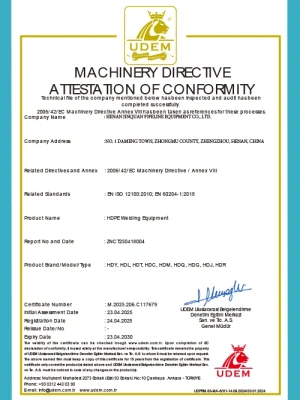
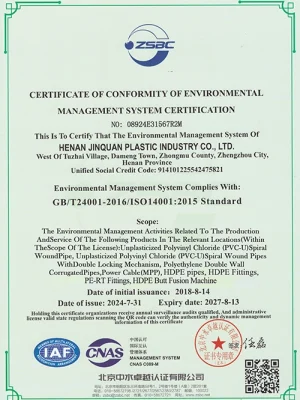
Pipeline engineering integrity demands strict verification of all equipment tolerances. In compliance with ISO 12176-1 PE butt fusion equipment standard, our butt fusion equipment undergoes multi-point testing protocols prior to shipping. This includes heating mirror temperature uniformity cross-mapping (ensuring variations stay within ±3°C), hydraulic sealing integrity under maximum continuous pressure, frame flexure resistance, and electrical insulation compliance.
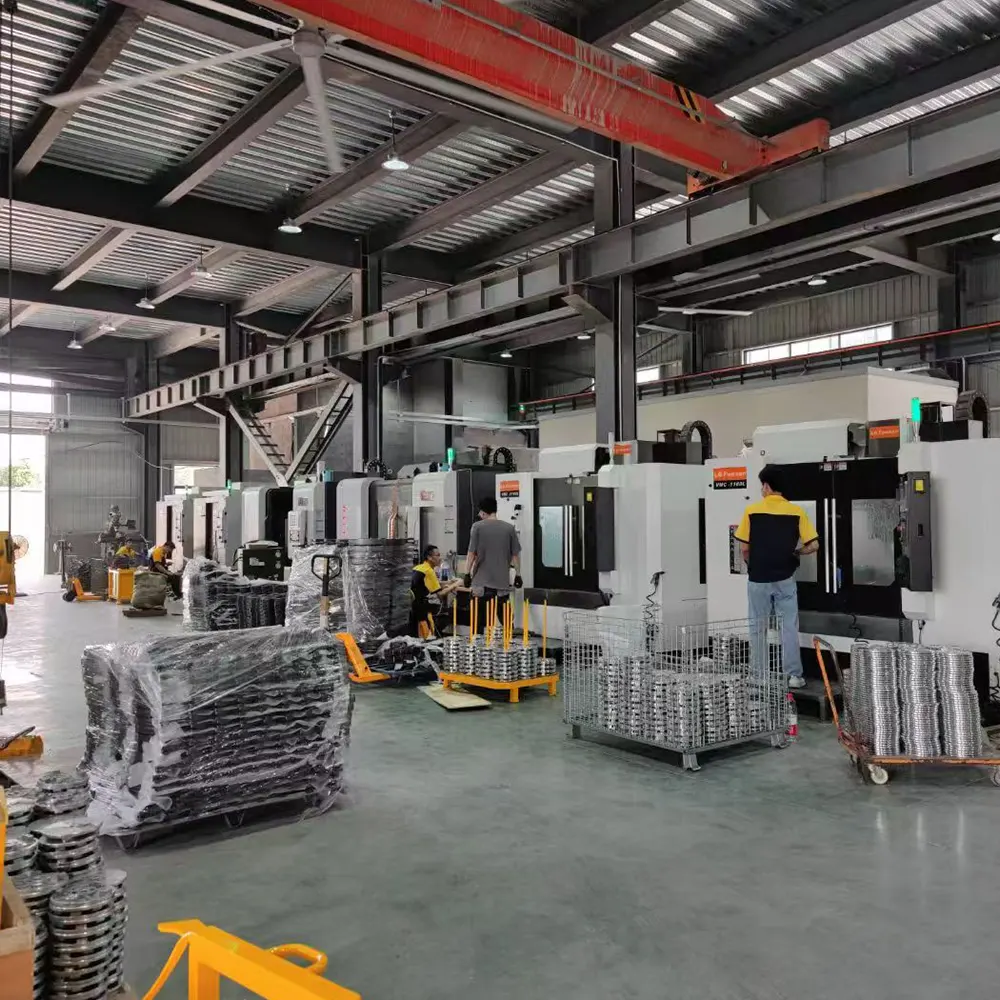
Global Manufacturing & Strategic Warehouse
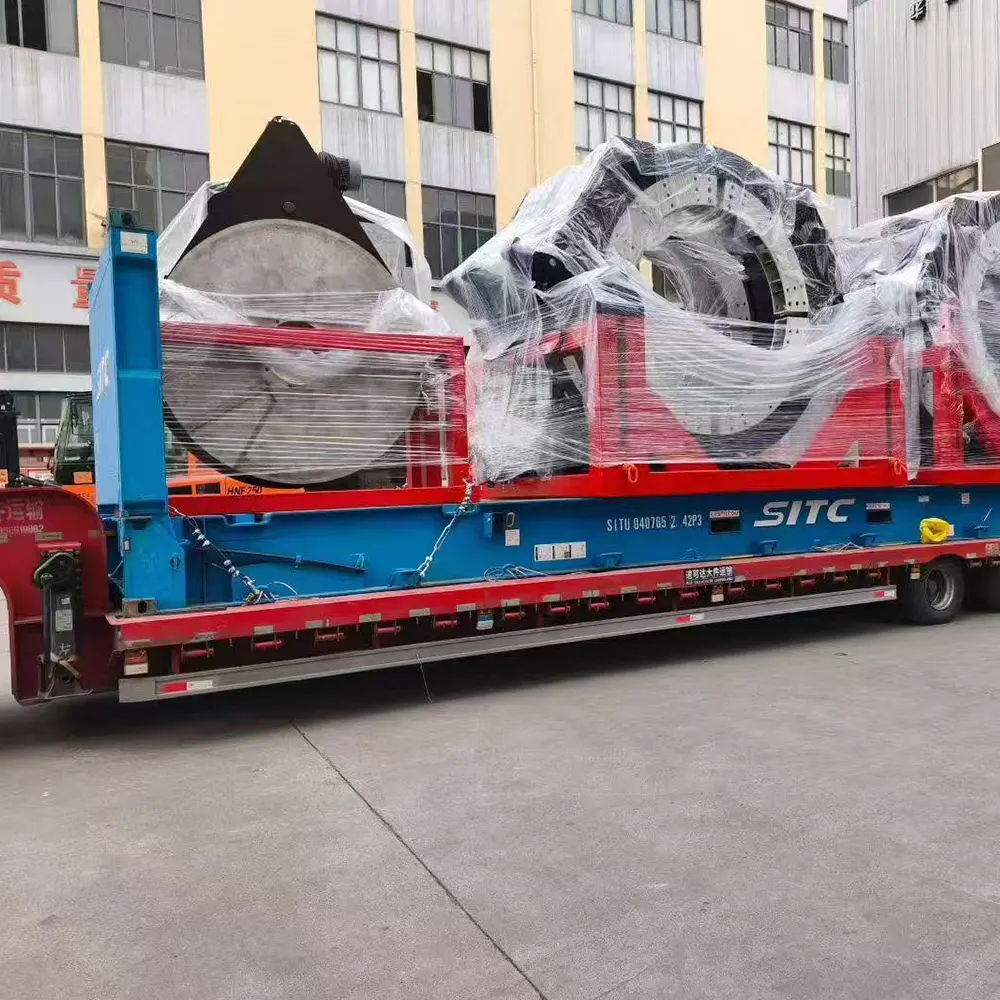
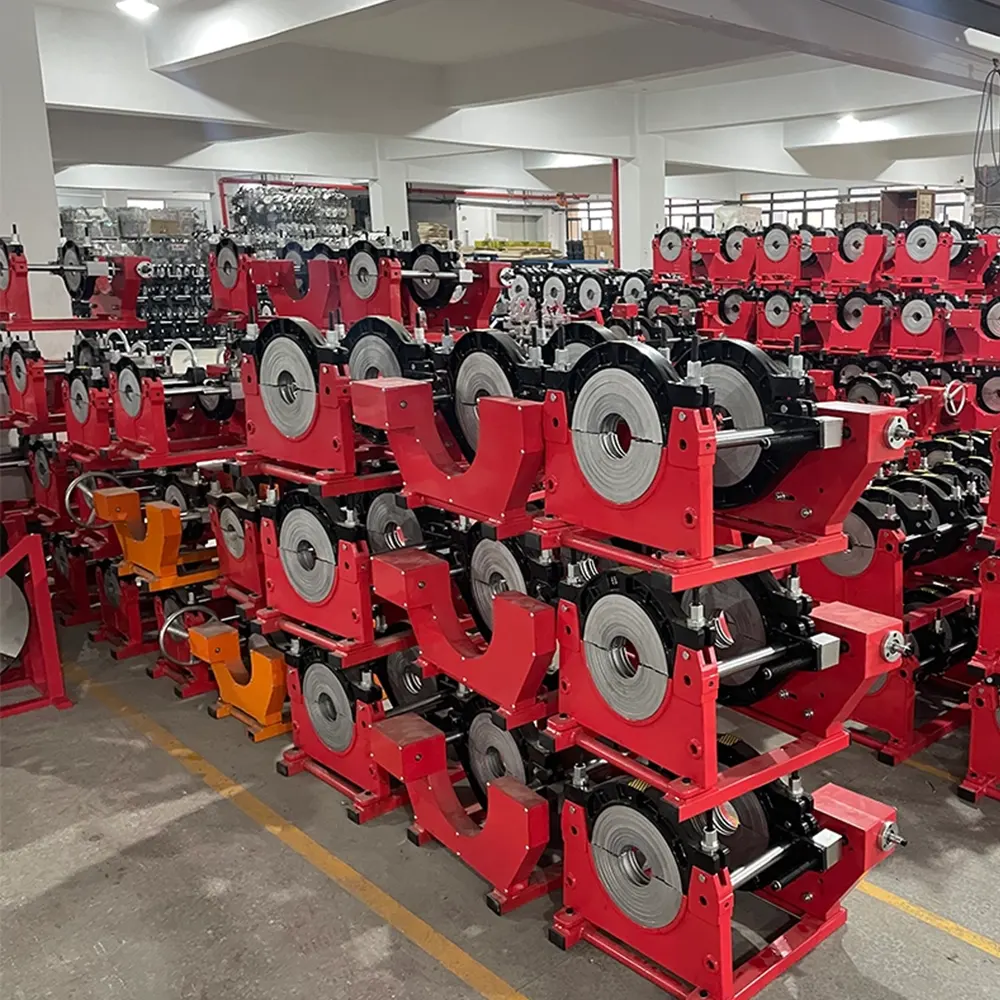
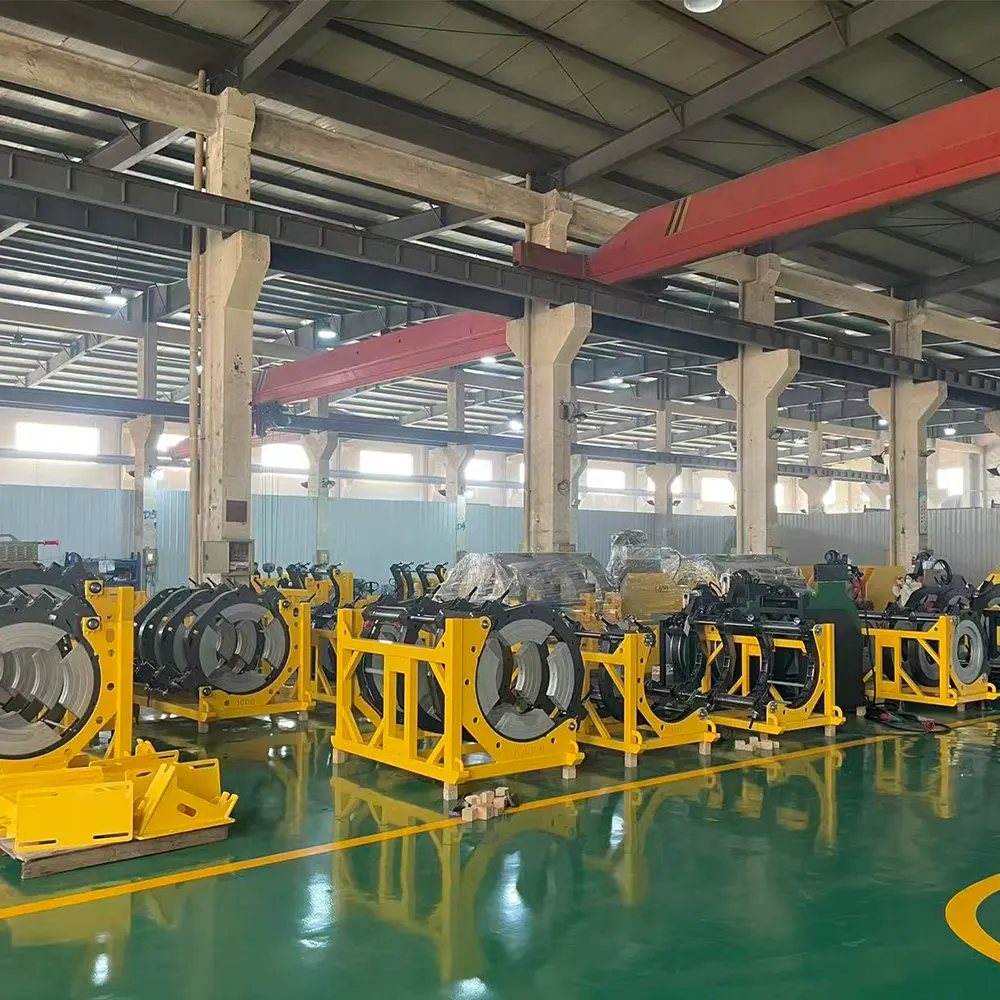
Over 500+ standard butt fusion units stocked for rapid project mobilization and quick global dispatch.
Project deadlines require reliable machinery supplies. As a primary manufacturer of thermoplastic welding equipment, JQ-Fusion maintains an extensive reserve of manual, hydraulic, and workshop fitting machines. Through lean modular assembly processes, customized clamp inserts, power units, and custom voltage configurations can be tailored and shipped with minimal lead times.
Engineering & Operation FAQs
Key operational and maintenance queries answered by fusion welding specialists.
How does ambient temperature affect butt fusion welding?
Extreme ambient cold or wind increases heating plate heat dissipation and accelerates cooling rates. In sub-zero conditions or strong breezes, windbreaks, heated welding shelters, and extended heat soak cycles may be required in accordance with PPI technical guidance.
What is the difference between Butt Fusion and Electrofusion?
Butt fusion directly joins two pipe ends without additional fittings by heating and fusing under pressure. Electrofusion uses specialized socket fittings with embedded electrical wire coils to melt the interface, which is ideal for tight trench repairs and smaller diameters.
Why is measuring drag pressure necessary?
Drag pressure is the hydraulic effort needed to slide the moving pipe segment across the soil or rollers. Failing to add drag pressure to the calculated theoretical fusion pressure will result in inadequate interface joining force and joint weakness.
Can different SDR (Standard Dimension Ratio) pipes be butt-welded?
Pipes with differing wall thicknesses (different SDRs) must not be directly butt-welded without machining a transition taper (1:4 to 1:5 chamfer) or utilizing intermediate transition fittings to ensure uniform heat distribution and bead geometry.
Optimize Your Pipeline Welding Operations Today
Whether you require advice on specialized pipe diameters, project tenders, custom OEM color and frame configurations, or direct factory pricing, our engineering specialists are available 24/7.
