Working with polyethylene (PE) gas pipelines demands a plastic pipe welder that delivers consistent, high-integrity joints under strict safety and performance standards. Gas distribution networks rely on leak-free fusion, making the choice of welding equipment one of the most critical decisions on any project site. This guide explores the machine types, essential features, and practical buying considerations that help contractors, utility teams, and project managers select the most suitable solution for PE gas piping systems.
Why Gas Pipelines Need Specialized Plastic Pipe Welders
Gas distribution piping operates under long-term pressure, and any joint failure can have severe consequences. Unlike water or drainage networks, gas systems are governed by comprehensive international codes, including PE gas piping systems (ISO 4437 series) and ASTM D2513 PE gas pipe. A dedicated plastic pipe welder for gas pipelines must provide precise temperature control, uniform alignment, and documented joint traceability. Field crews working on natural gas mains, service lines, and distribution laterals need machines that minimize operator error while meeting regulatory inspection requirements.
Primary Types of Plastic Pipe Welders for Gas Networks
Gas utilities and contractors typically choose between two major fusion methods, each suitable for different pipe diameters and job site conditions.
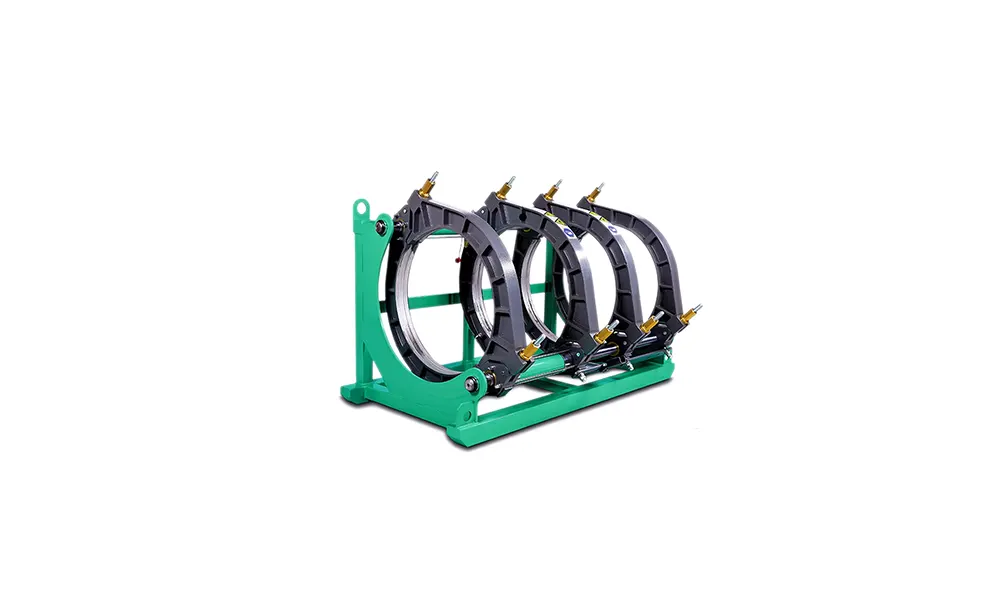
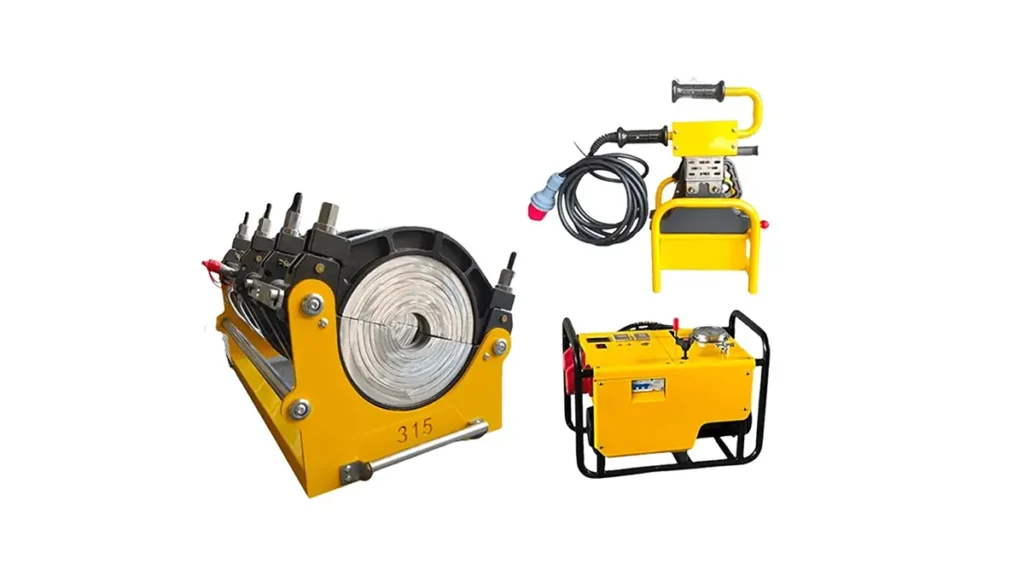
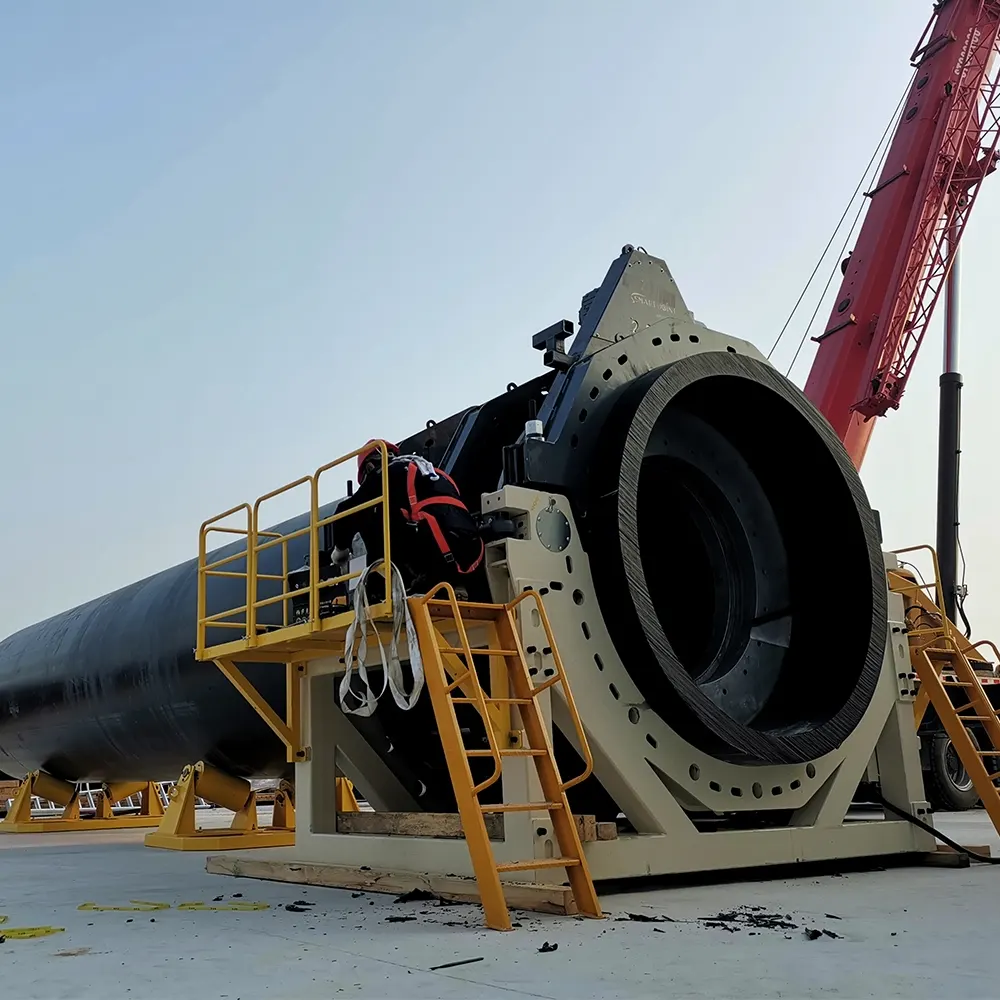
- Butt Fusion Welding Machines: The dominant method for joining PE pipes from 63 mm up to large-diameter transmission mains. These machines heat pipe ends against a precision-controlled plate, then fuse them under controlled pressure. For gas applications, hydraulic butt fusion welding machines are widely preferred because they deliver the high and consistent force required to meet ISO 21307 butt fusion procedures.
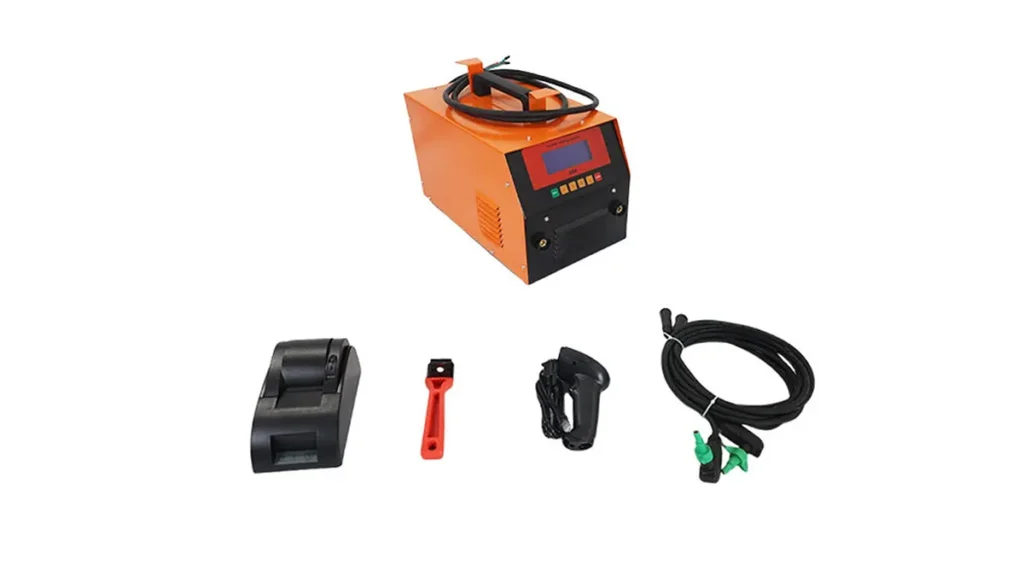
- Electrofusion Welders: Used for service connections, repair saddles, and smaller-diameter pipe joining. Electrofusion fittings contain embedded heating coils that melt the interface when energized by a controlled electric current. Modern electrofusion equipment with barcode scanning and data logging is increasingly common in gas distribution to ensure each joint meets the qualified parameter set.
Critical Features to Evaluate
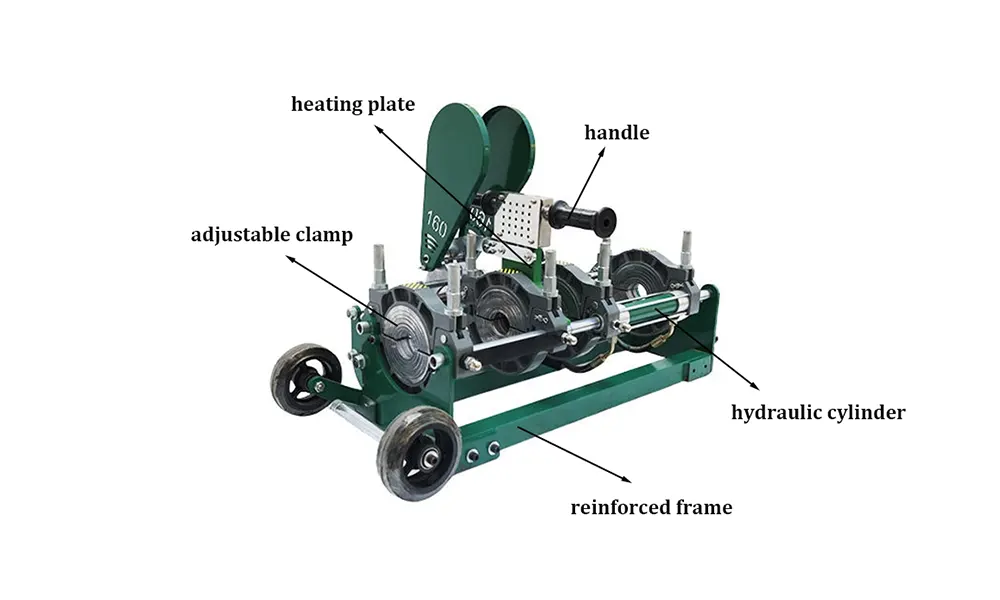
When sourcing a plastic pipe welder for gas pipelines, the following features separate professional-grade equipment from general-purpose machinery.
- Precision Temperature Control: The heater plate must maintain a stable temperature within ±5°C, with a digital display that enables continuous monitoring. Temperature deviation directly affects fusion strength and long-term resistance to slow crack growth in gas pipes.
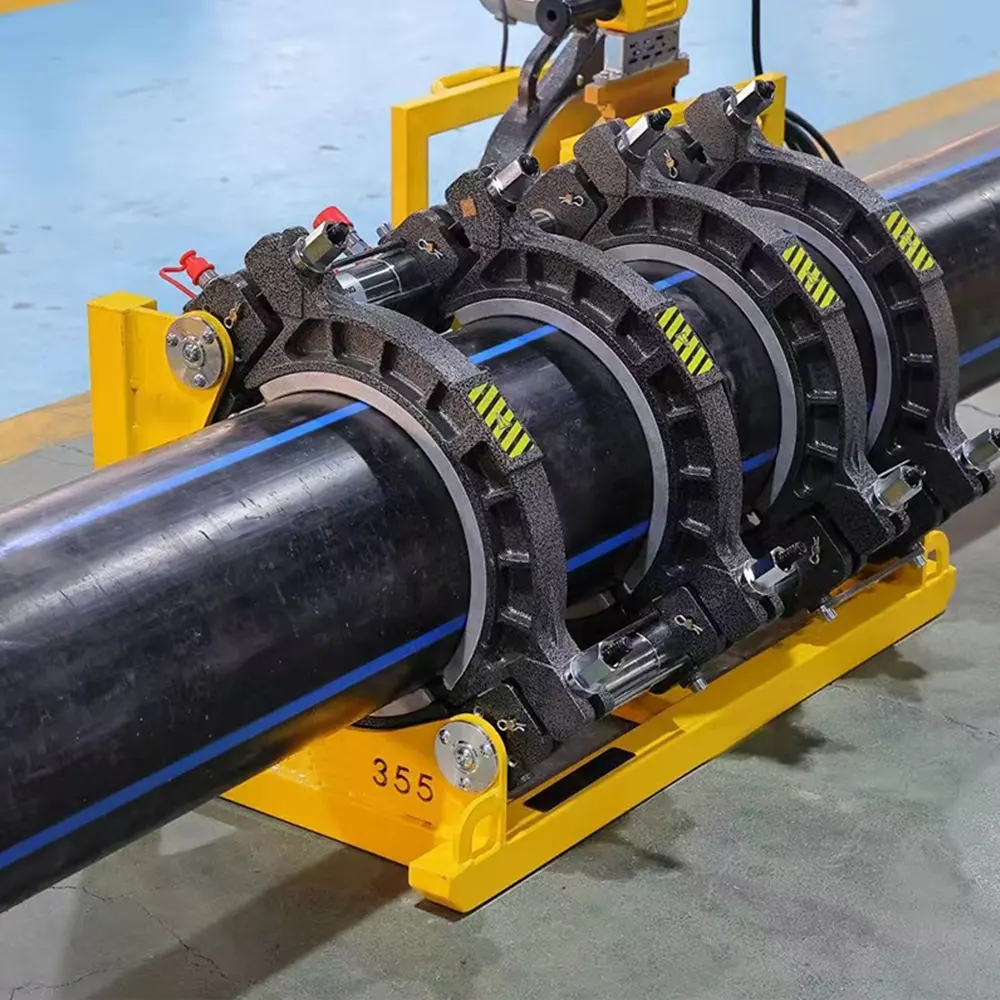
- Rigid Frame and Clamp Alignment: High-quality aluminum or steel clamps with multi-point jaw design prevent pipe slippage during the critical cooling phase. Look for machines whose alignment can be verified on-site against PE butt fusion equipment standard.
- Data Recording and Traceability: Leading gas utilities now require joint logs with pressure, temperature, and time records. Automatic models with onboard data storage or USB export simplify compliance with PPI TN-73 fusion qualification requirements.
- Pressure Regulation and Force Output: Hydraulic units must deliver steady, controllable pressure throughout the entire fusion cycle. Insufficient or fluctuating pressure leads to cold welds that are unacceptable for gas service.
- Portability and Field Durability: Many gas pipeline projects take place in remote or rough terrain. Compact, wheel-mounted frames and protective cases for electrical components increase productivity and reduce downtime.
Manual, Hydraulic, and CNC Automatic Welders for Gas Projects
Contractors select the level of automation based on pipe size, joint count, and quality assurance demands.
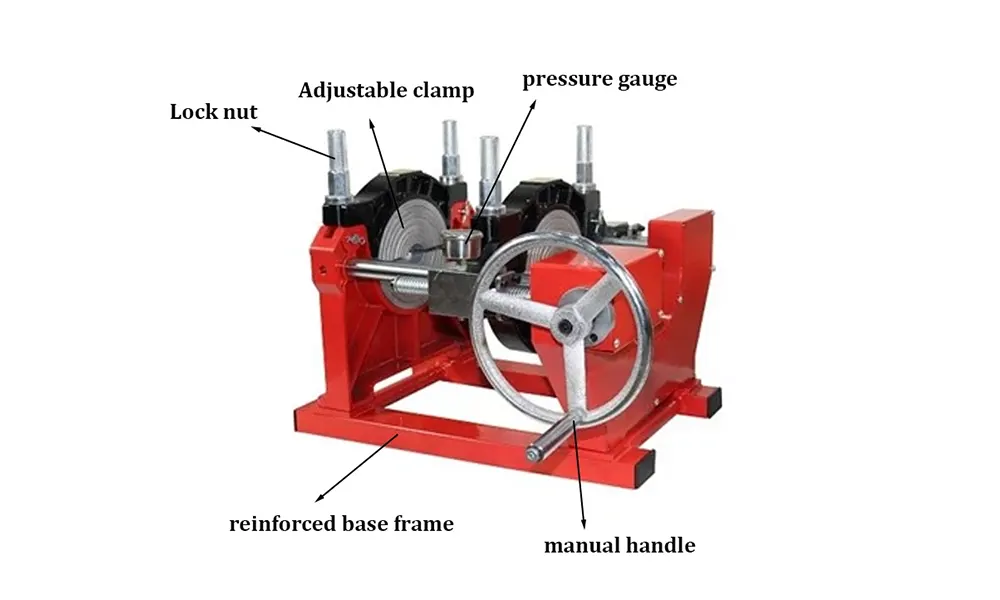
Manual Butt Fusion Machines are lightweight and cost-effective for small-diameter service lines, often up to 200 mm. They rely on operator skill to maintain fusion pressure through a lever mechanism and are frequently seen in residential gas connections.
Hydraulic Butt Fusion Machines provide the controllable force needed for diameters typically ranging from 160 mm to over 1200 mm. Hydraulic power ensures uniform interface pressure, making them the preferred choice for gas distribution mains. These machines can be equipped with data loggers to record every parameter.
CNC Automatic Butt Fusion Welders automate the full heating and fusion cycle. The system reads pipe material and dimension data, calculates the correct welding parameters, and executes the joint without requiring constant operator intervention. For large gas transmission projects, CNC automatic butt fusion machines significantly reduce human error and produce highly consistent results accepted by major gas utilities.
| Machine Type | Typical Pipe Range | Key Advantage for Gas |
|---|---|---|
| Manual Butt Fusion | 63 mm – 200 mm | Low cost, quick setup for service lines |
| Hydraulic Butt Fusion | 160 mm – 1200+ mm | Controlled force, data recording capable |
| CNC Automatic Butt Fusion | 160 mm – 1600 mm | Programmable cycles, full traceability |
| Electrofusion | 20 mm – 1200 mm | Ideal for repairs, tees, and tight excavations |
Regulatory Standards That Impact Equipment Choice
Gas pipeline fusion must follow established international and local codes. Compliance is not optional — utility inspectors will check that the equipment and procedures align with recognized guidelines.
- ISO 4437 series defines PE piping systems for gaseous fuels, driving material and joint integrity requirements.
- ASTM F2620 provides the standard practice for heat fusion joining of PE pipe and fittings, referenced in many US gas utility specifications.
- PPI TN-51 and TR-33 offer detailed technical guidance and generic butt fusion procedures widely adopted by gas distribution companies.
- Operator qualification under PE fusion operator requirements ensures that even the best machine produces code-compliant joints only when used by trained personnel.
Buying Guide: How to Choose the Right Plastic Pipe Welder
When purchasing a plastic pipe welder for gas pipelines, evaluate the whole cost of ownership, not just the upfront price.
- Define Your Diameter Scope: Match the machine’s clamping range to the majority of your gas pipeline work. It is common to own a smaller manual or electrofusion unit for services, plus a hydraulic or automatic machine for main lines.
- Prioritize Serviceability and Spare Parts: With gas work, machine downtime is costly. Choose a supplier that can rapidly ship heater plates, clamps, and hydraulic components.
- Confirm Data Logging Features: If your contracts require joint-by-joint documentation, select a machine with integrated data export. Retrofitting data systems later is rarely practical.
- Check Track Record on Gas Projects: Request references from gas utilities or contractors who have used the same model for similar pressure ratings and ambient conditions.
- Ask About Customization and Branding: Some manufacturers offer OEM solutions, customized clamp sets, and branded machine panels to align with fleet requirements. For tailored configurations, experienced suppliers such as JQ-Fusion provide design flexibility for distribution network projects.
Maintaining Your Plastic Pipe Welder for Long-Term Reliability
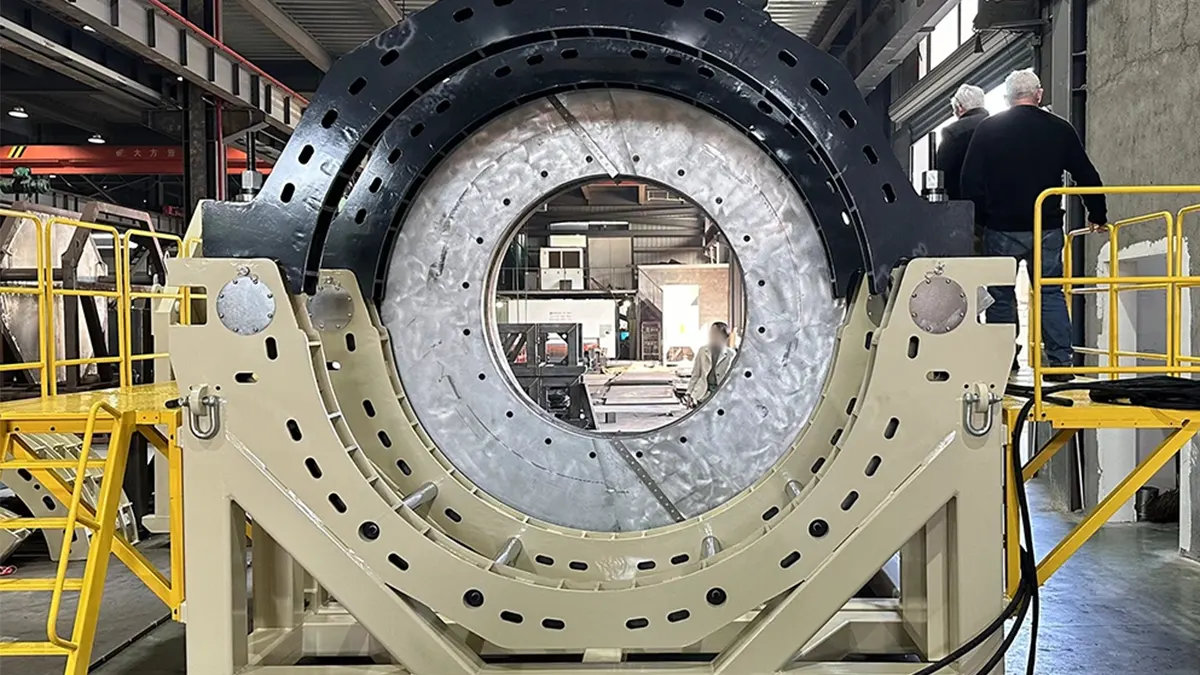
Even the most robust machine requires routine calibration and care to stay within gas-pipeline quality limits. Clean the heater plate surface daily, verify the temperature with a calibrated pyrometer weekly, and inspect hydraulic hoses and connections for leaks. Following the PPI technical guidance for periodic maintenance will extend the service life of your equipment and maintain consistent joint strength.
Selecting the right plastic pipe welder for gas pipelines is an investment in safety, compliance, and productivity. By focusing on fusion type, machine features, standards alignment, and reliable after-sales support, gas distribution professionals can build a fleet that delivers strong, traceable welds year after year.