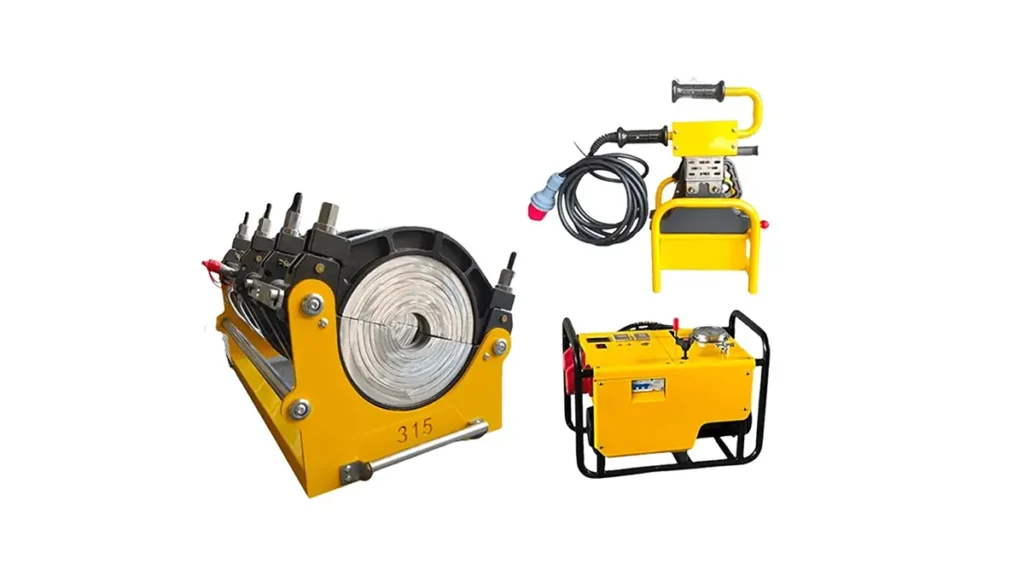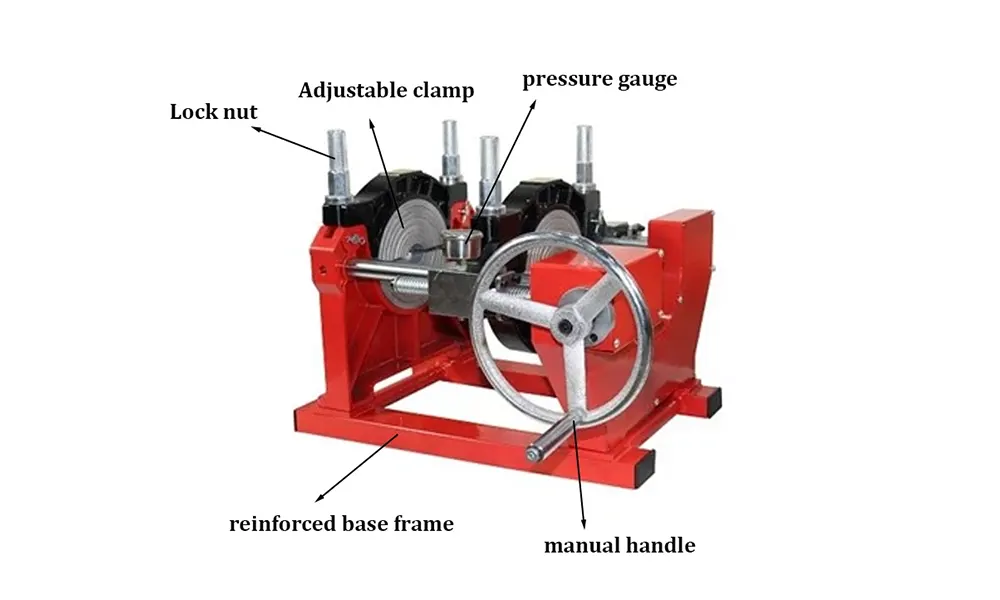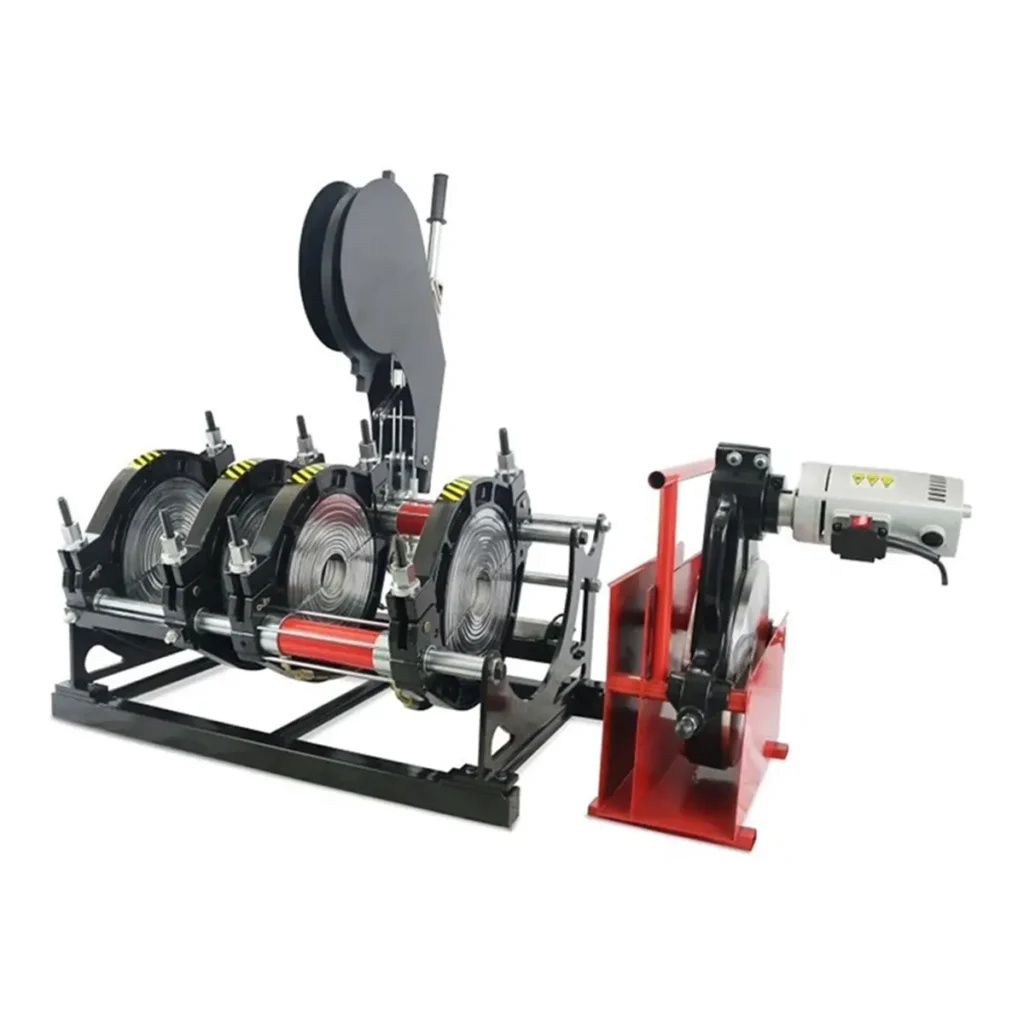
Electrofusion welding has revolutionized the way polyethylene (PE) piping systems are joined, offering unmatched reliability in critical infrastructure projects. Unlike traditional methods that rely heavily on operator skill, this controlled electrical process delivers consistent, leak-free connections, making it indispensable for modern pipeline networks. Understanding the core advantages of electrofusion welding is essential for engineers and contractors seeking to enhance project longevity and safety.
Key Benefits Driving the Adoption of Electrofusion
The growing preference for electrofusion in sectors like gas distribution and water supply stems from its distinct technical advantages. By embedding heating coils directly into the fitting, the process ensures a uniform melt and joint integrity that is difficult to replicate with conventional butt fusion in constrained environments. Below are the primary benefits that define its value proposition.
1. Precision and Automated Control
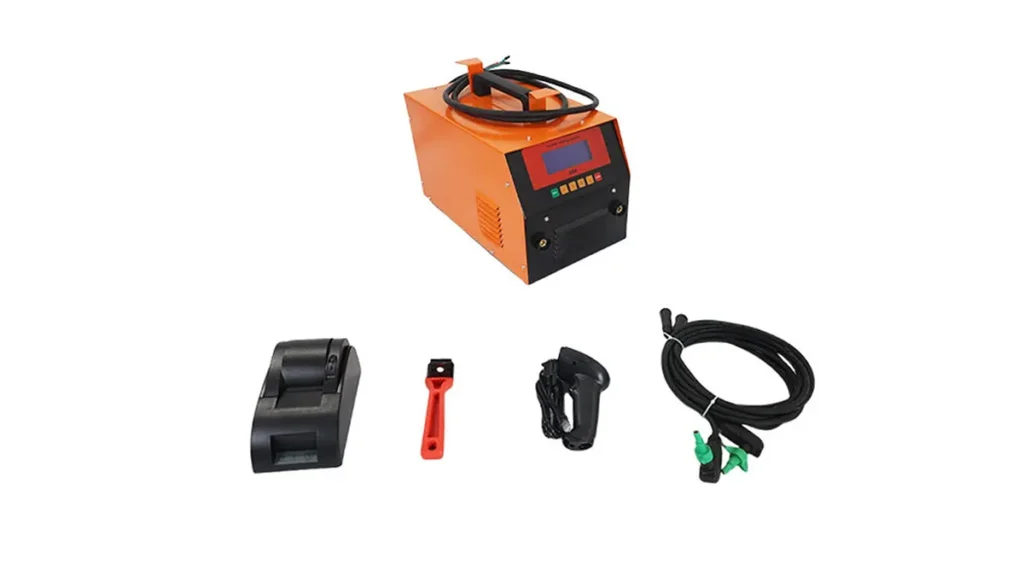
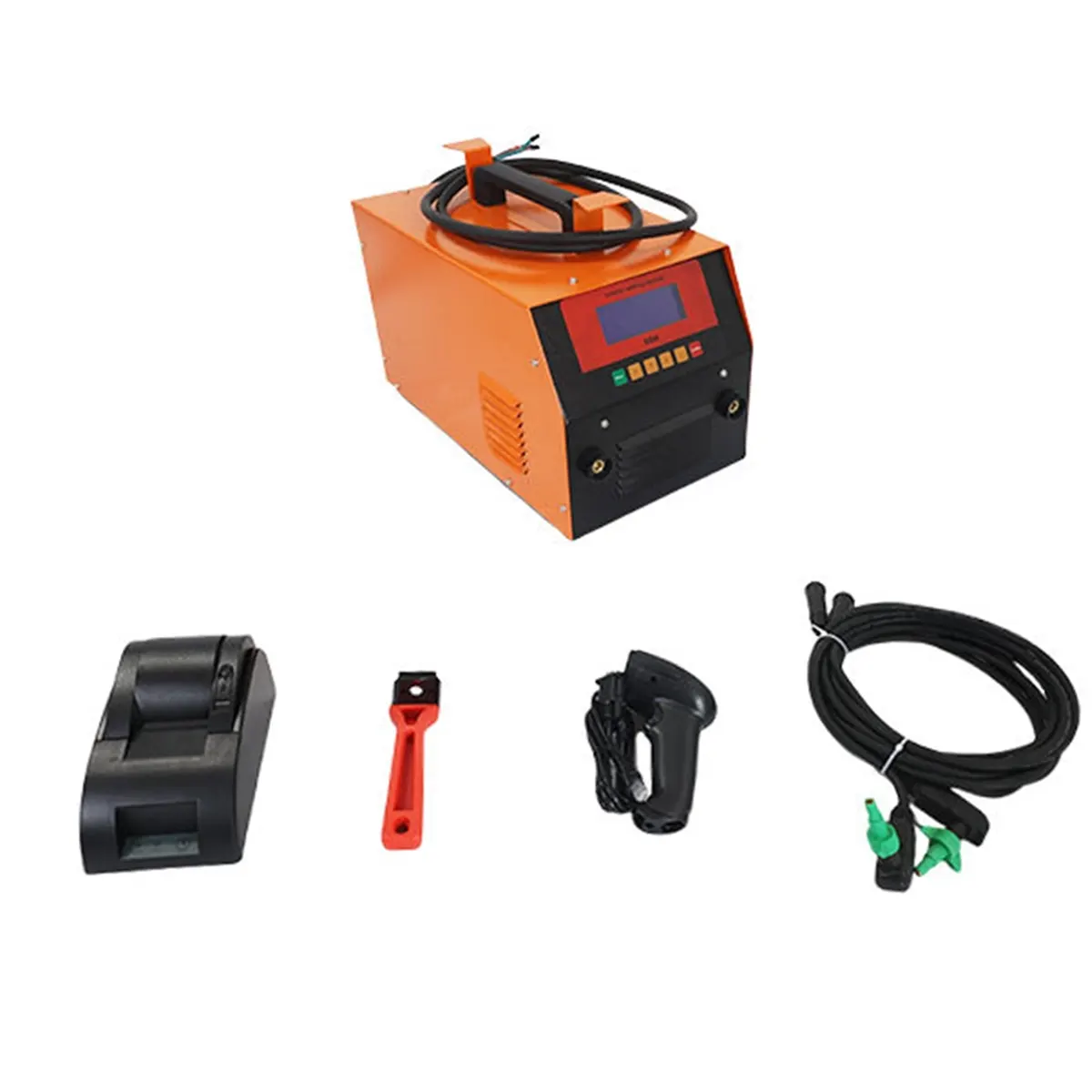
Modern electrofusion machines utilize barcode scanning or automatic parameter recognition to set precise welding times and voltages. This minimizes human error and ensures that every joint is executed according to the manufacturer’s strict specifications. The result is a consistent homogeneous bond between the pipe and fitting, critical for high-pressure applications.
2. Superior Performance in Restricted Spaces
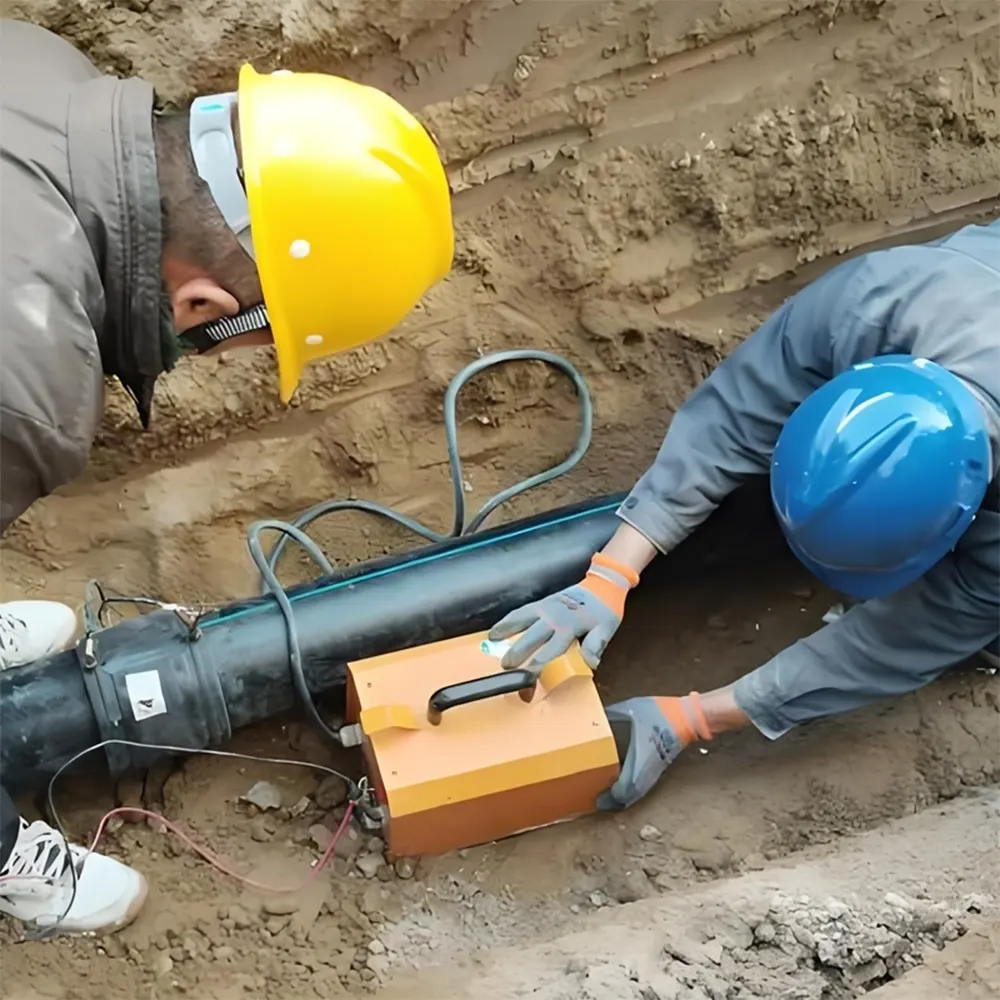
In tight trenches, repair clamps, or congested valve chambers, large butt fusion machines simply cannot maneuver. Electrofusion fittings require minimal lateral space, allowing operators to execute joints where conventional equipment is impractical. This flexibility significantly reduces excavation requirements and restoration costs, a crucial factor in urban infrastructure projects.
3. Intrinsic Safety and System Integrity
The PE electrofusion equipment standard mandates rigorous design validations to ensure fusion performance. The process eliminates the need for complex mechanical clamping forces, reducing the risk of pipe wall damage. Furthermore, many advanced fittings feature visual melt indicators, providing immediate, non-destructive confirmation of a successful electrofusion jointing cycle.
4. Versatile Material Compatibility
Electrofusion technology effectively joins different grades or wall thicknesses of polyethylene, including PE80 and PE100. It is uniquely suited for connecting pipes to pre-fabricated tapping tees and service saddles. This adaptability makes it the preferred method for service connections and emergency repairs, as detailed in the PPI electrofusion guide.
Critical Applications Across Industries
The unique advantages of electrofusion welding make it the standard choice for specific scenarios where safety and longevity are non-negotiable. Its application spectrum continues to expand as pipeline materials evolve.
| Industry Sector | Typical Electrofusion Applications |
|---|---|
| Gas Distribution | Service connections, saddle tapping, and repairs under the ASTM F1290 electrofusion framework. |
| Water & Wastewater | Large-diameter trunk mains, rehabilitation, and slip-lining terminations where tight seals are essential. |
| Industrial & Mining | Joining PE-lined steel pipes and fabricating custom spools for abrasive slurry transport. |
Best Practices for Flawless Electrofusion Joints
While automation reduces risks, adherence to strict protocol remains the pillar of joint quality. To fully leverage the advantages of electrofusion welding, operators must prioritize surface preparation and environmental controls. Incorporating these best practices ensures compliance with global PE pipe fusion standards.
- Scrupulous Surface Preparation: Oxide layers must be completely removed using a purpose-built rotary peeling tool immediately prior to fusion. Do not scrape pipes in advance; freshly peeled surfaces ensure optimal molecular diffusion.
- Avoiding Contamination: Clean the peeled surface and fitting interior with approved isopropyl alcohol wipes. Never touch prepared surfaces with bare hands, as oil contamination causes microscopic fusion voids.
- Managing Pipe Ovality: Use proper rounding clamps and re-rounding tools to ensure tight coaxial alignment between the pipe and fitting. Gaps create stress points that compromise long-term creep resistance.
- Monitoring Cool-Down Periods: Do not disturb the assembly during the programmed cool-down cycle. Premature pressure testing or handling introduces shear stresses while the polyethylene is still semi-molten.
- Data Logging and Traceability: Utilize machines with USB or Bluetooth data export to maintain a permanent record of each joint’s parameters, aligning with PE fusion traceability requirements for audit trails.
Selecting the Right Equipment Partner
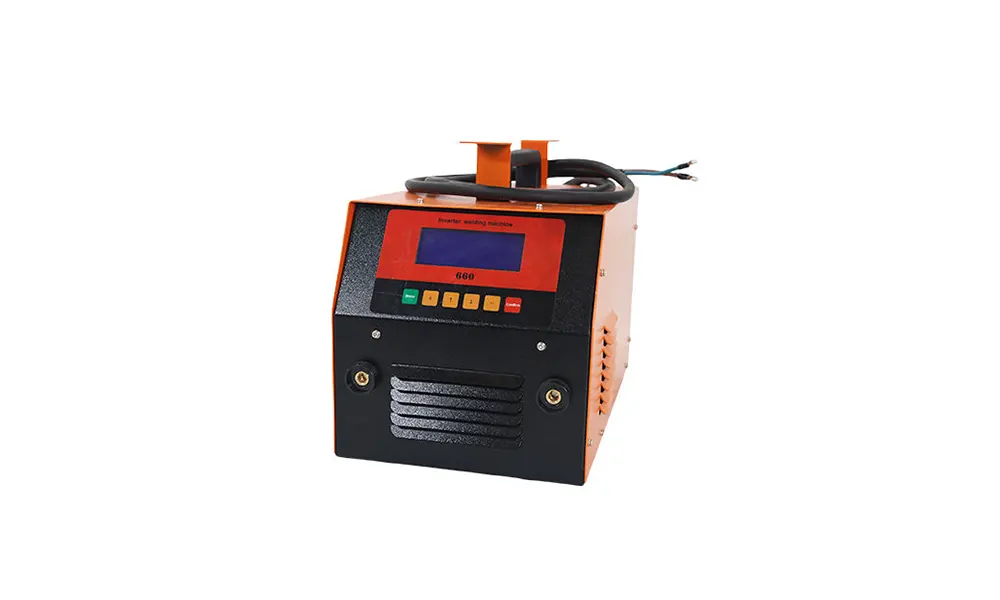
Investment in high-caliber professional electrofusion processors is a strategic decision. Leading equipment providers, such as JQ-Fusion, focus on delivering reliable machines that consistently execute complex barcode-controlled protocols. Their equipment undergoes rigorous testing to ensure temperature accuracy and stable output, guaranteeing that every joint meets stringent international standards. By integrating durable hardware with user-centric interfaces, contractors can minimize downtime and eliminate the risk of cold welds in the field.
Summarizing the Strategic Advantage
The migration towards electrofusion is driven by a demand for pipeline integrity and lifecycle cost reduction. While the initial fitting cost may be higher than standard butt-welded joints, the reduction in operator error, decreased excavation footprint, and the ability to create permanent, self-restrained connections offer unmatched long-term value. For network operators, the technology represents not just a joining method, but a comprehensive risk-management tool that delivers on the promise of zero-leak infrastructure.