
Ultimate Engineering Guide by a Premier HDPE Butt Fusion Machine Manufacturer
Discover in-depth engineering architectures, international welding standard protocols (ISO & ASTM), precision hydraulic operations, and OEM machinery solutions from JQ-Fusion — the world-trusted authority in heavy-duty thermoplastic pipeline fusion technology.
Thermoplastic Fusion Mechanics & Standard Adherence
High-Density Polyethylene (HDPE / PE100 / PE80) pipeline systems have become the global benchmark for modern municipal water networks, natural gas transmission lines, mining slurry discharge, and harsh industrial fluid conduits. The integrity of an entire pipeline depends fundamentally on the quality of its joint welds. As an established HDPE butt fusion machine manufacturer, JQ-Fusion designs equipment engineered around exact thermal, mechanical, and temporal parameters required to establish true molecular intermolecular entanglement across pipe interfaces.
Butt fusion welding is a thermo-mechanical jointing process wherein the clean, squared ends of two polyethylene pipes or fittings are heated against a calibrated PTFE-coated heating plate until an optimum melt bead forms. The heating element is rapidly retracted, and the molten pipe ends are forced together under precisely calculated hydraulic or manual interface pressures according to ISO 21307 butt fusion procedures and ASTM F2620 heat fusion standards.
When performed correctly with professional machinery conforming to PE butt fusion equipment standard (ISO 12176-1), the joint interface achieves 100% cross-weld tensile and burst strength equal to or exceeding the original pipe wall material, completely eliminating long-term leakage risks.
Understanding what is HDPE butt fusion requires appreciating the balance between heat absorption, melt viscosity, drag pressure compensation, and controlled cooling under pressure as outlined in authoritative PPI butt fusion procedure documentation.
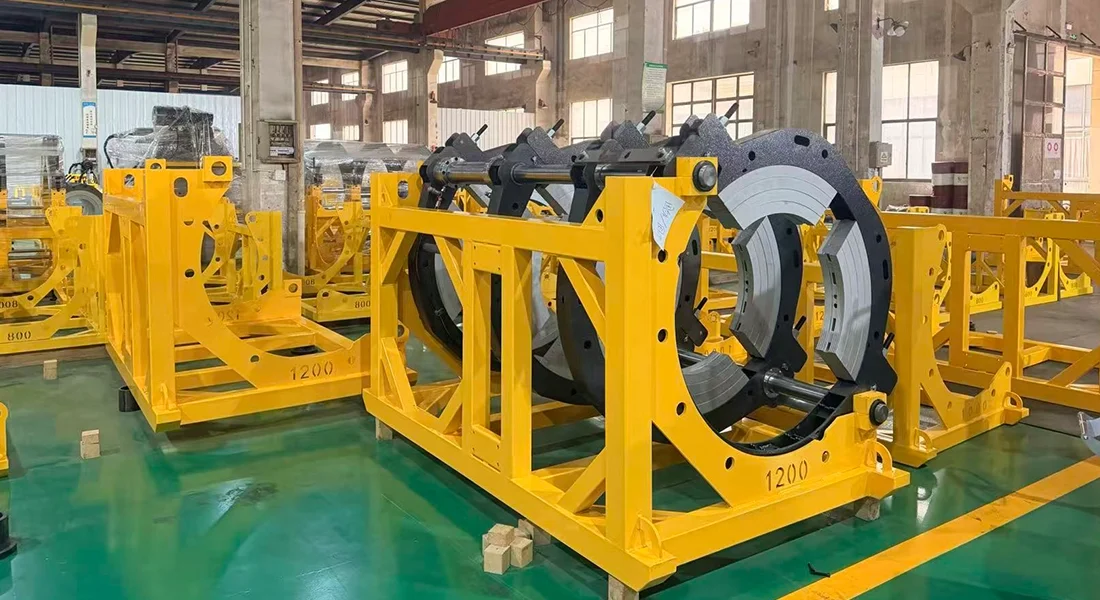
HDPE Butt Fusion Machine Types & Operational Categories
Selecting the right machine type depends on pipeline diameter, field trench conditions, operational power availability, and client traceability specifications. As a specialized butt fusion welding machine manufacturer, we classify our systems into three core operational tiers.
Hydraulic Butt Fusion Machines
The workhorse of utility contractors, utilizing an electric-driven hydraulic station with precision pressure control valves, digital gauge readouts, and robust 4-clamp chassis.
- Diameter Range: 50mm up to 2500mm (OD)
- System Pressure: 0 – 160 Bar with dynamic fine-tuning
- Applications: Municipal water, sewer trunk lines, heavy mining pipelines
- Key Benefit: High clamping force with steady hydraulic pressure maintenance during cooling
CNC Automatic Butt Fusion Machines
Fully automated PLC-controlled systems eliminating operator error. Automatically retrieves standard welding algorithms, controls timing, and logs full trace data.
- Diameter Range: 90mm up to 630mm (OD)
- Compliance: ISO 12176-4 data logging and ASTM protocols
- Features: Touchscreen UI, barcode scanning, USB joint data export
- Key Benefit: 100% auditable quality reports for high-pressure combustible gas pipelines
Manual & Multi-Angle Workshop Machines
Lightweight 2-clamp or 4-clamp manual units for tight trenches, paired with heavy multi-angle workshop machinery for bespoke elbow, tee, and cross fitting fabrication.
- Manual Range: 40mm up to 250mm
- Fitting Machine Range: 250mm up to 1600mm (Multi-Angle Series)
- Drive: Mechanical hand-wheel / hydraulic cylinders
- Key Benefit: Extreme portability or high-angle segmental pipe fabrication
Featured HDPE Fusion Welding Machinery Range
From small-scale plumbing lines to ultra-large diameter transcontinental intake pipelines, explore top-tier models manufactured at our dedicated production facilities.
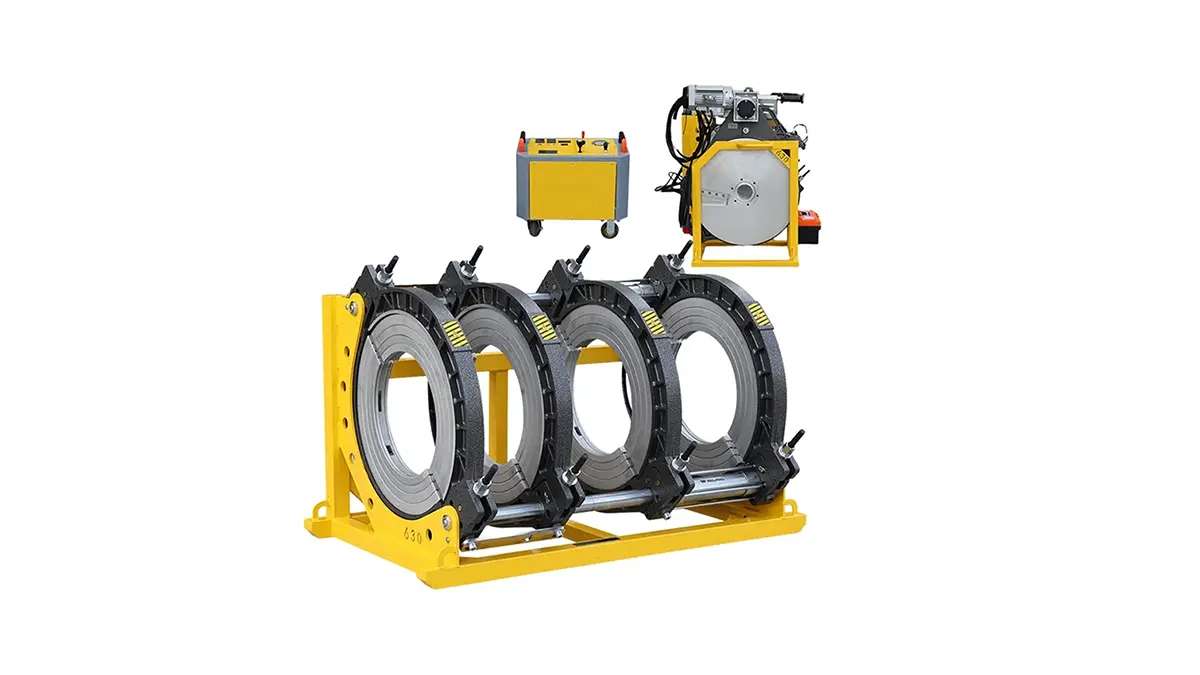
JQH630mm Hydraulic Butt Fusion Welding Machine
Welding Range: 315mm–630mm. Heavy-duty aluminum clamps with quick hydraulic couplers.
View Specifications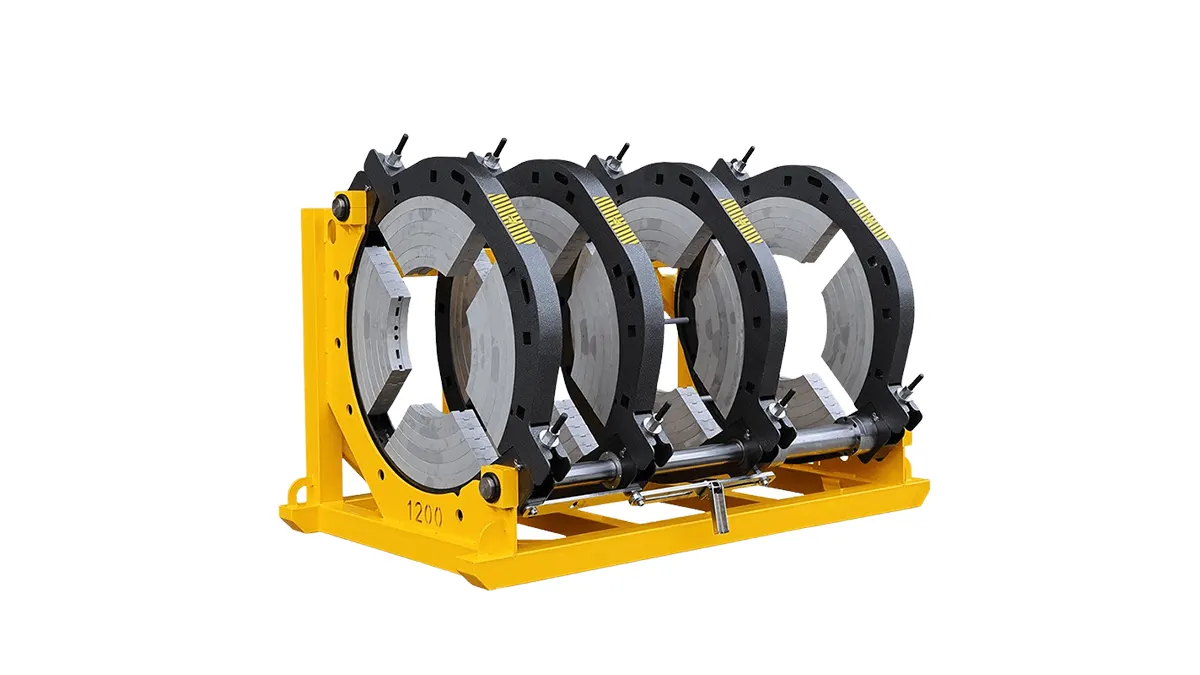
JQH1200mm Hydraulic Butt Fusion Welding Machine
Welding Range: 630mm–1200mm. Built for deep mining slurry lines and water mains.
View Specifications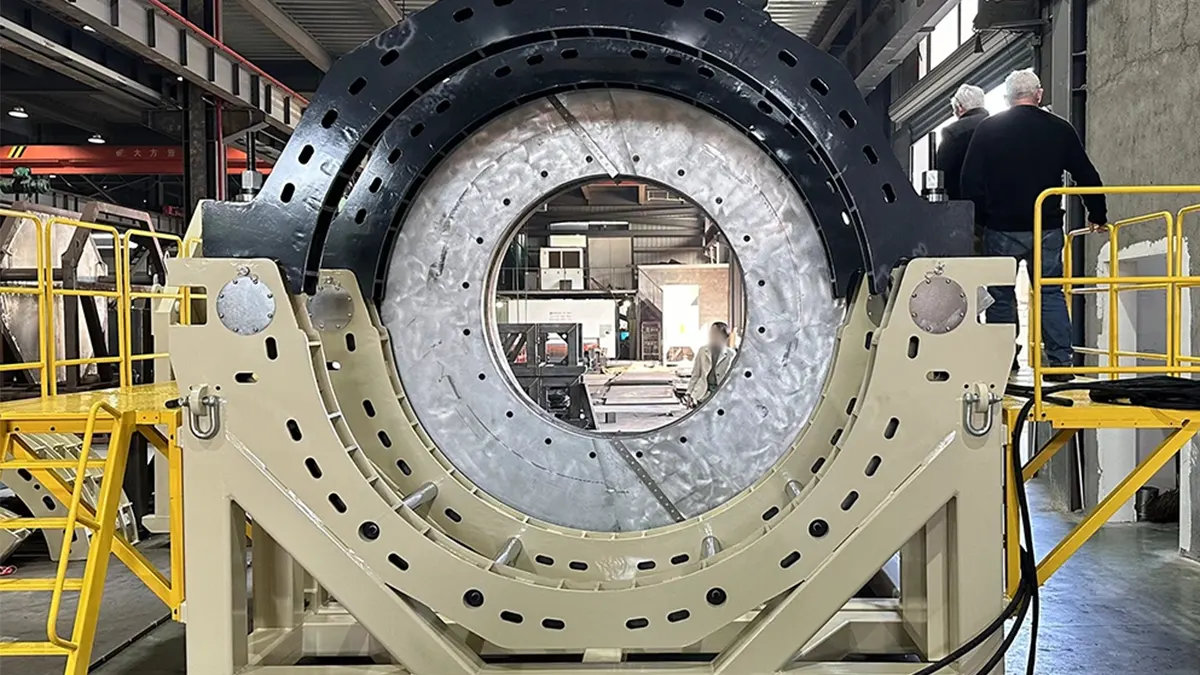
JQH2250mm Ultra-Large Hydraulic Fusion Machine
Welding Range: 1400mm–2250mm. Dual-cylinder reinforced chassis with electric crane hoist.
View Specifications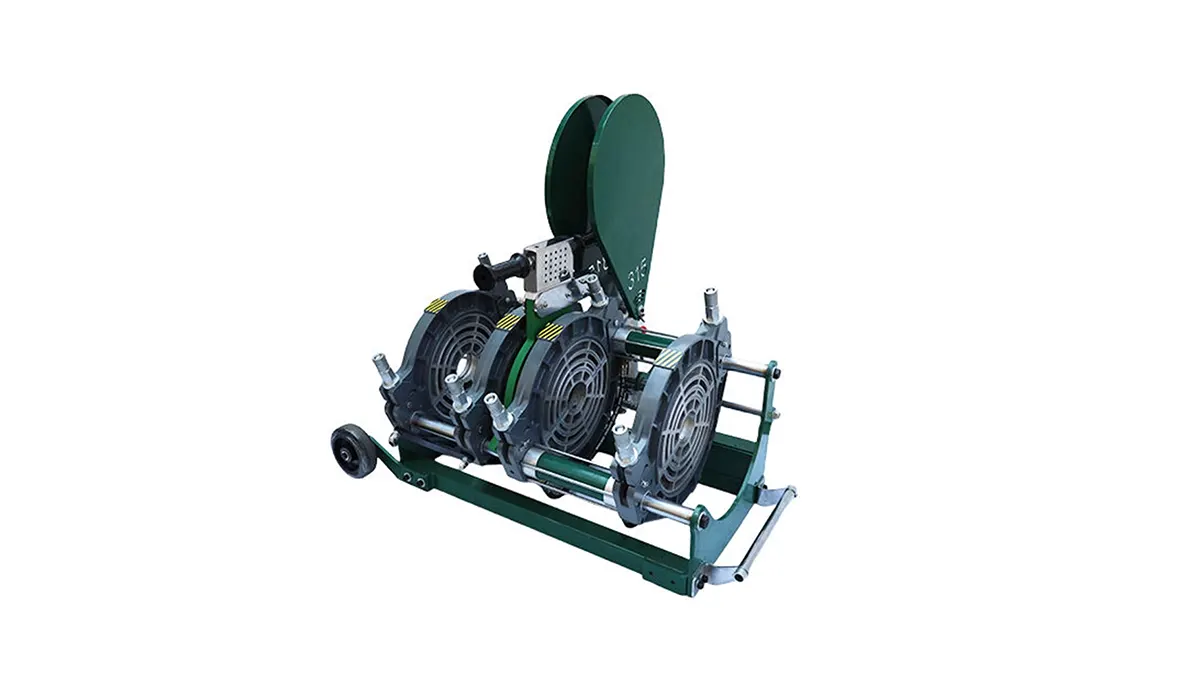
JQA315mm Automatic CNC Butt Fusion Machine
Welding Range: 90mm–315mm. Integrated sensor suite with automatic data recording.
View Specifications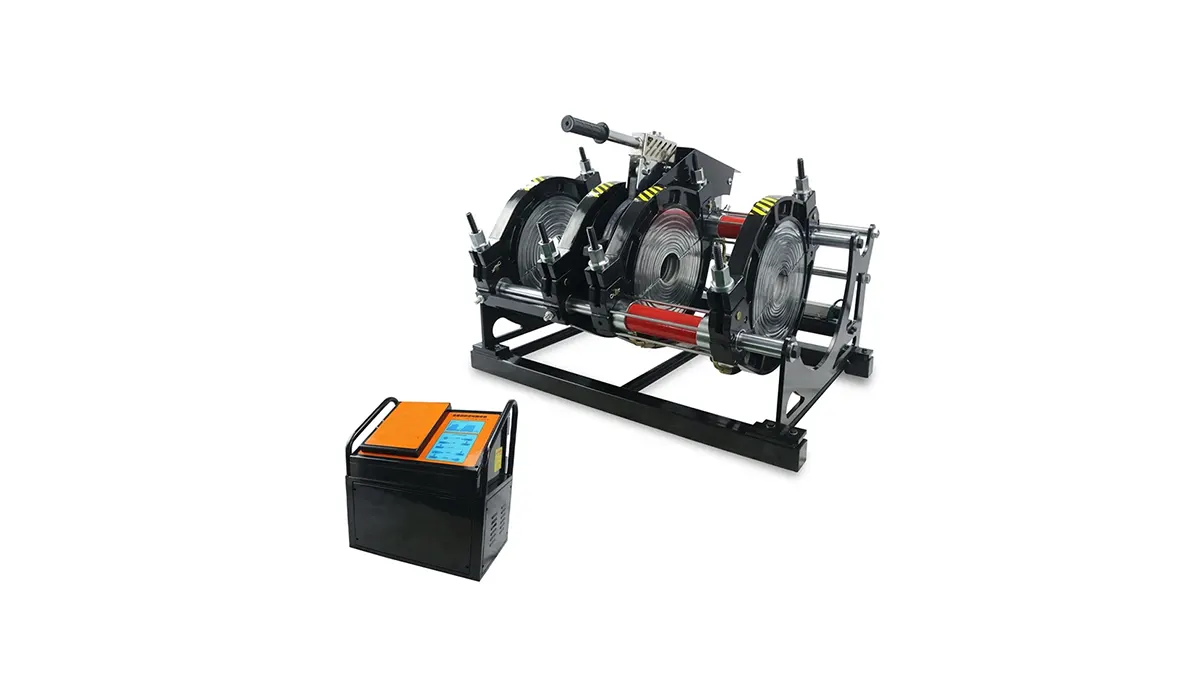
JQA630mm Automatic CNC Fusion Machine
PLC computerized control for gas pipeline networks requiring total traceable validation.
View Specifications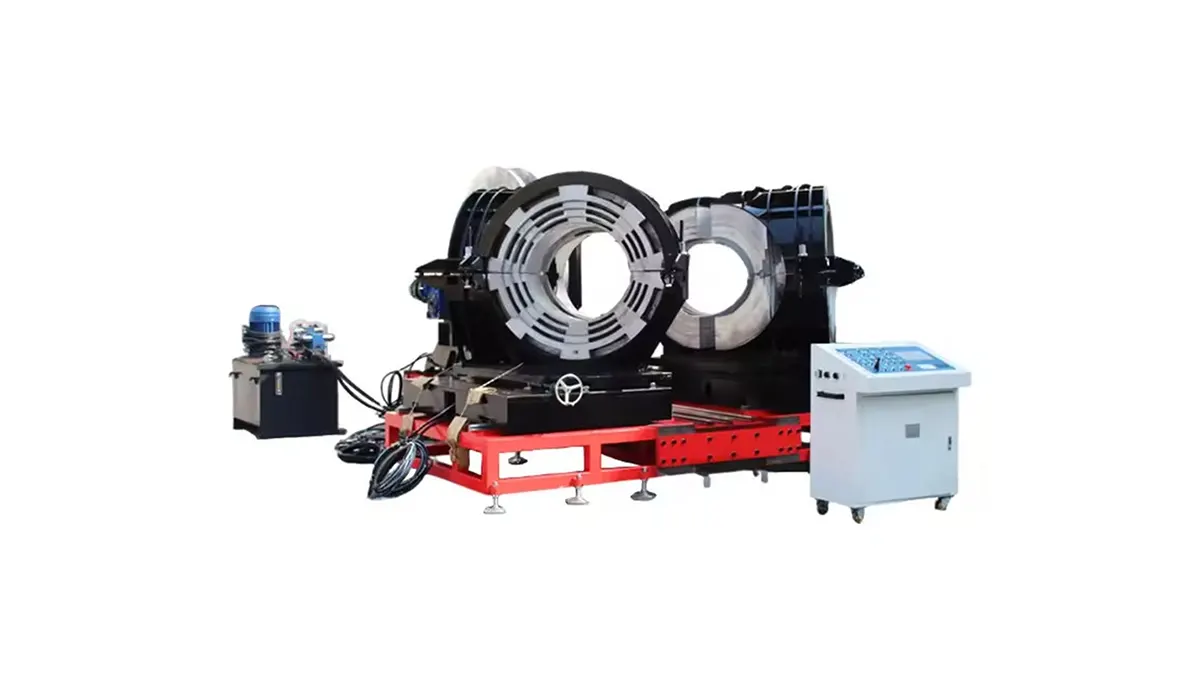
JQMA630 Multi-Angle Workshop Fitting Machine
Workshop fabrication of custom bends, equal tees, crosses, and wyes up to 630mm.
View Specifications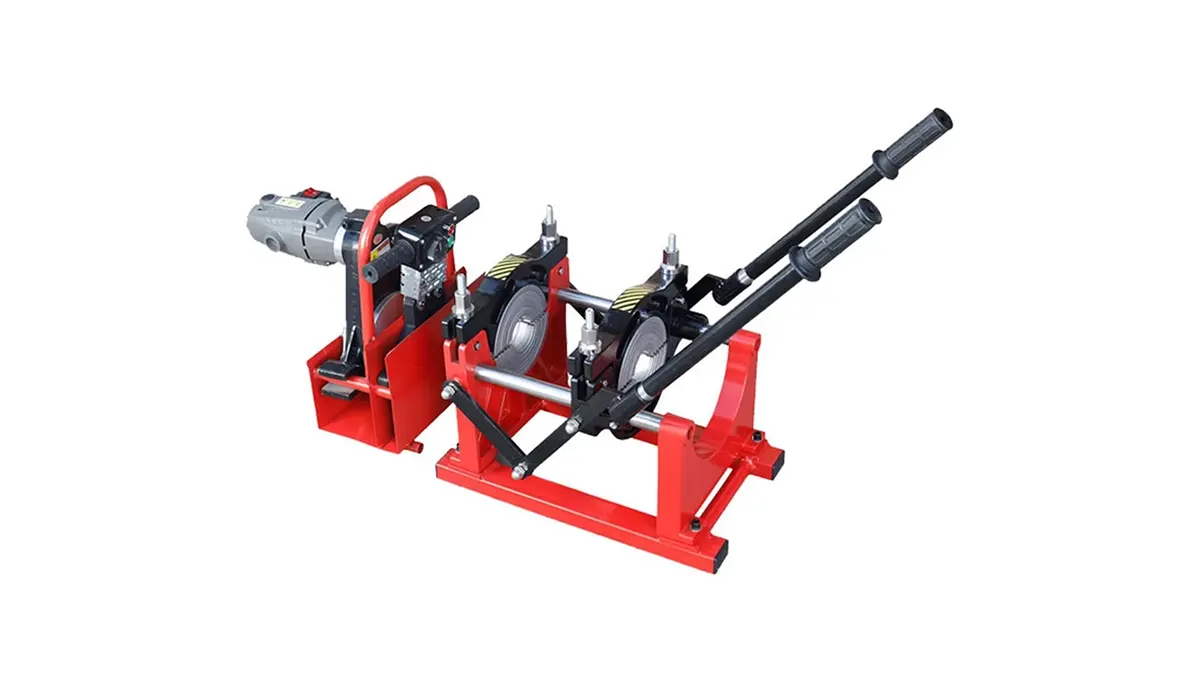
JQST Manual Butt Fusion Welding Machine
Ultra-portable hand-lever operated fusion tool for drainage and low-pressure plumbing.
View Specifications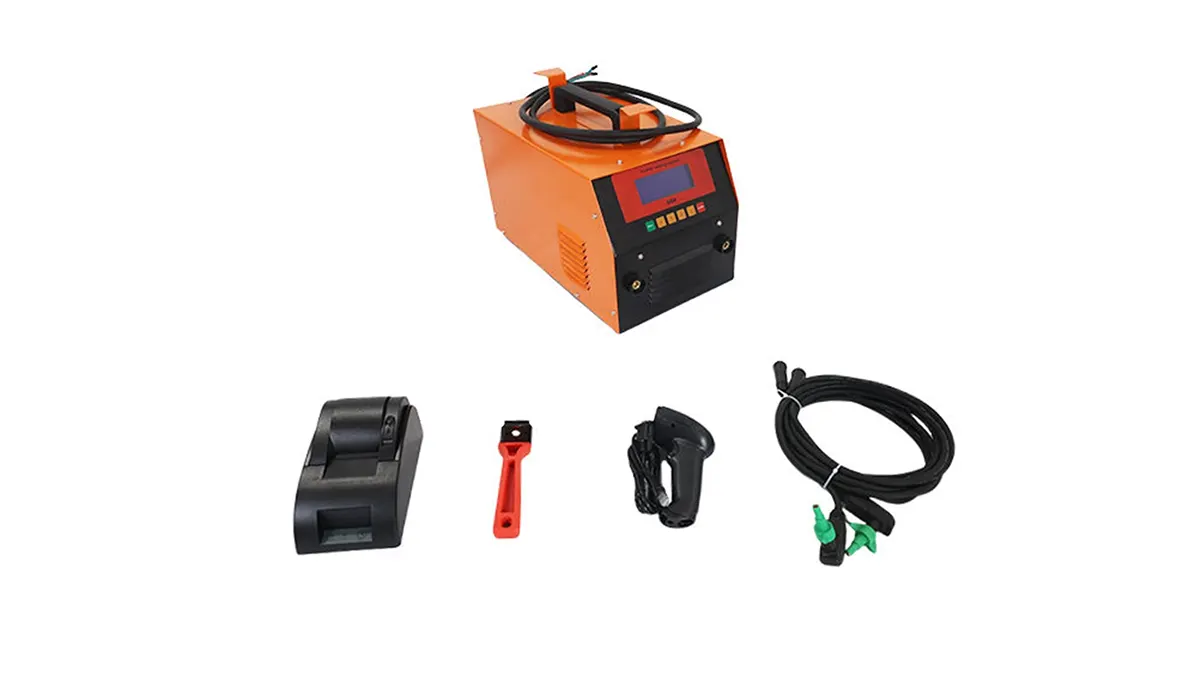
JQEB Universal Electrofusion Machine
Universal electrofusion control unit for socket joints and service saddles across gas/water.
View SpecificationsTechnical Specification Matrix for Hydraulic Butt Fusion Units
Review the standard operational parameters engineered into our flagship hydraulic series. All models operate with dual-sided high-torque facing tools and thermostatically controlled heating mirrors.
| Model Series | Welding Range (OD) | Heater Plate Power | Facing Tool Power | Hydraulic Station Power | Max Pressure | Total Power |
|---|---|---|---|---|---|---|
| JQH160 | 63, 75, 90, 110, 125, 140, 160 mm | 1.5 kW (220V) | 0.9 kW | 0.75 kW | 6.3 MPa | 3.15 kW |
| JQH250 | 90, 110, 125, 140, 160, 180, 200, 225, 250 mm | 2.5 kW (220V) | 1.1 kW | 0.75 kW | 6.3 MPa | 4.35 kW |
| JQH315 | 90, 110, 160, 200, 250, 280, 315 mm | 3.5 kW (220V/380V) | 1.1 kW | 0.75 kW | 6.3 MPa | 5.35 kW |
| JQH450 | 200, 250, 280, 315, 355, 400, 450 mm | 5.5 kW (380V) | 1.5 kW | 1.5 kW | 6.3 MPa | 8.5 kW |
| JQH630 | 315, 355, 400, 450, 500, 560, 630 mm | 9.5 kW (380V) | 1.5 kW | 1.5 kW | 6.3 MPa | 12.5 kW |
| JQH1200 | 630, 710, 800, 900, 1000, 1200 mm | 28 kW (380V) | 4.0 kW | 5.5 kW | 16 MPa | 37.5 kW |
| JQH2000 | 1400, 1600, 1800, 2000 mm | 55 kW (380V) | 7.5 kW | 11.0 kW | 16 MPa | 73.5 kW |
6-Step Butt Fusion Welding Protocol (ASTM F2620 / ISO 21307)
Adhering strictly to validated heat fusion joining procedures guarantees long pipeline design life (100+ years). Follow this comprehensive 6-stage engineering sequence on every weld joint.
Pgauge = [(Pipe Annular Cross-Section Area × Interfacial Pressure) / Cylinder Effective Hydraulic Area] + Drag Pressure (Pdrag)
Clamping & Alignment Check
Secure pipes into the machine clamping jaws using corresponding reducing inserts. Ensure longitudinal axial alignment. Maximum radial mismatch (high-low offset) must never exceed 10% of the pipe wall thickness (e.g. <1.5mm on a 15mm wall) to avoid localized stress risers.
Facing & Planing Interface
Insert the electric planing tool between pipe ends and initiate rotation. Close hydraulic cylinders until continuous ribbons of plastic shave from both ends. Release pressure, open clamps, and remove shavings with clean lint-free cloths without touching faced surfaces.
Initial Bead-Up Heating Phase
Place the PTFE-coated heating plate (stabilized at 200°C–225°C / 400°F–435°F per ASTM/ISO specifications). Bring pipe ends into contact under total calculated fusion pressure until the initial melt bead reaches specified width (typically 1mm–6mm depending on wall thickness).
Heat Soak Cycle (Low Pressure)
Once initial bead-up is reached, drop hydraulic pressure down to drag pressure (zero interface pressure) to allow thorough thermal conduction into the pipe material without forcing molten material out of the joint zone for the required soak duration.
Plate Removal & Dwell Phase
Rapidly open the machine frame, withdraw the heater plate without scraping molten surfaces, and bring pipe ends together smoothly. The changeover time must be executed within strictly defined seconds (e.g. 5–15s depending on pipe size) to avoid surface oxidation.
Fusion Jointing & Controlled Cooling
Ramp pressure smoothly up to total calculated fusion pressure and lock the hydraulic check valve. Maintain this continuous clamping pressure throughout the complete cooling cycle until joint temperature drops below 60°C. Never apply water sprays or forced cooling fans.
How JQ-Fusion Guarantees Uncompromising Machine Quality
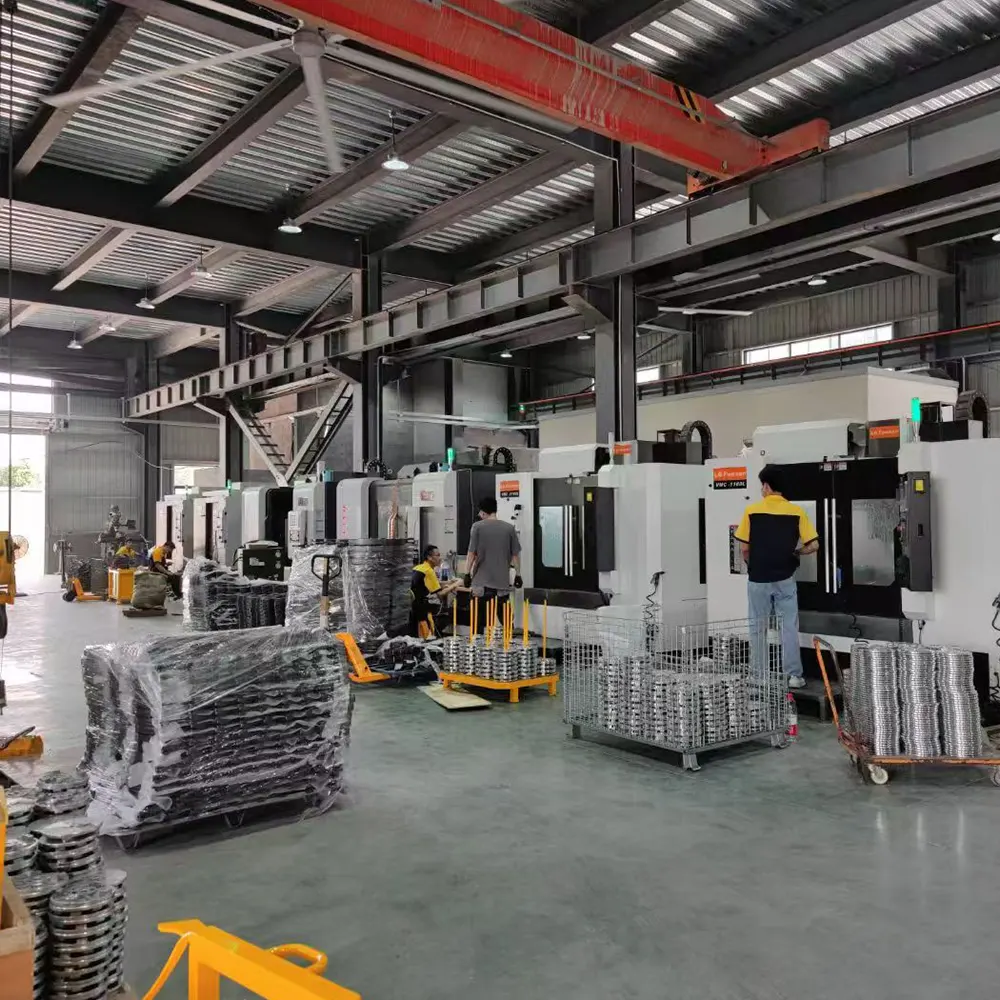
As an internationally certified manufacturer, every component of a JQ-Fusion machine undergoes multi-stage metallurgical, electrical, and hydraulic inspection before crating and export dispatch.
Our clamp inserts and chassis rings are manufactured using high-tensile ZL104 aluminum die-casting, subjected to CNC precision boring to guarantee zero pipe ovality distortion during high-pressure clamping.
Heating mirrors feature embedded high-grade Ni-Cr heating coils and DuPont high-density PTFE coatings. Surface temperature deviation across all mirror zones is verified under ±5°C to eliminate cold welding zones.
Hydraulic stations feature Italian-designed electromagnetic valves and dual hydraulic accumulators, ensuring absolute pressure maintenance during extended 45+ minute cooling cycles with zero hydraulic bleed-down.
All JQ-Fusion machinery is fully certified under ISO 9001 quality management, CE electromagnetic compatibility, and SGS factory inspections, with standard compliance across TEPPFA good practice guides for PE piping.
Massive Factory Stock & Global Logistics Ready
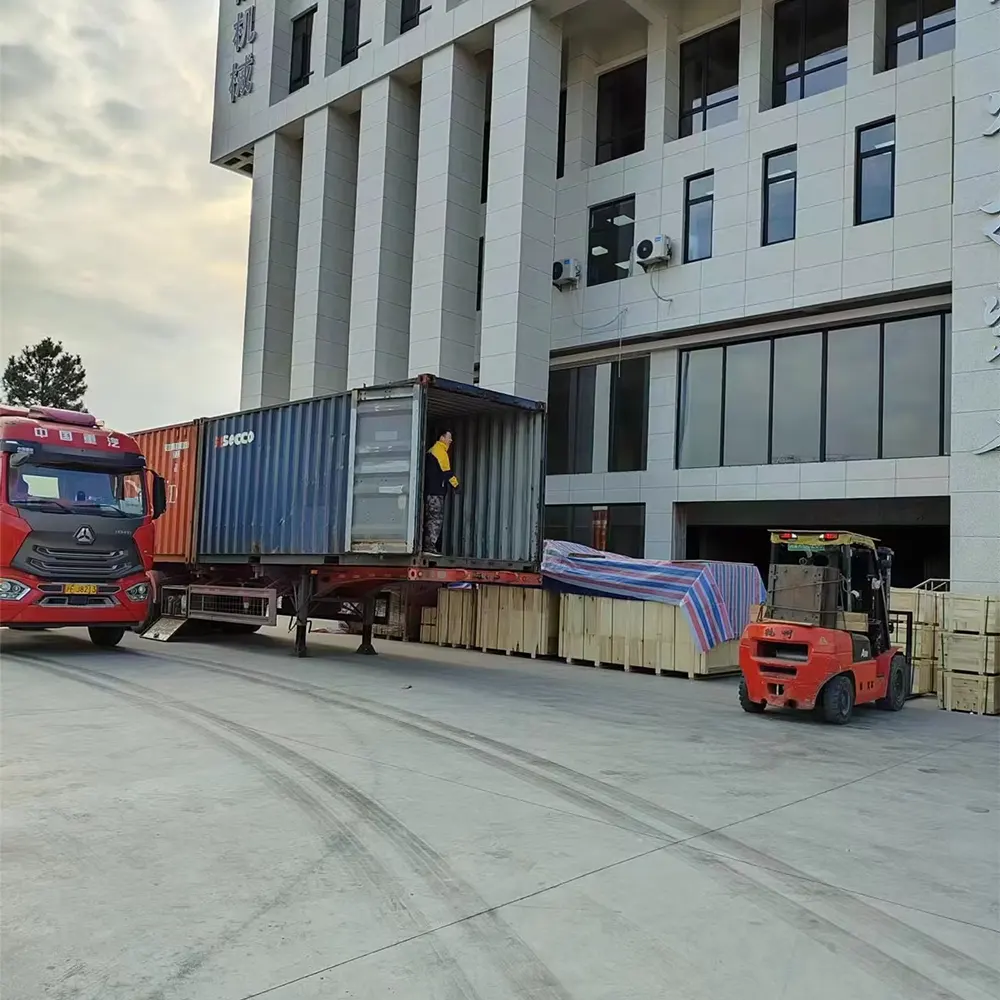
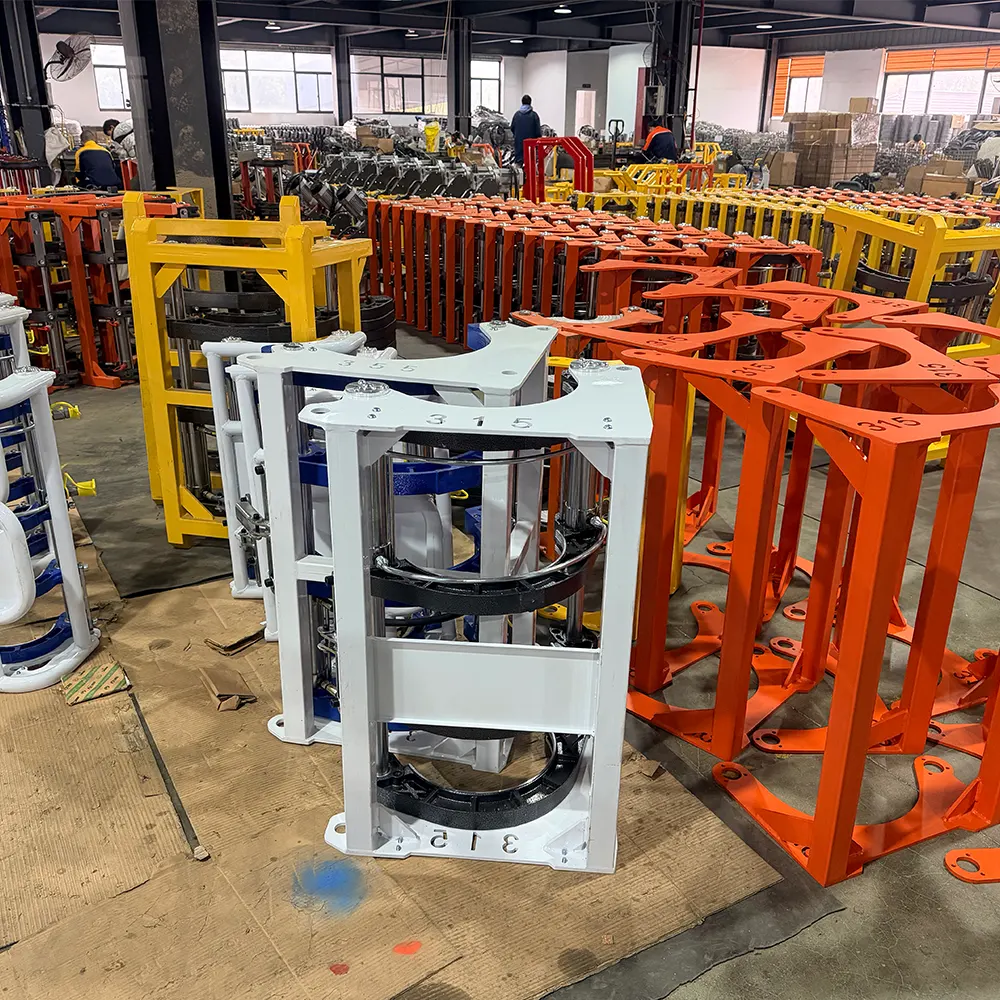
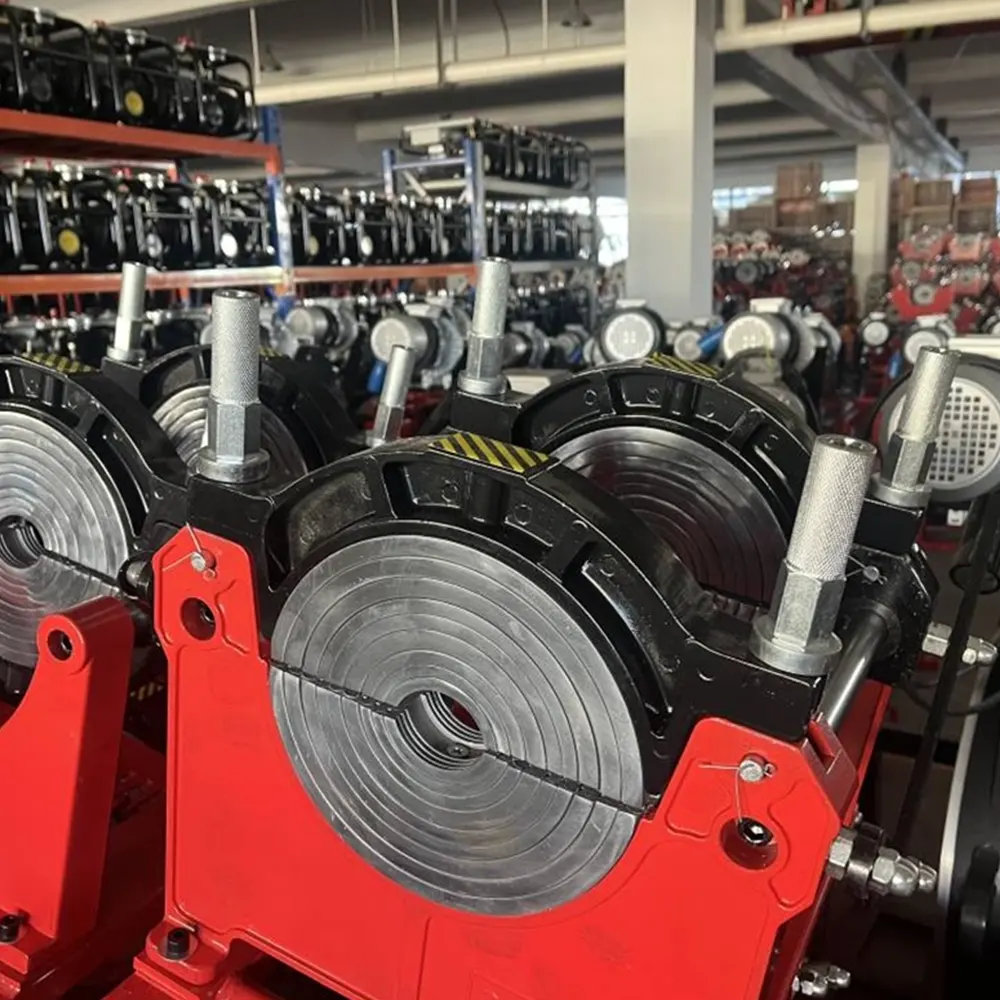
We understand that pipeline project schedules cannot afford machine delivery delays. JQ-Fusion maintains an expansive warehouse inventory of standard manual, hydraulic, and CNC machines ready for immediate container shipment worldwide.
International Quality Accreditations
Every butt fusion welder is produced under strict ISO guidelines and independently certified by world-recognized authorities.
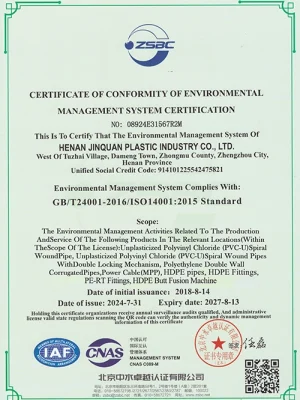
ISO 9001:2015 Quality Management
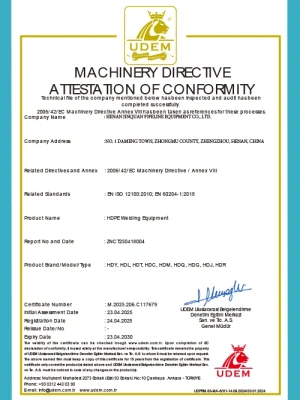
CE European Standard Conformity
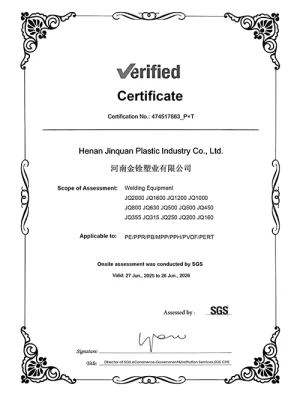
SGS Verified Production Facility
Expert Insights: Sourcing & Operating HDPE Fusion Welders
1. What is the key difference between low-pressure and high-pressure fusion standards?
Under ISO 21307, the standard allows for two main butt fusion jointing methods: the conventional “dual low-pressure” method (interfacial pressure approx. 0.15–0.18 MPa) common in ASTM F2620, and the modern “single high-pressure” method (interfacial pressure approx. 0.38 MPa). High-pressure fusion drastically shortens overall cooling times in larger pipe diameters without compromising weld tensile strength, making it ideal for large-scale mining and marine outfalls.
2. Why is drag pressure measurement critical on every hydraulic weld?
Drag pressure is the mechanical resistance generated by the weight of the pipe string resting on trench rollers, pipe friction against the ground, and internal hydraulic seal resistance. If an operator fails to add drag pressure to the calculated joint interface pressure, the actual force at the pipe interface will be insufficient, resulting in disastrous cold joints or weak bond lines.
3. Can JQ-Fusion provide OEM/ODM machinery with customized colors and software branding?
Yes. As a direct factory manufacturer, JQ-Fusion offers full OEM/ODM manufacturing. We customize powder-coated chassis colors, laser-etched distributor branding, localized control box languages on CNC touchscreens, and tailor clamp insert dimension standards (metric mm or imperial IPS/DIPS) to suit regional distributor markets. Learn more on our Global Distributor Partner Program.
4. What spare parts should contractors keep on field jobsites?
We recommend keeping replacement PTFE heating plate spare covers/blades, backup planing tool double-edged cutter blades, extra hydraulic quick-connect coupling seals, temperature sensors (thermocouples), and digital timer relays. JQ-Fusion supplies comprehensive field spare kits with all major machine shipments.
Direct Factory Procurement & Technical Support
Whether you require a quote for individual hydraulic fusion machines, bulk contractor container orders, or technical consultation regarding large-diameter piping joint parameters, our factory engineering team is available 24/7.
Request a Customized Factory Quote
Get direct manufacturer pricing, technical data sheets, and comprehensive product catalogs dispatched within 2 hours.
Contact Factory Sales Desk