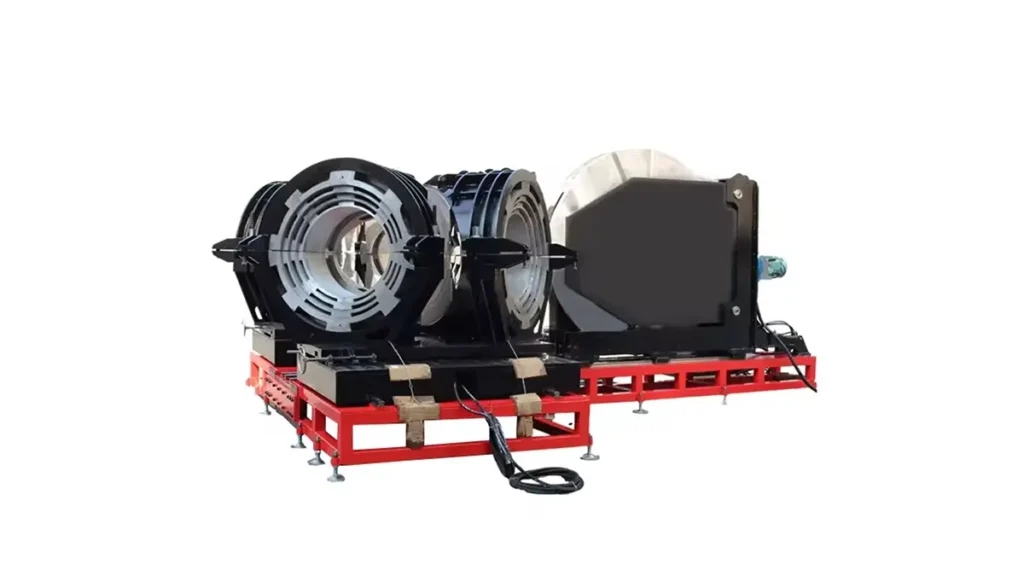
Understanding Hydraulic Control in HDPE Pipe Welding
Hydraulic control systems are the backbone of modern HDPE butt fusion welding machines, transforming raw mechanical power into precise, controlled movement. Unlike manual systems that rely on operator strength, hydraulic circuits use pressurized fluid to generate immense clamping and driving forces. This is essential when working with large-diameter pipes where alignment accuracy and fusion force must be consistent. The hydraulic unit manages every critical phase: clamping the pipe ends, facing them to a clean surface, heating to a molten state, and applying the exact joining pressure required by standards such as ISO 21307 butt fusion procedures.
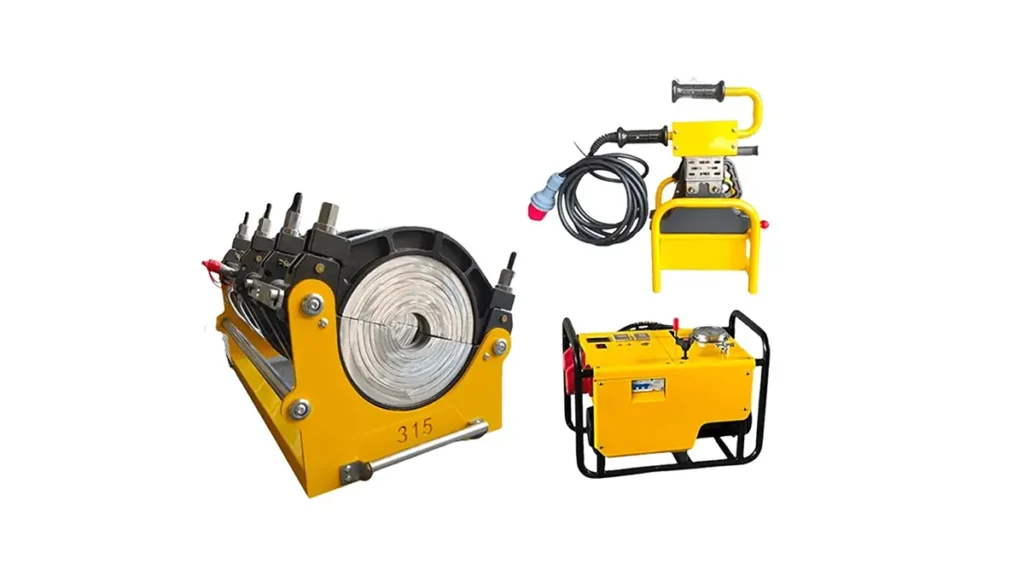
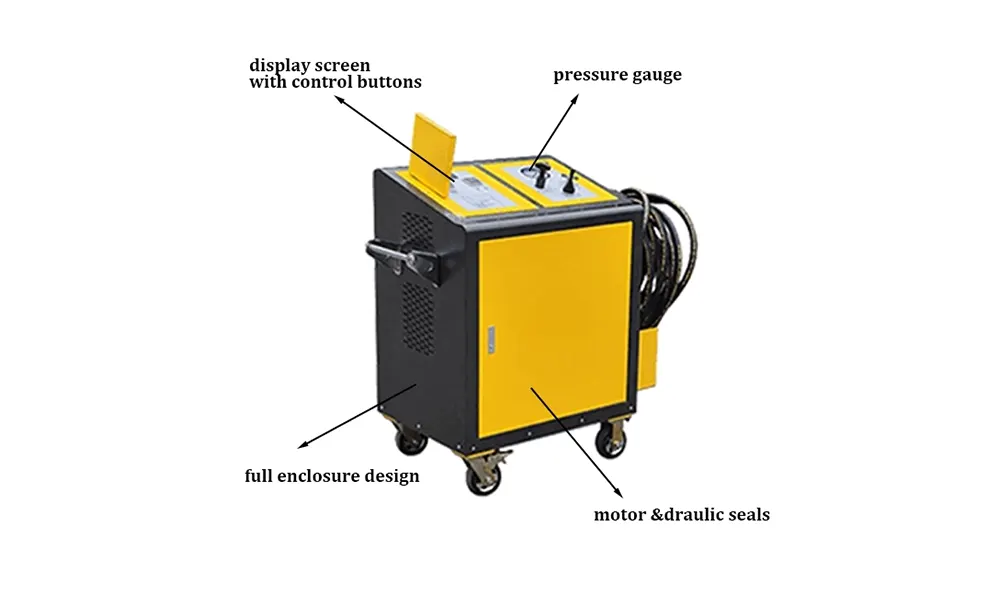
A typical hydraulic butt fusion system consists of a power pack, directional control valves, cylinders, and a manifold. The operator interacts with the machine through a control panel, directing oil flow to specific actuators. In advanced hydraulic pipe welding machines, proportional valves allow infinitely variable speed control, ensuring the carriage moves smoothly without jarring the heated pipe ends. This precision directly impacts weld integrity, reducing the risk of cold fusion or misalignment.
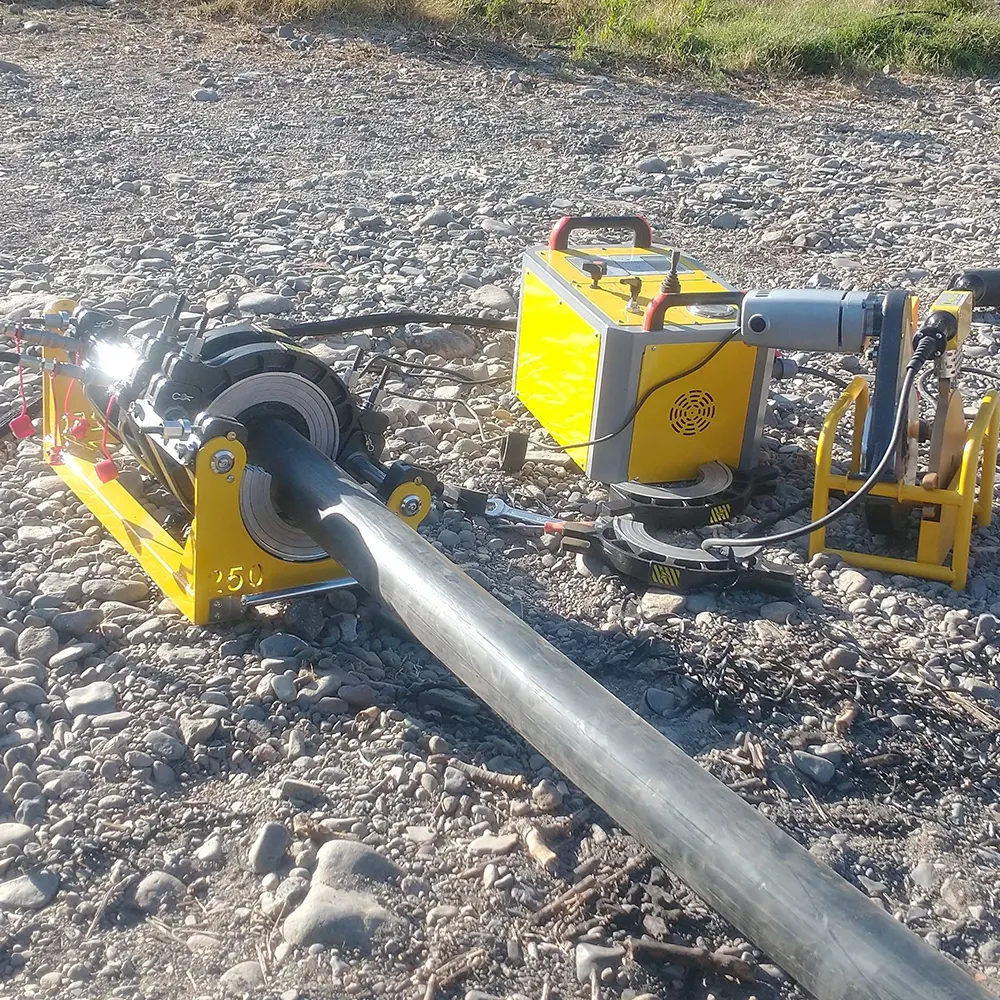
Core Hydraulic Parameters and Their Impact on Weld Quality
To achieve a perfect butt fusion joint, you must calibrate three primary hydraulic parameters: pressure, time, and carriage speed. The hydraulic pressure determines the force applied during the heating soak and fusion phases. According to the PPI butt fusion procedure, this force is calculated based on pipe diameter and wall thickness, ensuring the melt faces intermingle at a molecular level. Insufficient pressure leads to weak joints, while excessive pressure squeezes out too much molten material.
Key parameters monitored by hydraulic controls include:
- Drag Pressure Compensation: The system measures the force required just to move the carriage with the pipe, then adds this to the theoretical fusion pressure for true net force on the melt.
- Heater Plate Squeeze-Out Duration: Timers control how long the pipe ends remain in contact with the heater plate under specified pressure, building up a melt bead of exact size.
- Cooling Time under Pressure: The hydraulic system locks pressure during the entire cooling cycle until the joint solidifies sufficiently. Releasing pressure too early causes joint failure.
Key Components of a Hydraulic Butt Fusion Control System
A robust HDPE pipe welding machine hydraulic control unit integrates several vital components that work in unison. Understanding each part helps operators diagnose issues and maintain peak performance. The table below outlines the primary elements and their functions:
| Component | Function | Maintenance Tip |
|---|---|---|
| Hydraulic Power Pack | Generates oil flow and system pressure via an electric motor and pump assembly. | Check oil level and filter condition before each project. |
| Directional Control Valve | Routes hydraulic fluid to extend or retract cylinders based on operator input. | Ensure lever movements are smooth; listen for sticking spools. |
| Pressure Relief Valve | Protects the system from over-pressurization by diverting flow back to the tank. | Verify setting matches the machine’s maximum rated pressure. |
| Hydraulic Cylinders | Convert fluid power into linear motion to move the carriage and clamps. | Inspect seals for leaks; wiper rings should be clean and intact. |
| Pressure Gauge / Transducer | Displays system pressure or sends an electronic signal to the control panel. | Calibrate annually against a known standard. |
Step-by-Step Hydraulic Operational Sequence
A successful butt fusion weld follows a structured sequence managed by the hydraulic control unit. Adhering to this process ensures compliance with ASTM F2620 heat fusion standards and delivers repeatable joint quality. Here is the standard sequence:
- Clamping and Alignment: The operator activates the hydraulic clamping cylinders to secure both pipe lengths in the fixed and movable jaws. Use the alignment controls to ensure perfect concentricity.
- Facing: The hydraulic carriage drives the pipe ends against a rotating trimmer until a continuous shaving emerges from both sides, confirming a flat, parallel face.
- Heating Soak: The carriage retracts, the heater plate is inserted, and the pipe ends are hydraulically pressed against the plate under the calculated interfacial pressure. A bead of molten polyethylene begins to form.
- Fusion Joining: The heater plate is swiftly removed, and the carriage immediately advances the molten ends together at a controlled speed. The hydraulic system builds up to the fusion joining pressure and holds it steady.
- Cooling Lock: The hydraulic pressure is maintained without fluctuation during the entire cooling time. The joint must not be disturbed until the polyethylene has fully solidified.
Advanced Control Features in Modern Hydraulic Machines
Today’s HDPE pipe welding machine hydraulic control technology goes beyond simple manual levers. Semi-automatic and CNC systems incorporate electronic sensors and programmable logic controllers (PLCs) that elevate weld precision. Features such as automatic drag pressure measurement, where the machine self-measures the force needed to move the pipe and stores it for the fusion calculation, eliminate manual guesswork.
Key advanced features include:
- Data Logging: The system records pressure, temperature, and time for every weld, creating a traceable record. This aligns with PE fusion traceability requirements for critical infrastructure projects.
- Proportional Electro-Hydraulic Valves: These allow the control system to ramp pressure up or down smoothly rather than applying abrupt full force, protecting the melt integrity.
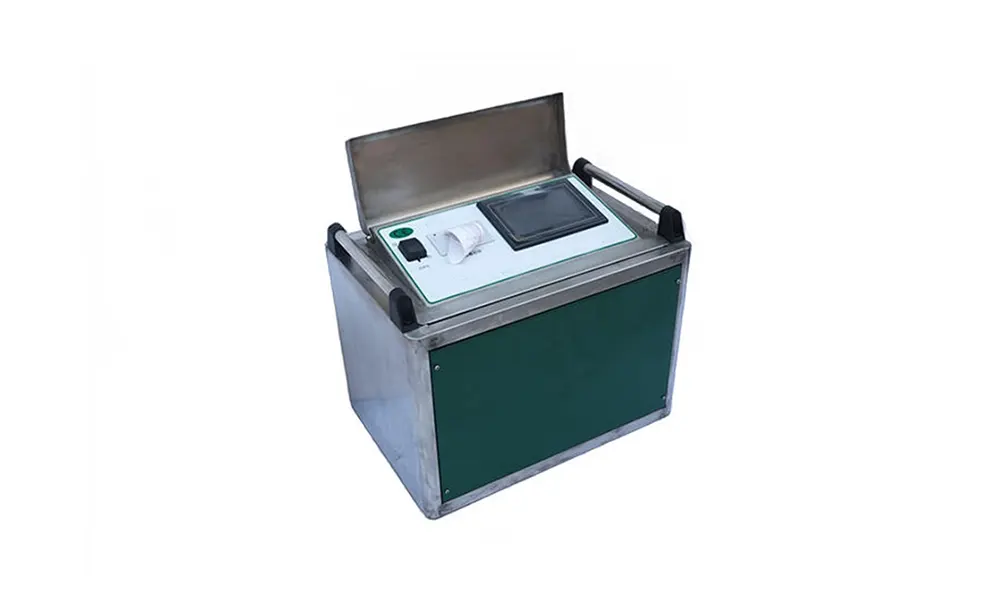
- Touchscreen Interface: Operators input pipe material, diameter, and wall thickness, and the machine calculates all required parameters automatically based on stored procedural libraries like PE butt fusion equipment standard ISO 12176-1.
Troubleshooting Common Hydraulic Issues
Even high-quality hydraulic butt fusion welding equipment can encounter operational hiccups. Recognizing symptoms early prevents costly downtime and defective welds. Below is a quick reference for common problems:
Symptom: Carriage Moves Erratically or Jerks
This typically indicates air trapped in the hydraulic fluid. Bleed the cylinders by cycling them full stroke several times with the vent plug loose. Check the oil reservoir for adequate volume and ensure the suction line is not restricted.
Symptom: Pressure Drops During Cooling Phase
A slow decrease in pressure during the cooling lock generally points to internal leakage past cylinder piston seals or a malfunctioning check valve. The joint might still look acceptable externally, but the bond strength can be compromised. Isolate the cylinder and test for seal bypass.
Symptom: Sluggish Response or Slow Carriage Speed
Verify that the hydraulic oil viscosity matches the ambient temperature. Cold weather thickens oil, slowing system response. If speed is still low after warm-up, inspect the flow control valve setting and the pump’s output flow rate.
Selecting the Right Hydraulic Fusion Machine for Your Project
Choosing between different HDPE pipe welding machine hydraulic control configurations depends on your typical pipe diameters, site conditions, and required documentation level. For small to medium pipes up to 500mm, a compact hand-pump hydraulic unit with manual directional valves offers simplicity and cost-effectiveness. However, for large-diameter infrastructure projects, a fully powered hydraulic power pack with electronic controls is non-negotiable for maintaining consistent force.
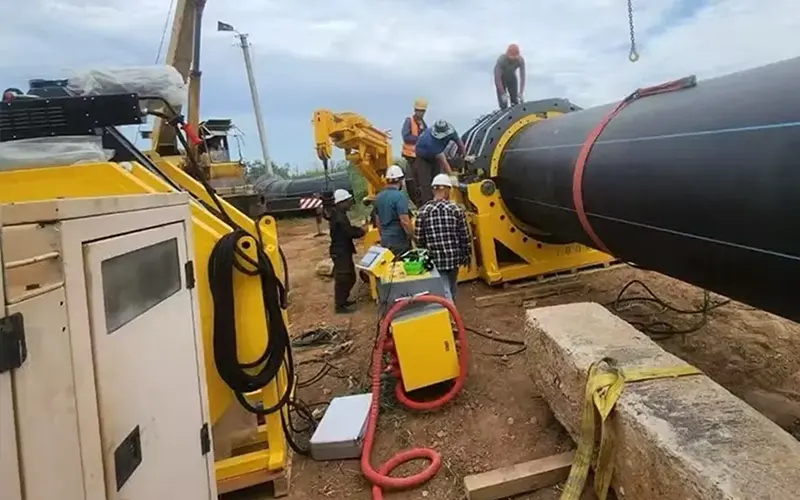
JQ-Fusion offers a comprehensive range of hydraulic machines, from manual levers for field work to sophisticated CNC systems that manage the entire fusion process automatically. When evaluating options, consider the clamping force capacity, whether the unit requires an external power source, and the quality of the hydraulic cylinder seals. Environments with sand, dust, or mud demand robust wiper seals to protect the cylinder rods and extend service life. Always request a butt fusion machine catalog to compare technical specifications directly before making a decision.
Maintenance Practices for Hydraulic Longevity
Protecting your HDPE pipe welding machine hydraulic control investment requires disciplined preventive maintenance. The hydraulic system’s cleanliness directly influences component lifespan and weld repeatability. Contaminated oil causes valve sticking, pump wear, and seal degradation, leading to inaccurate pressure delivery.
Essential maintenance tasks to integrate into your routine:
- Hydraulic Oil Analysis: Sample and test the oil annually for moisture content, particle count, and viscosity. Replace the fluid when it falls outside specified ranges.
- Filter Replacement: Change the return and suction filters according to the manufacturer’s schedule. A clogged filter starves the pump and induces cavitation.
- Cylinder Rod Inspection: Visually check exposed rods for scratches, pitting, or corrosion. Even minor surface damage destroys rod seals and allows fluid bypass.
- Hose Condition Check: Look for cracks, bulges, or abrasion on hydraulic hoses. Replace any hose showing signs of imminent failure to prevent burst hazards under pressure.
Ensuring Operator Competence with Hydraulic Systems
Technology alone cannot guarantee perfect butt fusion joints. The operator must understand the interplay between hydraulic force, melt temperature, and cooling time. Training programs based on PE fusion operator requirements ensure personnel can set up the machine correctly, interpret the gauges, and recognize when the hydraulic behavior deviates from normal operation. Comprehensive training reduces scrap rates and prevents field failures that could jeopardize water or gas supply lines.
When your team combines modern hydraulic-controlled fusion machines with proper procedural knowledge, the result is a pipeline network built for decades of leak-free service. Whether you are installing municipal water mains or industrial slurry lines, the right hydraulic control technology makes the difference between a marginal weld and a permanent, monolithic bond.