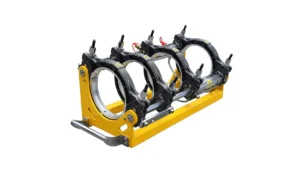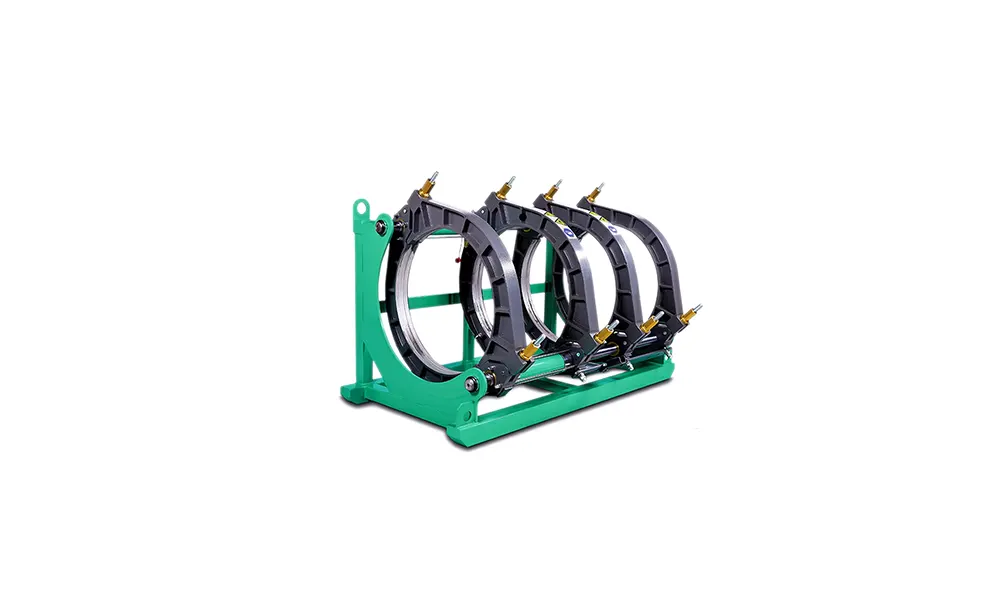
Modern HDPE pipe welding machine operator interface design has evolved significantly, transforming how technicians interact with fusion equipment on site. A well-designed control panel not only simplifies the welding process but also ensures consistent joint quality across every project. Understanding the layout, functions, and feedback mechanisms of these interfaces is essential for operators working with butt fusion welding machine equipment in water, gas, and industrial pipeline applications.
Core Functions of the Operator Interface
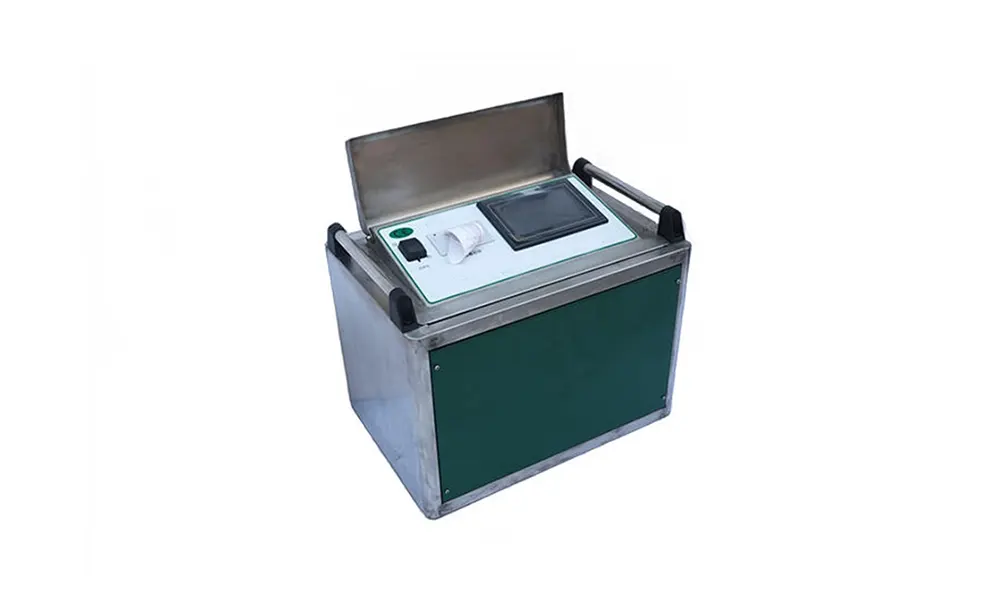
The operator interface on any HDPE pipe welding machine serves as the command center for all fusion activities. Whether you are using a manual, hydraulic, or fully automatic system, the interface consolidates essential controls into a single access point. Key functions typically include:
- Temperature Monitoring and Adjustment — Real-time digital display of heating plate temperature, with controls to set target values according to pipe material specifications.
- Pressure Regulation — Hydraulic pressure readouts and adjustment dials or touchscreen inputs to control fusion and cooling pressures precisely.
- Time Management — Timers for heating, soak, and cooling phases, often with audible alerts to guide the operator through each stage.
- Data Logging and Traceability — Automatic recording of welding parameters including date, time, temperatures, and pressures for quality assurance documentation.
- System Diagnostics — Error codes and status indicators that alert operators to issues such as sensor faults, overheating, or power irregularities.
According to ISO 12176-1 PE butt fusion equipment standard, operator interfaces must provide clear, unambiguous feedback to ensure that all critical welding parameters are maintained within specified tolerances throughout the jointing cycle.
Control Panel Layouts Across Machine Types
Different categories of HDPE welding machines feature distinct interface designs tailored to their operational complexity. The table below compares the key interface characteristics across the main machine types available today.
| Machine Type | Interface Style | Key Controls | Data Capability |
|---|---|---|---|
| Manual Butt Fusion | Analog dials and mechanical levers | Manual pressure handle, temperature gauge, mechanical timer | Basic — operator-maintained logs |
| Hydraulic Butt Fusion | Digital display with physical buttons | Hydraulic pressure control, digital temperature readout, electronic timer | Moderate — some models support USB export |
| CNC Automatic Butt Fusion | Full-color touchscreen with intuitive menus | Touchscreen parameter input, automated cycle control, multi-language support | Advanced — automatic data logging, Wi-Fi/Bluetooth export |
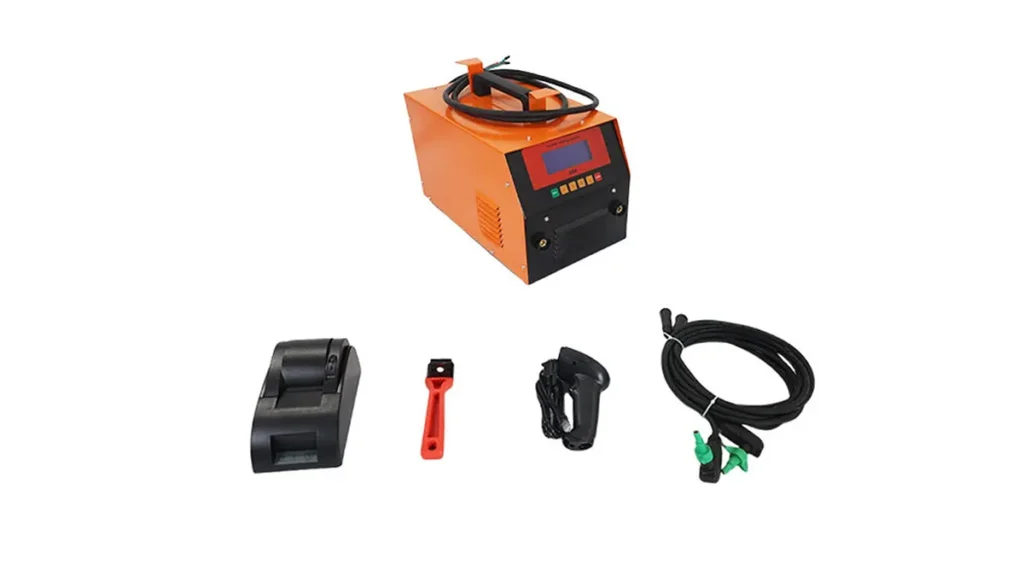
| Electrofusion | Digital screen with barcode scanner | Barcode input, voltage/current monitoring, automatic cycle execution | Comprehensive — full traceability per joint |
| Multi-Angle Pipe Fitting | Hybrid — digital display with manual controls | Angle adjustment controls, temperature and pressure displays, segment-specific timers | Moderate to advanced — model dependent |
Digital Interface Features in CNC Automatic Machines
The operator interface on CNC automatic butt fusion welding machines represents the most advanced control technology available in the HDPE piping industry. These systems utilize high-resolution touchscreens that guide operators through each phase of the welding cycle with visual prompts and real-time data visualization.
Key digital features include:
- Graphical Cycle Progress Display — A visual timeline showing the current stage of the butt fusion process, from initial bead-up through cooling completion.
- Pre-Loaded Parameter Libraries — Built-in databases containing recommended welding parameters for various pipe diameters and SDR ratings, reducing setup time and minimizing operator error.
- Multi-Language Support — Interface language options that make the equipment accessible to diverse workforces across global project sites.
- Remote Monitoring Capability — Some advanced models support wireless connectivity, allowing supervisors to monitor welding progress and review data from a distance.
As outlined in ASTM F2620 heat fusion standards, automated control systems help ensure that critical parameters remain within specified ranges, reducing variability and improving joint integrity across large-scale pipeline installations.
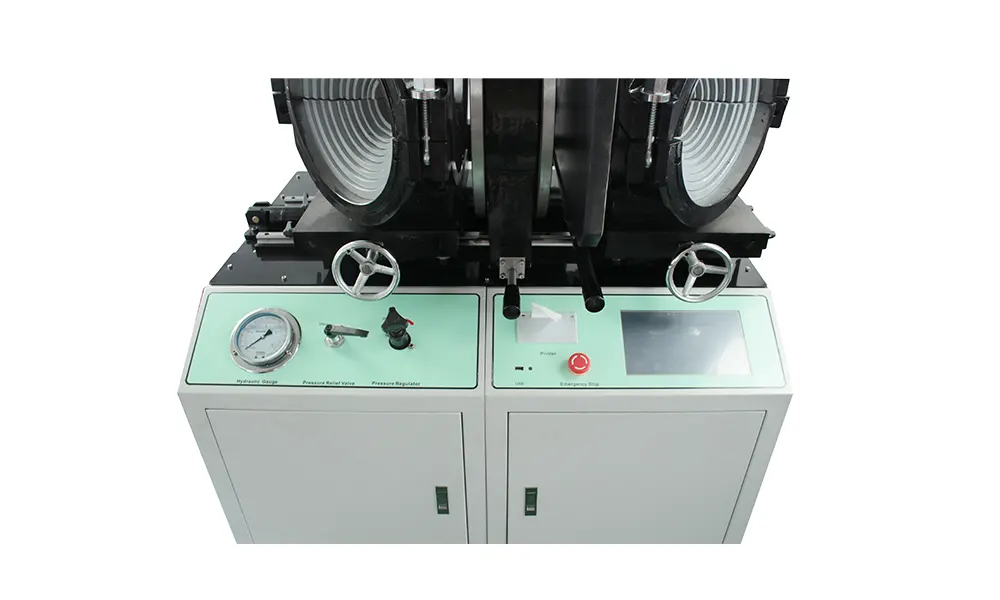
Hydraulic Machine Operator Controls
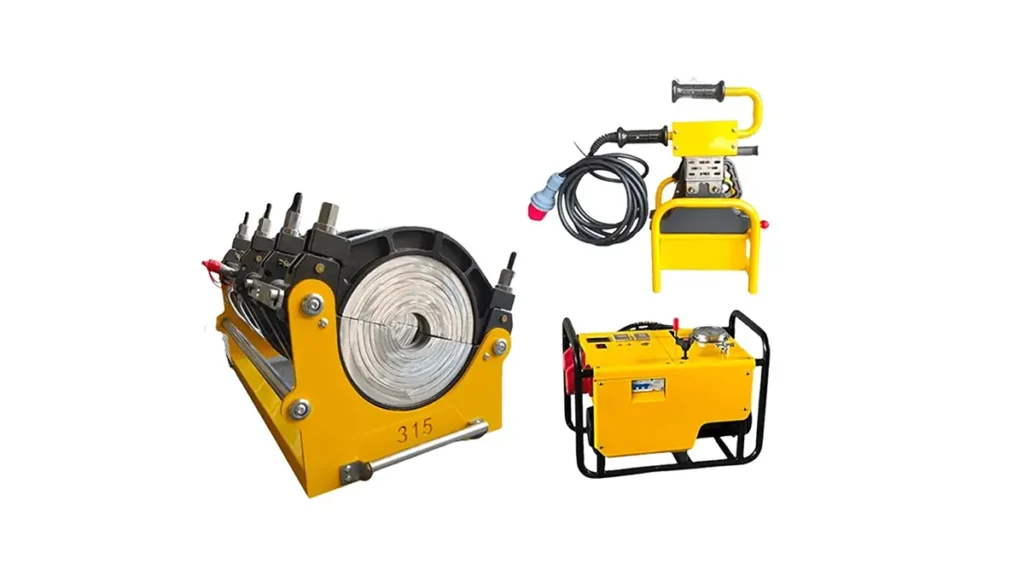
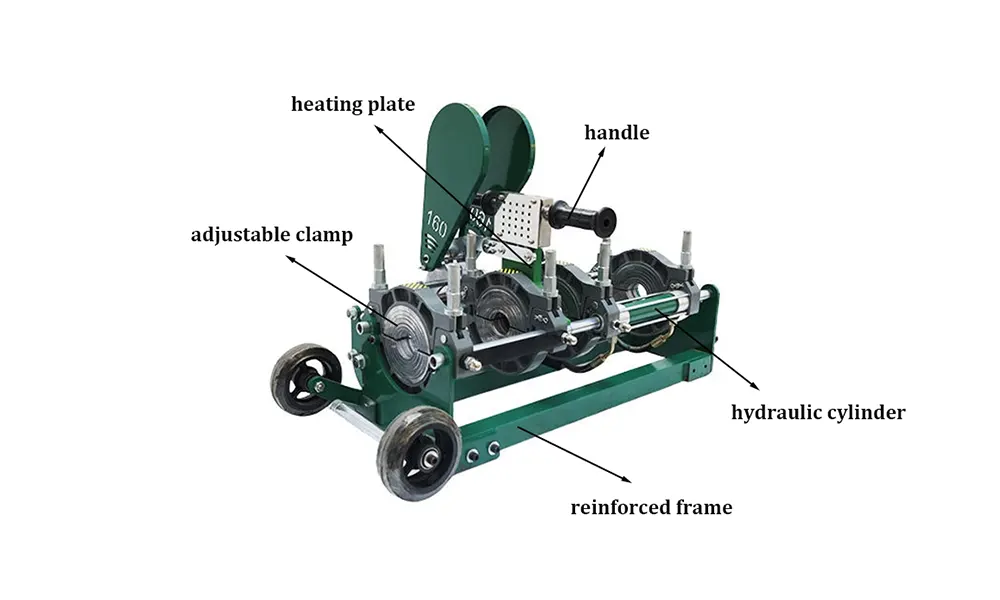
Hydraulic butt fusion welding machines strike a balance between manual simplicity and automated precision. The operator interface on hydraulic models typically combines digital temperature readouts with physical hydraulic control levers or buttons. This hybrid approach provides tactile feedback that many experienced operators prefer while still offering the accuracy of electronic temperature regulation.
The hydraulic control station usually features a pressure gauge with clear markings for different pipe sizes, allowing operators to quickly set the appropriate fusion pressure. An integrated digital display monitors heating plate temperature continuously, and many models include audible alarms that signal when the plate reaches the target temperature or when timed phases are complete. The PPI butt fusion procedure guidelines emphasize the importance of precise pressure control during the cooling phase, which hydraulic interfaces manage effectively through regulated pressure relief systems.
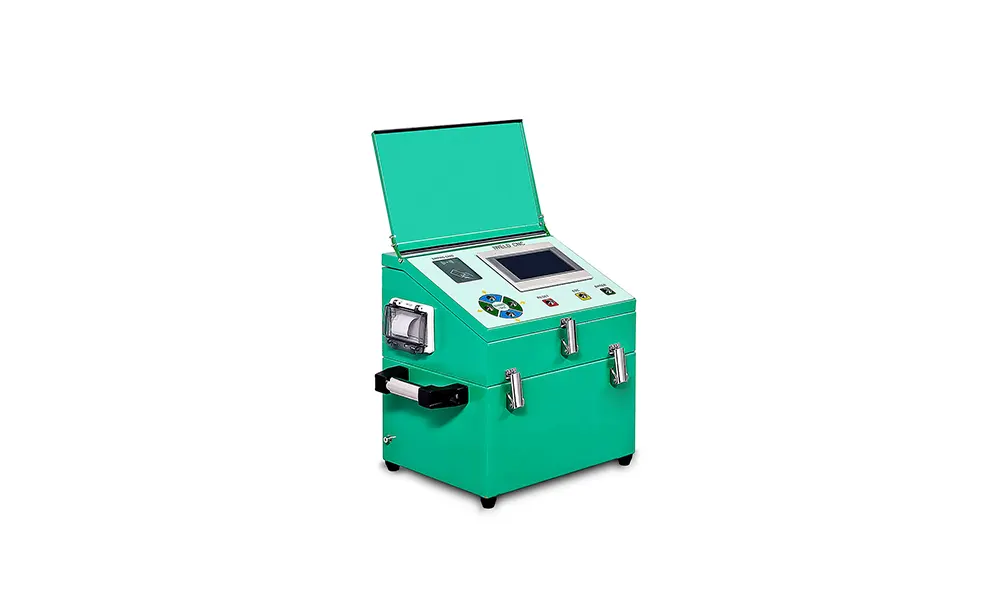
Manual Machine Interface: Simplicity and Reliability
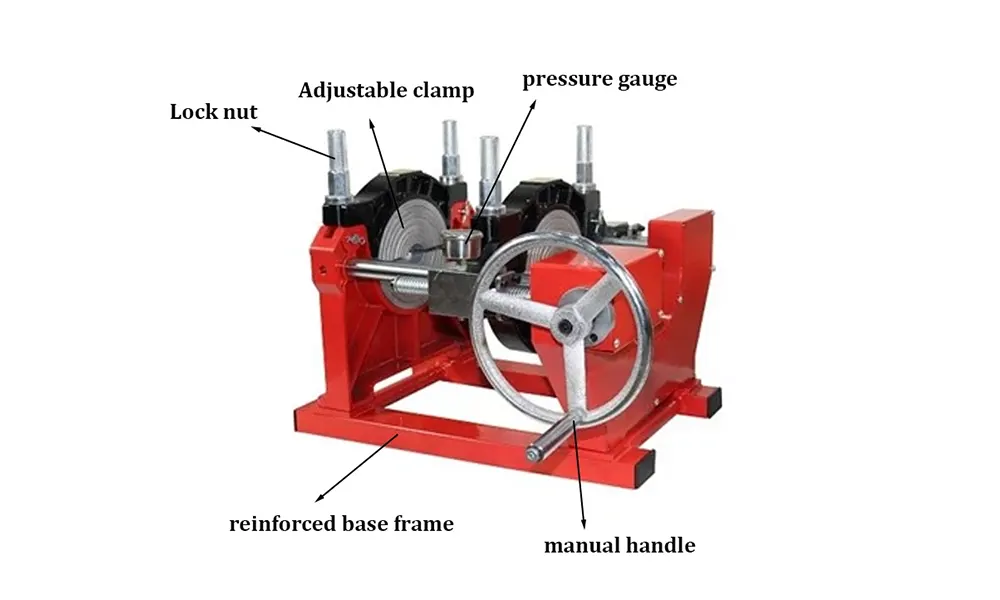
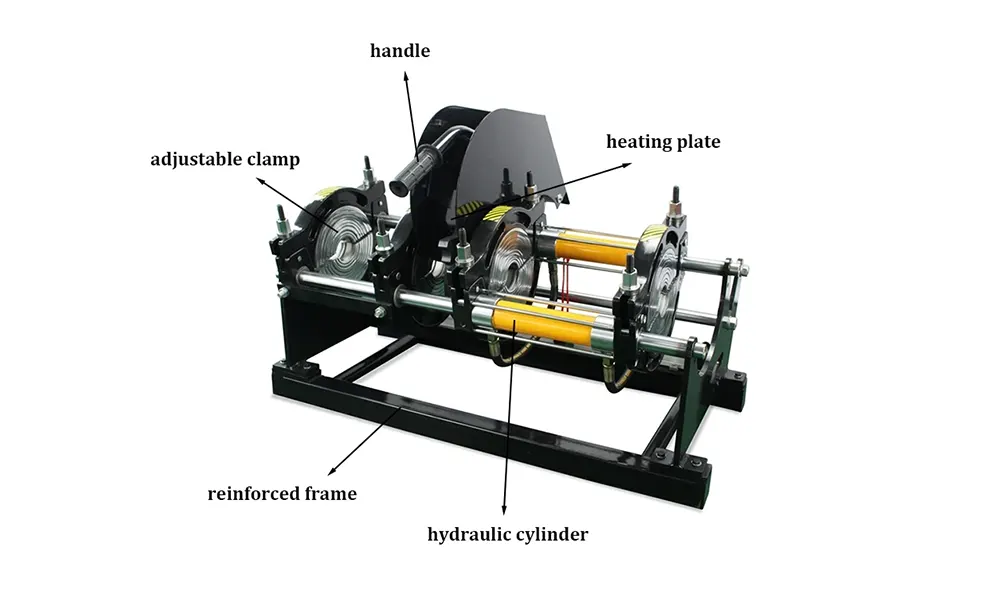
Manual HDPE pipe welding machines feature the most straightforward operator interface, relying on mechanical controls that require direct operator engagement. The heating plate temperature is typically controlled via a thermostat dial with a digital or analog temperature display. Pressure is applied through a manual lever or screw mechanism, giving the operator complete tactile control over the fusion process.
While these interfaces lack the automation of CNC systems, they offer distinct advantages in remote locations where power sources may be limited or where operators prefer direct mechanical control. The simplicity of the manual interface also translates to easier field maintenance and troubleshooting, as there are fewer electronic components that could fail in harsh environmental conditions.
User Guide: Best Practices for Operating the Interface
Proper operation of the HDPE pipe welding machine operator interface is critical for achieving consistent, high-quality fusion joints. The following guidelines apply across most machine types and interface designs:
- Pre-Operation Verification — Always verify that the heating plate temperature matches the required setpoint before beginning any weld. Check that all sensors and displays are functioning correctly during the startup sequence.
- Parameter Confirmation — For CNC and hydraulic machines with digital interfaces, confirm that the correct pipe diameter, SDR rating, and material type are selected before initiating the automatic cycle.
- Monitor Real-Time Feedback — During the welding cycle, continuously observe temperature, pressure, and time displays. Any deviation from expected values should be investigated immediately.
- Data Management — For machines equipped with data logging capabilities, ensure that weld records are regularly downloaded and backed up. These records provide essential traceability for quality assurance programs.
- Interface Calibration — Periodically verify that temperature sensors and pressure transducers are calibrated according to the manufacturer’s recommended schedule. Inaccurate sensor readings can compromise weld quality even if the operator follows all procedures correctly.
- Environmental Awareness — Protect the operator interface from extreme weather conditions, dust, and moisture. Many modern machines feature weather-resistant enclosures, but additional precautions such as temporary covers may be necessary in severe environments.
Common Interface Indicators and Troubleshooting
Understanding the warning and status indicators on the operator interface helps technicians quickly identify and resolve issues. The table below summarizes common interface alerts and recommended responses:
| Indicator / Alert | Possible Cause | Recommended Action |
|---|---|---|
| Temperature Fluctuation Warning | Faulty heating element, loose connection, or power supply instability | Check power connections, allow plate to stabilize, replace heating element if persistent |
| Pressure Loss Alert | Hydraulic fluid leak, air in the system, or worn seals | Inspect hydraulic lines and connections, bleed the system, replace seals as needed |
| Sensor Error Code | Damaged or disconnected sensor, wiring fault | Inspect sensor wiring harness, reconnect or replace faulty sensor |
| Cycle Interruption Message | Power loss during weld, emergency stop activation, or system timeout | Restart the cycle, inspect the partial joint, and if necessary, cut out and re-weld the joint |
| Data Storage Full Notification | Internal memory capacity reached | Export stored data to external device and clear memory to continue logging |
The Role of Operator Training in Interface Proficiency
Even the most advanced HDPE pipe welding machine operator interface cannot compensate for inadequate operator training. Comprehensive training programs should cover not only the basic operation of the control panel but also the interpretation of feedback data and appropriate responses to alerts. Organizations such as the PPI Handbook of Polyethylene Pipe provide extensive guidance on operator qualification and ongoing competency assessment.
Key training focus areas should include understanding the relationship between interface readings and actual welding conditions, recognizing early warning signs of equipment malfunction through interface feedback, and maintaining accurate manual logs as a backup to electronic data recording systems.
Future Trends in Welding Machine Interfaces
The evolution of operator interface technology continues to advance, with several emerging trends shaping the next generation of HDPE welding equipment. Cloud-connected interfaces now enable real-time remote monitoring of multiple welding operations simultaneously, while integrated GPS tracking provides location data for every joint. Artificial intelligence algorithms are being developed to analyze welding parameter data and predict potential joint quality issues before they occur, representing a significant leap forward in quality assurance capabilities.
As the industry moves toward greater automation and data integration, selecting equipment with a user-friendly, standards-compliant operator interface becomes increasingly important for contractors and project managers aiming to maintain competitive advantage while delivering consistently reliable pipeline systems.
JQ-Fusion is a professional manufacturer specializing in HDPE pipe welding machines, providing reliable butt fusion solutions for global infrastructure projects. The company’s range of manual, hydraulic, and CNC automatic machines features thoughtfully designed operator interfaces that prioritize ease of use, precision control, and comprehensive data management. Whether for water supply, gas distribution, or industrial applications, selecting a machine with an intuitive and robust operator interface is essential for achieving consistent, high-quality welding results across every project.