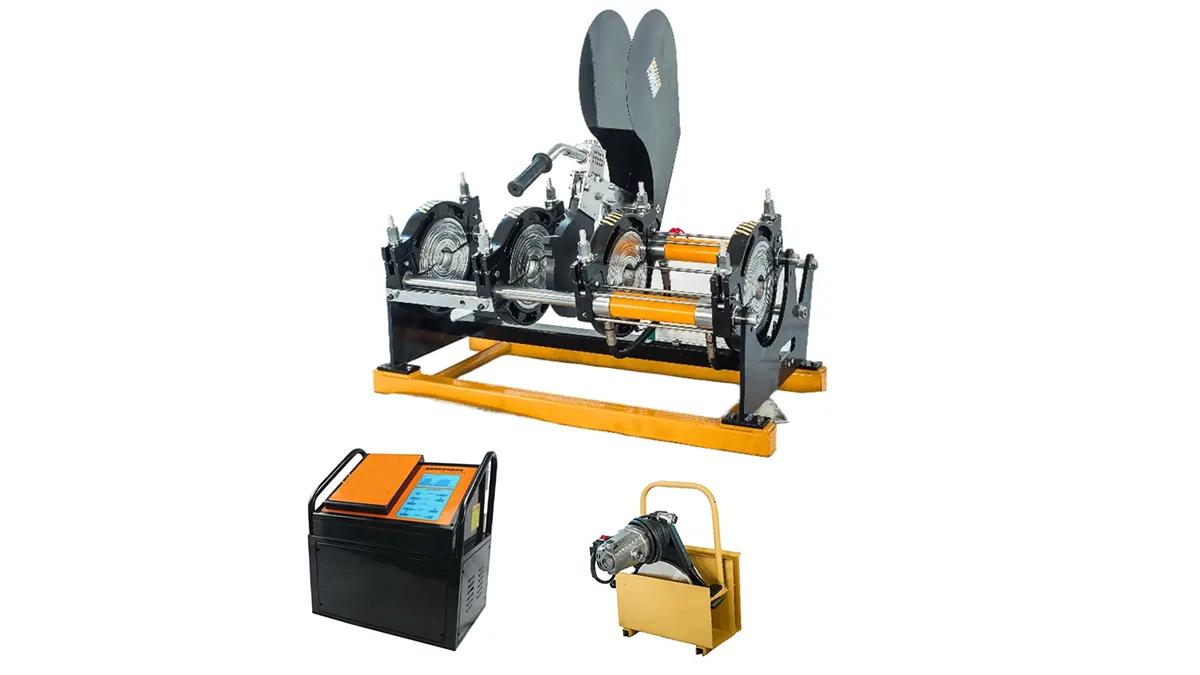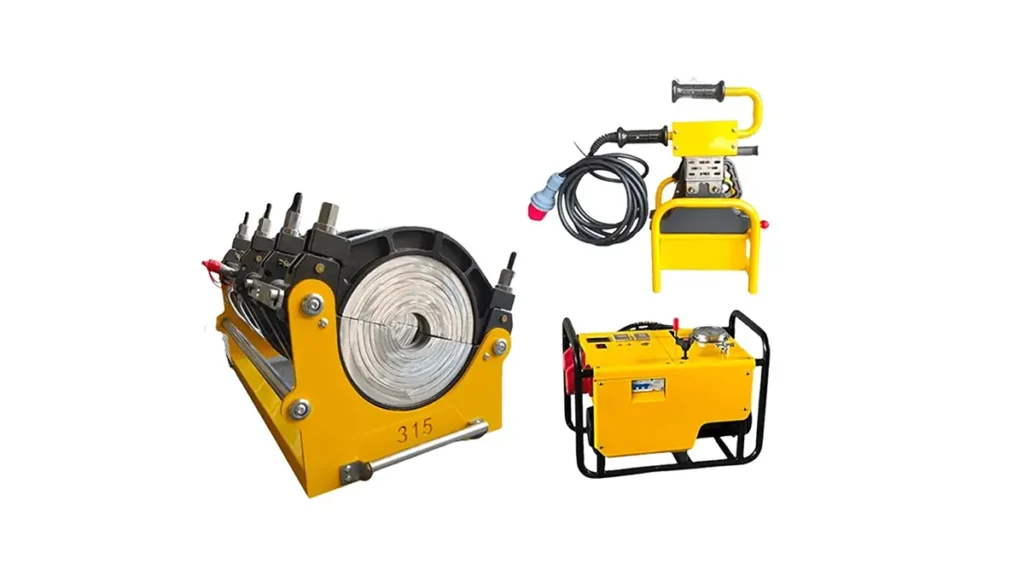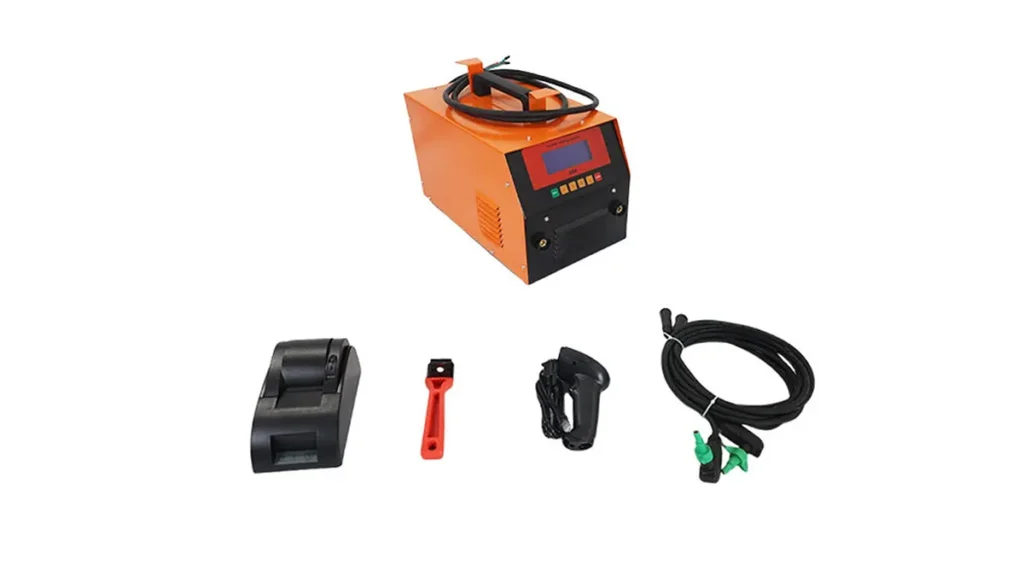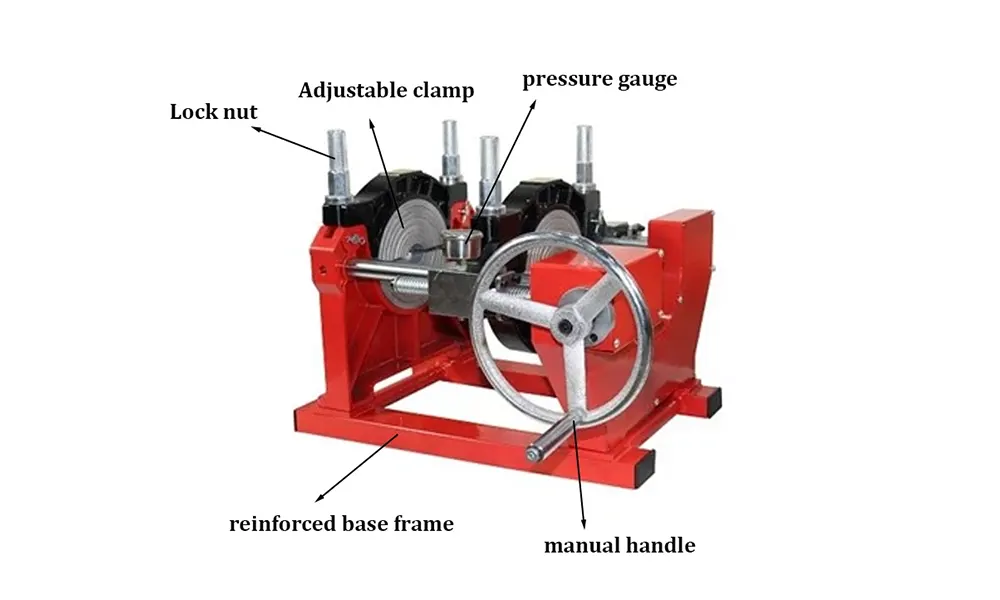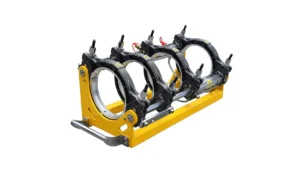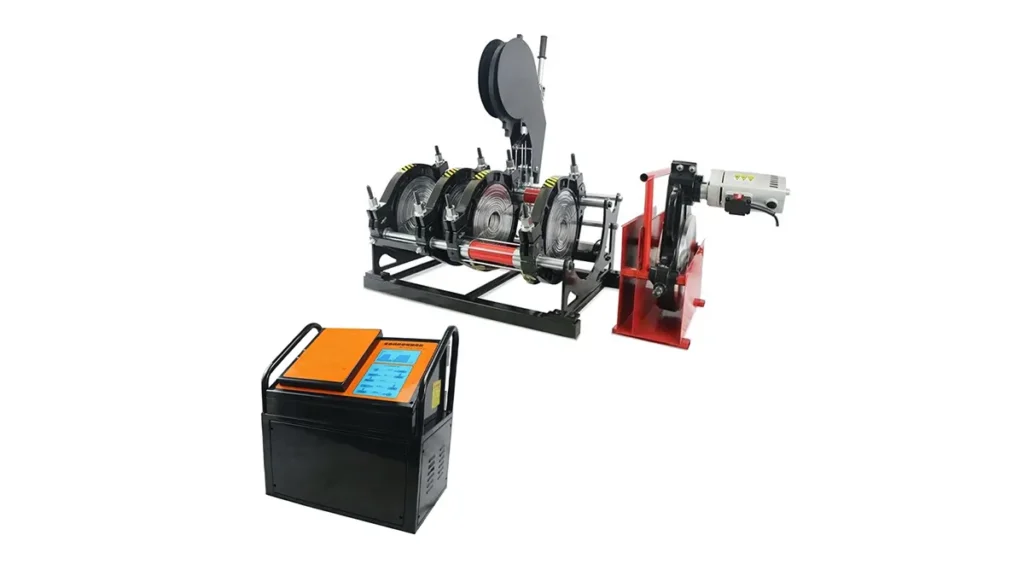
In the world of modern pipeline infrastructure, the demand for consistent, high-strength joints has driven the evolution of welding technology far beyond manual methods. CNC HDPE pipe fusion technology represents the pinnacle of this progress, combining computerized precision with robust mechanical engineering. Whether for municipal water systems, gas distribution networks, or industrial slurry lines, CNC-controlled fusion delivers repeatable weld quality that field crews and project managers can rely on. This advanced approach eliminates much of the guesswork associated with traditional techniques, ensuring every joint meets stringent performance standards.
What Is CNC HDPE Pipe Fusion Technology?
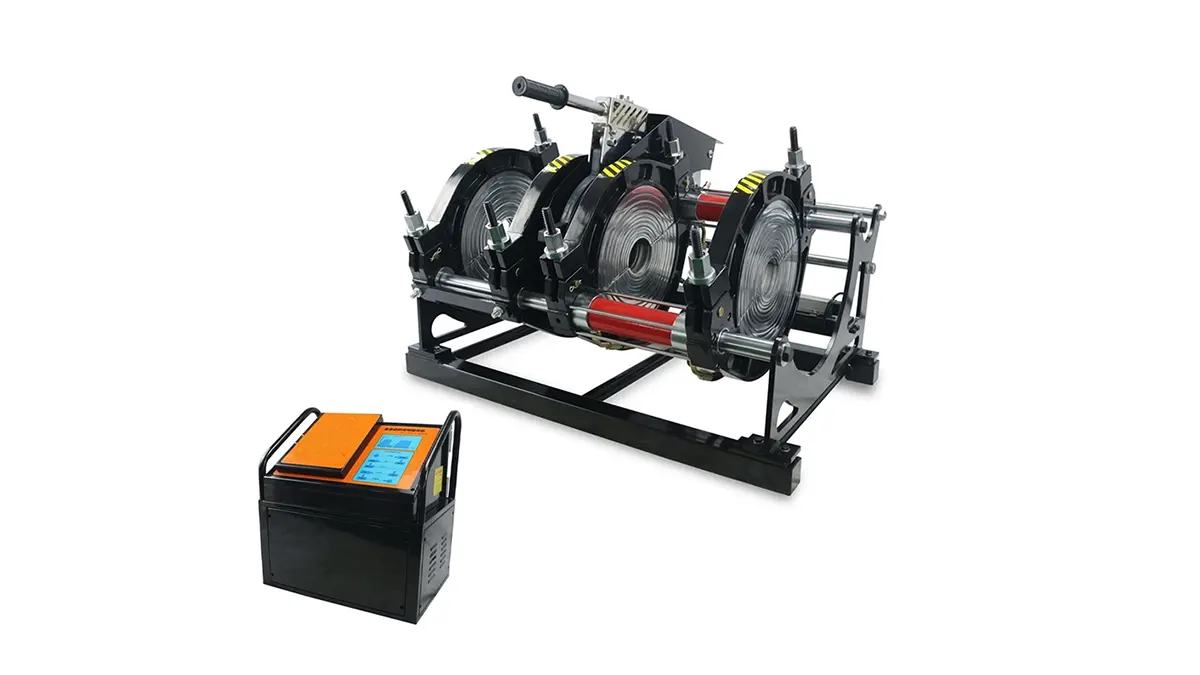
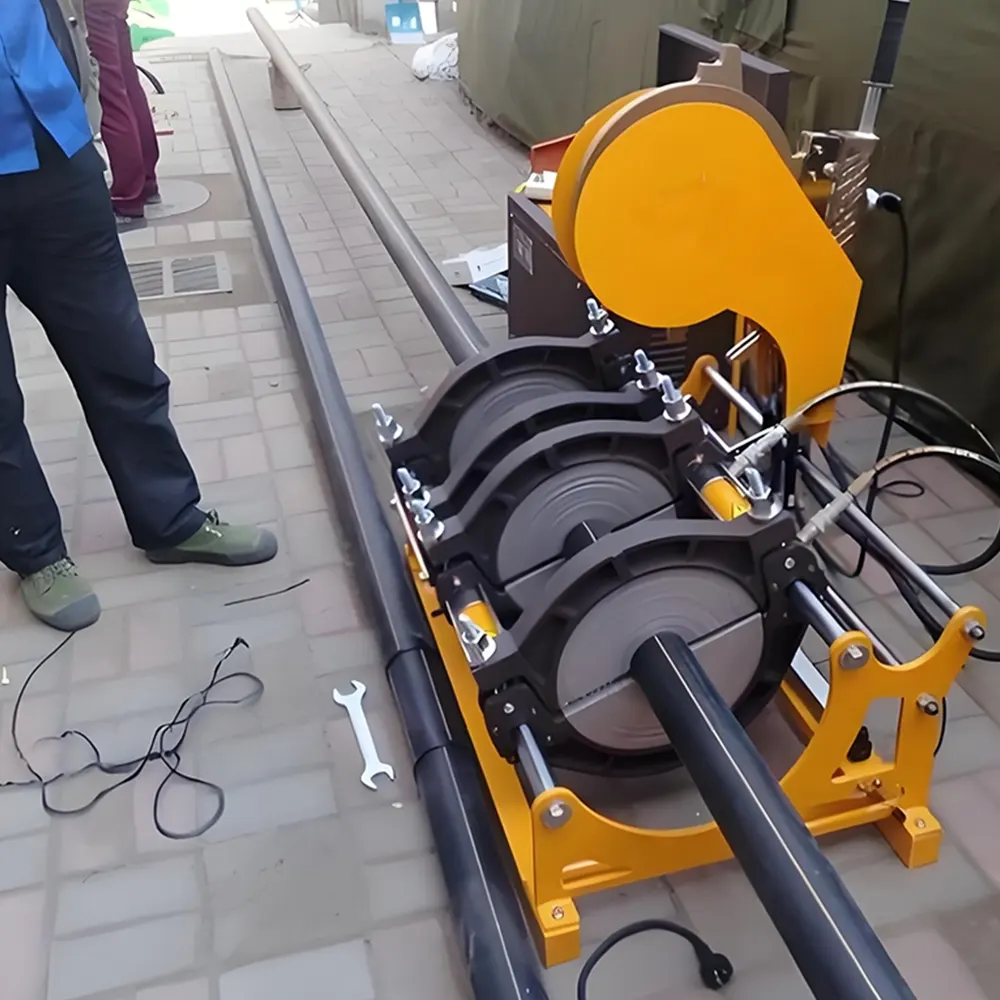
CNC HDPE pipe fusion technology refers to the use of computer numerical control systems to automate the butt fusion welding process for high-density polyethylene pipes. Unlike manual or basic hydraulic machines that depend heavily on operator skill, CNC-driven fusion machines utilize programmable logic controllers (PLCs) to manage every critical parameter—heating temperature, soak time, fusion pressure, and cooling duration. This level of automation ensures that the butt fusion welding procedure is executed identically for every joint, dramatically reducing the risk of human error. The technology is governed by international benchmarks such as ISO 21307 butt fusion procedures, which define the precise stages required for a structurally sound weld.
How CNC-Controlled Fusion Welding Works
The process follows a meticulously controlled sequence that transforms two separate pipe ends into a single monolithic structure. Here is how CNC HDPE pipe fusion technology orchestrates each phase:
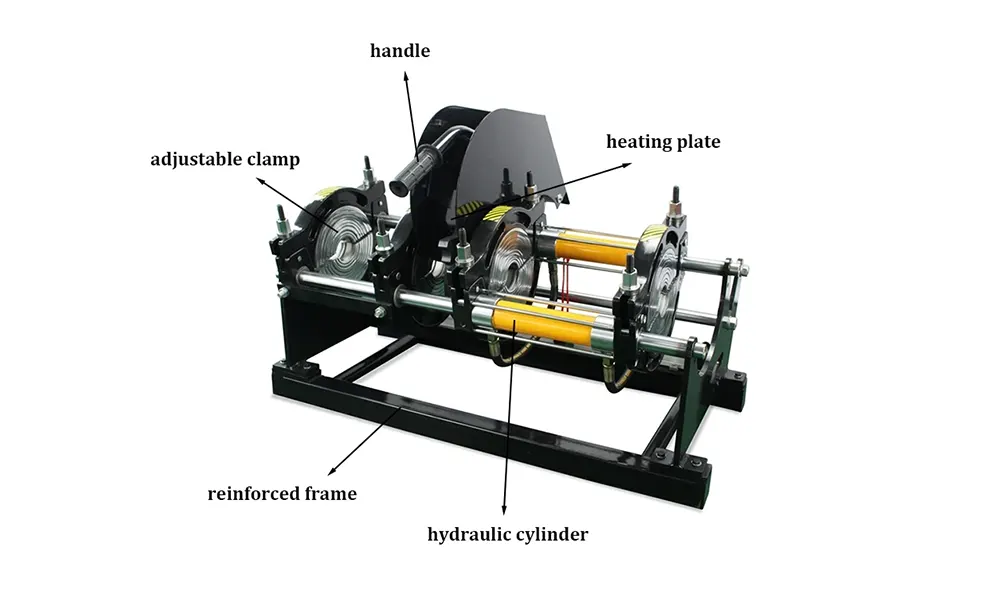
- Alignment and Clamping: The CNC system activates hydraulic clamps to secure both pipe ends in perfect axial alignment, verified by sensors.
- Facing and Planing: A rotating planer automatically trims both pipe ends to create clean, parallel surfaces essential for uniform heating.
- Heating Phase: The heated plate is inserted and maintained at a precisely controlled temperature, with the CNC monitoring heat soak time to comply with ASTM F2620 heat fusion standards.
- Fusion and Cooling: The plate is removed, and the molten pipe ends are brought together under exact pressure. The CNC maintains this pressure throughout the cooling cycle, preventing premature stress on the joint.
Key Advantages of CNC Fusion Over Conventional Methods
Transitioning to CNC HDPE pipe fusion technology offers measurable improvements across project execution and long-term pipeline reliability. The following table highlights critical differences between CNC automatic, hydraulic, and manual fusion approaches:
| Feature | CNC Automatic Fusion | Hydraulic Fusion | Manual Fusion |
|---|---|---|---|
| Parameter Control | Fully automated, PLC-driven | Semi-automated | Operator-dependent |
| Data Logging | Built-in, traceable records | Limited or external | None |
| Weld Consistency | Excellent repeatability | Good with skilled operator | Highly variable |
| Operator Training | Minimal, menu-guided | Moderate | Extensive |
| Productivity | High, optimized cycles | Moderate | Slower |
Beyond the table above, CNC HDPE pipe fusion technology also provides real-time monitoring and automatic fault detection. If a parameter drifts outside acceptable limits, the system alerts the operator immediately, preventing defective joints from entering service. This capability is particularly valuable in critical applications where joint failure could have severe consequences.
Industry Applications Requiring Precision Fusion
The reliability delivered by CNC-controlled welding makes it the preferred choice for projects where joint integrity is non-negotiable. Common applications include:
- Municipal Potable Water Distribution: Ensures leak-free connections for decades of service under varying pressure conditions.
- Natural Gas Transmission: Meets the rigorous safety demands of gas pipeline networks, where even micro-leaks are unacceptable.
- Mining and Slurry Transport: Handles abrasive materials with joints that resist wear and separation.
- Industrial Chemical Piping: Provides chemically resistant, fully fused connections for aggressive fluid handling.
- Landfill and Environmental Systems: Delivers secure, leak-proof joints in leachate collection and gas extraction networks.
Understanding the PE Butt Fusion Process and Quality Standards
A properly executed HDPE fusion joint creates a bond that is actually stronger than the pipe itself. The CNC HDPE pipe fusion technology approach adheres to established protocols defined in international standards. Key standards governing the process include ISO 21307 for jointing procedures, ASTM F2620 for heat fusion joining practices, and various regional codes that specify operator qualification and equipment calibration requirements. CNC machines inherently support compliance by recording every weld parameter, creating auditable data logs that demonstrate conformance to project specifications.
Selecting the Right CNC Fusion Equipment
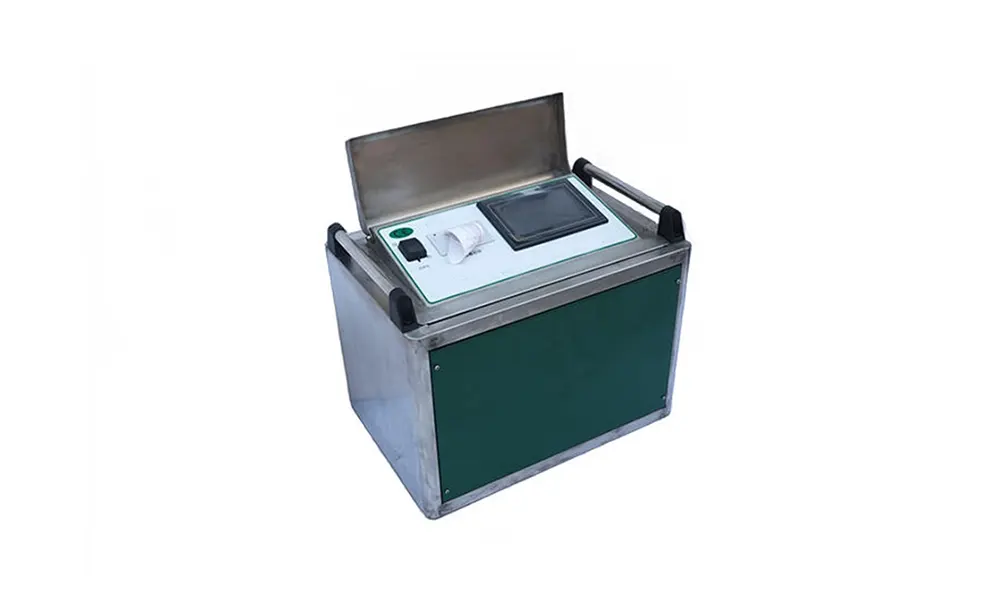
Choosing appropriate CNC automatic butt fusion welding machines depends on several factors, including pipe diameter range, wall thickness, project scale, and site conditions. Modern CNC fusion systems from reputable manufacturers offer features such as touchscreen interfaces, multi-language support, and remote diagnostics. When evaluating equipment, consider the machine’s clamping force capacity, heating plate temperature uniformity, and the comprehensiveness of its data logging software. JQ-Fusion is a professional manufacturer specializing in HDPE pipe welding machines, providing reliable CNC automatic fusion solutions that meet the demands of global infrastructure projects—from compact units for small-diameter piping to heavy-duty systems capable of handling large-diameter mains.
Best Practices for CNC HDPE Fusion Operations
Even with advanced automation, following proper field practices maximizes the benefits of CNC HDPE pipe fusion technology:
- Pre-Weld Inspection: Verify pipe cleanliness, roundness, and freedom from surface damage before clamping.
- Environmental Protection: Shield the welding area from wind, dust, and precipitation that could affect heating consistency.
- Routine Calibration: Schedule regular temperature verification for the heating plate and pressure calibration for the hydraulic system.
- Data Review: Examine weld logs after each joint to confirm all parameters stayed within specified tolerances.
- Operator Training: Although CNC systems simplify operation, personnel should still understand the fundamentals of PE butt fusion process theory.
The Future of Automated Pipe Welding
As infrastructure investments grow globally, the shift toward CNC HDPE pipe fusion technology continues to accelerate. Emerging trends include cloud-connected machines that enable remote monitoring of multiple welding stations, AI-assisted parameter optimization based on real-time ambient conditions, and integration with building information modeling (BIM) platforms for comprehensive project documentation. These innovations promise to further reduce installation costs while enhancing the already impressive reliability of fused HDPE piping systems.
For contractors, utilities, and industrial operators seeking dependable pipeline joints, CNC automatic fusion represents a proven pathway to achieving consistent, code-compliant welds. By removing variability from the fusion process, this technology helps ensure that critical piping infrastructure performs safely and efficiently throughout its intended service life.