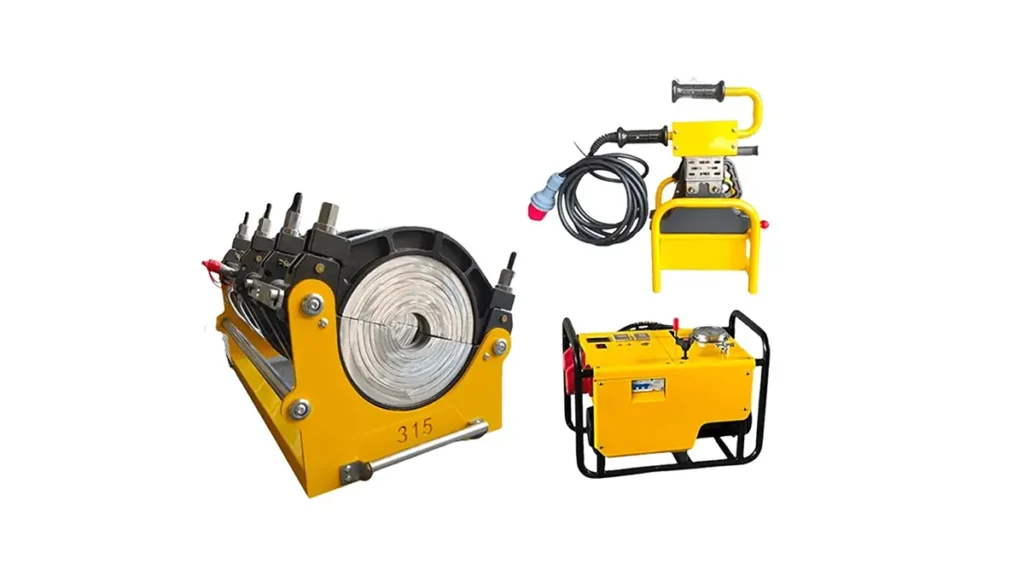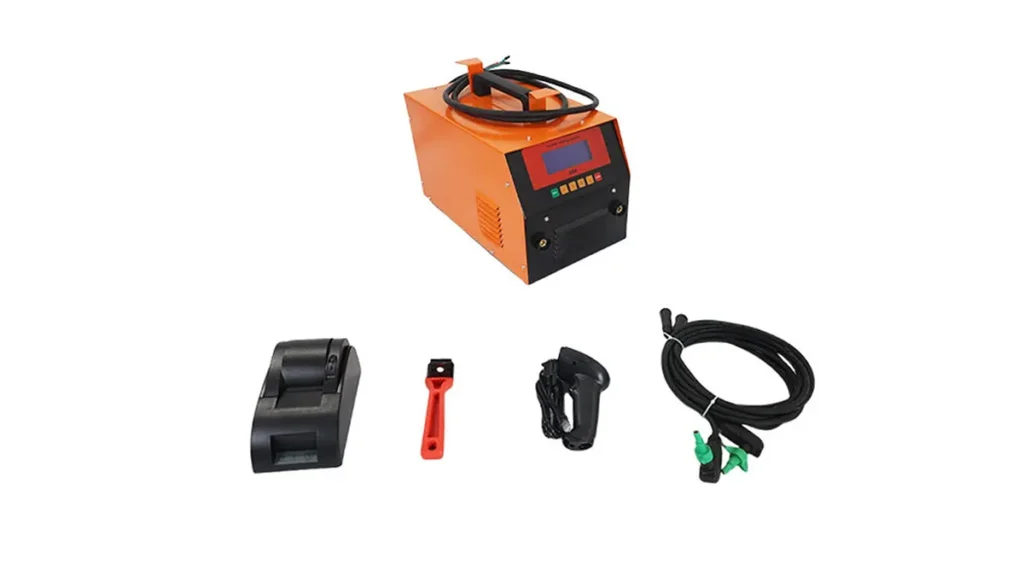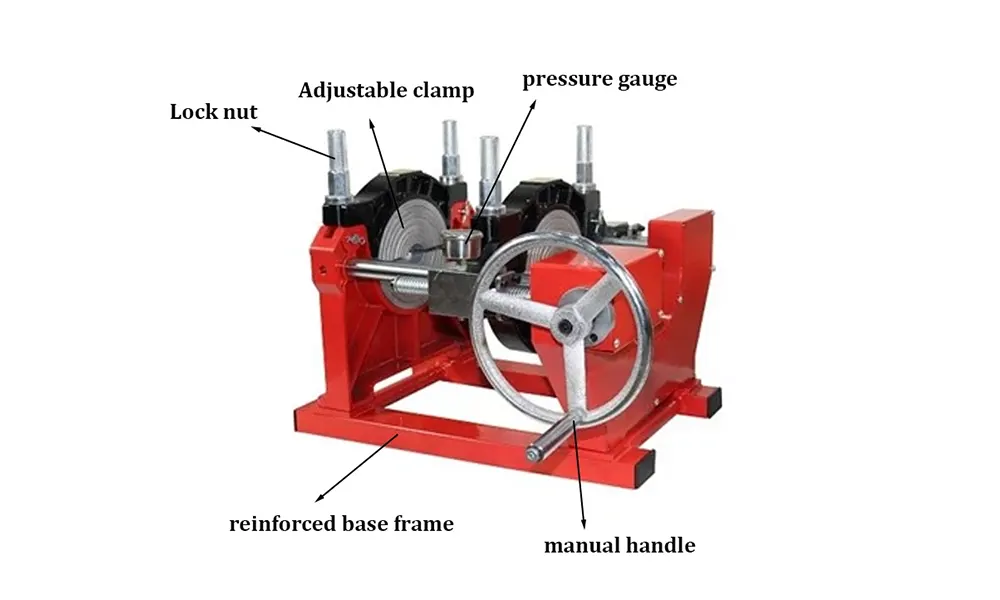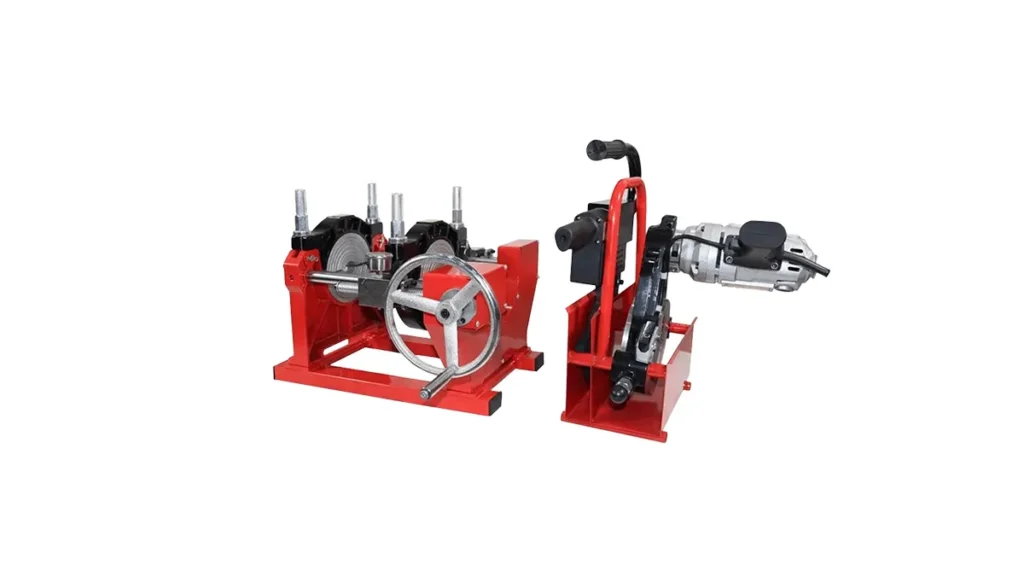
In modern pipeline infrastructure projects, the integrity of HDPE pipe fusion joints directly determines the long-term reliability of water supply, gas distribution, and industrial fluid transport systems. As pipe diameters increase and project timelines tighten, traditional manual welding methods often struggle to maintain consistent quality. This is where automatic HDPE pipe fusion control technology becomes a critical solution, offering a systematic approach to welding accuracy, operational efficiency, and joint quality that manual processes cannot reliably achieve.
The Growing Demand for Automated Fusion Precision
Across global infrastructure projects, engineers and contractors are increasingly adopting butt fusion welding machines equipped with intelligent control systems. The reason is straightforward: even minor deviations in heating temperature, alignment, or fusion pressure can lead to joint failure. Automatic control systems eliminate guesswork by digitizing each parameter, ensuring every weld meets specifications defined by standards such as ISO 21307 butt fusion procedures and ASTM F2620 heat fusion requirements. This shift from operator-dependent craftsmanship to data-driven automation represents a fundamental improvement in how polyethylene piping systems are assembled.
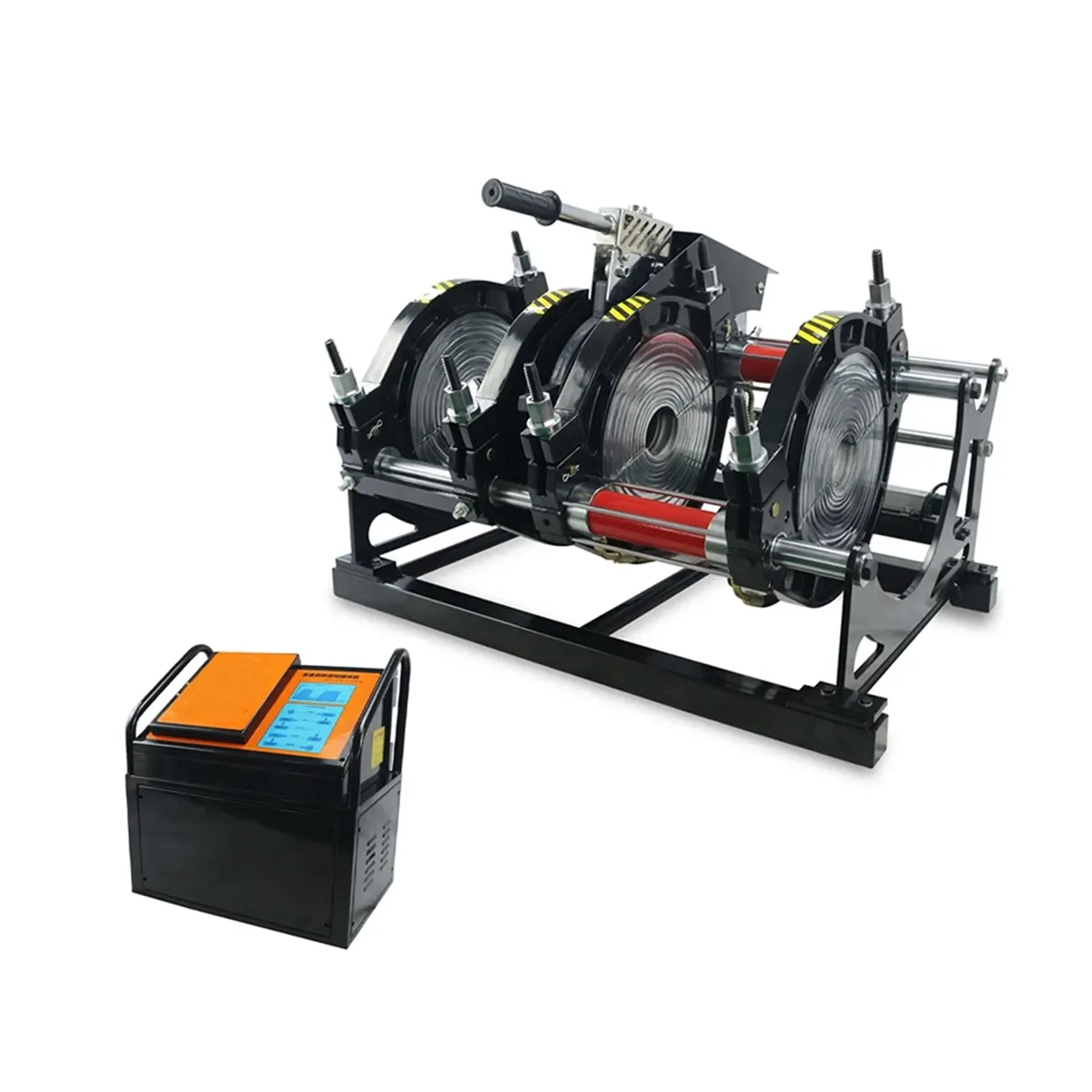
How Automatic HDPE Pipe Fusion Control Enhances Welding Accuracy
At the core of any reliable automatic HDPE pipe fusion control system lies a combination of precision sensors, programmable logic controllers, and real-time feedback loops. These components work together to manage the four critical stages of the butt fusion process: facing, heating, switchover, and cooling. Here is how each stage benefits from automation:
- Facing Stage: Automatic systems regulate trimmer speed and pressure to create perfectly flat and parallel pipe ends, removing oxidation layers without excessive material loss. Misalignment detection sensors ensure both pipe sections are precisely positioned before heating begins.
- Heating Stage: The heating plate temperature is continuously monitored and adjusted within ±1°C of the target value. Automated timers ensure consistent heat soak duration regardless of ambient conditions, preventing both under-heating and thermal degradation of the PE material.
- Switchover Stage: This is the most time-sensitive phase where the heating plate is removed and the molten pipe ends are brought together. Automatic systems execute this transition in under 3 seconds, maintaining the melt integrity that is essential for a strong molecular bond.
- Cooling Stage: Controlled pressure is maintained throughout the cooling cycle under constant monitoring. The system automatically releases clamping force only after the joint has cooled to a safe temperature, preventing residual stress in the weld zone.
By digitizing these parameters, CNC automatic butt fusion machines deliver repeatable accuracy that manual operation cannot match. Each weld cycle can be recorded, stored, and exported for quality assurance documentation—a feature that is increasingly required by project specifications and regulatory bodies.
Key Benefits of Automated Control Systems
Investing in automatic fusion control technology yields measurable returns across multiple dimensions of pipeline construction and maintenance. The following table summarizes the primary advantages compared to conventional manual equipment:
| Performance Factor | Manual Fusion | Automatic Control |
|---|---|---|
| Temperature Accuracy | ±5°C to ±10°C variance | ±1°C precise control |
| Alignment Precision | Operator-dependent | Sensor-verified alignment |
| Data Logging | Manual recording only | Automatic cycle recording |
| Weld Consistency | Varies with operator skill | Repeatable across all welds |
| Training Requirements | Extensive hands-on training | Reduced training curve |
| Production Speed | Moderate, fatigue-dependent | Optimized cycle times |
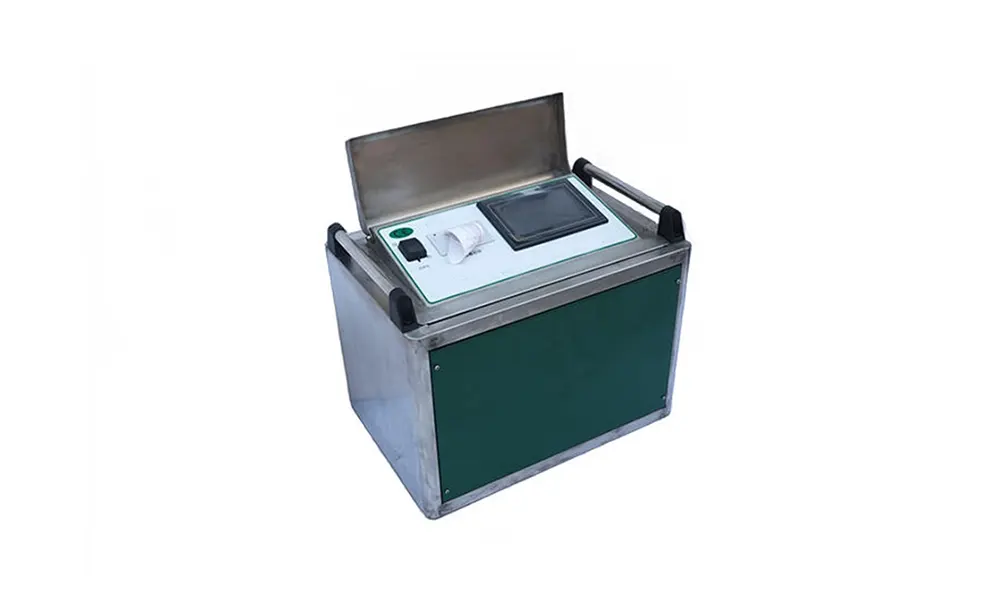
Boosting Efficiency Without Sacrificing Quality
One of the most compelling arguments for adopting automatic HDPE pipe fusion control is the dramatic improvement in on-site productivity. Automated machines optimize every phase of the welding cycle, reducing idle time and eliminating rework caused by failed inspections. Key efficiency drivers include:
- Pre-programmed welding profiles that automatically adjust parameters based on pipe diameter, wall thickness, and material grade—no manual calculation required.
- Rapid heating plate temperature recovery between welds, enabling higher daily joint counts on large-diameter pipelines.
- Integrated fault detection that immediately alerts operators to anomalies, preventing defective welds from progressing further in the production sequence.
- Seamless data transfer to project management systems, streamlining inspection workflows and reducing paperwork.
For contractors managing large-scale installations, the combination of faster cycle times and near-zero rework rates translates directly into lower total project costs and improved profit margins. The initial investment in automatic butt fusion machines is typically recovered within the first few major projects through labor savings and reduced material waste.
Industry Standards and Compliance
Modern automatic fusion control systems are designed to comply with the most stringent international standards governing polyethylene pipe joining. Whether your project follows ISO, ASTM, or local regulatory frameworks, automated equipment simplifies compliance by embedding standard requirements directly into the control logic. Key standards that govern HDPE fusion processes include:
- ISO 21307 — Defines butt fusion jointing procedures for PE piping systems, including single and dual pressure protocols.
- ISO 12176-1 — Specifies performance requirements for PE butt fusion equipment, covering heating plates, facing tools, and clamping systems.
- ASTM F2620 — The primary North American standard for heat fusion joining of PE pipe and fittings, widely referenced in municipal and industrial specifications.
- PPI TR-33 — Provides generic butt fusion joining procedures developed by the Plastics Pipe Institute, offering practical guidance for field operations.
Automatic systems with built-in data logging capabilities make it significantly easier to demonstrate compliance during audits and inspections. Every critical parameter—temperature, pressure, time, and alignment—is recorded with timestamps, creating an auditable trail that satisfies even the most rigorous quality assurance requirements.
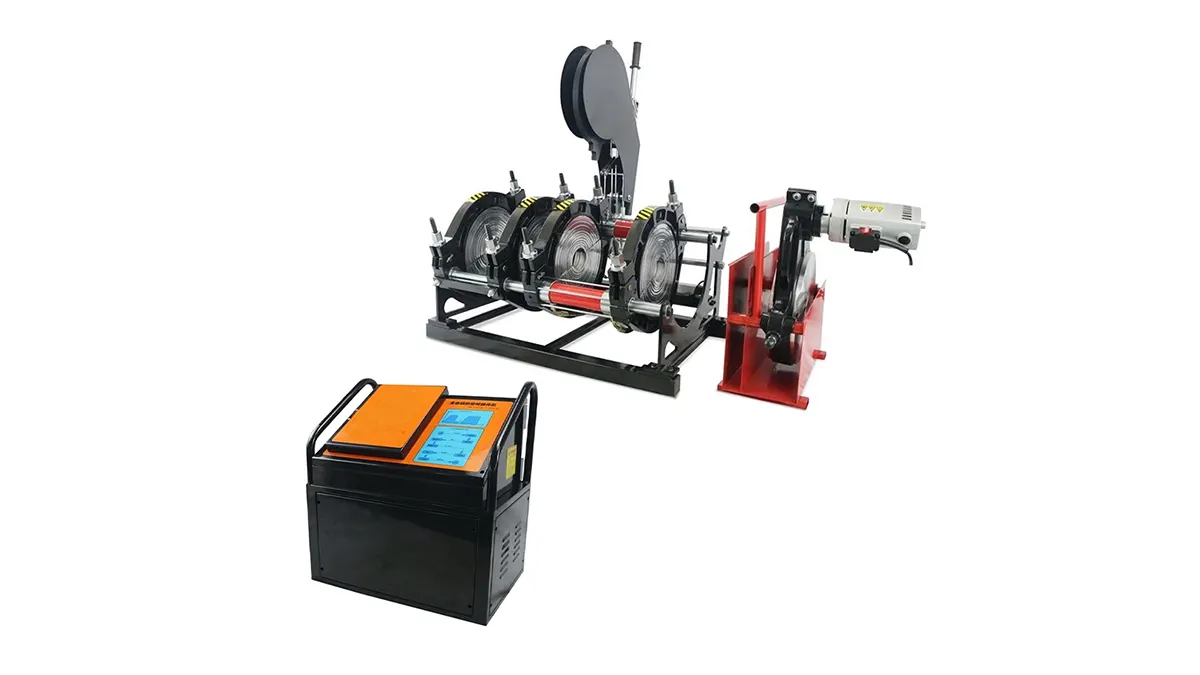
Practical Applications Across Industries
The versatility of automatic HDPE pipe fusion control technology makes it suitable for a wide range of applications. From municipal water mains to industrial chemical transfer lines, automated fusion systems deliver consistent results regardless of the operating environment. Common application sectors include:
- Municipal Water Supply: Large-diameter potable water pipelines require flawless joints to prevent leakage and contamination. Automatic control ensures every fusion meets ISO 4427 PE water pipes standards for long-term service reliability.
- Natural Gas Distribution: Gas pipelines demand the highest level of joint integrity for safety reasons. Automated fusion with full data traceability helps operators comply with stringent regulatory requirements for gas infrastructure.
- Mining and Industrial Processing: HDPE pipes used in slurry transport, tailings management, and chemical processing benefit from the superior joint strength produced by controlled fusion parameters.
- Trenchless Rehabilitation: When fusing pipe strings for horizontal directional drilling or pipe bursting, consistent joint quality is essential to withstand pulling forces without failure.
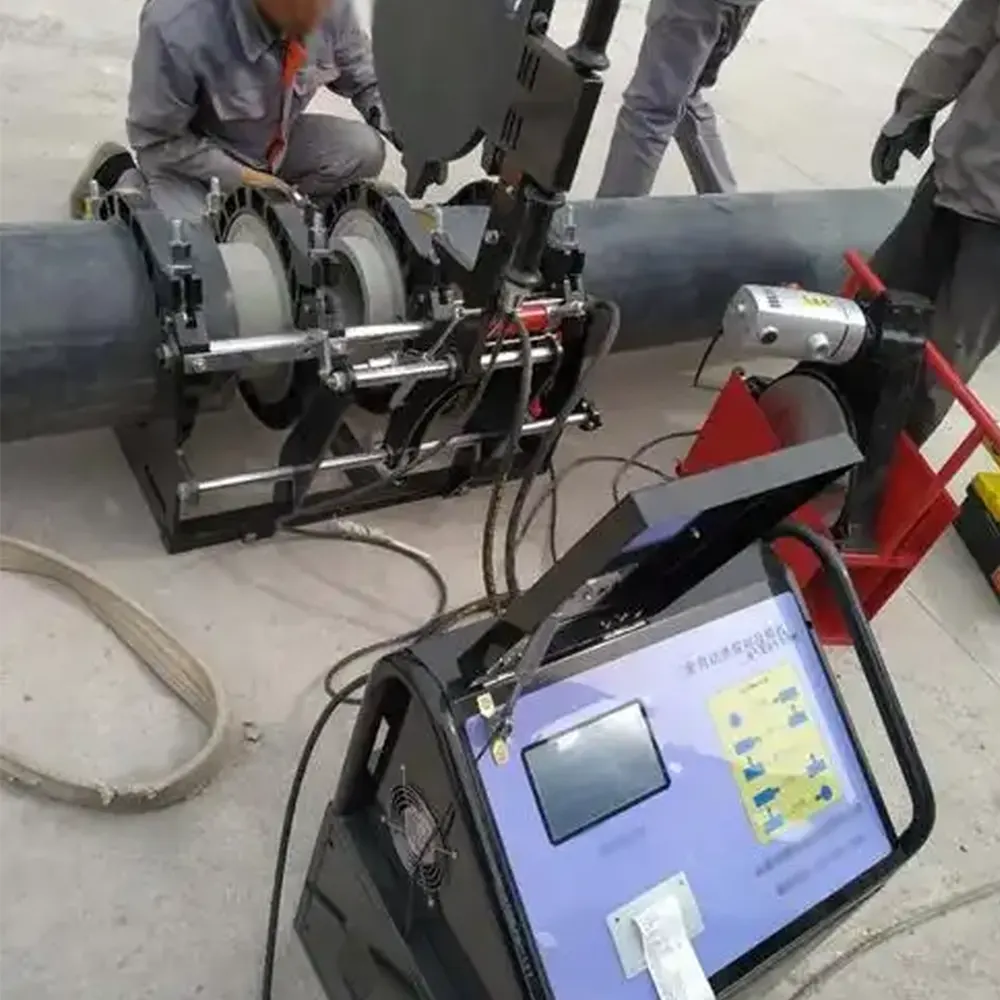
Across these diverse applications, the common thread is the need for verifiable, repeatable weld quality—precisely what automated control technology delivers. As a professional manufacturer in this field, JQ-Fusion has developed a comprehensive range of CNC automatic butt fusion welding machines that incorporate these advanced control features, supporting contractors worldwide in achieving their quality and productivity goals.
Selecting the Right Automatic Fusion Equipment
When evaluating automatic HDPE pipe fusion control systems for your project, several factors should guide your decision. The following considerations will help ensure you select equipment that matches your operational requirements:
Pipe Diameter Range
Automatic butt fusion machines are available in configurations covering pipe sizes from 160mm up to 630mm and beyond. Ensure the equipment you choose accommodates both your current project specifications and potential future requirements. Larger machines often include hydraulic clamping assistance for handling heavy pipe sections efficiently.
Control System Features
Look for systems that offer intuitive touchscreen interfaces, multi-language support, and the ability to store multiple welding protocols. Advanced features such as automatic drag pressure compensation and ambient temperature compensation further enhance weld consistency across varying field conditions.
Data Management Capabilities
USB export, wireless data transfer, and compatibility with common reporting formats are essential for projects requiring comprehensive quality documentation. The ability to print or email weld reports directly from the machine simplifies on-site inspection workflows and accelerates project closeout.
After-Sales Support and Parts Availability
Even the most reliable fusion equipment requires periodic maintenance and occasional replacement of wear components. Choose a supplier with a proven track record of responsive service and readily available spare parts to minimize downtime during critical project phases.
Conclusion: The Future of HDPE Pipe Joining
The transition from manual to automatic HDPE pipe fusion control represents more than a technological upgrade—it marks a fundamental shift toward data-driven quality assurance in pipeline construction. By removing operator variability from the fusion process, automated systems deliver welds that are not only stronger and more consistent but also fully documented for regulatory compliance. For any organization involved in critical PE piping infrastructure, investing in HDPE pipe fusion equipment with intelligent control capabilities is a strategic decision that pays dividends in reduced risk, improved productivity, and long-term system reliability. As standards continue to evolve and project demands grow more complex, automatic fusion control will remain the cornerstone of professional polyethylene pipe joining practices worldwide.