
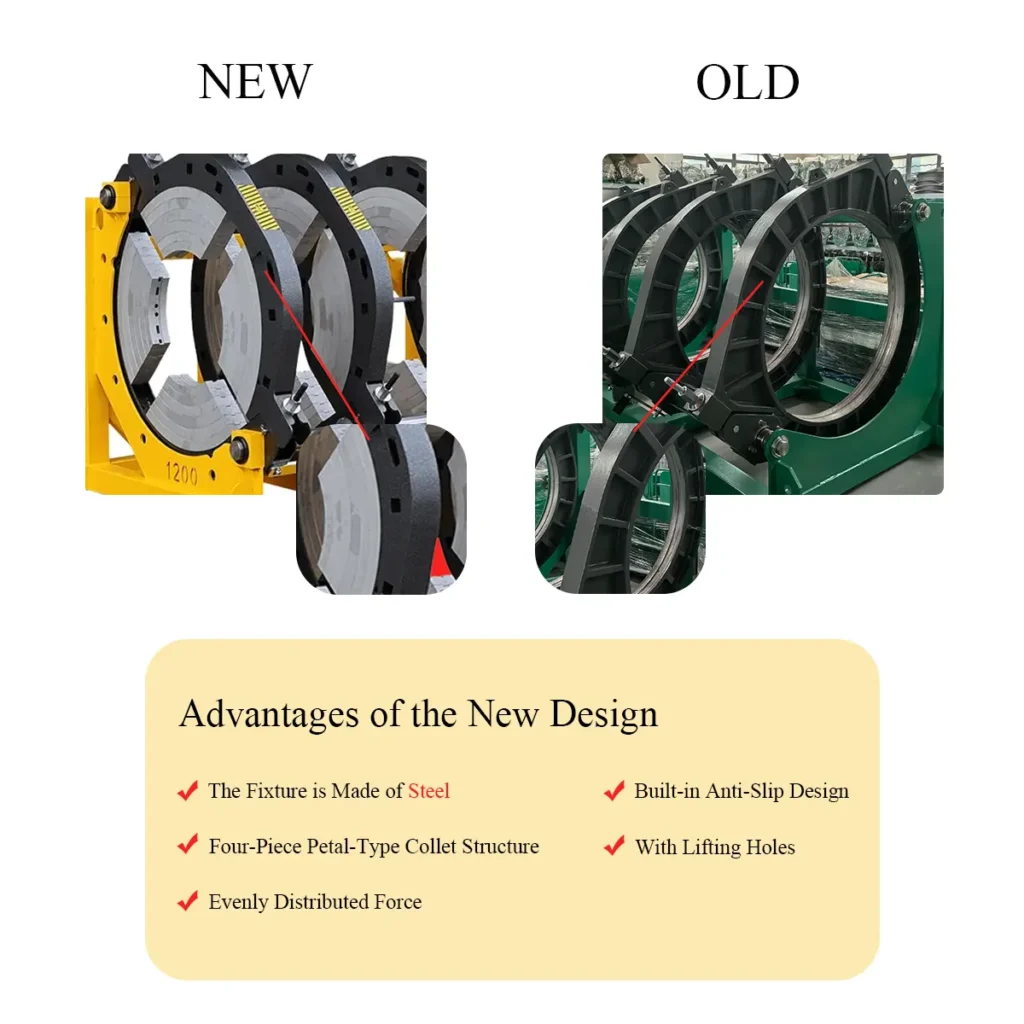
In modern pipeline construction, achieving consistent, high-quality welds is critical for long-term system integrity. An automatic butt fusion control system represents a significant advancement in butt fusion welding technology, replacing manual guesswork with microprocessor-driven precision. By automating the critical stages of the HDPE butt fusion process — from heating and soaking to fusion pressure application and cooling — these systems ensure every joint meets stringent quality standards.
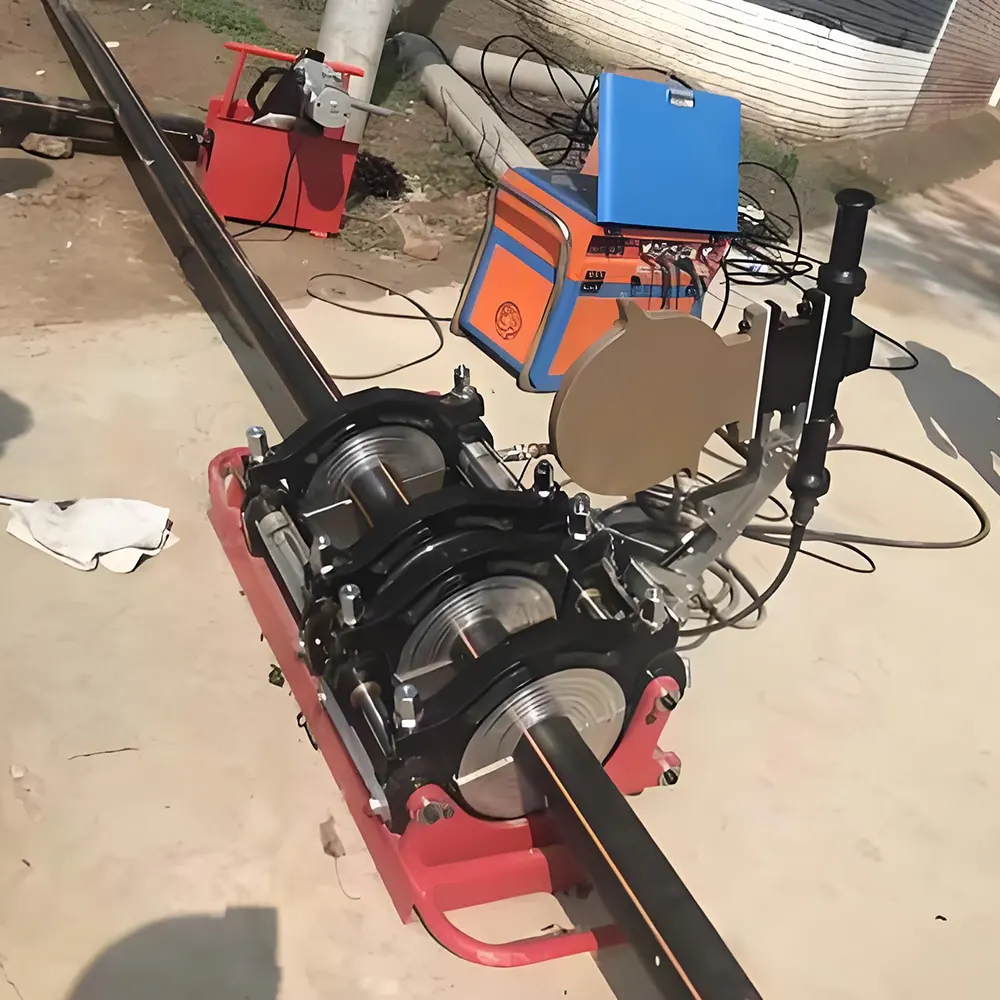
Key Features of an Automatic Butt Fusion Control System
What sets an automatic butt fusion control system apart is its ability to monitor, record, and adjust welding parameters in real time. Below are the core features that define modern CNC automatic butt fusion welding machines:
- Programmable Welding Cycles: Operators can input pipe material, diameter, and wall thickness, and the system automatically calculates the correct heating time, soaking duration, and fusion pressure according to recognized standards.
- Real-Time Data Logging: Every weld cycle is recorded with timestamps, temperature readings, and pressure values. This data supports PE fusion traceability requirements and quality audits.
- Closed-Loop Temperature Control: The heating plate temperature is continuously monitored and adjusted, preventing overheating or cold spots that could compromise joint integrity.
- Automated Pressure Regulation: Hydraulic pressure is precisely controlled during the heating, heat soak, and fusion stages, eliminating operator error in force application.
- Fault Detection and Alerts: If any parameter deviates from the preset range — such as a temperature drop or pressure anomaly — the system immediately alerts the operator and can halt the cycle.
Benefits Over Manual and Semi-Automatic Machines
Transitioning from manual or basic hydraulic equipment to a full automatic butt fusion control system delivers measurable improvements across the entire welding workflow. The table below highlights the key differences:
| Aspect | Manual Machines | Automatic Control System |
|---|---|---|
| Parameter Setting | Relies on operator experience | Automatically calculated per pipe specs |
| Consistency | Varies between operators and shifts | Repeatable results across all cycles |
| Data Recording | Manual logs, prone to gaps | Automatic digital records with full traceability |
| Operator Training | Extensive skill required | Reduced training time with intuitive interface |
| Error Prevention | Dependent on vigilance | Built-in fault detection and alerts |
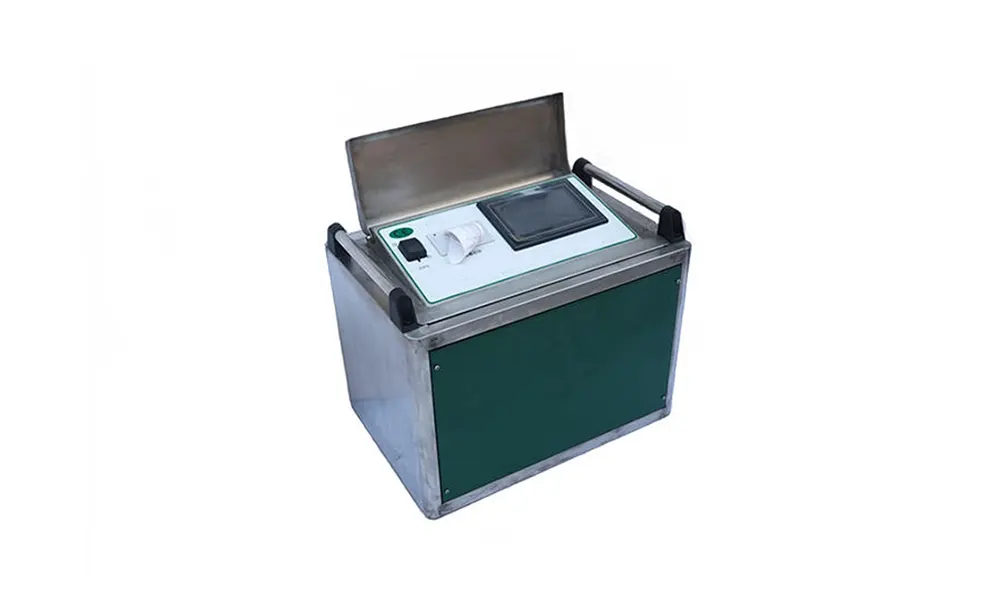
How the Control System Manages Each Welding Phase
An automatic butt fusion control system meticulously manages every phase of the PE butt fusion process to produce joints that meet or exceed ISO 21307 butt fusion procedures. The four key stages are orchestrated as follows:
1. Heating Phase
The system brings the heating plate to the precise target temperature and maintains it within a tight tolerance band. Once the pipe ends are in contact with the plate, the controlled heating pressure ensures uniform heat transfer across the entire pipe face.
2. Heat Soak Phase
After the initial bead forms, the system reduces pressure to near-zero while maintaining pipe contact with the heating plate. The soak duration is automatically calculated based on pipe dimensions and material grade, allowing heat to penetrate to the required depth.
3. Fusion Phase
The heating plate is withdrawn, and the pipe ends are brought together under precisely controlled fusion pressure. The system ramps up pressure smoothly to avoid impact damage while ensuring the molten material intermixes thoroughly for a homogeneous joint.
4. Cooling Phase
Fusion pressure is maintained throughout the entire cooling period. The system tracks elapsed time and will not release the clamps until the joint has cooled sufficiently to develop full structural strength. Premature release — a common operator error in manual processes — is completely eliminated.
Applications Across Industries
The reliability of an automatic butt fusion control system makes it indispensable across multiple sectors. Here are the primary application areas:
- Municipal Water Supply: Large-diameter HDPE pipelines require flawless joints to prevent leakage in potable water networks. Automatic systems ensure every connection meets ISO 4427 PE water pipes standards.
- Gas Distribution: Natural gas pipelines demand the highest level of joint integrity. Automatic control systems provide the documented quality assurance required for PE gas piping systems.
- Mining and Slurry Transport: Abrasive slurry pipelines benefit from the consistent fusion quality that prevents premature joint failure under high-wear conditions.
- Industrial Process Piping: Chemical plants and industrial facilities rely on industrial PE piping systems that can be joined with fully traceable, automated fusion processes.
- Marine and Dredging: Floating HDPE pipelines used in dredging operations require durable, flexible joints that can withstand wave action and constant movement.
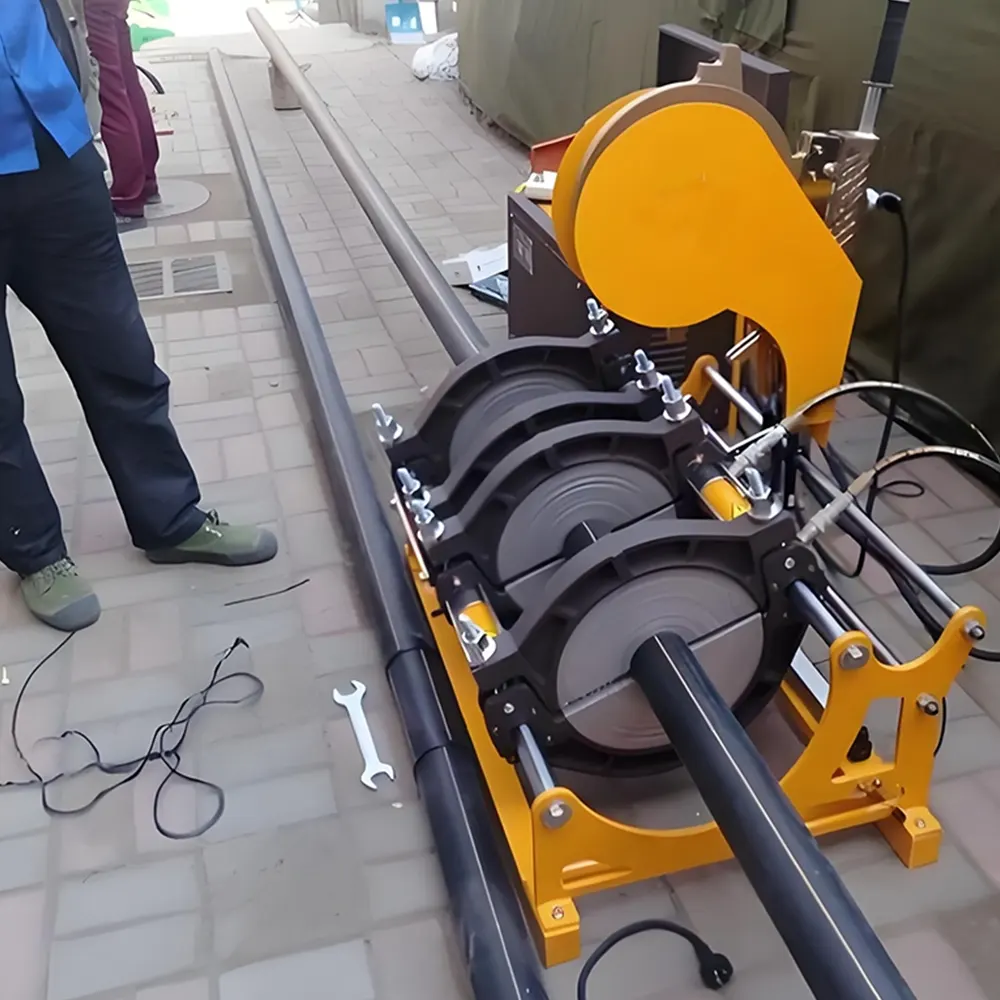
Ensuring Compliance with International Standards
A properly designed automatic butt fusion control system aligns with major international standards, including PE butt fusion equipment standard ISO 12176-1 and ASTM F2620 heat fusion specifications. The system’s ability to produce consistent, documented welds simplifies third-party inspections and regulatory compliance. For projects that mandate PE fusion operator requirements, the automated data logging provides an auditable trail of every joint.
Why Invest in Automation?
For contractors and utility companies managing extensive pipeline networks, the return on investment from an automatic butt fusion control system extends beyond weld quality. Reduced rework rates, faster cycle times, lower training costs, and comprehensive documentation all contribute to a lower total cost of ownership. As infrastructure projects increasingly demand digital quality records, automated fusion systems are becoming the industry standard rather than an optional upgrade.
Selecting the Right Automatic Butt Fusion Equipment
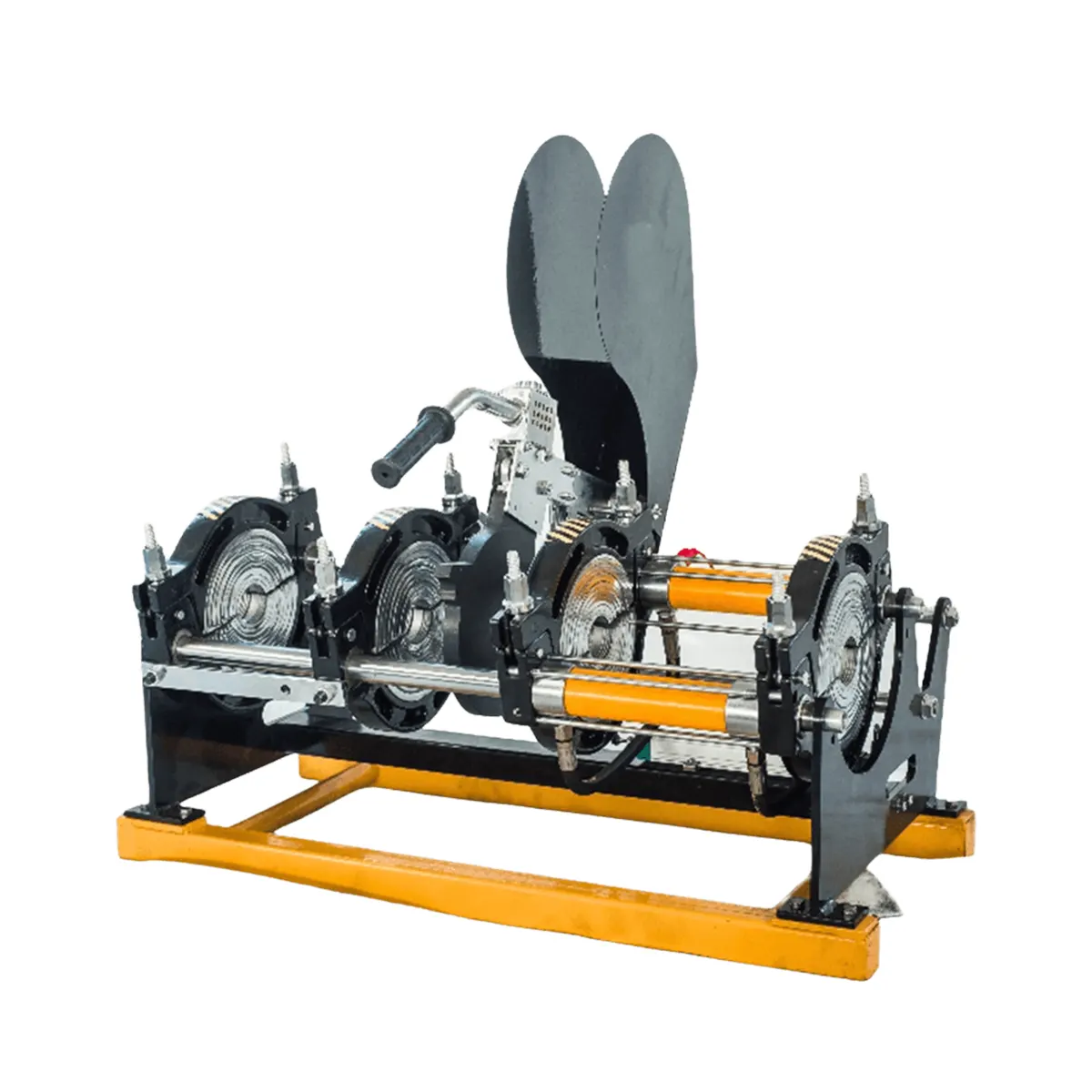
When evaluating automatic fusion systems, consider pipe diameter range, data export capabilities, compatibility with existing site infrastructure, and after-sales support. Equipment that offers both automatic and manual override modes provides flexibility for unique field conditions while maintaining the benefits of automation for standard production welding.
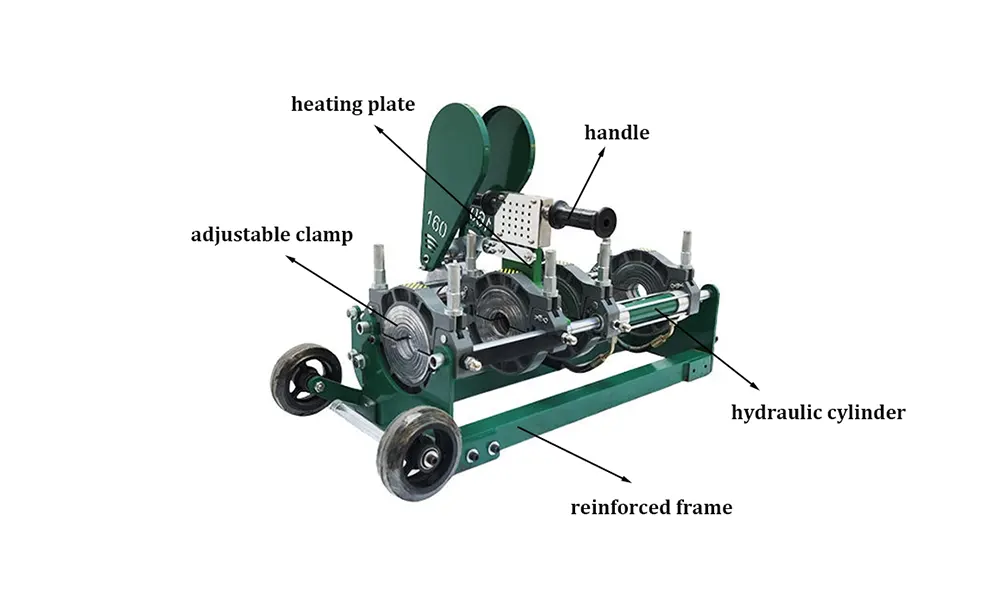
Manufacturers like JQ-Fusion offer a comprehensive range of CNC automatic butt fusion machines designed to cover pipe diameters from 160 mm up to 630 mm and beyond, with customizable features to meet specific project requirements. The integration of advanced control systems with robust mechanical design ensures reliable performance in demanding field environments.
Key Takeaways
- An automatic butt fusion control system eliminates operator-dependent variability in HDPE pipe joining.
- Real-time data logging supports full traceability and regulatory compliance.
- Automated parameter calculation reduces training time and prevents costly errors.
- Applications span water, gas, mining, industrial, and marine sectors.
- Equipment aligned with ISO and ASTM standards ensures globally recognized joint quality.
Adopting automatic butt fusion control systems is a strategic decision that enhances weld integrity, streamlines operations, and provides the documentation that modern infrastructure projects demand. Whether you are upgrading existing equipment or outfitting a new project, automation delivers consistent quality from the first weld to the last.



