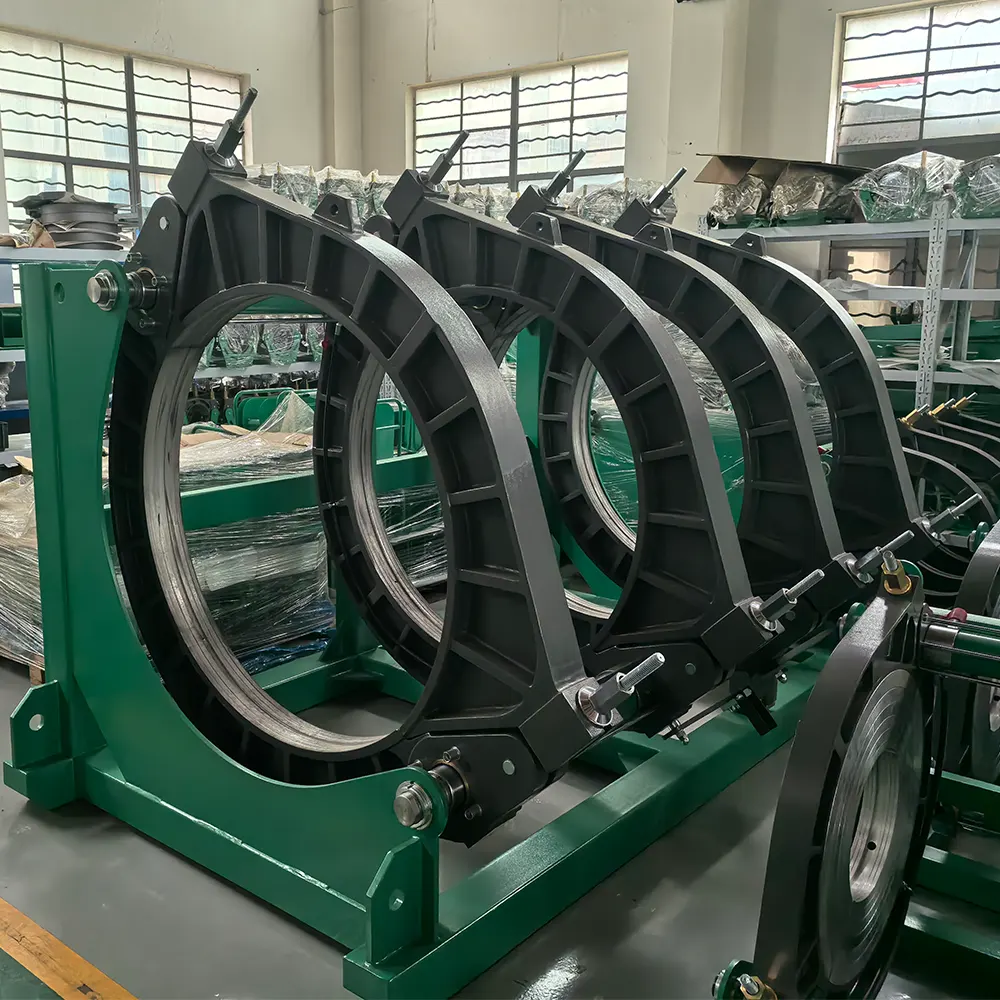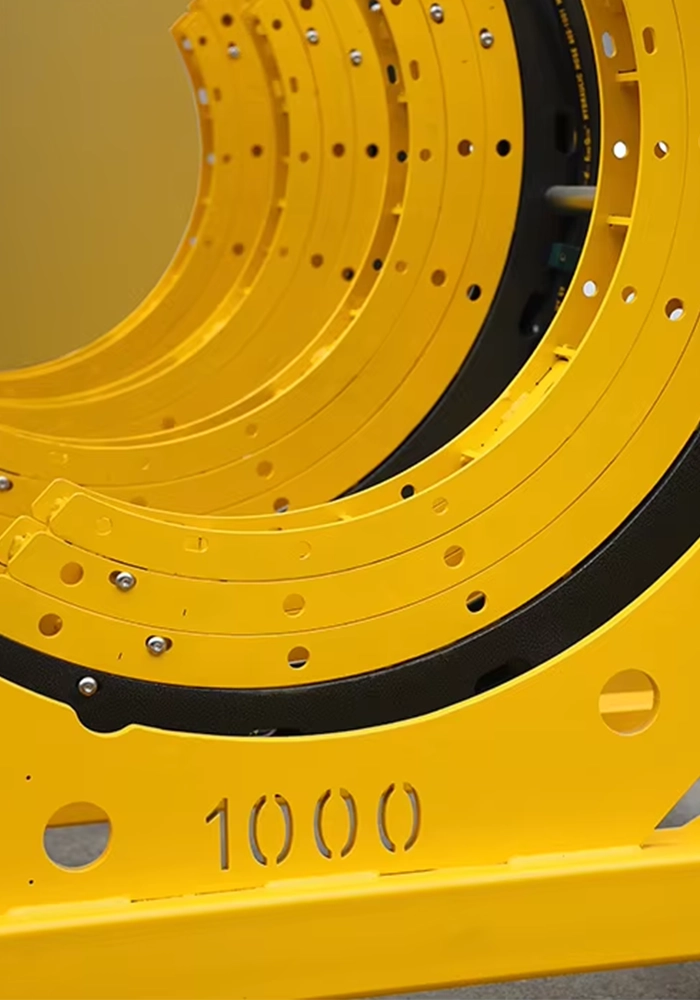
A well-maintained butt fusion hydraulic system is the cornerstone of consistent, high-quality pipeline welding. Whether you are joining large-diameter HDPE pipes for municipal water supply or gas distribution networks, the hydraulic power unit drives the critical clamping and carriage movements that ensure precise fusion alignment. Neglecting routine inspection and maintenance can lead to costly downtime, compromised weld integrity, and premature equipment failure. This guide covers the essential practices for inspecting, troubleshooting, and repairing your hydraulic butt fusion welding machine to keep your projects running smoothly and safely.
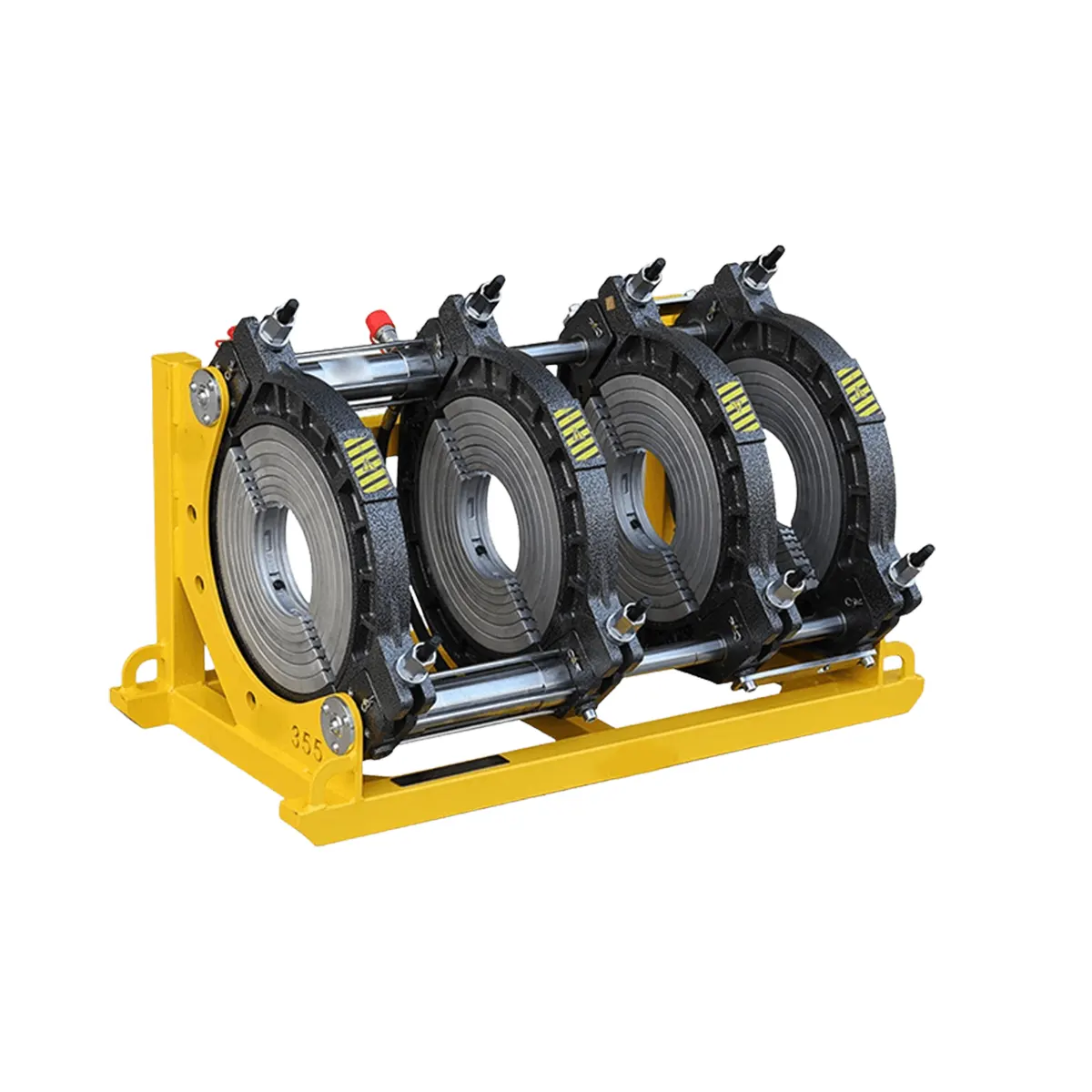
Understanding Your Butt Fusion Hydraulic System
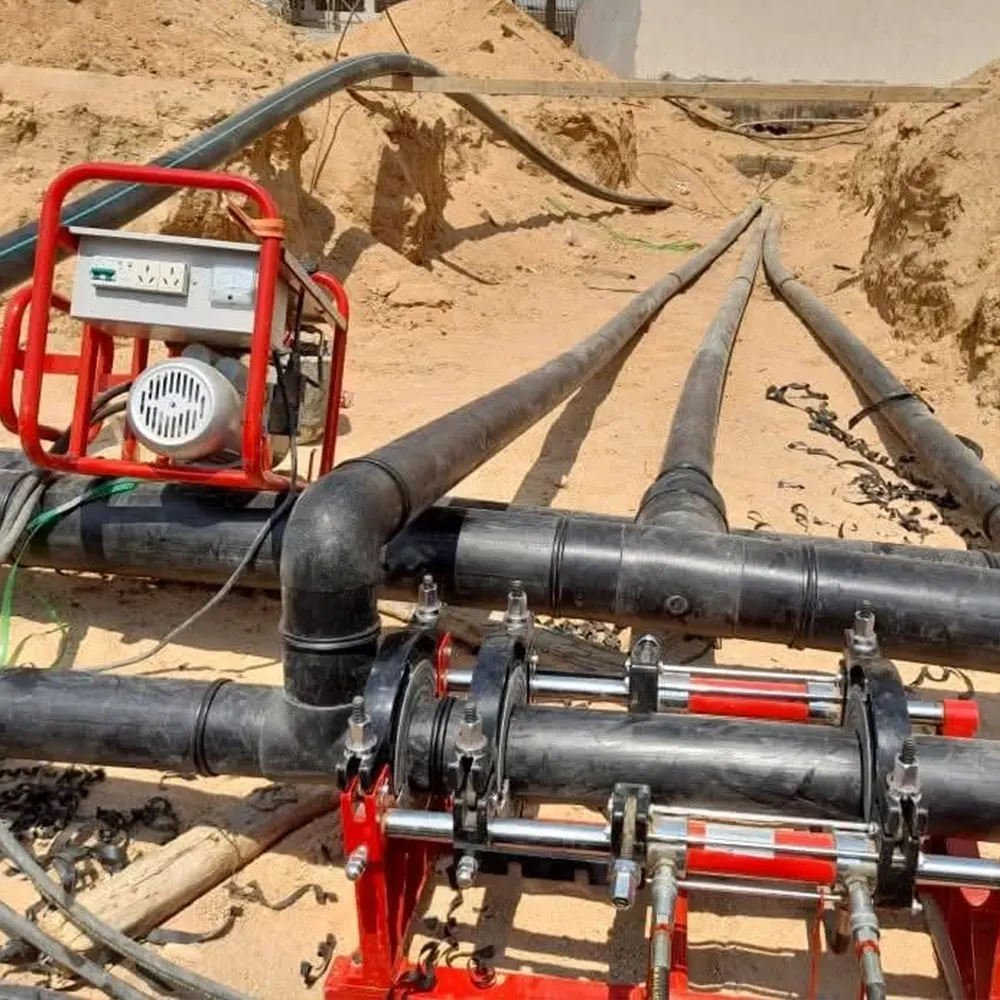
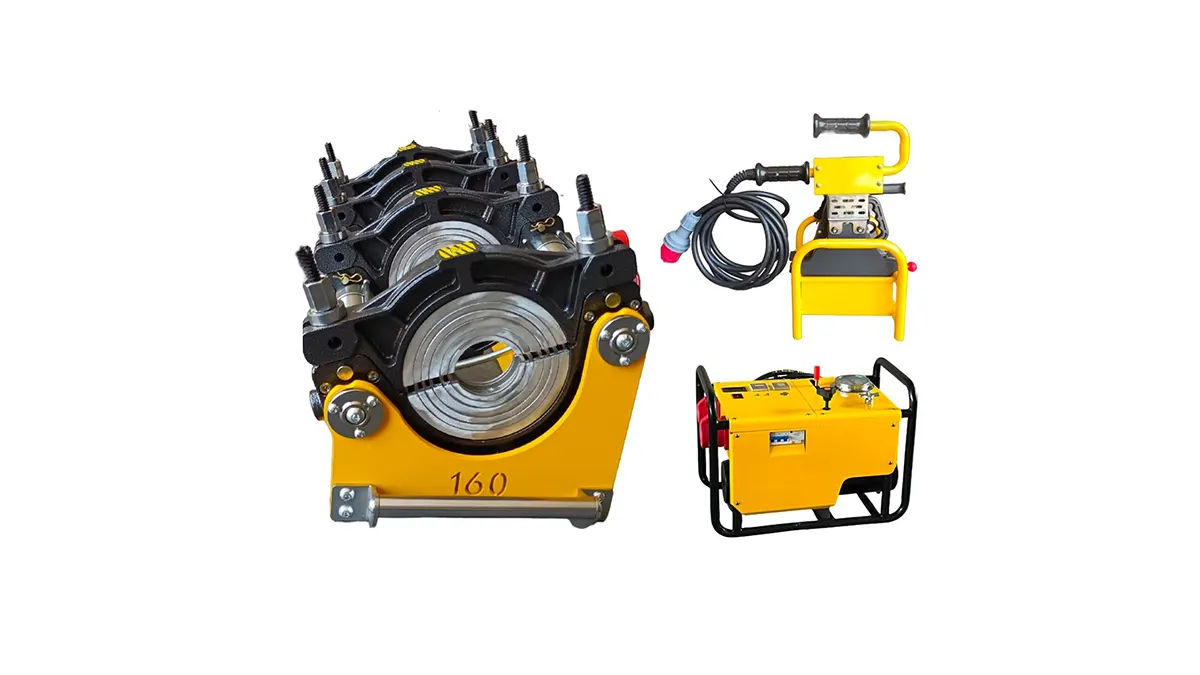
The hydraulic system in a butt fusion machine typically consists of a pump, reservoir, directional control valves, cylinders, hoses, and various fittings. Its primary functions include moving the pipe clamps, controlling the carriage pressure during the heating and fusion phases, and retracting the heater plate. Proper system pressure and oil flow are essential for meeting the fusion parameters specified in ISO 21307 butt fusion procedures. Understanding each component helps operators quickly identify issues before they escalate.
Daily Inspection Checklist for Hydraulic Systems
Before starting any welding operation, operators should perform a thorough visual and functional check. The following table outlines the key inspection points that should become part of your daily routine:
| Inspection Item | Frequency | What to Look For |
|---|---|---|
| Hydraulic Oil Level | Daily | Oil level at center of sight glass; top up if low |
| Oil Quality | Weekly | Clear amber color; no milky appearance or debris |
| Hose Connections | Daily | No visible leaks, cracks, or abrasions on hoses |
| Pressure Gauge | Daily | Reads zero when idle; stable reading under load |
| Cylinder Movement | Daily | Smooth extension and retraction without jerking |
| Quick Couplers | Weekly | Clean, properly seated, no fluid seepage |
Common Hydraulic System Issues and Troubleshooting
Even with regular inspections, hydraulic problems can arise. Below are the most frequently encountered issues with butt fusion hydraulic system maintenance and how to address them effectively.
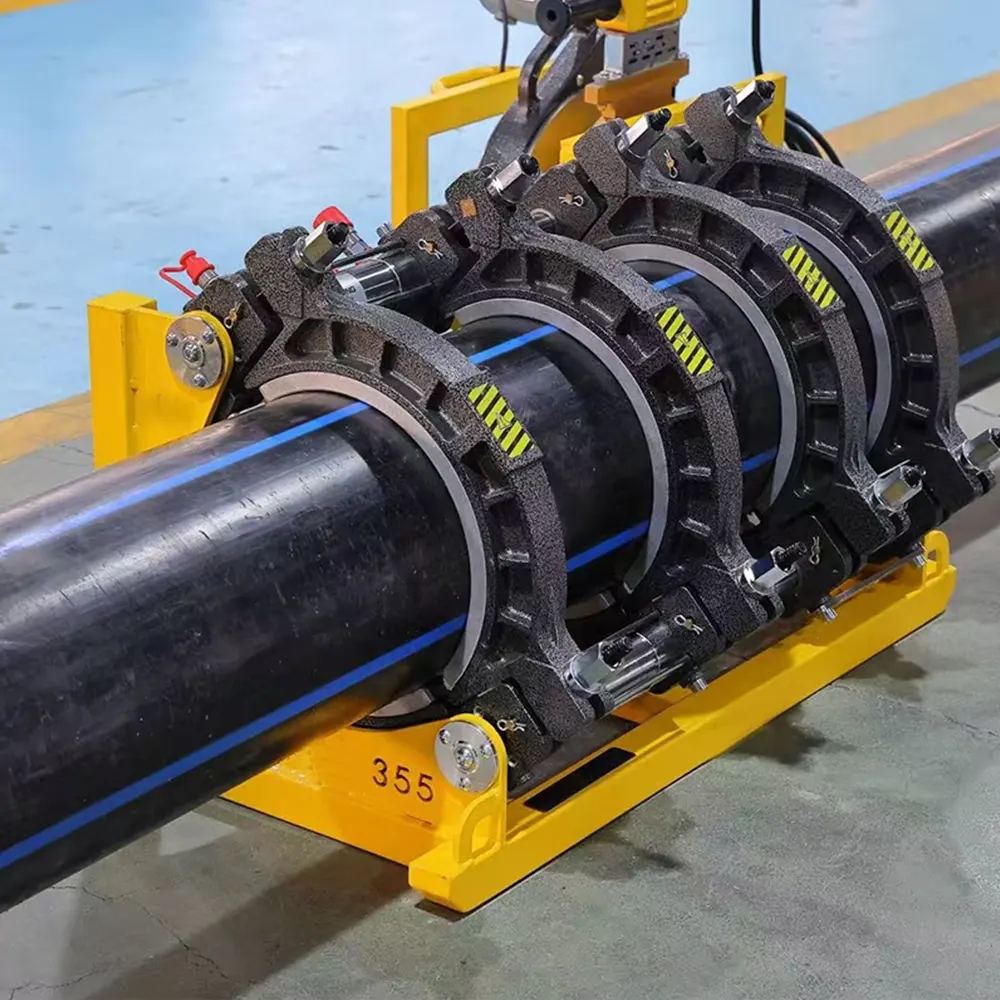
Hydraulic Oil Contamination
Contaminated oil is the leading cause of hydraulic system failure. Water ingress, dirt, and metal particles can degrade performance rapidly. Symptoms include erratic cylinder movement, unusual pump noise, and a milky appearance of the oil. Drain and replace the oil immediately if contamination is suspected, and always use the manufacturer-recommended hydraulic fluid grade. Flushing the system before refilling is strongly advised to remove residual contaminants.
Pressure Loss and Leakage
A gradual or sudden drop in system pressure can prevent proper clamping force during welding. Common causes include:
- Worn or damaged cylinder seals allowing internal bypass
- Loose hydraulic fittings or cracked hose ends
- Faulty relief valve settings or contamination in the valve seat
- External leaks at quick-connect couplers
Systematically check each connection point and replace any compromised components before resuming operations.
Overheating Problems
Excessive oil temperature, typically above 65°C (150°F), can degrade seals and reduce oil viscosity. Overheating often results from restricted oil flow, a clogged filter, continuous operation beyond duty cycle limits, or low oil levels. Allow the system to cool, check the oil level, and inspect the filter element. Installing a temperature indicator on the reservoir can help operators monitor this critical parameter in real time.
Step-by-Step Hydraulic System Repair Guide
When troubleshooting identifies a faulty component, follow these repair steps to restore your butt fusion welding equipment to full working order. Always relieve system pressure and disconnect power before beginning any repair work.
Seal and O-Ring Replacement
Cylinder seal failure is a common source of pressure loss. To replace seals:
- Remove the cylinder from the machine frame carefully
- Disassemble the cylinder gland and extract the piston rod
- Inspect the rod surface for scoring or pitting that could damage new seals
- Install OEM-specification seals and O-rings to ensure proper fit
- Lubricate seals with clean hydraulic oil before reassembly
- Test the cylinder under low pressure before returning to full service
Hydraulic Hose Maintenance
Hydraulic hoses are subject to wear from abrasion, UV exposure, and repeated flexing. Inspect hoses for cracks, bulges, or soft spots every month. When replacing a hose, ensure the new hose matches the original specification for pressure rating, diameter, and end fittings. Avoid overtightening fittings, as this can damage threads and cause leaks. Proper hose routing away from sharp edges and heat sources extends service life significantly.
Preventive Maintenance Schedule
Implementing a structured preventive maintenance program minimizes unexpected breakdowns and extends the life of your HDPE butt fusion equipment. Refer to the schedule below and adapt it based on your operating environment and usage intensity.
| Maintenance Task | Interval | Recommended Action |
|---|---|---|
| Hydraulic Oil Change | Every 1000 hours or annually | Drain completely, flush system, refill with fresh oil |
| Return Filter Replacement | Every 500 hours | Replace filter element with OEM part |
| Suction Strainer Cleaning | Every 500 hours | Remove and clean with solvent; replace if damaged |
| Seal and Gasket Inspection | Every 6 months | Check all static and dynamic seals for wear or hardening |
| Complete System Flush | Every 2 years | Professional flushing to remove sludge and deposits |
| Pressure Relief Valve Calibration | Annually | Verify set pressure matches specifications |
Best Practices for Extending Hydraulic System Life
Beyond scheduled maintenance, adopting these operational habits will significantly enhance the longevity of your hydraulic system and ensure compliance with PPI butt fusion procedure guidelines:
- Always use clean, high-quality hydraulic oil that meets ISO viscosity grade specifications for your operating climate
- Store the machine with cylinders retracted to protect rod surfaces from environmental damage
- Keep all quick couplers capped when not in use to prevent dirt ingress
- Avoid exceeding the rated pressure of your hydraulic system during pipe alignment
- Document all maintenance activities, including oil changes, filter replacements, and seal repairs
When to Seek Professional Service
While many maintenance tasks can be performed by trained operators, certain situations warrant professional intervention. If you encounter persistent pressure fluctuations that do not resolve with basic troubleshooting, internal pump wear may be the culprit. Similarly, if cylinders exhibit scoring or deep scratches on the piston rod, professional reconditioning or replacement is recommended. For complex hydraulic circuit issues, consulting with the equipment manufacturer ensures that repairs are performed correctly and safely.
When selecting replacement parts or considering equipment upgrades, it is important to partner with a reliable supplier. JQ-Fusion provides comprehensive support for hydraulic butt fusion welding machines, ensuring that operators worldwide have access to quality components and technical guidance tailored to their project needs. Whether you are maintaining existing equipment or expanding your fleet, choosing durable, well-engineered machines simplifies long-term maintenance and delivers consistent fusion results. For further technical resources, refer to PE butt fusion equipment standard documentation and manufacturer-specific service manuals.