
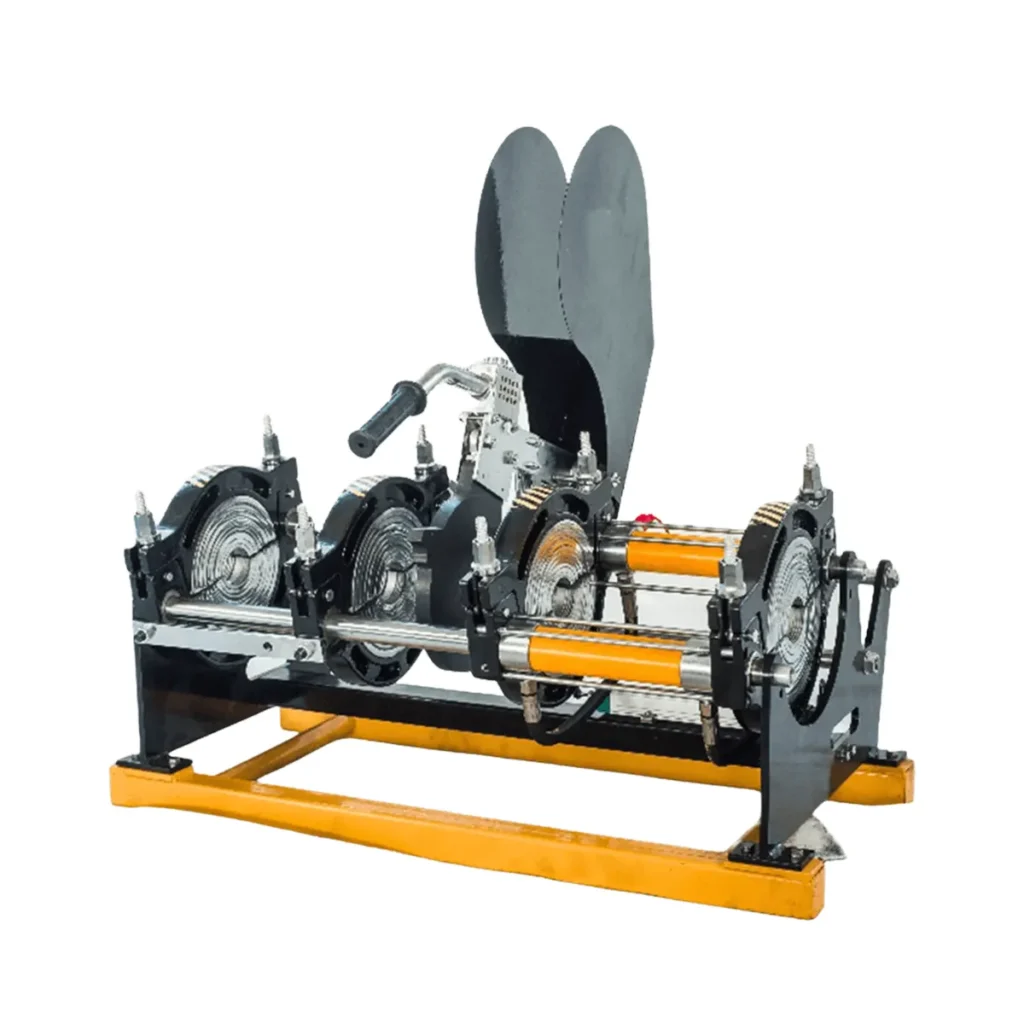
In the world of thermoplastic pipe joining, the butt fusion machine heating plate is the critical interface that determines weld integrity. Without a precisely engineered heating plate, even the most advanced butt fusion welding machine cannot produce consistent, high-strength joints. This component is responsible for transferring exact thermal energy to the pipe ends, softening the polyethylene material to the optimal state required for molecular bonding under controlled pressure.
Understanding the Role of the Heating Plate
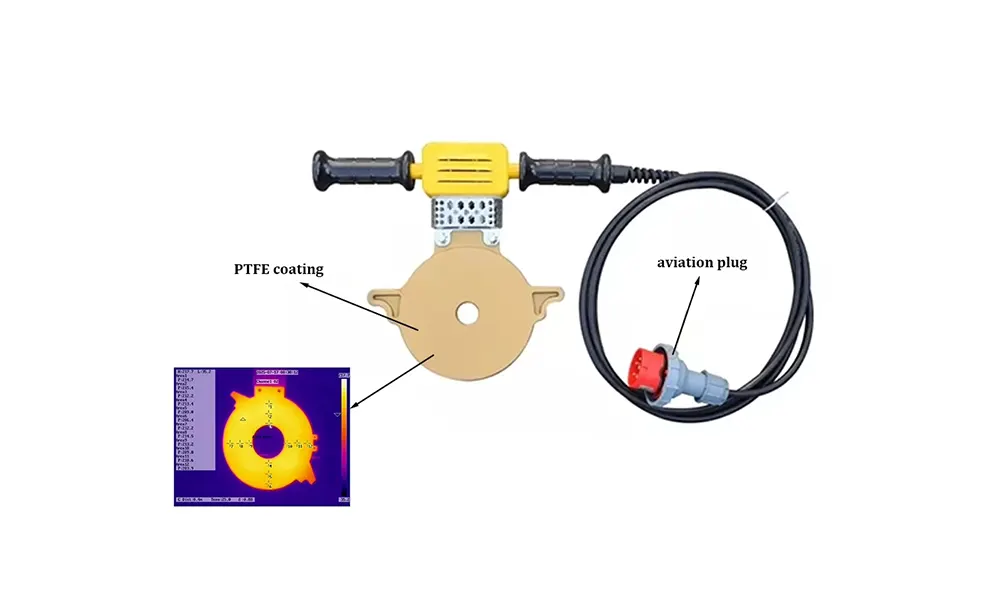
The heating plate sits between the two pipe ends during the fusion cycle. It must achieve and maintain a uniform surface temperature, typically between 200°C and 230°C depending on material specifications. The butt fusion machine heating plate does not melt the pipe directly through open flame; instead, it uses conduction to bring the polyethylene to a viscous state. Proper ISO 21307 butt fusion procedures define the exact temperature windows and soak times required for different pipe grades and wall thicknesses, making plate performance non-negotiable for code-compliant installations.
Key Features of a High-Quality Heating Plate
Not all heating plates are created equal. When evaluating a butt fusion machine heating plate for your operations, several engineering factors separate professional-grade components from substandard alternatives. The following features directly impact weld repeatability and service life across water, gas, and industrial applications.
1. Precision Temperature Control
Uniform heat distribution across the entire plate surface is essential. Advanced plates incorporate embedded RTD sensors or thermocouples that feed real-time data to the digital controller. Temperature deviation should remain within ±5°C to comply with ASTM F2620 heat fusion standards. Cold spots lead to inadequate melt viscosity, while hot spots can thermally degrade the polymer, both resulting in joint failure.
2. Non-Stick PTFE Coating
A durable, food-grade PTFE (Teflon) coating prevents molten polyethylene from adhering to the plate surface. This anti-stick property is critical for quick release during the changeover phase, minimizing contamination and reducing plate cleaning frequency. High-quality coatings resist abrasion and maintain their integrity through thousands of heating cycles, even in dusty field environments.
3. Robust Construction Materials
The core of a butt fusion machine heating plate is typically machined from aluminum alloy for excellent thermal conductivity. The plate must be thick enough to serve as a heat reservoir, resisting thermal sag under prolonged use. Quality plates feature reinforced internal heating elements that eliminate warping, ensuring flat surface contact throughout the entire welding cycle.
4. Rapid Heat-Up and Recovery
Productivity in large-diameter pipeline projects depends on how quickly the plate recovers to set temperature after contacting cold pipe ends. Efficient heating plates feature high-wattage elements that minimize waiting time between weld cycles, keeping your construction schedule on track.
Common Applications Across Industries
The versatility of HDPE pipe welding means butt fusion machine heating plate components see service in diverse and demanding environments. Each application demands specific temperature profiles and plate sizes tailored to pipe diameter and wall thickness.
- Water Supply Systems: Municipal potable water networks rely on butt fusion for leak-free connections. Heating plates must meet strict hygiene standards, ensuring no contaminants transfer to the pipe bore during the fusion process.
- Gas Distribution: Natural gas pipelines require fusion joints capable of withstanding long-term pressure cycling. Plates used in gas-rated hydraulic butt fusion welding machines must deliver precise, repeatable thermal input as specified by ASTM D2513 and ISO 4437.
- Mining and Slurry Transport: Abrasive slurry pipelines depend on full-penetration fusion welds to resist wear from internal flow. The heating plate must create a homogeneous joint with no crevices where erosion could initiate.
- Industrial Chemical Lines: Chemical processing plants use HDPE piping for corrosive fluid transfer. The heating plate’s non-stick coating must resist chemical attack from residual fumes in the work area.
Buying Guide: How to Select the Right Heating Plate
Choosing a replacement or spare butt fusion machine heating plate requires careful evaluation of compatibility, performance specs, and certification. Use the comparison table below as a reference framework when discussing your requirements with suppliers.
| Selection Factor | What to Look For | Why It Matters |
|---|---|---|
| Pipe Diameter Compatibility | Plate diameter matched to your machine’s clamp range | Undersized plates leave unmelted edges; oversized plates risk frame interference |
| Temperature Range | Ambient to 260°C with digital PID control | Accommodates PE80, PE100, and PE100-RC materials with varying melt points |
| Coating Thickness | Minimum 25-35 microns PTFE anti-stick layer | Thinner coatings wear rapidly, increasing downtime for plate maintenance |
| Sensor Type | Dual-sensor redundancy with deviation alarm | Single-sensor systems cannot detect drift, risking off-spec welds |
| Certification | ISO 12176-1 compliance documentation | Ensures the plate meets PE butt fusion equipment standard requirements |
| Power Rating | Wattage appropriate for plate size and ambient conditions | Underpowered plates cause excessive cycle time; overpowered plates risk thermal overshoot |
Proper Maintenance for Extended Service Life
A well-maintained butt fusion machine heating plate delivers consistent performance across thousands of joints. Neglecting routine care leads to temperature drift, coating damage, and ultimately, rejected welds during pressure testing.
- Clean After Every Use: Allow the plate to cool slightly, then wipe the surface with a non-abrasive cloth while residual polyethylene is still soft. Never use metal scrapers that could scratch the PTFE coating.
- Verify Calibration Weekly: Use a calibrated digital pyrometer to check the surface temperature at multiple points across the plate. Document readings to track performance trends and schedule recalibration before deviation exceeds acceptable limits.
- Inspect Coating Integrity: Look for blistering, peeling, or discoloration on the non-stick surface. Damaged coating exposes the aluminum substrate, which can oxidize and contaminate the melt zone.
- Store in a Dry Environment: Moisture ingress into the electrical connections causes corrosion and short circuits. Always store heating plates in a climate-controlled case when not in use, especially in humid or coastal project sites.
Integration with Modern Butt Fusion Equipment
Today’s advanced welding systems feature data logging and traceability functions that rely on stable heating plate performance. Many CNC automatic butt fusion welding machines record the plate temperature profile for every joint, generating a permanent quality record. This capability is increasingly mandated by gas utility specifications and large-diameter water transmission projects. Selecting a heating plate with verified thermal mapping ensures your data logs reflect actual fusion conditions rather than assumed values.
Sourcing Reliable Heating Plates from Trusted Manufacturers
When procuring a butt fusion machine heating plate, partnering with an experienced supplier ensures you receive components engineered for your specific machine model. JQ-Fusion is a professional manufacturer specializing in HDPE pipe welding equipment, offering reliable butt fusion solutions for global infrastructure projects. The company maintains rigorous quality control processes, including temperature accuracy testing and material certification, so that each heating plate meets or exceeds international standards. For more detailed guidance, refer to the PE butt fusion process documentation published by the Plastics Pipe Institute, which outlines the critical parameters that heating plates must satisfy for code-compliant welding.
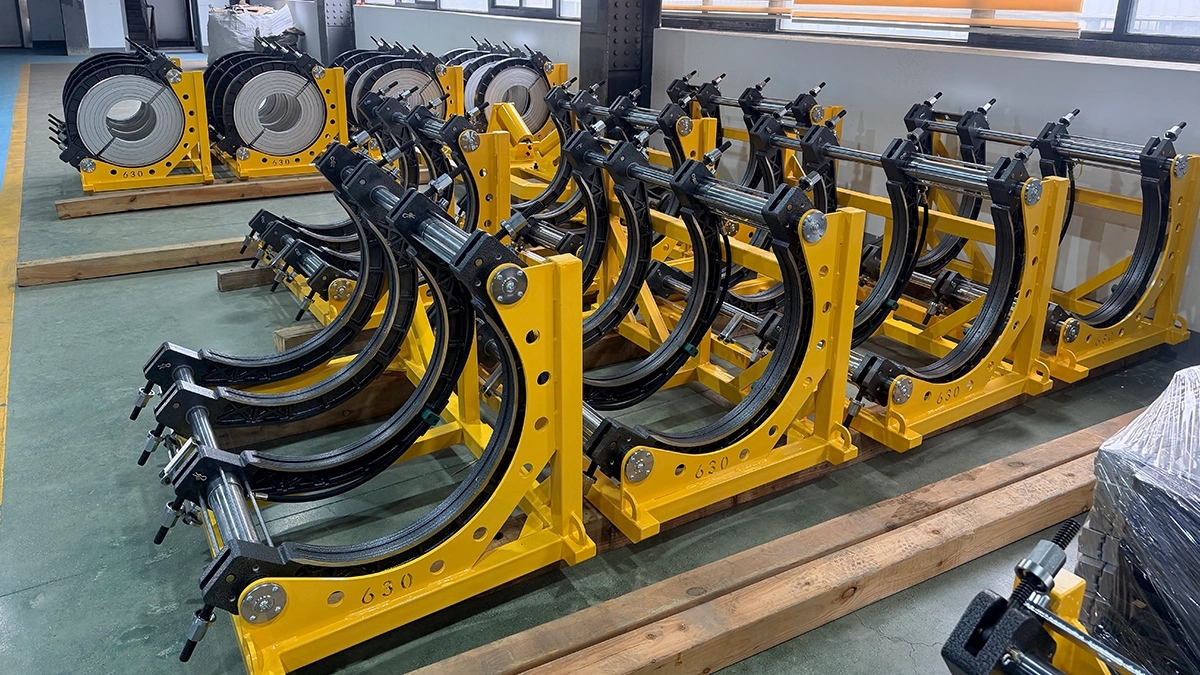
By understanding the features, maintenance requirements, and selection criteria outlined above, you can make informed decisions that protect your pipeline investment. A high-performance butt fusion machine heating plate is not just a consumable spare part; it is the foundation upon which every successful HDPE fusion weld is built.



