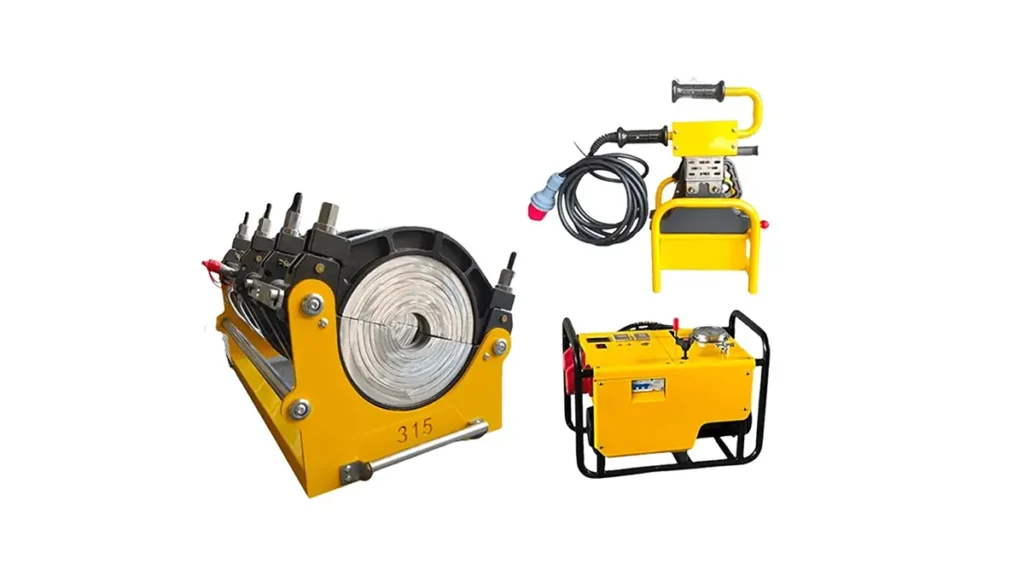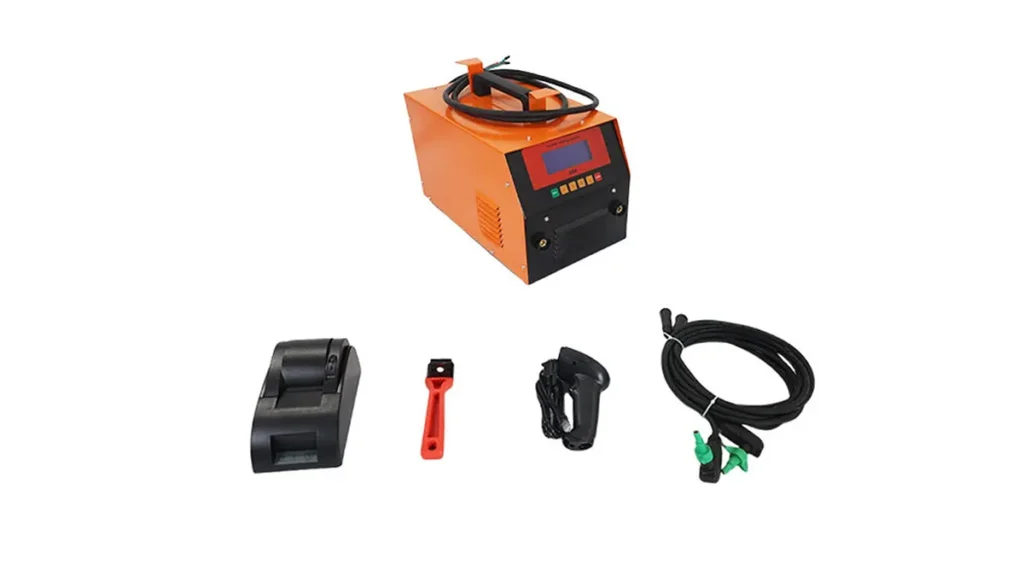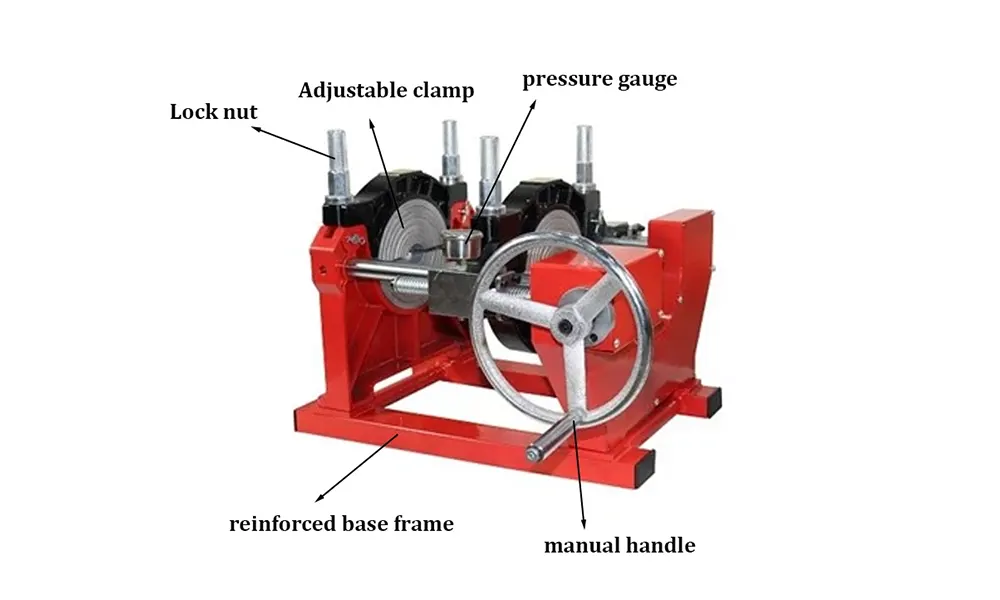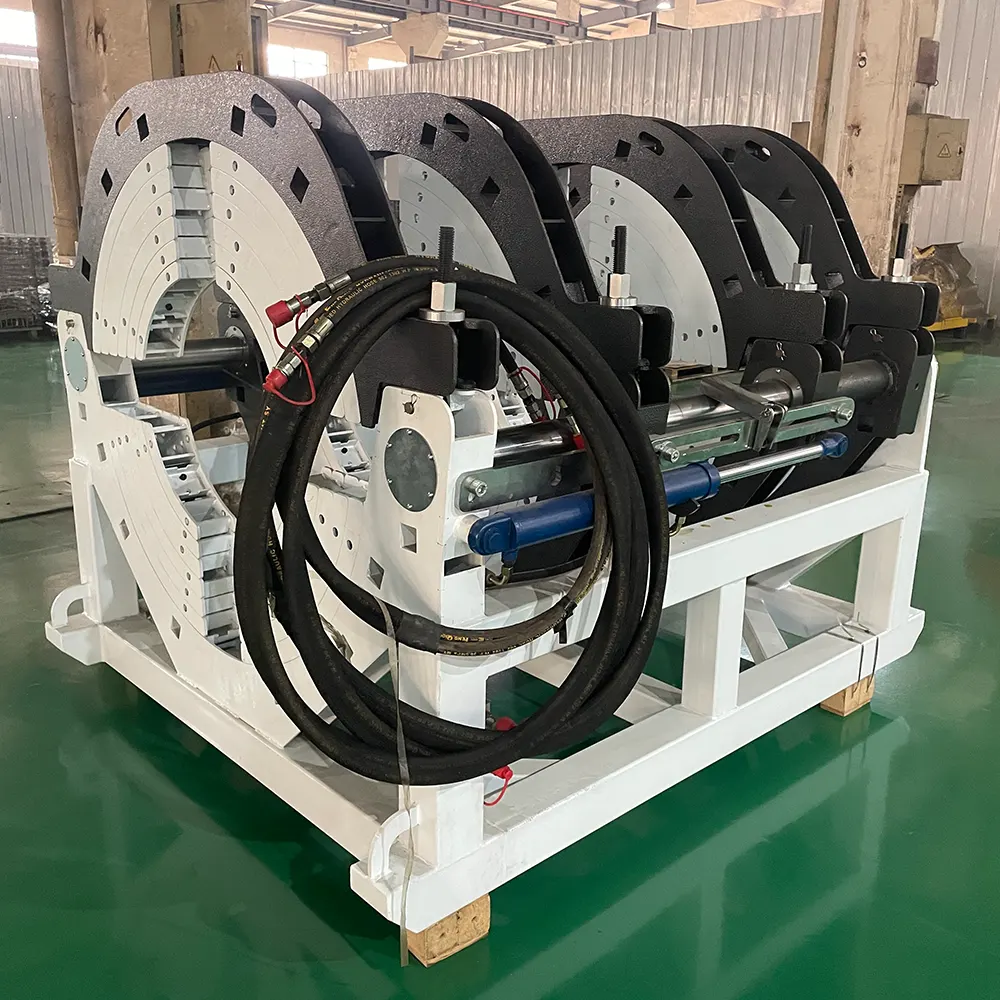
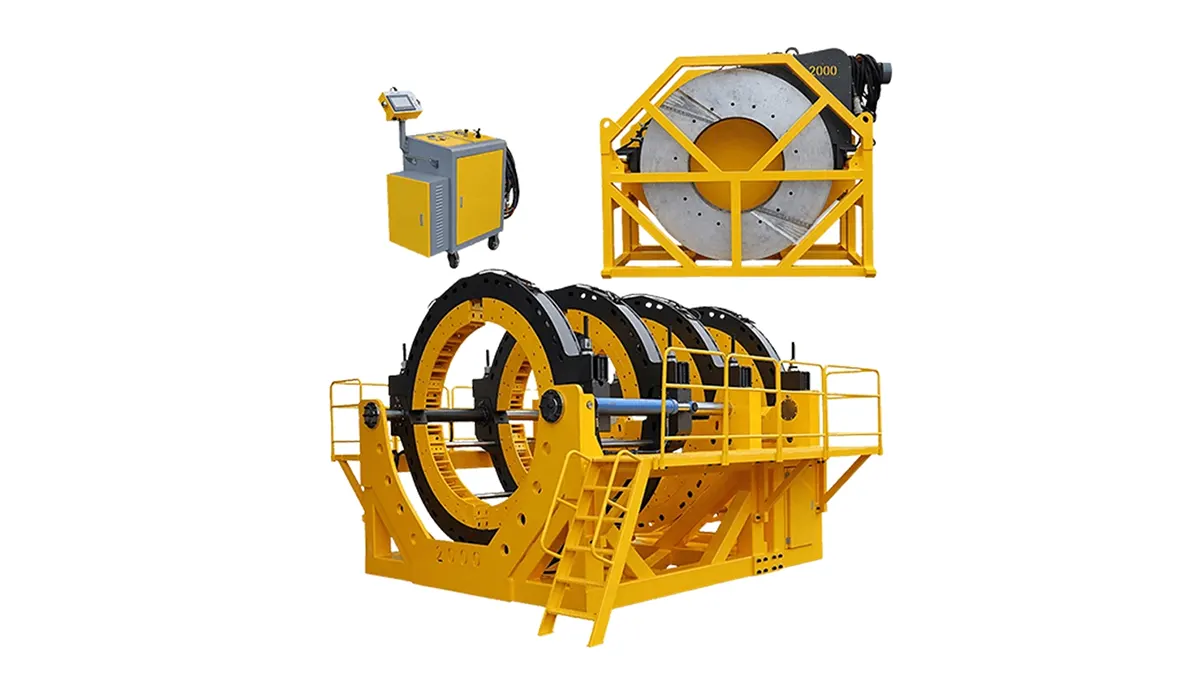
In demanding infrastructure projects, the integrity of pipeline systems relies heavily on the quality of every single joint. Whether you are working on municipal water supply, gas distribution, or mining slurry lines, having a powerful and dependable onsite HDPE pipe welding machine is critical. Unlike shop-based prefabrication, onsite conditions require equipment that is robust, portable, and capable of delivering laboratory-quality welds in rugged environments. The right HDPE pipe butt fusion machine ensures that joints maintain their structural integrity under pressure for decades.
Why Onsite Welding Demands Specialized Equipment
Transporting long, pre-fused pipe strings to remote locations is often logistically impossible and costly. Consequently, the industry standard has shifted toward deploying onsite HDPE pipe welding machines directly at the trench side. These machines must handle unpredictable weather, dust, and varying operator skill levels while maintaining strict adherence to ISO 21307 butt fusion procedures. The core advantage of a modern onsite setup is its ability to automate the critical phases of the welding cycle, removing human error from the heating and cooling stages.
When selecting an onsite HDPE pipe welding machine, contractors prioritize several key factors that directly influence project timelines and leak-free performance. The clamping force must be sufficient to hold large diameters against the melt pressure, and the facing tool must be sharp enough to create seamless contact surfaces. Equipment that fails to maintain parallelism or proper temperature control often results in cold joints, which are the leading cause of field failures. This is why professional teams rely on advanced hydraulic welding equipment that delivers consistent, repeatable pressure during every fusion cycle.
Manual vs. Hydraulic vs. Automatic: Choosing Your System
Not every job site calls for a completely automated solution. From a practical standpoint, the choice between a manual, hydraulic, or CNC machine depends on the diameter range and the required daily jointing rate:
| Machine Type | Pipe Diameter Range | Best Application |
|---|---|---|
| Manual Welding Machine | 63mm – 315mm | Utility connections and small repairs |
| Hydraulic Butt Fusion Machine | 160mm – 2250mm | Large-scale municipal and mining pipelines |
| CNC Automatic Fusion Machine | 160mm – 630mm | Projects requiring data logging and precision |
For contractors deploying a onsite HDPE pipe welding machine, the hydraulic option remains overwhelmingly popular for medium to large bore pipes. The hydraulic power unit delivers the exact force required to move the carriage and melt the pipe ends uniformly, a capability that manual levers simply cannot match for diameters exceeding 400mm. By utilizing a CNC automatic butt fusion welder, operators can further digitize the process, storing weld logs to verify compliance with project specifications.
Key Features That Ensure Fast, Reliable Jointing
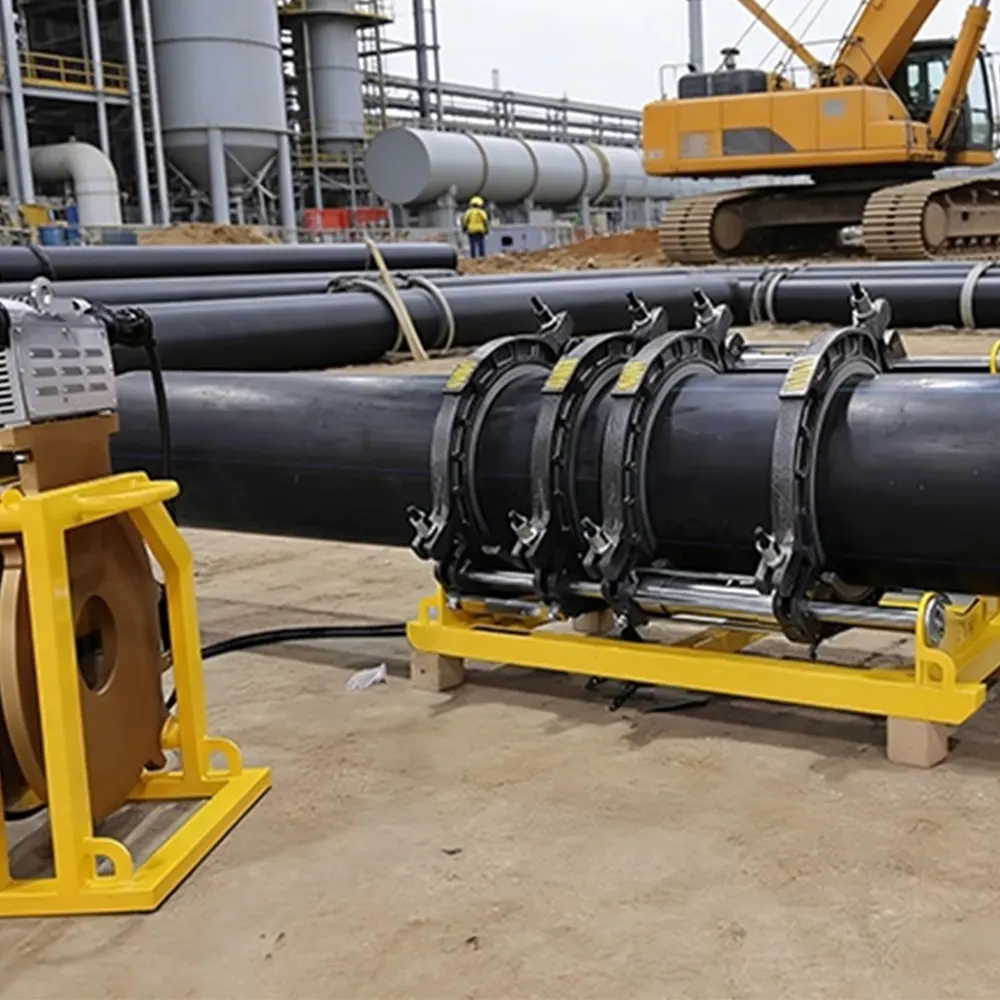
Speed and reliability on a project site are not mutually exclusive if you operate the correct equipment. An optimized onsite HDPE pipe welding machine incorporates several design features that drastically reduce cycle times while improving joint quality:
- Precision-Machined Clamps: Floating clamp systems ensure perfect alignment even if the pipe has slight ovality, preventing high-low mismatch that weakens the weld bead.
- Non-Stick Heating Plate: A high-quality PTFE-coated plate with digital temperature control ensures the heat soak phase is uniform across the entire wall thickness, a critical factor in cold-weather welding.
- Rapid Teflon Change: The ability to swap heating plate adapters quickly allows the same machine to handle different SDR ratings without excessive downtime.
- Portable Design: Machines equipped with a wheeled chassis or lifting eyes facilitate rapid deployment across multiple tie-in points without needing a crane for every move.
Complementing electrofusion systems for tie-ins and repair locations, butt fusion remains the primary method for long pipeline strings, thanks to the speed and low cost per joint of an efficient onsite HDPE pipe welding machine.
Onsite Best Practices for Consistent Weld Integrity
Even the finest machine requires disciplined operational practices to produce fast, reliable joints. Before beginning the fusion cycle, the pipe ends must be scraped to remove the oxidized surface layer, a step that is mandatory for a proper chemical bond. The alignment of the pipe is equally critical; the maximum allowable mismatch according to industry standards is 10% of the pipe wall thickness. Furthermore, contractors must strictly adhere to the specified heating, soaking, and cooling times published by the pipe manufacturer. Dragging the pipe before the joint has fully cooled is a frequent cause of brittle failure, undermining the entire purpose of using a high-caliber onsite HDPE pipe welding machine.
The application segment also dictates the ancillary tooling required. For gas distribution, for instance, the pipe surface preparation and oxide removal must be meticulous to pass the ASTM F2620 heat fusion protocol. In water transmission lines, the focus often shifts to the internal bead, where a smooth transition minimizes flow turbulence. Whether you are laying a sewer force main or a mining tailings line, aligning the machine’s parameters with the resin grade (PE4710, PE100, etc.) is non-negotiable for ensuring a service life that exceeds 50 years.
The Advantage of a Comprehensive Product Range
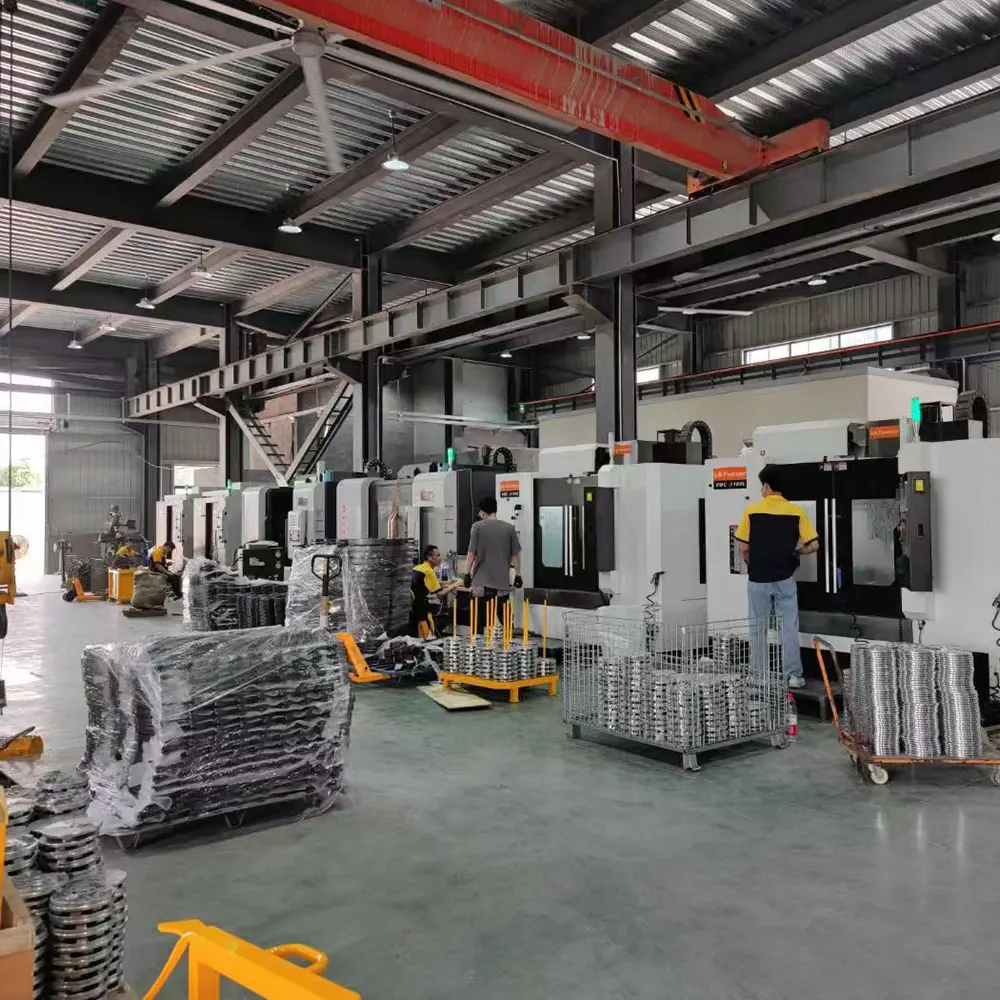
Leading global contractors tend to source from specialized manufacturers who offer a full spectrum of machinery. A single project might require a manual unit for small-diameter laterals, a hydraulic machine for the main transmission line, and a multi-angle fitting machine for complex fabricated tees and elbows. Providers such as JQ-Fusion have become trusted suppliers in this sector by delivering high-quality, durable, and customizable welding equipment to meet diverse project requirements. Backed by strict quality control processes, these machines ensure that every onsite HDPE pipe welding machine performs predictably, helping infrastructure developers stay on schedule and within budget.
Wrapping Up the Onsite Welding Equation
Selecting the inadequately sized or low-quality equipment inevitably leads to delays, failed hydrostatic tests, and costly excavation repairs. An intelligent investment in a robust onsite HDPE pipe welding machine translates directly to higher productivity and a safer pipeline network. By integrating proper training, understanding the nuances of PE material science, and utilizing machines with digital control interfaces, contractors can consistently produce joints that are actually stronger than the pipe itself. The combination of portability, precision engineering, and adherence to international welding standards makes the modern onsite fusion unit an indispensable asset for any heavy civil engineering project.