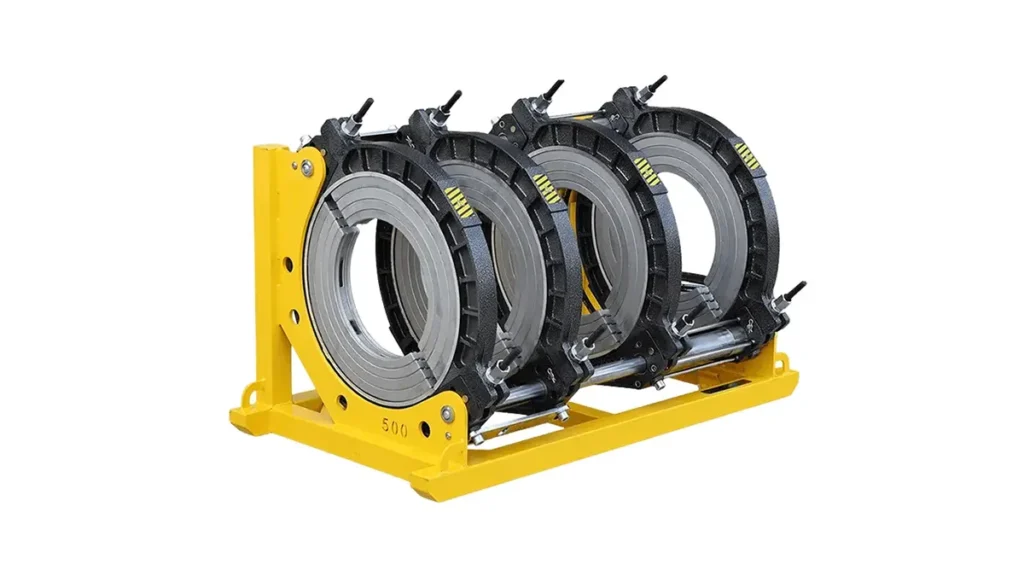
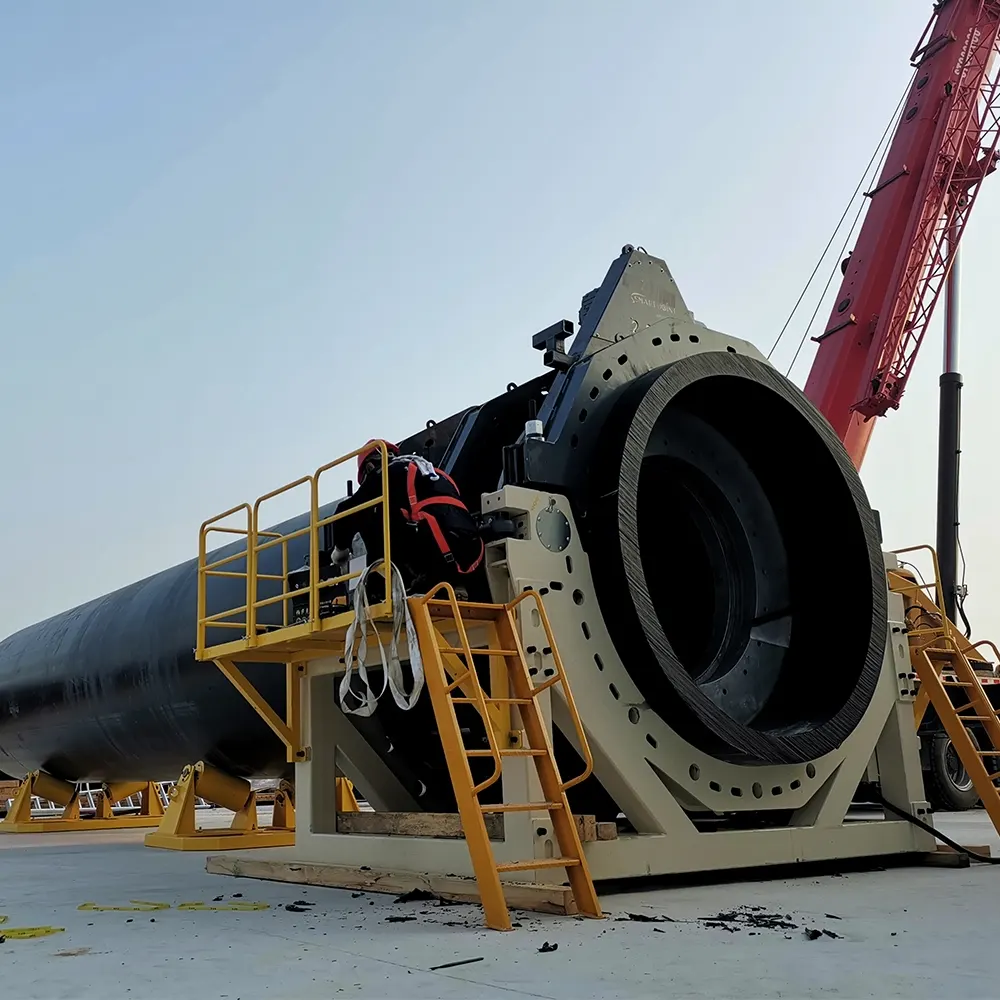
In the world of polyethylene pipe installation, understanding HDPE pipe welding machine production capacity is essential for project planning, cost estimation, and meeting tight deadlines. Whether you’re managing a municipal water supply network, a mining pipeline, or a gas distribution system, the output rate of your butt fusion welding equipment directly impacts how efficiently your crews operate on-site.
Production capacity isn’t just about how many joints a machine can complete in an hour. It encompasses the entire welding cycle, and understanding the variables that influence it helps contractors choose the right machine for the right application.
Understanding HDPE Pipe Welding Machine Production Capacity
At its core, HDPE pipe welding machine production capacity refers to the number of completed, fully-fused joints a machine can produce within a specific timeframe. This output rate varies dramatically based on several key factors, including the welding standard being followed—such as ISO 21307 butt fusion procedures—which define the heating, soaking, and cooling times required for different pipe dimensions.
For project managers and contractors, this metric determines how many machines and operators are needed to stay on schedule. A machine with higher output can significantly reduce labor costs and shorten project timelines, especially on large-diameter pipeline installations where each joint requires considerable time.
Key Factors That Influence Output Rates
1. Machine Type and Automation Level
The type of HDPE pipe welding machine you choose is the single most important factor affecting production capacity:
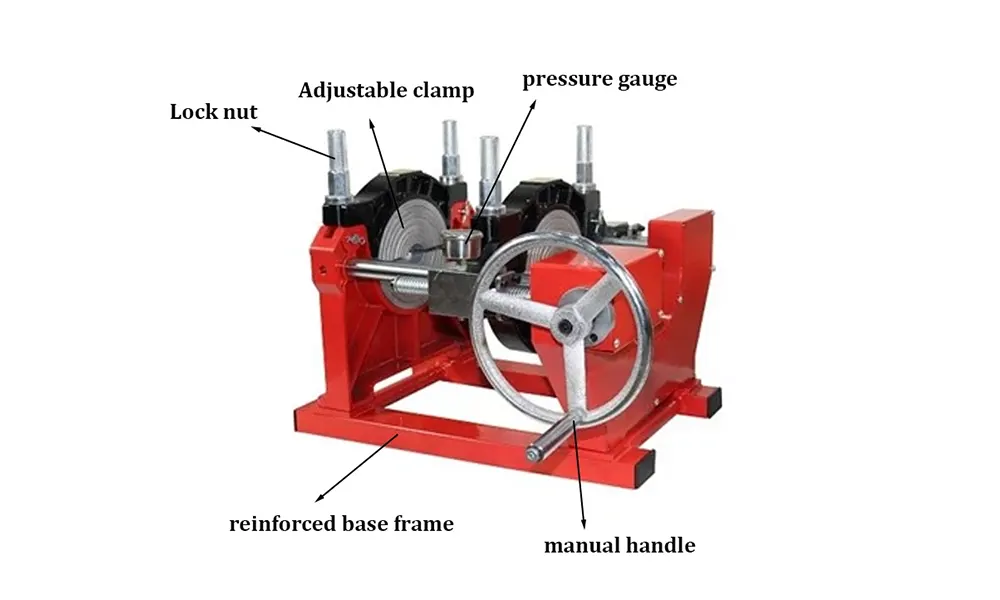
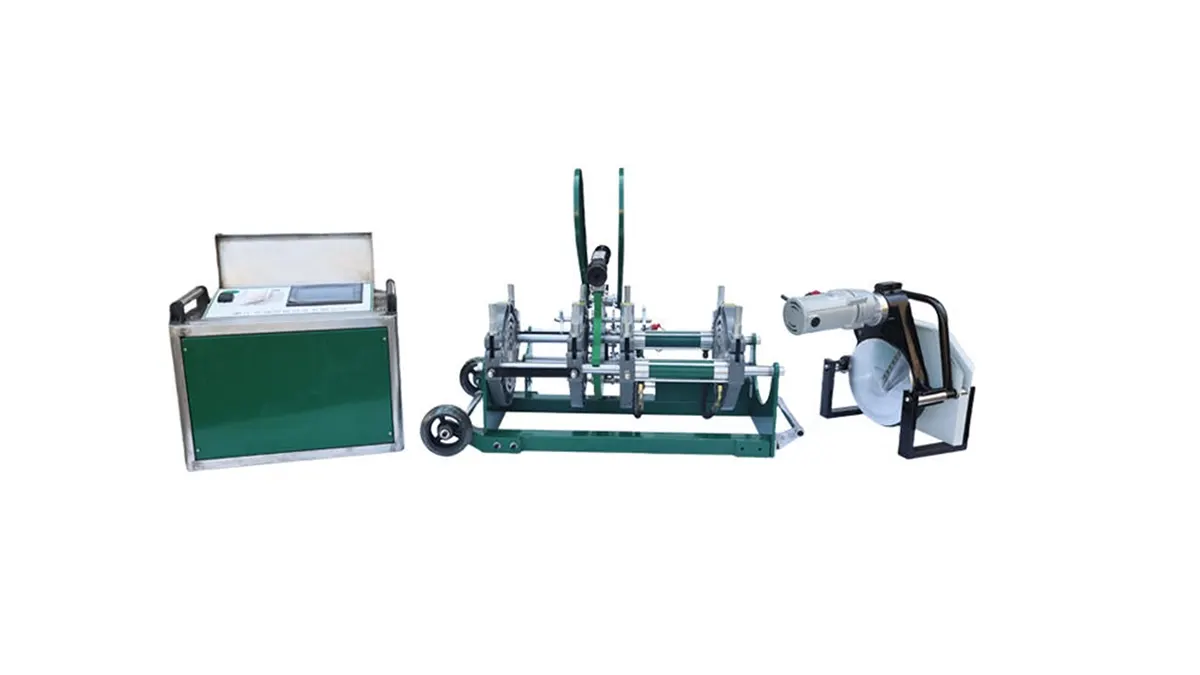
- Manual Butt Fusion Machines: These are the most basic models, requiring the operator to manually control each phase of the welding cycle. Production capacity is lower because the process depends heavily on operator skill and physical effort. For projects needing consistent, moderate output on smaller diameters, a reliable manual butt fusion machine remains a cost-effective choice.
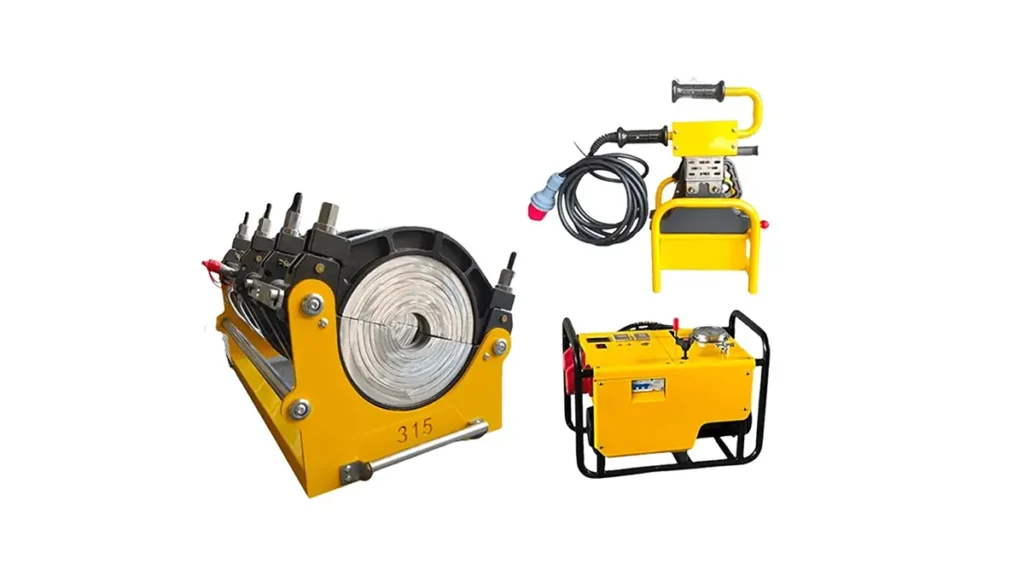
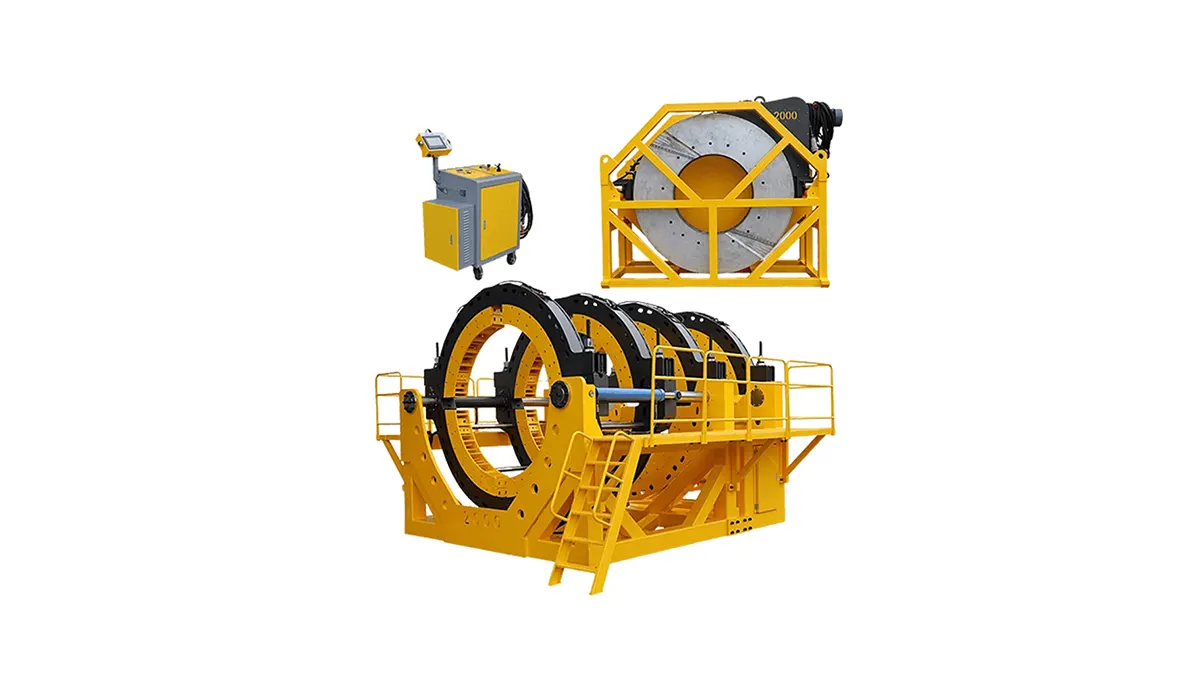
- Hydraulic Butt Fusion Machines: Hydraulic systems handle the clamping and movement of heavy pipe segments, dramatically improving cycle consistency. The output rate increases because alignment, facing, heating, and fusion are more streamlined. Large-diameter projects particularly benefit from the power and precision of hydraulic butt fusion welding machines.
- CNC Automatic Butt Fusion Machines: These represent the highest tier of production efficiency. With programmable logic controllers managing every parameter—from heating plate temperature to fusion pressure and cooling time—CNC automatic butt fusion welding machines deliver repeatable, high-speed output with minimal operator intervention. They excel in high-volume production environments where consistency and speed are paramount.
2. Pipe Diameter and Wall Thickness
Larger pipes naturally take longer to weld. The heating surface area increases, requiring extended soak times to achieve proper melt temperatures. Heavier wall thicknesses also demand longer cooling periods under pressure to prevent joint distortion. A machine welding 160 mm SDR11 pipes may complete several joints per hour, while a unit fusing 1200 mm pipes might only manage one joint every 30–45 minutes.
3. Heating Plate Performance
The heating plate is the heart of any butt fusion machine. Temperature uniformity across the plate surface directly affects joint quality and cycle time. Plates with precise thermostatic control and non-stick PTFE coatings heat up faster and transfer heat more efficiently, reducing the overall cycle duration. Machines equipped with digital temperature controllers provide real-time feedback, helping operators maintain the correct parameters specified in the PE butt fusion equipment standard.
4. Operator Skill and Training
Even the most advanced machine cannot compensate for an untrained operator. Technicians who understand the nuances of the fusion process—recognizing proper melt bead formation, applying correct changeover times, and monitoring pressure gauges—consistently achieve higher output rates with fewer rejected joints. Certification programs aligned with international benchmarks ensure operators can maximize the machine’s designed production capacity.
5. Environmental Conditions
Ambient temperature, wind, and humidity all influence welding productivity. Cold weather slows heat transfer and may require pre-heating of pipe ends. Wind can rapidly cool the heating plate and the pipe surface, extending cycle times. Enclosed welding tents or wind shields are common on exposed job sites to maintain consistent output regardless of weather conditions.
Typical Output Rates by Machine Category
While exact figures depend on pipe specifications and site conditions, the table below provides general guidance on expected HDPE pipe welding machine production capacity across different machine types and diameter ranges:
| Machine Type | Typical Diameter Range | Joints per Hour (Approx.) | Key Advantage |
|---|---|---|---|
| Manual Butt Fusion | 63 mm – 315 mm | 4 – 10 | Low cost, portable |
| Hydraulic Butt Fusion | 160 mm – 1400 mm | 1 – 5 | Powerful clamping, consistent pressure |
| Hydraulic Large-Diameter | 1400 mm – 2250 mm | 0.5 – 1.5 | Heavy-wall pipe capability |
| CNC Automatic Butt Fusion | 160 mm – 630 mm | 6 – 15 | Highest throughput, data logging |
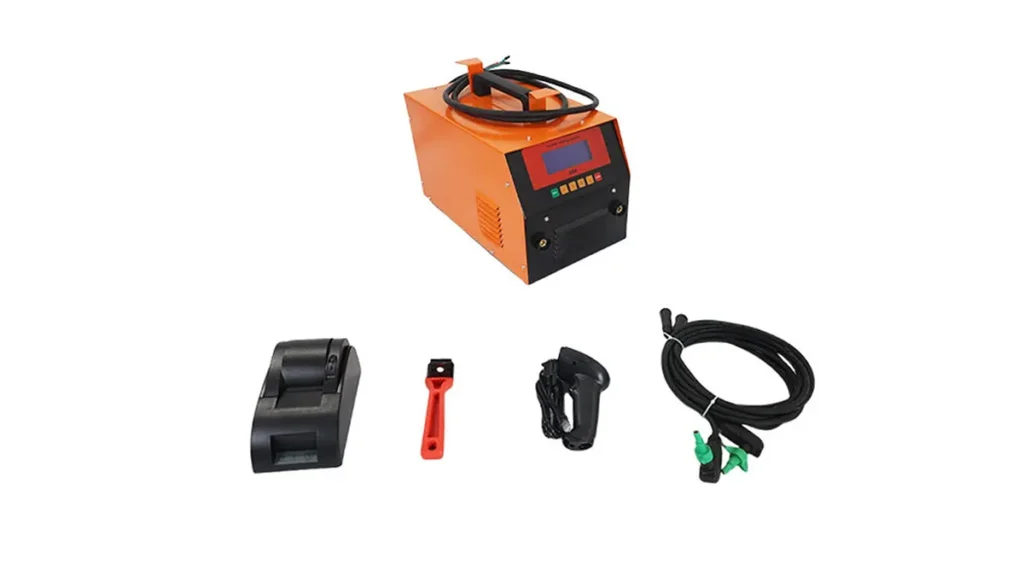
| Electrofusion | 20 mm – 800 mm | 3 – 8 | Ideal for tight spaces, repairs |
Optimizing Production Capacity on Your Job Site
Plan Your Pipe Handling Logistics
Bottlenecks often occur not at the machine itself, but in the material handling before and after welding. Having a well-organized pipe staging area and using roller stands or pipe-handling equipment allows the machine to maintain its optimal cycle pace without waiting for the next pipe segment to be positioned.
Maintain Equipment Proactively
Dull trimmer blades extend facing time. Worn hydraulic seals cause pressure fluctuations that compromise joint integrity and require rework. A dirty heating plate transfers heat unevenly. Daily inspection and maintenance routines, following the manufacturer’s recommendations, keep the machine operating at peak HDPE pipe welding machine production capacity.
Match the Machine to the Project
Using an oversized machine for small-diameter pipes wastes energy and money, while an undersized unit on heavy-wall, large-diameter lines will struggle and slow progress. Accurate machine selection based on the project’s pipe specifications ensures the best balance of output rate and operational cost.
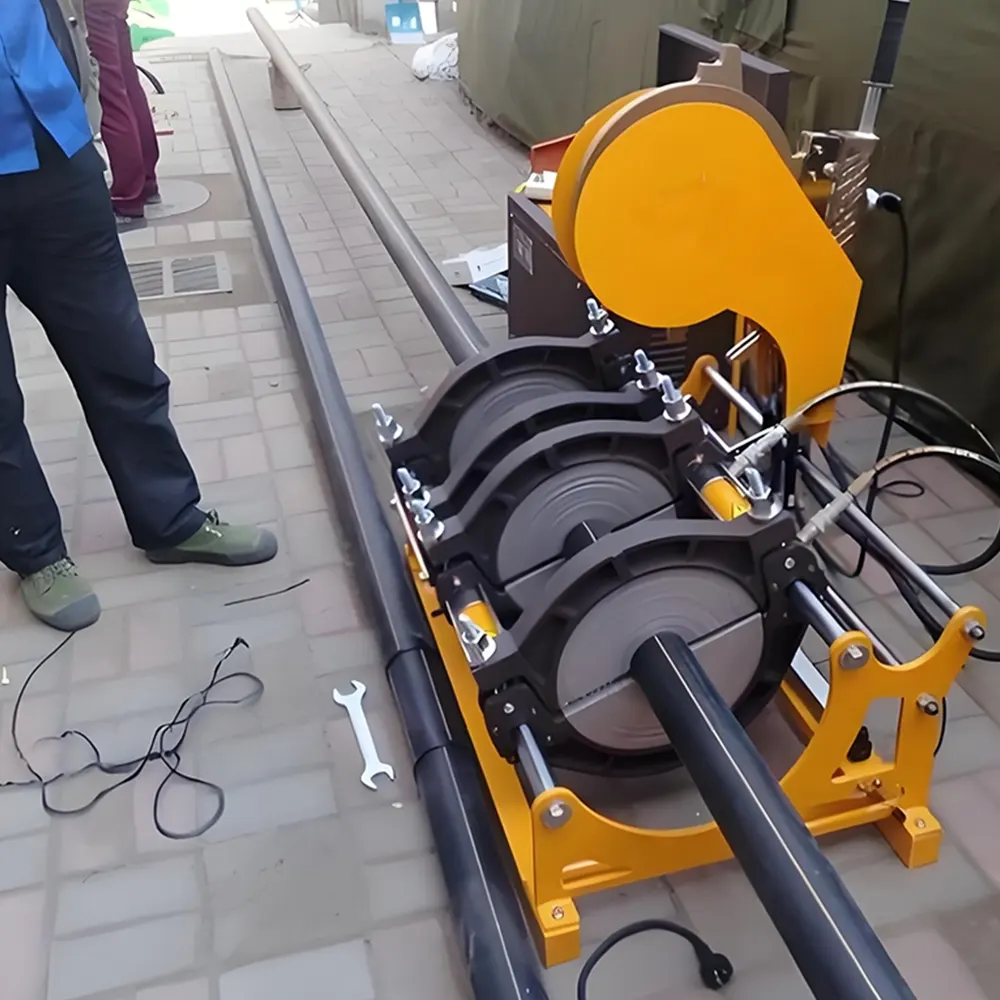
The Role of Data Logging in Productivity Tracking
Modern CNC and advanced hydraulic machines come equipped with data logging capabilities that record every parameter of each weld. This feature, often aligned with the PE fusion operator requirements and traceability standards, serves a dual purpose: quality assurance and productivity analysis. By reviewing logged cycle times, supervisors can identify exactly where delays occur and implement targeted improvements to boost daily output.
Choosing a Reliable Manufacturer for Consistent Output
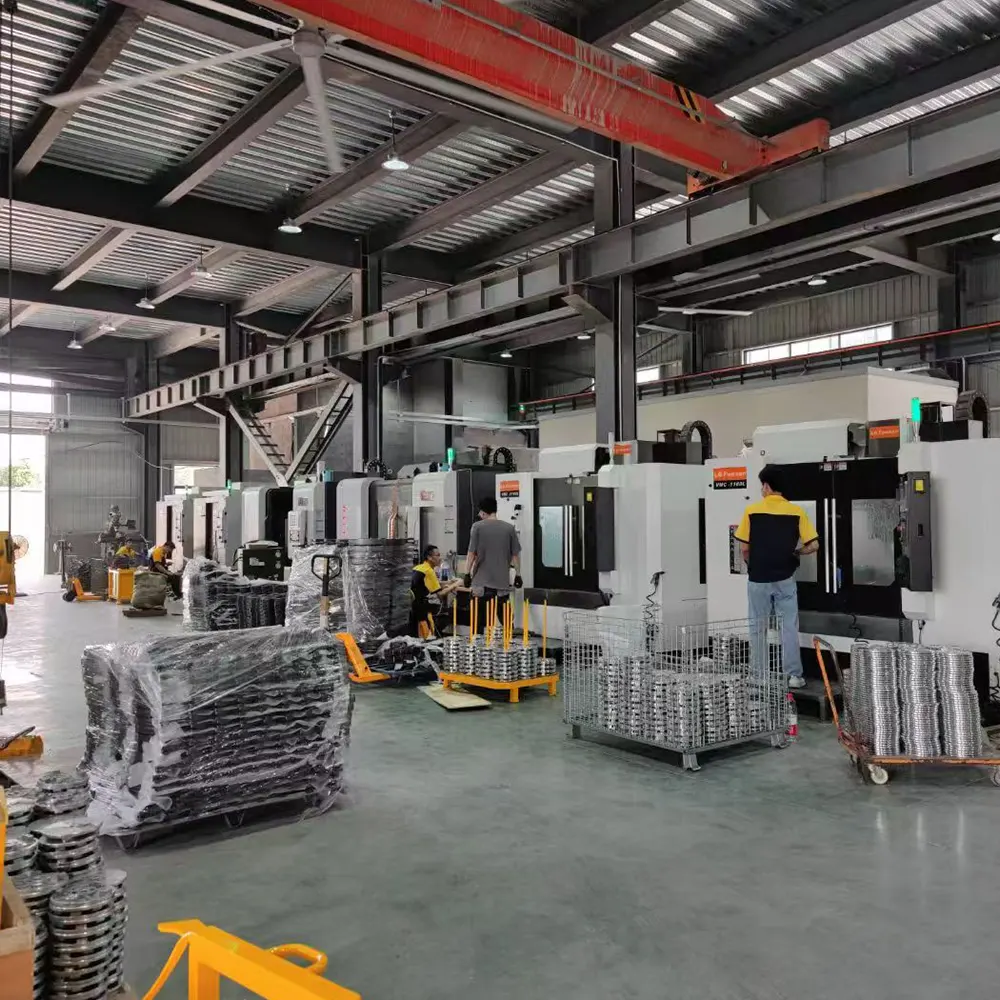
The inherent HDPE pipe welding machine production capacity is ultimately determined by build quality and engineering design. Machines constructed with robust steel frames, precision-machined clamps, and industrial-grade hydraulic components maintain their output rates over years of demanding use. Inferior machines may offer lower upfront costs but suffer from misalignment issues, pressure control failures, and heating plate degradation that progressively slow production and increase scrap rates.
Partnering with a dedicated manufacturer like JQ-Fusion gives contractors access to welding equipment engineered for consistent, high-output performance. From rigorous quality testing—including temperature accuracy verification and clamp alignment checks—to flexible customization options for specific project needs, the right machine supplier becomes a long-term asset for any pipeline operation. With large factory inventory and responsive global support, project schedules stay on track regardless of location.
Frequently Asked Questions
How many joints can a hydraulic butt fusion machine complete per day?
This depends on pipe diameter and wall thickness. For 200 mm to 400 mm pipes, an experienced operator using quality hydraulic equipment can typically complete 15–30 joints in an 8-hour shift. For pipes exceeding 800 mm, the daily output may drop to 5–10 joints due to longer heating and cooling cycles.
Does automation significantly increase production capacity?
Yes. CNC automatic machines eliminate variability from manual control, reducing cycle times by 20%–30% compared to manual machines on the same pipe size. They also reduce operator fatigue, enabling more consistent output over full shifts.
What is the biggest bottleneck in HDPE welding productivity?
In most field operations, pipe handling and positioning consume more time than the actual welding cycle. Investing in proper support stands, rollers, and lifting equipment often yields faster productivity gains than upgrading the welding machine itself.
How do I calculate the production capacity needed for my project?
Start with the total number of joints required, divide by the available working days, and then add a 15%–20% buffer for weather delays, equipment maintenance, and rejected joints. Use manufacturer-provided cycle time charts for your specific pipe specifications to estimate output per machine per day.