
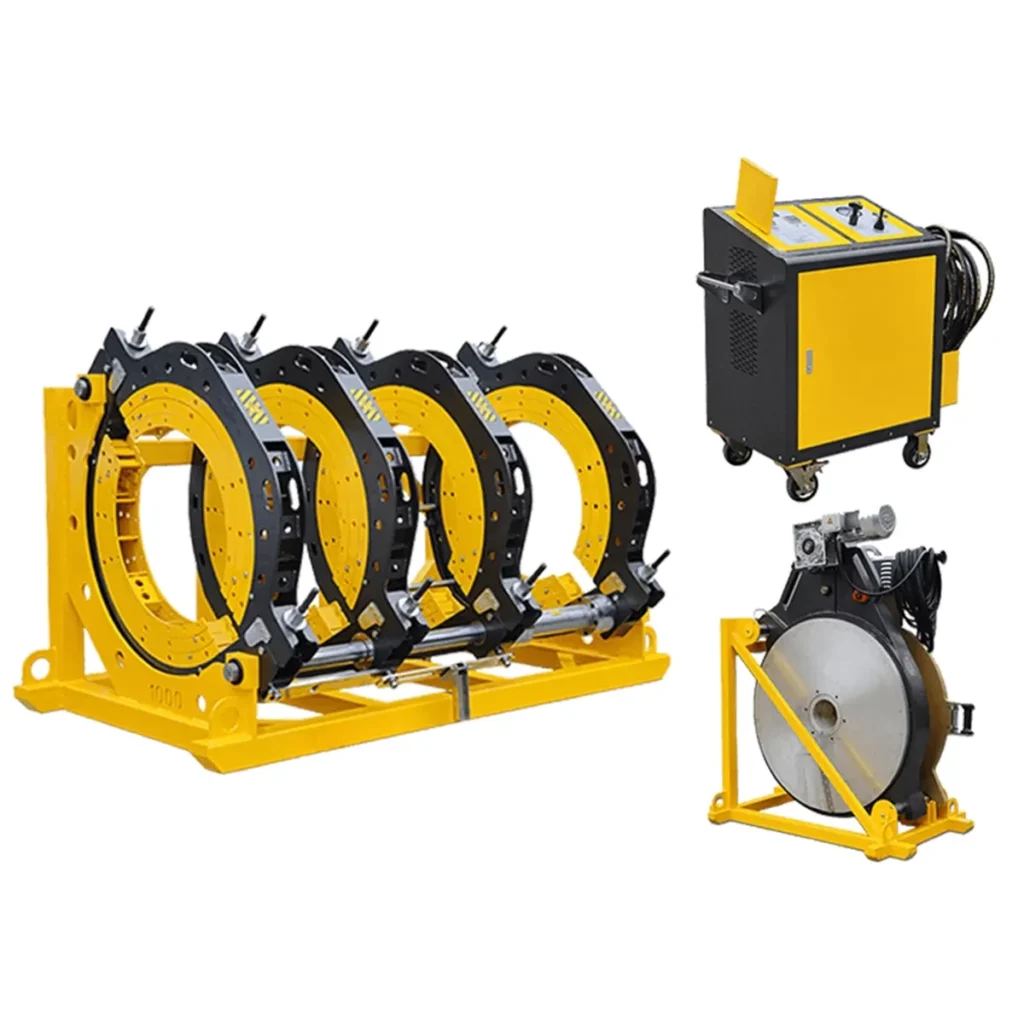
Selecting the right PE100 pipe jointing equipment is critical for achieving leak-free, durable pipeline systems in water supply, gas distribution, and industrial applications. Whether you are working on a municipal infrastructure project or a complex industrial installation, understanding the available jointing technologies and their specific benefits can significantly impact your project’s long-term performance and cost efficiency.
Understanding PE100 Pipe Jointing Equipment
PE100 represents the latest generation of high-density polyethylene materials, offering superior strength, crack resistance, and long-term durability. To fully realize these material advantages, the jointing method must produce homogeneous, reliable connections. Modern PE100 pipe jointing equipment is engineered to deliver controlled heating, precise alignment, and consistent fusion pressure, ensuring each welded joint meets or exceeds the pipe’s own service life.
Across the industry, ISO 21307 butt fusion procedures provide the foundational framework for standardizing these critical connections, guiding operators through the essential parameters for various pipe wall thicknesses and diameters.
Types of PE100 Pipe Jointing Equipment
Different project scales and site conditions demand different jointing solutions. Below are the primary categories of PE100 pipe jointing equipment available today, each designed for specific pipe diameter ranges and operational requirements.
Butt Fusion Welding Machines
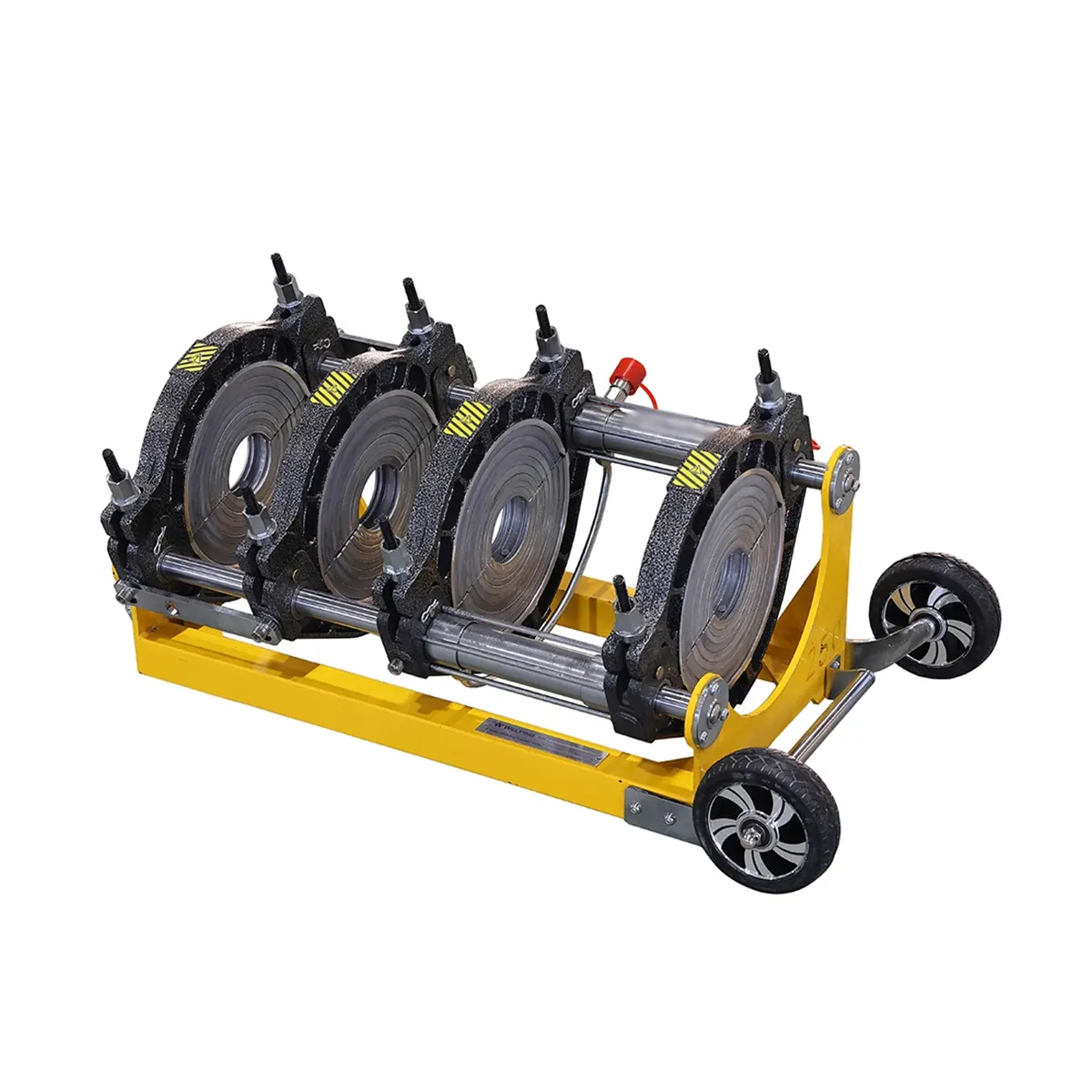
Butt fusion is the most widely used method for joining PE100 pipes and fittings end-to-end. The process involves heating the pipe ends against a precisely temperature-controlled plate, then pressing them together under controlled force to form a homogeneous joint. This category includes three main variants:
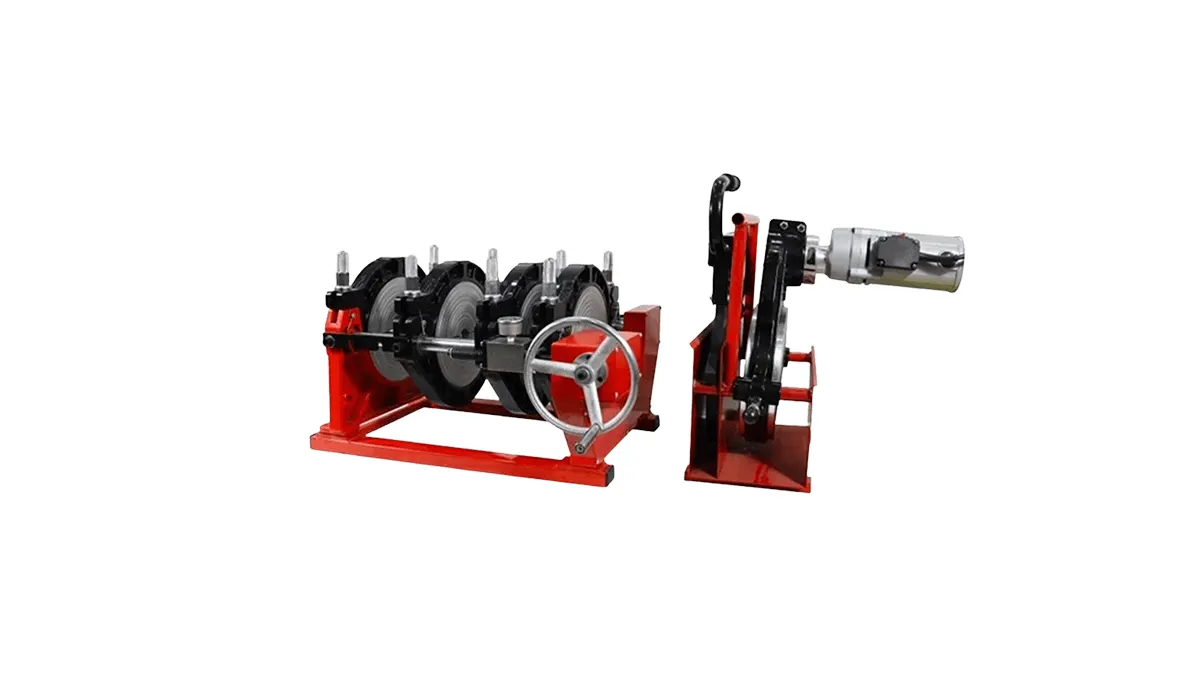
- Manual Butt Fusion Machines – Ideal for small to medium diameters (typically 63mm–315mm), these machines are lightweight, portable, and perfect for field installations where power access may be limited.
- Hydraulic Butt Fusion Machines – Designed for medium to large diameter pipes (up to 2250mm and beyond), hydraulic systems provide the high clamping and fusion forces required for thick-wall PE100 pipes. Hydraulic butt fusion machines are essential for major water transmission and gas trunkline projects.
- CNC Automatic Butt Fusion Machines – These advanced systems automate the entire fusion cycle, from facing to heating to cooling, recording all parameters for quality assurance. They are preferred for projects requiring full traceability and minimal operator dependency.
Electrofusion Equipment
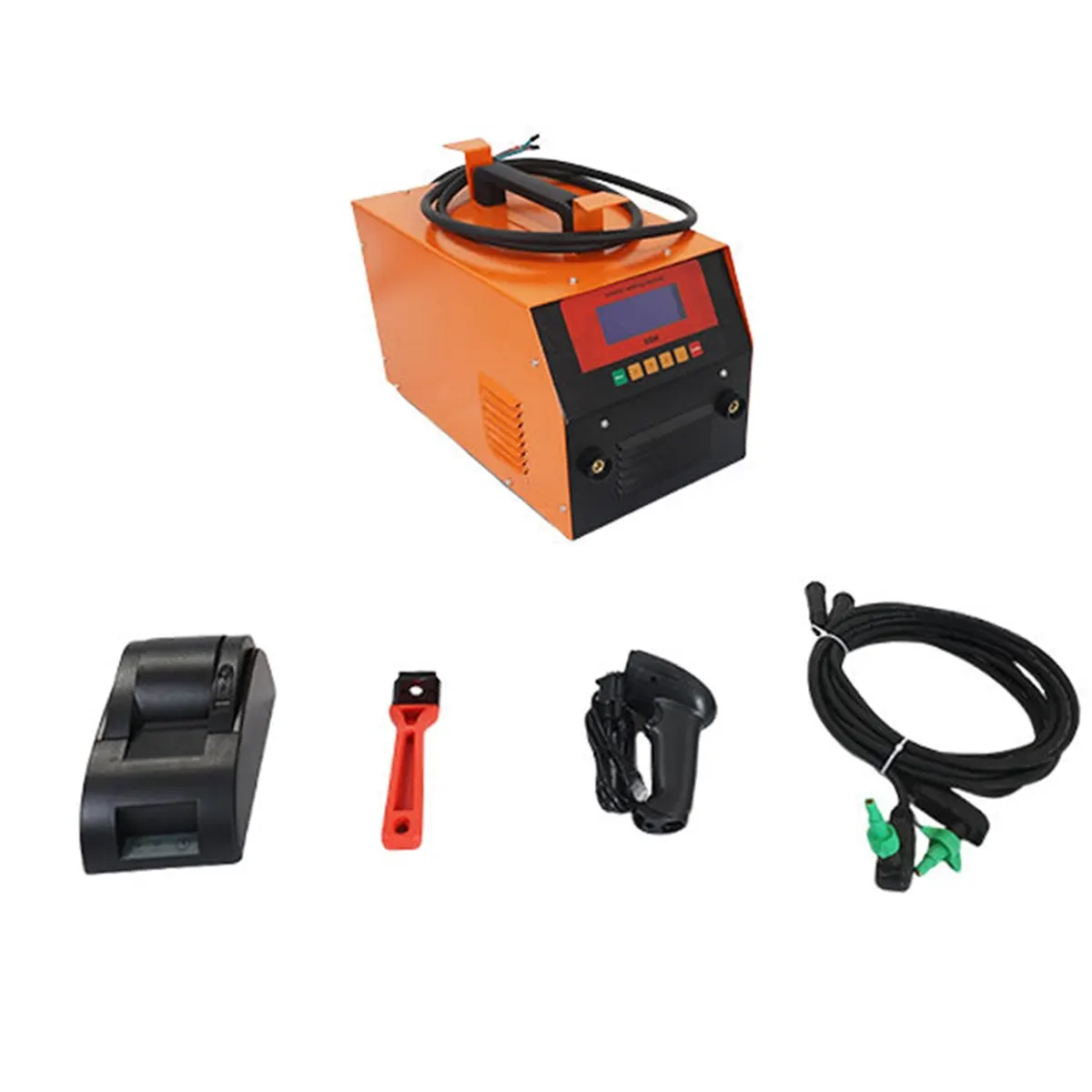
Electrofusion uses specially manufactured fittings with embedded heating coils. When an electrofusion processor applies a controlled electrical current, the coils heat and melt the surrounding PE material, fusing the fitting to the pipe. This method is particularly useful for repairs, tie-ins, and congested trench environments where butt fusion machine access is restricted. The PE electrofusion equipment standard defines the performance and safety requirements for these sophisticated welding units.
Multi-Angle Pipe Fitting Machines
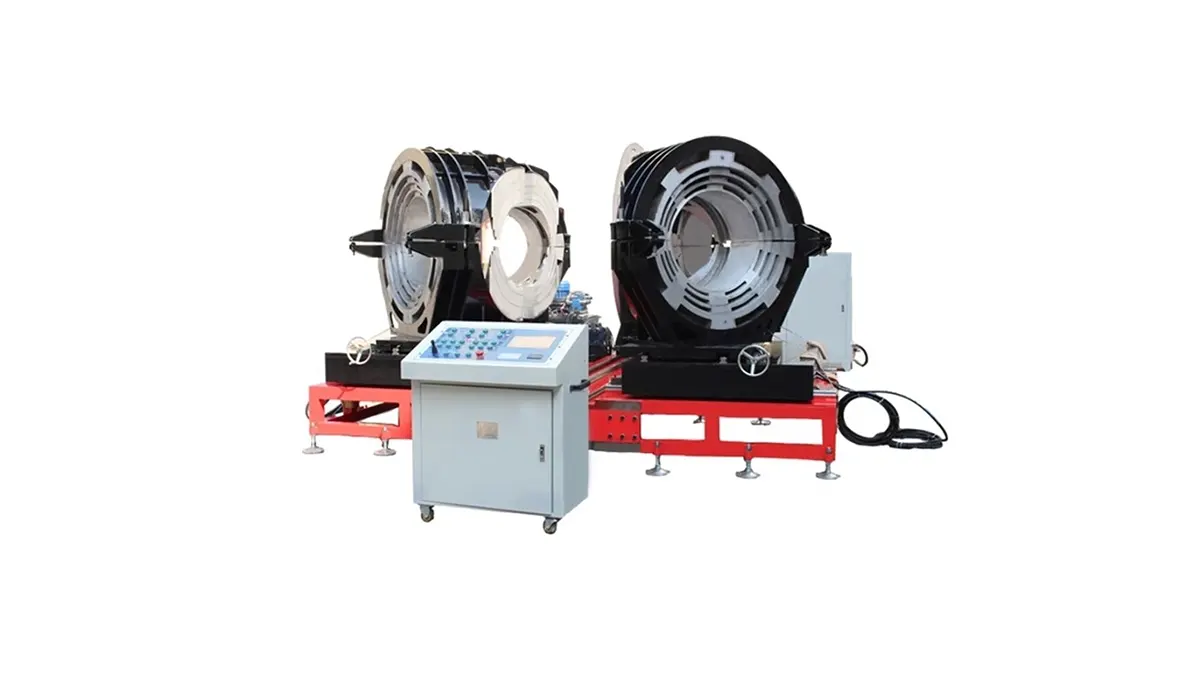
For fabricating segmented bends, tees, and Y-branches at various angles, multi-angle pipe fitting welding machines offer unparalleled flexibility. These specialized machines allow contractors to produce custom fittings directly on site, reducing lead times and material costs. Multi-angle pipe fitting equipment typically handles diameters from 315mm to 1600mm, covering most distribution and transmission applications.
Key Benefits of Using the Right PE100 Jointing System
Investing in high-quality PE100 pipe jointing equipment brings measurable advantages across the entire project lifecycle. The following table summarizes the core benefits associated with proper equipment selection:
| Benefit | Impact on Project |
|---|---|
| Homogeneous Joint Integrity | Eliminates leak paths and ensures the joint is as strong as the pipe itself |
| Reduced Installation Time | Efficient heating and cooling cycles minimize overall project duration |
| Operator Safety | Modern machines include safety interlocks and ergonomic designs that reduce fatigue |
| Data Logging and Traceability | Automatic and hydraulic systems record fusion parameters for quality documentation |
| Long-Term Cost Savings | Reliable joints reduce maintenance, repair, and potential failure costs over decades |
| Environmental Compliance | Leak-free PE100 systems protect soil and groundwater from contamination |
How to Choose the Right PE100 Pipe Jointing Equipment
Selecting the optimal PE100 pipe jointing equipment requires a systematic evaluation of your project parameters. Consider the following decision factors carefully before making an equipment investment:
Pipe Diameter and Wall Thickness
The pipe size range is the most fundamental selection criterion. Manual machines excel below 315mm, hydraulic machines cover 200mm to 2250mm, and automatic CNC systems typically handle 160mm to 630mm. Ensure the machine you select has adequate clamping force and heating plate surface area for your maximum pipe specifications. Following PE butt fusion equipment standard guidelines helps verify that the machine meets the dimensional and performance requirements for your target pipe range.
Project Environment and Accessibility
Consider where the welding will take place. Open trench installations on flat terrain offer maximum flexibility, while steep slopes, confined spaces, or indoor installations may require compact equipment designs. Portable manual and smaller hydraulic units are well-suited for remote or difficult-to-access locations.
Production Volume Requirements
For high-volume production environments, CNC automatic machines significantly boost productivity while maintaining consistent quality. For maintenance crews performing occasional joints, manual or basic hydraulic machines may offer a more cost-effective solution. Understanding what is HDPE butt fusion and its various application scenarios helps match the right technology to your workflow demands.
Operator Training and Certification
Advanced equipment reduces reliance on operator skill, but all PE100 jointing methods require proper training. ASTM F2620 heat fusion provides comprehensive guidance on operator qualification and joint testing procedures. When selecting equipment, factor in the training resources available from the manufacturer and the certification standards applicable in your region.
Data Recording and Quality Assurance Needs
For gas distribution and critical water mains, traceability is non-negotiable. Equipment with built-in data loggers automatically records temperature, pressure, and time parameters for every joint. This documentation is invaluable for regulatory compliance and long-term asset management. Electrofusion processors with barcode scanning and GPS tagging further enhance the traceability chain from fitting installation to system commissioning.
Equipment Comparison: Quick Reference
| Equipment Type | Typical Pipe Range | Best For | Key Advantage |
|---|---|---|---|
| Manual Butt Fusion | 63mm – 315mm | Field repairs, small distribution lines | Portability and low cost |
| Hydraulic Butt Fusion | 200mm – 2250mm+ | Mainline transmission, large projects | High force for thick-wall pipes |
| CNC Automatic | 160mm – 630mm | High production, quality-critical work | Full automation and data logging |
| Electrofusion | 20mm – 1200mm | Repairs, congested areas, tie-ins | Minimal pipe movement required |
| Multi-Angle Fitting | 315mm – 1600mm | Custom bends and fabricated fittings | On-site fabrication flexibility |
Industry Standards and Compliance
All PE100 pipe jointing equipment should comply with relevant international standards to ensure safety and performance. Key standards include ISO 21307 for butt fusion procedures, ISO 12176 series for equipment specifications, and ASTM F2620 for heat fusion practices in North America. When evaluating equipment suppliers, verify that their machines are designed and tested according to these recognized benchmarks. Compliance not only ensures joint quality but also supports regulatory approval processes and third-party inspection acceptance.
Making an Informed Equipment Decision
Choosing the right PE100 pipe jointing equipment is a strategic decision that affects project timelines, budget, and the long-term reliability of your pipeline network. Evaluate your current and future project needs, consider the full range of available technologies, and prioritize equipment that offers a balance of performance, durability, and manufacturer support.
JQ-Fusion is a professional manufacturer specializing in HDPE pipe welding machines, providing reliable butt fusion solutions for global infrastructure projects. With a comprehensive product line covering manual, hydraulic, and CNC automatic machines, along with electrofusion and multi-angle fitting equipment, the company supports contractors and distributors in achieving precise, efficient, and code-compliant PE100 pipe joining across water, gas, mining, and industrial applications.
Key Takeaways for Equipment Selection
- Match the machine to your pipe range – undersized equipment compromises joint integrity
- Prioritize data logging for critical infrastructure and regulatory projects
- Verify standards compliance to streamline approvals and inspections
- Consider total cost of ownership including maintenance, training, and spare parts availability
- Evaluate manufacturer support for training, troubleshooting, and after-sales service



