
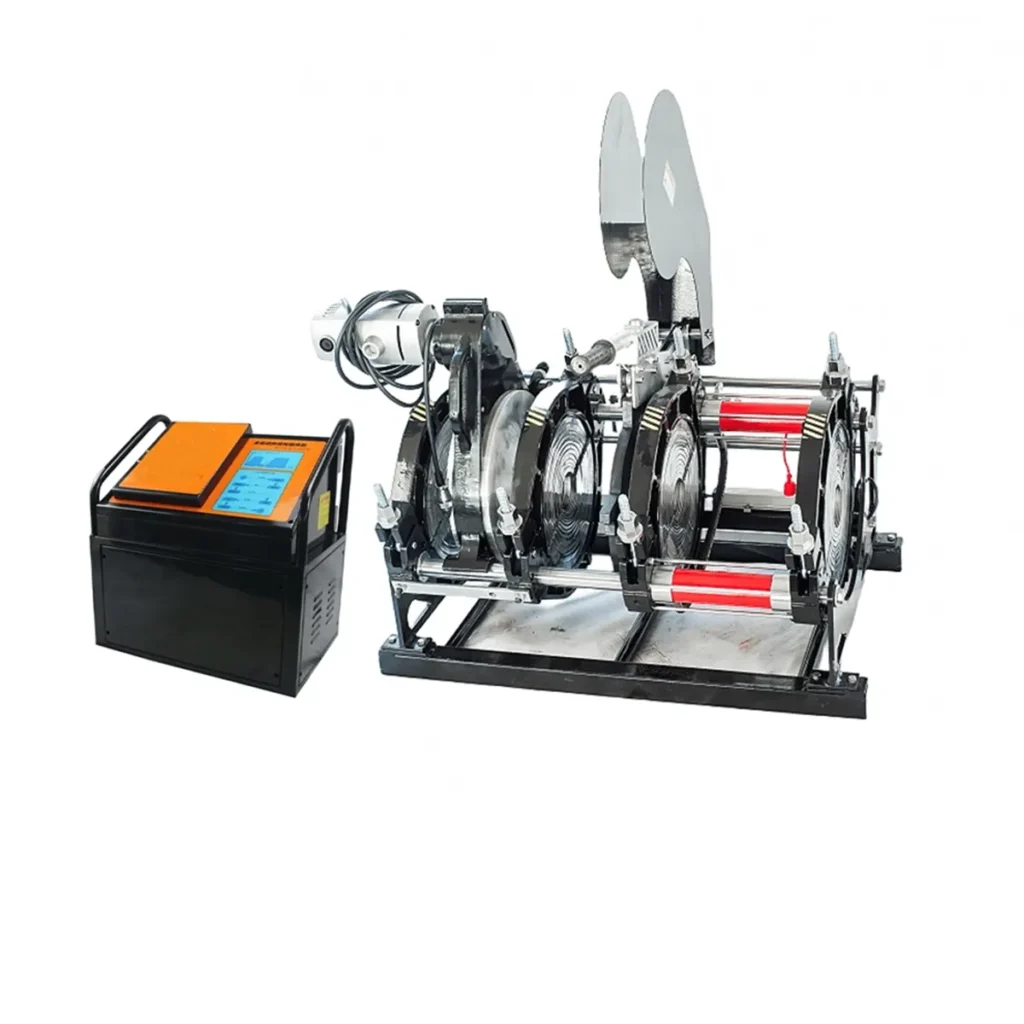
Polyethylene (PE) pipes have become the material of choice for gas distribution, water supply, and industrial piping systems worldwide. Among the various grades available, PE80 pipes offer an excellent balance of strength, flexibility, and long-term reliability. With a Minimum Required Strength (MRS) of 8.0 MPa, PE80 has proven its value in countless infrastructure projects. However, achieving a leak-free, durable pipeline depends heavily on the quality of the welding process. This article explores the essential methods, equipment, and best practices for HDPE pipe welding for PE80 pipes, helping contractors and engineers ensure consistent joint integrity.
Understanding PE80 and Its Welding Requirements
PE80 is a medium-density polyethylene grade widely used for pressures up to 12.5 bar in water and gas networks. Compared to its successor PE100, PE80 has a slightly lower density and tensile strength, but it remains highly durable and cost-effective for many applications. The key to successful PE80 pipe welding lies in understanding the material’s thermal behavior. PE80 typically requires a heating plate temperature between 200°C and 220°C, with precise control over heating time, pressure, and cooling phases. Any deviation from the recommended parameters can lead to weak joints, stress cracking, or premature failure.
Primary Welding Methods for PE80 Pipes
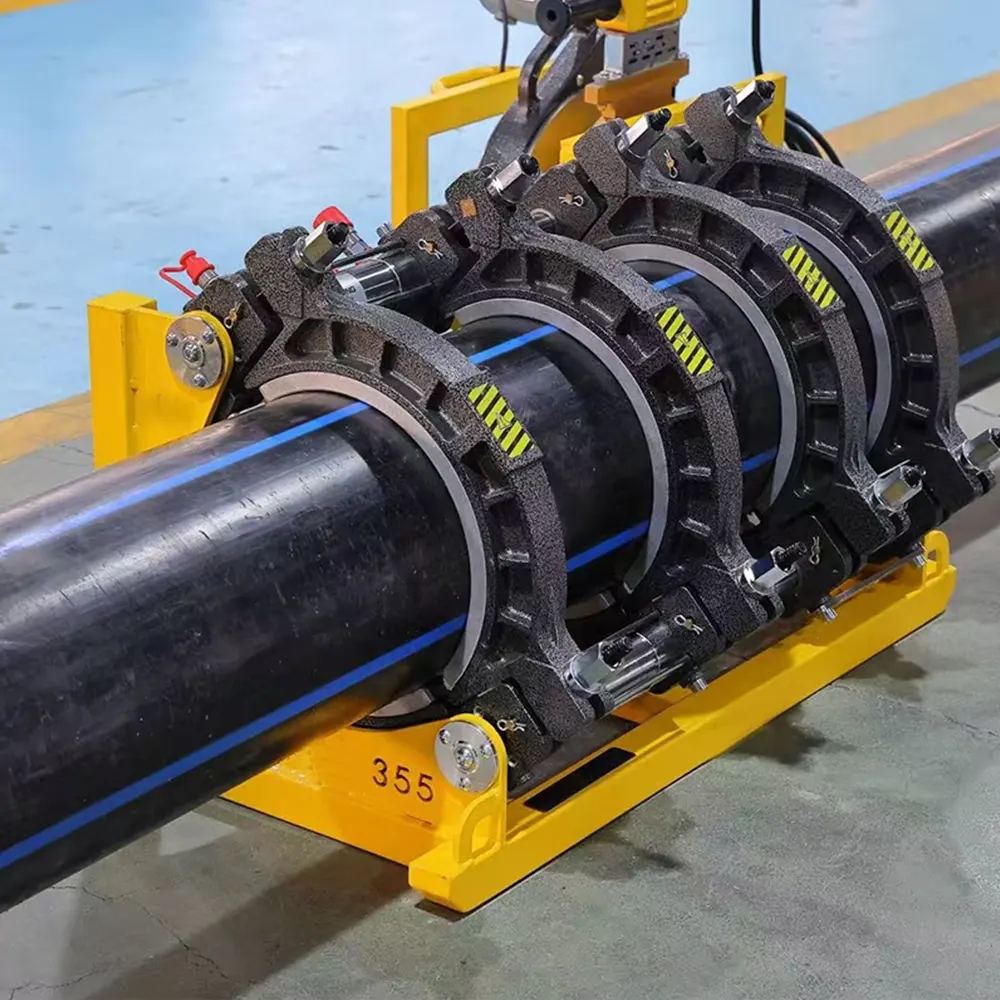
Two main fusion techniques dominate the industry for joining PE80 pipes. Each method has distinct advantages depending on pipe diameter, site conditions, and project scale.
Butt Fusion Welding
What is HDPE butt fusion? Butt fusion is the most common method for joining PE80 pipes, especially for diameters above 63 mm. The process involves heating the pipe ends against a flat heating plate until they reach a molten state, then pressing them together under controlled pressure to form a homogeneous joint. According to the PE butt fusion process guidelines, critical parameters include:
- Bead-up pressure to ensure proper contact with the heating plate
- Heat soak time based on pipe wall thickness
- Dwell time for plate removal and joint formation
- Cooling time under pressure to achieve full strength
Electrofusion Welding
For smaller diameters, repair work, or tight spaces where butt fusion equipment cannot operate, electrofusion offers a reliable alternative. This method uses special fittings with embedded heating coils that melt the pipe surface when energized. The ASTM F1290 electrofusion standard provides detailed procedures for polyolefin pipe joining. Electrofusion is particularly useful for PE80 gas distribution networks where joint quality verification is critical.
Equipment Selection for PE80 Pipe Welding
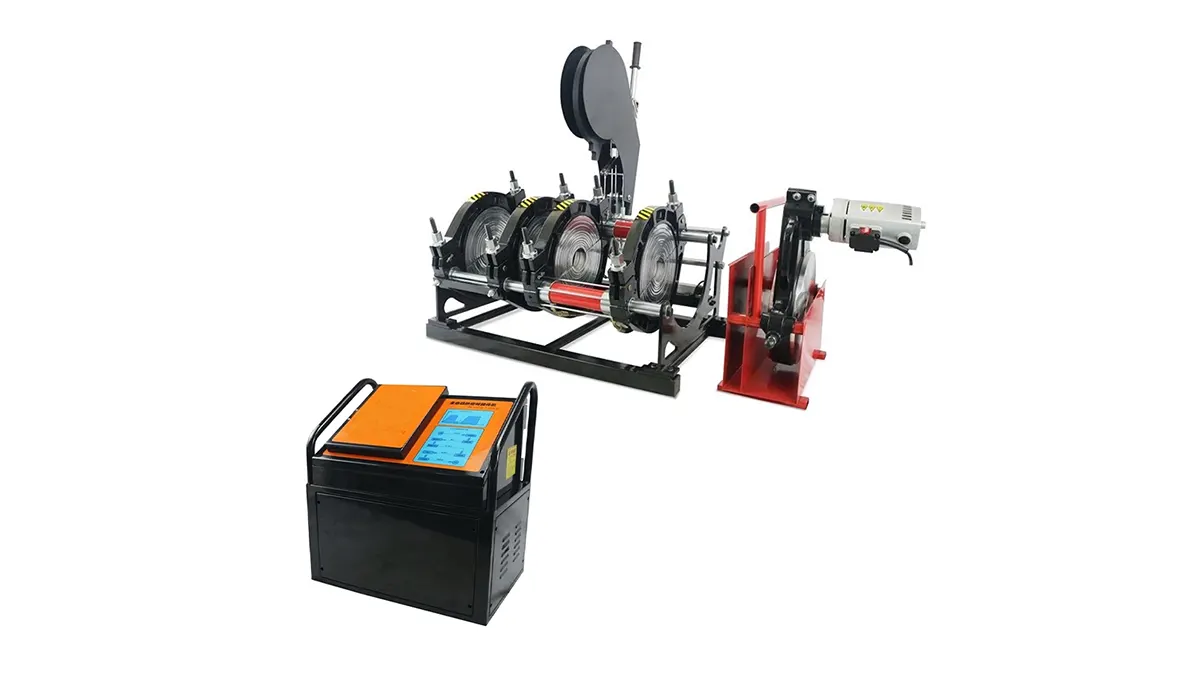
Choosing the right welding machine directly impacts joint quality and operational efficiency. The market offers three main categories of butt fusion equipment, each suited to different PE80 pipe diameter ranges and project requirements.
| Equipment Type | Diameter Range | Best Application | Key Feature |
|---|---|---|---|
| Manual Butt Fusion | 40 mm – 315 mm | Small-scale water and irrigation projects | Lightweight, portable, cost-effective |
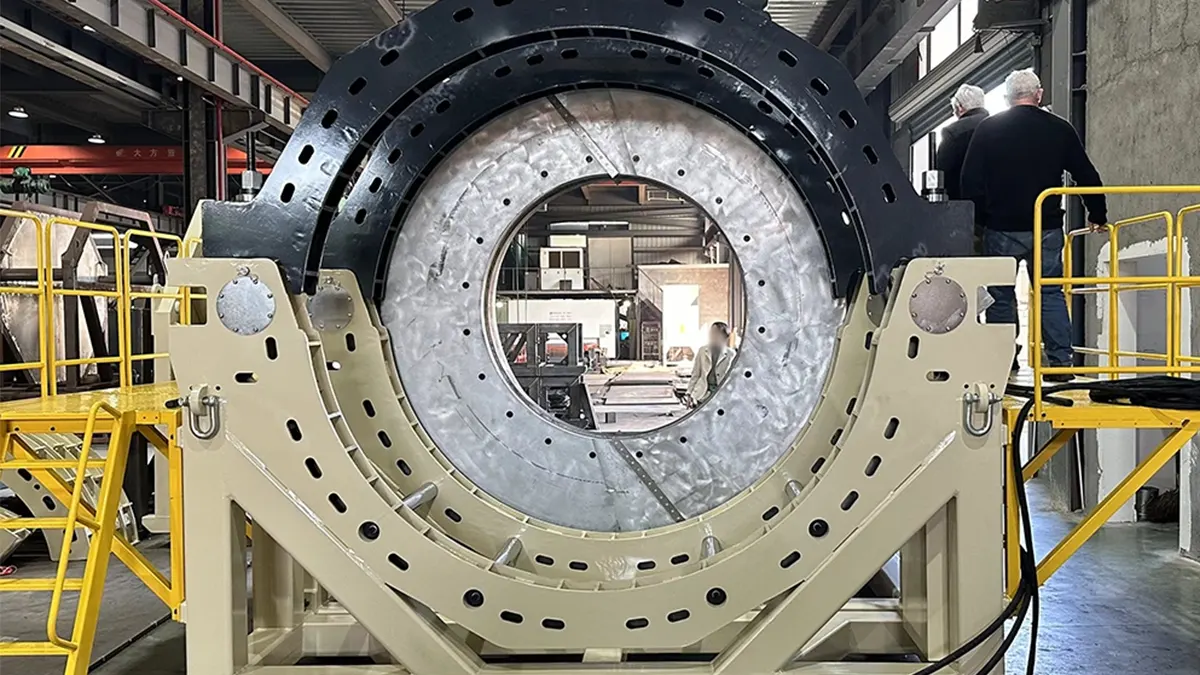
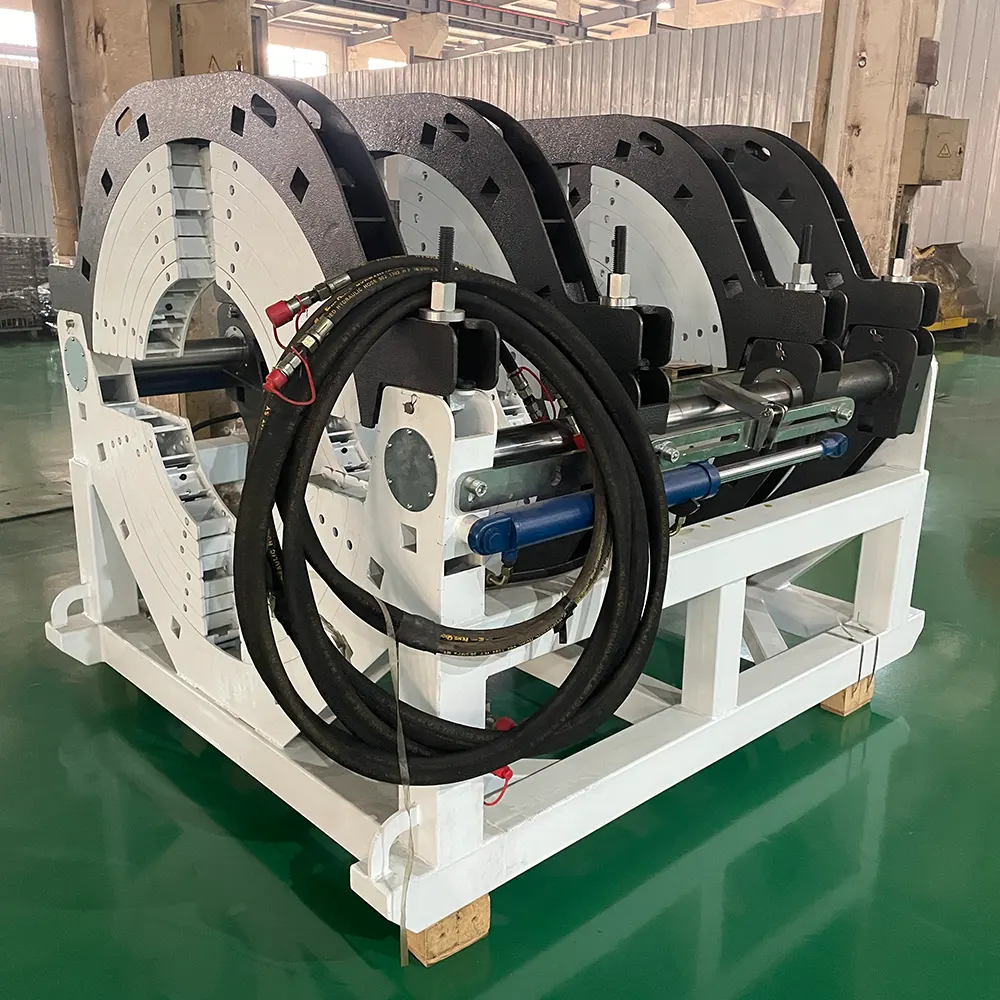
| Hydraulic Butt Fusion | 160 mm – 2250 mm | Municipal water mains and gas pipelines | High clamping force, precise pressure control |
| CNC Automatic | 160 mm – 630 mm | Large-diameter infrastructure with traceability needs | Automated cycle, data logging, minimal operator error |
Best Practices for PE80 Butt Fusion Welding
Achieving consistent, code-compliant welds on PE80 pipes requires strict adherence to proven procedures. The ISO 21307 butt fusion procedures outline three standard protocols—low pressure, high pressure, and dual pressure—each designed for specific environmental conditions and pipe grades. Below are field-tested best practices that elevate joint quality:
- Clean and Align Pipe Ends Properly: Contaminants like dirt, moisture, or oxidation on PE80 pipe surfaces can severely weaken the fusion joint. Always scrape the pipe ends thoroughly and align them within the machine clamps to less than 10% of wall thickness mismatch.
- Monitor Heating Plate Temperature: For PE80, the heating plate should maintain a consistent surface temperature of 210°C ± 10°C. Use a calibrated digital thermometer to verify before each weld cycle, as uneven heat distribution leads to inconsistent melt patterns.
- Control Bead Formation and Size: The initial bead-up against the heating plate serves as a visual indicator of proper heating. Both the inner and outer beads should be uniform and sized according to the pipe diameter. Inadequate bead size often signals insufficient heating time or low pressure.
- Respect Cooling Times Under Pressure: Removing the joint from the clamps too early is a common cause of PE80 weld failure. Allow the joint to cool naturally under full fusion pressure until the surface temperature drops below 60°C. Rushing this phase compromises crystalline structure development.
- Document Every Weld: Record parameters such as heating time, temperature, fusion pressure, ambient conditions, and operator identification. This traceability supports quality audits and helps identify trends before problems escalate.
Quality Control and International Standards
Quality assurance in PE80 pipe welding goes beyond visual inspection. Destructive and non-destructive testing methods are essential for verifying joint integrity. The ASTM F2620 heat fusion standard specifies bend-back tests, tensile tests, and hydrostatic pressure tests to validate fusion quality. For gas applications, additional requirements under ASTM D2513 apply. Key inspection points include:
- Visual Inspection: Check for uniform double-bead appearance, proper alignment, and absence of contamination or porosity on the bead surface.
- Bend-Back Test: A destructive test where a section of the welded joint is bent to verify ductility and fusion integrity. The joint should not separate at the fusion plane.
- Hydrostatic Leak Testing: Performed on completed pipeline sections to confirm pressure integrity before backfilling or commissioning.
Common Pitfalls to Avoid
Even experienced operators can fall into habits that compromise PE80 weld quality. Being aware of these common mistakes helps maintain consistent results:
- Excessive Trimming Pressure: Over-aggressive trimming can create grooves or uneven surfaces on PE80 pipe ends, preventing full contact during heating.
- Inadequate Pipe Support: For large-diameter PE80 pipes, insufficient roller support causes misalignment and uneven pressure distribution during fusion.
- Ignoring Ambient Conditions: Wind, rain, and extreme temperatures affect heating plate performance and cooling rates. Always use protective enclosures in adverse weather.
- Reusing Contaminated Heating Plates: Residual PE80 material on the heating plate surface can transfer to subsequent joints. Clean plates with a non-abrasive cloth between each weld.
Operator Training and Certification
No matter how advanced the welding equipment, the operator remains the most critical variable in PE80 pipe joining. Comprehensive training programs should cover material science fundamentals, machine operation, parameter selection, and defect recognition. Many regulatory bodies now require third-party certification for welders working on gas and water infrastructure projects. Ongoing refresher training and performance audits help maintain high standards across project teams.
Selecting the Right Welding Partner
For contractors and utility companies investing in PE80 pipeline projects, equipment reliability and manufacturer support are decisive factors. JQ-Fusion is a professional manufacturer specializing in HDPE pipe welding machines, offering a comprehensive range of manual, hydraulic, and CNC automatic butt fusion equipment backed by rigorous quality control and responsive global service. From standard models to custom solutions, selecting a partner with proven engineering expertise helps ensure that every PE80 weld meets the highest standards of safety and durability.
Conclusion
Successful HDPE pipe welding for PE80 pipes depends on the right combination of method, equipment, and disciplined execution. Butt fusion remains the preferred technique for most PE80 applications, supported by electrofusion for specialized scenarios. By following internationally recognized procedures, investing in quality machinery, and prioritizing operator training, project teams can deliver pipeline systems that perform reliably for decades. Whether upgrading municipal water networks or expanding gas distribution infrastructure, mastering PE80 fusion welding is an investment in long-term asset integrity.



