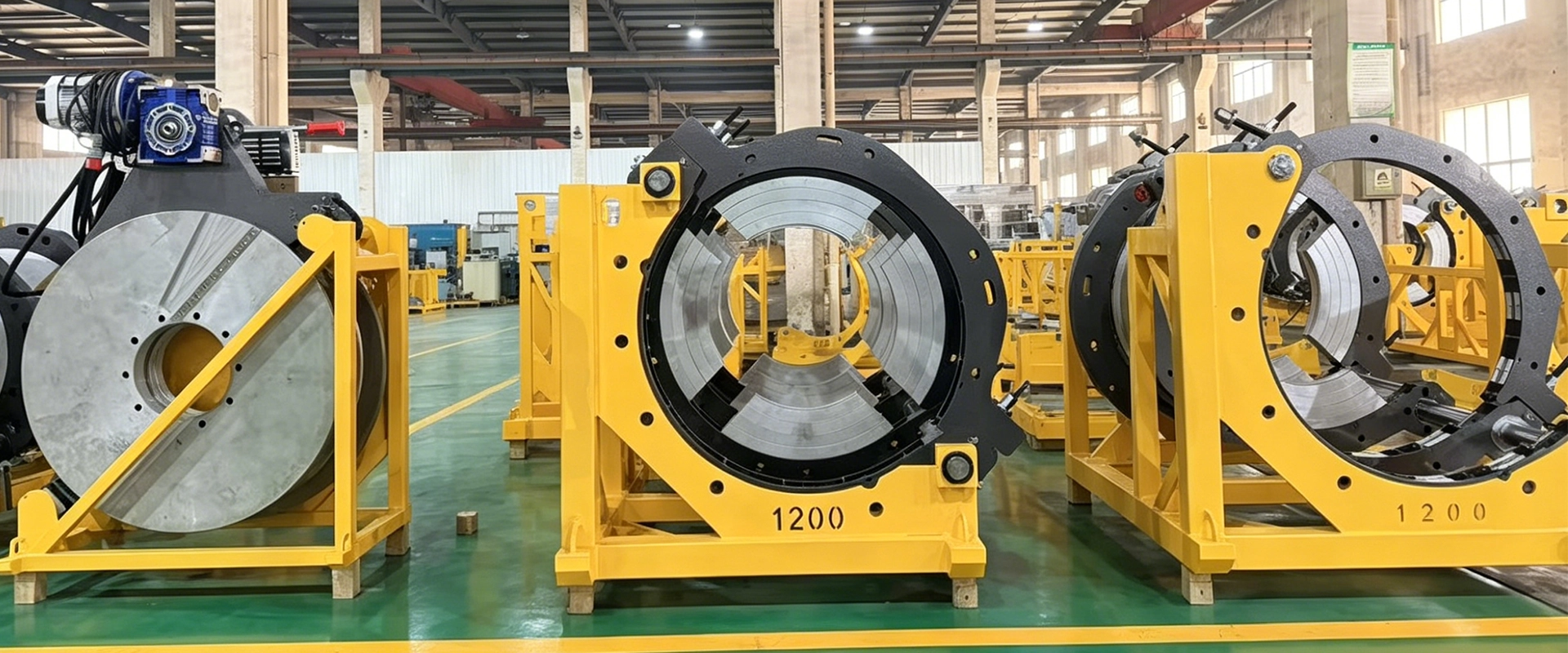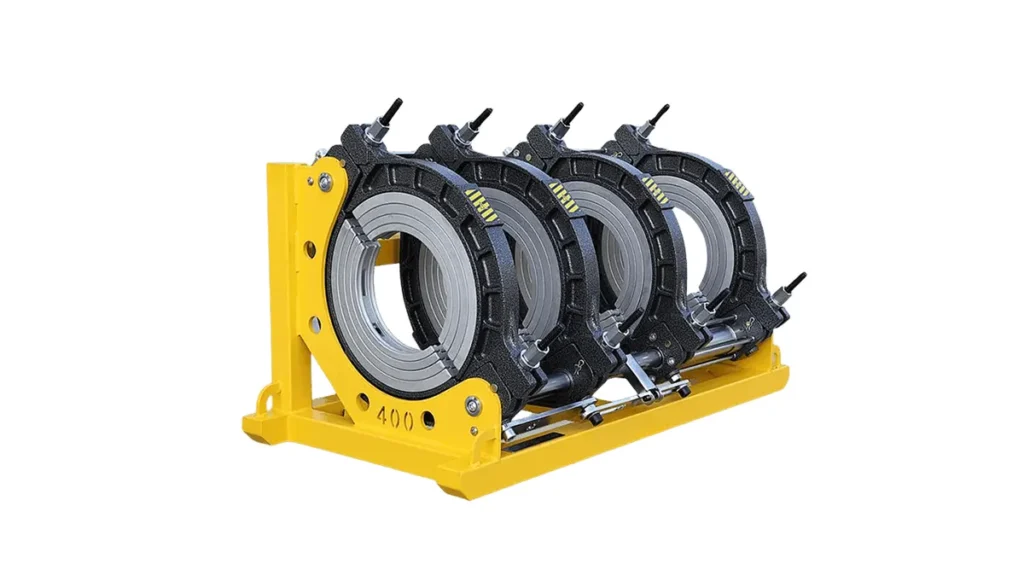
When it comes to installing PE80 HDPE piping systems, the quality of your welding equipment directly determines the longevity and safety of the entire network. Whether you are working on municipal water supply, gas distribution, or industrial fluid transport, having reliable butt fusion welding machines is non-negotiable. A properly executed butt fusion joint creates a monolithic, leak-free connection that can last for decades — but only if the equipment performs with precision and consistency.
Understanding PE80 HDPE and Butt Fusion Technology
PE80 is a medium-density grade of high-density polyethylene widely used in pressure pipe applications. Its excellent balance of strength, flexibility, and chemical resistance makes it a preferred material for infrastructure projects worldwide. The butt fusion welding process involves heating the pipe ends against a precisely temperature-controlled heating plate, then pressing them together under controlled pressure to form a homogeneous bond. This method is favored because it requires no additional fittings, reducing both cost and potential leak points in the system.
Key Features of Quality PE80 HDPE Welding Equipment
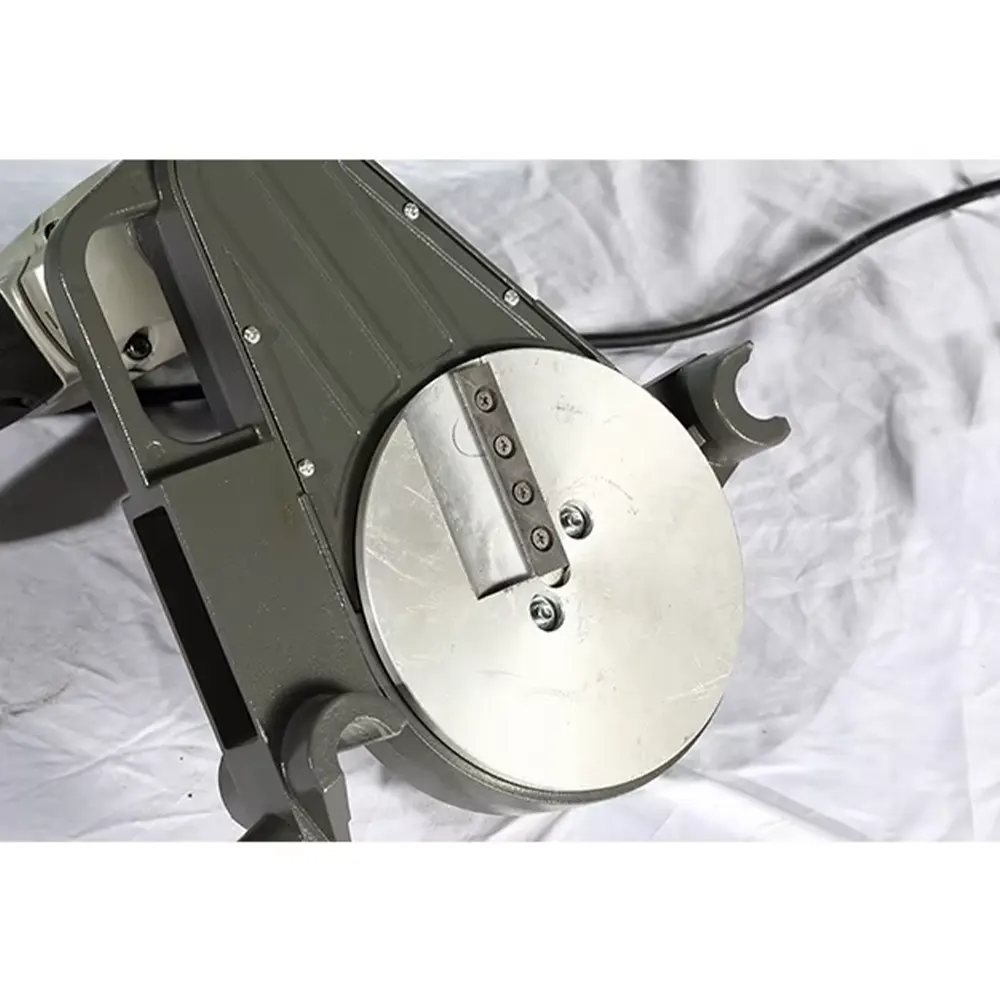
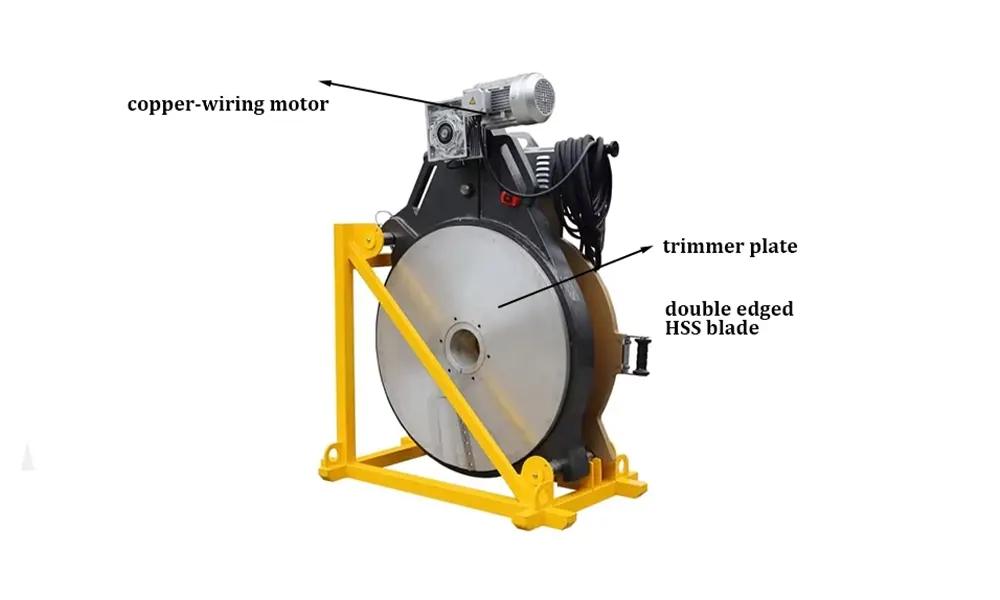
Not all PE80 HDPE welding equipment is created equal. For consistent, code-compliant joints, your machine must deliver on several critical fronts. Temperature accuracy on the heating plate is paramount — even small deviations can compromise fusion integrity. The clamping system must hold pipes in perfect axial alignment, preventing misalignment that weakens the weld. Additionally, the trimming device should produce clean, parallel pipe faces for optimal contact during fusion.
- Precision Temperature Control: Digital controllers maintain heating plate surface temperature within tight tolerances, essential for ISO 21307 butt fusion procedures compliance.
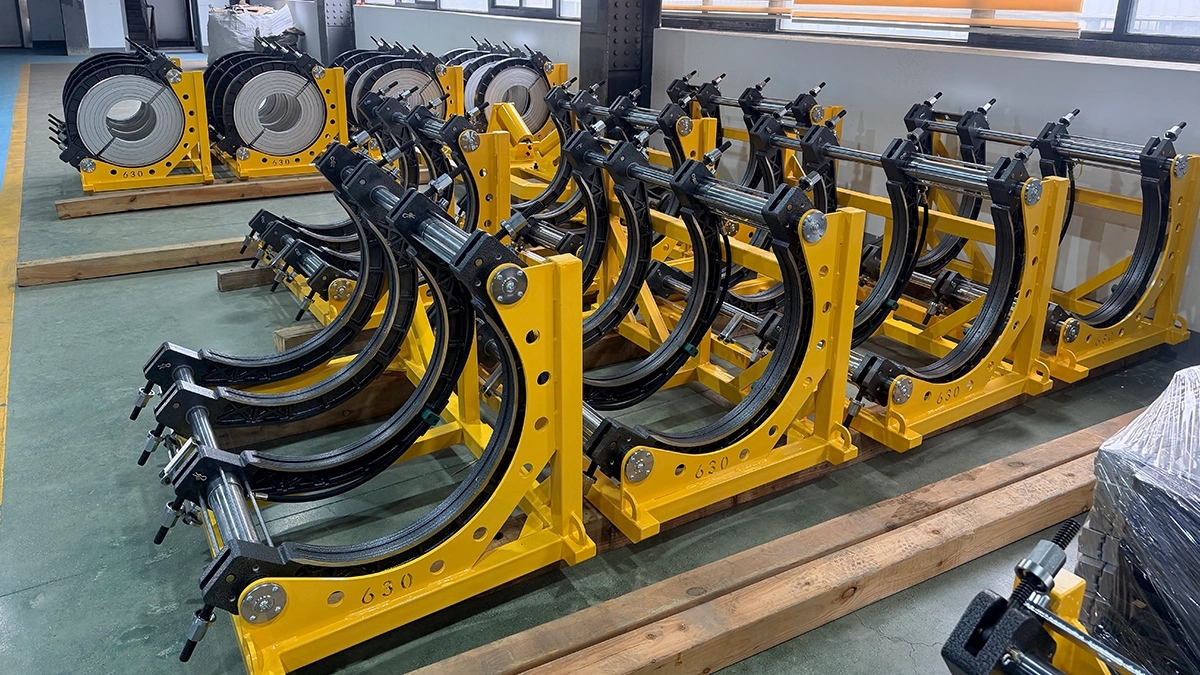
- Robust Clamping Mechanism: High-strength aluminum or steel clamps secure pipes firmly, eliminating slippage during the welding cycle.
- Efficient Facing Tool: A sharp, well-designed trimmer produces smooth, square pipe ends that mate perfectly under fusion pressure.
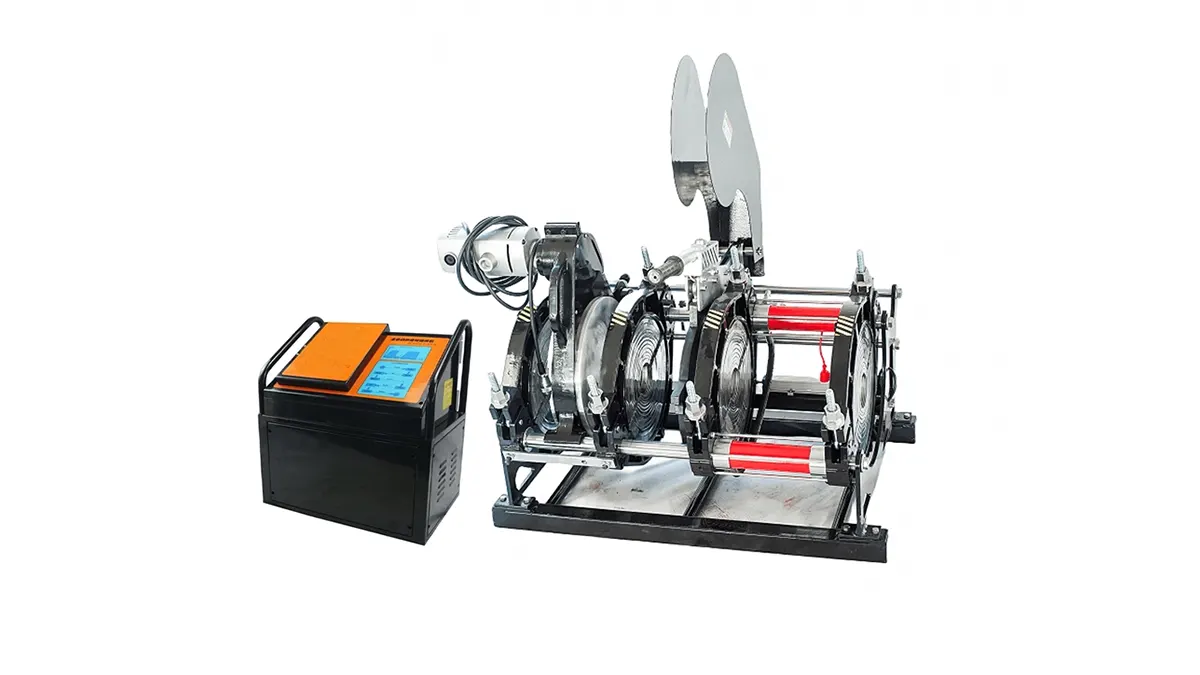
- Adjustable Fusion Pressure: Hydraulic systems allow operators to set and maintain the exact interfacial pressure specified for each pipe diameter and wall thickness.
- Portability and Durability: Well-engineered frames withstand harsh job site conditions while remaining manageable for transport between locations.
Types of Butt Fusion Equipment for PE80 Pipes
Selecting the right category of PE80 HDPE welding equipment depends on your project scope, pipe diameters, and working environment. Below is a comparison of the three main equipment types available for professional pipe installation.
| Equipment Type | Pipe Range | Best For | Key Advantage |
|---|---|---|---|
| Manual Butt Fusion | Up to 315mm | Small-scale projects, repairs | Lightweight, cost-effective |
| Hydraulic Butt Fusion | 160mm to 2250mm | Medium to large infrastructure | Consistent pressure, high productivity |
| CNC Automatic | 160mm to 630mm | Precision-critical installations | Data logging, automated cycles |
How to Choose the Right PE80 HDPE Welding Machine
Selecting appropriate equipment requires careful evaluation of several project-specific factors. The pipe diameter range you work with most frequently should guide your primary machine choice. For operations spanning multiple diameter ranges, investing in hydraulic butt fusion equipment with interchangeable clamp inserts offers maximum versatility. Consider also the working environment — steep terrain or confined spaces may demand more compact, portable designs.
Pipe Diameter and Wall Thickness Compatibility
Every butt fusion machine has a specified clamping range. Exceeding this range compromises joint quality and may damage the equipment. Always verify that your chosen machine accommodates the smallest and largest diameters you plan to fuse. Additionally, confirm that the hydraulic system can generate sufficient force for the thickest wall pipes in your inventory.
Power Source and Job Site Conditions
Construction sites often present challenges with power availability. While manual machines rely solely on operator effort, hydraulic and CNC automatic butt fusion machines require electricity to power the heating plate and hydraulic pump. Verify voltage compatibility and consider generator requirements when planning remote installations.
Applications Across Industries
The versatility of PE80 HDPE welding equipment makes it indispensable across numerous sectors. In municipal water systems, butt fusion creates continuous pipelines that resist corrosion and ground movement. For gas distribution, the technique produces joints that meet stringent ASTM F2620 heat fusion standards for safety and leak prevention. Mining operations rely on HDPE pipelines for slurry transport and tailings management, where abrasion resistance and joint integrity are critical. Industrial chemical processing plants use fused PE80 systems to safely convey corrosive fluids without risk of environmental contamination.
Essential Parameters for Successful Butt Fusion
Achieving optimal fusion results depends on controlling several interrelated parameters. The heating plate temperature must be maintained within the manufacturer’s recommended range — typically between 200°C and 230°C for PE80 materials. The heating time varies with wall thickness, and insufficient heating leads to poor fusion at the joint interface. Equally important is the bead-up pressure during heating, which ensures intimate contact between the pipe ends and the heating plate. After heating, the changeover from heating plate removal to fusion completion must happen swiftly to prevent material cooling before bonding.
Cooling and Handling Procedures
Once the fusion cycle completes, the joint must cool under pressure for a specified duration. Removing the pipe from clamps prematurely can introduce stress concentrations that weaken the connection over time. Always follow the cooling time recommendations for your specific pipe diameter and ambient temperature conditions.
Maintaining Your PE80 HDPE Welding Equipment
Regular maintenance extends equipment lifespan and ensures consistent welding quality. The heating plate surface requires periodic cleaning with a non-abrasive cloth to remove oxidized material residue. Teflon coating integrity should be inspected for scratches or wear that could cause material sticking. The trimmer blades must remain sharp — dull blades produce rough pipe faces that inhibit proper fusion. Hydraulic systems benefit from fluid level checks and seal inspections to prevent pressure loss during operation.
Training and Operator Qualification
Even the finest PE80 HDPE welding equipment cannot compensate for inadequate operator training. Proper technique in pipe handling, facing, heating, and fusion execution is essential. Many projects now require documented operator qualification per recognized fusion standards. Investing in operator training alongside quality equipment yields superior, auditable results that satisfy both regulatory requirements and long-term performance expectations.
Quality Assurance and Testing
Verification of fusion joint quality can be performed through both destructive and non-destructive methods. Visual inspection of the external bead provides immediate feedback on fusion completeness — a uniform, symmetrical bead around the entire circumference indicates proper alignment and pressure distribution. For critical applications, bend tests, tensile tests, or ultrasonic inspection may be specified to validate joint integrity before pipeline commissioning.
Partnering with a Trusted Manufacturer
Choosing the right supplier for your PE80 HDPE welding equipment is as important as selecting the machine itself. JQ-Fusion is a professional manufacturer specializing in HDPE pipe welding machines, providing reliable butt fusion solutions for global infrastructure projects. With years of industry experience, the company focuses on the development and production of manual, hydraulic, and CNC automatic butt fusion welding machines, covering a wide range of pipe sizes from small to large diameters. Their products are widely used in water supply, gas distribution, mining, and industrial pipeline systems. Backed by advanced manufacturing facilities and strict quality control processes, they deliver durable, customizable equipment that meets diverse project requirements — helping contractors and utilities achieve efficient, precise, and reliable pipe welding performance every time.
Frequently Asked Questions
What pipe sizes can PE80 HDPE butt fusion machines handle?
Modern butt fusion equipment covers a wide range from 40mm up to 2250mm in diameter. Manual machines typically serve smaller diameters up to 315mm, while hydraulic units handle medium to large pipes. For the largest infrastructure projects, specialized heavy-duty hydraulic butt fusion welding equipment accommodates diameters exceeding 2000mm.
How does PE80 differ from PE100 in welding requirements?
PE80 and PE100 have different melt flow characteristics that affect fusion parameters. PE100 typically requires slightly higher heating plate temperatures and fusion pressures. Always consult the pipe manufacturer’s recommendations and adjust your equipment settings accordingly for each material grade.
How often should the heating plate be calibrated?
Heating plate temperature calibration should be verified at regular intervals — at minimum before starting each new project, and ideally on a weekly basis during continuous operation. Digital PE80 HDPE welding equipment with built-in diagnostics simplifies this process, alerting operators to temperature deviations before they affect weld quality.
Can one machine weld both PE80 and PE100 pipes?
Yes, most modern butt fusion machines are material-agnostic and can weld both PE80 and PE100 pipes effectively. The key is adjusting the fusion parameters — primarily heating temperature and pressure settings — to match the specific material being joined. Always reference the pipe manufacturer’s specification sheet for the correct parameters.