
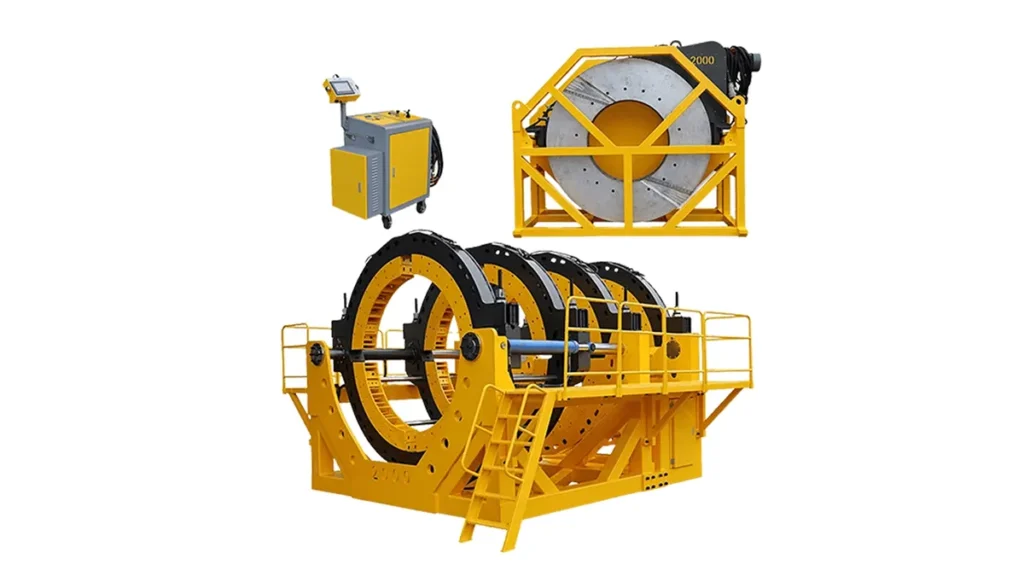
For contractors and project managers involved in water supply, gas distribution, or industrial piping, selecting the right PE100 pipe welding machine is critical to achieving leak-free, long-lasting joints. Polyethylene (PE100) has become the material of choice for modern pipeline infrastructure due to its high strength, flexibility, and corrosion resistance — but only when welded with precision equipment that meets international standards.
What Is a PE100 Pipe Welding Machine?
A PE100 pipe welding machine is specialized equipment designed to join high-density polyethylene (HDPE) pipes and fittings through thermal fusion. The most common method is butt fusion welding, where pipe ends are heated to a controlled temperature and then pressed together under precise pressure to form a homogeneous bond. This technique is governed by strict procedures such as ISO 21307 butt fusion procedures, ensuring weld integrity across various pipe diameters and wall thicknesses.
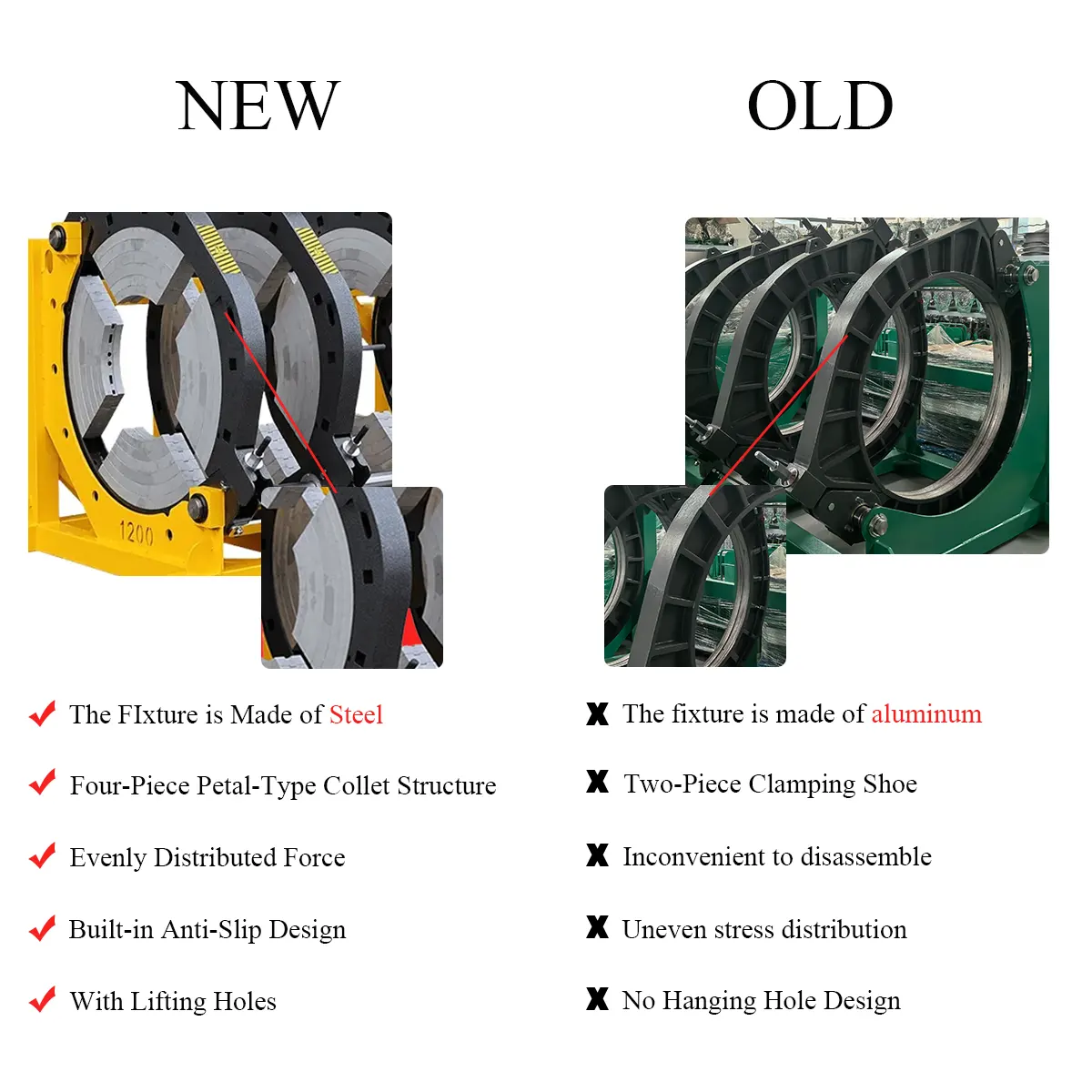
Comparison of PE100 butt fusion welding machine types
Key Features to Look For
- Precise Temperature Control: Digital controllers maintain consistent heating plate temperatures, which is essential for PE100 material specifications.
- Robust Clamping System: Hydraulic or manual clamps ensure perfect pipe alignment and reduce the risk of joint misalignment.
- Automatic Data Logging: Many modern CNC automatic butt fusion welding machines record welding parameters for traceability and quality assurance, aligning with PE butt fusion equipment standards.
- Durable Construction: Aluminum alloy frames and corrosion-resistant components extend the machine’s service life in harsh field conditions.
- Wide Diameter Range: Equipment should accommodate various pipe sizes, from small-diameter service lines to large transmission mains.
Applications Across Industries
The versatility of PE100 pipe welding machines makes them indispensable across multiple sectors. Below are the primary application areas where reliable fusion equipment delivers measurable results:
| Industry | Typical Application | Recommended Equipment Type |
|---|---|---|
| Water Supply | Potable water distribution mains and service connections | Hydraulic butt fusion machines (200mm–1200mm) |
| Gas Distribution | Natural gas and LPG pipeline networks | Automatic CNC machines with data logging |
| Mining | Slurry transport and dewatering pipelines | Heavy-duty hydraulic models (up to 2250mm) |
| Industrial Processing | Chemical transfer and wastewater treatment lines | Multi-angle fitting welding machines |
| Agriculture & Irrigation | Large-scale irrigation and drainage systems | Manual butt fusion machines for smaller diameters |
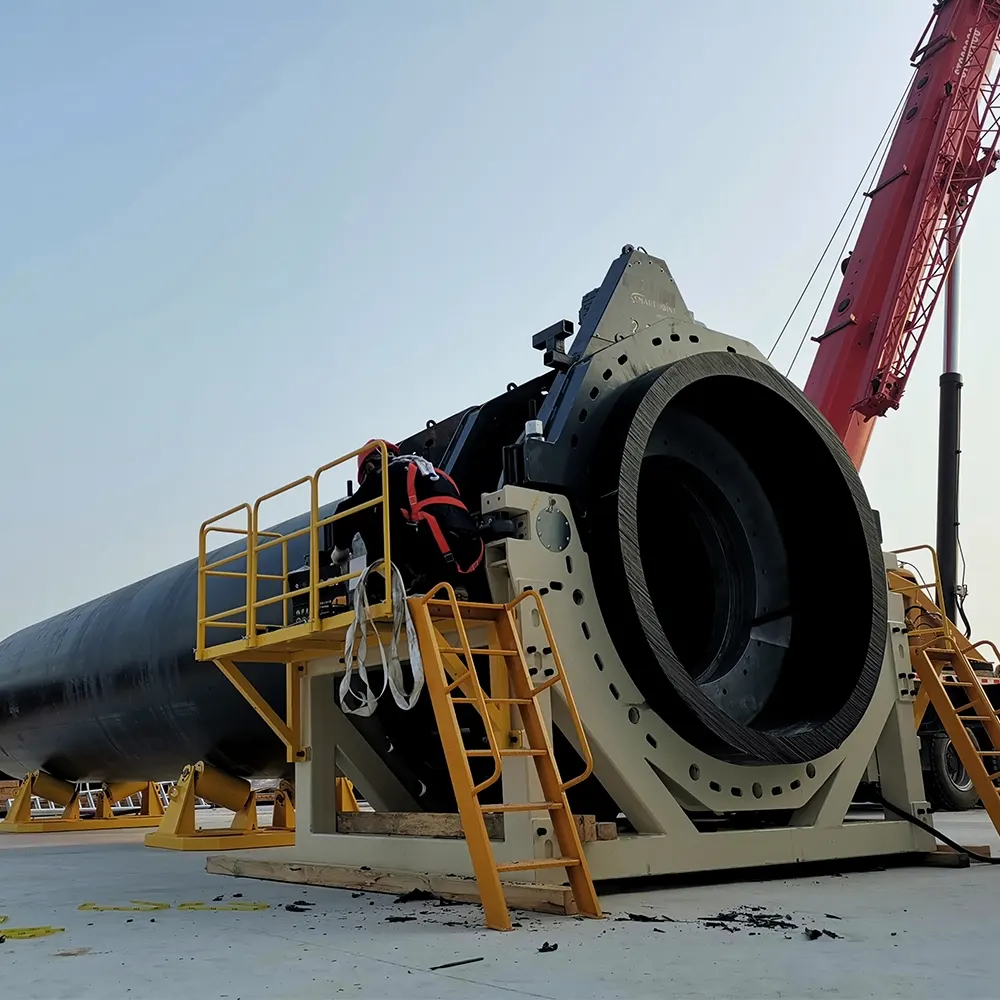
Hydraulic PE100 pipe welding machine deployed on-site
Comparing Machine Types
Choosing the right PE100 welding equipment depends on your project’s pipe diameter, required production speed, and operating environment. The table below compares the three main types of butt fusion machines available on the market:
| Machine Type | Diameter Range | Best For | Key Advantage |
|---|---|---|---|
| Manual | 40mm – 315mm | Small-scale projects, repair work, and tight spaces | Lightweight and portable with no power source needed |
| Hydraulic | 160mm – 2250mm | Large-diameter mains and heavy-wall pipes | High clamping force with smooth, even pressure distribution |
| CNC Automatic | 160mm – 630mm | Projects requiring full traceability and documentation | Automated cycle control with digital data recording |
Buying Guide: How to Choose the Right PE100 Pipe Welding Machine
Investing in a PE100 pipe welding machine requires evaluating several critical factors to ensure the equipment matches your operational needs and complies with relevant fusion standards. Following the guidelines outlined in the PPI butt fusion procedure can help you make an informed decision.
1. Determine Your Pipe Size Range
Identify the minimum and maximum diameters you will be welding. Machines are typically rated for specific ranges, and exceeding these limits can compromise joint quality. For projects involving multiple pipe sizes, consider equipment with interchangeable clamp inserts.
2. Assess Site Conditions
- For remote locations without reliable power, manual machines offer unmatched flexibility.
- Urban construction sites with access to generators benefit from hydraulic or automatic butt fusion welding machines that deliver faster cycle times.
- Confined trench work may require compact frame designs with detachable components.
3. Verify Compliance with Standards
Ensure the machine meets recognized standards. Equipment certified to PE butt fusion equipment standards (ISO 12176-1) provides assurance of dimensional accuracy, heating plate temperature uniformity, and clamping alignment. This is especially important for gas and potable water applications where regulatory compliance is mandatory.
4. Evaluate After-Sales Support
Reliable technical support, spare parts availability, and operator training resources are essential for minimizing downtime. A supplier with global distribution and responsive service can significantly reduce project risks.
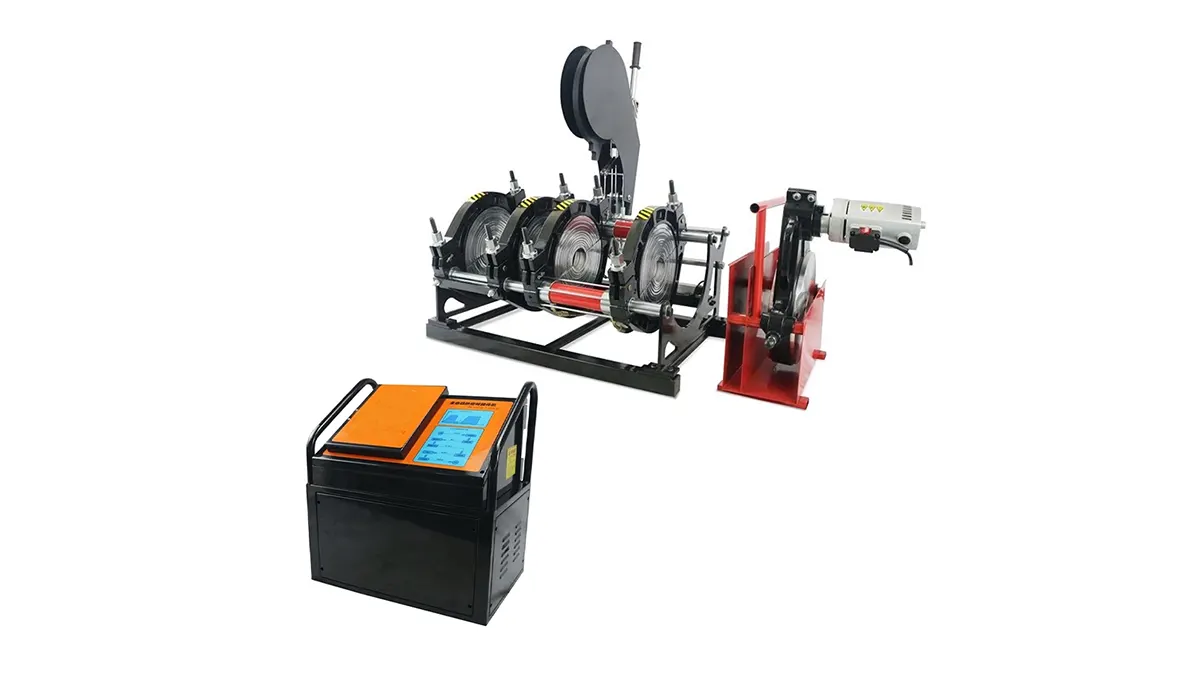
CNC automatic PE100 pipe welding machine with data logging capabilities
Key Specifications to Compare
| Specification | Why It Matters | What to Look For |
|---|---|---|
| Heating Plate Temperature Accuracy | PE100 requires specific melt temperatures for proper fusion | ±5°C or better across the entire plate surface |
| Clamping Force | Insufficient force leads to weak joints; excessive force causes deformation | Adjustable pressure control with calibrated gauges |
| Trimmer Performance | Clean, parallel pipe ends are essential for proper fusion | Dual-blade rotary trimmers with chip collection |
| Frame Rigidity | Frame flex during welding causes misalignment | Reinforced aluminum alloy or steel construction |
| Data Recording | Essential for QA/QC documentation on regulated projects | Built-in USB/logging with time-stamped parameters |
Maintenance Tips for Long-Term Performance
- Clean heating plates regularly: Remove polymer residue after each welding session using a non-abrasive cloth while the plate is still warm.
- Inspect clamps and inserts: Check for wear on clamping surfaces that could affect pipe grip and alignment.
- Calibrate temperature controllers: Verify heating plate surface temperature with a calibrated pyrometer at regular intervals.
- Lubricate moving parts: Keep guide rods, hydraulic cylinders, and trimmer bearings properly lubricated per manufacturer recommendations.
- Store in dry conditions: Protect electronic components and exposed metal surfaces from moisture when not in use.
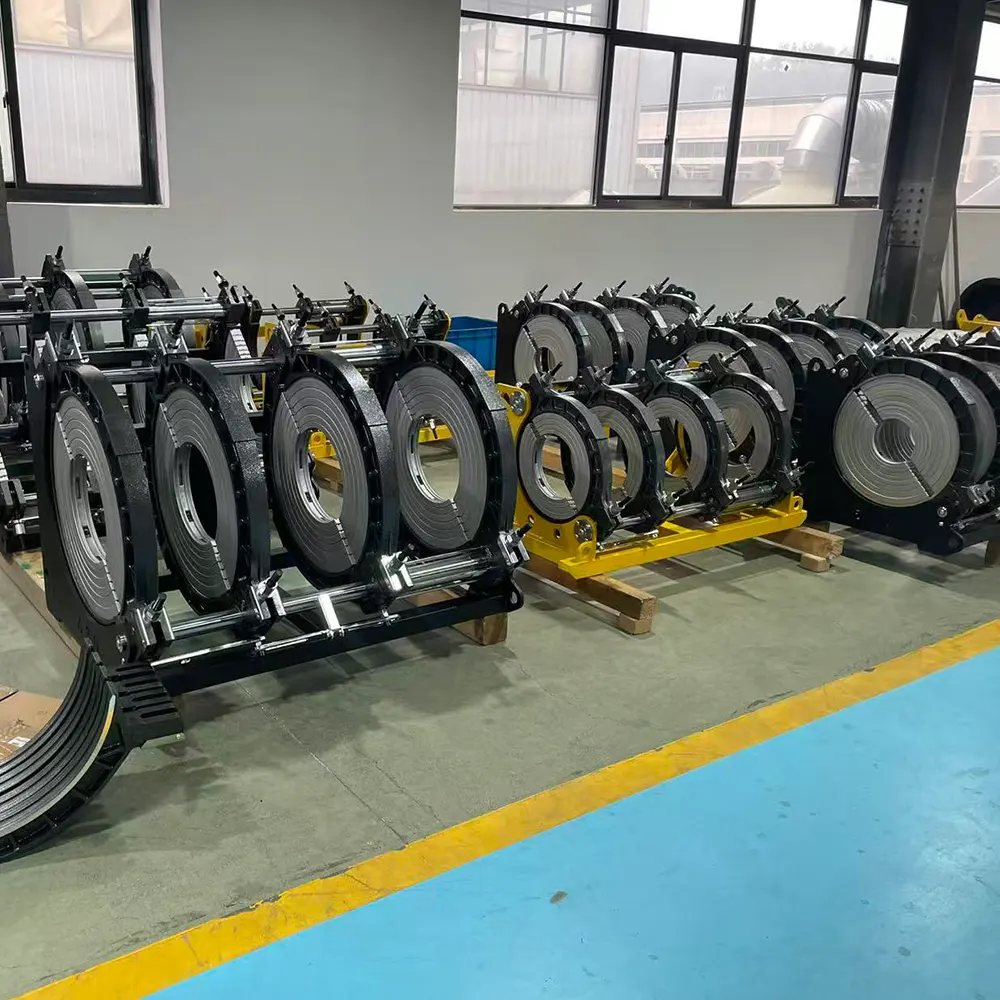
Ready-to-ship PE100 pipe welding machine inventory
About JQ-Fusion
JQ-Fusion is a professional manufacturer specializing in HDPE pipe welding machines, providing reliable butt fusion solutions for global infrastructure projects. With a comprehensive product line covering manual, hydraulic, and CNC automatic models — from compact 40mm units to heavy-duty 2250mm systems — the company supports contractors and distributors across water supply, gas, mining, and industrial sectors. Supported by advanced manufacturing facilities and strict quality control processes, JQ-Fusion delivers durable, customizable equipment designed for consistent, high-quality PE100 pipe welding performance. Explore the full range of butt fusion welding products to find the right solution for your next project.
Additional Resources
- For detailed technical guidance on welding procedures, refer to the PPI technical guidance library.
- Review ISO 21307 butt fusion procedures for standardized welding parameters.
- Visit the JQ-Fusion homepage for product catalogs and technical support resources.



