
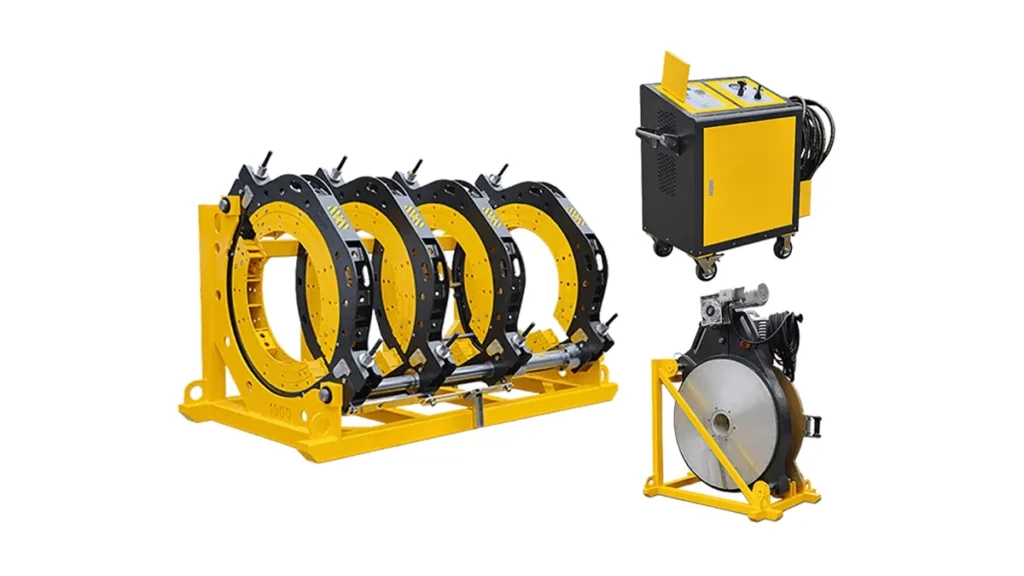
Investing in a thermoplastic pipe welding machine is a critical decision for contractors, utility providers, and industrial pipeline fabricators. Achieving reliable, leak-free pipe joining depends on selecting the right fusion equipment, understanding the welding process, and partnering with a trustworthy manufacturer. This guide walks you through everything you need to know before making a purchase, from machine types and key technical specifications to operator training and international standards.
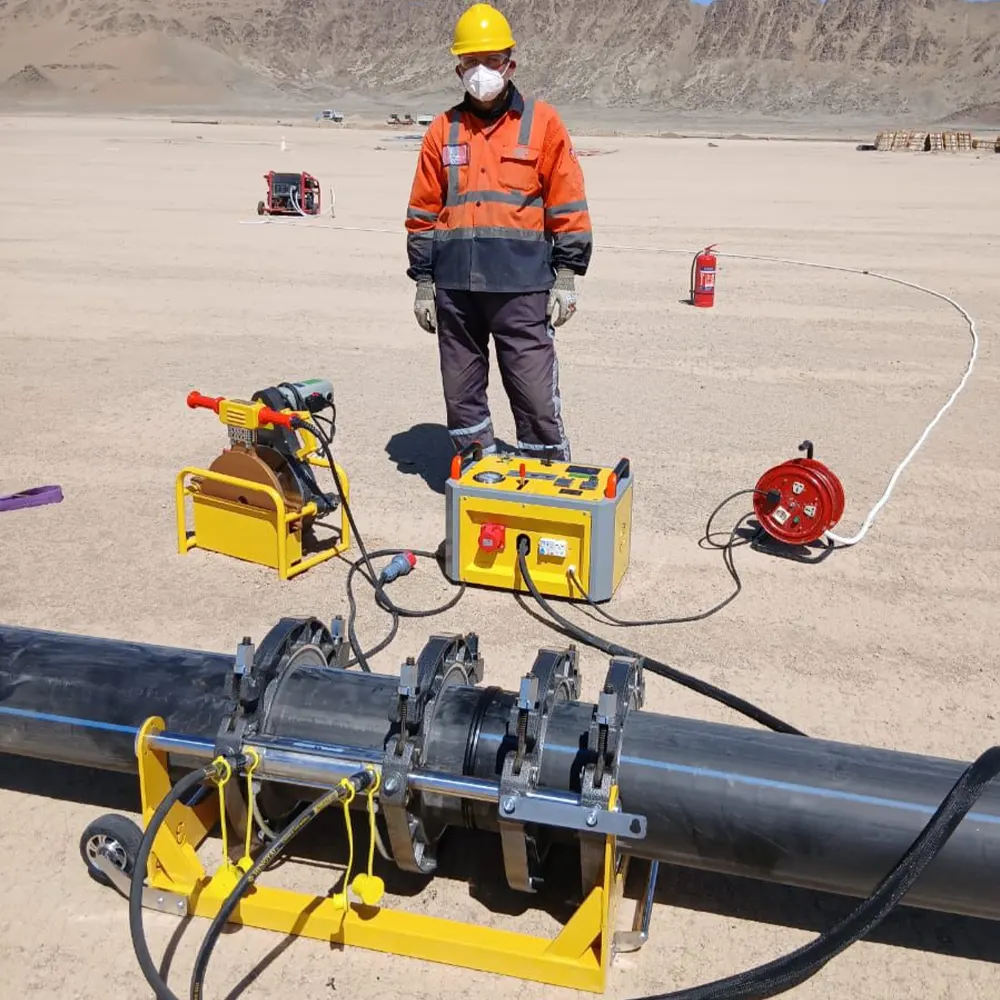
Understanding the Core Technology Behind Thermoplastic Pipe Welding
Thermoplastic pipe welding, primarily applied to materials like high-density polyethylene (HDPE) and polypropylene (PP), relies on heat fusion to create a monolithic, homogeneous joint. The most common methods include butt fusion welding machines and electrofusion. Butt welding heats the pipe ends against a precisely controlled heating plate and then presses them together under specific pressure, while electrofusion uses embedded heating coils in special fittings. Understanding the differences between these techniques is the first step in selecting the right thermoplastic pipe welding machine for your project. Adhering to proven protocols like ISO 21307 butt fusion procedures guarantees the long-term integrity of the joint.
Types of Thermoplastic Pipe Welding Machines
Before comparing specifications, you need to identify which category of equipment fits your operational scale and pipe diameter range. The market offers several distinct types, each designed for specific applications and production volumes.
| Machine Type | Best For | Key Advantage |
|---|---|---|
| Manual Butt Fusion | Small diameters, field repairs, tight budgets | Portability, simple operation |
| Hydraulic Butt Fusion | Medium to large diameters, heavy-duty use | High clamping force, precise pressure control |
| CNC Automatic Butt Fusion | High-volume projects, traceability requirements | Data logging, repeatable weld cycles |
| Electrofusion Machines | Trenchless repairs, tight spaces, fittings | Barcode scanning, automated parameter input |
| Multi-Angle Pipe Fitting | Fabricated fittings, elbows, tees, crosses | Flexible angle adjustment, segmented bends |
For large-scale water or gas distribution projects, hydraulic butt fusion models are often the preferred choice due to their ability to handle heavy wall thicknesses and large diameters consistently. The PE butt fusion equipment standard outlines the critical performance requirements these machines must meet.
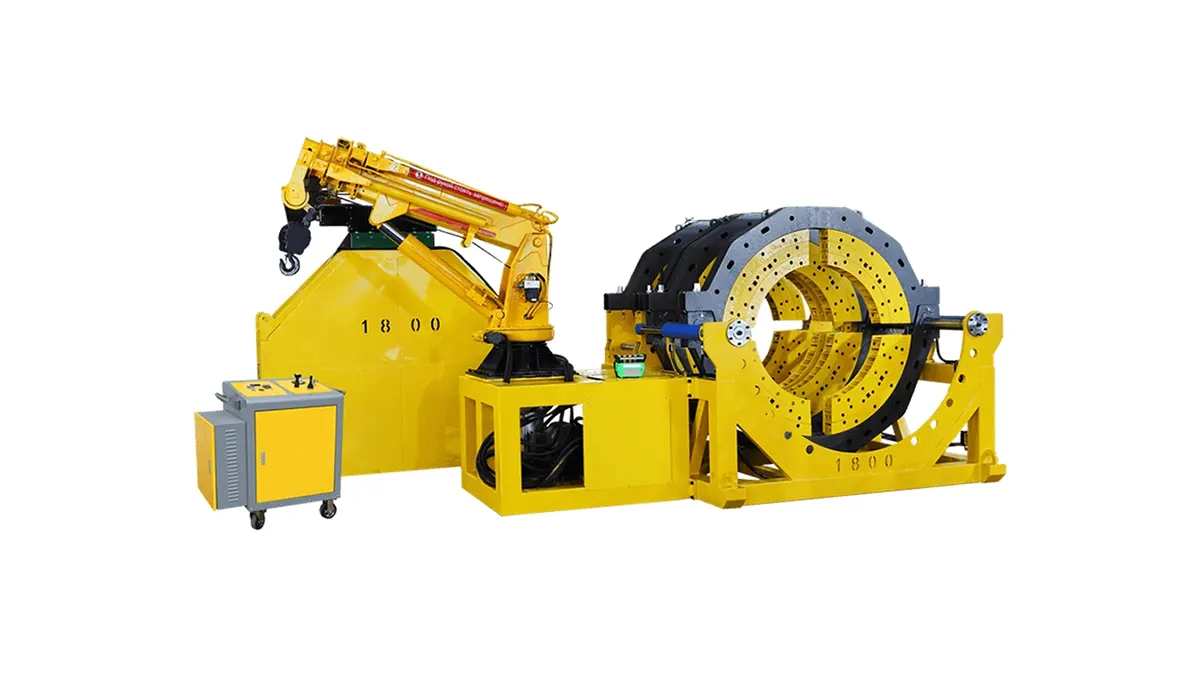
How to Choose the Right Pipe Diameter Range
Matching the machine’s clamping range to your pipe specifications is non-negotiable. Using a machine rated for 250mm on a 630mm pipe will not only produce a faulty joint but also pose a serious safety risk. Conversely, using a large 1200mm machine for small 90mm pipes often leads to alignment issues and excessive cycle times. Always identify your minimum and maximum outer diameter requirements, and if your project spans a wide range, consider two separate machines—one for small diameters and one for large—to optimize performance and pipe welding efficiency.
Critical Technical Specifications to Evaluate
Beyond size compatibility, the internal components and control systems define the reliability of a thermoplastic pipe welding machine. Focusing on a few key specifications will help you distinguish a professional-grade tool from a low-end import.
- Heating Plate Temperature Uniformity: The surface temperature across the entire heating plate should not vary by more than ±5°C. Digital controllers with real-time monitoring are essential for maintaining the correct melt point of the PE pipe fitting material.
- Clamping Force and Alignment: Hydraulic systems must deliver consistent, measurable force. The frame must be rigid enough to hold pipe ends in perfect axial alignment without sagging, especially on long strings of pipe.
- Trimmer Performance: A robust, high-torque trimmer with sharp, chip-resistant blades is vital for creating clean, parallel mating surfaces. Look for models that prevent chips from falling into the pipe interior.
- Data Logging and Traceability: For gas, nuclear, or critical water mains, a machine that automatically records pressure, time, and temperature data per joint provides the traceability demanded by standards like PE fusion traceability protocols.
The Importance of Operator Training and Certification
Even the most advanced thermoplastic pipe welding machine cannot produce a proper joint in untrained hands. Operator skill directly influences fusion quality. Proper training should cover visual inspection of the weld bead, interpretation of data logs, and troubleshooting common issues like contamination or misalignment. Certification programs aligned with PE fusion operator requirements ensure your crew can validate their welds to project standards. It is advisable to request on-site training support when commissioning a new machine, particularly for CNC automatic fusion systems with complex programming interfaces.
Maintenance and After-Sales Support
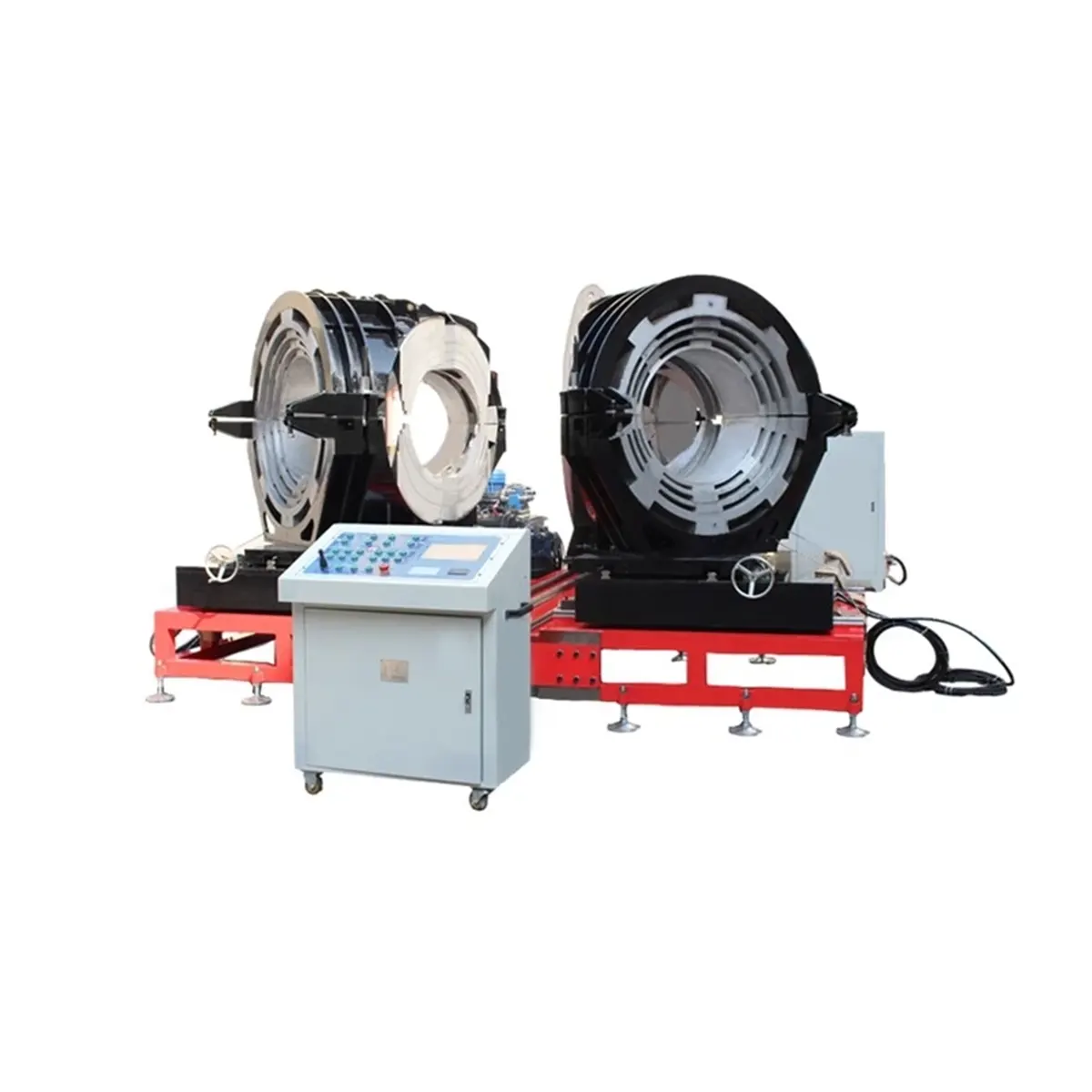
Downtime on a pipeline project can cost thousands of dollars per hour. When evaluating suppliers, scrutinize their spare parts availability and service response times. The heating plate non-stick coating, hydraulic hoses, and trimmer blades are wear items that will need replacement. A manufacturer with a large inventory and responsive technical support minimizes your risk. Confirm whether the supplier offers both remote troubleshooting and field service visits, as well as clear maintenance documentation for daily, weekly, and monthly checks.
Application-Specific Guide: Water, Gas, and Industrial Piping
Different industries impose unique demands on fusion equipment. Understanding these nuances can refine your selection process considerably.
| Application Sector | Key Machine Requirements | Relevant Standards |
|---|---|---|
| Potable Water Supply | Clean, consistent melt, corrosion-resistant clamps | ISO 4427 PE water pipes |
| Gas Distribution | Mandatory data logging, higher safety factors | ASTM F2620 heat fusion |
| Mining & Industrial | Heavy-duty trimmer, abrasion-resistant materials, rapid cycle times | Industrial PE piping systems |
| Fabricated Fittings | Multi-angle clamps, precise rotation mechanisms | PPI butt fusion procedure |
Evaluating Manufacturers and Suppliers
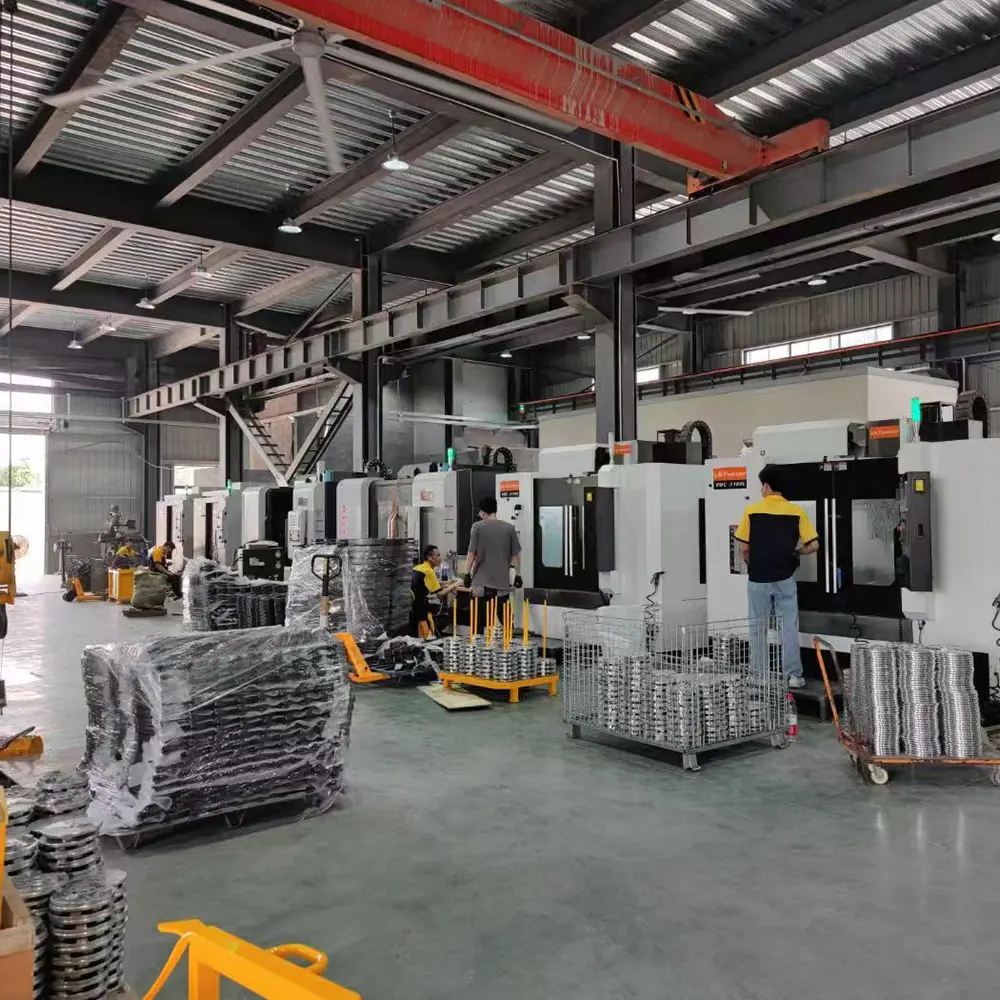
Your relationship with the equipment manufacturer is a long-term commitment. Look for a supplier that demonstrates expertise not just in machine fabrication but also in the welding process itself. JQ-Fusion, for instance, is a professional manufacturer specializing in HDPE pipe welding machines, offering comprehensive solutions from standard manual units to fully automatic CNC systems. With a focus on rigorous quality assurance—including temperature accuracy and clamp alignment testing on every unit—and a large, strategically organized inventory, they support global infrastructure projects with fast delivery and responsive after-sales care. Always verify that the manufacturer holds relevant certifications and can provide customer references from similar applications.
Making the Final Decision: Purchase Checklist
Before you finalize your order, use this concise checklist to validate your choice and avoid common pitfalls.
- Verify the machine’s diameter range covers your project’s minimum and maximum pipe sizes with margin.
- Confirm the voltage and phase requirements (single-phase vs. three-phase) match your site power supply.
- Request a demonstration or sample weld report to assess heating plate temperature distribution.
- Clarify what is included in the standard scope of supply: heating plate, trimmer, hydraulic power pack, and stand.
- Check lead times and confirm that critical spare parts are kept in stock by the supplier.
- Evaluate the availability of operator training, either on-site or at the manufacturer’s facility.
- Insist on compliance documentation for key standards like ISO 12176-1 or ASTM F2620, depending on your region.
Getting the Most from Your Investment
A thermoplastic pipe welding machine is a capital asset that should provide a decade or more of reliable service when properly maintained. Invest in quality tooling from the start, train your operators thoroughly, and establish a relationship with a manufacturer who views your success as their own. Whether you are installing a municipal water main, constructing a landfill leachate system, or fabricating custom HDPE fittings, the right fusion equipment is the foundation of every strong, lasting pipeline. Request detailed specifications, compare the critical parameters outlined in this guide, and make a decision based on performance and support—not just purchase price.



