

Selecting the right equipment for thermoplastic pipeline projects starts with a clear understanding of HDPE pipe welding machine classification. Different construction environments, pipe diameters, and project scales demand specific types of fusion technology. Whether you are working on municipal water systems, gas distribution networks, or industrial fluid transport, knowing the core categories—manual, hydraulic, and CNC automatic—helps you make an informed investment decision that directly impacts joint quality and long-term pipeline integrity.
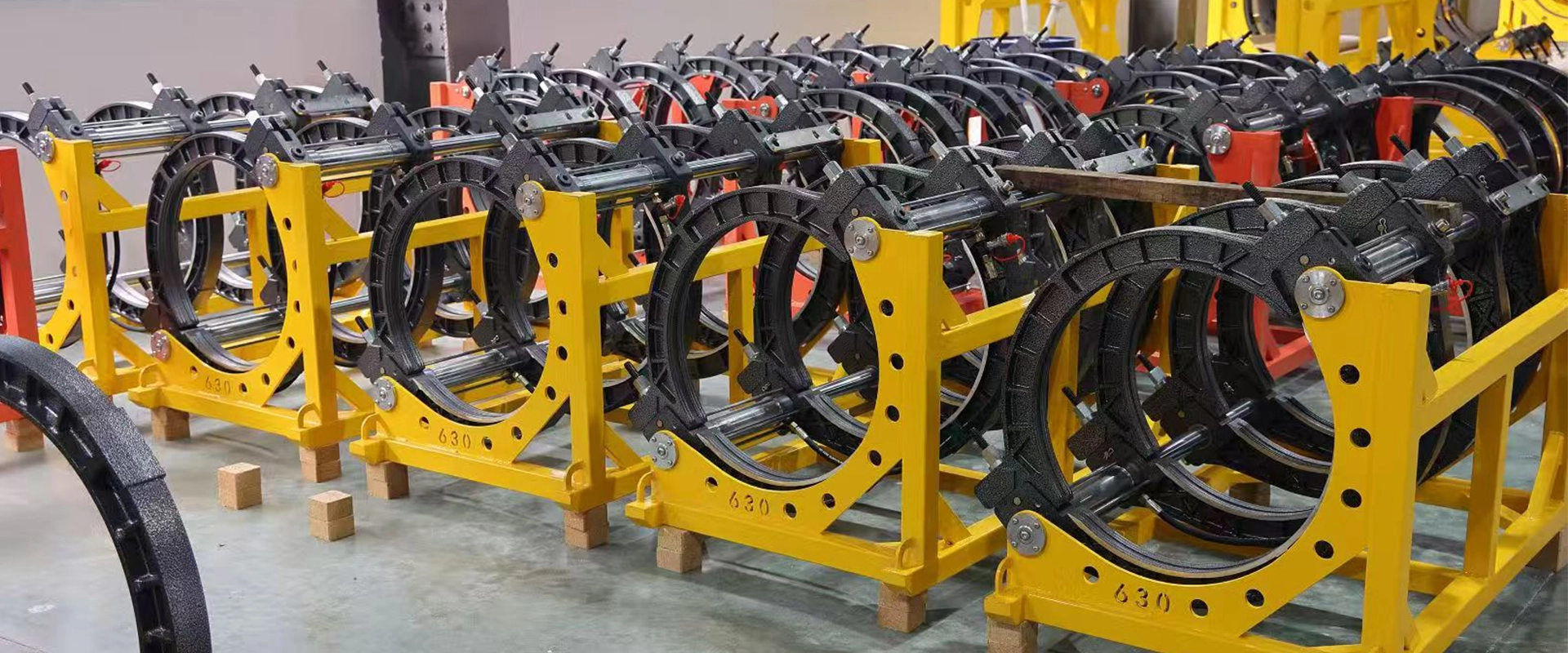
Understanding the Core Classification of HDPE Pipe Welding Machines
The HDPE pipe welding machine classification is primarily based on the drive mechanism and control system used to perform the fusion process. The three main categories include manual manual butt fusion welders, hydraulic-powered units, and fully automatic CNC-controlled machines. Each type is engineered for specific working conditions, offering distinct advantages in terms of portability, precision, and production efficiency. Standards such as ISO 12176-1 and ASTM F2620 define the equipment requirements that guide these classifications.
Manual Butt Fusion Welding Machines
Manual butt fusion welding machines represent the most straightforward category in the HDPE pipe welding machine classification. These units require the operator to physically control the clamping, facing, heating, and fusion pressure using levers and hand wheels. They are typically lightweight, compact, and ideal for small-diameter pipe welding in field conditions where power sources are limited or accessibility is a challenge.
- Pipe range: Generally suitable for diameters from 63mm up to 315mm, depending on the model.
- Key advantage: Excellent portability with no need for external hydraulic power or electrical control systems for the frame operation.
- Best for: Rural water supply projects, irrigation systems, and small-scale plumbing installations where simplicity and cost-effectiveness are priorities.
- Operator skill level: Requires trained technicians who understand PE butt fusion process procedures and can maintain consistent manual pressure throughout the weld cycle.
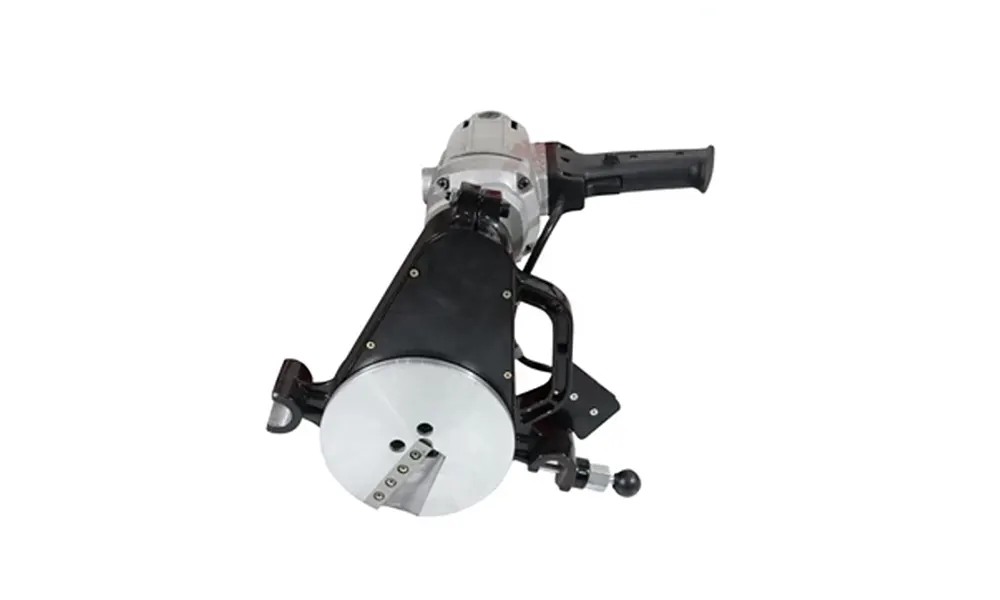
Hydraulic Butt Fusion Welding Machines
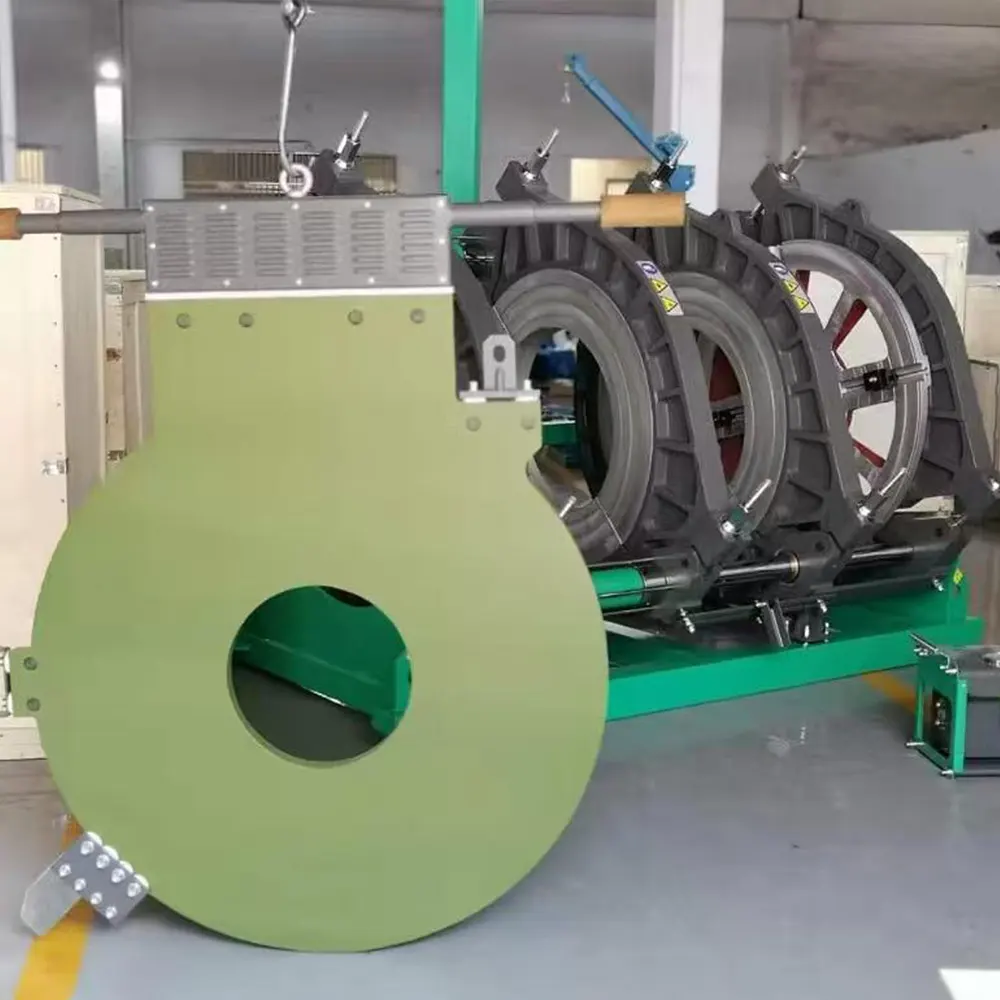
Hydraulic butt fusion welding machines form a critical segment of the HDPE pipe welding machine classification for medium to large-diameter pipe welding. These machines use a hydraulic power pack to generate the controlled force needed for clamping pipes, facing the pipe ends, heating the material to the correct fusion temperature, and applying the precise joining pressure. The hydraulic system ensures uniform pressure distribution, which is essential for achieving strong, leak-free joints on larger pipes. Leading manufacturers offer a wide range of hydraulic butt fusion welding machines designed to handle pipes from 160mm up to over 2000mm.
- Pipe range: Typically covers diameters from 160mm up to 2250mm or more, making them the go-to choice for large-scale infrastructure.
- Key advantage: Consistent and controlled fusion pressure delivered by the hydraulic system reduces operator fatigue and ensures repeatable joint quality.
- Best for: Municipal water mains, gas distribution pipelines, mining slurry lines, and industrial cooling systems where larger diameters and high-volume welding are required.
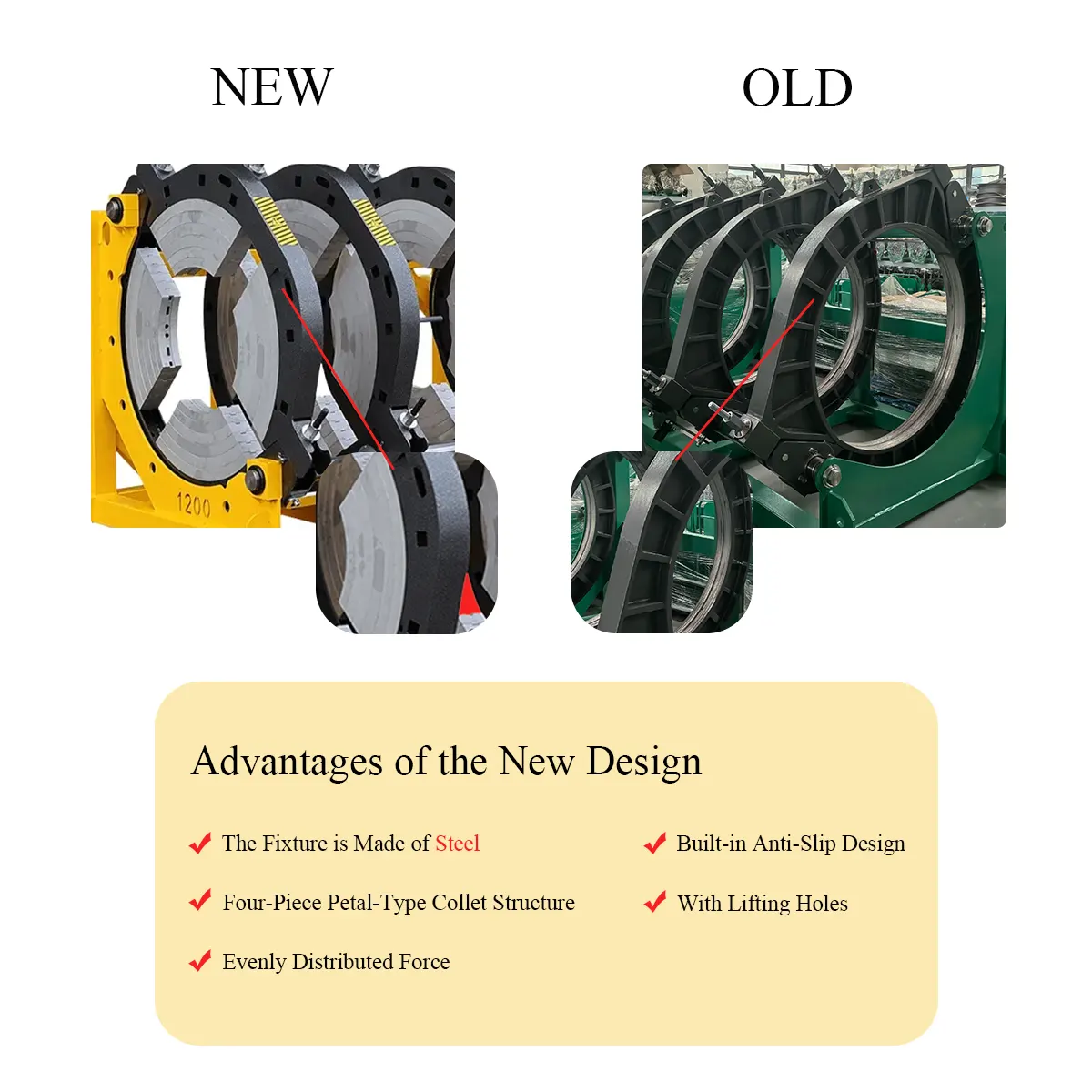
- Frame design: Available in various configurations including H-frame and claw-type designs, with some models featuring aluminum clamps for reduced weight without sacrificing strength.
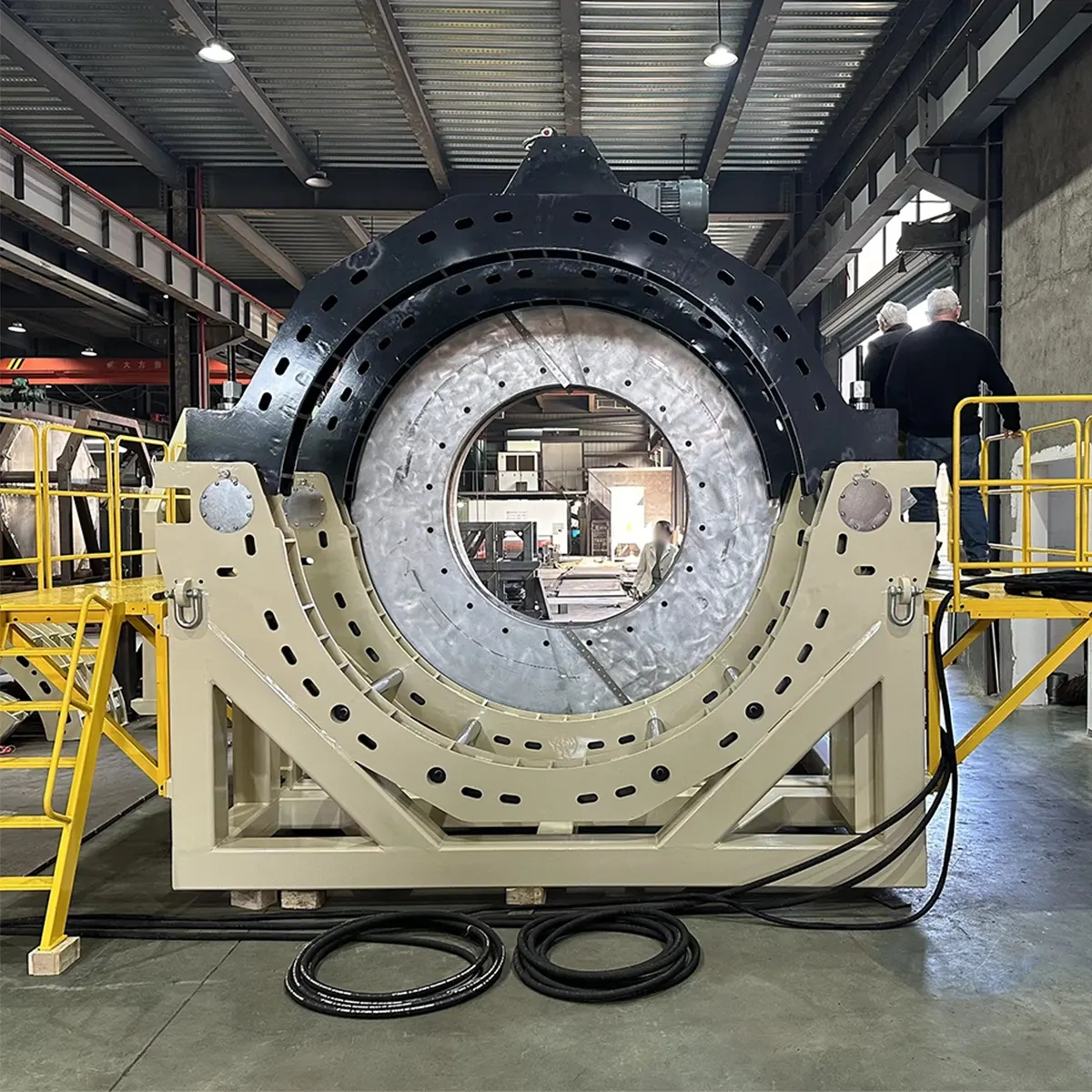
CNC Automatic Butt Fusion Welding Machines
The most advanced category in the HDPE pipe welding machine classification is the CNC automatic butt fusion welding machine. These units integrate programmable logic controllers that automate the entire welding cycle—from clamping and facing to heating, bead formation, and cooling. By removing much of the manual variability, CNC automatic butt fusion machines ensure exceptional consistency and traceability, with many models capable of recording weld parameters for quality assurance documentation in compliance with ISO 21307 butt fusion procedures.
- Pipe range: Available for diameters from 160mm up to 630mm and beyond, with some specialized large-diameter automatic models reaching 2000mm.
- Key advantage: Fully automated control of pressure, temperature, and timing eliminates operator error and produces highly consistent, documented welds.
- Best for: High-stakes applications such as gas transmission pipelines, nuclear plant cooling systems, and any project requiring full weld data logging for regulatory compliance.
- Data output: USB ports and onboard memory allow for exporting weld reports, making quality audits and long-term pipeline asset management significantly easier.
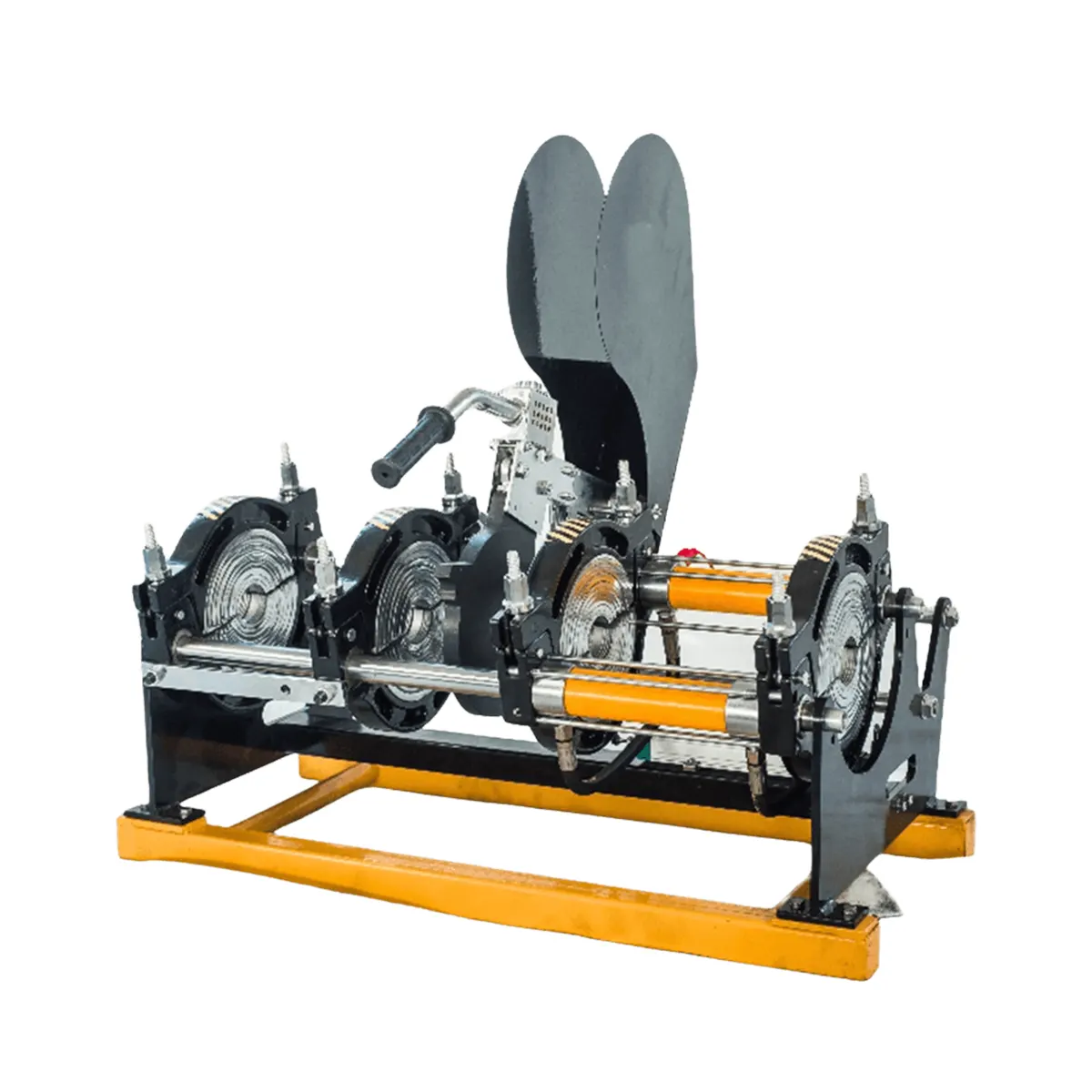
Quick Comparison of the Three Main Classifications
| Classification | Typical Diameter Range | Power Source | Control Method | Best Application |
|---|---|---|---|---|
| Manual | 63mm – 315mm | Manual lever/hand wheel | Operator-dependent | Small field projects, rural installations |
| Hydraulic | 160mm – 2250mm+ | Hydraulic power pack | Semi-automated with manual oversight | Municipal water, gas, mining, industrial |
| CNC Automatic | 160mm – 2000mm+ | Electric + hydraulic | Fully programmable PLC | Gas transmission, critical infrastructure |
Key Factors to Consider When Choosing Your Welding Machine
Understanding the HDPE pipe welding machine classification is only the first step. Selecting the right model for your specific project requires evaluating several practical factors that directly affect productivity and joint reliability. The decision should go beyond the machine type alone and consider the complete working environment and project specifications.
- Pipe diameter and wall thickness: Match the machine’s clamping range and fusion pressure capacity to the actual pipe dimensions you will be welding on a regular basis. Oversizing or undersizing the equipment can lead to poor alignment and inconsistent bead formation.
- Project location and terrain: For remote or mountainous job sites, a portable manual or compact hydraulic unit may be more practical than a heavy automatic machine that requires a stable setup platform and reliable power supply.
- Production volume requirements: High-volume projects benefit significantly from hydraulic and CNC automatic systems that reduce cycle times and operator fatigue. Manual machines are better suited for lower daily output needs or maintenance and repair work.
- Quality documentation needs: If your project requires traceable weld records for regulatory bodies or client specifications, a CNC automatic machine with data logging capabilities is the most efficient choice, eliminating manual record-keeping errors.
- Operator training availability: Assess the skill level of your welding crew. While all fusion welding requires proper training, electrofusion welding equipment and automatic machines can reduce the dependency on highly experienced technicians for consistent results.
JQ-Fusion provides HDPE pipe welding machines across all three classifications, offering customizable solutions that align with project-specific requirements and international standards for reliable, long-term pipeline performance.
Industry Applications Across All Machine Types
The practical application of each HDPE pipe welding machine classification spans a wide range of industries. Manual machines commonly serve agricultural irrigation, landscape plumbing, and small-scale potable water connections. Hydraulic machines dominate the municipal water supply sector, where pipes ranging from 400mm to 1200mm are routinely installed for urban distribution networks. They are also the standard choice for mining operations that require robust slurry transport lines. CNC automatic machines are increasingly specified for natural gas transmission pipelines and nuclear power plant cooling systems, where regulatory oversight demands precise weld documentation and absolute joint integrity. The ability to select the correct machine type for each application ensures that contractors can meet both technical specifications and budget constraints without compromising safety or performance.
Common Questions About HDPE Pipe Welding Machine Classification
What is the difference between manual and hydraulic butt fusion machines?
The primary difference lies in the force generation mechanism. Manual machines rely entirely on operator-applied force through levers and hand wheels, making them suitable for smaller diameters. Hydraulic machines use a powered hydraulic system to generate consistent, controlled pressure, which is essential for achieving proper fusion on pipe diameters above 315mm where manual force is insufficient to maintain the required interfacial pressure during the weld cycle.
Can one machine handle all pipe sizes?
No single machine covers the entire diameter spectrum. Each model within the HDPE pipe welding machine classification has a specific clamping range, typically spanning a range of approximately 200mm to 400mm within its class. For example, a machine rated for 160mm to 450mm will not effectively weld a 630mm pipe. Contractors often maintain multiple machine sizes or invest in modular systems with interchangeable clamp sets to accommodate varying project demands.
Are automatic machines always better than hydraulic ones?
Not necessarily. While CNC automatic machines offer superior data logging and consistency, they come with higher initial investment costs and may require more complex maintenance. For many municipal water projects, a well-maintained hydraulic machine operated by a skilled technician produces excellent results at a lower total cost of ownership. The choice should be based on project requirements, not simply on the level of automation.
A thorough grasp of HDPE pipe welding machine classification empowers contractors and project managers to match equipment capabilities with real-world job site demands. By evaluating manual, hydraulic, and CNC automatic options against pipe size requirements, production targets, and quality documentation needs, you can select a welding solution that delivers consistent, high-integrity joints for decades of reliable pipeline service. Whether for small rural installations or large-scale municipal infrastructure, the right machine type makes all the difference in achieving efficient, code-compliant fusion results.


