
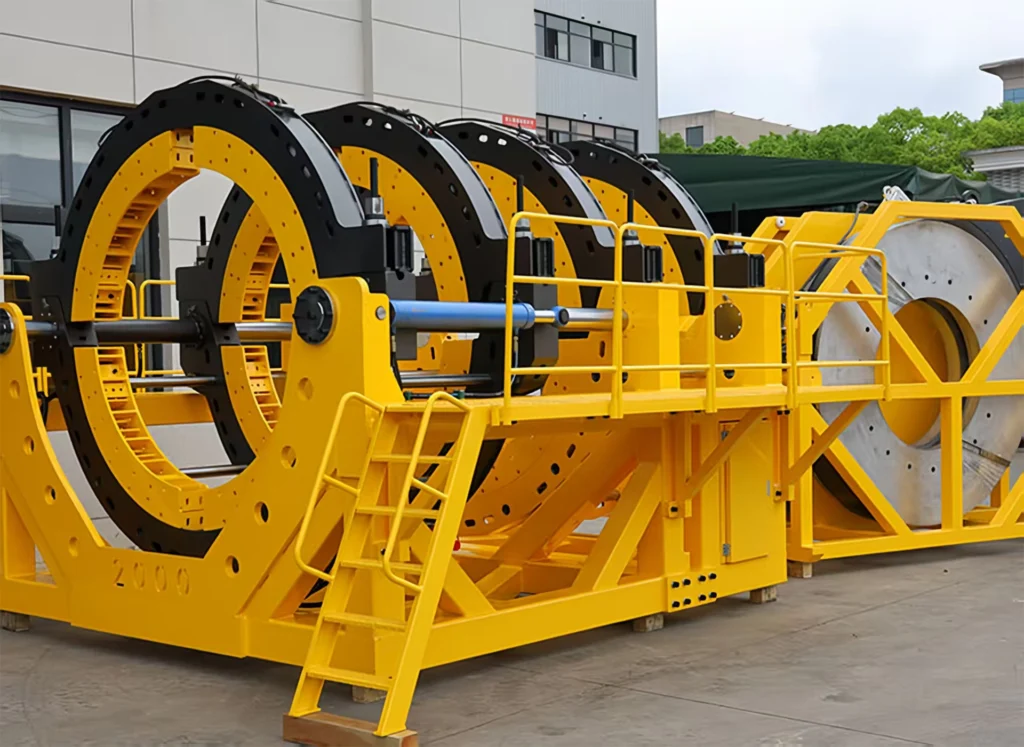
Selecting the right HDPE pipe welding machine types is one of the most critical decisions for any pipeline project. Whether you are working on municipal water supply, gas distribution networks, or industrial fluid transport, the integrity of your pipe joints directly impacts system longevity and safety. Understanding the core differences between manual, hydraulic, and automatic butt fusion welding machines helps contractors and project managers invest in equipment that matches their pipe diameter range, job site conditions, and production requirements.
Understanding Core HDPE Pipe Welding Categories
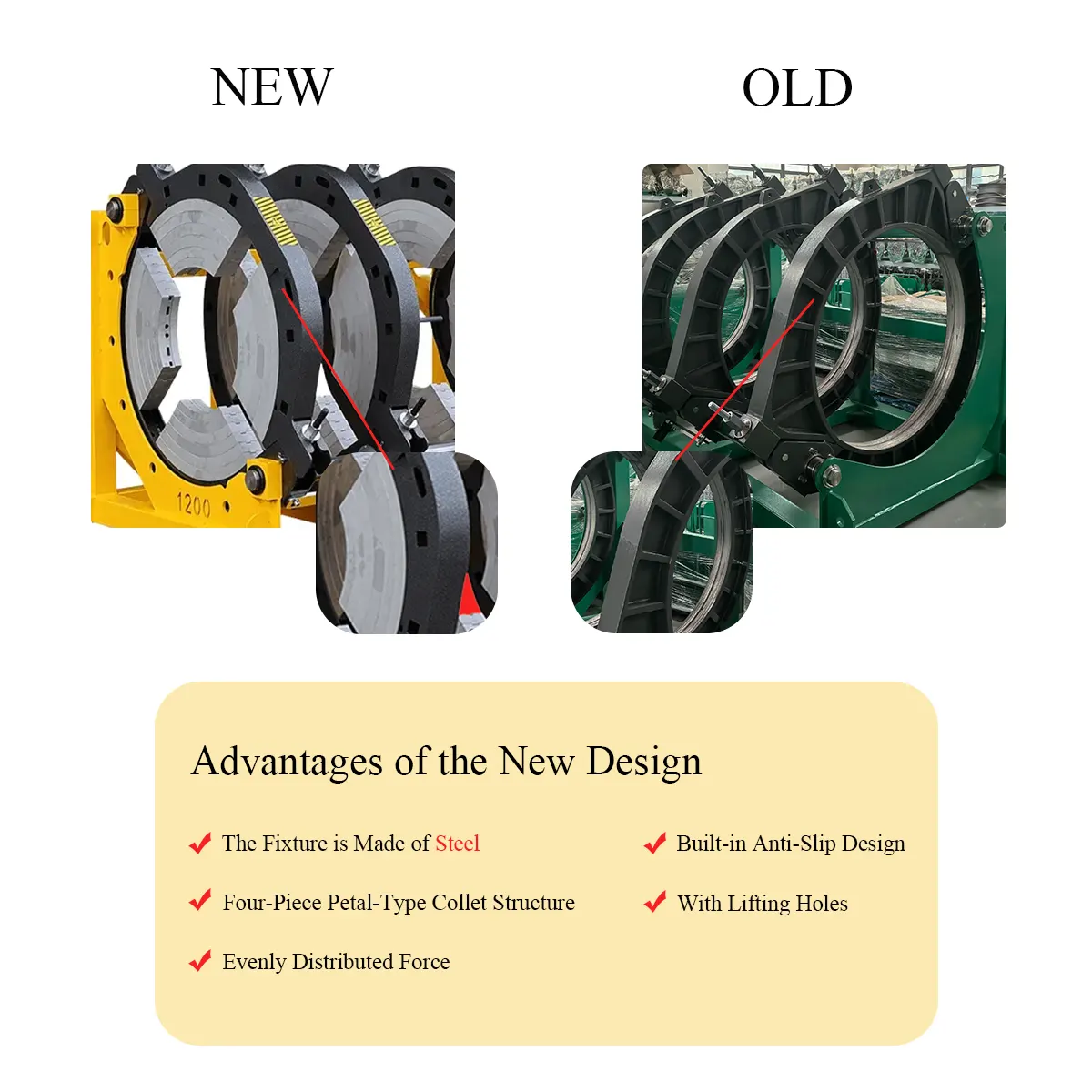
The market broadly categorizes HDPE pipe welding machine types based on their power source, automation level, and pipe size compatibility. The fundamental process remains what is HDPE butt fusion, where pipe ends are heated to a molten state and fused under controlled pressure. However, the mechanical execution varies significantly. Choosing the wrong type can lead to operator fatigue, inconsistent joint quality, or unnecessary capital expenditure for smaller diameter applications.
Manual Butt Fusion Welding Machines
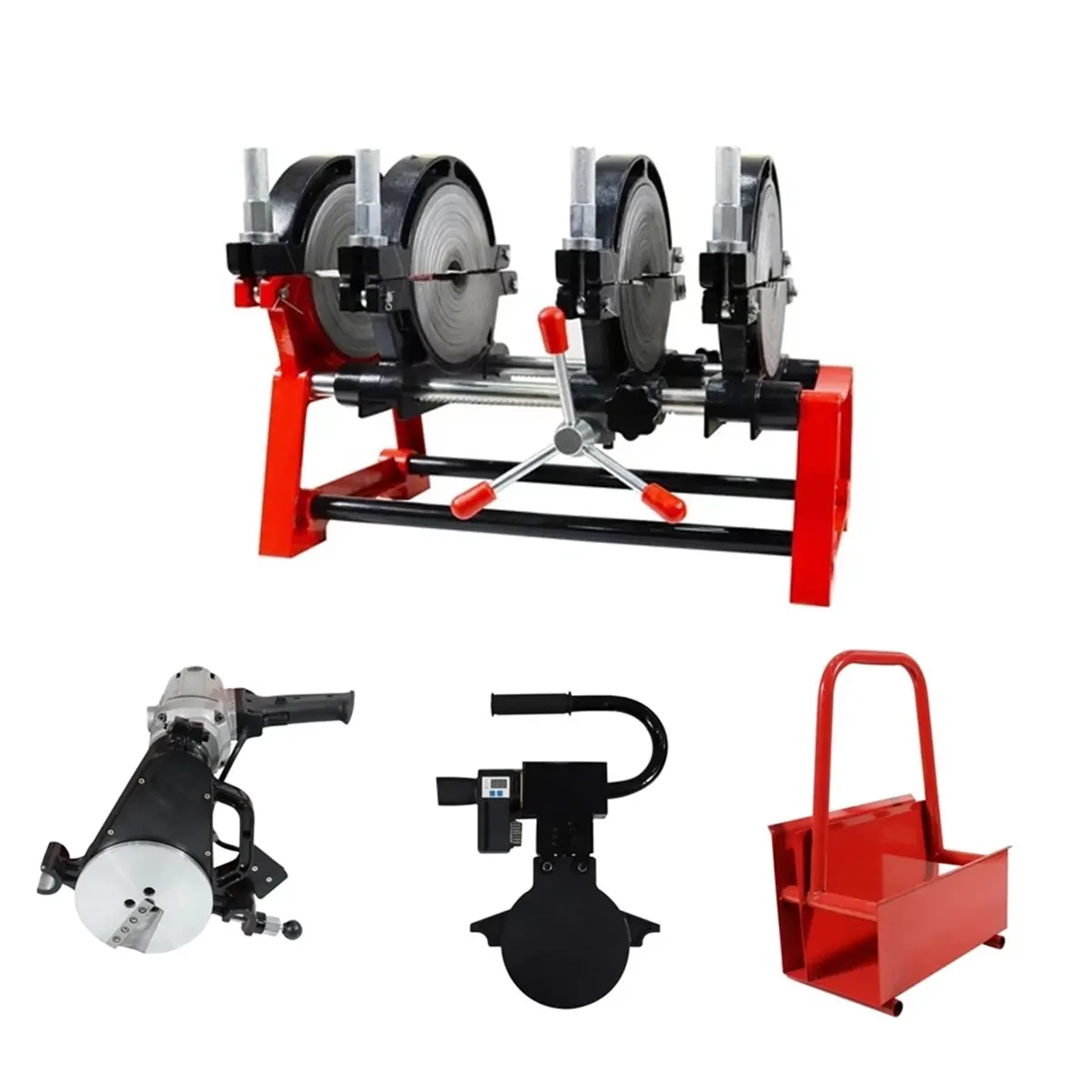
Manual manual butt fusion machines represent the entry-level and most portable solution for on-site pipe joining. These machines rely on a lever arm or a simple hand wheel to apply the welding force. They are typically designed for smaller diameter pipes, usually ranging from 63mm up to 315mm. Their simplicity makes them extremely popular for rural water supply projects, landscape irrigation, and repair workshops where electricity might be intermittent but manpower is readily available.
Key Advantages of Manual Systems
- Lightweight frame construction for easy transportation across rugged terrain.
- Minimal maintenance required due to the absence of complex hydraulic pumps.
- Ideal for small-scale contractors focusing on HDPE pipe welding machine types that prioritize mobility over high output.
While cost-effective, the joint quality is highly dependent on the operator skill. Following established standards like the PPI butt fusion procedure is essential to avoid cold welds or misalignment when using manual drive systems.
Hydraulic Butt Fusion Welding Machines
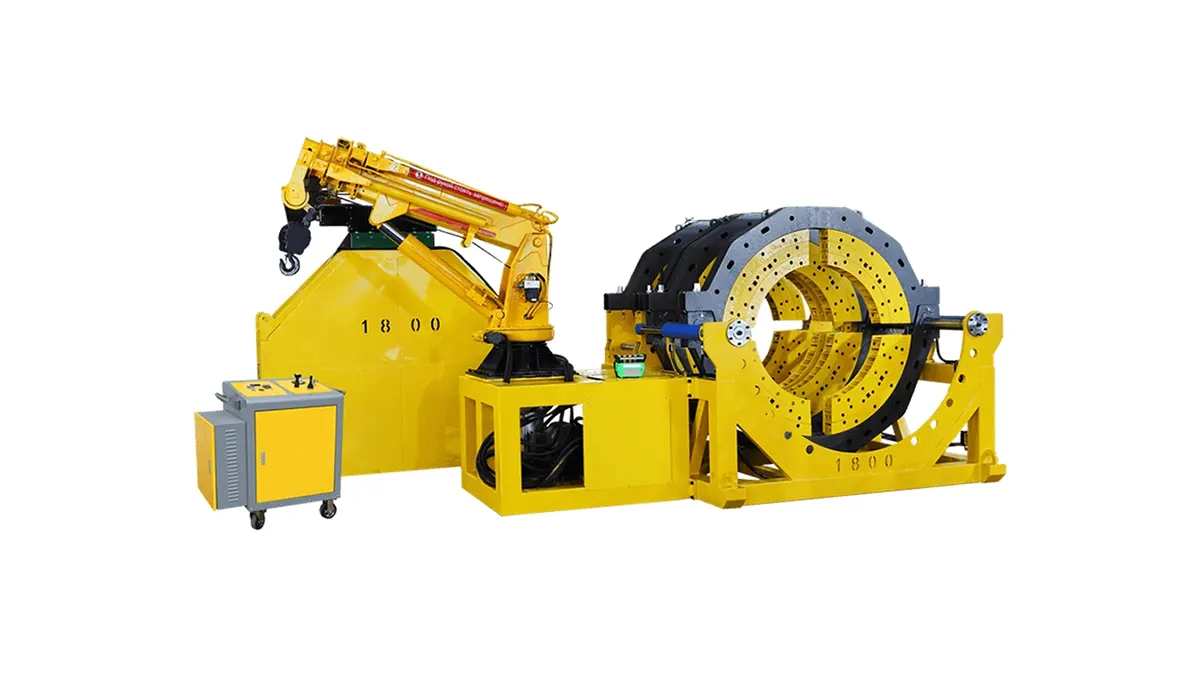
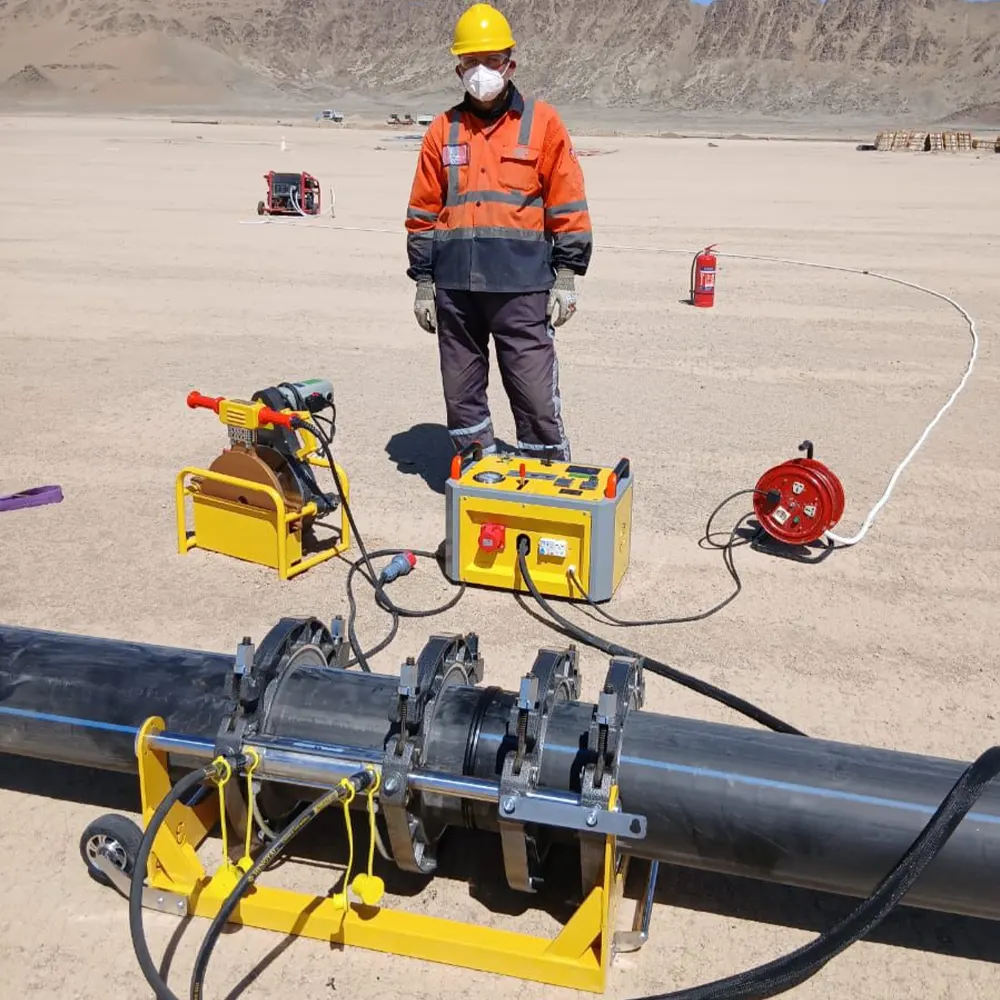
When pipe diameters exceed 315mm, the physical force required to face and fuse the pipes becomes too great for manual input. hydraulic butt fusion machines solve this by using a hydraulic power pack to drive the moving clamp carriage. These HDPE pipe welding machine types are the backbone of modern infrastructure, capable of handling pipes up to 2250mm or more. The hydraulic system ensures smooth, consistent pressure application regardless of the pipe size, significantly reducing the risk of operator-induced errors.
Where Hydraulic Machines Excel
- Large diameter water transmission mains requiring deep penetration fusion.
- Mining slurry lines where high-density polyethylene (HDPE) walls are thick and require high-torque facing.
- Gas distribution networks where ISO 4427 PE water pipes and gas standard compliance mandates precise pressure traceability.
These machines often feature a control unit that allows the operator to monitor the drag pressure and set the specific fusion parameters digitally. For demanding job sites, a hydraulic unit is not a luxury but a necessity to achieve consistent bead size and strength.
CNC Automatic Butt Fusion Welding Machines
For high-volume production or critical pressure pipelines, CNC automatic welding machines represent the gold standard in HDPE pipe welding machine types. These advanced systems automate the entire sequence: facing, heating, heat soak, heater plate removal, and fusion cooling. By removing manual intervention, they guarantee that every joint meets the exact parameters defined by ISO 21307 butt fusion procedures. The onboard data logger records pressure and temperature curves in real-time, providing a digital passport for every joint.
Technological Superiority in Automation
| Feature | Manual / Hydraulic | CNC Automatic |
|---|---|---|
| Pressure Control | Manual valve / basic gauge | Servo-controlled closed-loop system |
| Data Logging | Often external or none | Integrated with USB export for full traceability |
| Operator Dependency | High skill required | Minimal skill; machine dictates the sequence |
This segment is perfect for nuclear power cooling loops, desalination plants, and large-scale prefabrication where the cost of a failed joint is significantly higher than the machine investment.
Specialty Machines: Multi-Angle and Electrofusion
Beyond standard straight pipe welding, specialized HDPE pipe welding machine types cater to fitting fabrication. Multi-angle machines allow for the creation of segmented bends, tees, and crosses by precisely positioning pipe segments at specific angles. These are commonly used in the factory environment to prefabricate large pressure-rated fittings without relying on injection molding.
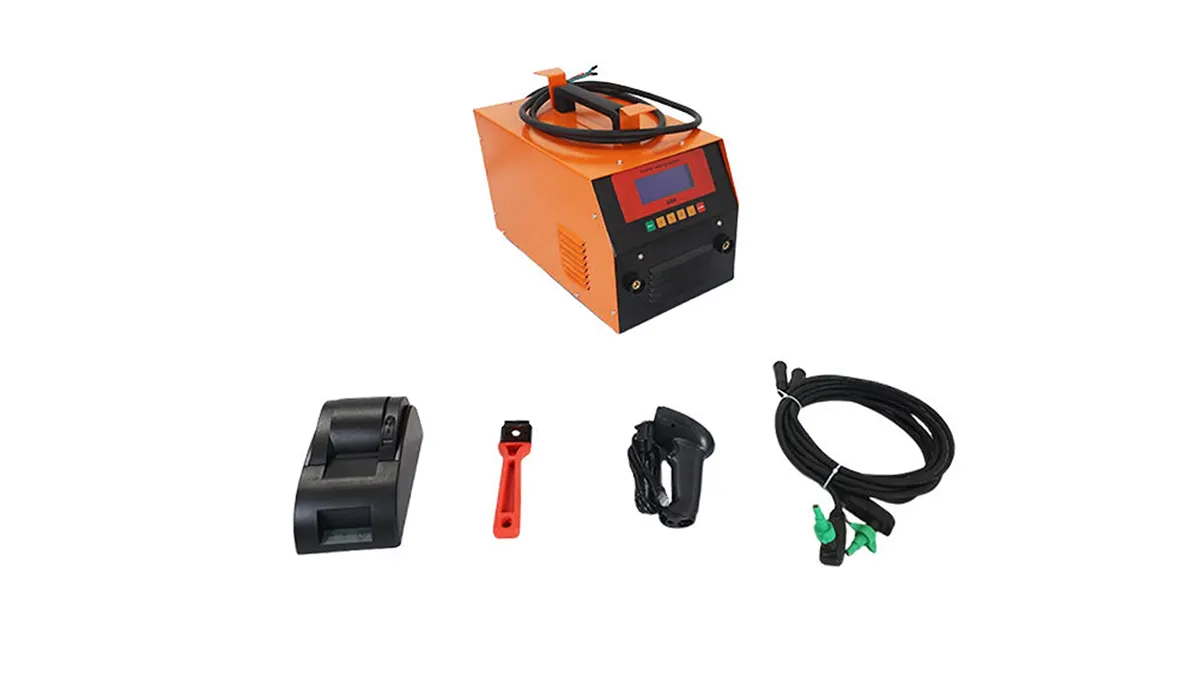
Meanwhile, the electrofusion technique serves a distinct niche. This process uses embedded wire coils within the fitting to generate heat, making it ideal for tight repair clamps, tie-ins, or areas where pipe movement is impossible. It is a complementary technology to butt fusion rather than a competitor.
Choosing Based on Diameter and Application
Making the right capital investment requires matching the machine capacity to your project scope. The table below offers a practical guide for typical selection criteria across different HDPE pipe welding machine types.
| Pipe Diameter Range | Recommended Machine Type | Typical Application |
|---|---|---|
| 20mm – 63mm | Small Manual or Modular Manual | House connections, irrigation laterals |
| 75mm – 315mm | Manual or Light Hydraulic | Branch distribution, small mains, mining pipes |
| 355mm – 630mm | Heavy-Duty Hydraulic or Basic CNC | Gravity sewer interceptors, main transmission |
| 710mm – 2250mm+ | High-Force Hydraulic & CNC Automatic | Intake/outfall structures, raw water lines, gas mains |
Building Long-Term Reliability with the Right Equipment
The durability of an HDPE system is predetermined before the pipe even hits the trench. A correctly chosen welding machine ensures the bead geometry conforms to ASTM F2620 heat fusion standards, providing a homogeneous bond that is often stronger than the pipe itself. When evaluating suppliers, look for those who offer not just hardware, but also training and calibration support. JQ-Fusion is a professional manufacturer specializing in HDPE pipe welding machines, providing reliable butt fusion solutions for global infrastructure projects. With a focus on development and production of manual, hydraulic, and CNC automatic machines, the company supports contractors in achieving efficient and precise pipe welding performance across diverse job site conditions.
Essential Pre-Purchase Checks
- Inspect the rigidity of the clamp frame; a robust frame prevents ovality during fusion.
- Verify the heater plate temperature uniformity (typically ±5°C across the surface).
- Confirm the availability of spare parts and local after-sales support.
- Request a demonstration of the data logging interface if traceability is required.
Navigating the landscape of HDPE pipe welding machine types involves balancing budget, technical requirements, and operator training. By aligning the capabilities of manual, hydraulic, and automatic systems with the specific demands of your pipeline network, you ensure not just a tight seal today but a maintenance-free network for decades to come.



