
In natural gas distribution networks, the integrity of pipeline joints directly impacts safety and long-term operational reliability. Selecting the right poly fusion machine for gas pipelines is not just a procurement decision—it is a critical engineering choice. Modern polyethylene (PE) piping has become the industry standard for gas supply systems, and understanding the fusion equipment used to join these pipes is essential for contractors, utility companies, and project managers alike.

Why Polyethylene Fusion Matters in Gas Distribution
Polyethylene pipes have dominated gas distribution for decades due to their corrosion resistance, flexibility, and leak-free joint performance when properly fused. Unlike metallic pipes that require mechanical couplings or welding of a different nature, PE pipes rely on heat fusion to create a monolithic system. The process involves heating the pipe ends to a specific temperature and then pressing them together under controlled pressure to form a joint that is as strong as or stronger than the pipe itself. This homogeneous bond eliminates potential leak paths, making it the preferred method under standards such as ISO 4437-1 for PE gas piping systems.
Main Types of Poly Fusion Machines for Gas Pipelines
The market offers several distinct categories of butt fusion equipment, each suited to different project scales and operational environments. Choosing the wrong type can lead to inconsistent joint quality and project delays. Below is a breakdown of the primary machine types used in gas pipeline construction.
Manual Butt Fusion Welding Machines
Manual machines are the most accessible option for smaller diameter pipes, typically ranging from 63mm to 315mm. They require the operator to manually control the carriage movement, pressure application, and heating plate positioning. These machines are lightweight, portable, and ideal for repair crews or rural gas distribution projects where access to power or hydraulics may be limited. A quality manual machine still incorporates a precise heating plate with digital temperature control to ensure compliance with ISO 21307 butt fusion procedures.
Hydraulic Butt Fusion Welding Machines
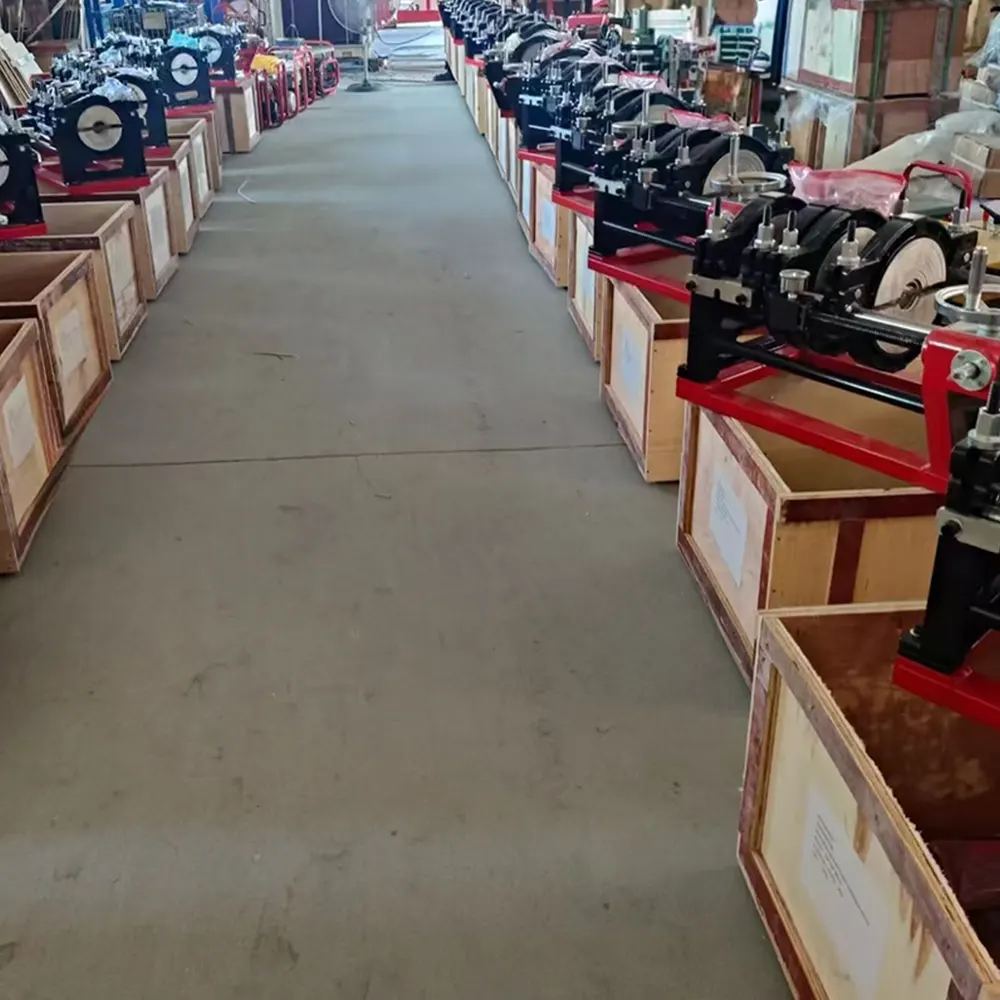
For medium to large diameter gas mains—often from 200mm up to 2250mm—hydraulic machines are the industry workhorse. They utilize a hydraulic power unit to generate the substantial forces required to face, heat, and fuse large pipe ends. These systems reduce operator fatigue and provide more consistent interfacial pressure control. Key features to evaluate include the rigidity of the frame, the quality of the hydraulic cylinder, and the availability of aluminum clamps to reduce overall machine weight without sacrificing clamping force. According to the PE fusion qualification guidelines from the Plastics Pipe Institute, hydraulic equipment must maintain precise pressure gauge accuracy to meet gas industry standards.
CNC Automatic Butt Fusion Welding Machines
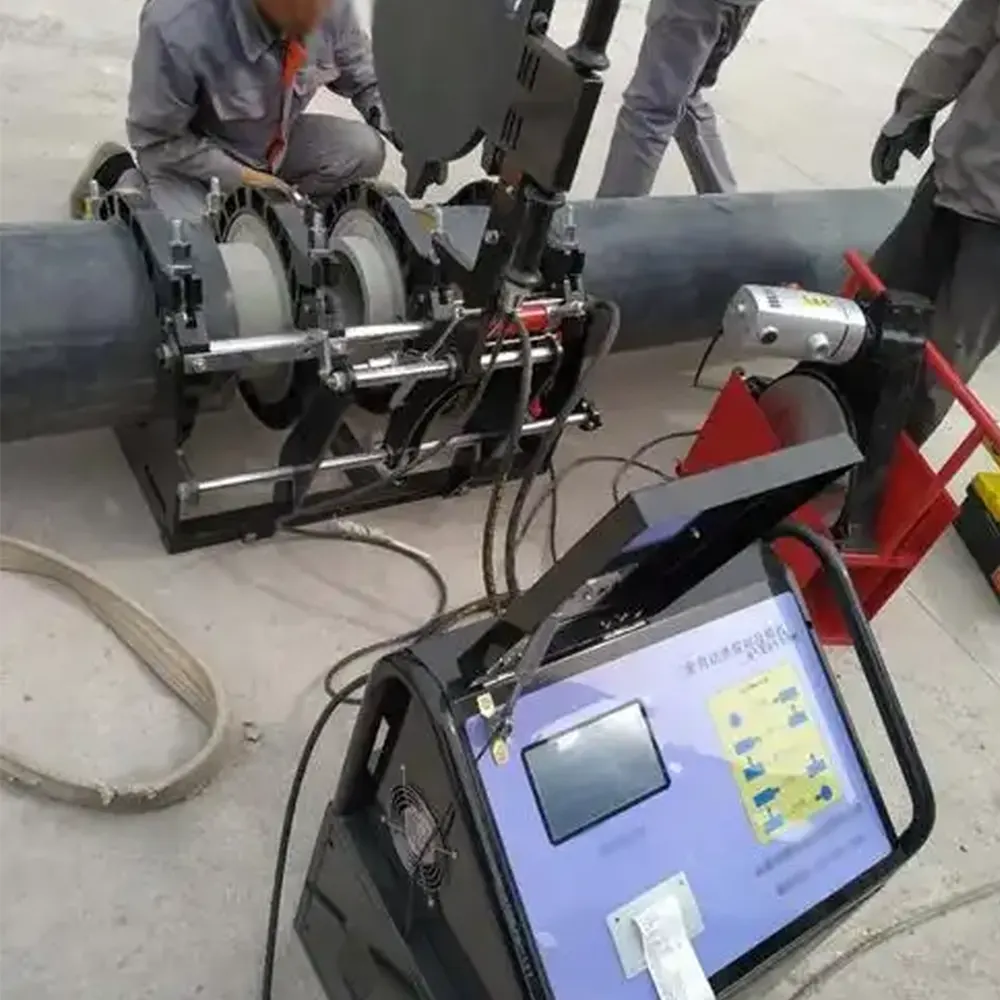
Where absolute traceability and repeatability are required, CNC automatic machines are the gold standard. These machines automate the entire fusion cycle—facing, heating, heater plate removal, and fusion pressure application—based on input parameters for pipe diameter and material grade. They generate detailed fusion reports that serve as quality assurance records, a feature increasingly demanded by gas utility inspectors. An automatic machine monitors stages in real-time, rejecting joints that fall outside programmed tolerances, thus providing a critical layer of safety for high-pressure gas lines.
Critical Features to Evaluate for Gas Applications
Not all fusion machines are built to the same level of precision, and gas pipelines demand the highest level of scrutiny. When sourcing a poly fusion welder, prioritize the following technical specifications that directly influence joint integrity and safety.
| Feature | Why It Matters for Gas Peaking | Relevant Standard |
|---|---|---|
| Heating Plate Surface Temperature Uniformity | Prevents cold spots that cause weak fusion bonds; ±5°C tolerance is typical | ISO 12176-1 |
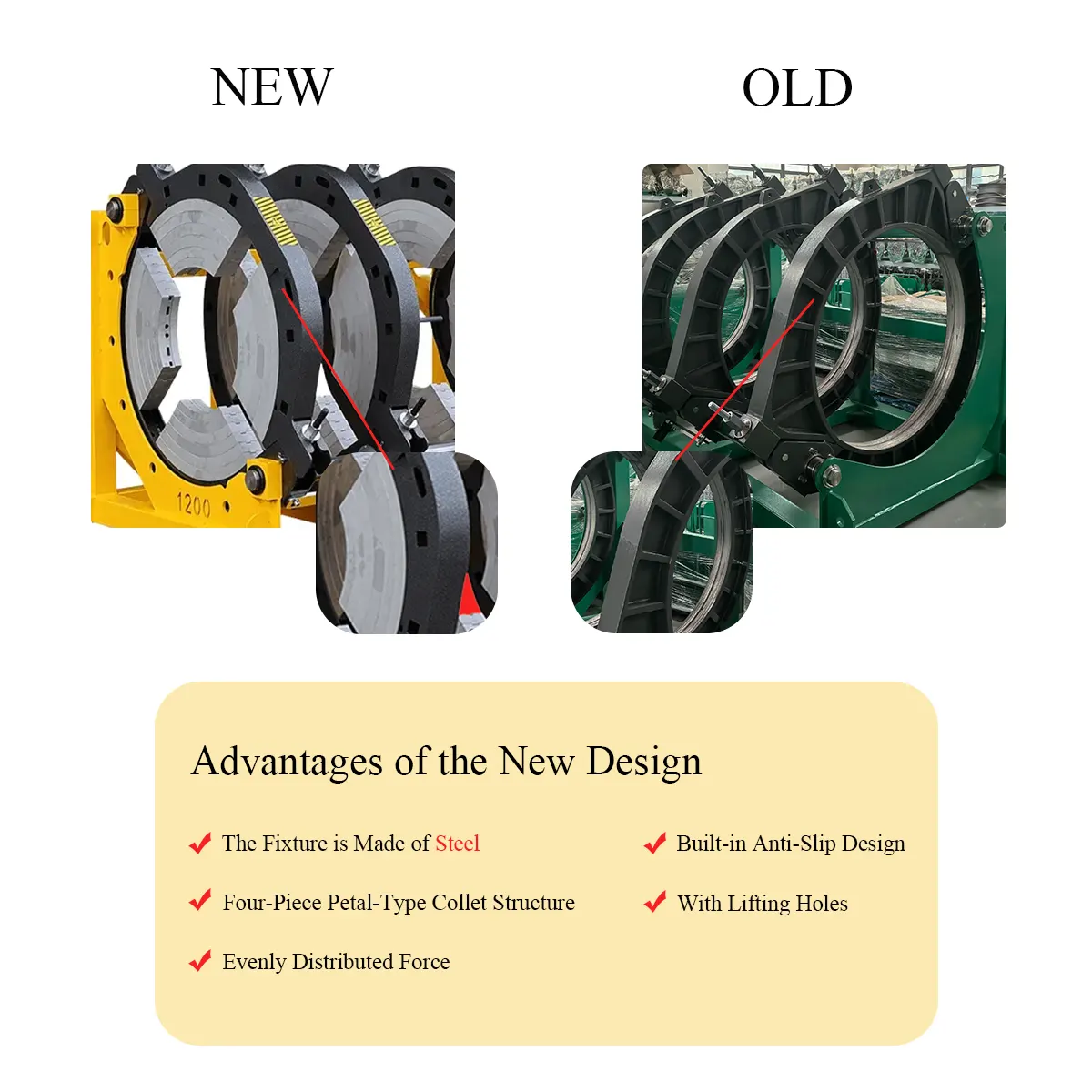
| Clamping Force and Alignment | Eliminates pipe ovality and ensures perfect axial alignment for uniform melt bead | ISO 21307 |
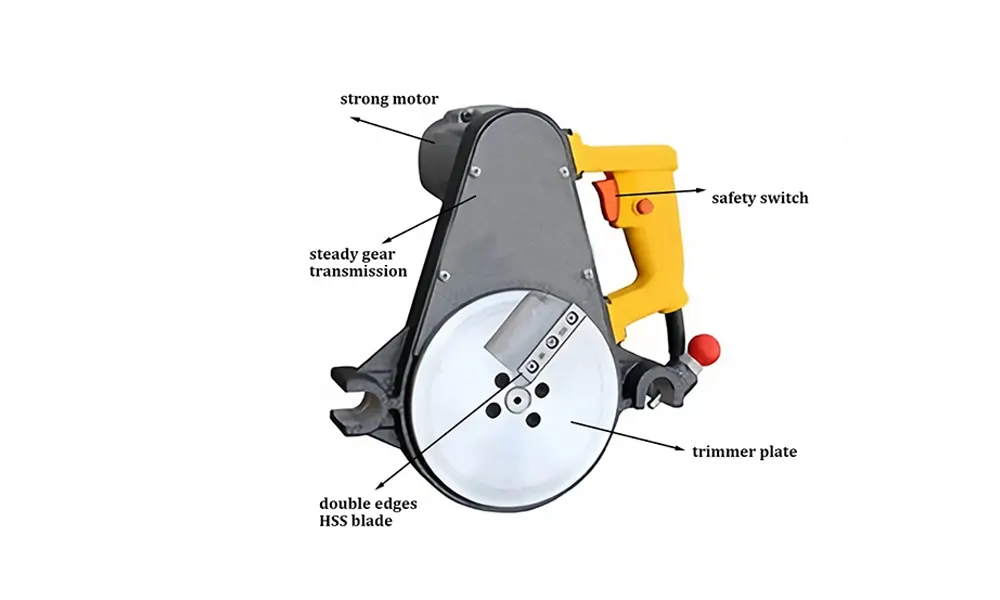
| Trimmer Blade Quality | Produces clean, parallel faces free of contamination and scoring | ASTM F2620 |
| Data Logging Capability | Provides proof of fusion parameters for gas utility audit trails | ISO 12176-4 |
Step-by-Step Process: From Pipe to Permanent Joint
Understanding the process stages ensures operators can identify deviations before they compromise joint quality. The butt fusion process follows a standardized sequence, and each stage requires the right machine capability to execute correctly.
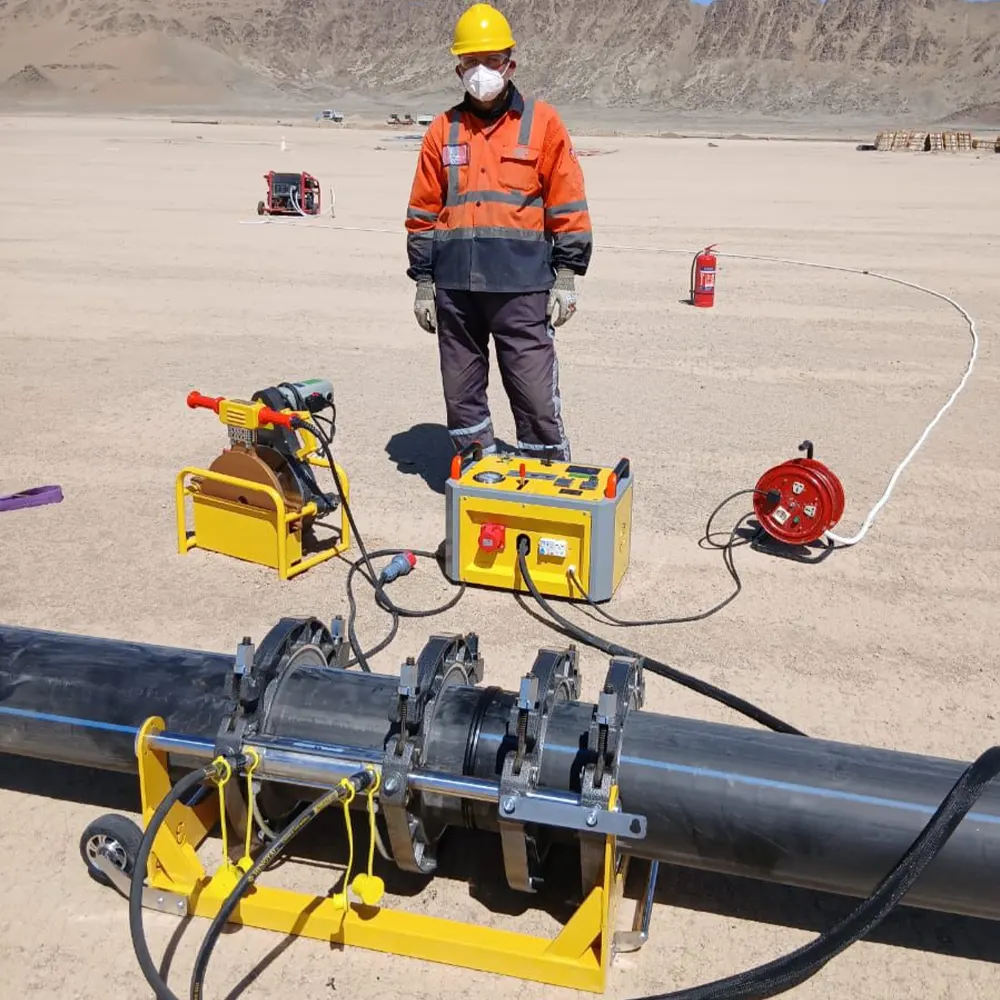
- Clamping and Aligning: Pipes are secured in the machine clamps. High clamping force must eliminate gaps between pipe and clamps to prevent slippage during high-pressure fusion stages.
- Facing: The rotating trimmer planes the pipe ends simultaneously, creating parallel, clean faces. The trimmer must remain engaged until a continuous shaving emerges from both pipe ends.
- Heating: The heated plate, maintained at the specified temperature for PE (typically around 220°C), is inserted between the pipe faces. The pipes are pressed against the plate under a specified bead-up pressure to form a uniform melt bead.
- Heater Removal and Fusion: The plate is swiftly withdrawn, and the molten pipe ends are brought together under the specified PPI butt fusion procedure force. This joining must happen within the dwell time to prevent surface cooling.
- Cooling: The joint is held under pressure until fully cooled. Any movement during this phase can introduce residual stress and compromise long-term strength.
Buying Guide: Selecting the Right Machine for Your Gas Project
Purchasing a poly fusion machine is a long-term investment. The following decision matrix helps narrow down choices based on typical gas project profiles. Consider future workload as well as immediate requirements to avoid outgrowing smaller equipment too quickly.
1. Define Your Diameter Range and SDR
Gas pipes are commonly specified by outside diameter and Standard Dimension Ratio (SDR), which defines wall thickness. SDR 11 and SDR 17 are typical for gas mains. Your machine must have sufficient clamping force to handle the thickest wall pipe in your range. Hydraulic machines generally offer adjustable pressure settings that compensate for varying pipe thicknesses.
2. Assess Production Environment and Portability
Will the machine be used in a fabrication yard, on the right-of-way in open trench conditions, or for street-level tie-ins? Manual and smaller hydraulic machines with wheel kits offer rapid deployment. Larger rigs may require trailers and cranes. For gas distribution in urban environments, a compact hydraulic machine on a trolley often represents the best balance of mobility and capability.
3. Evaluate Data Logging and Compliance Needs
If your gas utility mandates full traceability, an automatic machine with integrated data logging is not optional—it is essential. Machines complying with ISO 12176-4 for traceability coding can store fusion records per joint, including date, time, operator ID, and critical parameters. This data becomes part of the pipeline’s quality dossier and supports long-term risk management.
4. Consider OEM Support and Spare Parts Availability
Gas projects operate on strict schedules. Downtime while waiting for a replacement heating plate or hydraulic hose is extremely costly. Choose a manufacturer with a demonstrated record of responsive after-sales support and readily available spare parts. Check that common wear items—trimmer blades, heating plate coatings, hydraulic seals—are in stock and can be shipped without long lead times.
Common Mistakes to Avoid When Using Poly Fusion Machines
Even the best equipment cannot compensate for improper operation. The following pitfalls frequently lead to fusion joint failures in gas pipelines, and awareness is the first step toward prevention.
- Incorrect Heating Temperature: Using a plate temperature too low causes incomplete melting; too high causes polymer degradation. Always verify plate surface temperature with a calibrated pyrometer before each shift.
- Insufficient Bead-Up Time: Rushing the initial heating phase results in uneven melt distribution. The pipe ends must form a visible, uniform bead around the entire circumference before moving to the heat soak phase.
- Slow Heater Plate Removal: The time between heater removal and pipe contact must be minimized. Delay allows the molten surfaces to cool below fusion temperature, creating a weak interface.
- Pipe Misalignment: Angular misalignment greater than 10% of wall thickness concentrates bending stress at the joint. Proper clamp alignment and machine rigidity prevent this issue.
- Contamination: Oils, dirt, or moisture on the pipe surface act as bond inhibitors. Always clean and dry pipe ends thoroughly before clamping.
Maintenance Practices for Long Equipment Life
A poly fusion welding machine represents a significant capital investment. Consistent maintenance ensures it delivers accurate, repeatable joints for years. The following practices apply across manual, hydraulic, and automatic machine types.
- Heating Plate Care: The non-stick PTFE coating on heating plates is subject to wear. Avoid using metal scrapers. Clean only with a soft cloth while the plate is warm. Replace the heating plate or re-coat it if the surface shows scratches that could transfer to the pipe face.
- Trimmer Blade Sharpening: Dull blades tear rather than cut PE, leaving a rough surface that interferes with heat transfer. Blades should be inspected daily and sharpened or replaced when cutting resistance increases.
- Hydraulic System Inspection: Check hydraulic hoses for cracks, leaks, or abrasions. Change hydraulic fluid according to the manufacturer’s schedule. Air in the hydraulic system can cause erratic pressure control, leading to inconsistent fusion joints.
- Calibration Verification: At least annually, verify the accuracy of temperature controllers, pressure gauges, and timers against certified reference instruments. This is especially important for gas work where third-party audit may request calibration certificates.
Industry Standards Governing Gas Pipeline Fusion
Compliance with international standards is non-negotiable in gas distribution works. These documents define the procedures, equipment qualifications, and operator competencies required. Below are some of the most referenced standards that apply to poly fusion machine for gas pipelines operations.
| Standard | Coverage |
|---|---|
| ASTM F2620 | Heat fusion joining procedure for PE pipe and fittings, widely adopted by US gas utilities |
| ISO 21307 | Internationally recognized single and dual pressure butt fusion jointing procedures |
| ISO 4437 Series | Specifications for PE piping systems specifically intended for gaseous fuel supply |
| ASTM D2513 | Standard specification for thermoplastic gas pressure pipe, tubing, and fittings |
Manufacturers such as JQ-Fusion specialize in developing butt fusion welding machines that align with these stringent requirements, serving contractors and utilities across water supply, gas distribution, mining, and industrial pipeline systems. Their equipment range spans manual, hydraulic, and CNC automatic machines, backed by quality control processes that verify temperature accuracy and clamp alignment before each unit ships.
Electrofusion as a Complementary Technology
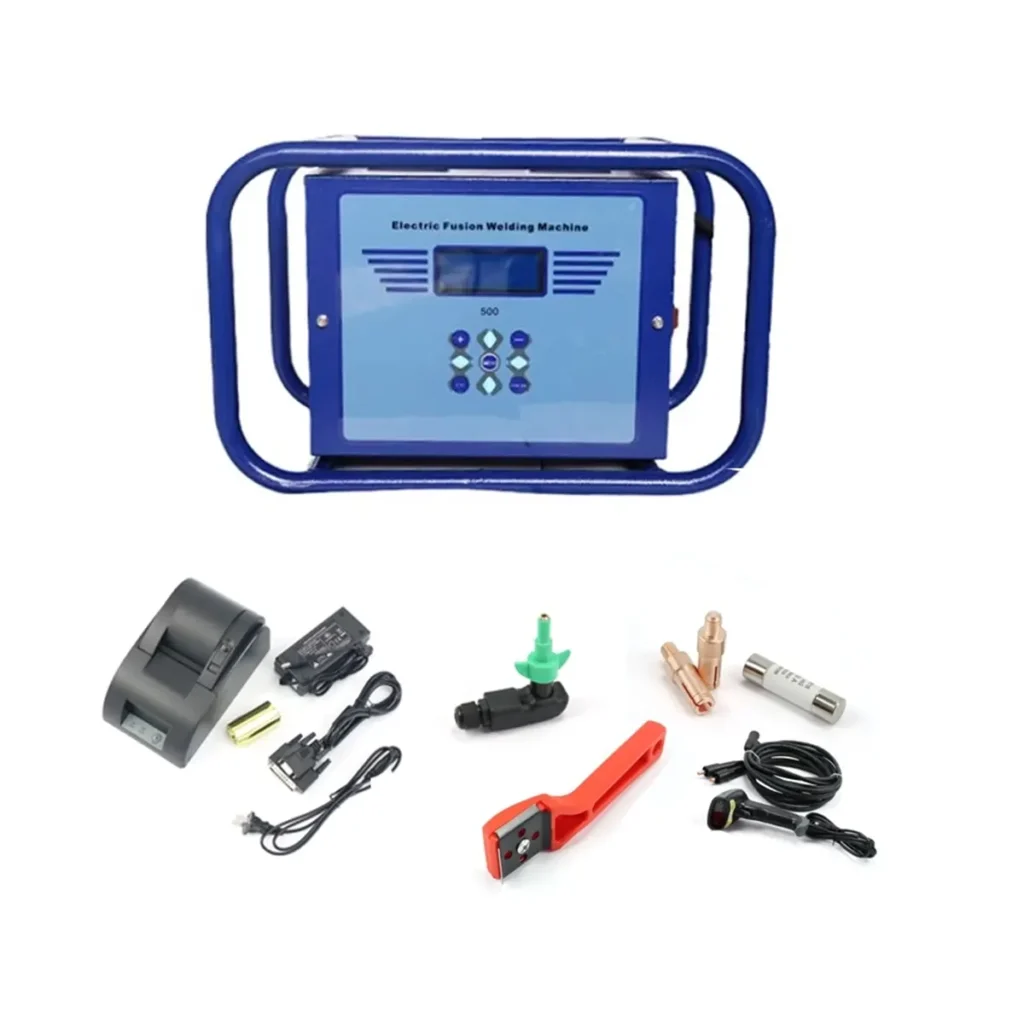
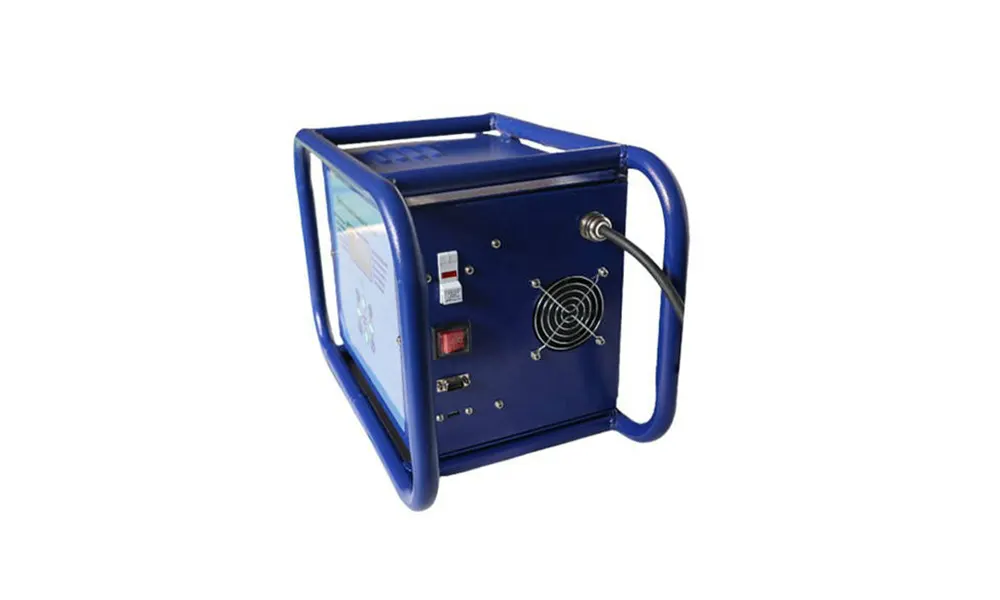
While butt fusion is the primary method for joining long straight runs of gas pipe, electrofusion plays a vital role in tight excavations, repairs, and tie-in connections where butt fusion machine access is restricted. Electrofusion couplings contain embedded heating coils that melt the pipe surface when an electric current is applied. Dedicated electrofusion control units read barcode or magnetic card data from the fitting to set the fusion parameters automatically. For gas distribution operators, having both butt fusion and electrofusion capability provides complete installation flexibility according to the site conditions.
Training and Operator Qualification
Gas utility specifications increasingly require formal operator qualification before personnel are permitted to perform production fusion. Standards like ASTM F3190 provide a framework for heat fusion operator qualification based on demonstrated skill. An operator should be able to visually inspect joints and recognize common defects such as mismatched beads, contamination, or inadequate fusion pressure. Investing in operator training yields direct returns in reduced joint failure rates and fewer costly rework excavations.
Final Thoughts on Selecting Your Fusion Equipment
A poly fusion machine for gas pipelines represents a cornerstone investment for any organization involved in PE gas distribution. The selection process should weigh the pipeline diameter range, required production rate, data recording needs, and the manufacturer’s commitment to ongoing support. Prioritize machines that offer consistent temperature control, rigid frame construction, and the ability to provide documented fusion data. When paired with trained operators and a robust quality assurance program, the right fusion equipment enables safe, reliable gas pipeline networks built to perform for decades.



