
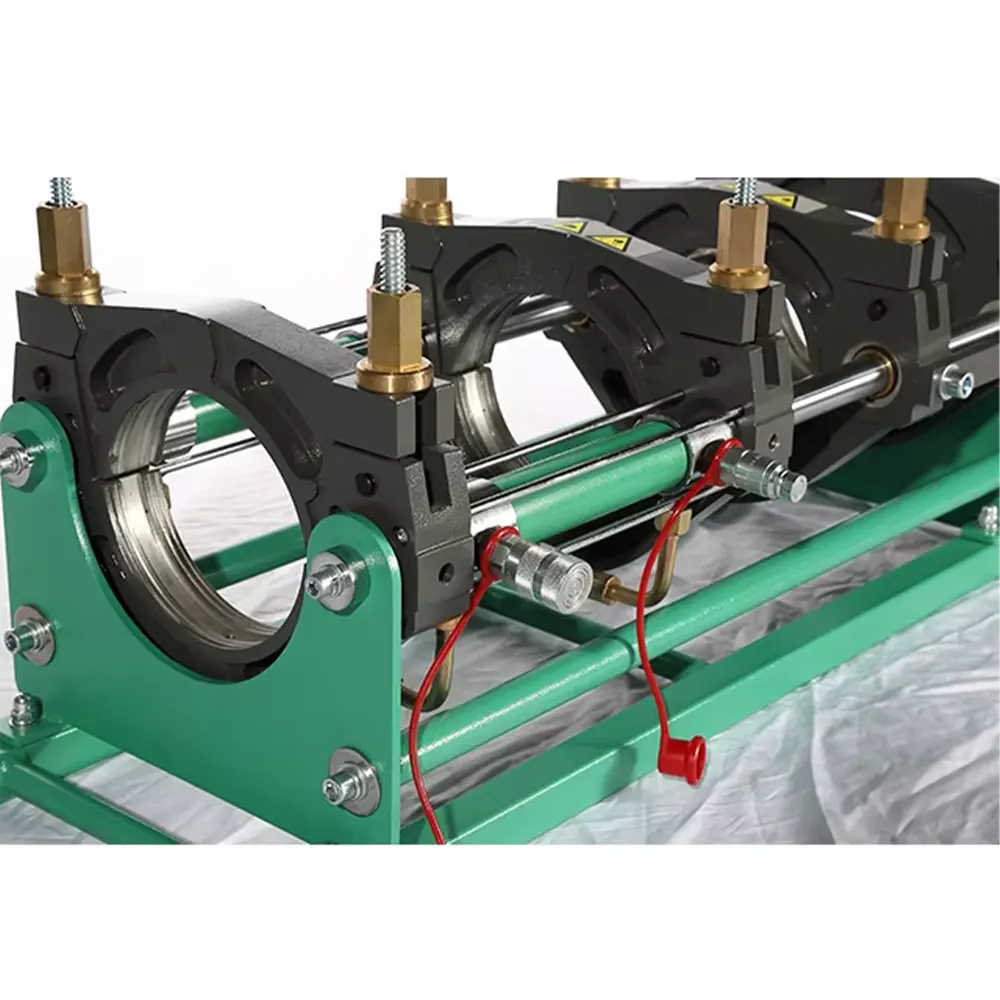
Poly fusion welding is one of the most reliable methods for joining high-density polyethylene (HDPE) pipes in critical infrastructure projects. Understanding the poly fusion machine working principle helps contractors and engineers achieve leak-free, durable pipeline systems. This process, widely governed by standards such as ISO 21307 butt fusion procedures, involves carefully controlled heating, joining, and cooling stages to create a monolithic pipe network.
Understanding the Core Working Principle
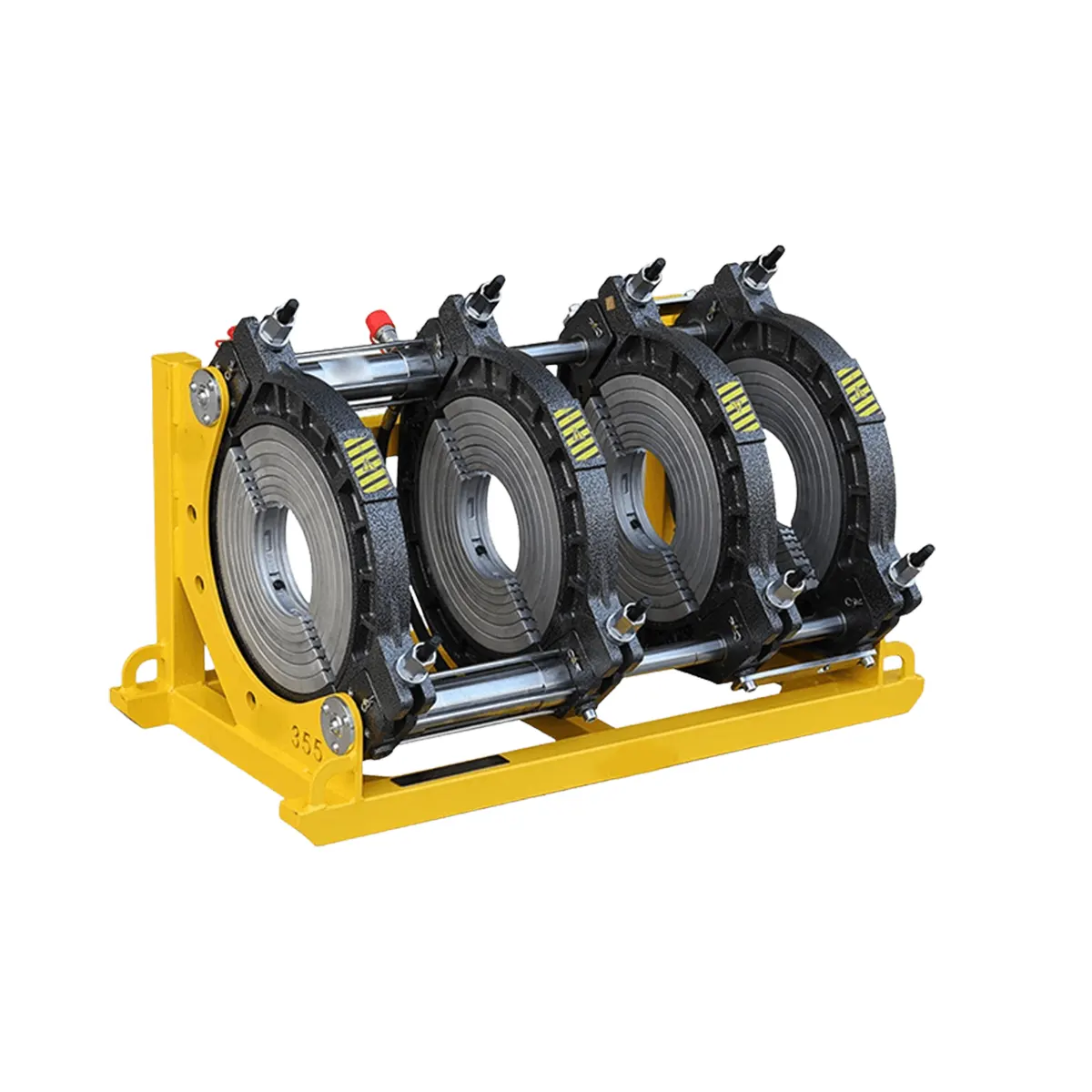
At its core, the poly fusion machine working principle revolves around thermal fusion—melting the pipe ends under precise temperature and pressure conditions, then fusing them together as the material cools. Unlike mechanical joints, a properly executed PE butt fusion process produces a joint that is as strong as, or stronger than, the pipe itself. The entire operation depends on four critical parameters: temperature, pressure, time, and alignment.
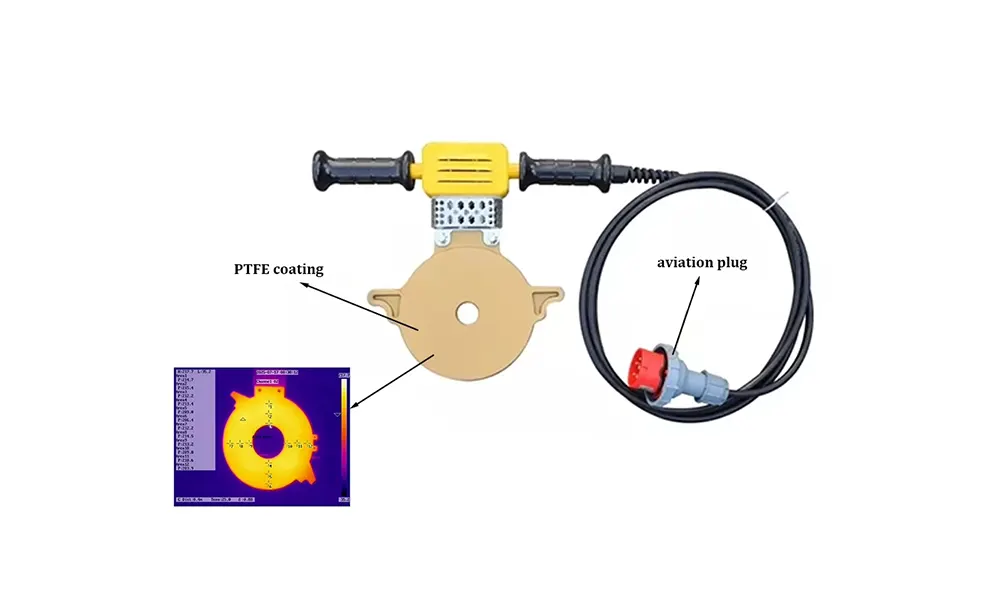
The machine uses a heating plate coated with a non-stick surface, typically PTFE, which is heated to a controlled temperature—usually between 200°C and 230°C (392°F – 446°F). The pipe ends are pressed against this plate to form a uniform melt bead. Once the proper melt pattern is achieved, the heating plate is removed, and the softened ends are brought together under specified fusion pressure to form the bond.
Key Stages of the Poly Fusion Process
Every successful fusion joint follows a well-defined sequence. The stages below outline the complete poly fusion machine working principle from preparation to completion:
- Pipe Preparation and Clamping: Pipe ends are cleaned, aligned, and secured in the machine clamps. Any contamination, oxidation layer, or moisture must be removed.
- Facing and Trimming: A rotating trimmer planes both pipe ends simultaneously, ensuring perfectly parallel and smooth surfaces for even heating.
- Heating and Melt Bead Formation: The heating plate is inserted between the pipe ends. Under controlled pressure, the pipe faces melt and form a uniform bead around the circumference.
- Heater Removal and Fusion: The heating plate is swiftly withdrawn, and the molten pipe ends are brought together at the specified fusion pressure without delay.
- Cooling Under Pressure: The joint is held under pressure while it cools naturally. Removing the pipe from the clamps too early can compromise joint integrity.
Critical Parameters for Quality Fusion Joints
Achieving a reliable fusion joint demands strict adherence to specified parameters. The table below summarizes the key variables that define the poly fusion machine working principle in practice:
| Parameter | Description | Typical Range |
|---|---|---|
| Heating Temperature | Surface temperature of the heating plate | 200°C – 230°C |
| Bead-Up Pressure | Initial pressure to form melt bead against heater | 0.15 – 0.18 MPa |
| Heat Soak Time | Duration pipes remain in contact with heater | Varies by pipe wall thickness |
| Fusion Pressure | Pressure applied when joining molten ends | 0.15 – 0.22 MPa |
| Cooling Time | Time joint is held under pressure while cooling | Pipe-dependent, minutes to hours |
Types of Poly Fusion Welding Machines
Different project scales and pipe diameters call for specific machine types, though all share the same fundamental poly fusion machine working principle:
- Manual Butt Fusion Machines: Operated by hand levers, ideal for smaller diameter pipes (up to 315mm). Simple, portable, and cost-effective for field repairs and small installations.
- Hydraulic Butt Fusion Machines: Use hydraulic power for clamping and joining, suitable for medium to large diameter pipes (200mm to 2250mm). These machines provide consistent pressure control.
- CNC Automatic Butt Fusion Machines: Fully automated systems that control temperature, pressure, and timing through a programmable interface, minimizing human error and ensuring traceability.
Where Poly Fusion Welding Is Used
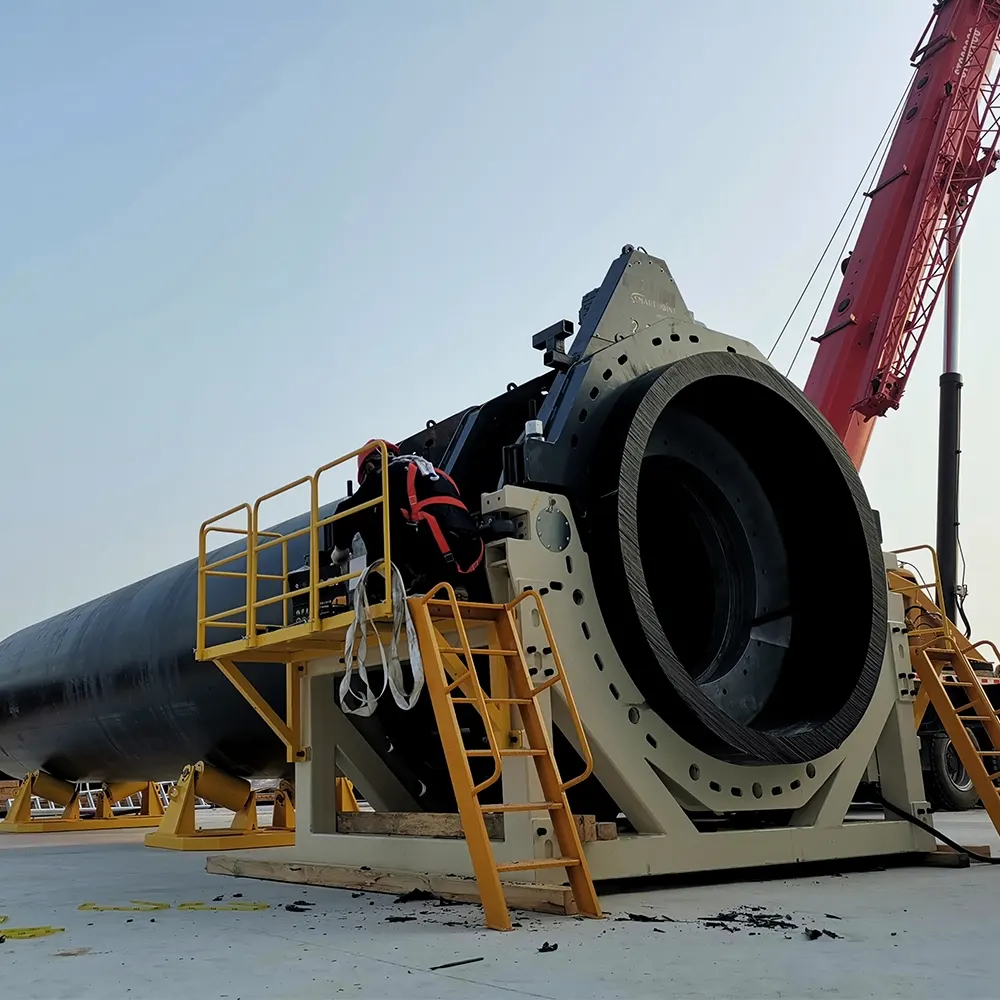
The versatility and reliability of poly fusion joints make them the preferred choice across numerous industries. Below are the most common application areas:
- Water Supply and Distribution: Municipal potable water networks rely on HDPE pipes joined by fusion welding for leak-free, corrosion-resistant performance over decades.
- Natural Gas Distribution: ASTM F2620 heat fusion standards govern gas pipeline installations, where joint integrity is paramount for safety.
- Mining and Slurry Transport: Abrasion-resistant HDPE pipes with fused joints handle aggressive slurries and tailings in mining operations worldwide.
- Industrial Process Piping: Chemical plants and industrial facilities use poly fusion for transferring corrosive fluids safely.
- Landfill and Environmental Systems: Leachate collection and methane gas recovery systems depend on fusion-welded HDPE pipes.
- Marine and Dredging Applications: Floating dredge lines made from HDPE sections joined by fusion welding offer flexibility and durability in harsh marine environments.
Standards Governing Poly Fusion Operations
Compliance with international standards ensures that the poly fusion machine working principle is applied consistently and safely across global projects. Key standards include ISO 21307 butt fusion procedures, which define jointing protocols for PE piping systems, and PE butt fusion equipment standard (ISO 12176-1) covering machine specifications. For North American projects, ASTM F2620 provides detailed heat fusion joining procedures, while PPI technical guidance documents offer practical recommendations from the Plastics Pipe Institute. Operator qualification standards such as PE fusion operator requirements (ISO 12176-3) further ensure that trained professionals execute every weld correctly.
Common Challenges and Best Practices
Even with a clear understanding of the poly fusion machine working principle, operators must remain vigilant about potential issues:
- Misalignment: Improper clamping can cause pipe ends to shift during fusion, resulting in an uneven joint. Always verify alignment before starting the heating cycle.
- Contamination: Dirt, moisture, or oil on pipe surfaces can prevent proper bonding. Clean pipe ends thoroughly and avoid touching prepared surfaces.
- Incorrect Temperature: A heating plate that is too hot or too cold produces weak joints. Regular calibration of the heating plate thermometer is essential.
- Insufficient Cooling Time: Removing the pipe from clamps before adequate cooling stresses the joint. Follow manufacturer recommendations for cooling duration.
- Environmental Factors: Wind, rain, and extreme ambient temperatures affect the fusion process. Use protective shelters in adverse conditions.
Selecting the Right Equipment for Your Project
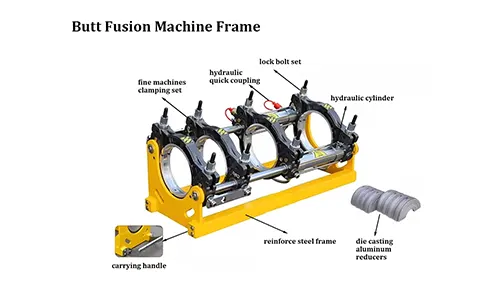
Choosing a suitable butt fusion welding machine depends on pipe diameter range, job site conditions, and required production rates. For small-scale utility work, manual machines offer simplicity and portability. Large infrastructure projects benefit from hydraulic or CNC automatic models with data logging capabilities for quality assurance documentation. JQ-Fusion manufactures a comprehensive range of HDPE pipe welding equipment, covering pipe diameters from small to large, with options for manual, hydraulic, and fully automatic operation to match diverse project demands.
Frequently Asked Questions
What temperature is required for poly fusion welding?
The standard heating plate temperature for HDPE pipe fusion is between 200°C and 230°C (392°F – 446°F). The exact value depends on pipe material specifications, wall thickness, and ambient conditions. Always refer to the pipe manufacturer’s recommendations and applicable standards such as ISO 21307.
How long does a poly fusion joint take to complete?
The total cycle time varies significantly based on pipe diameter and wall thickness. For small diameters (63mm – 110mm), the entire process may take 3 to 8 minutes. For large diameters (800mm and above), the heating and cooling phases alone can extend from 30 minutes to over 2 hours.
Can different grades of PE be fused together?
Generally, PE80 and PE100 materials can be fused together successfully when compatible grades are used. However, always consult the pipe manufacturer and relevant PE gas piping systems standards for material compatibility before proceeding with mixed-grade fusion.
Mastering the poly fusion machine working principle is essential for anyone involved in HDPE pipeline construction. By following standardized procedures, maintaining equipment properly, and understanding the critical parameters of temperature, pressure, and time, operators can consistently produce fusion joints that deliver decades of reliable service across water, gas, mining, and industrial applications.



