Selecting a reliable HDPE pipe welder for water pipelines is a critical decision for contractors and utility companies managing potable water distribution, sewage systems, or large-scale irrigation networks. The integrity of a water pipeline depends heavily on the quality of the joints, making the welding machine a cornerstone of any successful project. Understanding the different machine types, their specific applications, and the key selection criteria ensures that your pipeline delivers leak-free performance for decades.
Why Fusion Welding is Essential for Water Pipelines
Modern water infrastructure relies on High-Density Polyethylene (HDPE) pipes because of their corrosion resistance, flexibility, and long service life. Unlike mechanical joints, butt fusion welding creates a homogeneous bond, essentially turning two separate pipes into one continuous piece. This eliminates potential leak points, which is vital for maintaining pressure in ISO 4427 PE water pipes systems. The process requires a dedicated HDPE pipe welder for water pipelines to precisely control alignment, temperature, and pressure according to standards like ISO 21307 butt fusion procedures.
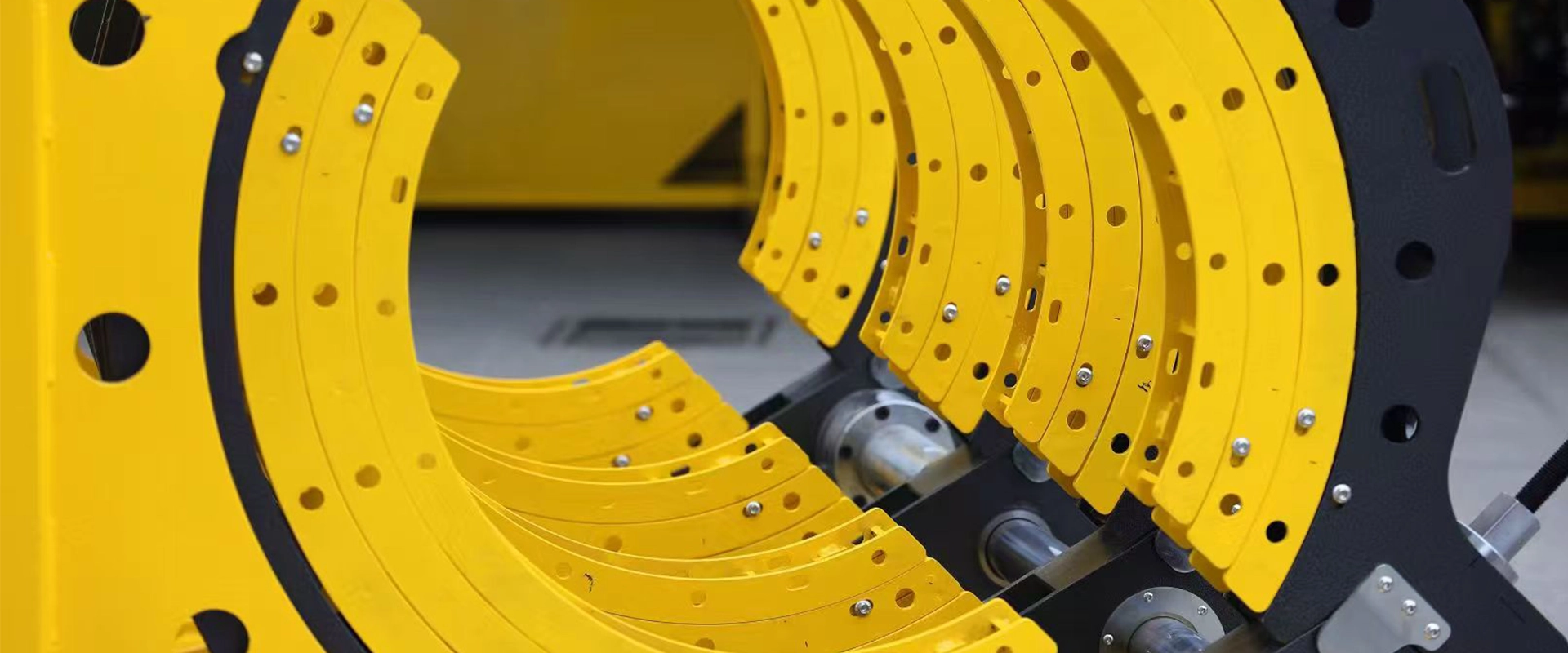
Main Types of HDPE Pipe Welders
Not all welding machines are created equal. The right choice depends on pipe diameter, wall thickness, and the project environment. Below is a breakdown of the primary categories you will encounter when sourcing a HDPE pipe welder for water pipelines.
| Machine Type | Best Diameter Range | Key Advantages |
|---|---|---|
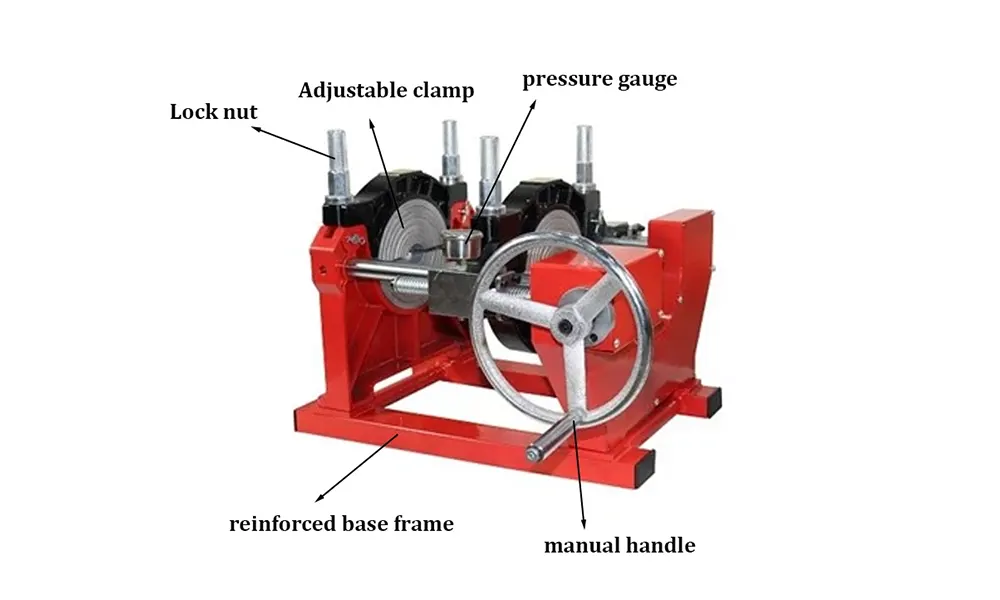
| Manual Butt Fusion | 63mm – 315mm | Lightweight, cost-effective, ideal for small-scale or rural water supply projects. |
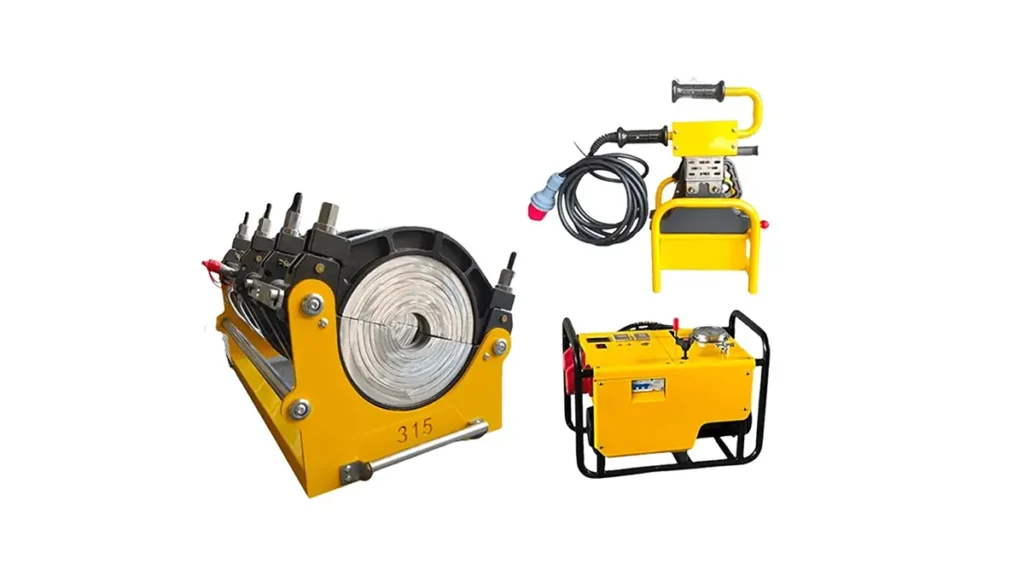
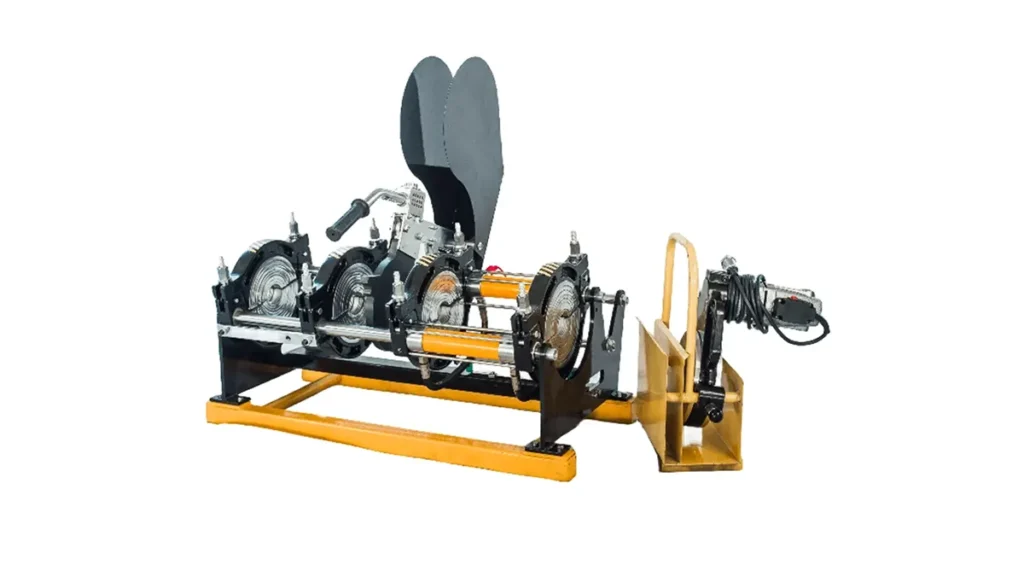
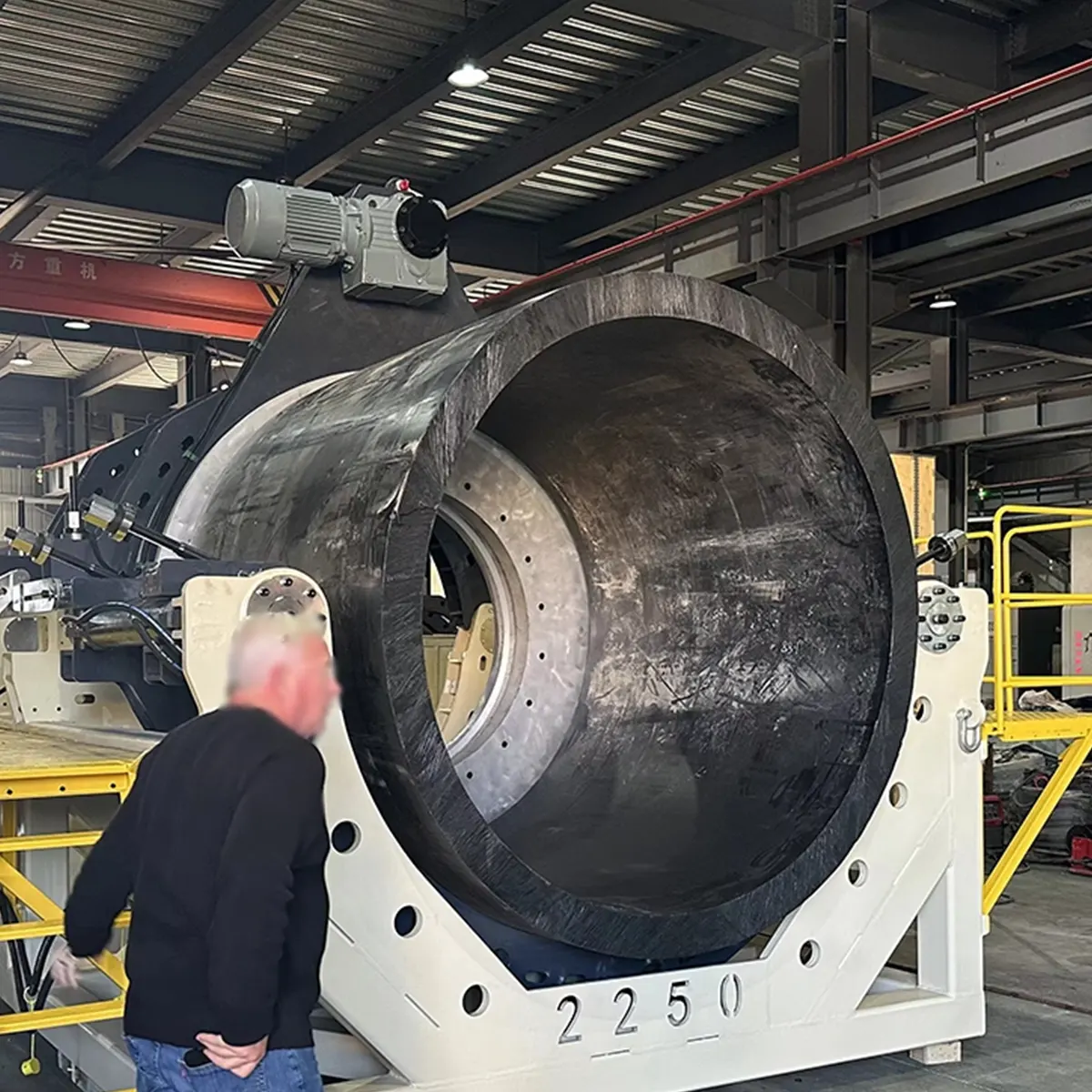
| Hydraulic Butt Fusion | 160mm – 2250mm | High clamping force, precise pressure control, suitable for large-diameter water mains. |
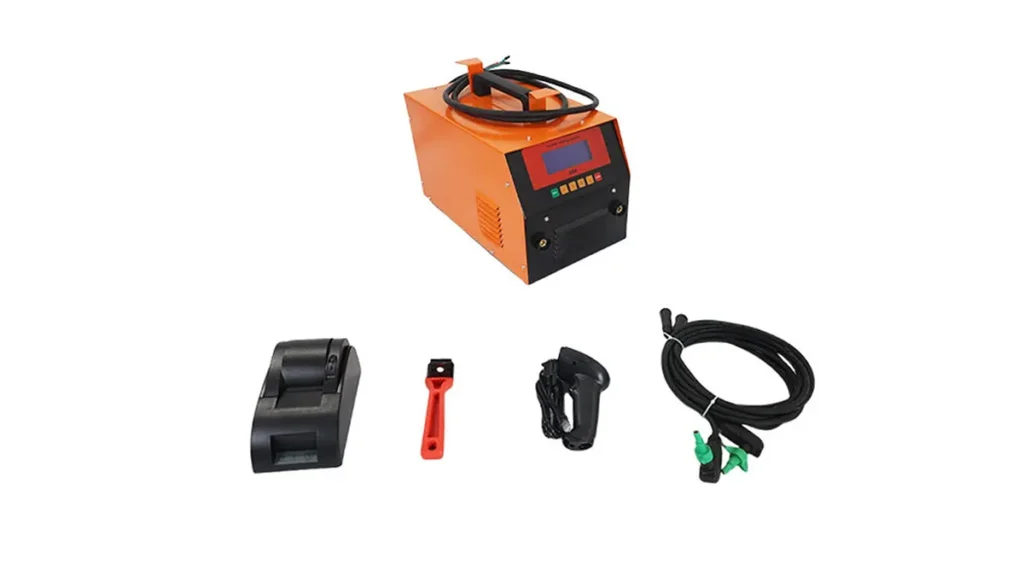
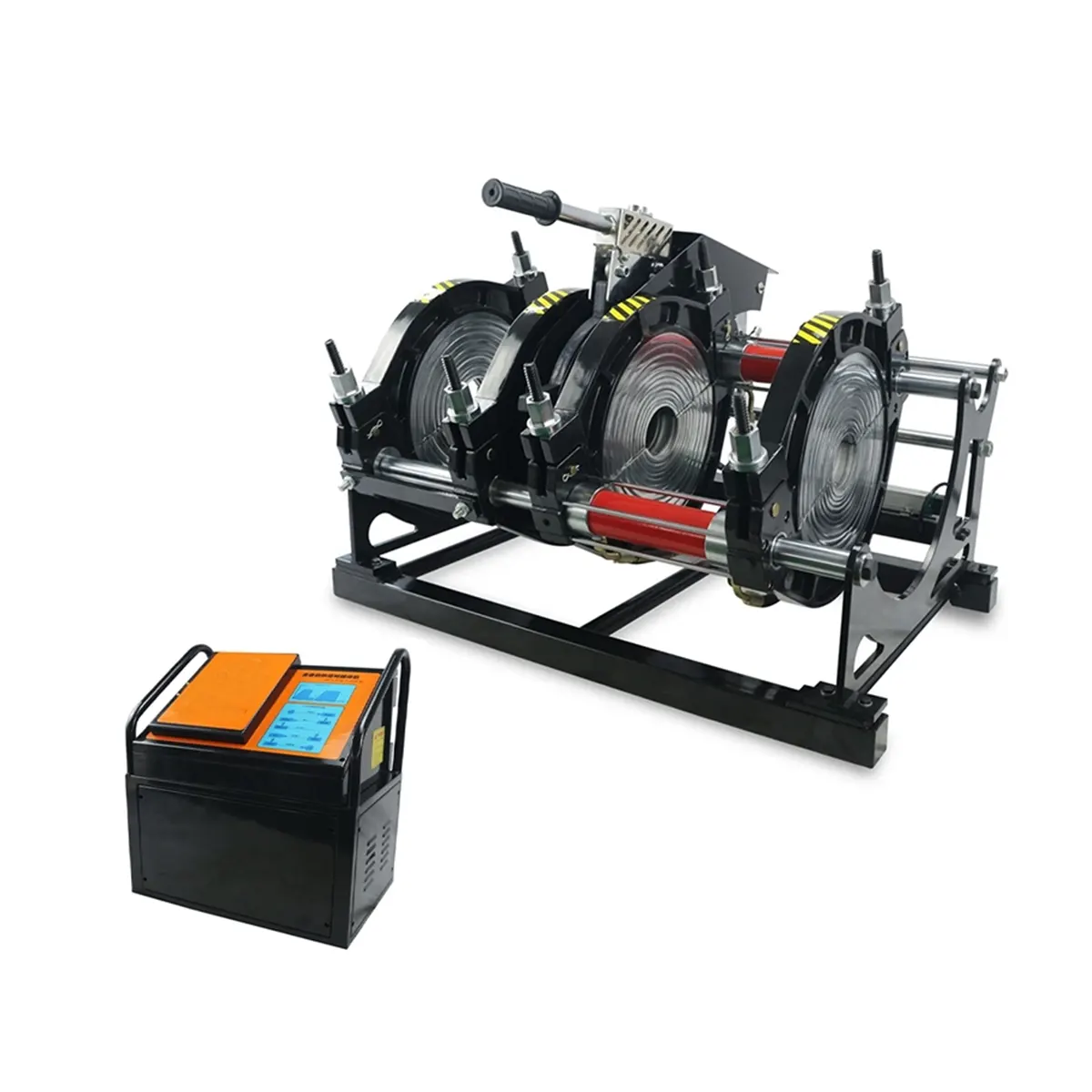
| CNC Automatic Butt Fusion | 160mm – 630mm | Automated cycle, data logging for PE fusion traceability, eliminates operator error. |
Manual Welding Machines
Manual machines require the operator to physically lock the levers to move the pipes. They are perfect for on-site repairs or domestic water connections where tight spaces and mobility are constraints. While the initial cost is lower, the success of the weld hinges heavily on the technician’s skill.
Hydraulic Welding Machines
For municipal water trunk lines, hydraulic systems are the industry standard. The hydraulic power unit generates the necessary force to face and fuse thick-walled, high-density pipes evenly. If your project involves pipes larger than 315mm, you need a robust HDPE pipe welder for water pipelines with a durable frame and precise pressure regulation.
CNC Automatic Welding Machines
Data is becoming increasingly important in infrastructure. Automatic CNC machines strictly follow pre-set parameters for heating and cooling time, removing the variability of human operation. They digitally record every phase of the weld, providing quality assurance documentation that water project inspectors often require.
How to Choose the Right Machine
Choosing the right equipment goes beyond simply matching the pipe diameter. Here are the key factors to evaluate:
- Pipe Specifications (SDR and Material): Ensure the machine clamps can accommodate the specific Standard Dimension Ratio (SDR) of your pipe without causing deformation. The trimmer must be capable of handling high-density PE100 or PE4710 materials commonly specified for water.
- Project Workflow: For linear pipeline construction, a wheeled chassis on a hydraulic machine speeds up movement. For tight trenches or fabrication shops, a compact automatic unit might fit better.
- Compliance and Standards: Verify that the machine can operate within the parameters of ASTM F2620 heat fusion and PE butt fusion equipment standard. The heater plate must have adequate temperature control accuracy.
- Power Source and Portability: Remote water pipeline jobs often lack steady grid power. Hydraulic units with diesel or petrol engine power packs solve this problem, though fully electric automatic machines are silent and clean, ideal for urban potable water upgrades.
Accessories and Tooling for Water Pipe Welding
High-quality tooling matters as much as the machine frame. A warped trimmer or a scratched heating plate PTFE coating will compromise the integrity of the weld. When configuring your HDPE pipe welder for water pipelines, pay attention to:
- Heating Plate: Non-stick surfaces and precise digital temperature control prevent material degradation.
- Pipe Trimmers: Double-sided blades ensure safe and square pipe faces.
- Reducer Inserts: Essential for flexibility, allowing one set of clamps to handle multiple pipe sizes accurately.
Fusion Partner for Water Infrastructure
Ensuring a successful water supply project requires machinery that you can trust. JQ-Fusion is a professional manufacturer specializing in HDPE pipe welder for water pipelines, providing reliable butt fusion solutions for global infrastructure projects. The company focuses on developing manual, hydraulic, and CNC automatic machines ranging from small to large diameters, ensuring that whether you are joining a 63mm house connection or a massive 2-meter water transmission main, the technology fits your specific operational standards and quality requirements.
Practical Guidance for Machine Operators
Finally, even the best machine needs proper handling. Refer to resources like the PPI technical guidance for detailed notes on pressure calculation and cooling times specific to water pipes. Always verify that the scraped bead from the HDPE pipe welder for water pipelines shows a symmetrical, smooth roll-back on both sides – a visual proof of a perfectly homogeneous fusion joint ready for hydrostatic pressure testing.