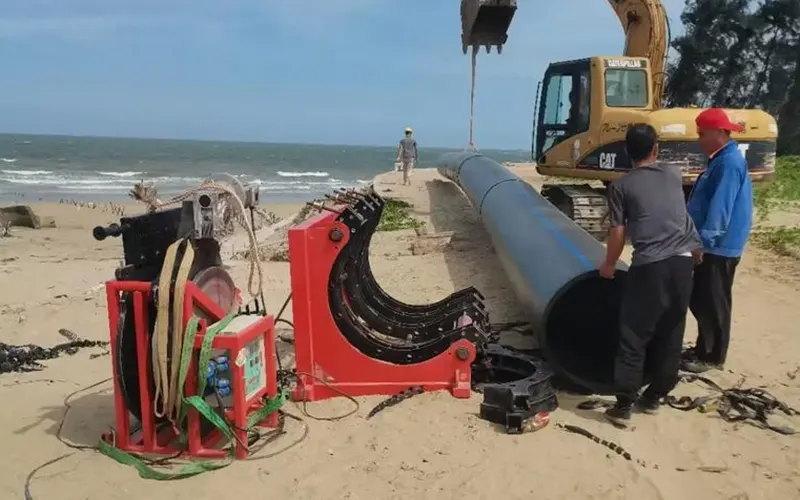
An electrofusion welder is a significant investment for any contractor involved in PE pipe installations. Whether you are working on gas distribution, water supply, or industrial applications, the reliability of your joints depends heavily on the condition of your equipment. Neglecting routine electrofusion welder maintenance can lead to cold joints, error codes, and costly project delays. This guide provides essential tips to keep your machine performing at its peak and to significantly extend its operational life.
Why Routine Electrofusion Welder Maintenance Matters
Unlike butt fusion methods, electrofusion relies on precise electronic control of voltage, current, and time. Small variations caused by neglected components can result in joint failure. Adhering to the PE electrofusion equipment standard is not just a regulatory requirement; it is the baseline for consistent, high-strength welds. A proactive maintenance schedule minimizes downtime and maximizes your return on investment.
Pre-Operation Visual Inspection Checklist
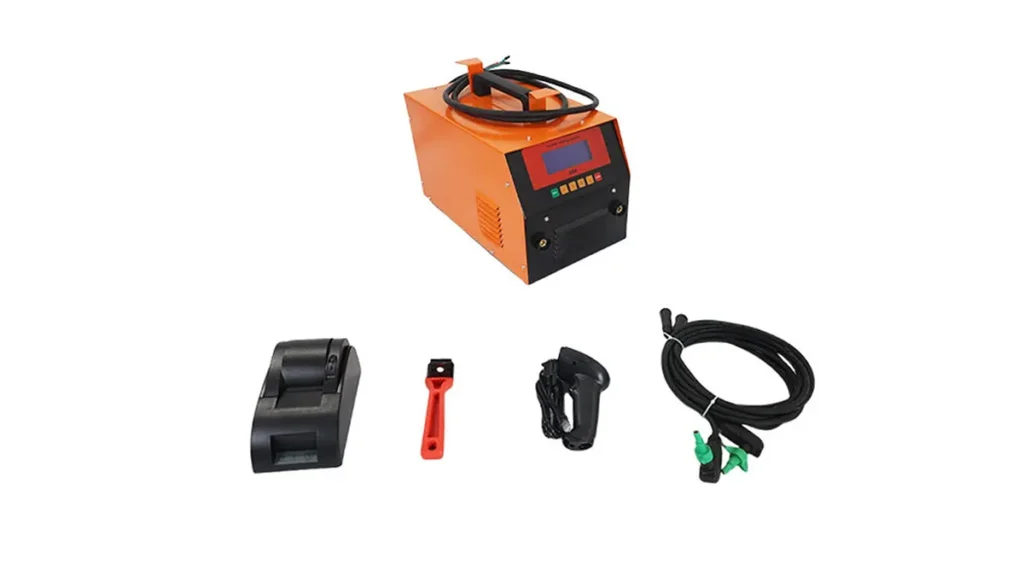
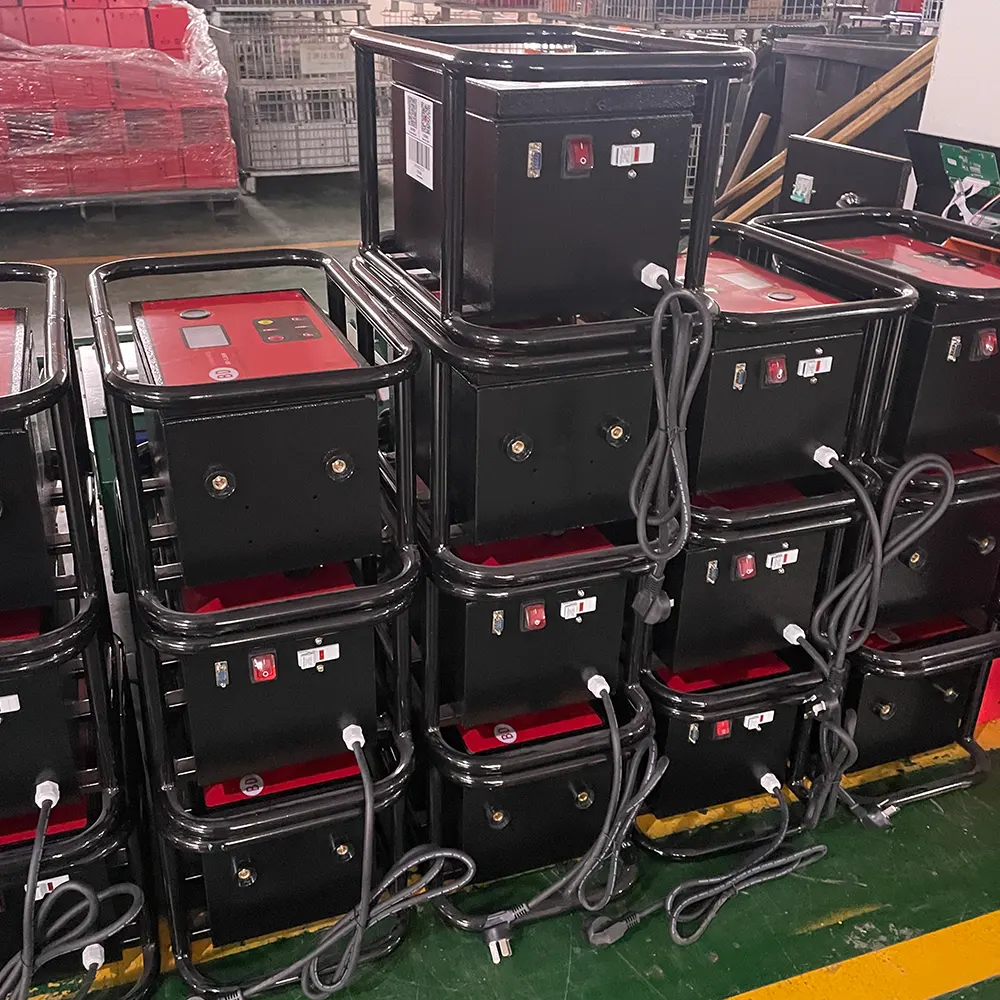
Before every job, a thorough visual check is mandatory. Start by examining the condition of the connection terminals and cables. Frayed wires or corroded contacts cannot deliver the exact energy required by the fitting. Confirm that the display screen is legible and the machine casing is free from cracks or impacts.
Essential Daily Maintenance Steps
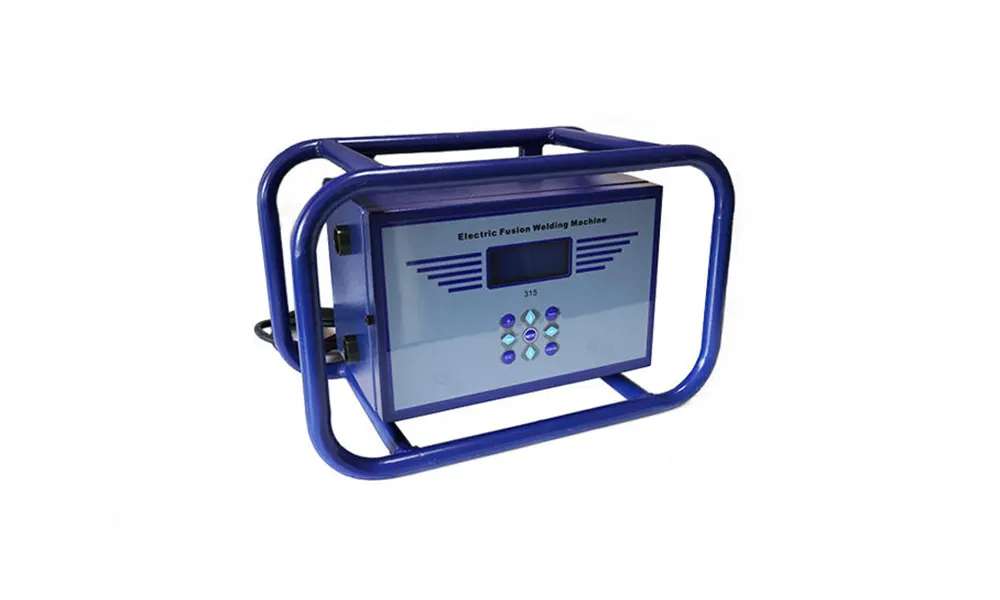
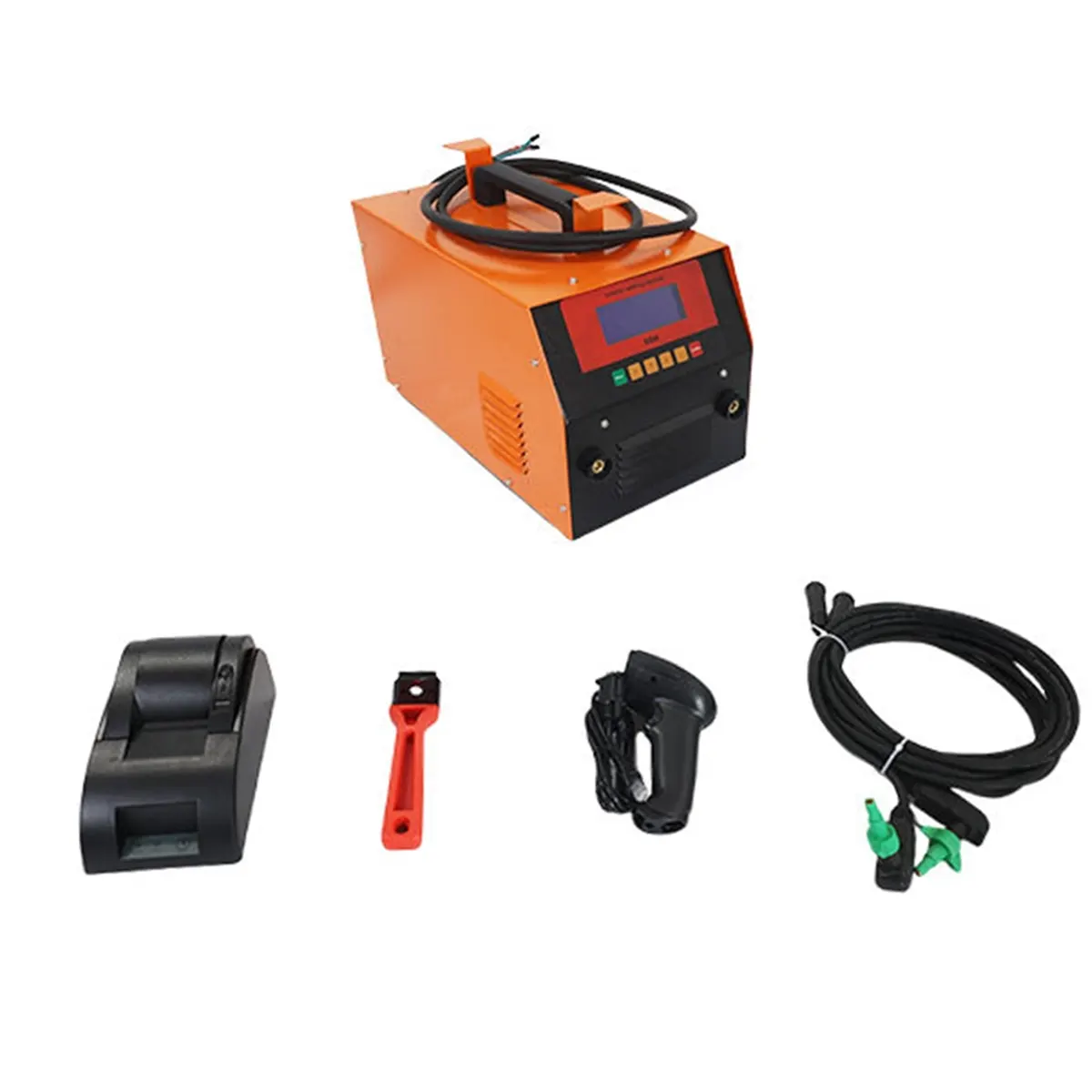
- Clean the terminal pins: Use a specialized wire brush to remove oxidized layers on the output terminals. Oxidation increases resistance, generating heat and inaccurate energy transfer.
- Inspect the cable insulation: Look for cuts, kinks, or exposed copper. Damaged insulation can cause short circuits or erratic behavior during the fusion cycle.
- Verify the power supply: Ensure the generator or mains supply provides stable voltage. Fluctuations can interrupt the fusion cycle.
- Check the cooling fans: Ensure ventilation slots are unobstructed to prevent internal overheating.
Deep Cleaning of the Electrofusion Welder
Jobsite dust, mud, and pipe shavings are the enemies of sensitive electronics. After a day in the trench, wipe down the entire unit with a dry, lint-free cloth. For sticky residues, use a mild cleaning agent but never spray water directly onto the machine. Pay special attention to cooling vents on the back and sides; a clogged vent reduces internal airflow and stresses the electrofusion control board.
Cable and Connector Integrity Tests
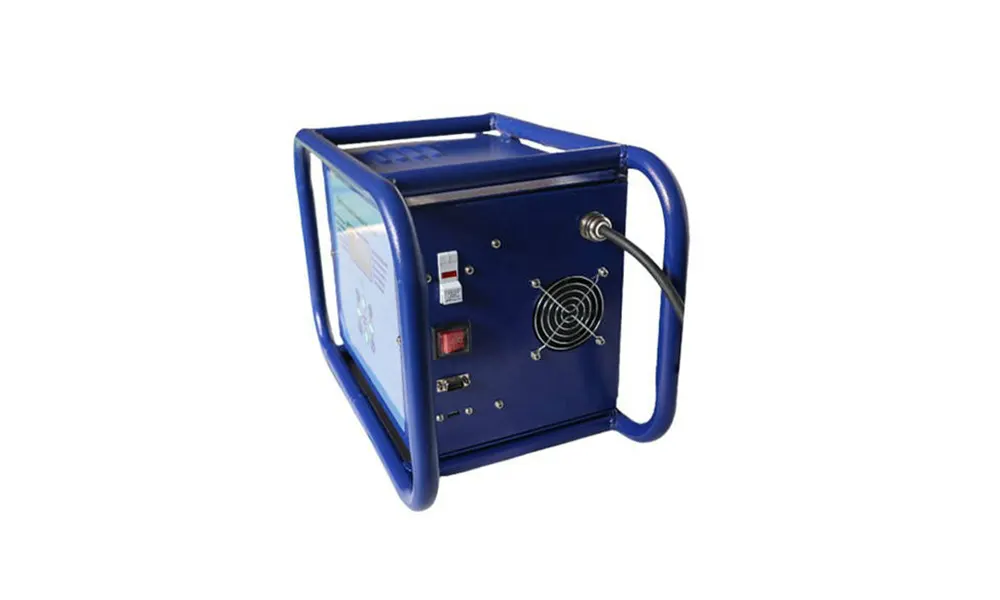
The cables are the working muscles of your electrofusion system. Even minor damage to the insulation can cause a “leakage” error, aborting the weld. Always roll cables loosely; tight coils can induce heat buildup and damage internal strands. Store them on proper cable hangers. If you see any sign of melting or discoloration on the plug body, replace the connector immediately before it fuses to the fitting terminal.
Data Management and Firmware Updates
Modern electrofusion units log welding data for traceability and quality assurance, aligning with PE fusion traceability requirements. Regularly downloading and clearing the internal memory prevents storage overload, which can slow down the operating system. If your manufacturer releases firmware updates, apply them promptly. Updates often refine fusion parameters for new types of PE gas fusion fittings and improve error handling.
Periodic Recalibration and Professional Servicing
An electrofusion welder is a precision measuring instrument. Over time, ambient temperature sensors and energy output transistors can drift. It is highly recommended to have the resistance measuring circuits and voltage output calibrated annually by an authorized service center. This ensures the machine correctly identifies the fitting and delivers the exact energy profile. Following the PPI electrofusion guide, professional diagnostics can predict component failure before it happens in the field.
| Maintenance Task | Frequency | Benefit |
|---|---|---|
| Terminal & Cable Inspection | Daily | Prevents electrical arcing and resistance errors |
| External Cleaning & Fan Check | Weekly | Reduces overheating risk and extends circuit life |
| Data Download & Memory Clear | Monthly | Maintains software speed and traceability records |
| Full Calibration & Diagnostics | Annually | Guarantees fusion accuracy per industry standards |
Proper Storage Practices to Prevent Damage
How you store your machine is just as important as how you use it. Never leave the welder exposed to direct sunlight, rain, or freezing temperatures on the back of a truck. Condensation corrodes internal circuit boards quickly.
- Temperature control: Store the machine in a dry, temperate environment (above 5°C) to protect the LCD screen and batteries.
- Physical protection: Use the original flight case or a sturdy toolbox. Do not stack heavy objects on top of the welder.
- Cord storage: Disconnect adapters and loosely coil the leads to prevent stress fractures at the plug joints.
Troubleshooting Common Electrofusion Error Codes
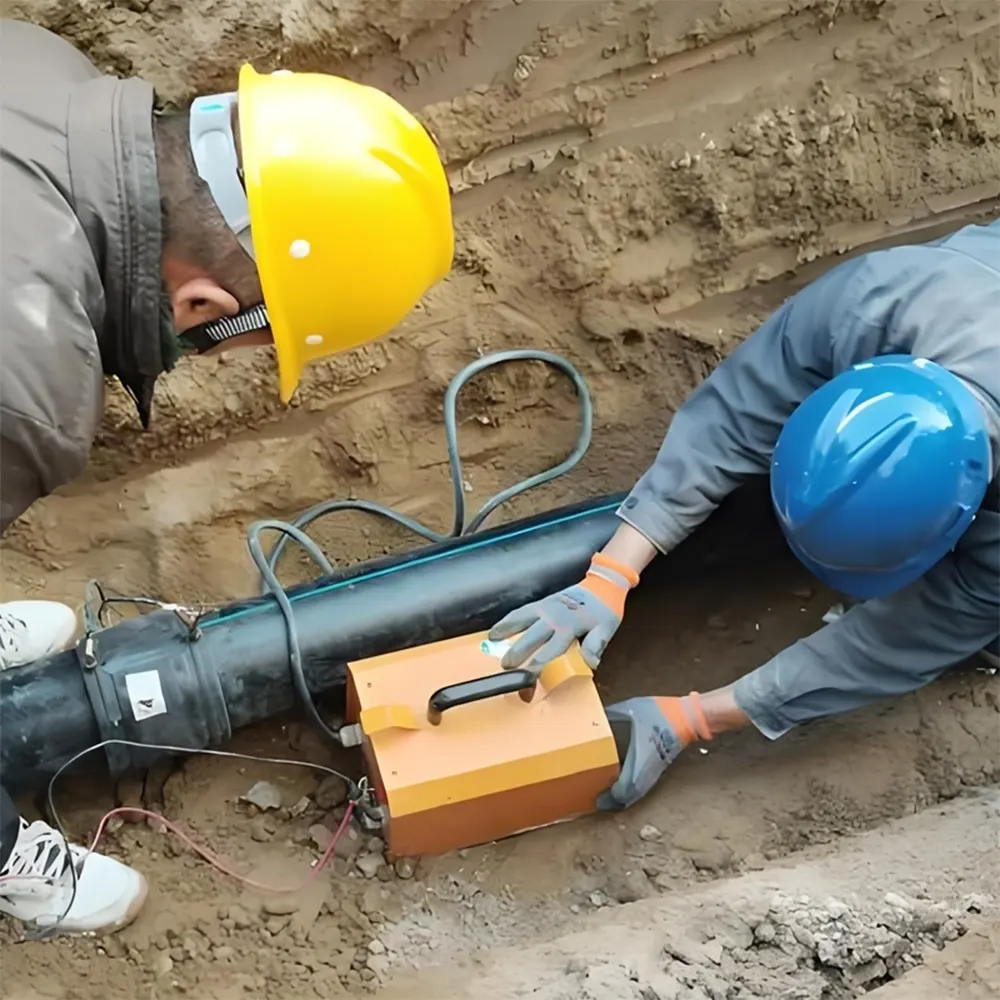
While exact codes vary by model, common alerts often point back to maintenance gaps. “Open Circuit” or “High Resistance” typically means dirty terminal pins or failing cables. “Voltage Out of Range” could indicate a power supply problem or internal capacitor wear. Before calling for repair, consult your manual and if needed, reach out to expert support. JQ-Fusion provides comprehensive guidance to help contractors keep their worksite equipment running efficiently.
Conclusion
Implementing a strict electrofusion welder maintenance plan is the most cost-effective strategy to guarantee safe, leak-free polyethylene systems. By pairing daily inspections with annual professional calibration and following the ASTM F1290 electrofusion best practices, your equipment will deliver reliable service for years, keeping your pipeline projects on track and within budget.