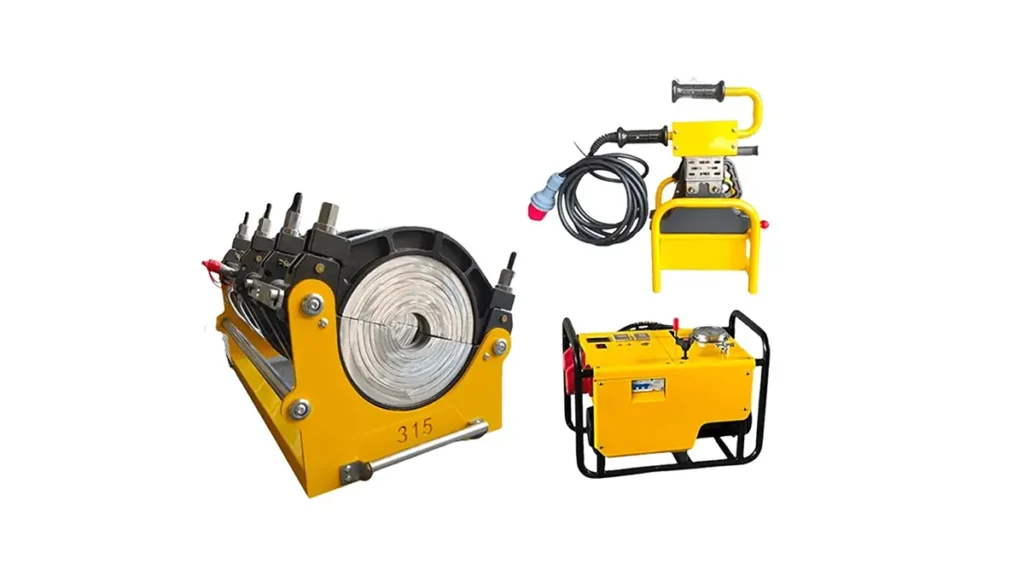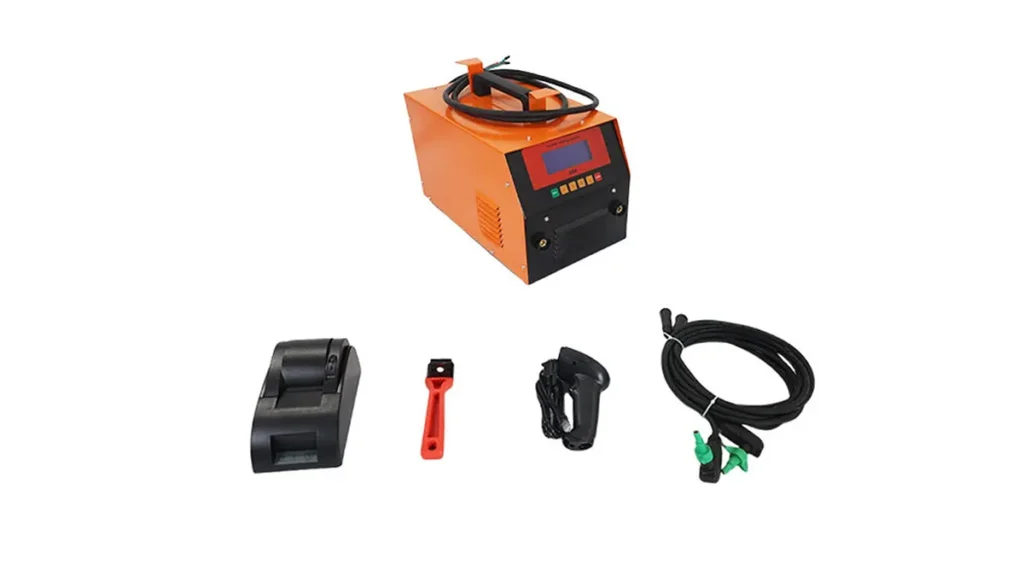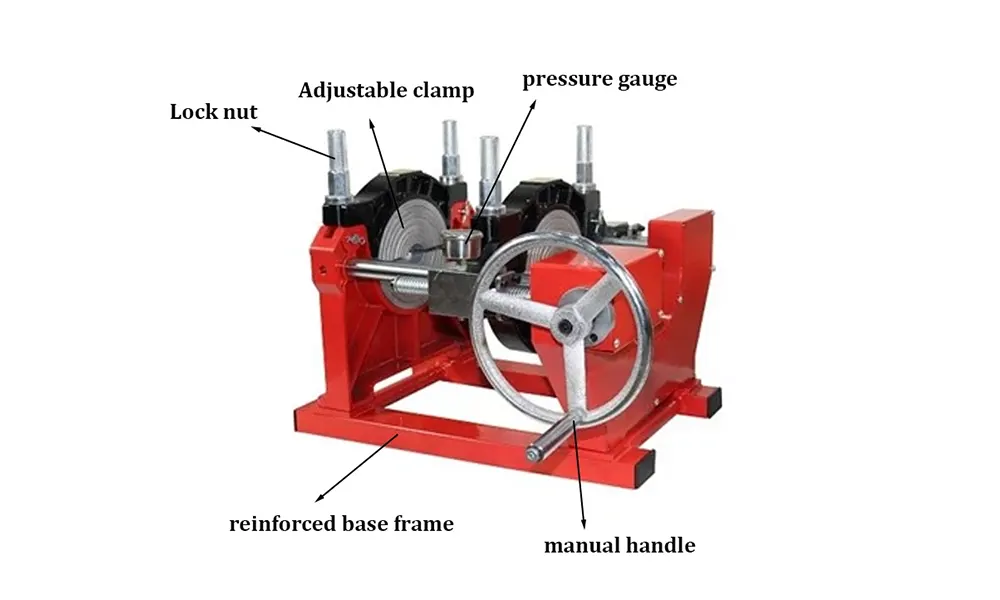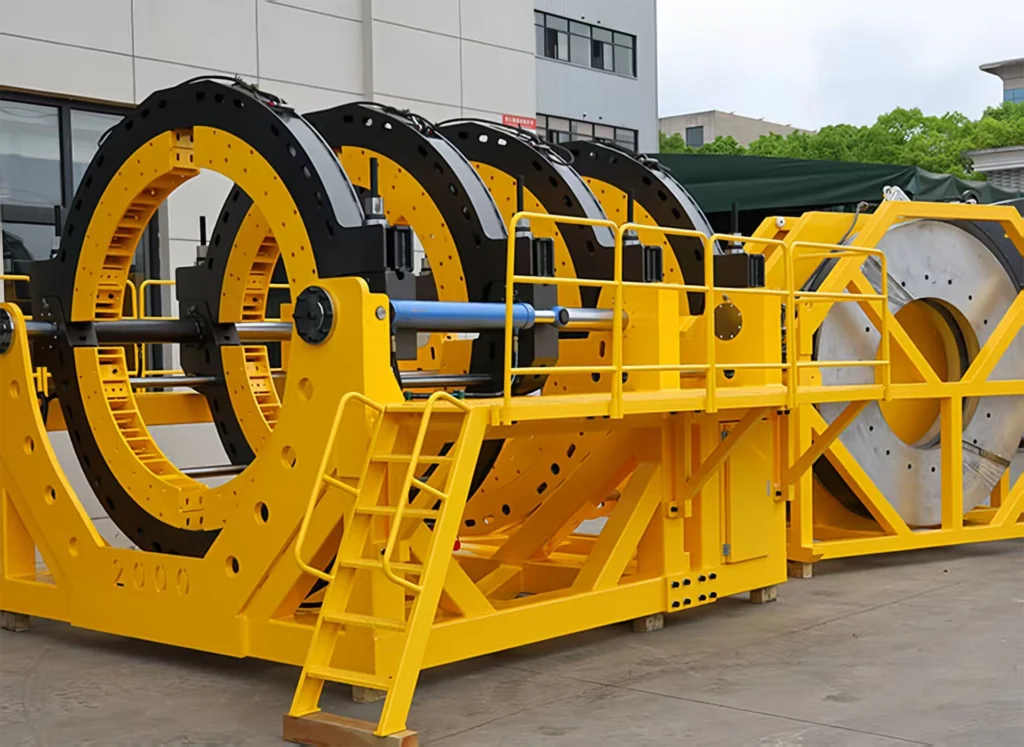
Electrofusion welding has become a cornerstone technology for joining polyethylene (PE) pipes in modern water infrastructure projects. Whether you are installing potable water mains, rehabilitation lines, or irrigation networks, an electrofusion welder for water pipelines delivers consistent, leak-free joints that stand up to decades of underground service. Understanding how to choose and operate the right machine is essential for any contractor, utility, or installer focused on long-term pipeline reliability.
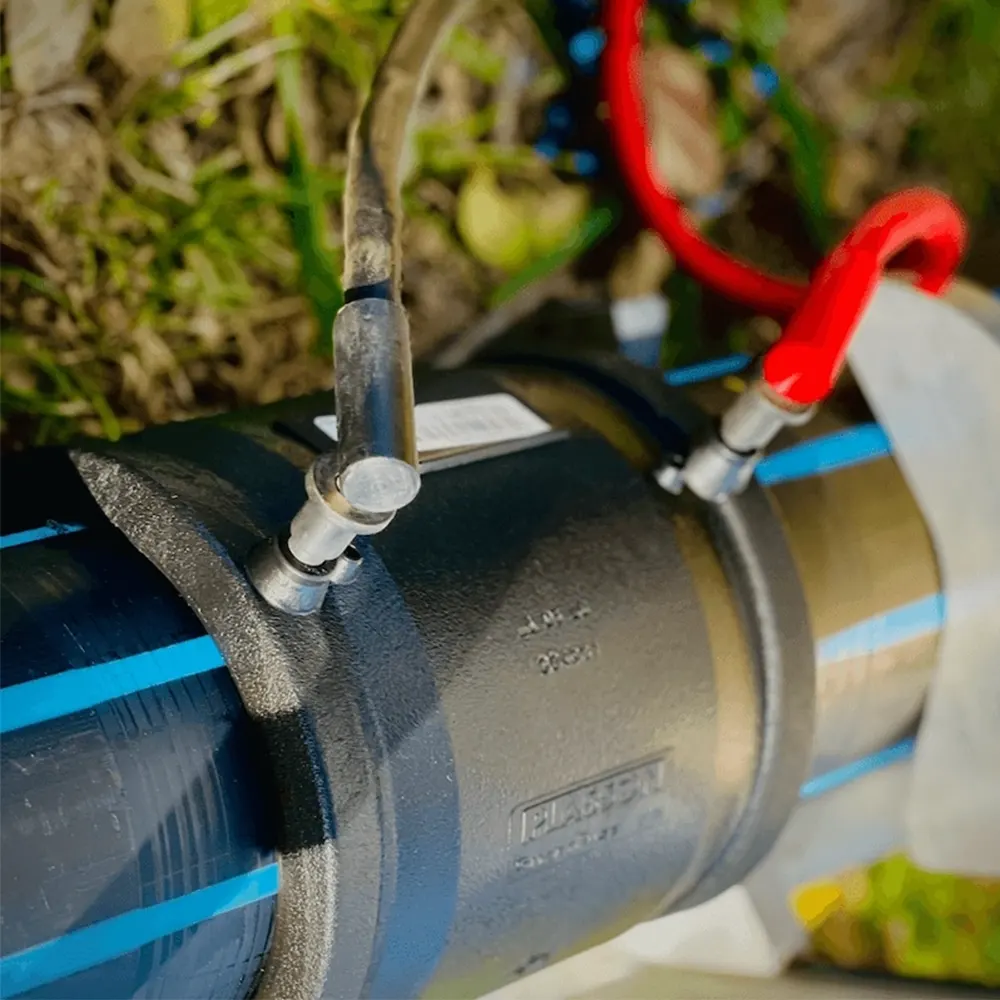
Understanding How Electrofusion Welding Works
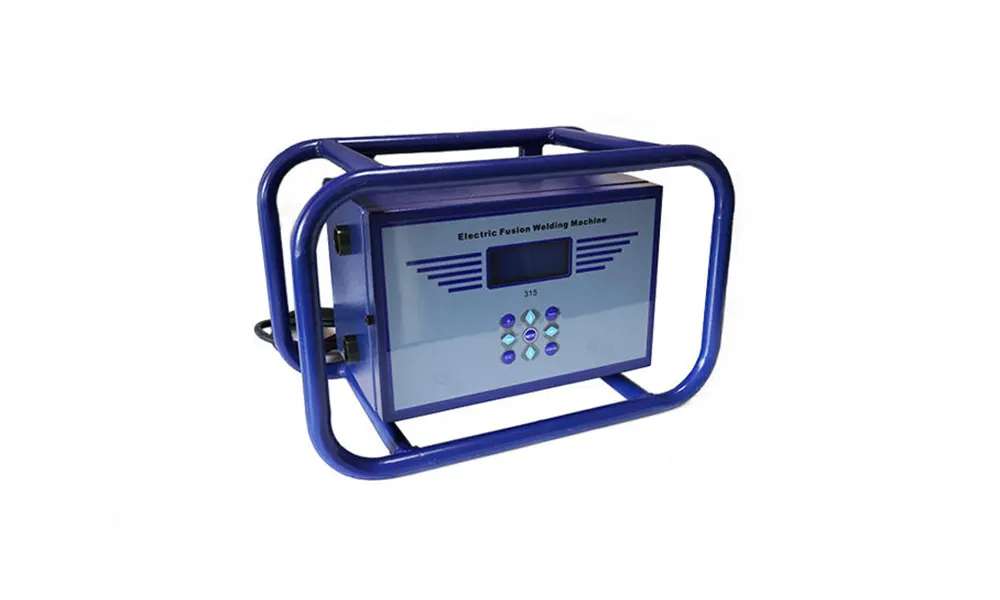
Electrofusion is a process that uses special fittings with embedded heating coils. When an electrofusion control unit passes electric current through these coils, the inner surface of the fitting and the outer surface of the pipe melt and fuse together under controlled parameters. The result is a homogeneous joint that is as strong as the pipe itself. This method is widely governed by the PE electrofusion equipment standard, ensuring global consistency in joint quality.
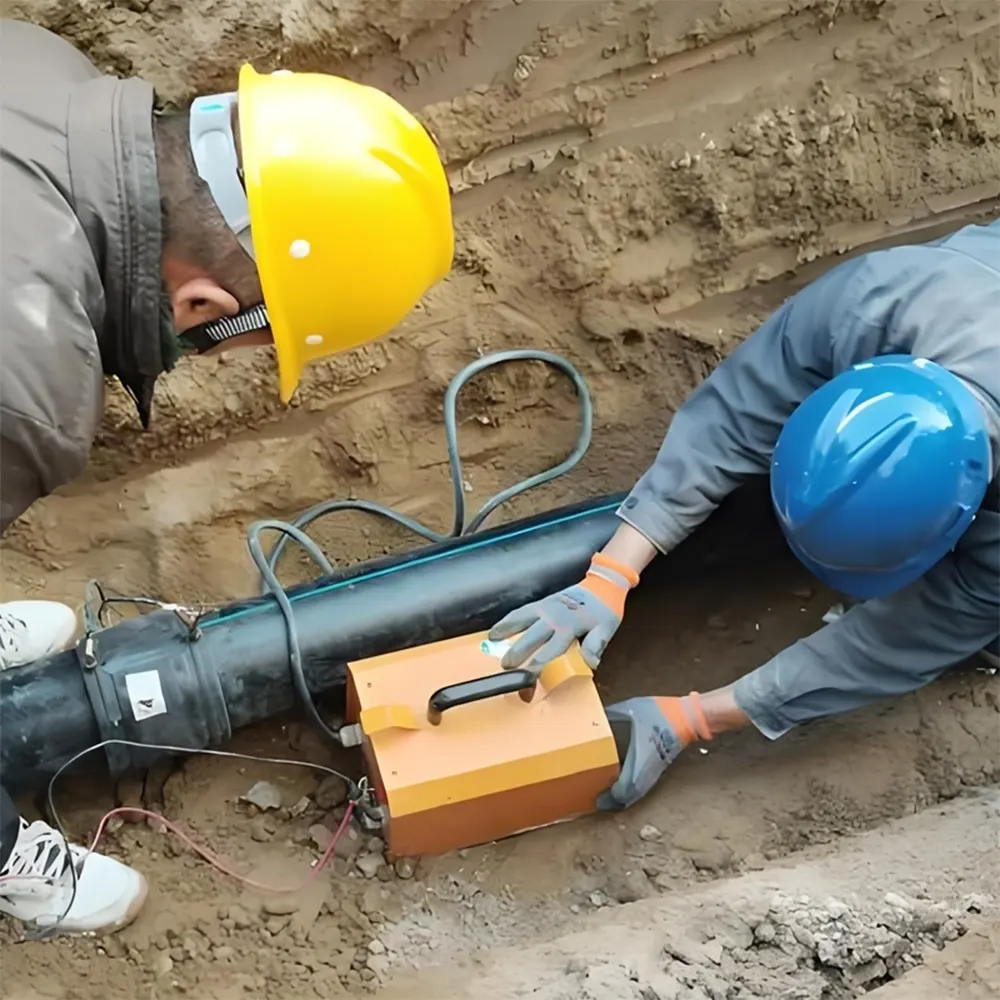
The technology is especially valuable for water pipeline applications where trench space is limited or where electrofusion welding equipment must operate in tight repair scenarios. Unlike butt fusion, electrofusion does not require large, heavy machinery to move pipe ends, making it ideal for confined workspaces and tie-in joints.
Key Factors to Consider When Choosing an Electrofusion Welder
Not all electrofusion machines are created equal. When selecting an electrofusion welder for water pipelines, project managers and technicians should evaluate several critical criteria to ensure compatibility with their specific operational demands.
1. Voltage Input and Output Range
Electrofusion control units typically support an input voltage ranging from 110V to 240V, while output voltage may vary up to 48V or higher depending on fitting requirements. A machine with wide input voltage compatibility ensures reliable operation across different job site power conditions, including generator supplies commonly used in remote water pipeline installations.
2. Fitting Diameter Capacity
The output current capacity of the machine determines the range of electrofusion fittings it can weld. A higher amperage rating allows welding of larger diameter fittings used in water transmission mains. Verify that the machine’s output matches the full spectrum of fittings your project will encounter, from small service connections (20mm) to large-diameter couplers (up to 1200mm or more).
3. Data Logging and Traceability
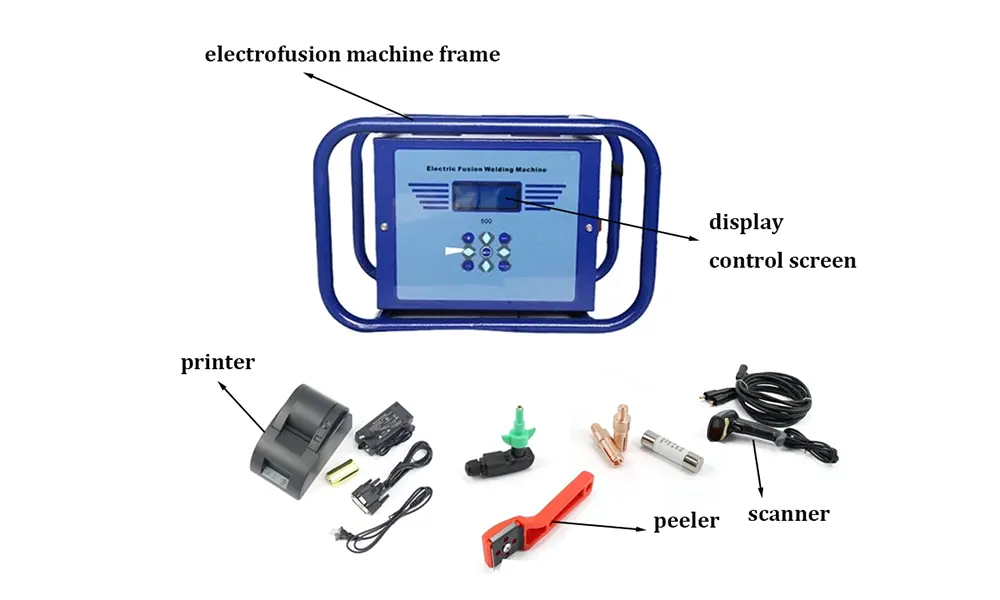
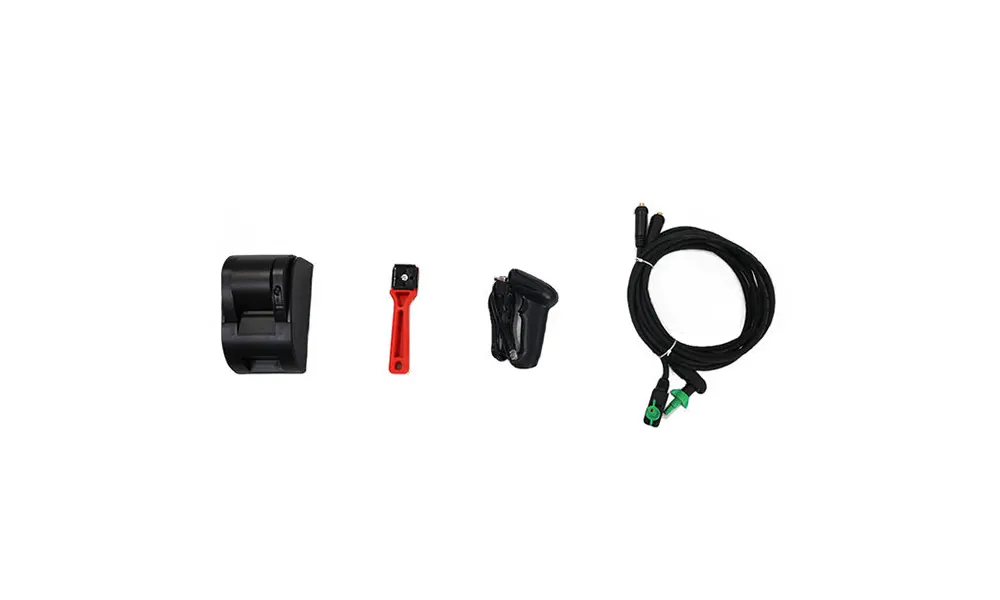
Modern water utility projects demand comprehensive documentation. Quality electrofusion welders store joint-specific data, including fusion time, voltage, current, ambient temperature, and operator identification. This aligns with PE fusion operator requirements and enables full traceability for regulatory compliance. Look for USB ports, Bluetooth connectivity, or barcode scanning capabilities that streamline data transfer and reporting.
4. Durability and Field Suitability
Water pipeline construction sites expose equipment to dust, moisture, and temperature extremes. A robust electrofusion welder should feature sealed casings, impact-resistant materials, and clear display screens that remain readable in direct sunlight. Portability considerations such as weight, carry handles, and frame designs also affect daily productivity on linear pipeline spreads.
Comparing Common Electrofusion Welder Specifications
| Feature | Basic Models | Advanced Models |
|---|---|---|
| Input Voltage | 110V or 220V single | 110V–240V auto-sensing |
| Data Logging | Manual recording or limited storage | USB export, barcode scanning, cloud-ready |
| Fitting Range | Up to 500mm diameter | Up to 1200mm diameter and beyond |
| Display Type | LED or basic LCD | Color touchscreen with real-time graphs |
| Protection Class | IP54 or lower | IP65 or higher |
Step-by-Step Guide to Using an Electrofusion Welder for Water Pipelines
Proper operating technique is just as important as selecting quality equipment. Following ASTM F1290 electrofusion guidelines and manufacturer instructions helps ensure every joint meets pressure and longevity requirements for potable water service.
- Prepare the pipe ends: Cut the pipe square and remove any oxidation layer using a proper scraping tool. The surface must be clean, dry, and free of contaminants before inserting the fitting.
- Align and secure the assembly: Insert the pipe into the electrofusion fitting to the correct depth. Use alignment clamps to hold the pipe and fitting in place, preventing movement during the welding cycle.
- Connect the welder cables: Attach the output leads securely to the fitting terminals. Verify that the connection is firm and polarity is correct if applicable.
- Scan or input fusion parameters: Many fittings include a barcode that the welder scans to automatically load the correct voltage, current, and time settings. Alternatively, input the parameters manually according to the fitting manufacturer’s specifications.
- Initiate and monitor the welding cycle: Start the fusion process and observe the display for any error messages. The machine will regulate energy delivery and terminate the cycle automatically.
- Allow full cooling time: Do not remove the clamps or apply stress to the joint until the specified cooling time has elapsed. Premature handling is a common cause of joint failure in water pipeline systems.
Common Mistakes to Avoid During Electrofusion Joining
Even with the right electrofusion welder for water pipelines, operator errors can compromise joint integrity. Awareness of the following pitfalls helps maintain high first-pass yield rates on water mains and service connections.
- Inadequate scraping: Failing to remove the oxidized layer from pipe surfaces prevents proper molecular bonding, even when the fitting reaches correct temperatures.
- Misalignment during cooling: Any relative movement between pipe and fitting while the melt solidifies creates stress concentrations that may lead to future leaks.
- Contaminated surfaces: Dirt, moisture, or grease on pipe ends or inside the fitting interfere with the fusion process. Always keep components clean and capped until assembly.
- Using incorrect fusion parameters: Relying on generic settings rather than fitting-specific barcode data can result in under- or over-heating, compromising joint strength.
Maintenance and Calibration for Long-Term Performance
An electrofusion welder is a precision instrument that requires periodic maintenance to deliver accurate energy output. Regular calibration against PPI electrofusion guide recommendations ensures the unit continues to weld within specified tolerances.
Key maintenance tasks include cleaning cable connectors to prevent resistance buildup, inspecting display screens and control interfaces for damage, and verifying software updates when applicable. Many water pipeline contractors schedule annual calibration services to maintain compliance with quality assurance programs and utility specifications.
Why Electrofusion Remains a Preferred Method for Water Infrastructure
Water utilities worldwide continue to specify electrofusion joining for buried PE pipelines because it delivers reproducible, verifiable results. The built-in data recording provides a digital audit trail that butt fusion does not inherently offer without add-on systems. Additionally, electrofusion fittings can join pipes of different wall thicknesses and grades, solving practical challenges in network extensions and repairs.
JQ-Fusion is a professional manufacturer specializing in HDPE pipe welding machines, and their range of electrofusion equipment reflects a commitment to durable construction and operator-friendly interfaces suitable for demanding water infrastructure environments. Their machines support a wide fitting range and incorporate the data logging features that modern water utilities require.
Selecting the right electrofusion welder for water pipelines involves balancing technical specifications, field durability, and data management capabilities against project requirements. By understanding the fusion process, adhering to proper joining procedures, and investing in quality equipment that meets international standards, contractors and utilities can build water networks that deliver safe, reliable service for generations.