
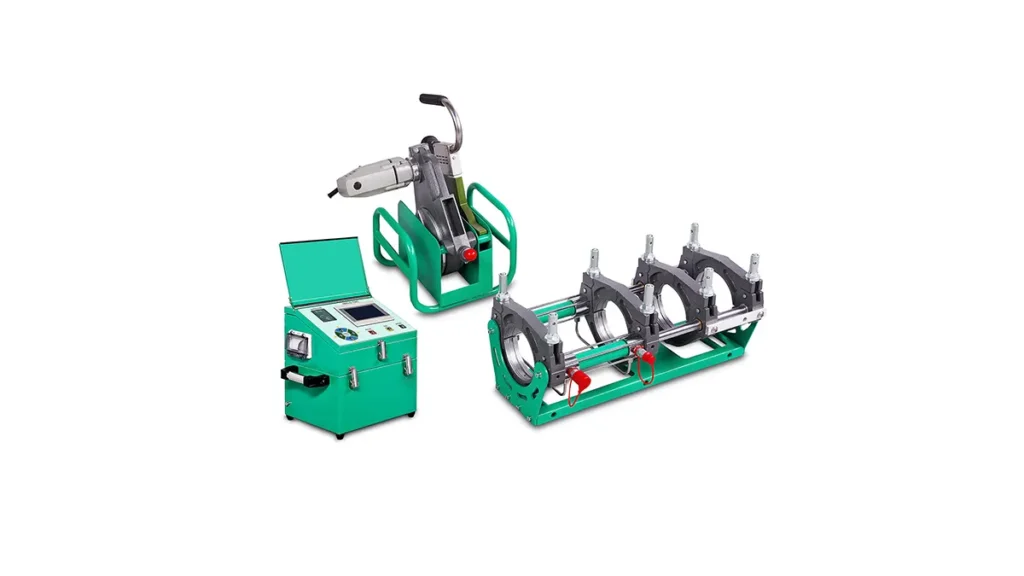
Selecting the right pipe welding machine for gas pipelines is a critical decision that directly impacts the safety, reliability, and lifespan of the entire fuel distribution network. Unlike water or industrial applications, gas infrastructure requires leak-proof joints capable of withstanding significant pressure variations and environmental stress. The most widely accepted method for joining polyethylene pipes in this sector is butt fusion welding, which creates a homogenous bond between pipe ends by heating them to a precise temperature and then applying controlled pressure. This guide explores the various machine types, essential features, and smart purchasing strategies to help you invest in equipment that ensures long-term performance and compliance with global safety standards.
Understanding the Role of Welding in Gas Pipeline Integrity
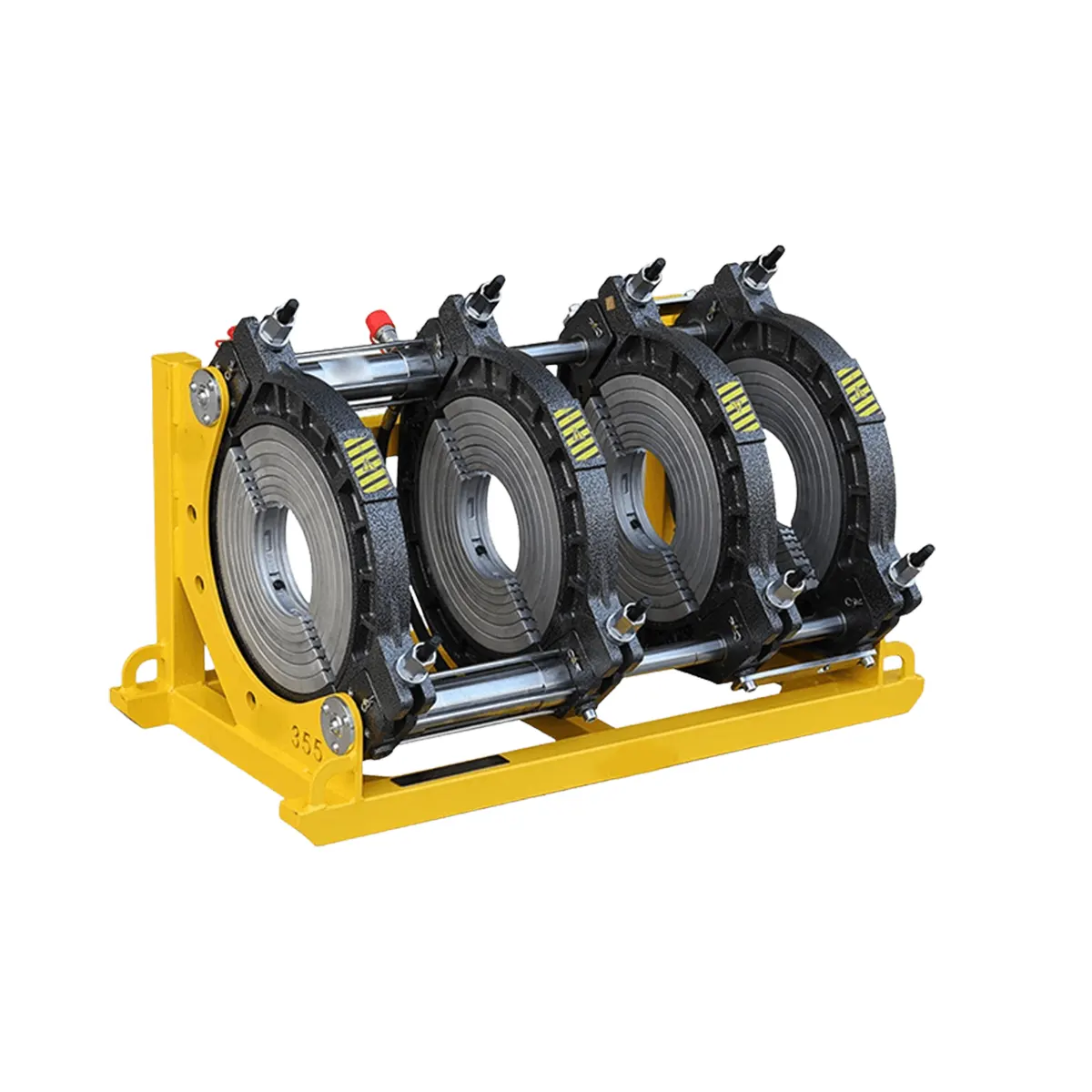
Gas distribution systems rely heavily on the integrity of every single joint. A poorly executed weld can lead to catastrophic leaks, posing significant safety hazards and economic losses. This is why gas utility companies and contractors favor hydraulic butt fusion machines that offer consistent clamping force and digital control over critical parameters. The process ensures that the molecular structure of the PE pipes is fused, resulting in a joint that is often stronger than the pipe itself. Modern welding machines are designed to meet rigorous PE gas piping systems specifications, ensuring traceability and quality assurance for high-pressure applications.
Key Standards Governing Gas Pipe Welding
Adherence to international standards is non-negotiable in gas pipeline construction. Organizations such as ISO and ASTM provide detailed procedures for equipment performance and operator qualification. Understanding these benchmarks is essential before selecting your machinery:
- ISO 21307: Defines proven ISO 21307 butt fusion procedures for PE pipes, widely adopted in global gas projects.
- ASTM F2620: Outlines the standard practice for heat fusion joining of PE pipe and fittings, emphasizing safety and reliability.
- ASTM D2513: Specifies requirements for thermoplastic gas pressure pipes, ensuring material compatibility with fuel gases.
Main Types of Pipe Welding Machines for Gas Pipelines
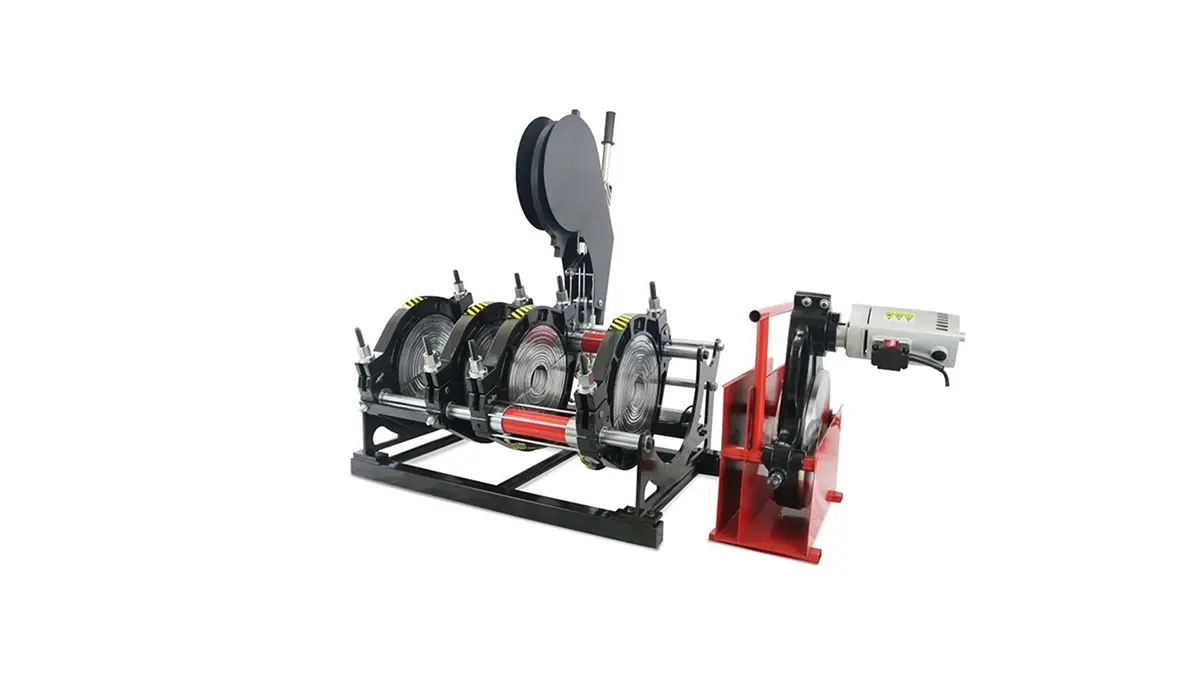
Choosing the appropriate pipe welding machine for gas pipelines depends largely on the pipe diameter, project scale, and required automation level. The three primary categories include manual, hydraulic, and automatic CNC machines, each serving distinct operational needs in the gas sector. While manual machines are portable and cost-effective for small-diameter service lines, high-volume distribution mains demand the precision and force of hydraulic systems. For projects requiring absolute repeatability and data logging, CNC automatic machines are the industry’s gold standard.
| Machine Type | Ideal Pipe Range | Best Application Scenario | Key Advantage |
|---|---|---|---|
| Manual Butt Fusion | 63mm – 315mm | Gas service lines, remote rural connections | Lightweight, cost-effective, no power required |
| Hydraulic Butt Fusion | 160mm – 2250mm | Gas distribution mains, large-diameter transmission | High force, reduced manual effort, consistent pressure |
| CNC Automatic Fusion | 160mm – 630mm | Critical gas networks demanding full traceability | Data logging, automated control, eliminates human error |
Essential Features to Look for in Gas Pipe Welding Equipment
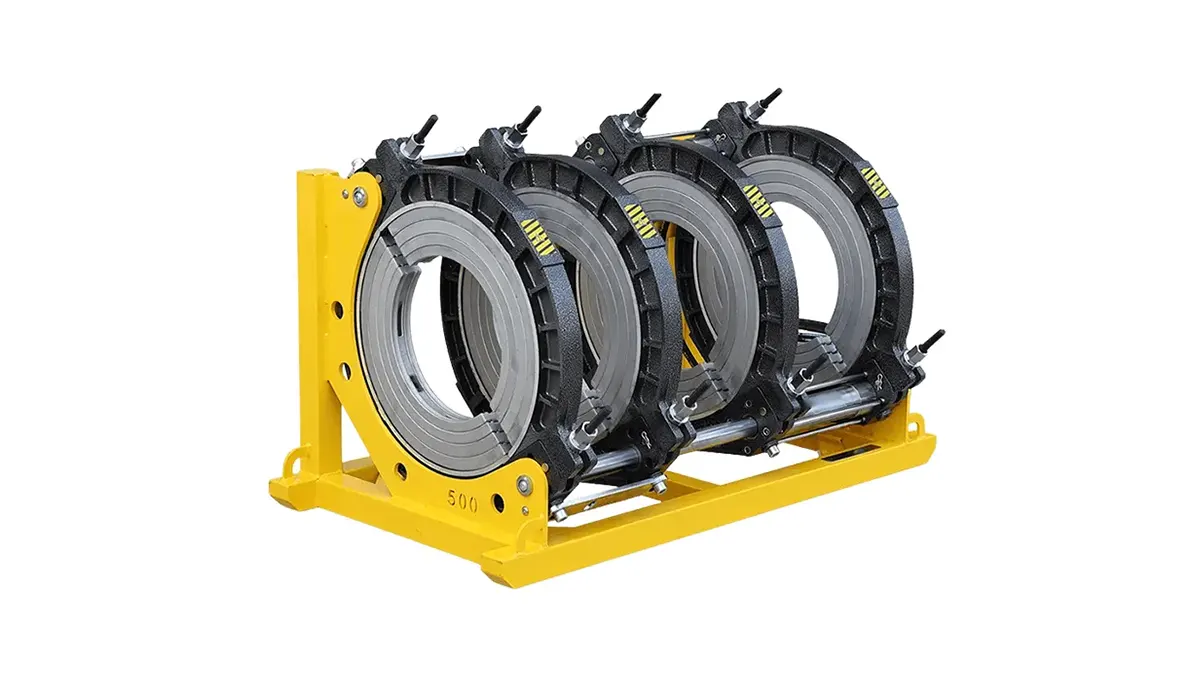
Investing in a high-quality pipe welding machine for gas pipelines means looking beyond the initial purchase price. You need to evaluate the engineering features that directly influence joint quality and operator safety. The heating plate must maintain uniform temperature across its entire surface to prevent cold spots. The facing tool, or trimmer, should produce clean, parallel pipe ends without contamination. For hydraulic models, the system must deliver steady, controlled pressure regardless of environmental temperature changes. Below are the critical components that separate reliable gas welding equipment from substandard alternatives.
Critical Hardware Components
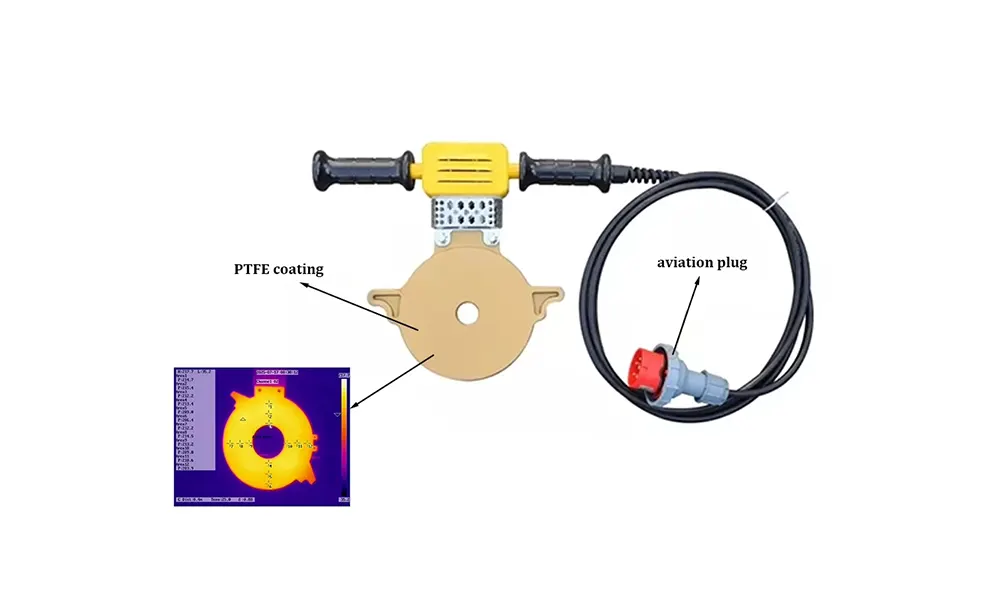
- Precision Heating Plate: Non-stick PTFE coating with digital temperature regulation for consistent heat distribution.
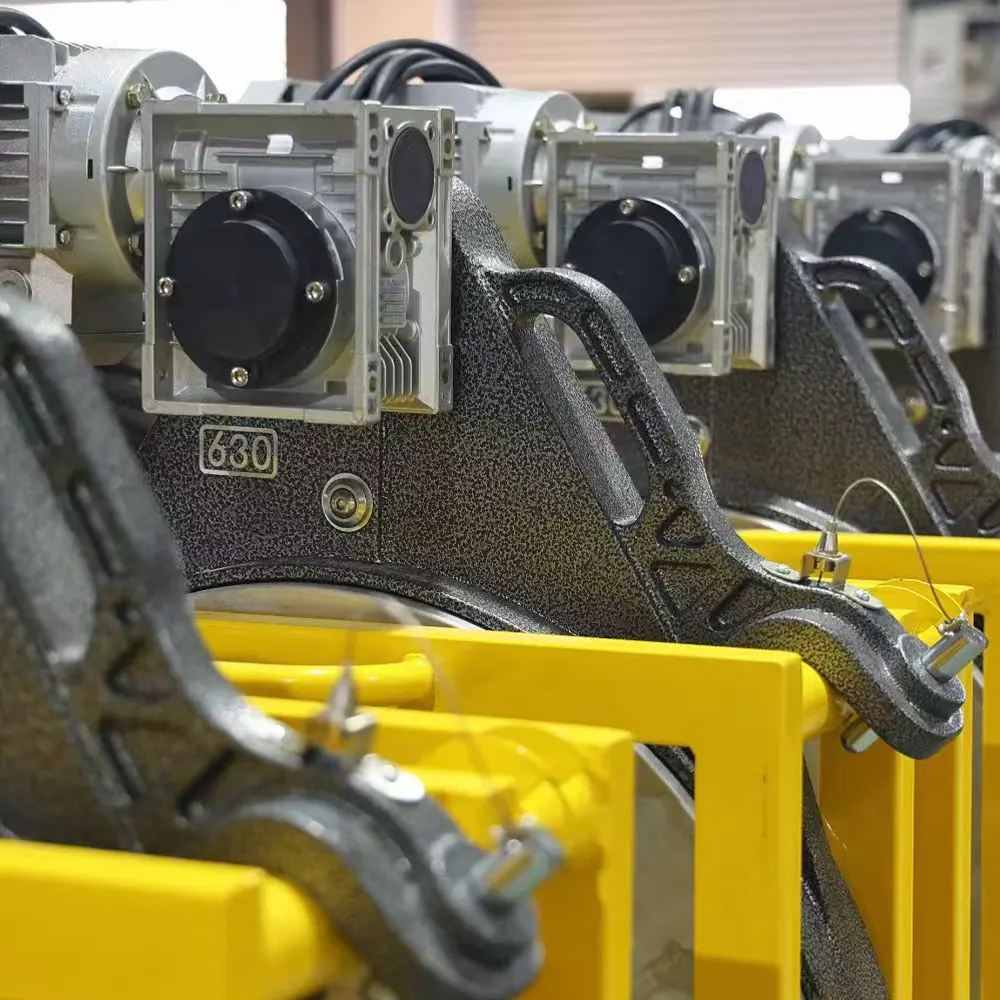
- Hydraulic Power Unit: Delivers exact fusion pressure, critical for large-diameter gas pipelines to prevent joint dislocation.
- Robust Clamps and Inserts: Prevent pipe slippage and ensure perfect axial alignment during the cooling phase.
- Electric Trimmer: Ensures oxide-free, perfectly flat surfaces necessary for a molecular bond in gas applications.
Data Logging and Traceability for Gas Networks
Modern gas utilities demand proof that every weld was executed according to the certified procedure. This is where automatic data logging becomes indispensable. A pipe welding machine for gas pipelines equipped with a data logger records real-time parameters such as heating time, soak pressure, and cooling cycle duration. This data can be transferred via USB and printed out as a formal report, providing a permanent joint record. This traceability is often a mandatory requirement under PE fusion traceability protocols and ensures confidence for decades of pipeline operation.
Comprehensive Buying Guide for Gas Pipeline Contractors
Procuring the right equipment requires a systematic evaluation of your project’s technical demands and the equipment’s compliance credentials. Start by verifying that the machine meets PE butt fusion equipment standard requirements. Check the clamp range to ensure it accommodates the SDR ratings of the gas pipes you will install. For large-scale metro gas projects, prioritize machines that offer quick-change inserts and a rugged frame capable of withstanding harsh outdoor conditions. Don’t overlook the availability of spare parts and the proximity of service support, as downtime on a gas project translates directly into budget overruns.
Supplier expertise matters significantly when purchasing specialized gas pipeline tools. Manufacturers like JQ-Fusion provide tailored solutions ranging from standard hydraulic rigs to custom-built automatic machines designed specifically for the rigorous demands of gas distribution. Whether you need a manual machine for small-scale repair work or a fully automatic system for long-distance transmission lines, assessing the build quality of the heating plate, the reliability of the hydraulic motor, and the clarity of the control interface will determine your long-term return on investment.
Quick Purchasing Checklist
- ✔ Verify ISO 21307 and ASTM F2620 compliance for gas use.
- ✔ Confirm the actual wall thickness and diameter capacity match your project specs.
- ✔ Inspect the heating plate for even temperature distribution.
- ✔ Ensure the hydraulic system provides stable, calibrated pressure.
- ✔ Check for data logging capabilities if traceable welds are required.
Operator Safety and Maintenance Best Practices
Operating a pipe welding machine for gas pipelines demands strict adherence to safety protocols due to the volatile nature of fuel gases. Always ensure the work area is well-ventilated and free from potential ignition sources. The heating plate reaches temperatures exceeding 220°C, requiring operators to wear heat-resistant gloves and protective eyewear. Regular maintenance is equally vital. The PTFE coating on the heating plate must be checked for damage before every shift, as exposed metal can contaminate the pipe surface. Hydraulic hoses and couplings should be inspected for leaks, and the trimmer blades must be kept sharp to guarantee clean, square pipe ends essential for gas-tight joints.



