
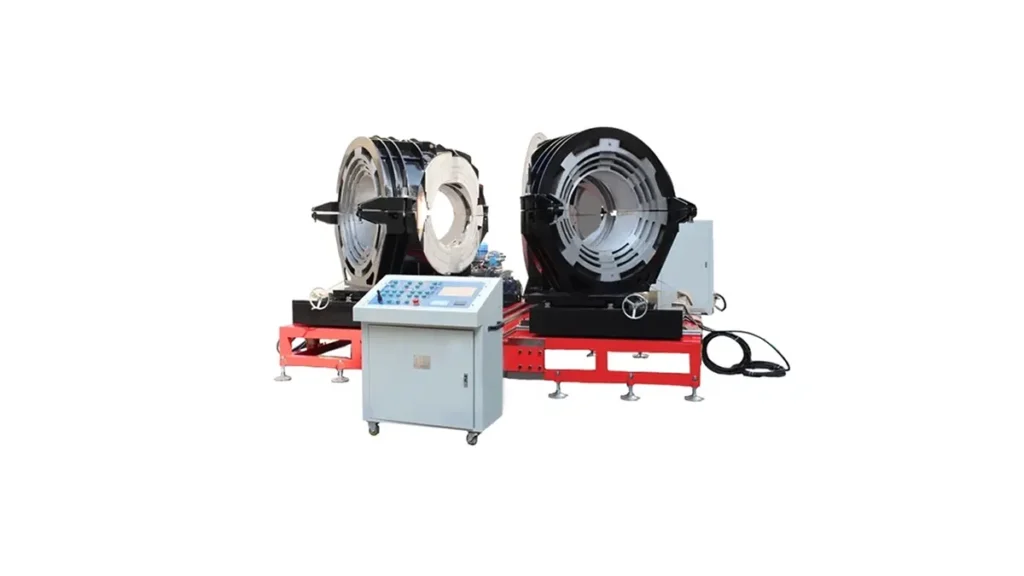
Understanding the HDPE pipe welding equipment price requires a detailed look into the engineering, materials, and standards behind these essential machines. Whether you are a contractor planning a municipal water project or managing gas distribution networks, the cost of a butt fusion welding machine can vary dramatically. The investment is not just about the initial purchase; it reflects long-term reliability and weld integrity. Let’s break down the primary factors that affect cost.
Machine Type and Automation Level
The most significant cost driver is the type of equipment. The market generally splits into three categories, each with distinct price brackets based on their operational complexity and labor requirements.
| Machine Type | Typical Price Range | Best Application |
|---|---|---|
| Manual | $ (Lowest) | Small diameters, occasional repairs |
| Hydraulic | $$ (Mid-Range) | Medium to large pipes, standard construction |
| CNC Automatic | $$$ (Premium) | Critical infrastructure, data-logging required |
A manual butt fusion machine typically costs the least because it relies heavily on operator skill to manage the HDPE butt fusion parameters. In contrast, a CNC automatic butt fusion welding machine commands a premium price thanks to its programmed data logging and automated pressure control, which removes human error.
Pipe Diameter Capacity and Clamping Force
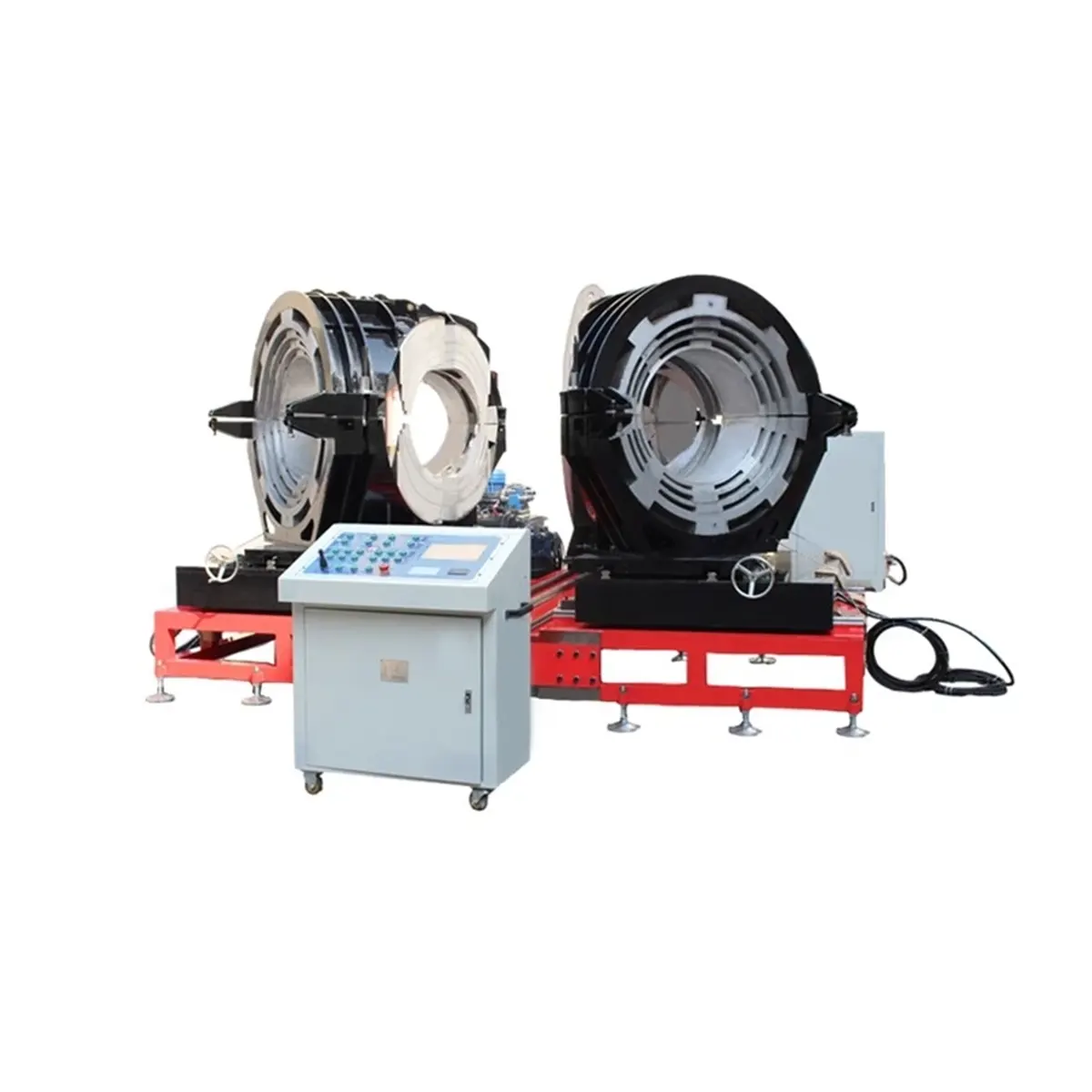
The physical size of the machine directly correlates with its price. A machine capable of welding a 63mm pipe cannot be compared to one handling a 2000mm pipe. The HDPE pipe welding equipment price increases with the diameter range because of the reinforced structural frame and advanced hydraulics needed to generate sufficient clamping force.
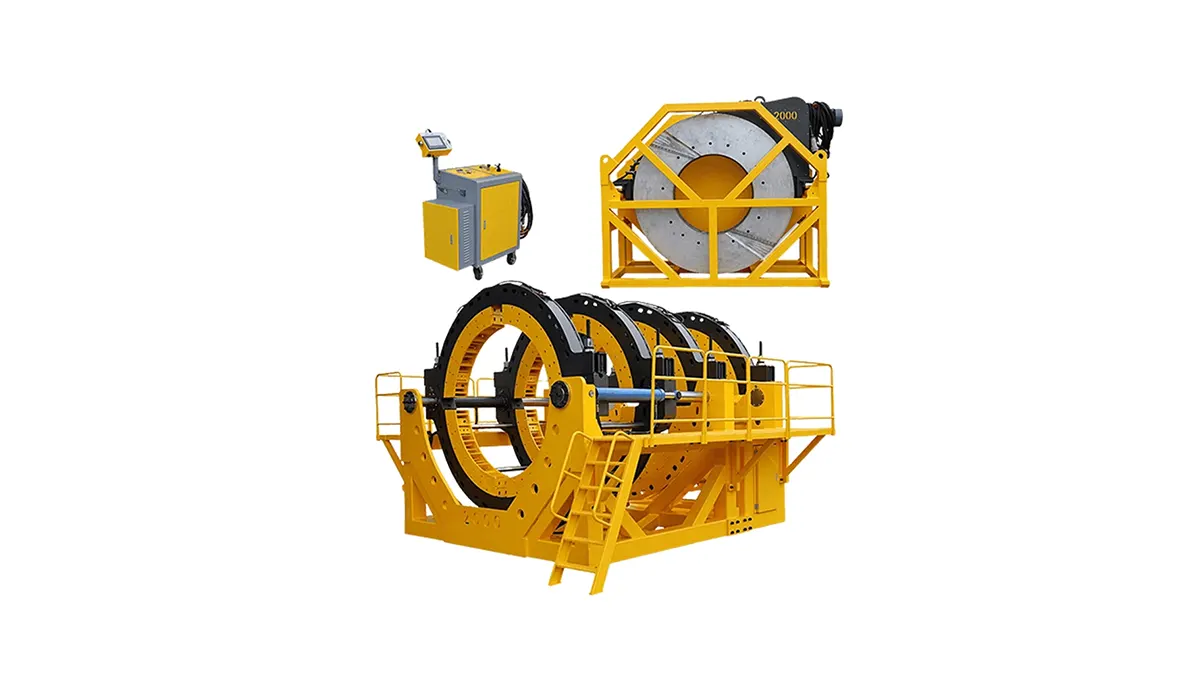
High-capacity machines require thicker steel frames and more robust hydraulic cylinders. For larger diameters, the cost of the heating plate also rises due to the need for uniform heat distribution across a wider surface area. If you are looking into large-scale mining or water supply projects, you must budget for heavy-duty structural designs.
Hydraulic Station Configurations
Not all hydraulic systems are equal. Some machines come with a separate, detachable hydraulic station, while others integrate the pump. A separate, high-efficiency hydraulic unit often adds to the total cost but significantly improves the duty cycle for continuous welding on sites.
Heating Plate Technology and Temperature Accuracy
The heating plate is the heart of the HDPE pipe welding equipment. The cost factor here hinges on temperature control precision. Basic Teflon-coated plates are standard, but premium machines use duplex digital controllers and even non-stick coatings with embedded sensors. Accurate temperature maintenance according to ISO 21307 butt fusion procedures is non-negotiable for passing weld integrity tests.
- Standard Plates: Single-zone analog control. Lower cost, suitable for non-critical applications.
- Digital Plates: Dual-zone digital display with real-time feedback. Adds to the price but ensures compliance with PE butt fusion equipment standard.
- Coating Quality: Premium non-stick surfaces that prevent polymer degradation can increase the unit price.
Frame Construction and Material Quality
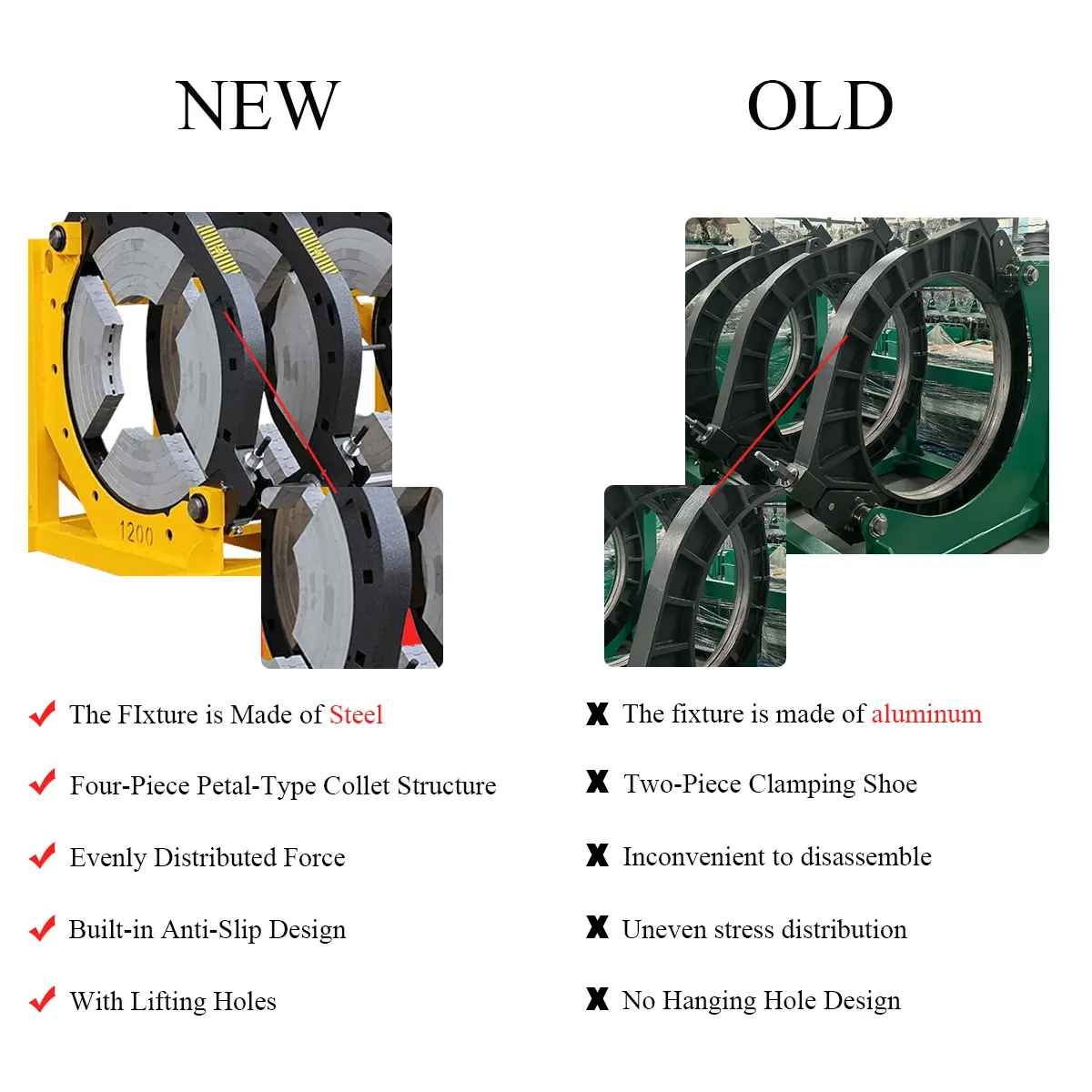
The price of a welding machine often reflects its steel quality and structural integrity. A rigid frame prevents misalignment during the fusion cycle. Lightweight, portable machines are great for small jobs, but the true cost metric for professionals is the machine’s weight-to-rigidity ratio.
Aluminum clamps are generally lighter and cheaper but require extra care on rough terrain. Steel or forged components ramp up the HDPE pipe welding equipment price due to material costs, but they offer unmatched longevity. As a manufacturer, JQ-Fusion prioritizes rigid structural designs to maintain alignment even in harsh field conditions.
Compliance with International Standards
Certification adds a layer to the cost structure. Machines designed and tested to meet strict criteria like ASTM F2620 heat fusion or ISO 12176 typically cost more. The engineering to meet these tolerances—specifically regarding PPI butt fusion procedure guidelines—requires precision machining. When you pay for these, you are essentially paying for the guarantee that your welds pass hydrostatic pressure tests and PE pipe hydrostatic leak testing.
Traceability and Data Logging
Modern infrastructure projects often require traceability codes per PE fusion traceability standards. Automatic machines with integrated printers and USB ports that record every joint’s parameters (pressure, time, temperature) naturally carry a higher price tag than basic non-recording models.
Accessories and Tooling Included
Be careful when comparing base prices. The initial quote might not include essential accessories that significantly affect usability.
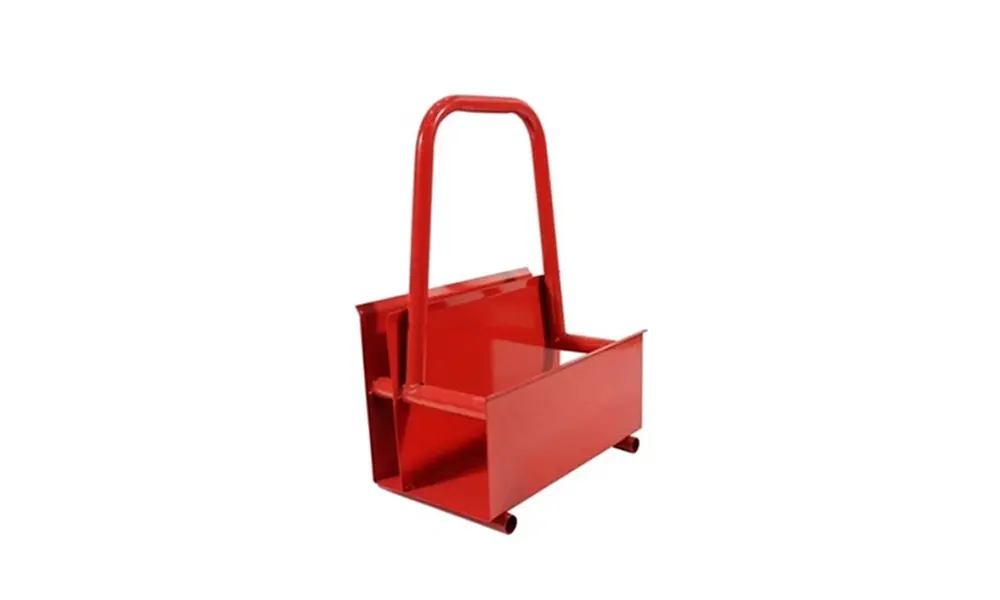
- Trimmer: A high-quality, auto-locking trimmer for facing pipe ends is a major factor in price variation.
- Inserts/Reducers: The number of clamp inserts provided for different SDR ratings changes the overall value proposition.
- Spare Parts Kits: Machines sold with genuine heater elements and seal kits offer better long-term value.
Production Volume and Customization
Economies of scale affect the HDPE pipe welding equipment price. A standard stock model like a JQH315mm Hydraulic Welding Machine is often priced more aggressively than a multi-angle pipe fitting machine with highly specialized custom jigs. The more customized the solution, the higher the engineering cost reflected in the final bill. Whether you need specific color branding or unique voltage requirements, tailored OEM/ODM services add to the manufacturing cost but ensure compatibility with your workflow.
After-Sales Support and Warranty
Hidden costs often arise from downtime. A low initial price might not cover technical support, operator training, or fast spare parts delivery. A comprehensive warranty and global support network often justify a slightly higher upfront cost. Reliable guidance saves projects from premature machine failure. We understand that timely delivery and expert guidance are critical, and this after-sales infrastructure is part of the equipment’s lifecycle value.
Evaluating Total Cost of Ownership
When budgeting, look beyond the sticker price. A machine compliant with PE pipe fusion standards and built with durable materials maintains calibration longer, reducing ongoing maintenance costs.
- Operational Efficiency: Faster cycling machines reduce labor costs per joint.
- Durability: High-quality clamps and heaters outlast cheaper alternatives, lowering the HDPE pipe welding equipment price per weld over time.
- Resale Value: Branded, certified equipment holds value better than generic unbranded units.
Ultimately, the factors that affect cost are a balance between immediate capital expenditure and long-term operational reliability. Whether you need a simple manual kit or an advanced CNC system, understanding these variables ensures you allocate your budget for maximum return on investment.
Need a Specific Quote?
Our sales service is available around the clock. For detailed pricing on specific models covering diameters from 63mm to 2250mm, contact us at info@jq-plasticpipe.com or call +86 15093385787. We help your projects run smoothly with fast delivery and global support from Zhengzhou, Henan, China.



