Selecting the right equipment for joining high-density polyethylene pipes is a critical decision that impacts project timelines, joint integrity, and long-term system performance. Whether you are a contractor working on municipal water systems or a team handling industrial gas distribution, understanding how to choose an HDPE welder ensures you invest in a machine that matches your operational demands and complies with international standards.
Understanding Your Pipe Welding Requirements
Before comparing technical specifications, you must define the scope of your work. The diameter range you encounter daily is the single most important factor in how to choose an HDPE welder. A machine designed for 200mm pipes cannot handle 800mm infrastructure projects, and oversized equipment becomes inefficient on small-diameter jobs. Evaluate your typical pipe size, wall thickness, and the material grade—most commonly PE80 or PE100—to narrow down compatible machine categories.
Project environment also matters. Confined trench work demands portability, while factory fabrication benefits from stationary, automated systems. Additionally, consider the frequency of use. Daily heavy-duty welding requires robust hydraulic systems, whereas occasional repairs might be satisfied by a manual setup.
Types of HDPE Welding Machines Explained
To make an informed choice, you need to understand the primary categories of fusion equipment available. Each type serves distinct applications and offers different levels of precision and efficiency.
Manual Butt Fusion Machines
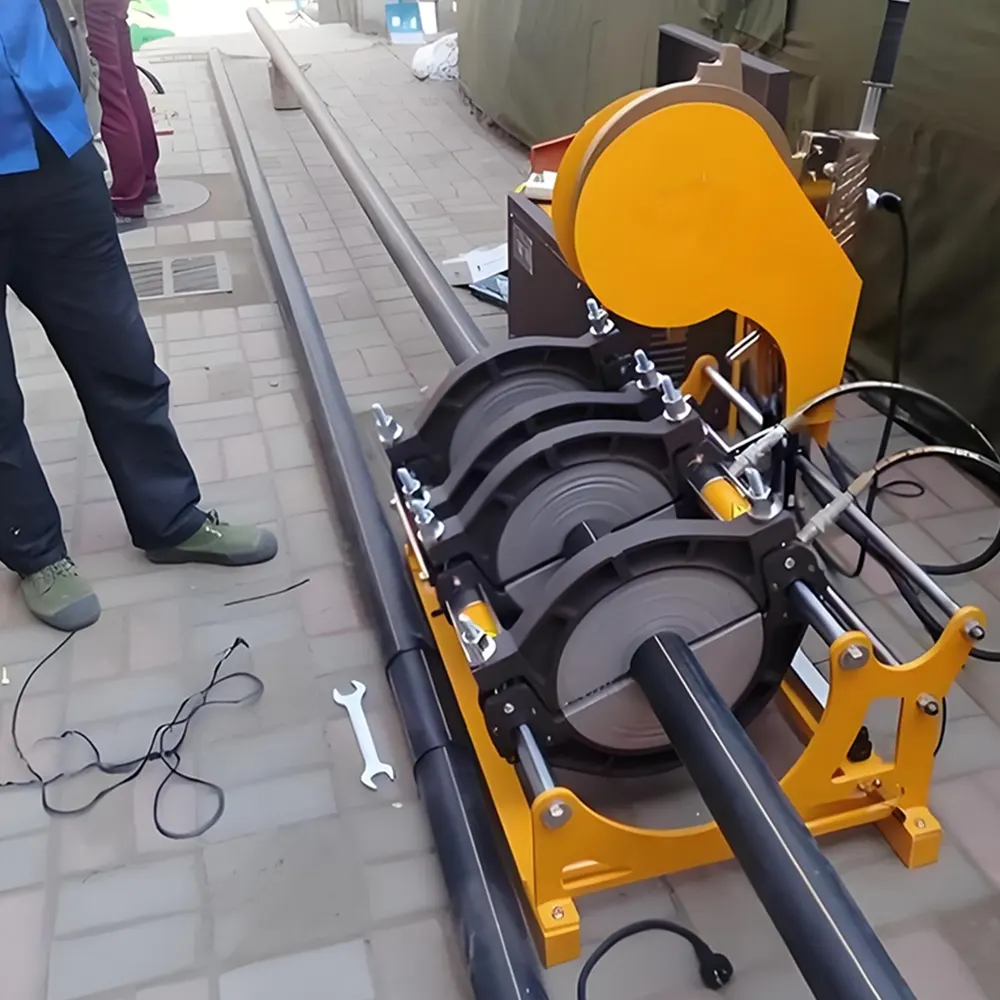
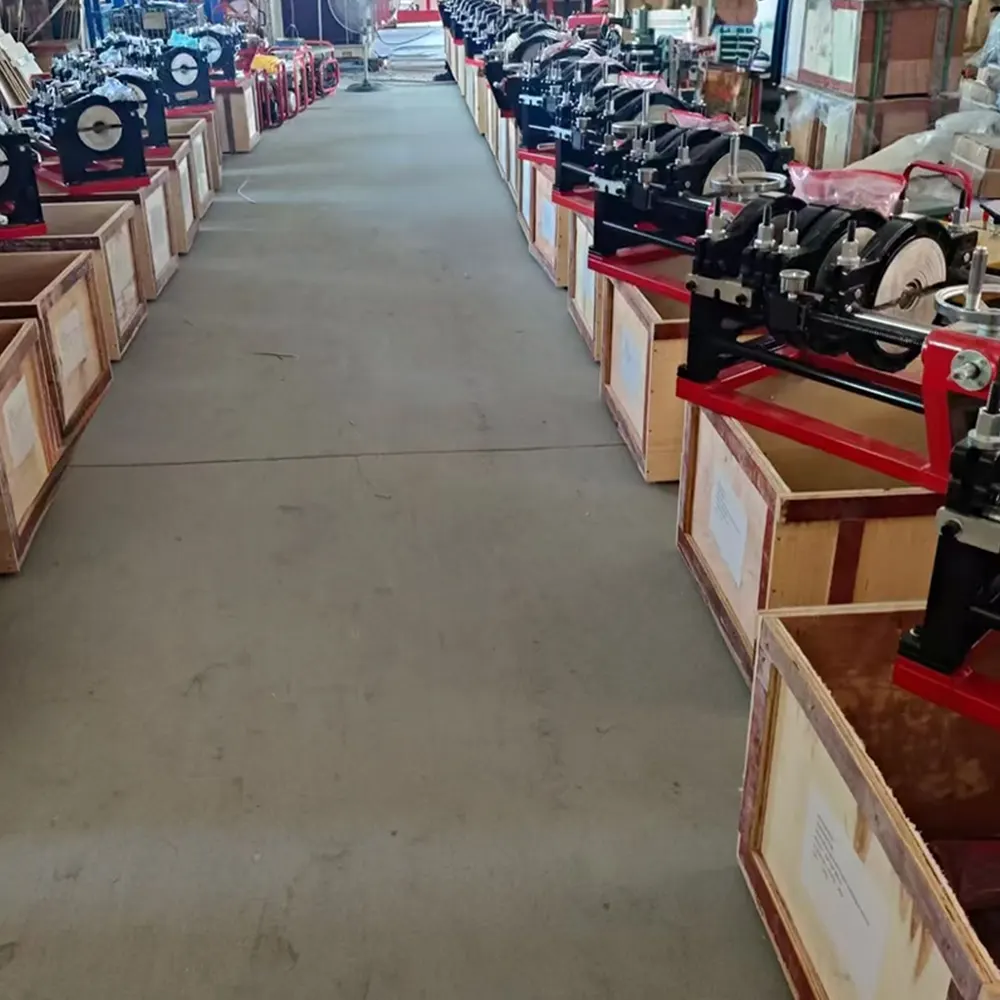
These are operated by hand levers to control carriage movement and pressure. They are lightweight, cost-effective, and ideal for small diameters—typically below 315mm. If your work involves on-site service connections or rural piping where power access is limited, how to choose an HDPE welder often starts with evaluating a manual butt fusion welding machine for its simplicity and low maintenance requirements. However, they rely heavily on operator skill to achieve consistent ISO 21307 butt fusion procedures.
Hydraulic Butt Fusion Machines
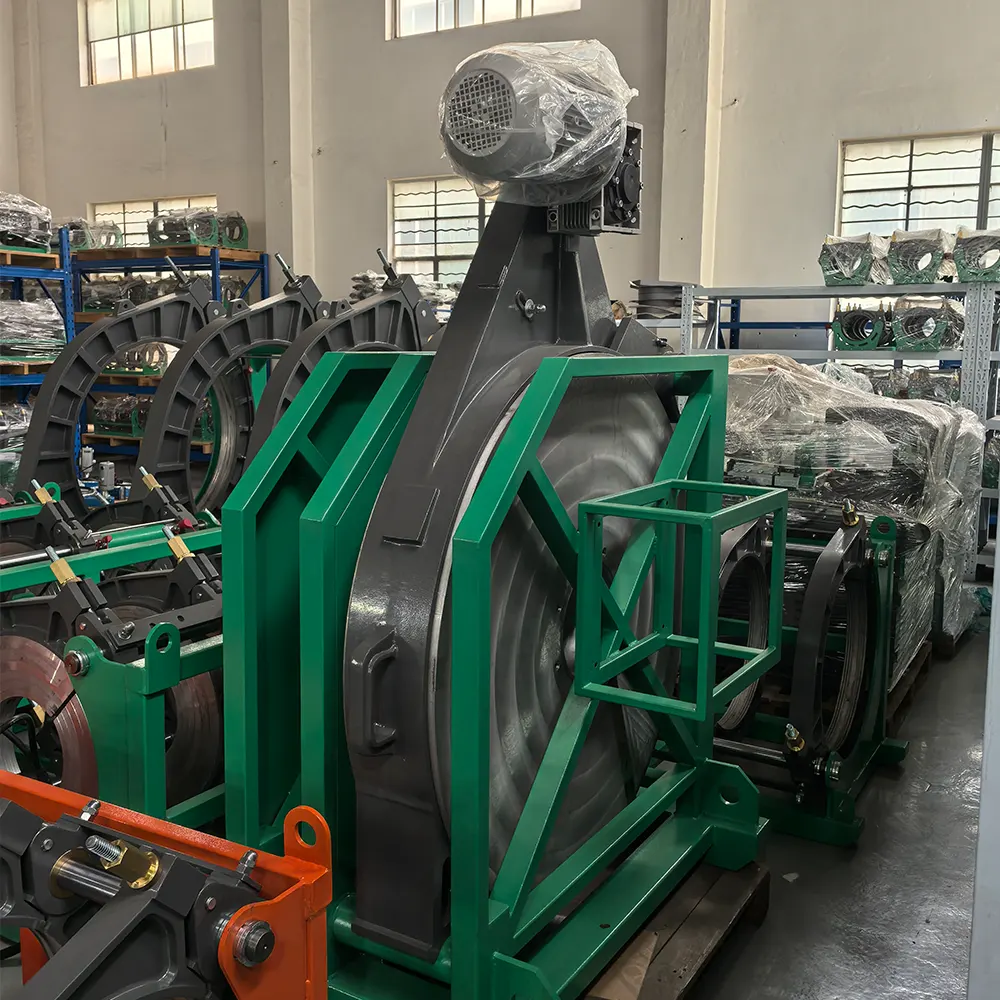
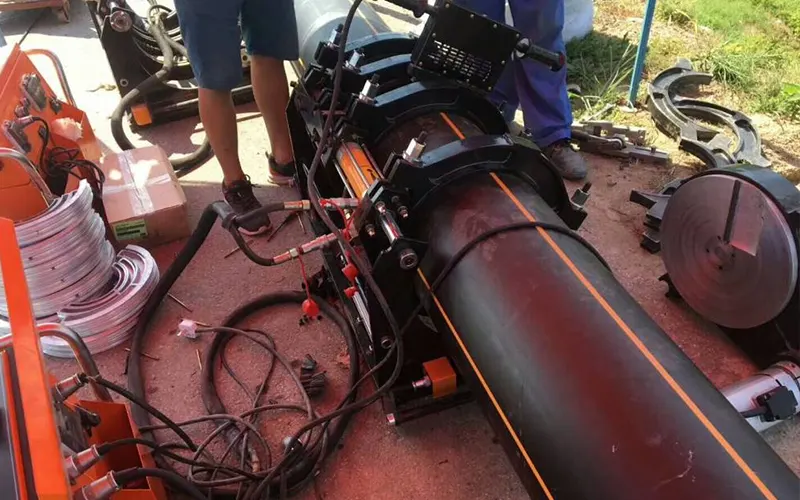
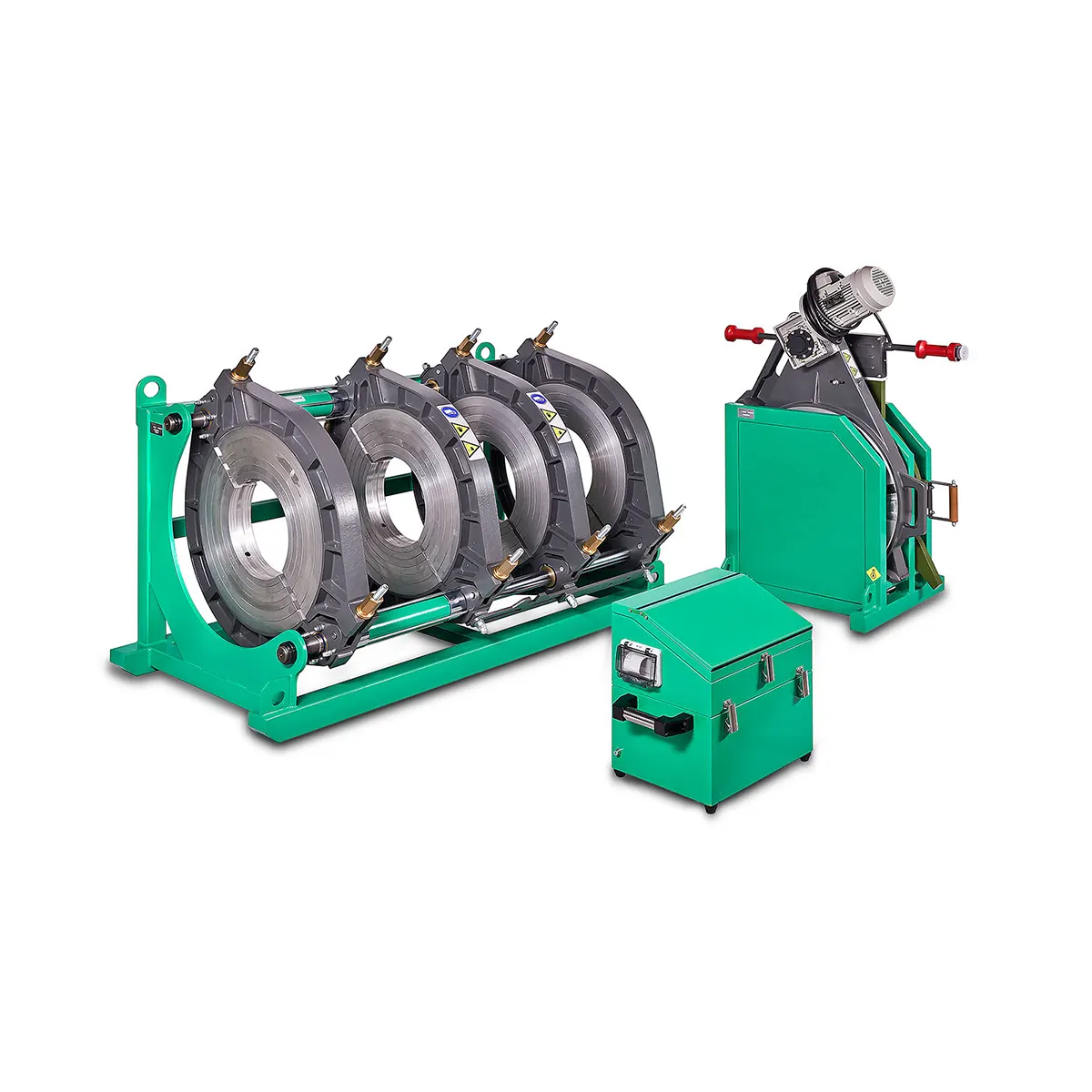
Powered by a hydraulic power pack, these machines provide precise, controlled force essential for larger diameters, often ranging from 200mm to over 2000mm. They feature removable clamps, an electric planer, and a heating plate with digital temperature control. For gas and water distribution networks where joint integrity is non-negotiable, a hydraulic butt fusion machine is indispensable. The hydraulic system ensures uniform pressure, reducing the risk of cold joints or misalignment, and it aligns perfectly with ASTM F2620 heat fusion guidelines.
CNC Automatic Butt Fusion Machines
Automated systems remove operator variability by electronically controlling the complete fusion cycle. You input pipe parameters, and the machine calculates and executes the heating, soaking, and cooling phases. These are particularly valuable for contractors who need to document every weld according to PE fusion operator requirements. A CNC automatic butt fusion welding machine generates digital records for quality assurance, a feature demanded by many modern infrastructure tenders. They are best suited for repetitive, high-volume work where consistency and traceability are paramount.
Electrofusion Machines
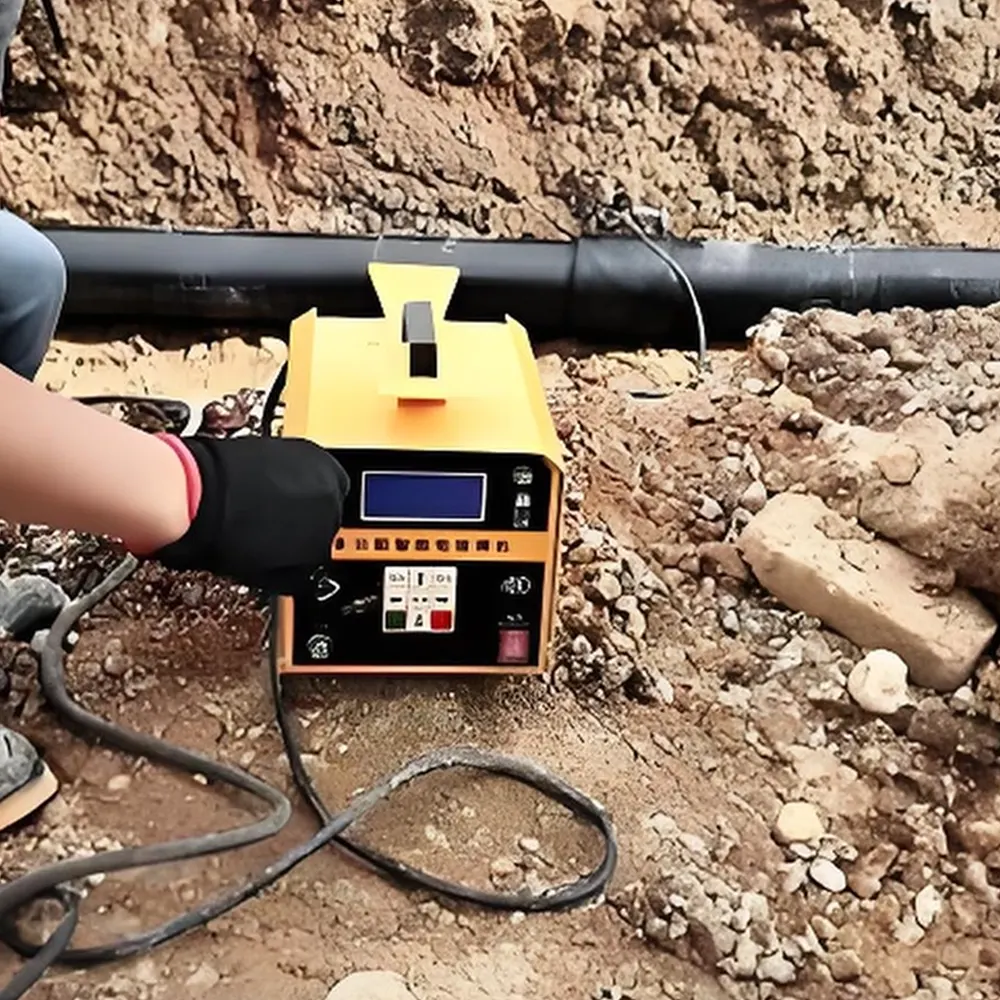
Electrofusion uses specialized fittings with embedded heating coils. The machine sends a controlled electrical current to melt the fitting and pipe together. This method is excellent for tight spaces, repair clamps, or connecting to prefabricated components. An electrofusion processor reads barcodes or manually set parameters to manage the process. It is a complementary technology to butt fusion, not a replacement, and having access to both broadens your operational capability.
Key Features to Evaluate
Once you identify the machine type, compare these critical components to ensure reliable performance:
- Heating Plate Design: The plate must have uniform surface temperature distribution with anti-stick PTFE coating. Digital controllers are far superior to analog thermostats for meeting PE butt fusion equipment standard specifications.
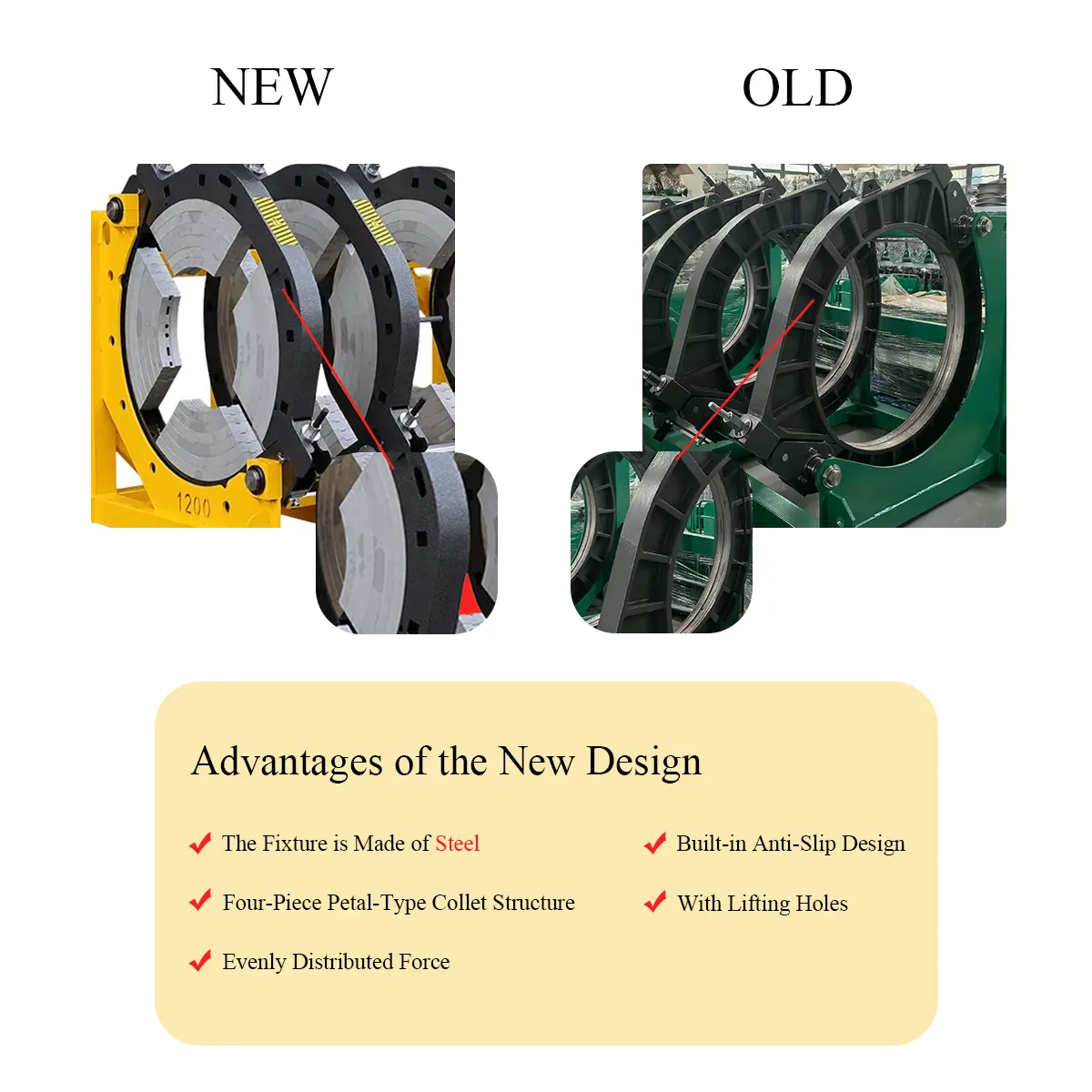
- Clamp and Frame Alignment: Rigid, high-strength aluminum or steel frames minimize deflection. Look for adjustable clamps that can accommodate various wall thicknesses without causing pipe ovality.
- Facer/Planer Quality: A dual-sided planer with sharp, durable blades ensures clean, parallel pipe ends. Inconsistent facing leads to poor fusion and potential leaks.
- Hydraulic Power Unit: For hydraulic models, check the pressure gauge readability and smooth operation. The unit must maintain steady pressure throughout the cycle.
- Data Logging Capability: Increasingly required for compliance, this feature records temperature, pressure, and time data for each joint, helping you adhere to PE fusion traceability protocols.
Comparison of Common Machine Types
| Machine Type | Typical Diameter Range | Power Source | Best Application |
|---|---|---|---|
| Manual | 50mm – 315mm | Manual Lever | Small repairs, rural plumbing |
| Hydraulic | 200mm – 2250mm | Hydraulic Power Pack | Municipal water, gas mains |
| CNC Automatic | 160mm – 630mm | Electric/Hydraulic | Prefabrication, QA projects |
| Electrofusion | 20mm – 1200mm | Generator/Mains | Repairs, tight excavations |
Matching the Machine to Your Project
For contractors focused on municipal potable water, a hydraulic machine ranging from 315mm to 800mm often covers the majority of distribution networks. These should include data logging to meet PPI technical guidance and water authority specifications. In industrial mining applications, a robust hydraulic machine with heavy-duty clamps and high ambient temperature tolerance is essential, as these pipelines often run above ground and demand absolute reliability under harsh conditions.
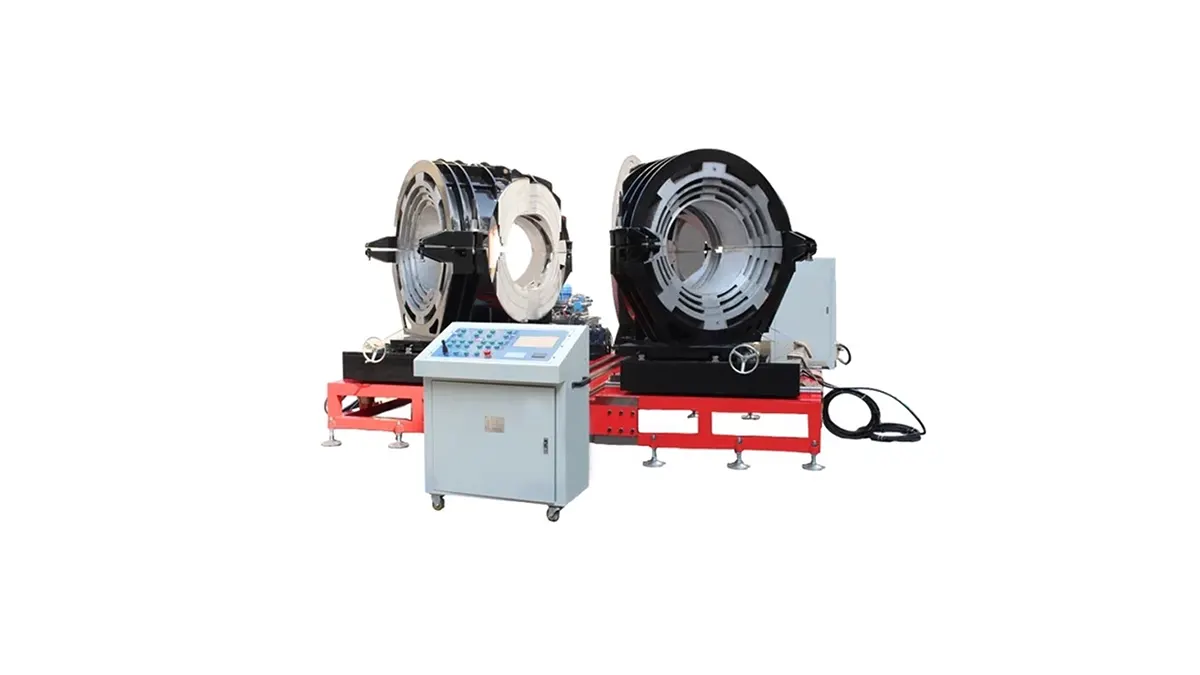
If you handle multi-angle fittings—such as elbows, tees, or Y-branches—a specialized multi-angle fitting welding machine becomes necessary, allowing segments to be joined at precise angles from 0 to 90 degrees, which is otherwise impossible with standard linear butt fusion carriages.
Evaluating Manufacturer Support and Quality
When learning how to choose an HDPE welder, the supplier’s reputation is as important as the machine’s specs. Look for manufacturers who maintain substantial inventory, offer OEM/ODM customization, and provide comprehensive after-sales support. JQ-Fusion, for instance, specializes in the development and production of manual, hydraulic, and CNC automatic butt fusion welding machines, each unit undergoing strict temperature accuracy and clamp alignment testing before shipment. This level of quality control ensures you receive a machine that performs consistently from the first weld to the thousandth.
Checklist Before Your Purchase
- Confirm your maximum and minimum pipe diameters, including SDR ratings.
- Decide between on-site portability and workshop-based stationary use.
- Verify power availability—single-phase, three-phase, or generator supply.
- Check if the machine’s data logging complies with current project specifications and third-party inspection requirements.
- Request a demonstration or sample weld documentation to validate ease of use.
- Review spare parts availability and typical lead times from the manufacturer.
- Evaluate the training offered—even automated machines need competent operators.
Common Mistakes to Avoid
Avoid choosing a machine based solely on price. Underpowered hydraulic units struggle with thick walls and large diameters, leading to inadequate fusion pressure. Neglecting to verify the heating plate’s temperature calibration across its entire surface can result in uneven melt bead formation. Finally, overlooking the importance of the planer—a dull or misaligned facer—compromises joint purity no matter how advanced the welding machine may be.
Mastering how to choose an HDPE welder means looking beyond brochures and focusing on the realities of your daily operations. Whether it is a manual model for quick rural repairs, a powerful hydraulic system for municipal pipe laying, or a fully automatic CNC machine for data-driven fabrication, the right choice leads to durable, leak-free systems that stand the test of time. Always align your selection with recognized industry standards and partner with a manufacturer committed to engineering excellence and reliable global support.