
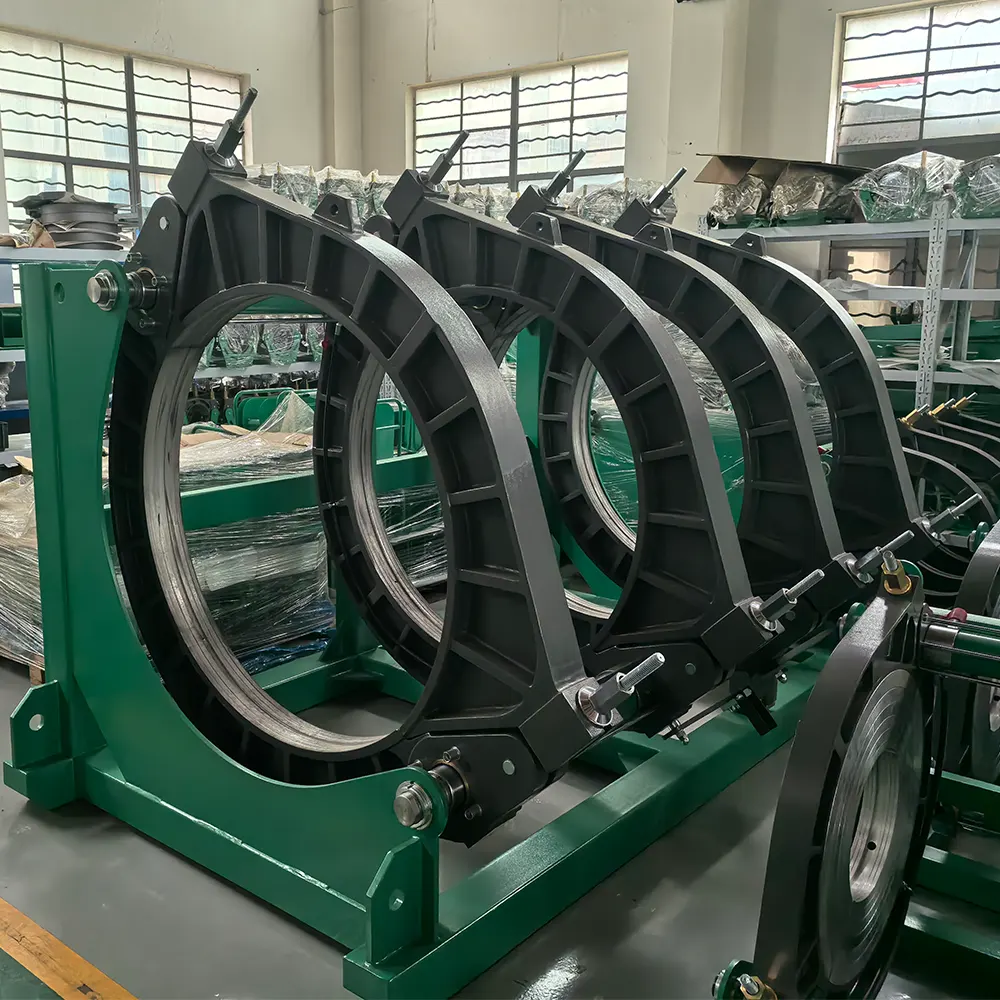
In the world of thermoplastic piping, the terms “HDPE welding machine” and “butt fusion machine” are often used interchangeably, but they are not exactly the same thing. Understanding the difference between an HDPE welding machine vs butt fusion machine is crucial for project managers and contractors who need to make informed purchasing decisions. Misinterpreting these terms can lead to selecting the wrong equipment, resulting in poor joint quality, project delays, or unnecessary costs. This article clarifies the key distinctions, applications, and selection criteria to help you choose the right solution for your piping projects.
Clarifying the Terminology: Is Every HDPE Welding Machine a Butt Fusion Machine?
To put it simply: a butt fusion machine is a type of HDPE welding machine, but not all HDPE welding machines are butt fusion machines. HDPE (High-Density Polyethylene) welding encompasses several joining methods, including butt fusion, electrofusion, socket fusion, and extrusion welding. The butt fusion method, governed by standards like ISO 21307 butt fusion procedures, specifically involves heating the flat ends of two pipes and pressing them together to form a homogeneous joint. Therefore, when comparing an HDPE welding machine vs butt fusion machine, you are essentially comparing a broad category against a specialized, high-integrity process within that category.
Key Differences: HDPE Welding Machine vs Butt Fusion Machine
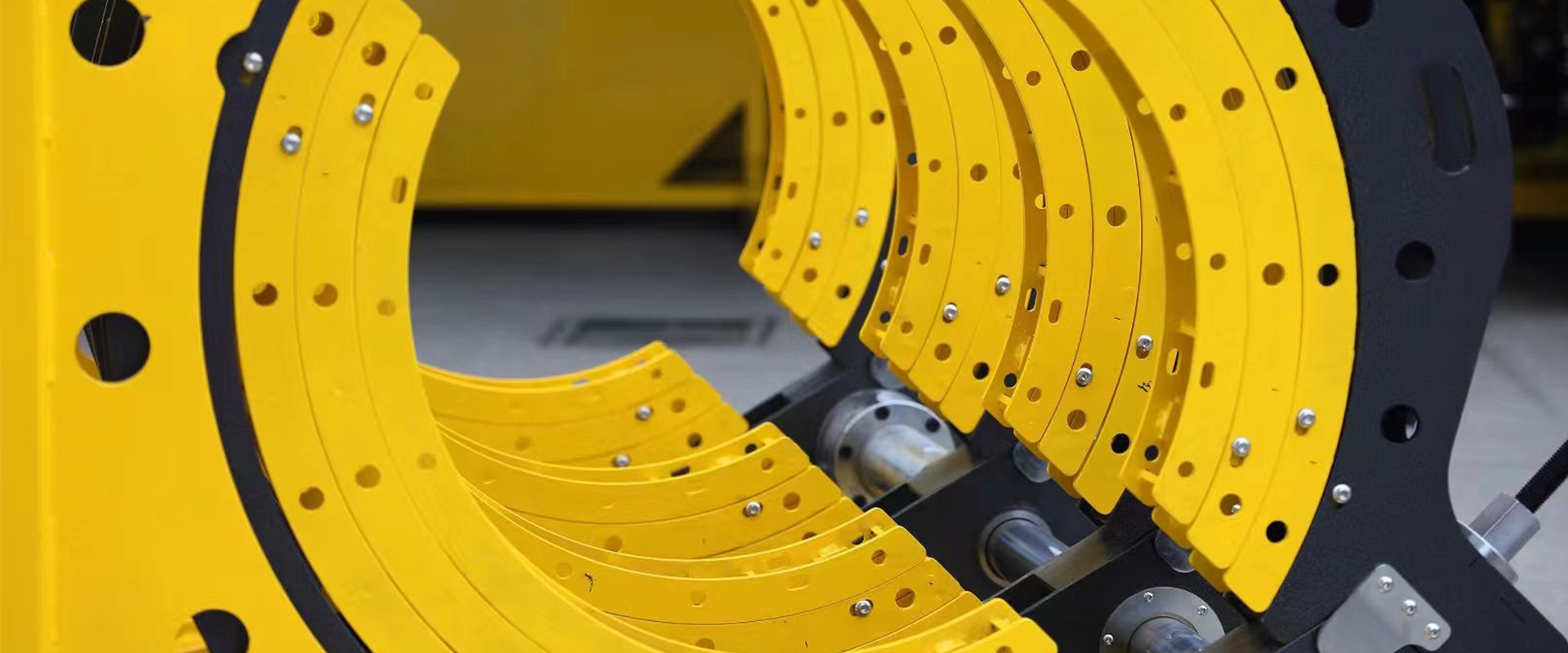
The core distinction lies in the scope of technology and application range. A general “HDPE welding machine” could refer to a simple socket fusion tool for small diameters or an electrofusion processor that works with embedded heating coils. In contrast, a butt fusion welding machine is a specific system designed to weld pipe ends directly without additional couplers, typically for diameters from 20mm up to over 2000mm. The table below highlights the primary operational differences.
| Feature | General HDPE Welding Machine | Butt Fusion Machine |
|---|---|---|
| Primary Methods | Electrofusion, Socket, Extrusion, Butt Fusion | Exclusively Butt Fusion (Hot Plate Welding) |
| Joint Mechanism | Varies (coils, sockets, filler rods) | Heated plate melts pipe ends, then fuses under pressure |
| Typical Diameter Range | 16mm up to large diameters (varies by method) | 20mm to 2500mm+ |
| Equipment Complexity | Ranges from simple handheld tools to programmable units | Requires facing tool, heater plate, and hydraulic/manual clamping system |
| Key Application | Repairs, small lines, gas distribution, tight spaces | Long straight runs, water mains, large-diameter pipelines |
Why the Confusion Between HDPE Welding and Butt Fusion Exists
Butt fusion is the most widely used technique for joining HDPE pipes in large-scale infrastructure projects, such as water supply and gas distribution networks. Because it dominates the heavy construction sector, many professionals default to calling a butt fusion system an “HDPE welding machine.” However, if your project involves repair clamps or service saddles, you might actually need an electrofusion machine. The HDPE welding machine vs butt fusion machine debate often stems from this sector-specific shorthand. If you’re looking for equipment that provides a fully restrained, leak-proof connection with no additional fittings, you are specifically looking for a butt fusion machine.
Types of Butt Fusion Machines: Manual, Hydraulic, and CNC
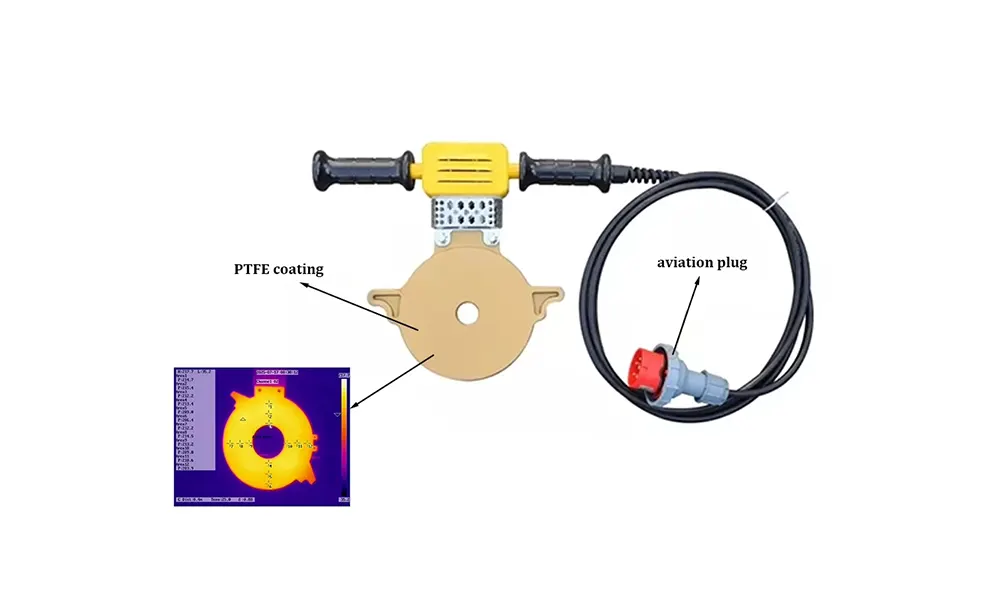
Even within the butt fusion category, there is a wide variety of configurations. Choosing the right type depends on your pipe diameter, project scale, and precision requirements. The PE butt fusion equipment standard (ISO 12176-1) defines the requirements for these critical tools.
- Manual Butt Fusion Machines: Ideal for diameters typically ranging from 40mm to 315mm. These machines require the operator to manually apply the force to move the pipe and build fusion pressure. They are cost-effective for small-scale plumbing, irrigation, and rural piping. A manual system is a great entry point when comparing HDPE welding machine vs butt fusion machine costs for smaller pipes.
- Hydraulic Butt Fusion Machines: These units use a hydraulic power pack to generate the high clamping and fusion forces required for medium to very large diameter pipes (from 160mm up to 2500mm or more). They provide consistent pressure, reducing operator fatigue and ensuring compliance with rigorous ASTM F2620 heat fusion standards.
- CNC Automatic Butt Fusion Machines: For critical gas and industrial applications, CNC automatic machines remove human error. They automatically execute the butt fusion process, recording every parameter (temperature, pressure, time) to create a traceable joint report. This is the gold standard for safety-critical infrastructure.
Application Scenarios: When to Use a Dedicated Butt Fusion Machine
Understanding the application helps clarify the HDPE welding machine vs butt fusion machine choice. You should choose a dedicated butt fusion machine when the project demands a monolithic pipe system with joints as strong as the pipe itself.
Water Supply and Distribution
Municipal water mains require the long-term integrity that only butt fusion can provide. The smooth internal bore eliminates leak paths, and the fusion process is standardized under ISO 4427 PE water pipes. For diameters over 315mm, a hydraulic butt fusion machine is generally the only practical choice.
Gas Distribution Networks
Gas pipelines demand zero-leak joints. While electrofusion is common for smaller diameters and repairs, long straight runs of PE gas pipes are primarily joined using butt fusion to minimize fitting costs and maximize flow efficiency, following strict PE gas piping systems standards.
Mining and Industrial Slurry Lines
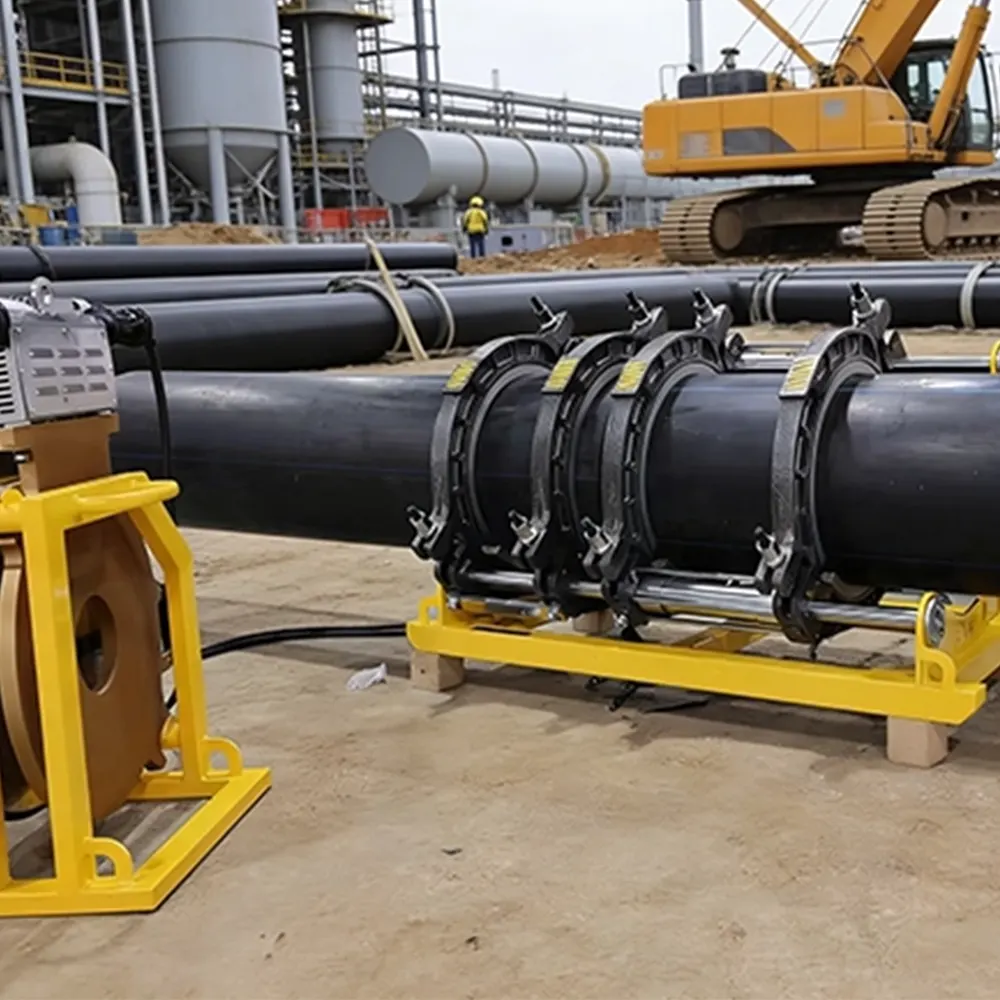
High-density polyethylene pipes are widely used in mining for tailings and slurry transport. The abrasion resistance of HDPE combined with the reliability of butt fusion joints creates a pipeline system that withstands high pressure and abrasive materials. Industrial PE piping systems (ISO 15494) often spec butt fusion for these demanding environments.
How to Choose Between a General HDPE Welder and a Butt Fusion Machine
When facing the HDPE welding machine vs butt fusion machine dilemma, walk through these decision points to ensure you invest in the correct technology:
- Identify the Pipe Diameter Range: If you primarily work with pipes under 63mm for residential plumbing, a small manual machine or even a socket fusion tool might be sufficient. For diameters above 110mm, a dedicated butt fusion machine becomes essential.
- Assess the Application Criticality: Is this for a gravity drain or a high-pressure gas main? Gas and high-pressure water lines typically require the documented traceability offered by advanced hydraulic or automatic butt fusion machines.
- Evaluate Production Speed Needs: Butt fusion, particularly with hydraulic machines, offers rapid joint cycles for large pipes compared to alternatives. If you need high productivity on a mainline, a hydraulic system is the answer.
- Consider Portability and Site Conditions: Crawler-track hydraulic machines are designed for rugged terrain, while compact manual machines can be transported in a pickup truck. For tight excavation pits where butt fusion machines can’t fit, electrofusion might be the designated alternative.
Advantages of Modern Butt Fusion Technology
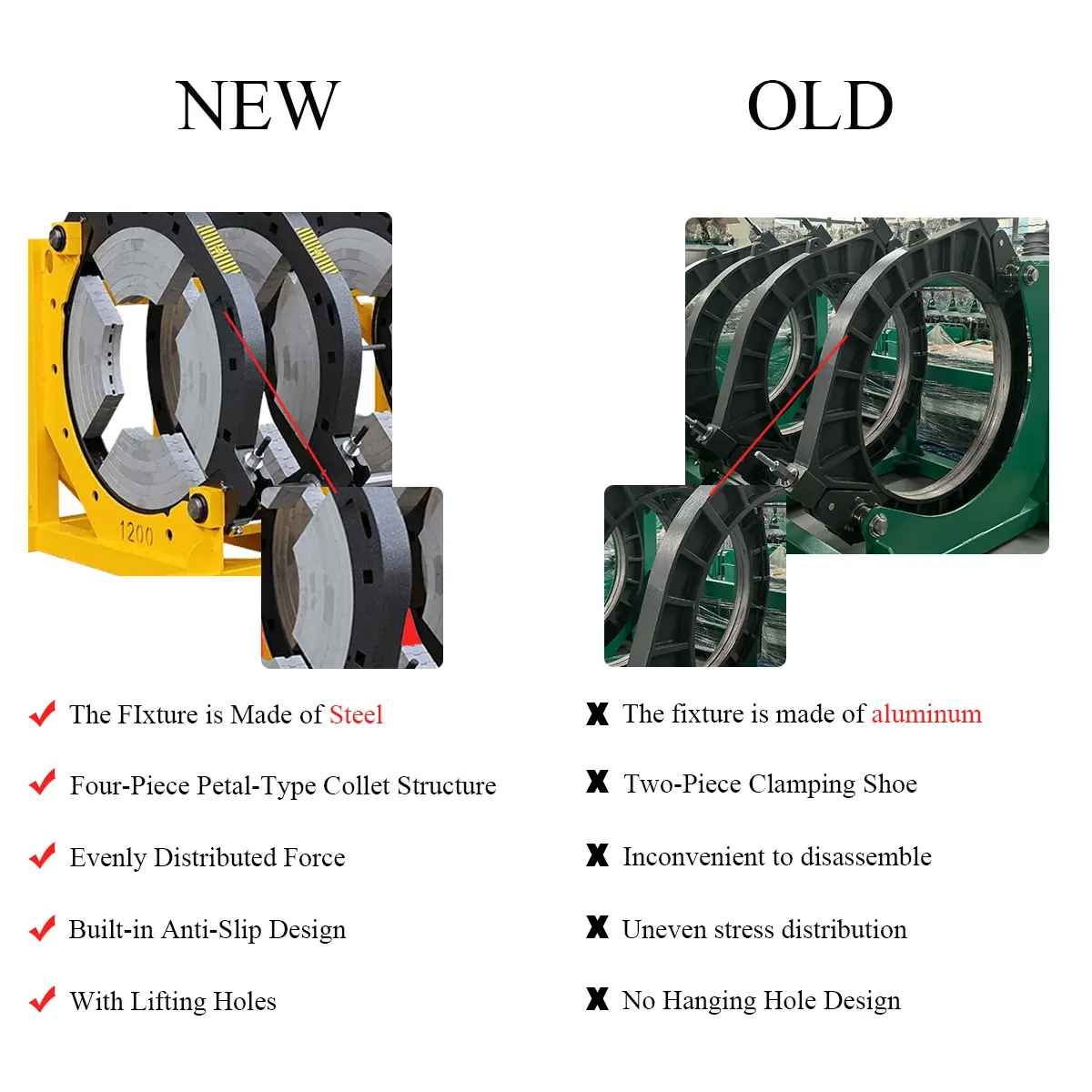
Investing in a quality butt fusion machine from a reputable source ensures you meet the latest PPI technical guidance and international codes. Modern systems offer data logging, automatic facing, and precise hydraulic controls. JQ-Fusion, as a specialized manufacturer, provides a comprehensive range of manual, hydraulic, and CNC automatic butt fusion machines designed to comply with strict global standards. Whether you need a compact manual unit or a large-scale hydraulic system for 2000mm pipes, selecting equipment with high-quality clamps, precise temperature control, and durable heating plates is critical for joint integrity.
Conclusion: Narrowing Down Your Equipment Needs
The debate of HDPE welding machine vs butt fusion machine ultimately comes down to specificity. If your scope involves joining HDPE pipes end-to-end, especially for municipal, mining, or industrial applications, you need a dedicated butt fusion machine. By understanding the distinct requirements of your project—pipe size, pressure rating, and required documentation—you can confidently move past generic terms and invest in the precise HDPE welding solution that delivers safety, reliability, and cost-efficiency for decades to come.



