
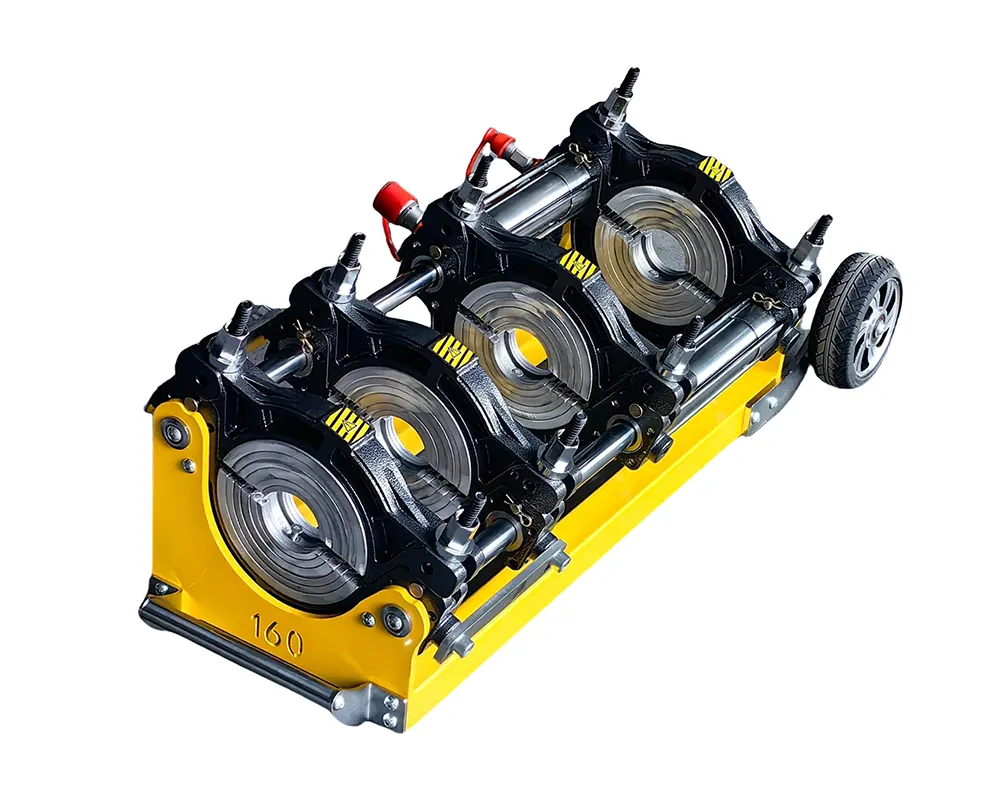
In the world of high-density polyethylene (HDPE) piping, the terms “HDPE welding machine” and “pipe fusion machine” are often used interchangeably, but they refer to different scopes of technology. Understanding these key differences is crucial for contractors, municipal engineers, and project managers when selecting equipment for water supply, gas distribution, or industrial applications. While both are essential for creating leak-proof joints, their operational principles and specific use cases distinguish them significantly.
What Is a Pipe Fusion Machine?
A pipe fusion machine is a broad term encompassing all equipment designed to join thermoplastic pipes through heat. The fundamental principle involves heating the pipe ends to a molten state and applying precise pressure to fuse them into a single homogeneous piece. This category primarily includes two distinct methods: butt fusion and electrofusion. Each relies on different technical requirements outlined in critical standards like ISO 21307 butt fusion procedures and PE electrofusion equipment standard.
- Butt Fusion Welding: Utilizes a heating plate to melt the edges of two pipes simultaneously before pressing them together under controlled force.
- Electrofusion: Uses specialized fittings with embedded heating coils that melt the interface when an electrical current is applied via an electrofusion processor.
What Is an HDPE Welding Machine?
In industry vernacular, an “HDPE welding machine” has become synonymous with the butt fusion process. When professionals refer to these machines, they are typically describing the mechanical apparatus—whether manual, hydraulic, or CNC—that aligns, heats, and fuses pipe ends directly. This is the standard method for constructing long pipelines and large-diameter networks, strictly governed by PE butt fusion equipment standard.
The distinction is clear: all HDPE butt fusion welders are pipe fusion machines, but not all pipe fusion machines are butt fusion welders, as the latter also includes electrofusion processors.
Key Technical and Operational Differences
The following table breaks down the primary differences based on technology, pressure application, and application scope, helping you visually compare the two methodologies often confused under the “pipe fusion” umbrella.
| Feature | Butt Fusion (HDPE Welding Machine) | Electrofusion (Pipe Fusion System) |
|---|---|---|
| Joint Mechanism | Direct pipe-to-pipe heating and pressing | Wire coil embedded in fitting melts the interface |
| Power & Pressure | Requires significant external hydraulic or manual pressure | Requires stable electrical current (typically 8-48V) |
| Ideal Diameter | Typically >63mm; optimal for large-scale transmission | Typically 20mm-710mm; excellent for repairs and confined spaces |
| Portability | Often trailer-mounted for on-site work | Compact, lightweight processors |
| Primary Standard | ISO 12176-1 / ASTM F2620 | ISO 12176-2 / ASTM F1290 |
Machinery Types: Manual, Hydraulic, and Automatic
When choosing an HDPE welding machine (butt fusion type), you will encounter three main power classifications. Each must comply with the heat fusion operator qualification requirements.
Manual Butt Fusion Machines
These require the operator to physically turn handles to bring the pipes together. They are cost-effective and ideal for tight spaces or small-scale plumbing work where electricity or hydraulic power might not be readily available.
Hydraulic Butt Fusion Welding Machines
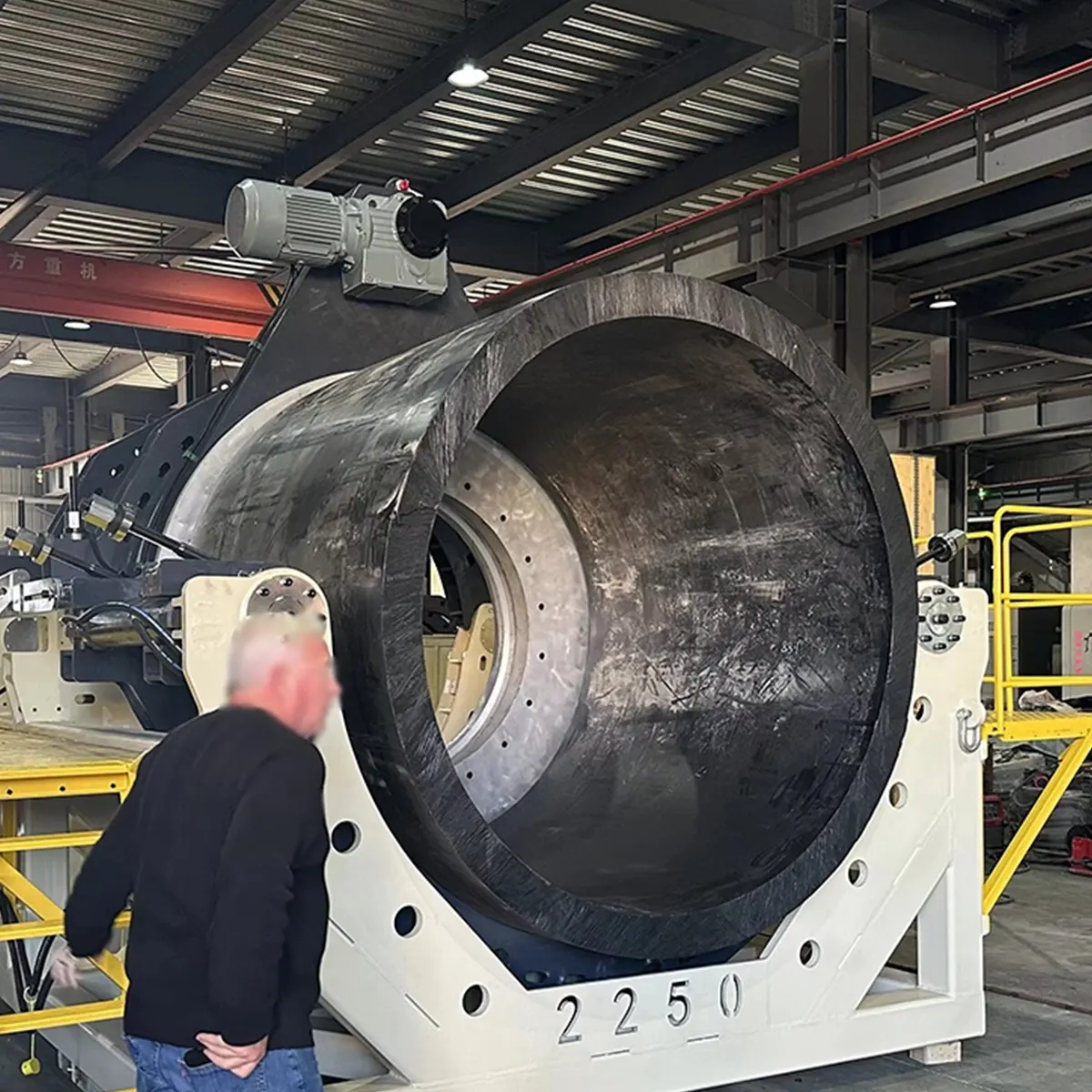
Hydraulic systems are the workhorses of the industry. They utilize a hydraulic power pack to generate the massive forces needed to fuse large-diameter pipes, typically from 160mm up to 2000mm or more. They offer superior alignment and consistent pressure, critical for PE gas piping systems where safety is paramount.
CNC Automatic Butt Fusion Machines
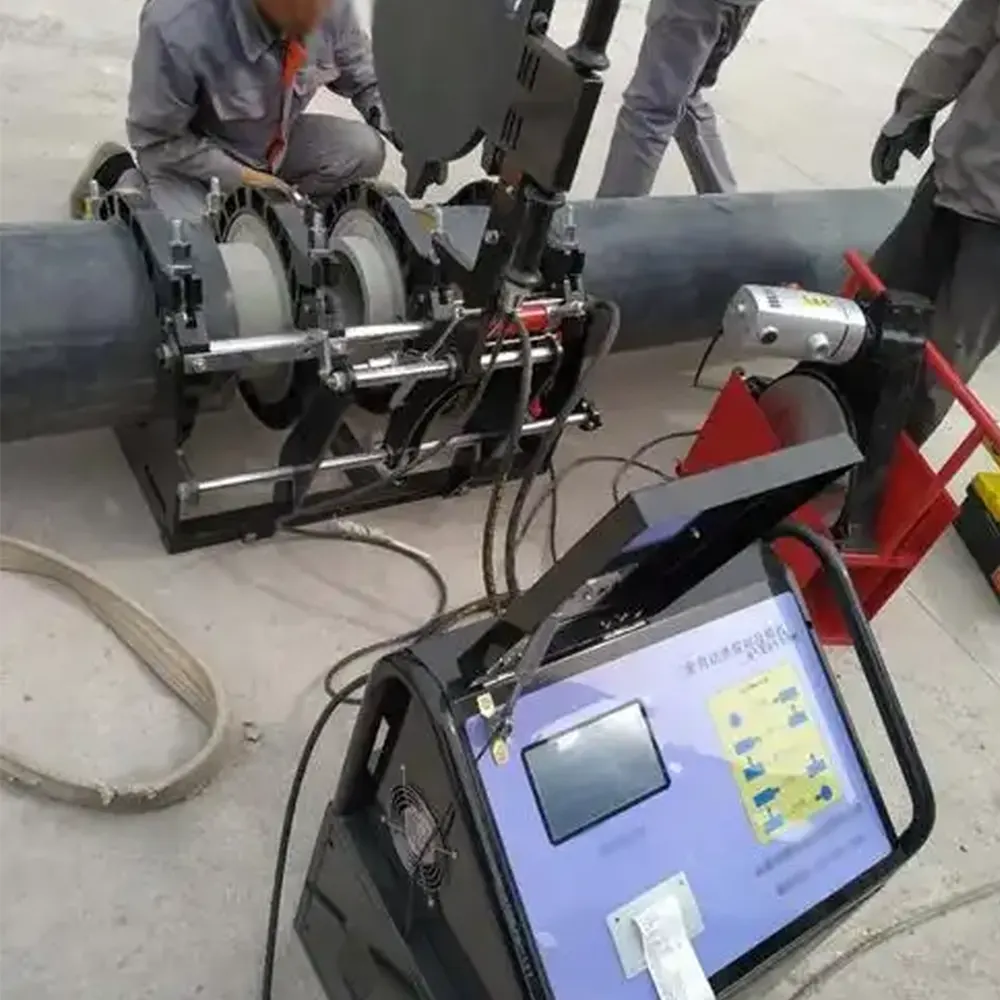
The latest evolution in pipe fusion technology includes data-logging and automatic calculation of fusion parameters. These machines remove operator guesswork by strictly adhering to pre-programmed PPI butt fusion procedure protocols, ensuring traceability and peak joint integrity.
Application Scenarios: Making the Right Choice
Selecting the right equipment depends heavily on the project environment. Below is a practical guide to matching the tool to the task.
| Project Scenario | Recommended Technology | Reason |
|---|---|---|
| Open-trench water mains (≥200mm) | Hydraulic Butt Fusion | High output, lowest cost per joint, uniform bead |
| Urban gas network repairs | Electrofusion | Requires limited clearance; no movement of pipe ends needed |
| Mining tailings pipelines | CNC Automatic Butt Fusion | Rugged environments demand data-logged, repeatable joints |
| HDPE conduit for fiber optics | Manual or Compact Hydraulic | Small diameters (40-110mm) with high speed requirements |
Ensuring Weld Integrity and Standards Compliance
Regardless of whether you use a standard HDPE welding machine or a specialized electrofusion processor, adhering to joining procedures is non-negotiable. The ASTM F2620 heat fusion standard defines the best practices for butt fusion, including heating temperatures, soak times, and cooling pressure. Failure to follow these protocols often results in cold joints, which are the leading cause of pipeline failure in the field.
Always ensure your equipment can meet the temperature verification checks described in the PPI technical guidance library. The quality of the heating plate and the accuracy of the temperature controller directly impact the success of the fusion.
Cost Considerations and Economic Efficiency
While the initial purchase price of an HDPE hydraulic butt fusion machine is higher than an electrofusion processor, the long-term operational costs differ greatly. Butt fusion requires no couplers, meaning the cost per joint for large-diameter projects is radically lower. In contrast, electrofusion fittings are expensive precision components containing embedded circuits, making the method best suited for tie-ins, repairs, and smaller diameters where the fitting cost is offset by speed and convenience.
Step-by-Step Selection Checklist
Use this checklist to narrow down your choice between the pipe fusion technologies:
- Pipe Diameter: For pipes above 16 inches (400mm), hydraulic butt fusion is almost universally standard.
- Terrain Access: If you cannot move the pipe laterally to insert a heating plate, you must use electrofusion.
- Budget: Calculate the cost of couplers versus the cost of machine transport and setup time.
- Operator Skill: Manual machines require highly skilled technicians to “feel” the pressure, whereas automatic machines simplify the process with preset data.
Common Myths in Pipe Fusion
“A single machine can do everything.” This is false. An electrofusion processor cannot perform a butt weld, and a hydraulic butt fusion clamp set cannot process an electrofusion saddle. Most serious pipeline contractors invest in both complementary technologies to remain versatile, especially in projects governed by PE water piping requirements.
Why Machine Selection Matters
In the context of modern infrastructure, selecting the correct fusion machine is a matter of liability and longevity. Professionals relying on JQ-Fusion equipment understand that the backbone of a PE network lies in the quality of the joint. A well-chosen hydraulic or automatic butt welder, matched with the right clamping force and trimmer torque, ensures a joint strength that often exceeds the pipe itself.
Final Verdict
The debate of HDPE welding machine vs. pipe fusion machine is largely one of terminology. For constructing long strings of high-pressure gas or water lines, an HDPE butt fusion welding machine—especially a hydraulic or CNC model—is the definitive choice. For localized repairs, service connections, or tight-excavation scenarios, the broader category of pipe fusion, specifically electrofusion, is indispensable. Your decision should always circle back to the physical constraints of the job site and the specific PE pipe assembly methods required by the engineering design.



