
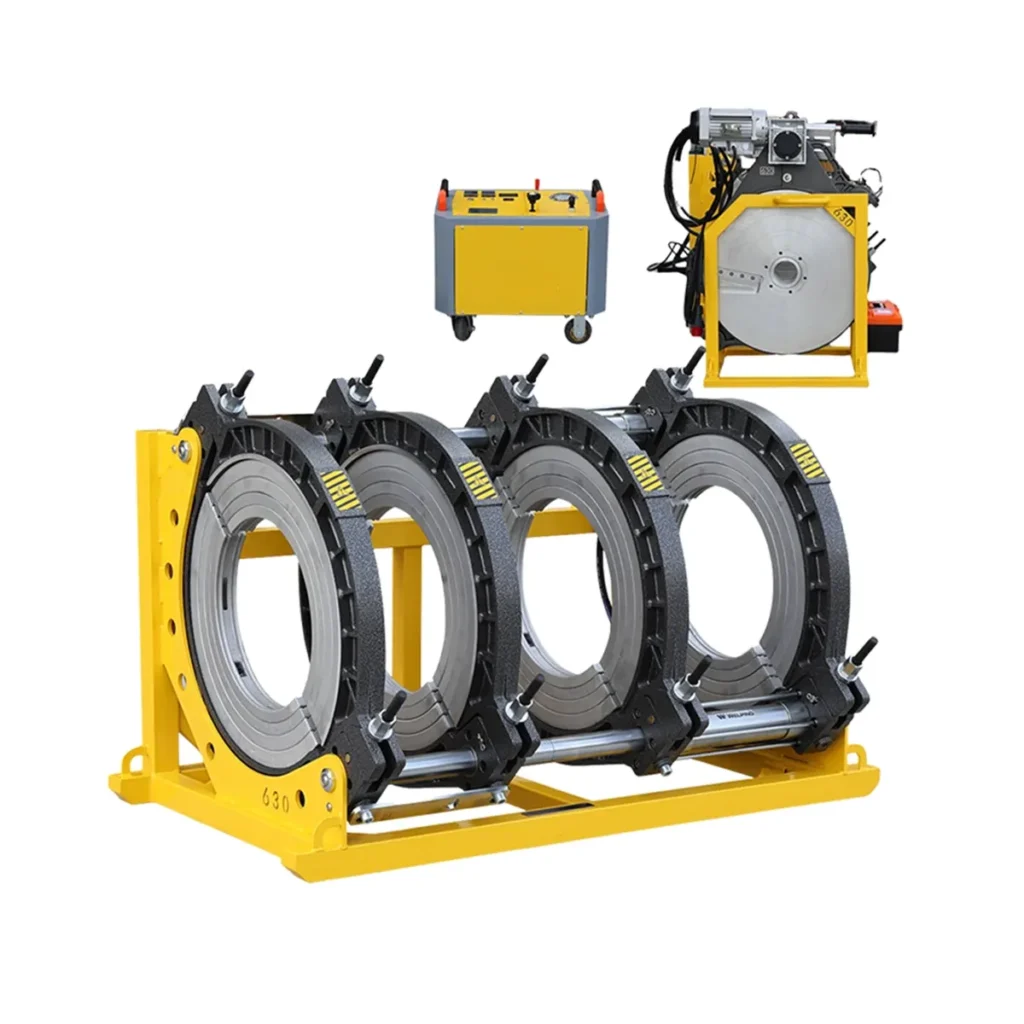
Operating an HDPE pipe welding machine demands strict adherence to safety protocols. Whether you are working on water supply, gas distribution, or industrial pipeline systems, understanding the risks and implementing proper safety measures is critical. This HDPE pipe welding machine safety guide walks you through essential tips to ensure safe and efficient butt fusion welding operations, protecting both operators and equipment on the job site.
Pre-Operation Safety Preparation
Before starting any fusion welding task, a comprehensive pre-operation routine is essential. Neglecting this step is a leading cause of workplace accidents involving HDPE pipe welding machines. Operators should always begin with a thorough inspection of the work area and personal protective equipment (PPE).
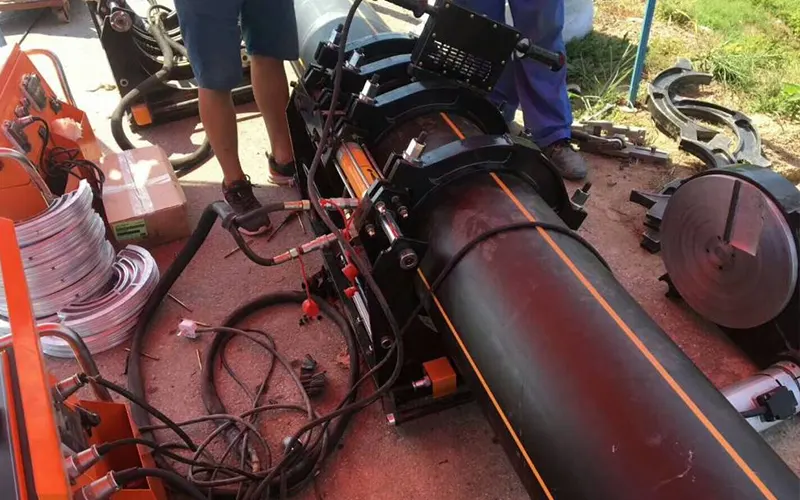
- Wear certified PPE: Always use heat-resistant gloves, safety goggles, steel-toe boots, and flame-retardant clothing when handling hot plates and molten material.
- Inspect the work zone: Ensure the ground is stable and the area is free from flammable materials, standing water, and tripping hazards.
- Verify environmental conditions: High winds, rain, or extreme temperatures can affect weld quality and operator safety. Follow the equipment manufacturer’s environmental guidelines.
- Check electrical safety: Confirm that power cords are undamaged, properly grounded, and rated for the machine’s voltage requirements.
Machine Inspection and Maintenance Checks
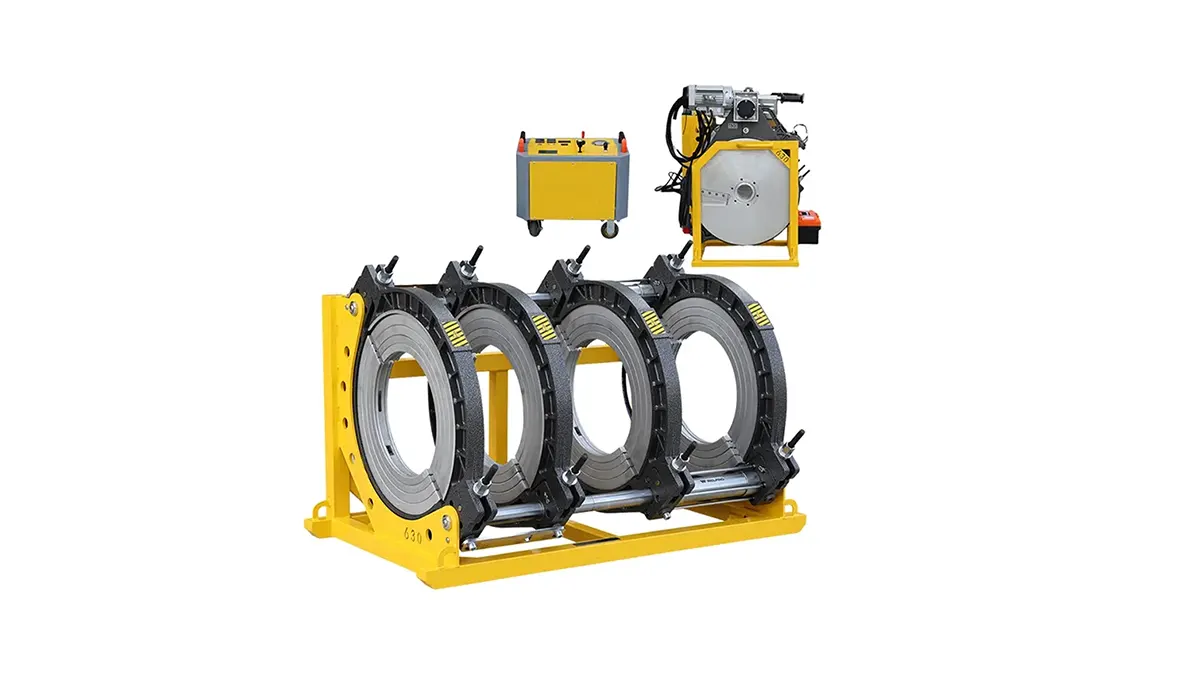
A well-maintained HDPE pipe welding machine is a safer machine. Daily inspections should be mandatory before any fusion operation begins. According to PE butt fusion equipment standard requirements, all components must be checked for wear, alignment, and calibration.
The following table outlines key inspection points and their recommended frequency for safe operation:
| Component | Inspection Item | Frequency |
|---|---|---|
| Heating Plate | Temperature accuracy and non-stick coating condition | Before each use |
| Clamps and Jaws | Alignment, grip strength, and insert wear | Weekly |
| Hydraulic System | Oil level, hose integrity, and pressure gauge function | Daily |
| Trimmer / Facer | Blade sharpness and motor operation | Before each project |
| Control Unit | Display function, parameter settings, and emergency stop | Weekly |
Safe Operating Procedures During Fusion Welding
Following standardized procedures is the cornerstone of safe HDPE pipe welding machine operation. Adherence to ISO 21307 butt fusion procedures ensures consistent, high-quality welds while minimizing risk to personnel.
Heating Plate Handling
The heating plate reaches temperatures typically between 200°C and 230°C (392°F to 446°F). Direct contact causes severe burns instantly. Always use the designated handle and keep the hot surface facing away from your body. When not in use, place the heating plate in its insulated stand or cradle—never on the ground or near combustible materials.
Pipe Alignment and Clamping
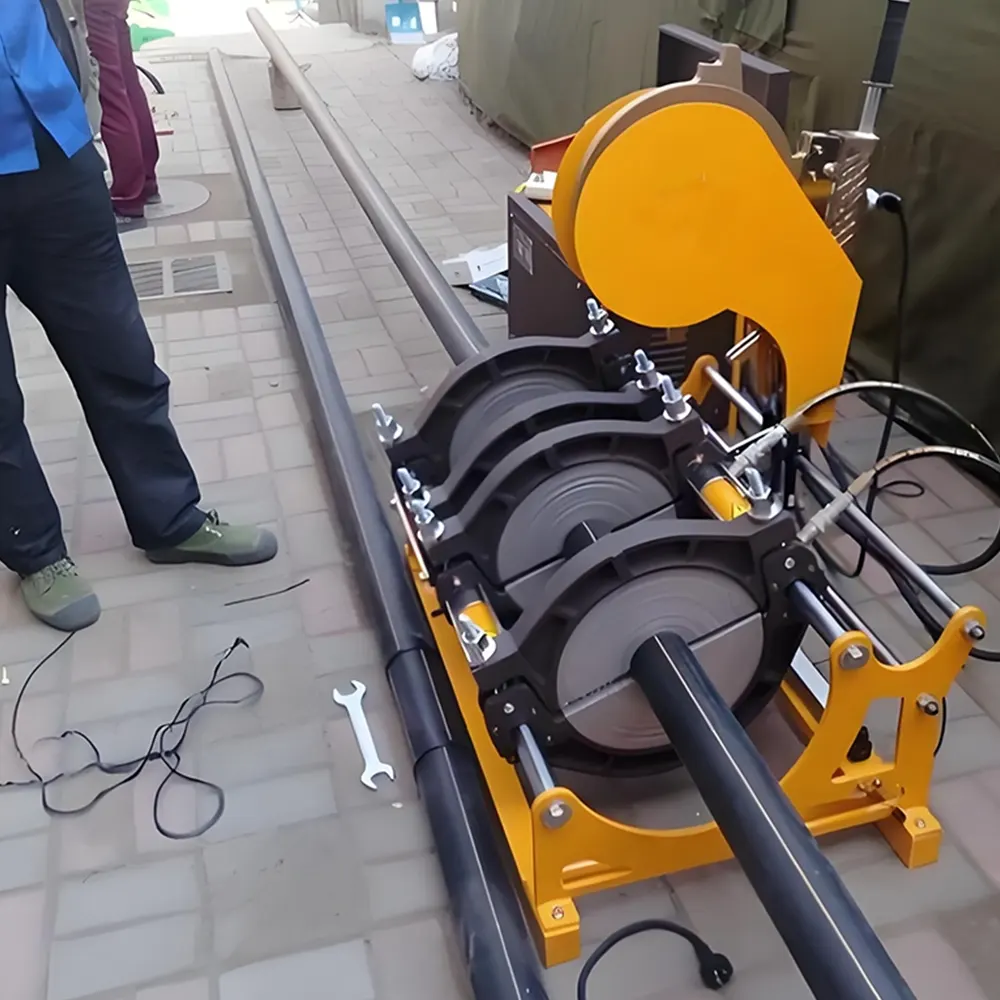
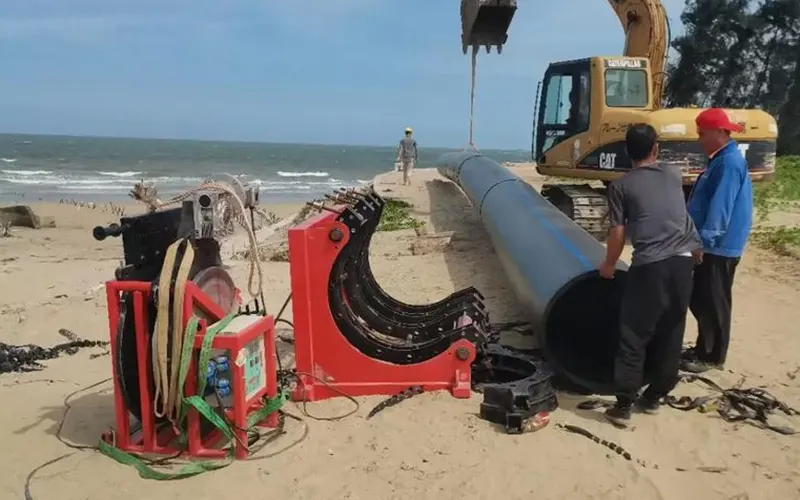
Improper clamping can lead to pipe slippage during the fusion cycle, creating a dangerous situation. Ensure both pipe ends are securely fastened in the hydraulic butt fusion machine clamps before applying fusion pressure. The ASTM F2620 heat fusion standard specifies minimum clamping distances and alignment tolerances that must be respected.
Common Safety Hazards and How to Avoid Them
Understanding potential dangers helps operators stay vigilant. The PPI butt fusion procedure technical report highlights several recurring risk areas in field welding operations. Below is a summary of common hazards and the corresponding preventive actions.
| Hazard | Risk Consequence | Preventive Measure |
|---|---|---|
| Hot surface contact | Severe skin burns | Use heat-resistant gloves, keep heating plate in insulated stand, mark hot zones clearly |
| Pinch points | Hand and finger crushing injuries | Keep hands clear of moving clamps, use two-hand operation where applicable, maintain awareness of hydraulic movement |
| Pipe kickback | Impact injuries from sudden pipe movement | Secure pipes on roller stands, never stand in line with pipe ends during fusion, use proper lifting equipment |
| Fume inhalation | Respiratory irritation from overheated PE material | Operate in well-ventilated areas, avoid overheating beyond recommended temperature, use respiratory protection if needed |
| Electrical shock | Electrocution or short circuit | Use GFCI-protected circuits, inspect cables before each use, avoid wet conditions |
Post-Weld Safety and Cooling Procedures
Safety does not end when the fusion cycle completes. The cooling phase is equally critical for both joint integrity and operator safety. Follow these post-weld guidelines carefully:
- Allow proper cooling time: Never remove the pipe from clamps before the specified cooling duration. Premature handling compromises weld strength and exposes operators to hot surfaces.
- Mark the hot zone: Clearly indicate recently welded joints that are still cooling, especially in high-traffic work areas.
- Store equipment safely: Return the heating plate to its designated stand, retract hydraulic cylinders, and coil power cords neatly to prevent trip hazards.
- Document the weld: Record weld parameters and any observations as part of your quality assurance and traceability program.
Operator Training and Certification
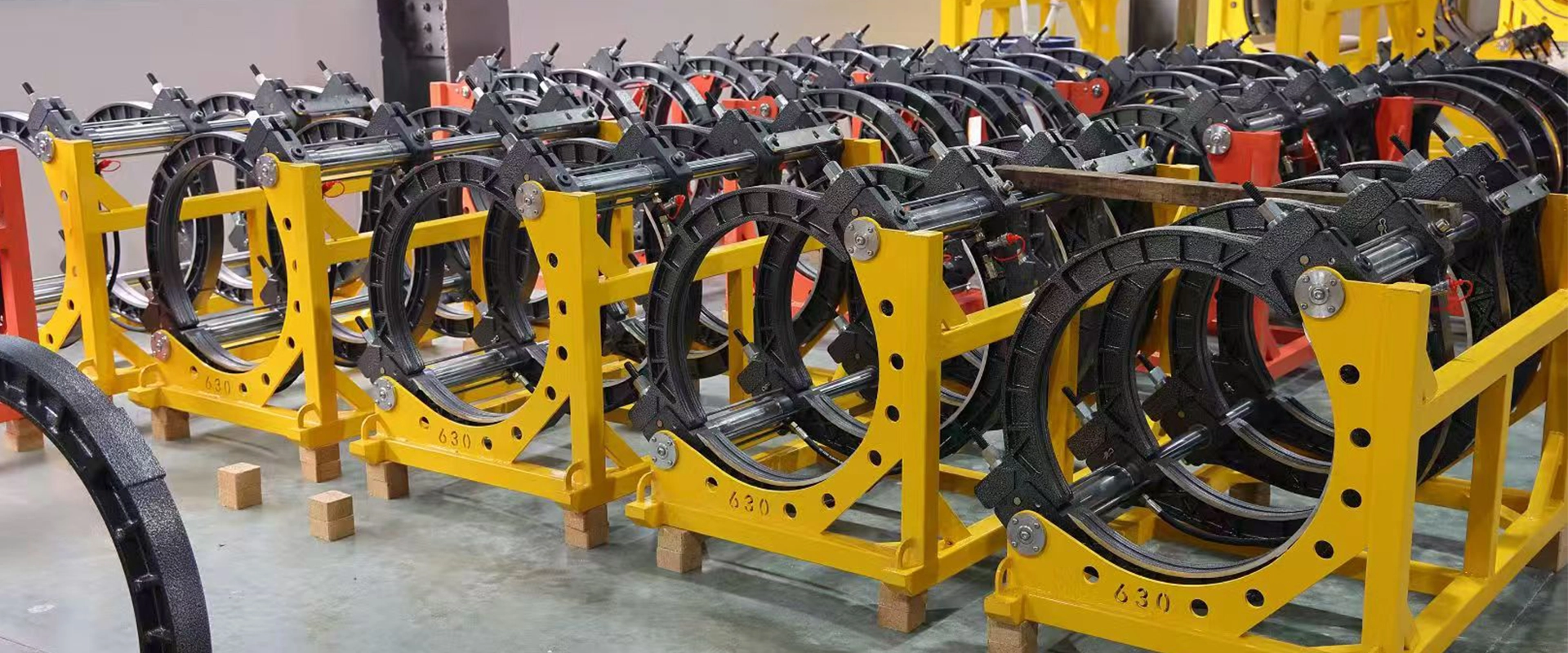
Even the most advanced HDPE pipe fusion equipment cannot compensate for untrained operators. Comprehensive training programs should cover both theoretical knowledge and hands-on practice. Operators must understand material behavior, machine settings, and emergency procedures. Certification programs aligned with international standards provide verification of competency and are strongly recommended for all fusion welding personnel.
At JQ-Fusion, we support our clients with expert guidance on safe operation practices for all our butt fusion welding machines, helping ensure that every project meets the highest safety and quality standards.
Emergency Response Preparedness
Despite best efforts, emergencies can happen. Every job site using an HDPE pipe welding machine should have a clear emergency response plan in place. This includes accessible first-aid kits, fire extinguishers rated for electrical fires, and emergency contact numbers displayed prominently. All team members should know the location of emergency stops on the welding equipment and understand the shutdown procedure.
Key Takeaways for Safe Fusion Welding
- Always conduct a pre-operation inspection of both the HDPE pipe welding machine and the work environment.
- Wear appropriate PPE at all times, especially heat-resistant gloves and safety eyewear.
- Follow standardized procedures, including ISO 21307 and ASTM F2620 guidelines, for every weld.
- Keep the heating plate in its insulated stand when not actively in use.
- Never rush the cooling phase—joint integrity and personal safety depend on it.
- Ensure all operators receive proper training and maintain their certification.
Implementing the recommendations in this HDPE pipe welding machine safety guide significantly reduces the risk of injury and equipment damage. A safety-first mindset, combined with reliable equipment and ongoing training, creates the foundation for successful fusion welding projects across any application.



