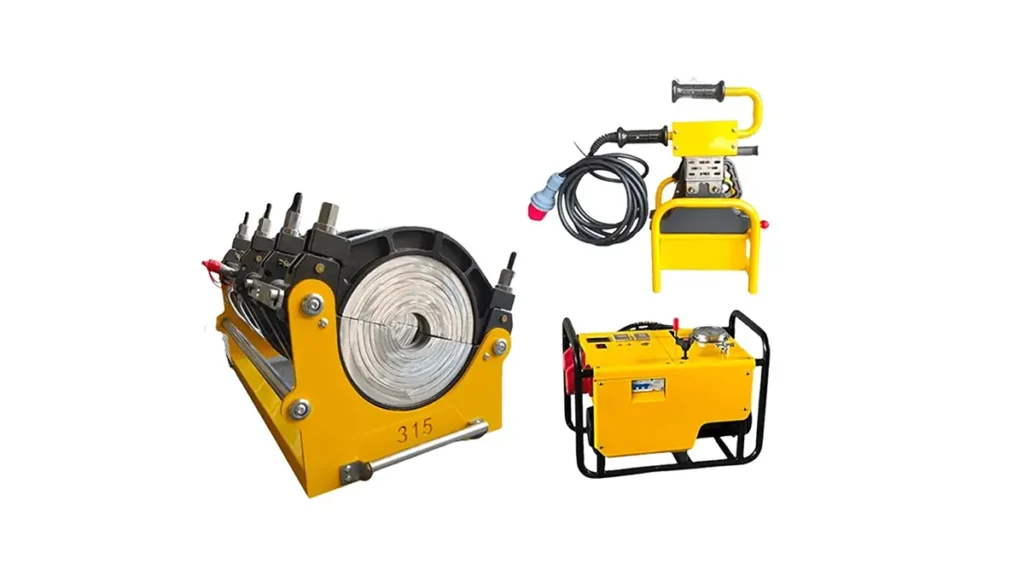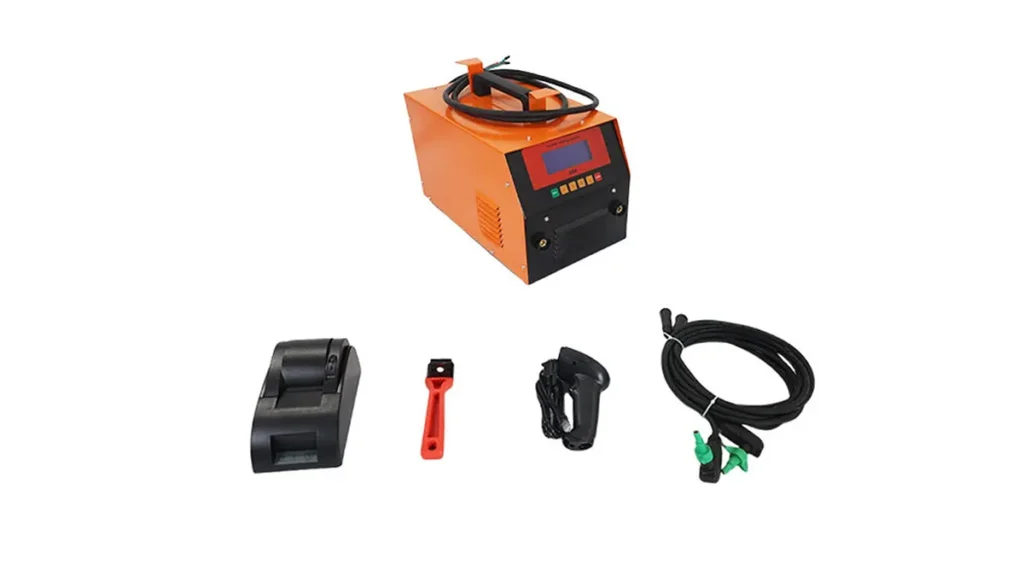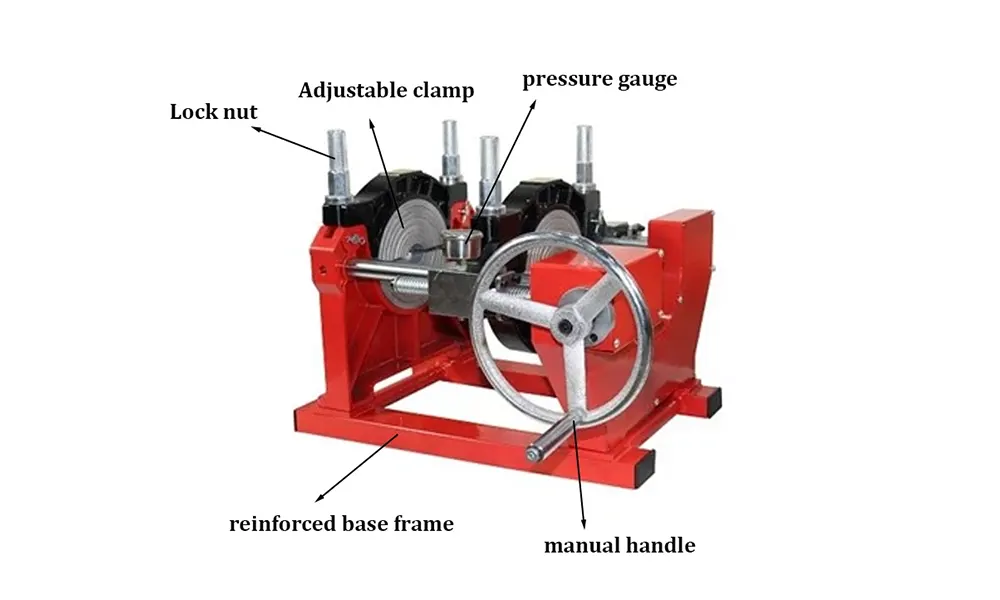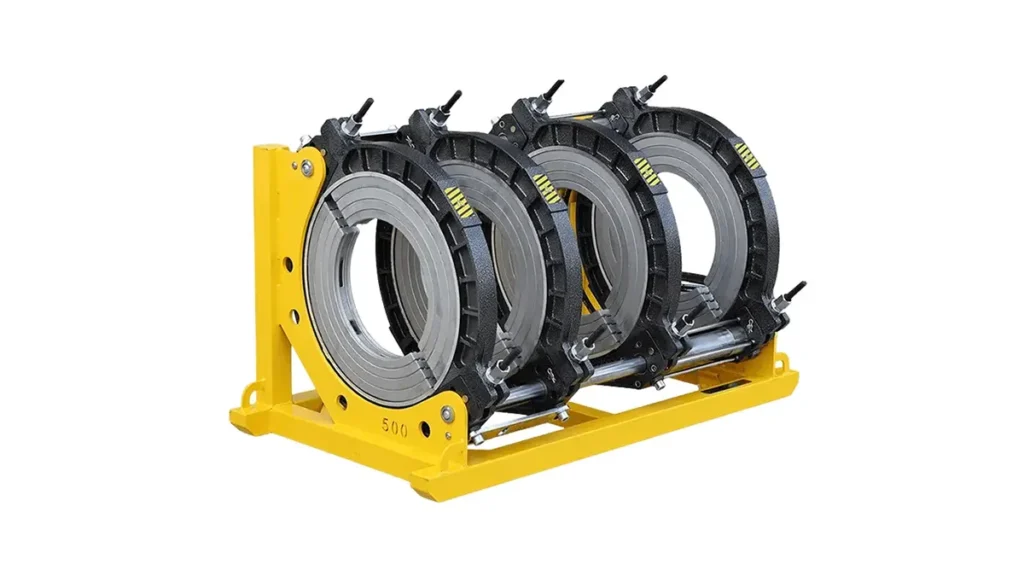
Proper hydraulic butt fusion welding machine maintenance is the backbone of consistent, high-quality pipe joining in HDPE infrastructure projects. Without regular care, even the most robust hydraulic butt fusion welding machines can suffer from pressure loss, uneven heating, or premature component wear. This guide outlines the essential maintenance practices that keep your equipment running reliably, reduce downtime, and extend machine life.
Why Routine Maintenance Matters
A hydraulic butt fusion welder relies on coordinated mechanical, hydraulic, and thermal systems. When one element drifts out of specification, joint integrity is compromised. Consistent maintenance helps you:
- Avoid costly project delays caused by unexpected breakdowns.
- Maintain compliance with standards such as ISO 12176-1 and ISO 21307 butt fusion procedures.
- Ensure uniform pipe alignment and fusion bead quality.
- Protect operator safety by keeping all control systems responsive.
Daily Pre-Operation Checks
Before you start any welding shift, walk through a quick visual and functional checklist. This practice catches small issues before they escalate.
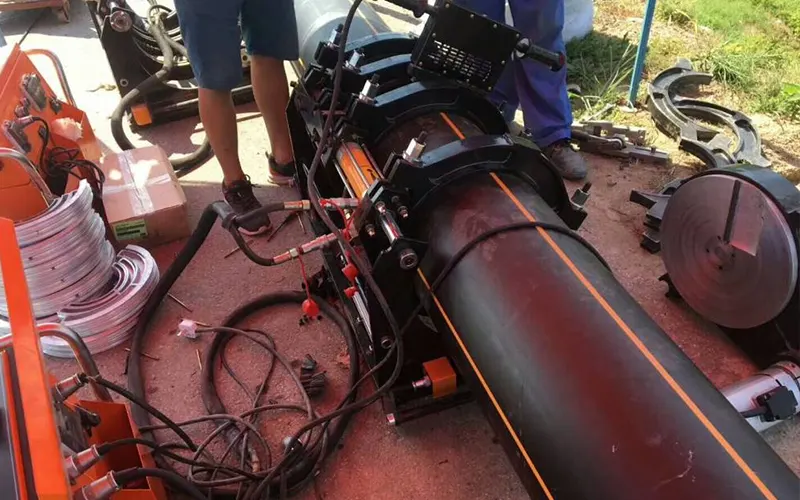
- Hydraulic hoses and fittings: Inspect for leaks, cracks, or loose connections. Even a small oil drip can cause pressure instability.
- Clamps and inserts: Verify that aluminum clamps are free of debris and that inserts match the pipe diameter. Clean dirt build-up with a dry cloth.
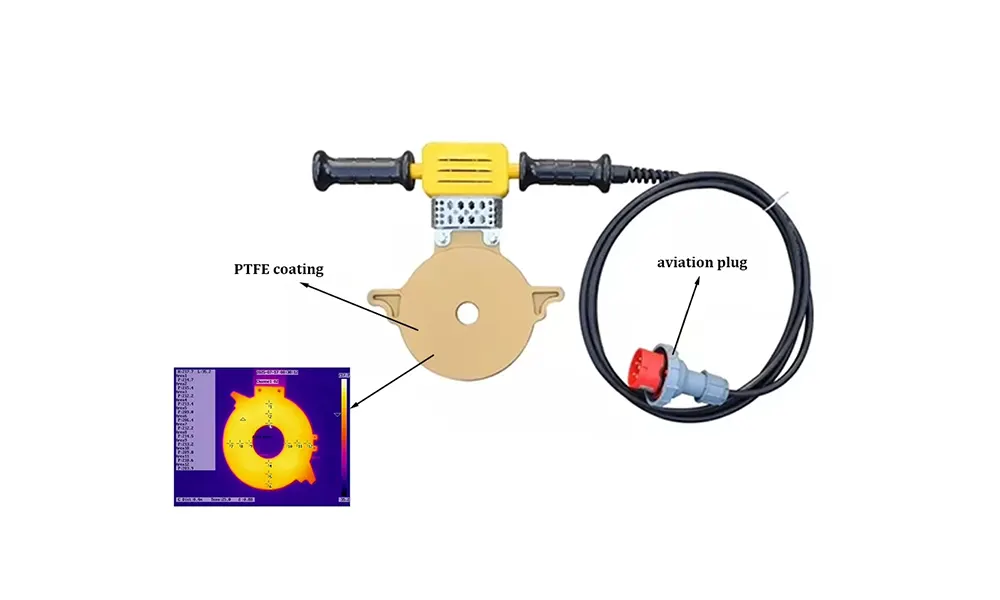
- Heating plate surface: The non-stick coating must be smooth and intact. Remove any melted plastic residue while the plate is still warm using a non-abrasive pad.
- Trimmer blades: Check blade sharpness and cleanliness. Dull or damaged blades create uneven pipe ends and poor fusion quality.
- Emergency stop and controls: Test the emergency button and hydraulic lever response to ensure immediate stopping capability.
Hydraulic System Maintenance
The hydraulic power unit generates the force required for pipe movement and bead-up pressure. Neglecting this system leads to weak fusion joints and inaccurate pressure readings.
- Hydraulic oil level and quality: Check the oil reservoir weekly. Top up if necessary, and replace the oil every 12 months or after 1000 operating hours, whichever comes first. Use the oil grade recommended in your product catalog.
- Filter replacement: Dirty filters cause pump strain. Change the hydraulic filter according to the manufacturer’s schedule.
- Cylinder and valve seals: Look for sluggish carriage movement—this often indicates worn seals. Address immediately to prevent internal leakage.
- Pressure calibration: Every six months, use a calibrated gauge to verify that system pressure matches the displayed gauge value. Recalibrate if there is a deviation greater than 2%.
Heating Plate and Temperature Control
The heating plate is the heart of the fusion process. Temperature accuracy directly influences melt quality and joint strength.
- Wipe both faces of the heating plate with a clean, lint-free cloth before each joint. Do not use metal scrapers that scratch the PTFE coating.
- Measure surface temperature at multiple points using a digital contact thermometer. The variation across the plate should be within ±5°C, as specified by butt fusion equipment standards.
- Check the built-in thermostat calibration monthly. If readings drift, contact technical support for firmware reconfiguration on automatic models.
- Inspect power cables and connectors for heat damage; replace frayed wires immediately.
Clamp and Frame Alignment
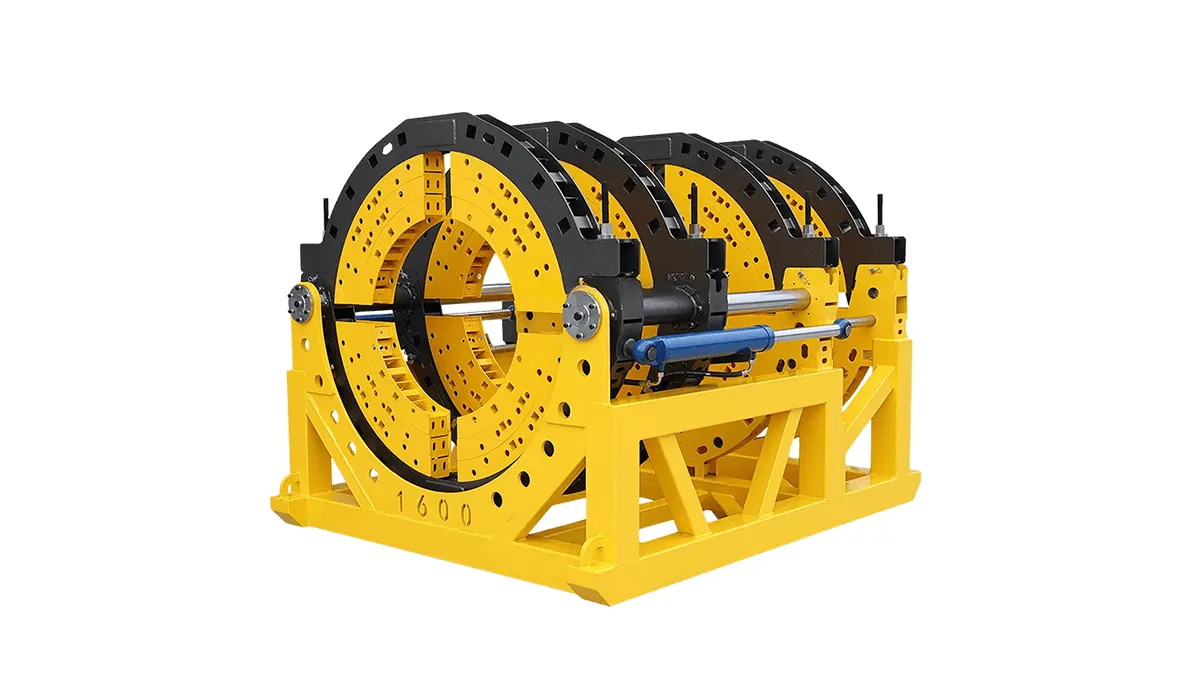
Misaligned clamps or a twisted frame put uneven stress on the pipe and fusion joint, leading to bead asymmetry and potential leaks.
- Clean clamp jaws weekly to remove accumulated polyethylene shavings and dirt.
- Check the parallelism of the four clamp assemblies using a straightedge or laser alignment tool. Any gap indicates a bent frame segment that needs realignment.
- Lubricate guide rods and threaded spindles with light machine oil to prevent galling. However, keep lubricants away from pipe contact surfaces.
- Inspect aluminum inserts for deformation. Worn inserts fail to grip the pipe securely, causing slippage under high hydraulic drag pressure.
Common Alignment Issues and Solutions
| Issue | Possible Cause | Corrective Action |
|---|---|---|
| Uneven fusion bead | Clamp misalignment or frame twist | Realign clamps using straightedge; retighten frame bolts to specified torque |
| Pipe slippage during welding | Worn inserts or insufficient clamping force | Replace inserts; verify hydraulic clamping pressure |
| Excessive hydraulic pressure fluctuation | Air in system or faulty relief valve | Bleed air from lines; service or replace relief valve |
| Incomplete fusion face contact | Trimmer blade dullness or carriage drag | Sharpen or replace trimmer blades; clean and lubricate carriage rails |
Trimmer and Milling Tool Care
The trimmer faces both pipe ends simultaneously to create clean, parallel surfaces. Blade maintenance is non-negotiable for a proper butt fusion joint.
- Remove chips and debris from the trimmer after every use. Built-up material can unbalance the cutting head.
- Inspect blade edges under magnification monthly. Replace or resharpen blades the moment micro-chipping is visible.
- Keep the trimmer frame stored in a dry area to prevent corrosion on precision surfaces.
- Apply a thin film of rust-preventive oil on bare metal parts when the machine will be idle for extended periods.
Electrical and Control System Inspections
Modern butt fusion welding equipment integrates digital controllers and sensors. These components need protection from moisture and voltage irregularities.
- Check all wiring harnesses for abrasion, especially near hinges and moving carriage parts.
- Clean dust from control panels using low-pressure compressed air. Do not use liquid cleaners that can penetrate seals.
- Confirm that all emergency stop circuits function correctly by testing them before each new project phase.
- For machines with data logging, periodically download and archive welding records as part of PE fusion traceability requirements.
Preventive Maintenance Schedule at a Glance
Use the following table as a baseline. Always refer to your machine’s specific manual for interval adjustments.
| Task | Frequency | Key Point |
|---|---|---|
| Heating plate cleaning | Every joint | Use non-metallic tools only |
| Hydraulic oil level check | Weekly | Top up with approved oil |
| Trimmer blade inspection | Monthly | Replace if nicked or dull |
| Pressure gauge calibration | Every 6 months | Use master reference gauge |
| Full hydraulic oil change | Annually | Replace filter simultaneously |
Long-Term Storage Recommendations
If your hydraulic butt fusion welding machine sits idle between major projects, proper storage prevents corrosion and seal degradation.
- Retract all hydraulic cylinders to minimize exposed rod surface.
- Coat exposed metal parts with a corrosion inhibitor.
- Store the heating plate in its protective cover, away from high humidity.
- Disconnect power and, if possible, remove batteries from data-logging devices.
When to Seek Professional Servicing
Some maintenance tasks require specialized tools or factory knowledge. Contact a qualified technician if you encounter:
- Persistent hydraulic pressure drops that cannot be traced to external leaks.
- Heating plate temperature fluctuations beyond the control range.
- Abnormal noise from the hydraulic pump indicating cavitation or internal damage.
- Frame damage from accidental impact that compromises alignment beyond field adjustment.
At JQ-Fusion, we understand that maximum uptime depends on reliable equipment and accessible expertise. Our team provides ongoing support, spare parts, and detailed maintenance documentation tailored to every HDPE pipe welding machine in our range. Whether you operate a manual, hydraulic, or CNC automatic unit, a structured maintenance routine ensures each weld meets the strictest performance criteria.